
Tabelog Bronze #344
Our verdict
オステリア・エノテカ・ダ・サスィーノ serves farm-to-table Italian dinner in Hirosaki, with a sommelier-led natural wine program, leisurely pacing, and conversational room.

Pearl is the En Primeur Club membership app, where members save venues, book tables and use the concierge.
The menu
What to order
- Caprese with house-made mozzarella and garden tomatoes
- House-cured prosciutto
- Seasonal pasta with local ingredients
Italian in the North: What Aomori's Food Scene Tells Us About Regional Cooking in Japan
In Japanese provincial cities, the Italian osteria format has quietly taken root far from its obvious urban centres. Cities like Hirosaki, historically defined by Tsugaru-region produce, apple orchards, and a cold-climate agricultural identity, have over the past decade developed small but focused Western kitchen traditions. These are not import restaurants in the diluted sense; at their leading, they are places where the logic of Italian cooking, specifically the osteria and enoteca model built on seasonal ingredients, regional wine, and unfussy preparation, maps surprisingly well onto the produce rhythms of northern Honshu.
Osteria Enoteca Da Sassino, located on Honcho in central Hirosaki, sits inside this pattern. The address, 56-8 Grace Honcho, puts it in the commercial-residential mix of a mid-city street, the kind of setting where Italian trattorias tend to work in their home country too: not in the tourist quarter, not in a hotel corridor, but in a functioning neighbourhood. That positioning already signals something about the intent of the format.
The Osteria-Enoteca Tradition and What It Demands
The osteria and enoteca labels carry specific weight in Italian culinary culture. An osteria, historically, was a wine-serving establishment with simple food; the enoteca was a wine shop or wine bar. When combined as a dining format, the result is a restaurant where the wine list is treated as equal in importance to the food, and where the kitchen is expected to produce dishes that serve the wine rather than the reverse. This is a more demanding brief than it sounds. It requires the kitchen to resist the showmanship that characterises much contemporary fine dining and to commit instead to balance, restraint, and the kind of cooking that improves over a second glass.
In Japan, this format has found a receptive audience among diners who came up through sake and washoku culture and understand the relationship between a clean fermented beverage and simply prepared food. The parallel is not forced: the discipline of matching rice wine to seasonal Japanese dishes translates into a sensibility that reads Italian osteria menus well. Compare this with the approach at akordu in Nara, where European wine culture is integrated into a Japanese context, or at Goh in Fukuoka, where Western technique meets Kyushu produce. The regional Western restaurant in Japan is now a distinct and considered category.
Hirosaki as a Culinary Context
Hirosaki is not a city that registers immediately on the national dining radar in the way that Tokyo, Kyoto, or Osaka do. It is the castle town of Aomori Prefecture, known for its cherry blossom festival, its Nebuta-adjacent cultural traditions, and, more relevantly for restaurants, its agricultural output. Aomori apples are among the most consumed in Japan. The broader Tohoku region produces rice, seafood from the Sea of Japan and the Pacific, and cold-climate vegetables that reward the kind of ingredient-forward cooking that Italian osteria tradition assumes.
For context on how Japanese regional cities are building serious Western dining programs, see our full Hirosaki restaurants guide. Within the city, Da Sassino operates alongside other considered options including Il Filo and 齊, which together suggest that Hirosaki has a more coherent independent dining scene than its size might imply. These are not destination restaurants in the Michelin-circuit sense, but they form a neighbourhood of eating that rewards a deliberate visit.
The contrast with larger-market Italian programs in Japan is instructive. HAJIME in Osaka operates at the highest price tier with a full tasting format. Harutaka in Tokyo and Gion Sasaki in Kyoto each sit at the apex of their respective Japanese culinary traditions. Da Sassino belongs to a different tier entirely: the provincial specialist, where the criteria are consistency, local sourcing integrity, and the ability to hold a wine-forward concept without the support structure of a metropolitan customer base.
What an Osteria Format Looks Like in Practice at This Latitude
The osteria model, when translated to a cold-climate city in northern Japan, has to resolve a tension between the Mediterranean origins of the format and the produce calendar of Aomori. The resolution that works well, in general terms, is one where the kitchen treats Italian technique as a method rather than a menu: pasta forms, braising approaches, and wine-based sauces applied to ingredients sourced from the immediate region. This produces a version of Italian cooking that reads as local without abandoning the structural logic of its source cuisine.
Italian restaurants across Japan have increasingly taken this approach. At the premium end, venues such as Le Bernardin in New York City and Atomix in New York City illustrate how European culinary frameworks adapt to non-European ingredient contexts, though at a considerably different scale. The provincial Japanese iteration is less about prestige and more about function: can the format sustain a regular clientele who will return for the wine as much as the food?
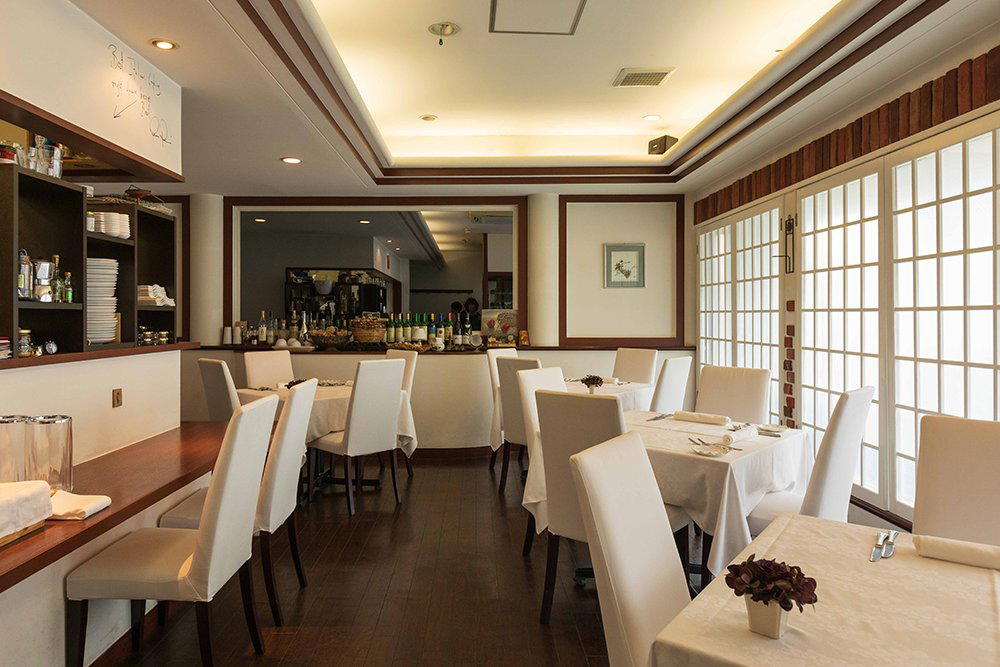
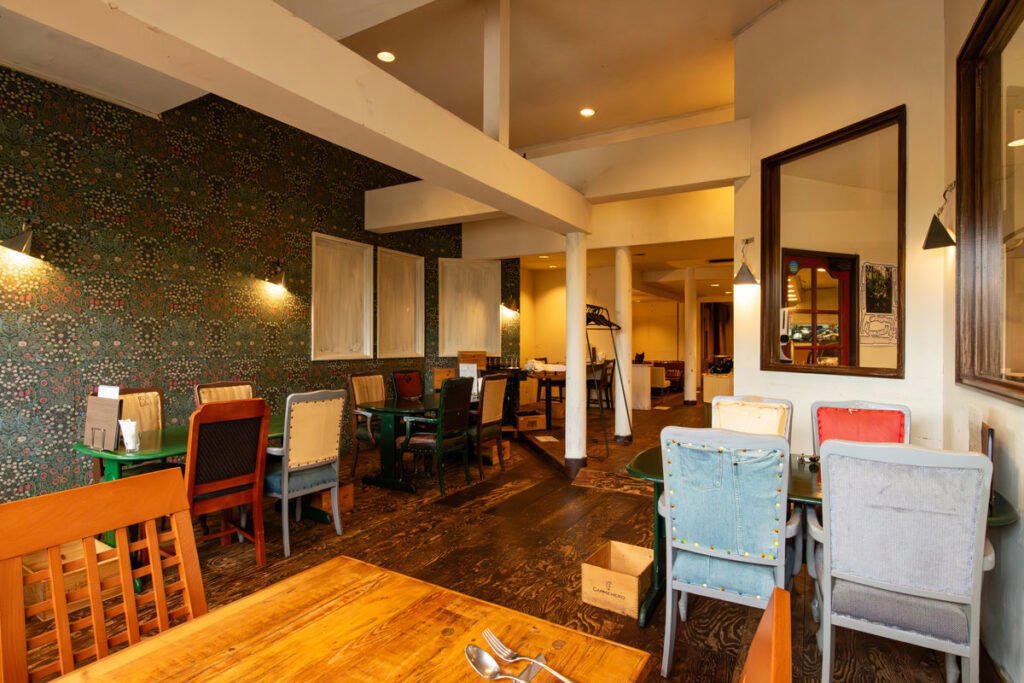
Da Sassino's Honcho address, in a building called Grace Honcho, suggests a compact, street-level space of the kind that suits the osteria brief: room for a focused wine selection, tables close enough to encourage conversation, and a kitchen small enough to demand precision over volume. That physical format, common to the category across Italy's smaller cities, travels well to a Japanese provincial context precisely because it does not depend on spectacle.
Planning a Visit
Hirosaki is accessible by Shinkansen to Shin-Aomori station, followed by a local Ou Line connection to Hirosaki, a total journey of roughly four hours from Tokyo. The city's dining scene is concentrated in the central commercial area around Honcho and the castle-adjacent streets, making it walkable once you arrive. Da Sassino's location at 56-8 Grace Honcho, Hirosaki, Aomori, places it within that compact central zone. Given the small-restaurant format that osteria-enoteca venues typically operate, advance enquiry is sensible regardless of how well-subscribed the room proves to be. For broader trip planning in the city, the EP Club Hirosaki guide covers the full range of dining options alongside context on the city's seasonal rhythms.
Visitors planning a wider Tohoku or northern Japan itinerary might also note options further afield: 古仁屋山乃 in Sapporo and 一本杉 川尻制 in Nanao represent the regional specialist category across different prefectures, while 座羽屋 in Nishikawa Machi and 湖隣荘庵 in Takashima extend the picture of considered regional dining across Japan's northern and central zones.
Frequently asked questions
What part of town is オステリア・エノテカ・ダ・サスィーノ in?
オステリア・エノテカ・ダ・サスィーノ is located at Japan, 〒036-8203 Aomori, Hirosaki, Honcho, 56-8 グレイス本町, Hirosaki.
Is オステリア・エノテカ・ダ・サスィーノ a good option for wine-focused dining in Aomori prefecture?
The enoteca designation signals that wine selection is central to the concept, not supplementary, distinguishing it from standard Italian trattorias in the region. Aomori prefecture has very few venues operating under a formal enoteca model, making the Honcho address in Hirosaki one of the more specific options for those prioritising Italian wine alongside food in northern Japan. No specific wine list details are publicly available, so asking about current cellar focus on arrival will give the clearest picture.
What do people recommend at オステリア・エノテカ・ダ・サスィーノ?
The venue operates under the osteria-enoteca format, where the wine list and food menu are expected to work in tandem, so ordering around the wine selection is a reasonable approach. In Hirosaki, the surrounding Aomori prefecture offers ingredients like Tsugaru apples, local mountain vegetables, and cold-water seafood that kitchens in this region tend to incorporate.
Should I book オステリア・エノテカ・ダ・サスィーノ in advance?
Hirosaki is a compact city with a limited number of wine-focused Italian venues, which means a recognised osteria-enoteca address on Honcho draws from a concentrated local following. Booking ahead is sensible, particularly during the Hirosaki Cherry Blossom Festival in late April and early May, when the city sees a significant surge in visitors.
What has オステリア・エノテカ・ダ・サスィーノ built its reputation on?
The venue's identity is shaped by the osteria-enoteca model: a format that historically prioritised wine selection alongside a focused, ingredient-led menu rather than elaborate production. Operating this format in Hirosaki, a northern Japanese city with strong agricultural identity in the Aomori region, positions the kitchen to work with cold-climate produce that has no direct equivalent in southern Italian cooking.
How does オステリア・エノテカ・ダ・サスィーノ handle allergies?
No allergy or dietary accommodation policy is documented. The osteria format generally means shorter menus with closer kitchen control, which can make ingredient substitution more feasible than in high-volume restaurants. check the venue's official channels before visiting to confirm what is possible, particularly for serious allergies.
Is オステリア・エノテカ・ダ・サスィーノ overpriced or worth every penny?
Osteria-enoteca dining in Japanese provincial cities tends to sit in a mid-to-upper range relative to local casual dining, with the wine component often driving the final bill. The address on Honcho in central Hirosaki suggests a considered rather than casual positioning, but confirming current menu prices before visiting is advisable.
Budget and Context
Comparable venues nearby, for context on price, style, and recognition.
| Venue | Cuisine | Price | Awards | Notes |
|---|---|---|---|---|
| オステリア・エノテカ・ダ・サスィーノThis venue (the venue you are viewing) | Farm-to-Table Italian | $150–200 | Tabelog Bronze #344 | Not listed |
| Restaurant Yamazaki | Seasonal French fine dining with Aomori apples | $50–100 | Tabelog 100 #43 | Oyakata-machi, Seasonal French fine dining with Aomori apples |
| Hasuya | Traditional Japanese Izakaya & Sake Bar | $30–50 | Tabelog 100 #78 | Chuo Hirosaki, Traditional Japanese Izakaya & Sake Bar |
| é½ | Omakase Sushi | $50–100 | Not listed | Hirosaki, Omakase Sushi |
| Il Filo | Modern Italian with Game Cuisine | $50–100 | Not listed | Chuo Hirosaki, Modern Italian with Game Cuisine |
| Sushi Uehara | Traditional Seasonal Sushi Omakase | $50–100 | Tabelog 100 #66 | Dotemachi, Traditional Seasonal Sushi Omakase |
Recognition history
Dated appearances from independent guides and award organizations, with the underlying list record or original source where available.
Tabelog Bronze #344
Tabelog
Full recognition history (3 entries)
Tabelog Bronze
Tabelog
Tabelog 100 #14 · No. 14
Tabelog · Tabelog 100 - Italian - EAST - 2025
Continue exploring
More in Hirosaki
Restaurants in Hirosaki
All restaurants in Hirosaki →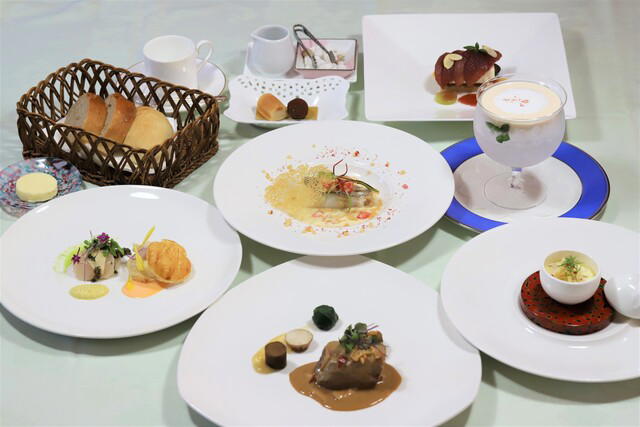
Bars in Hirosaki
All bars in Hirosaki →
Details
- Elegant
- Intimate
- Cozy
- Sophisticated
- Date Night
- Special Occasion
- Celebration
- Open Kitchen
- Natural Wine
- Sommelier Led
- Farm To Table
- Local Sourcing
- Organic
- Tasting Menu
- Set Menu
- House Made Wine
- Natural Wine
- Organic Focus
Current opening hours
- Monday
- 6–9 PM
- Tuesday
- 6–9 PM
- Wednesday
- 6–9 PM
- Thursday
- 6–9 PM
- Friday
- 6–9 PM
- Saturday
- 6–9 PM
- Sunday
- Closed
Hours can change for holidays and private events. Last verified .
Warm and intimate atmosphere with an approachable, homey feel despite the refined cuisine; candlelit and understated elegance reflecting the chef's philosophy of letting ingredients speak.