On Rua 10 de Julho in the Centro district, Caxiri occupies a part of Manaus where the Amazon's cultural memory runs close to the surface. The address places it among the city's older commercial fabric, and the name — borrowed from a traditional Amazonian fermented cassava drink — signals an orientation toward indigenous culinary tradition that sets it apart from Manaus's more conventionally styled dining rooms.
Pearl is the En Primeur Club membership app — saves, bookings, and concierge access live there. Same editors, same standards.
- Address
- Rua 10 de Julho, 495 - Centro, Manaus - AM, 69010-000, Brazil
- Phone
- +5592984054769
- Website
- instagram.com
- Directions
- Get directions
 Saves & bookings on Pearl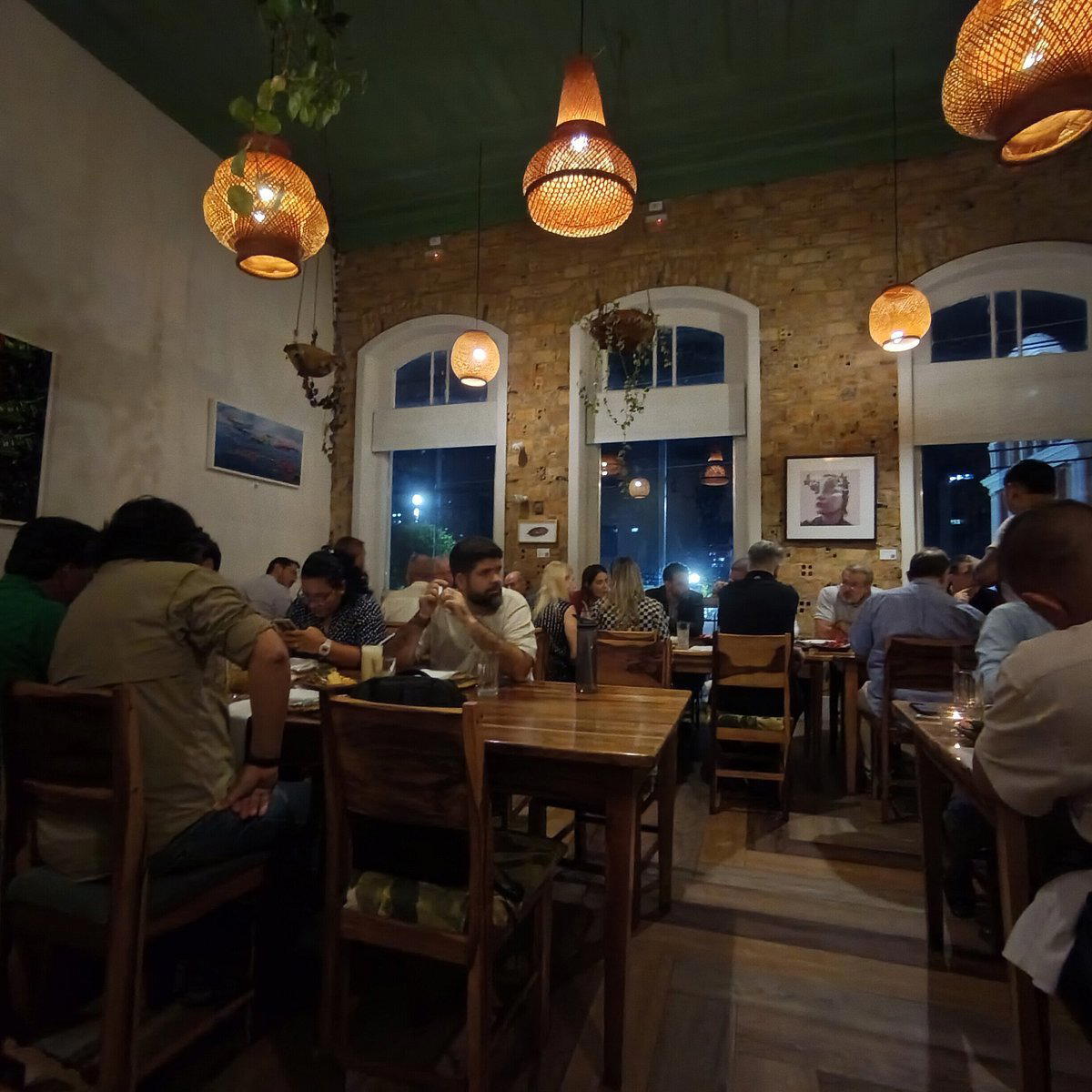
Where the Amazon Comes to the Table
Centro Manaus moves at a pace that feels distinct from the city's newer commercial zones. The streets around Rua 10 de Julho carry the architectural residue of the rubber boom era, and the neighbourhood's dining culture has historically tracked closer to local habit than to tourism. It is in this context that Caxiri situates itself: a name drawn from the fermented cassava beverage that has been central to Amazonian indigenous ritual for centuries, attached to a restaurant that positions itself squarely within the city's native food tradition rather than alongside its more internationally oriented peers.
That choice of name is not incidental. Caxiri, the drink, is prepared through a communal process, consumed at collective gatherings, and tied to ceremonies that mark time and transition in indigenous Amazonian life. A restaurant taking that name is making a statement about what kind of eating experience it intends to offer — one grounded in the rhythms and materials of the forest basin rather than in the conventions of contemporary Brazilian fine dining that have defined the reputations of places like D.O.M. in São Paulo or Oteque in Rio de Janeiro.
The Ritual of the Amazonian Meal
Eating in Manaus at this register is not the same as eating in Brazil's southern cities. The pacing, the ingredients, and the sequence of a meal rooted in Amazonian tradition follow a different internal logic. Tucunaré, tambaqui, pirarucu — the freshwater fish of the Negro and Solimões river systems, anchor dishes in ways that have no equivalent in Atlantic coastal cooking. Tucumã, cupuaçu, açaí in its unprocessed, unsweetened form: these are not garnishes or trending ingredients imported for novelty but staple elements of a food culture that developed over millennia in relative isolation from European and African culinary influences that shaped coastal Brazil.
The dining ritual here tends toward the generous and the communal. Portions in Manaus's tradition-oriented restaurants are sized for sharing, and the expectation is that a table will work through multiple preparations across a meal rather than moving through rigid courses in a European sequence. This reflects the broader pattern across the Amazon basin, where food functions as a form of hospitality that precedes formality. Comparable regional commitments to indigenous ingredient traditions can be found at Orixás North Restaurant in Itacaré, though the specific biodiversity of the Amazon places Manaus's version of this tradition in a category of its own.
Cassava as a Structural Ingredient
Any restaurant working within Amazonian tradition will give cassava a central role, and the range of preparations that tradition supports is wider than most visitors expect. Maniçoba, a slow-cooked dish using fermented cassava leaves, requires days of preparation to neutralise natural toxins, the process itself is a form of inherited technical knowledge. Farofa, tucupi broth, beiju flatbreads: cassava moves through Amazonian cooking as flour, liquid, starch, and ferment, with each form occupying a distinct function in the meal's structure. The depth of this single-ingredient repertoire has few parallels in world cooking, and restaurants in Manaus that take it seriously are working within a technical tradition as demanding as any in Brazil.
For context on how Brazilian regional cooking has developed in different directions elsewhere in the country, Birosca S2 in Belo Horizonte and Manu in Curitiba represent southern and southeastern regional perspectives that sit in a very different food-cultural position from what Manaus's Amazonian kitchen offers.
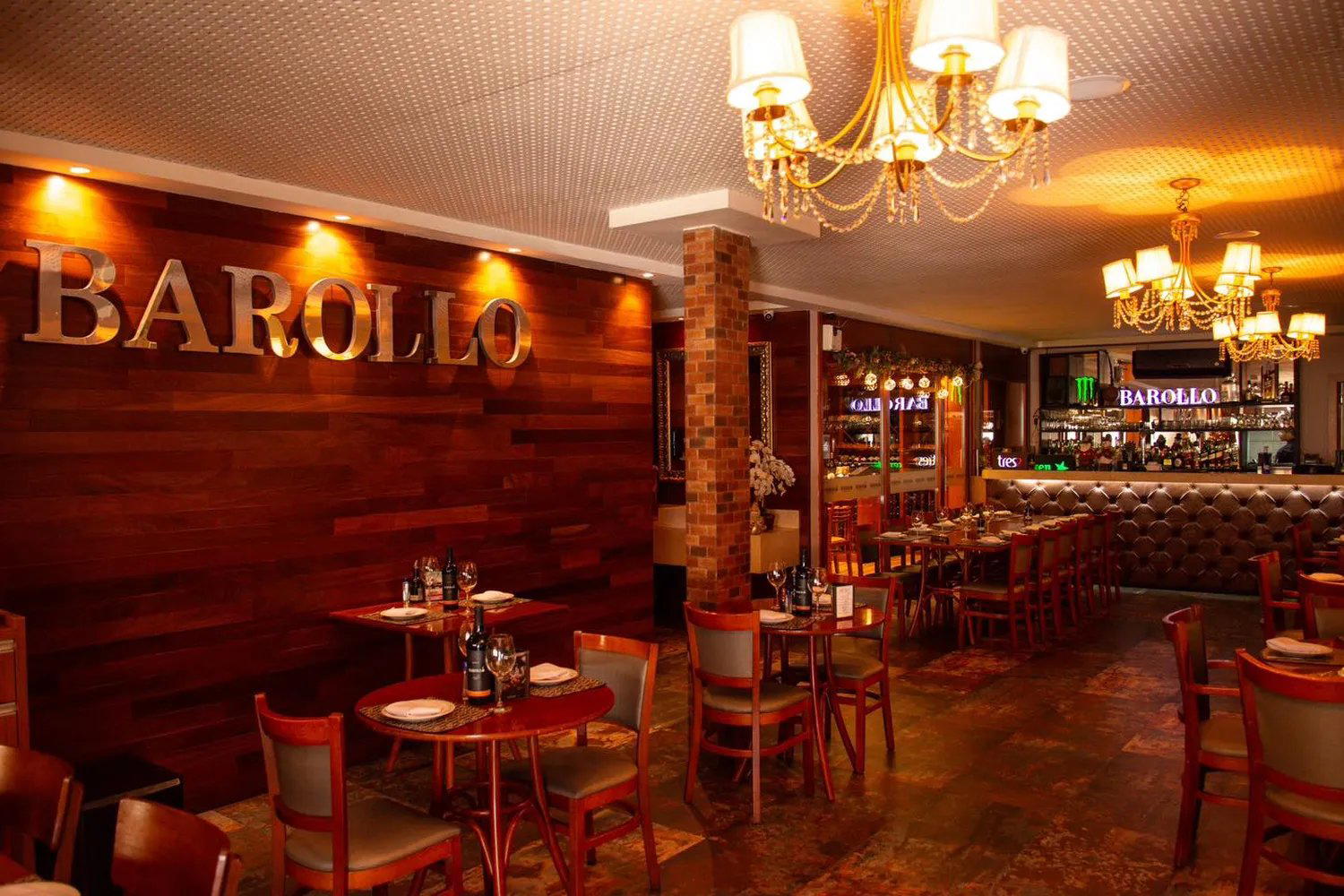
Manaus's restaurant scene has a clearly defined structure. At one end, Restaurant Banzeiro has built a national reputation for Amazonian cuisine and attracts visitors who arrive specifically for its cooking. At a more casual register, options like Churrascaria Coqueiro Verde Praça 14 serve the meat-centred tradition that runs parallel to the riverine food culture throughout the Brazilian interior. European-influenced formats occupy another segment: Bistro Fitz Carraldo, Restaurante Alentejo, and the more contemporary Barollo each address a diner whose reference points include continental cooking traditions.
Caxiri's Centro address places it in a different conversation, closer to the city's working food culture than to the hotel-adjacent dining that serves arriving visitors. The Rua 10 de Julho location is walkable from the Teatro Amazonas and the Mercado Municipal Adolpho Lisboa, both of which function as anchors for the neighbourhood's daily rhythm. Visitors arriving at the mercado in the morning hours will see the raw materials, fresh fish unloaded from river boats, stalls of Amazonian fruits and roots, that inform the cooking at restaurants like this one.
The broader pattern of regionally committed restaurants in Brazil's less-charted cities is worth tracking. Mina in Campos do Jordão and Primrose in Gramado operate in comparably specific regional registers, though their culinary reference points are entirely distinct from the Amazon basin's traditions. Further afield, the community-driven dining formats of Lazy Bear in San Francisco and the technical rigour of Le Bernardin in New York City represent how differently the question of regional commitment and culinary tradition gets answered in other contexts.
Planning a Visit
Caxiri sits at Rua 10 de Julho, 495, in the Centro district of Manaus. The address is accessible on foot from the main historic centre landmarks, making it a workable option before or after a visit to the Teatro Amazonas or the riverside market. For a wider view of where Caxiri sits within the city's dining options, our full Manaus restaurants guide maps the complete scene. Those planning a longer circuit of regionally committed Brazilian restaurants may also want to note State of Espírito Santo in Rio Bananal and Olivetto Restaurante e Enoteca in Campinas and Castelo Saint Andrews in Vale do Bosque as reference points for how differently Brazilian regional identity translates across the country's geography.
Continue exploring
More in Manaus
At a Glance
- Elegant
- Sophisticated
- Scenic
- Special Occasion
- Date Night
- Historic Building
- Craft Cocktails
- Local Sourcing
- Street Scene
Current opening hours
- Monday
- Closed
- Tuesday
- 11:30 AM–3 PM, 7–10 PM
- Wednesday
- 11:30 AM–3 PM, 7–10 PM
- Thursday
- 11:30 AM–3 PM, 7–10 PM
- Friday
- 11:30 AM–3 PM, 7–10 PM
- Saturday
- 11:30 AM–3 PM, 7–10 PM
- Sunday
- 11:30 AM–3 PM
Hours can change for holidays and private events. Last verified .
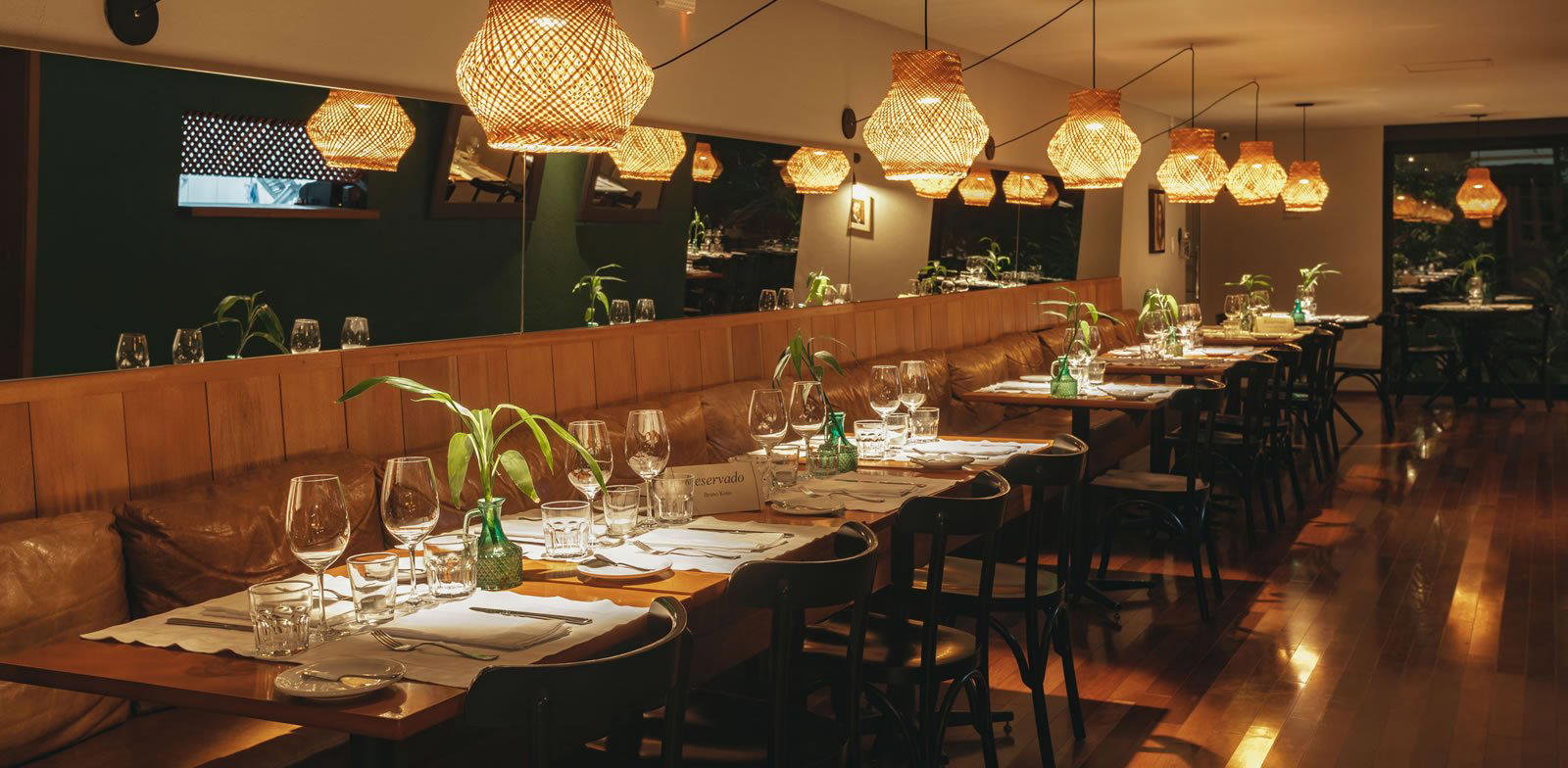
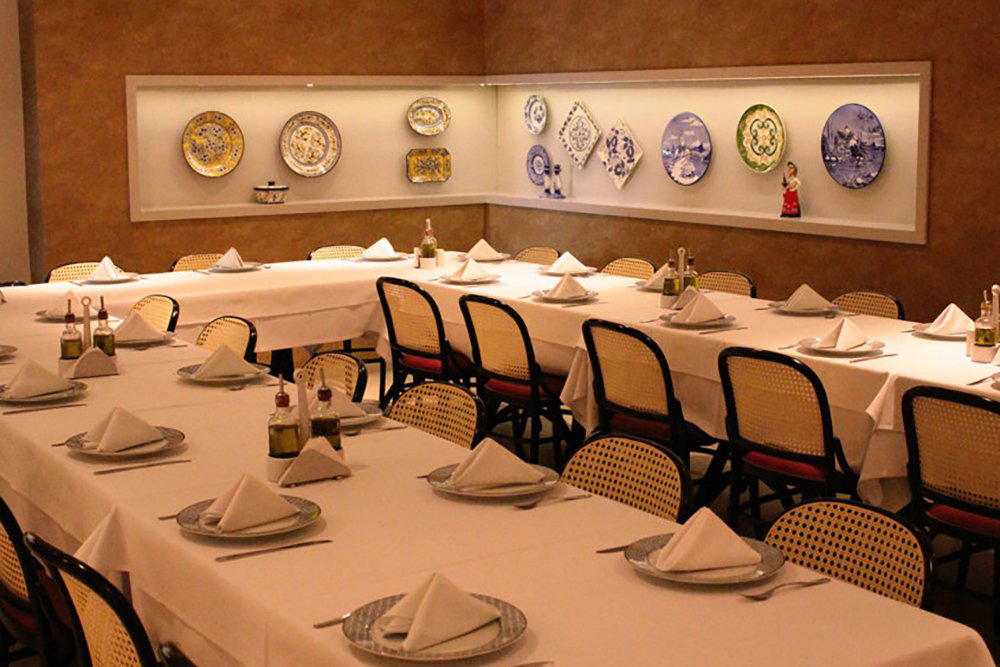
Contemporary airy dining room with hanging plants and expansive windows offering views of the theater, creating an elegant yet relaxed atmosphere.
Know Before You Go
- Getting there
- Rua 10 de Julho, 495 - Centro, Manaus - AM, 69010-000, Brazil