Banzeiro sits at the intersection of Amazonian riverine cooking and contemporary Brazilian dining, drawing ingredients from the floodplains and tributaries that define the region. Located in the Nossa Senhora das Graças neighbourhood of Manaus, it is one of the few restaurants in the city operating at the register where indigenous sourcing meets modern technique. For travellers arriving from outside the Amazon basin, it offers a specific and rarely replicated point of entry into the flavours of the interior.
Pearl is the En Primeur Club membership app — saves, bookings, and concierge access live there. Same editors, same standards.
- Address
- R. Libertador, 102 - Nossa Sra. das Graças, Manaus - AM, 69057-070, Brazil
- Phone
- +559232341621
- Website
- instagram.com
- Directions
- Get directions
 Saves & bookings on Pearl
Where the River Reaches the Table
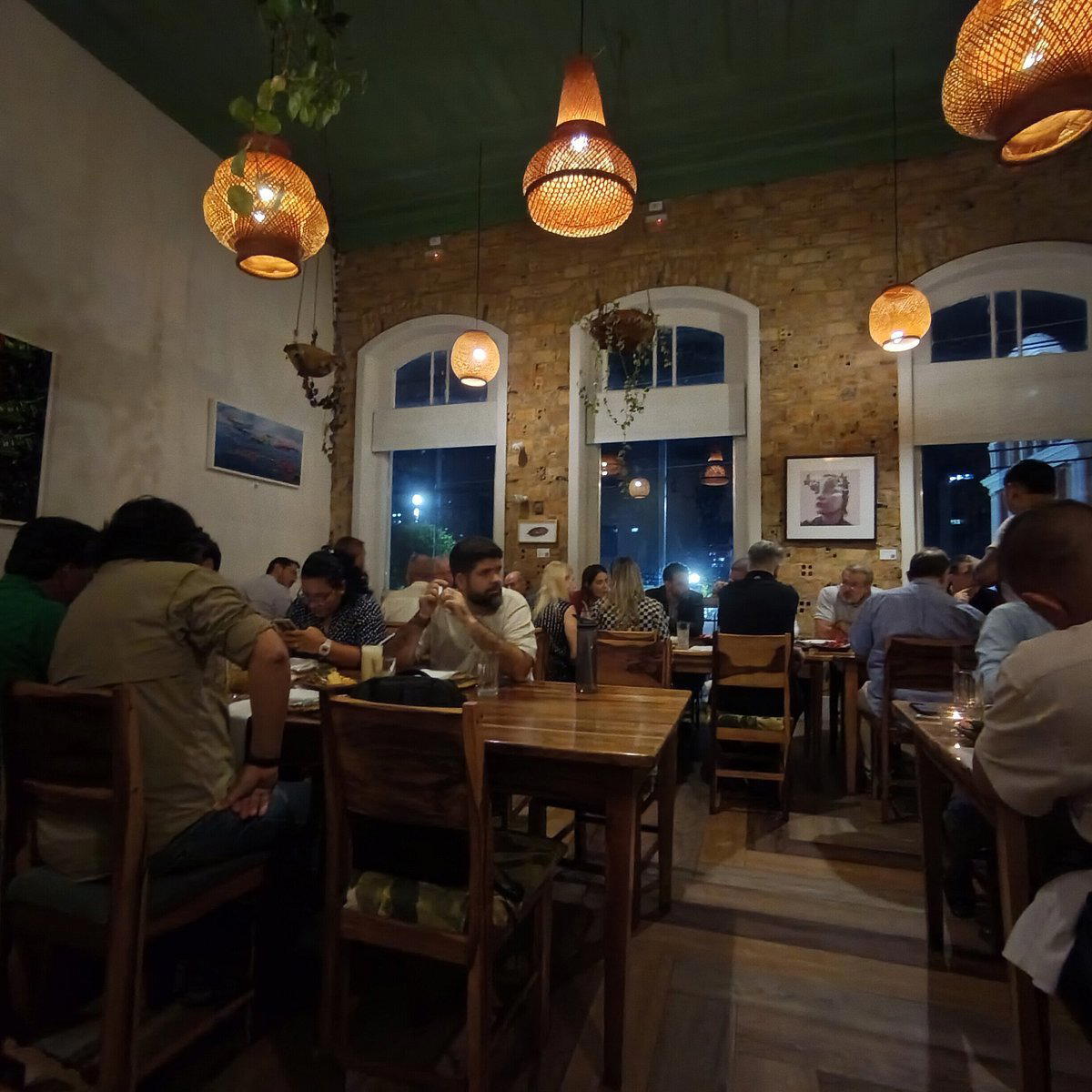
The Nossa Senhora das Graças neighbourhood of Manaus carries the practical hum of a mid-city residential district, its streets a remove from the tourist coordinates of the Teatro Amazonas and the waterfront markets. Arriving at Rua Libertador, you feel that distance from the curated version of the city. What you find at Restaurant Banzeiro is not a stage set for Amazonian romance but something closer to the real working proposition: a kitchen that takes the rivers, the várzea floodplains, and the indigenous food culture of the interior seriously as source material.
In Brazilian restaurant culture, the Amazonian north has long operated as a peripheral note in a conversation dominated by São Paulo and Rio de Janeiro. Restaurants like D.O.M. in São Paulo and Lasai in Rio de Janeiro have built international reputations partly by reaching into Amazonian ingredients as exotic counterpoints to European-influenced technique. What distinguishes a restaurant operating in Manaus itself is the absence of that curatorial distance: the ingredients here are not imported novelties but the local baseline.
The Sourcing Architecture of the Amazon
The editorial angle through which to understand Banzeiro is ingredient provenance, because in Amazonian cooking, provenance is the entire argument. The Amazon basin contains an estimated 3,000 species of freshwater fish. Tucunaré, tambaqui, pirarucu, jaraqui: these are not menu footnotes but the structural proteins of an entire regional cuisine that predates European contact by millennia. A kitchen in Manaus that sources directly from the tributaries and fish markets of the Negro and Solimões rivers is working with ingredients at a quality and freshness that no southern Brazilian restaurant can replicate, regardless of budget or intent.
Beyond fish, the várzea ecosystems supply an ingredient vocabulary that remains largely unknown outside the region: pupunha palm hearts harvested from managed plantations along the river margins, tucumã fruit whose orange flesh carries a flavour that resists easy comparison, jambu leaves with their characteristic numbing effect on the palate, and the deep-fermented complexity of tacacá broth. These are not accent flavours but foundational ones, and a restaurant that treats them with structural seriousness occupies a different category from establishments that deploy them decoratively.
This sourcing framework matters not just gastronomically but economically. Manaus sits at the confluence of two of the world's great rivers and serves as the urban hub for a region where traditional fishing and harvesting communities still supply markets through direct sale. The supply chain is shorter here than almost anywhere else in Brazil, which means the gap between river and plate is measured in hours rather than days.
Manaus as a Dining City
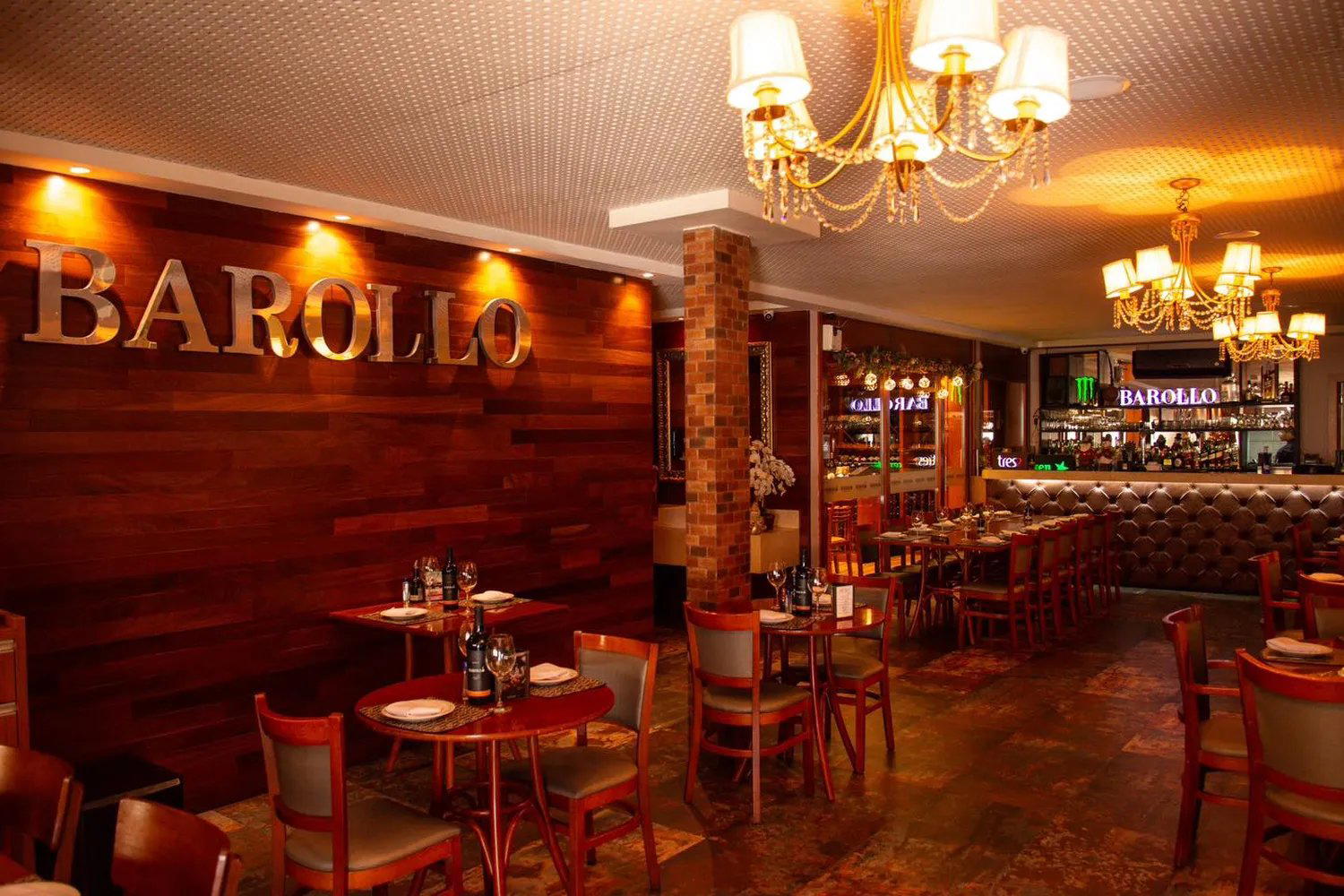
Manaus has a restaurant scene shaped by its isolation and its history as a rubber-boom city. The city's late nineteenth-century wealth funded the Teatro Amazonas and a generation of European-influenced architecture, and traces of that cosmopolitan ambition persist in the dining culture. Portuguese-influenced tables like Restaurante Alentejo sit alongside contemporary Brazilian formats. Meat-focused houses including Churrascaria Coqueiro Verde Praça 14 - Carne de Sol serve a city that consumes beef and sun-dried meats in volume. Newer addresses like Barollo and Bistro Fitz Carraldo reflect an appetite for international formats among a professional urban class. And indigenous-rooted cooking is represented by places like Caxiri, which works within a similar register to Banzeiro.
Within that scene, Banzeiro positions itself in the tier where regional identity is the product. That is a smaller, more committed niche than it might appear. The economics of sourcing from artisanal fish markets and indigenous suppliers are different from those of a conventional restaurant supply chain, and the kitchen knowledge required to handle these ingredients competently is not widely held. Restaurants that do it well tend to be deliberate about it.
To understand Banzeiro's position in Brazil's broader restaurant conversation, it helps to think about the national movement around Amazonian ingredients that has gathered force over the past fifteen years. Brazilian fine dining's engagement with the north has moved from curiosity to conviction: Alex Atala's early championing of Amazonian ingredients at D.O.M. helped legitimate a sourcing approach that had previously been treated as folkloric rather than gastronomic. That shift created space for restaurants in Manaus itself to be taken seriously on national terms rather than merely as regional curiosities.
The difference between a São Paulo restaurant working with Amazonian ingredients and a Manaus restaurant doing the same is the difference between translation and original text. Banzeiro, operating in the city where the ingredients originate, does not need to explain or contextualise them for a local audience. That changes what the kitchen can do and what the dining room assumes about its guests.
For travellers comparing options across Brazil, it is worth acknowledging that the country's most-discussed restaurants cluster in the southeast. Destinations covered in our wider Brazil editorial, from Aero Burguer e Grill in Santa Cruz Do Sul to Cantina Pozzobon in Santa Maria, Casa da Dika Restô e Eventos in Bragança, Casa da Flor Restaurante in Dourados, Casa da Picanha Penedo in Itatiaia, Famosa Pizza in Ribeirão Preto, Fornazzo Pizzaria in Passo Fundo, and Arte e Café Imperial - Matriz in Angra dos Reis, reflect the geographic spread of Brazilian dining culture. Manaus and its Amazonian kitchens remain comparatively underreported.
For international reference points, Amazonian ingredient-led cooking shares a methodological kinship with the hyper-local sourcing programs at restaurants like Le Bernardin in New York City or the fermentation and provenance focus at Atomix in New York City, even if the culinary traditions are entirely different. The common thread is a kitchen whose identity is inseparable from where its ingredients come from.
Planning Your Visit
Banzeiro is located at Rua Libertador, 102, in the Nossa Senhora das Graças district of Manaus. The neighbourhood is accessible by taxi and ride-share from the city centre, a practical consideration given Manaus's urban sprawl. Current booking details and hours are best confirmed directly with the restaurant, as operational information for Manaus venues can shift seasonally. The city's leading access is through Eduardo Gomes International Airport, which connects to São Paulo, Brasília, and a number of international hubs. Visitors with additional time in the city should cross-reference our full Manaus restaurants guide for a broader sense of the dining scene across price points and formats.
Continue exploring
More in Manaus
At a Glance
- Rustic
- Well Known
- Special Occasion
- Group Dining
- Family
- Open Kitchen
- Extensive Wine List
- Local Sourcing
Current opening hours
- Monday
- 11:30 AM–3:30 PM, 6:30–11 PM
- Tuesday
- 11:30 AM–3:30 PM, 6:30–11 PM
- Wednesday
- 11:30 AM–3:30 PM, 6:30–11 PM
- Thursday
- 11:30 AM–3:30 PM, 6:30–11 PM
- Friday
- 11:30 AM–3:30 PM, 6:30–11 PM
- Saturday
- 11:30 AM–3:30 PM, 6:30–11 PM
- Sunday
- 11 AM–4 PM, 7–10 PM
Hours can change for holidays and private events. Last verified .
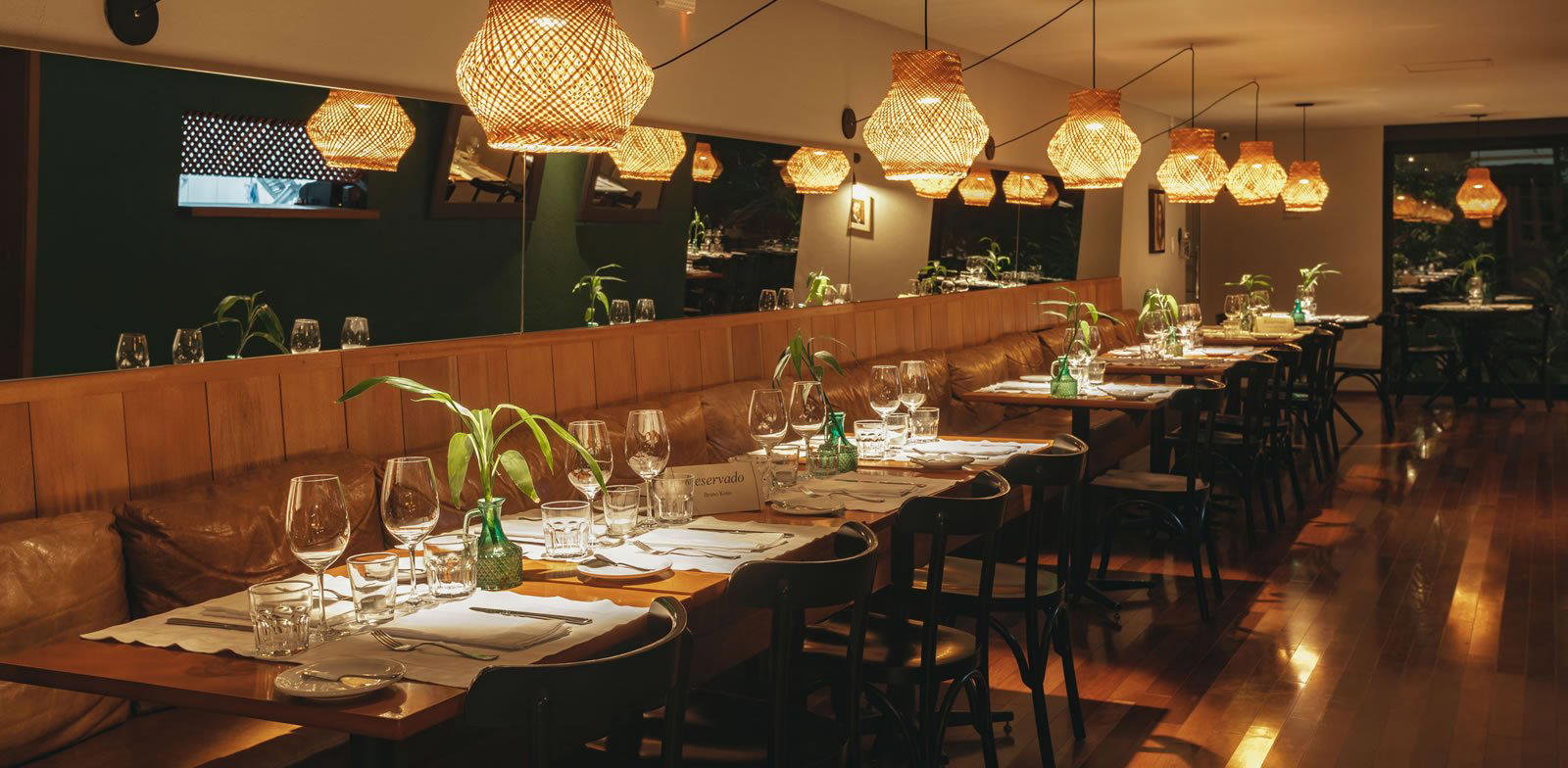
Authentic Amazonian atmosphere with imposing canoe decor and focus on regional essence through fire-and-ember cooking.
Know Before You Go
- Getting there
- R. Libertador, 102 - Nossa Sra. das Graças, Manaus - AM, 69057-070, Brazil