Barollo sits in the Nossa Senhora das Graças neighbourhood of Manaus, a city where Amazonian ingredients define the table in ways rarely replicated elsewhere in Brazil. In a region where tucunaré, pirarucu, and river-harvested botanicals arrive hours rather than days from source, the raw material case for eating here is self-evident. Manaus dining at this address rewards curiosity about what the Amazon basin actually produces.
Pearl is the En Primeur Club membership app — saves, bookings, and concierge access live there. Same editors, same standards.
- Address
- R. Rio Ituxi, 290 - Nossa Sra. das Gracas, Manaus - AM, 69053-530, Brazil
- Phone
- +559230838149
- Website
- barollo.com.br
- Directions
- Get directions
 Saves & bookings on Pearl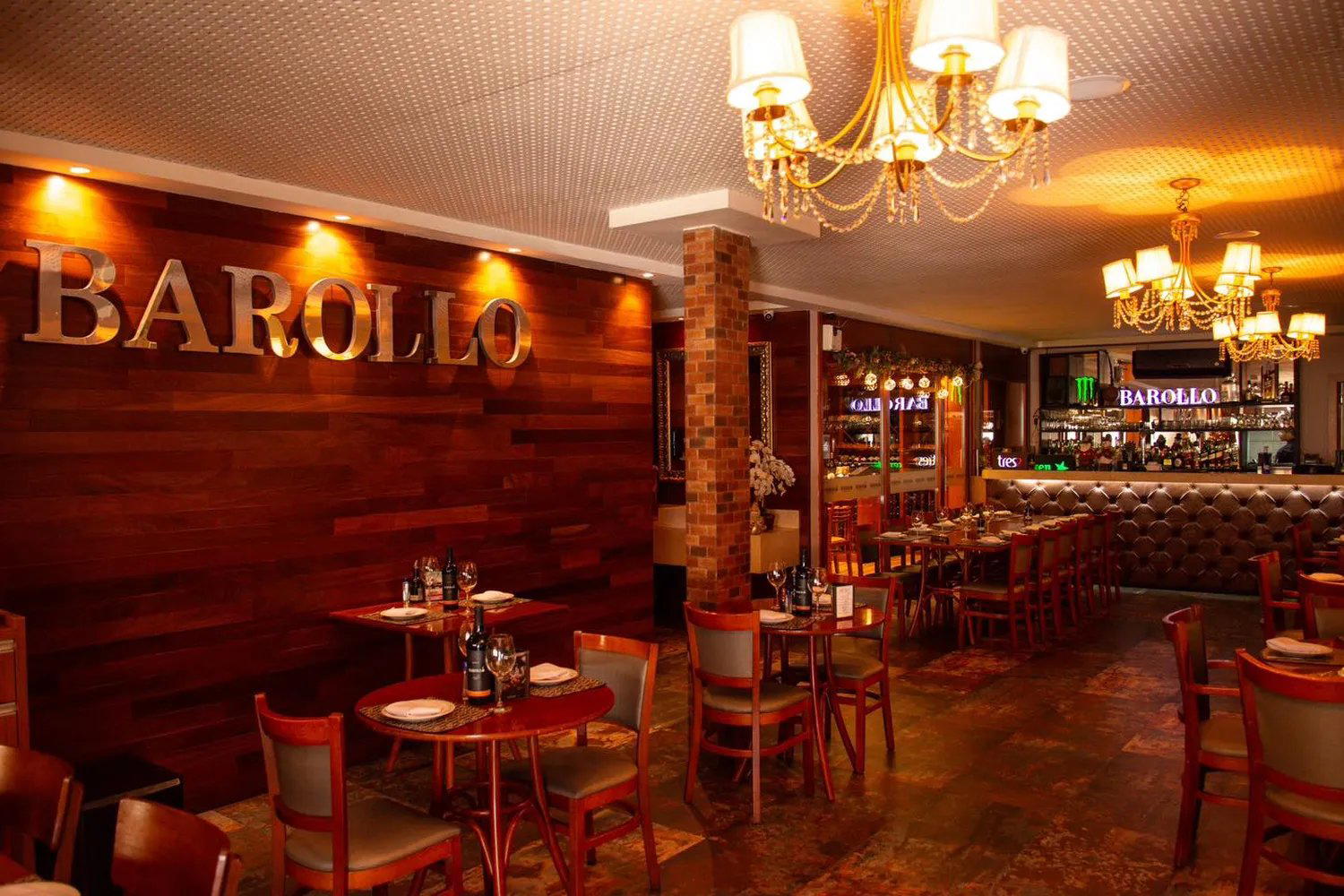
Where the Amazon Basin Sets the Terms
Manaus occupies a position in Brazilian gastronomy that few cities can rival on ingredient grounds alone. Situated at the confluence of the Rio Negro and the Amazon, it sits inside one of the most biodiverse supply corridors on the planet. Restaurants here do not import their character from São Paulo or Rio de Janeiro — the character arrives with the catch, the harvest, and the forest. Barollo, located on Rua Rio Ituxi 290 in the Nossa Senhora das Graças district, operates within that context, in a city where sourcing is not a marketing choice but a geographic fact.
The neighbourhood of Nossa Senhora das Graças sits on the southern bank of the city, removed from the tourist clusters around the Teatro Amazonas opera house. Dining rooms in this part of Manaus tend to draw a local crowd rather than a transient one, which shapes the rhythm of service, the assumptions built into a menu, and the relationship between kitchen and supplier. That local anchoring matters when evaluating what a restaurant is actually doing with its ingredients, as opposed to what it claims to do.
The Amazonian Ingredient Case
The broader argument for eating seriously in Manaus comes down to proximity. The fish markets along the waterfront receive pirarucu, tucunaré, tambaqui, and jaraqui with a regularity that coastal cities can only approximate through overnight logistics. River turtles, açaí harvested from the floodplain várzea forests, jambu leaves, and tucumã palm fruit are not specialty imports here — they are baseline pantry items. The Brazilian restaurant movement that brought Amazonian ingredients to national attention, visible in venues like D.O.M. in São Paulo and Oteque in Rio de Janeiro, was always working at one remove from the source. In Manaus, the source is the supply chain.
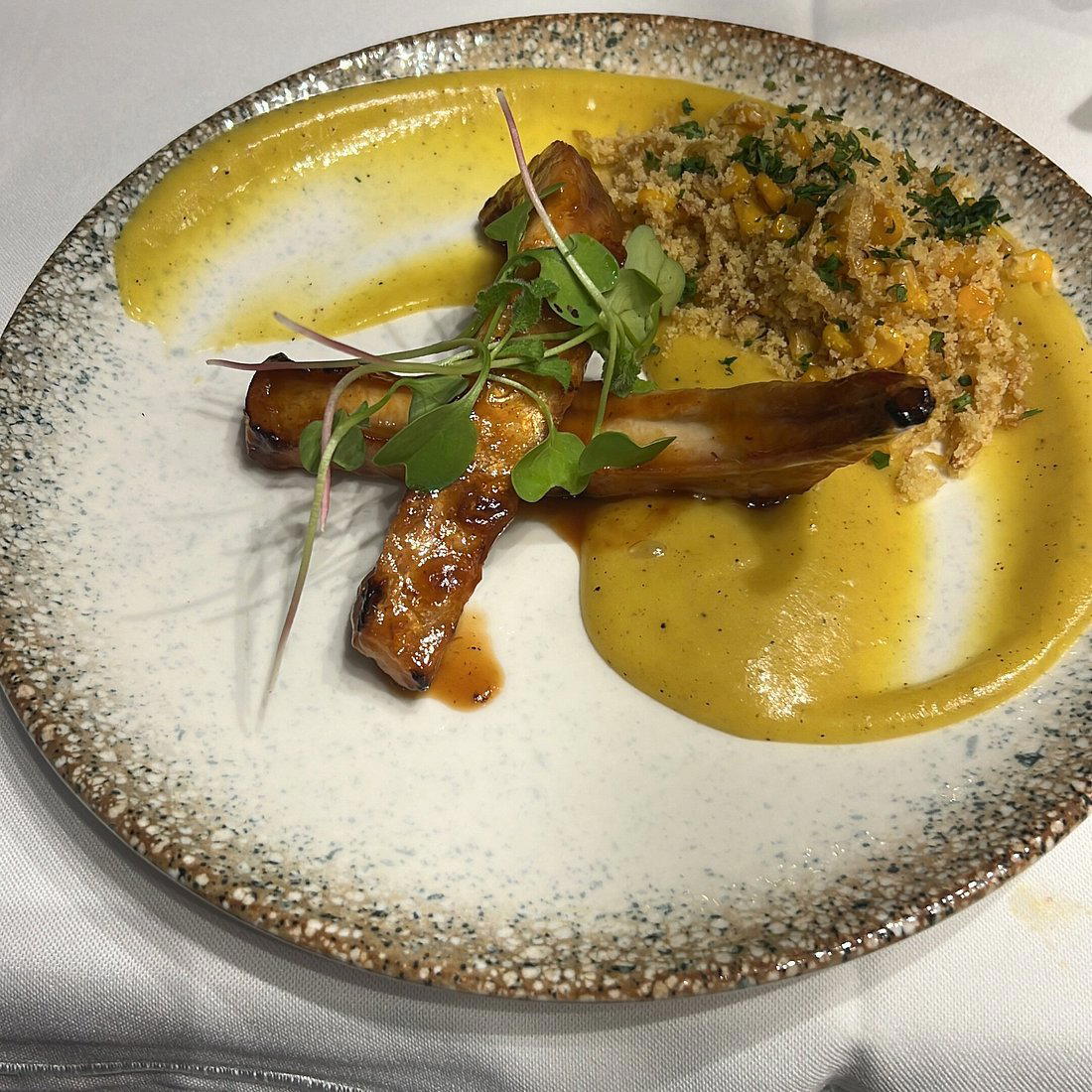
That distinction has consequences for what ends up on the plate. River fish cooked within hours of leaving the water behaves differently from fish transported under refrigeration for two days. The fat content, the texture under heat, and the flavour intensity shift measurably. When a Manaus kitchen handles tambaqui, a fish whose fatty flanks make it well-suited to charcoal preparation, the window for cooking it correctly is wider and the results more consistent than anywhere downstream. This is the ingredient reality that places Barollo's address on the map for those paying attention to where Brazilian cooking is heading.
For reference points elsewhere in Brazil, Manu in Curitiba and Birosca S2 in Belo Horizonte each engage seriously with regional Brazilian sourcing, but both work at a geographical distance from Amazonian supply that Manaus restaurants simply do not face. Closer in spirit, Orixás | North Restaurant in Itacaré draws on northern Brazilian culinary traditions from a coastal position; the interior river basin produces a different, less saline set of references.
The Manaus Dining Scene: Where Barollo Sits
Manaus has developed a restaurant tier that ranges from direct regional cooking, represented by addresses like Churrascaria Coqueiro Verde Praça 14 - Carne de Sol, which anchors the churrascaria and carne de sol tradition, through to more considered treatments of Amazonian produce. Restaurant Banzeiro has established itself as the reference point for ingredient-driven Amazonian cuisine in the city, bringing a degree of technical attention to river fish and forest botanicals that earned it national notice. Caxiri approaches the same pantry from a different angle, with a focus on fermented and indigenous preparations. Bistro Fitz Carraldo and Restaurante Alentejo occupy a more European-inflected bracket.
Barollo's address in Nossa Senhora das Graças places it within the residential dining belt rather than the central tourist circuit, a positioning that tends to correlate with more consistent local patronage and less menu drift toward foreign expectations. Internationally, the format of regionally anchored neighbourhood restaurants that resist the pull of cosmopolitan standardisation has produced some of the most durable dining rooms: Lazy Bear in San Francisco built a following on exactly that principle of defined sourcing geography, and Le Bernardin in New York City has sustained decades of relevance by treating ingredient quality as the irreducible constraint around which everything else organises. The scale and setting differ entirely, but the principle that sourcing precedes technique applies across formats.
Planning a Visit to Barollo
Rua Rio Ituxi 290 falls within the Nossa Senhora das Graças district, accessible from central Manaus by taxi or ride-share in under fifteen minutes depending on traffic along Avenida Constantino Nery. Phone and website details are not currently listed in available records, so confirmation of hours and format before travelling is advisable, directly through maps applications or in-person on arrival. For a fuller picture of where Barollo sits among Manaus options, our full Manaus restaurants guide covers the city's dining character across price points and neighbourhoods. Those extending travel beyond Manaus might also note Mina in Campos do Jordão, Primrose in Gramado, Castelo Saint Andrews - Gramado in Vale do Bosque, Olivetto Restaurante E Enoteca in Campinas, and State of Espírito Santo in Rio Bananal as part of a broader Brazilian dining itinerary.
Continue exploring
More in Manaus
At a Glance
- Sophisticated
- Modern
- Lively
- Elegant
- Date Night
- Business Dinner
- Celebration
- Live Music
- Open Kitchen
- Craft Cocktails
- Extensive Wine List
- Local Sourcing
Current opening hours
- Monday
- 11:30 AM–11 PM
- Tuesday
- 11:30 AM–11 PM
- Wednesday
- 11:30 AM–11 PM
- Thursday
- 11:30 AM–11 PM
- Friday
- 11:30 AM–2 AM
- Saturday
- 11:30 AM–2 AM
- Sunday
- 11:30 AM–4 PM
Hours can change for holidays and private events. Last verified .
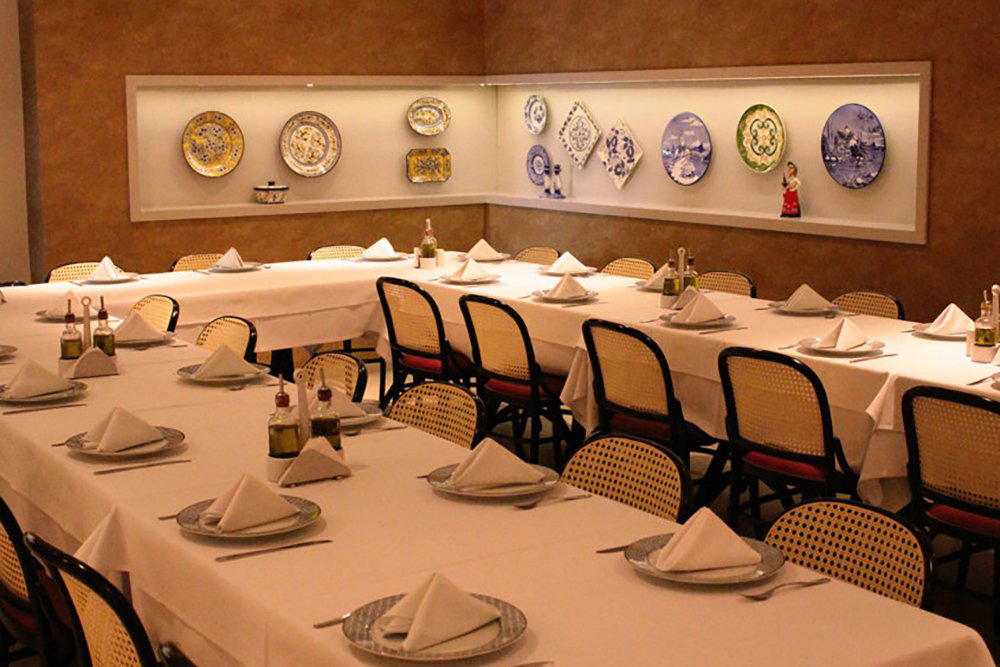
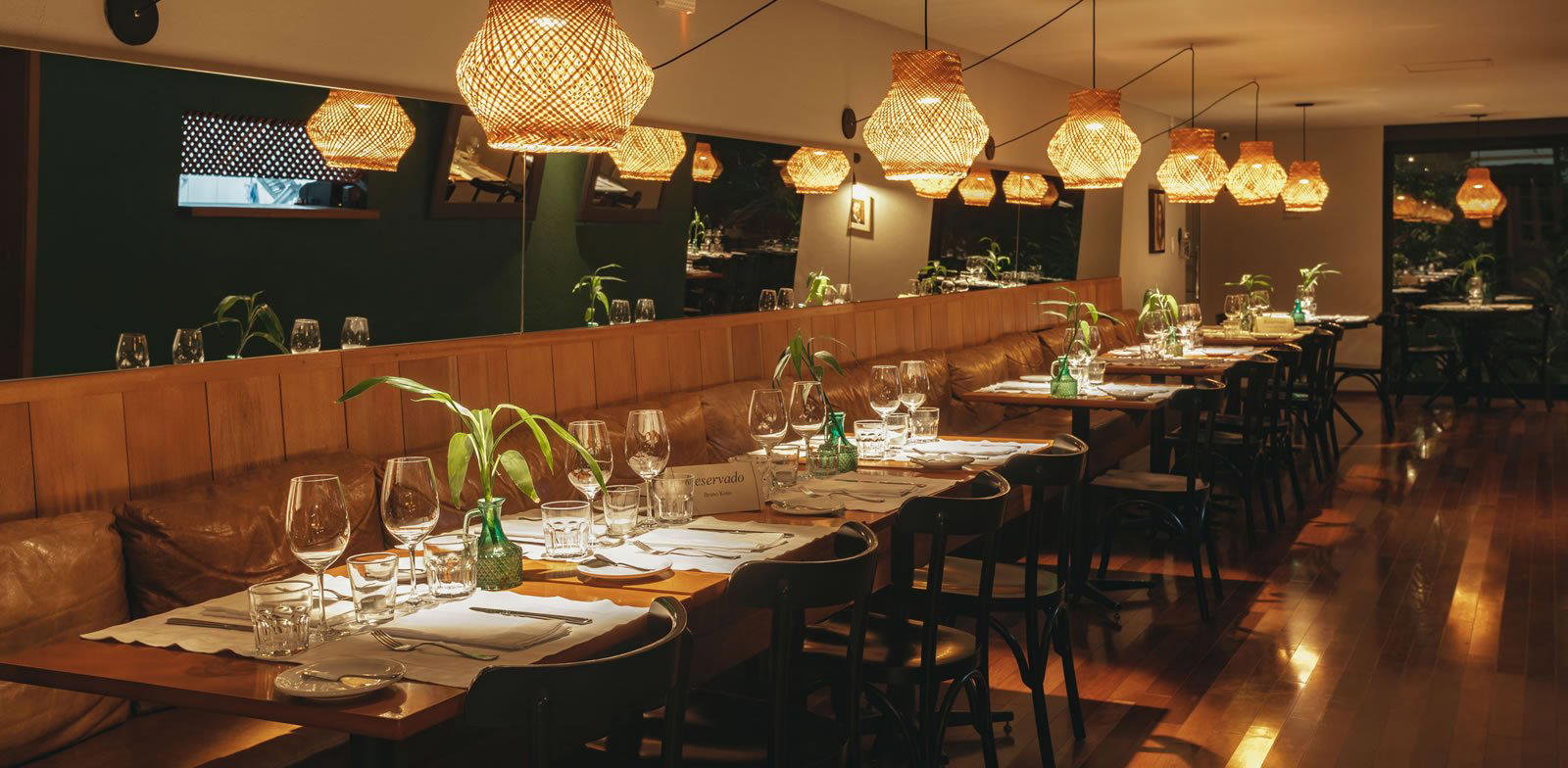
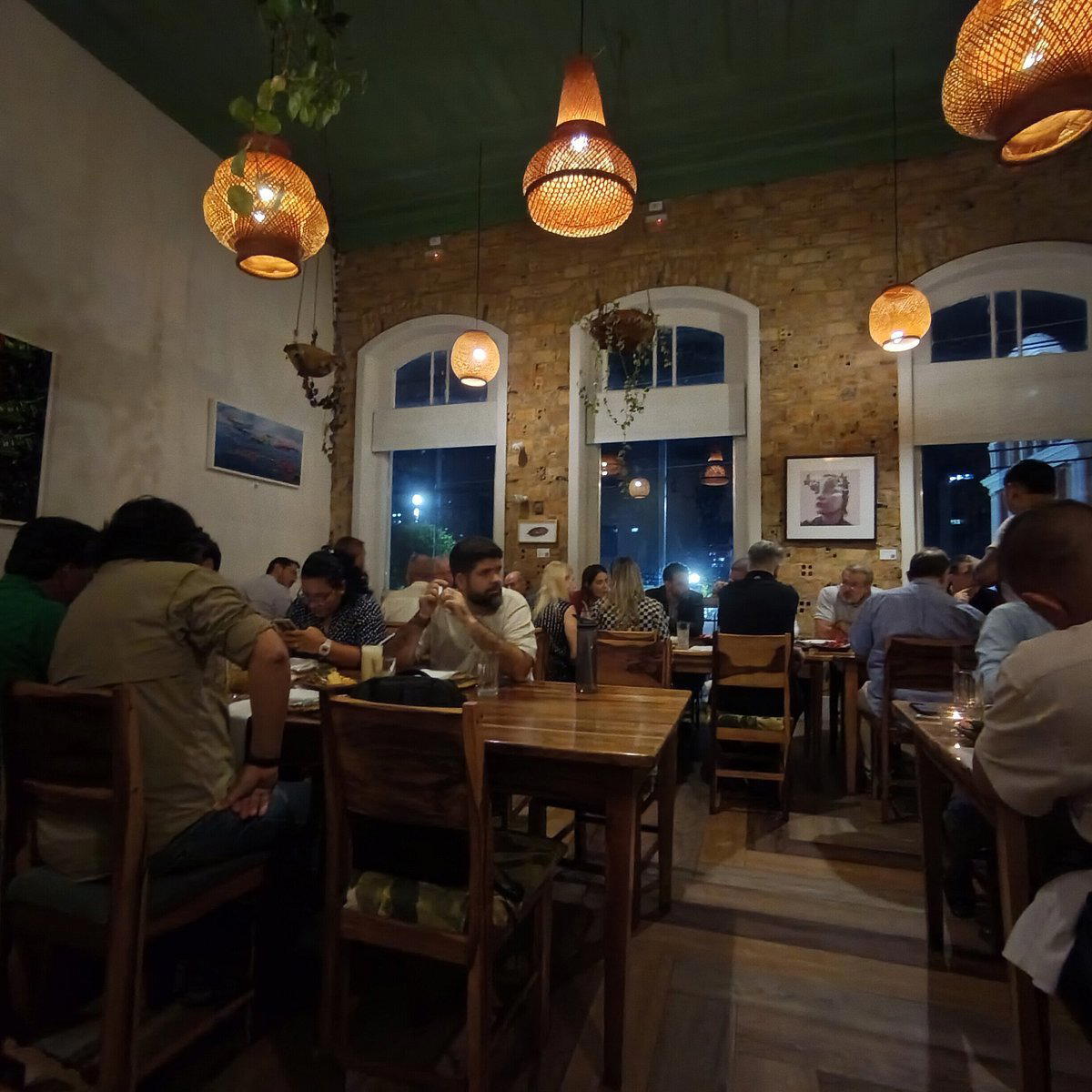
Sophisticated and modern with lively energy from live bands, pleasant lighting, and an upscale feel praised for its sensory experience.
Know Before You Go
- Getting there
- R. Rio Ituxi, 290 - Nossa Sra. das Gracas, Manaus - AM, 69053-530, Brazil