Carne de sol is one of Brazil's most enduring preservation traditions, and Praça 14 de Janeiro is where Manaus takes it seriously. Churrascaria Coqueiro Verde sits on Av. Ramos Ferreira in this working-class neighbourhood that has long been the city's quiet centre of gravity for sun-dried and grilled beef. For visitors following the thread of Amazonian street food rather than fine-dining circuits, this address is a direct line to that tradition.
Pearl is the En Primeur Club membership app — saves, bookings, and concierge access live there. Same editors, same standards.
- Address
- Av. Ramos Ferreira, 1920 - Praça 14 de Janeiro, Manaus - AM, 69020-080, Brazil
- Phone
- +5592982010000
- Website
- coqueiroverde.menudino.com
- Directions
- Get directions
 Saves & bookings on Pearl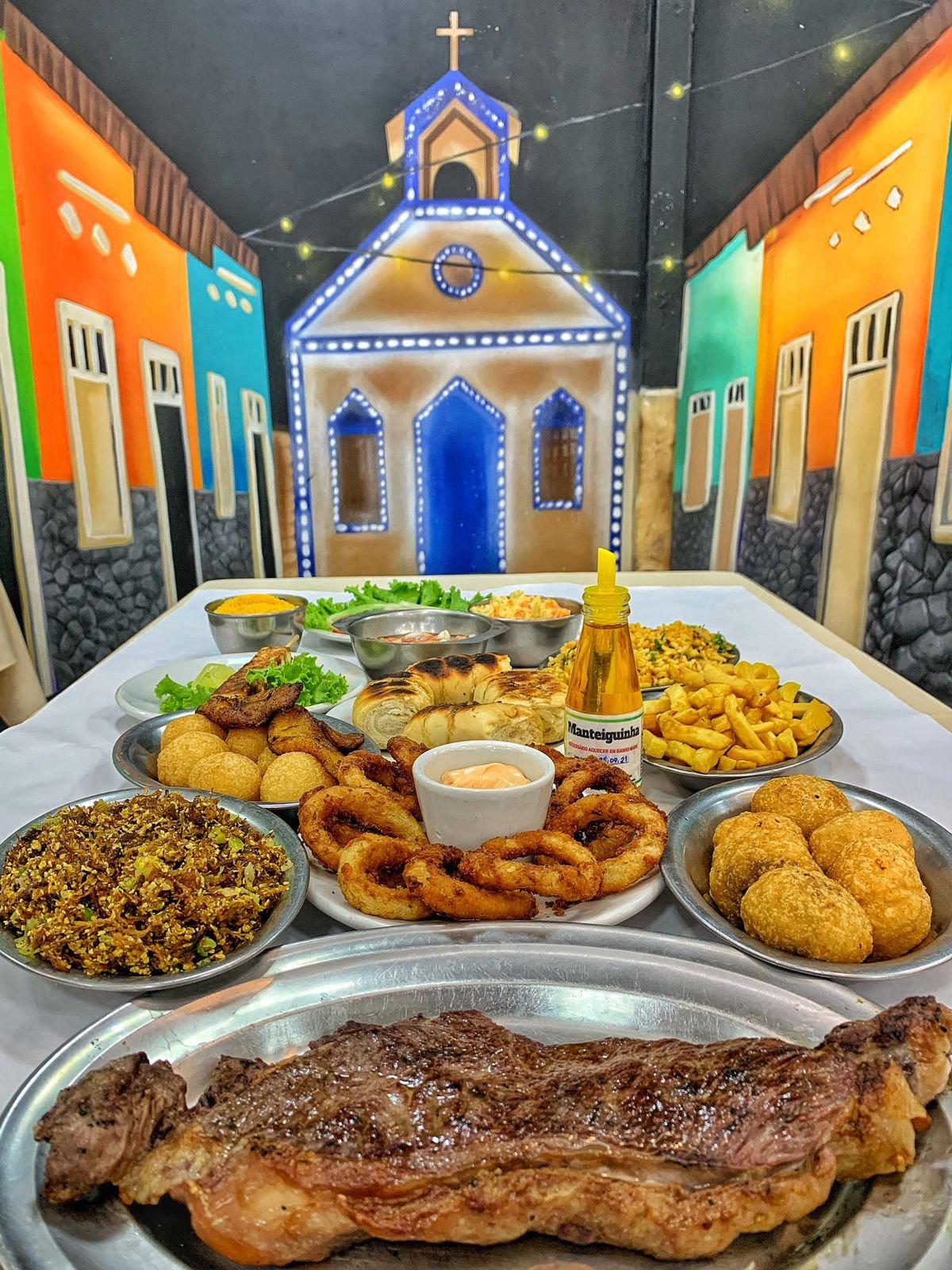
Praça 14 de Janeiro: Manaus's Neighbourhood of Sun-Dried Beef
Praça 14 de Janeiro in Manaus is a neighbourhood known for carne de sol and churrascarias. In Manaus, Praça 14 de Janeiro is that neighbourhood for carne de sol. The area around Av. Ramos Ferreira has accumulated a density of churrascarias and carne de sol specialists that reflects something deeper than commercial happenstance: this is where the tradition settled, where the clientele is predominantly local, and where the standard for the dish is set by habit and repetition rather than by culinary ambition. Churrascaria Coqueiro Verde Praça 14 sits within that context at number 1920 on Ramos Ferreira, a street address that places it squarely inside this tradition.
Understanding carne de sol as a category matters before sitting down here. The dish is a Northeastern Brazilian preservation technique, historically distinct from charque (the harder-dried, saltier beef of the deep interior) and from the barbecue traditions of the South. Carne de sol is lightly salted, briefly air-dried in shade rather than direct sun despite the name, and then typically grilled or pan-fried to order. The result is beef with a specific texture: firmer than fresh, more concentrated in flavour, with a caramelised exterior crust that forms quickly at high heat. In Manaus, the dish arrived through internal migration and trade routes from the Northeast, and it has become embedded in the city's everyday eating in a way that distinguishes it from the Amazonian fish-centric cuisine found at restaurants like Restaurant Banzeiro or Caxiri.
What the Churrascaria Format Means Here
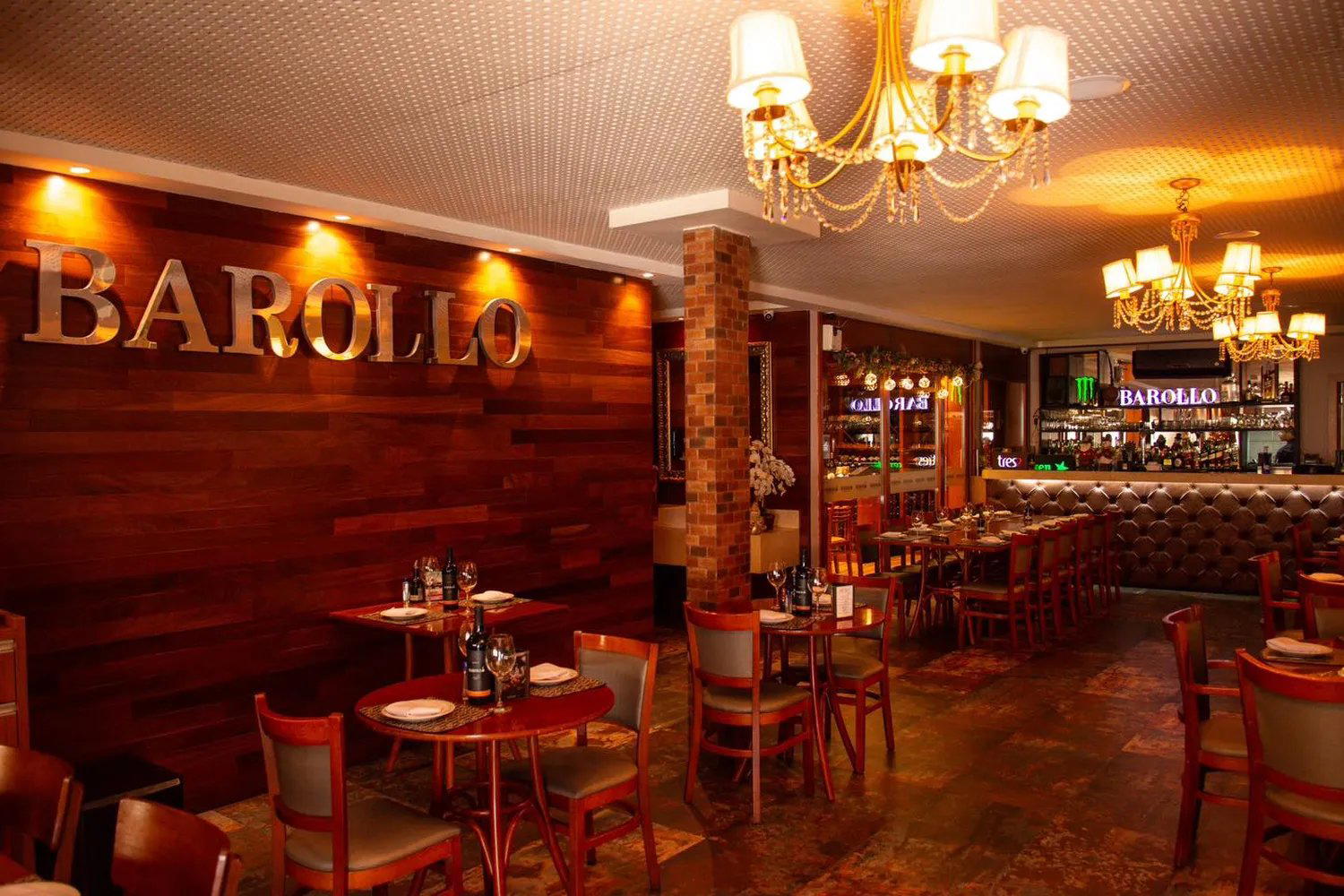
The term churrascaria in this context does not signal the rodízio format familiar from international Brazilian steakhouse chains, where servers circulate with skewers and the price is fixed per head. A neighbourhood churrascaria in Manaus operates closer to a grill house: orders are placed from a menu, the fire is the primary cooking method, and the portions tend toward the generous side. The distinction matters because it places Coqueiro Verde in a different comparable set from Manaus's more formal dining addresses on the riverfront or around the Teatro Amazonas district. This is not where you go for tasting menus or river-fish preparations. For those experiences, Bistro Fitz Carraldo, Barollo, or Restaurante Alentejo represent different registers of the same city's dining scene. Coqueiro Verde occupies the register where the food is the point and the setting is functional rather than considered.
That functional register is worth defending as a category. Brazilian cities with serious dining cultures tend to produce both fine-dining flagship operations and strong neighbourhood specialists that sustain daily life. The latter are often harder to find for visitors and more instructive about how a city actually eats. Oteque in Rio de Janeiro and D.O.M. in São Paulo represent the headline layer of Brazilian dining. The Praça 14 neighbourhood addresses represent something more durable and less photographed.
Carne de Sol in the Broader Brazilian Picture
Across Brazil's interior states and Amazonian cities, carne de sol appears as a constant on neighbourhood menus, usually accompanied by rice, beans, farofa (toasted cassava flour), and some form of plantain. The dish's longevity comes from its utility: before refrigeration, controlled drying extended the shelf life of beef in tropical climates. That origin has not diminished its appeal in the age of cold chains; if anything, the texture and intensity of flavour that the process produces have made carne de sol a deliberate choice rather than a necessity.
Elsewhere in Brazil's regional cooking, comparable preservation traditions appear in different forms. Orixás | North Restaurant in Itacaré engages with Bahian coastal cooking where smoked and preserved proteins also carry cultural weight. In the South, the gaucho barbecue traditions that underpin places like Primrose in Gramado or Castelo Saint Andrews in Vale do Bosque share the same reverence for fire and beef, but through a completely different regional lens. Carne de sol sits apart from all of them: it is a Northeastern tradition that has travelled and taken root in Amazonian cities, and Manaus's Praça 14 neighbourhood is among the more concentrated places to encounter it.
Getting There and Planning Your Visit
The address at Av. Ramos Ferreira, 1920 in the Praça 14 de Janeiro district places the restaurant in a part of Manaus that visitors staying near the Teatro Amazonas or the waterfront will need to travel to deliberately. This is not a destination you pass on the way to something else. That deliberateness is part of what makes it instructive: the clientele is predominantly local, the rhythm of service follows neighbourhood patterns, and the experience is shaped more by the regulars than by tourist traffic. Reservations are recommended. Arriving outside peak lunch hours on weekdays typically gives the clearest read on what a neighbourhood place like this actually is.
Visitors building a broader Brazilian itinerary around regional cooking traditions might also find useful reference in Birosca S2 in Belo Horizonte, where Minas Gerais comfort food occupies a similarly unfussy register, or Manu in Curitiba for a more composed take on southern Brazilian ingredients. Further afield, Mina in Campos do Jordão and Olivetto Restaurante E Enoteca in Campinas illustrate how differently Brazilian regional cooking presents itself depending on altitude, climate, and European immigrant influence. Against all of those reference points, the Praça 14 neighbourhood's carne de sol tradition reads as a distinct and uncompromising strand of Brazilian culinary identity. For readers who track how a country's food culture actually distributes itself across income levels and neighbourhoods, this part of Manaus is worth the detour. For those benchmarking international standards, Le Bernardin in New York City and Lazy Bear in San Francisco operate in an entirely different register of precision and price, which only underlines how different the criteria are when assessing a neighbourhood specialist like Coqueiro Verde on its own terms.
A Lean Comparison
Comparable venues nearby, for context on price, style, and recognition.
| Venue | Cuisine | Price | Notes |
|---|---|---|---|
| Churrascaria Coqueiro Verde Praça 14 - Carne de SolThis venue — the venue you are viewing | Not listed | $$ | Not listed |
| Bistro Fitz Carraldo | Not listed | $$$ | Centro (Historical City Center), Amazonian-International Bistro |
| Restaurant Banzeiro | Not listed | $$$ | Nossa Sra. das Graças, Amazonian Brazilian Seafood |
| Caxiri | Centro, Modern Amazonian Brazilian | $$$ | Not listed |
| Barollo | Not listed | $$$ | Nossa Sra. das Gracas, Modern Brazilian Gastropub |
| Restaurante Alentejo | Not listed | $$$$ | Vieiralves, Traditional Portuguese Fine Dining |
Continue exploring
More in Manaus
At a Glance
- Rustic
- Lively
- Group Dining
- Family
- Casual Hangout
- Standalone
Current opening hours
- Monday
- 11 AM–10 PM
- Tuesday
- 11 AM–10 PM
- Wednesday
- 11 AM–10 PM
- Thursday
- 11 AM–10 PM
- Friday
- 11 AM–10 PM
- Saturday
- 11 AM–10 PM
- Sunday
- 11 AM–4 PM
Hours can change for holidays and private events. Last verified .
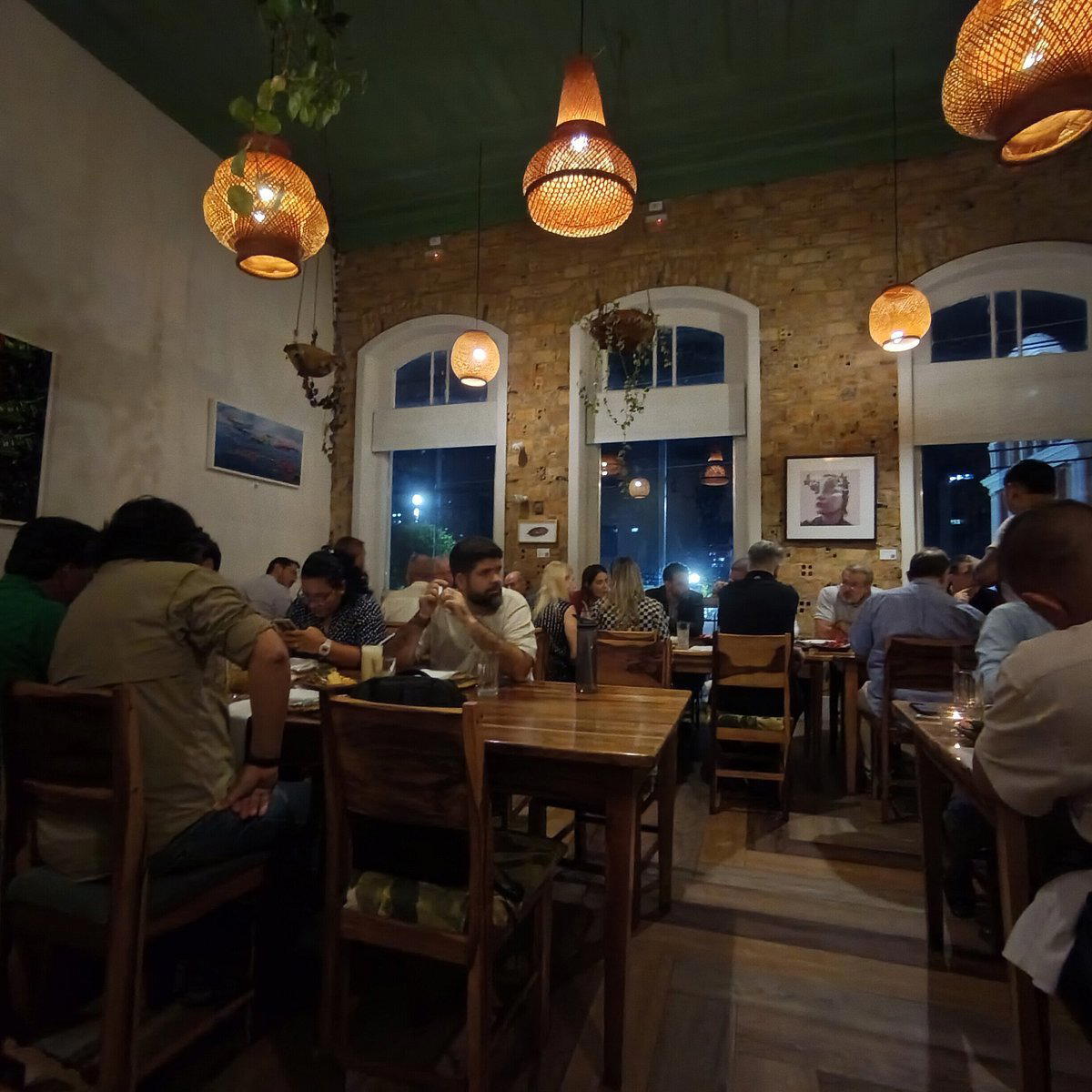
Casual and unpretentious atmosphere without air conditioning, featuring attentive table service and a focus on hearty, tasty food.