Restaurante Alentejo sits on Rua Pará in the Nossa Senhora das Graças neighbourhood of Manaus, bringing a Portuguese regional name into the heart of Brazil's Amazonian capital. The address places it within a residential district that has quietly developed its own dining identity, distinct from the tourist-facing waterfront. For visitors tracing the culinary connections between Iberian and Amazonian tradition, it represents an interesting point of inquiry in a city of competing food narratives.
Pearl is the En Primeur Club membership app — saves, bookings, and concierge access live there. Same editors, same standards.
- Address
- R. Pará, 555 - Nossa Sra. das Gracas, Manaus - AM, 69099-182, Brazil
- Phone
- +559232337300
- Website
- restaurantealentejo.com.br
- Directions
- Get directions
 Saves & bookings on Pearl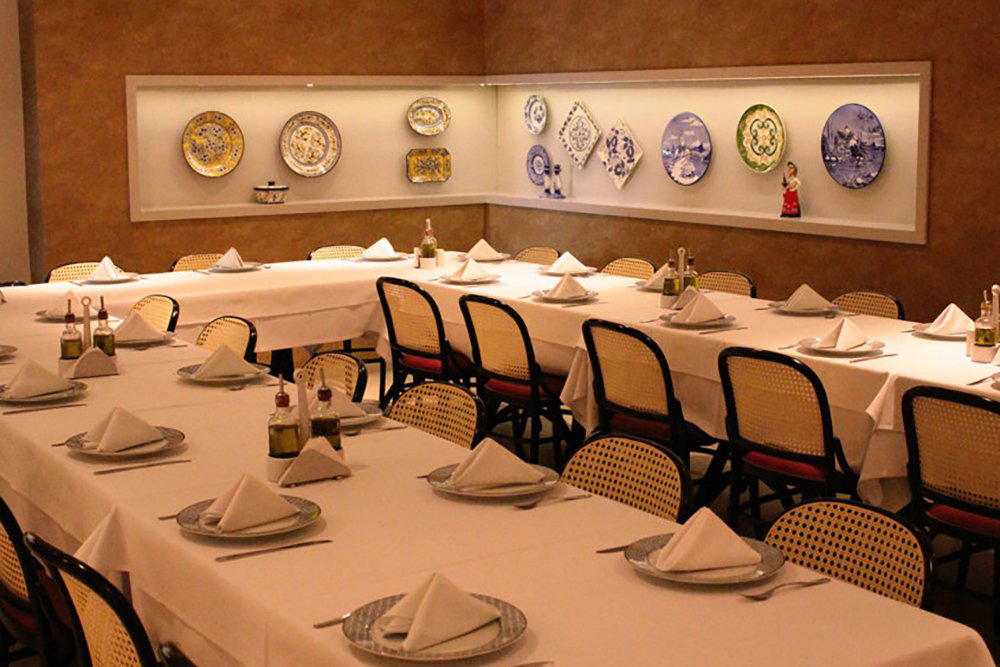
Where the Alentejo Name Lands in Amazônia
Rua Pará runs through Nossa Senhora das Graças, one of Manaus's more established residential neighbourhoods, far enough from the waterfront bustle to feel like a place locals use regularly. Restaurants here tend to earn their clientele through repetition rather than foot traffic. That Restaurante Alentejo carries a name rooted in southern Portugal, a region whose cuisine runs on pork, olive oil, bread, and slow time, inside a city defined by river fish and jungle produce, says something about how Brazil's interior cities absorb and reframe their colonial inheritance.
The Alentejo Tradition and What It Carries
The Alentejo region of Portugal has among the more coherent culinary identities in the Iberian peninsula. Its cooking is built around what the land and the pig provide: açorda (bread-thickened soups), migas (fried breadcrumb preparations), black pork from the Alentejo breed, and cured meats eaten with little ceremony. The wine tradition, centred on varieties like Aragonez and Trincadeira, has grown considerably in international recognition over the past two decades, though the food itself has always been understood domestically as peasant food made serious through quality of ingredient rather than technique.
When that culinary language emigrates, as it did with the Portuguese diaspora that moved through Brazil over centuries, it tends to adapt. In cities like São Paulo, Iberian references get absorbed into a competitive restaurant culture that runs from high-concept Brazilian cuisine, as at D.O.M. in São Paulo, through to neighbourhood trattorias and churrascarias. In Rio, the conversation is different again; Brazilian-Portuguese culinary overlap shows up in bacalhau preparations and rice-centred dishes that persist across class lines. Farther north, in Manaus, the Amazonian ingredient set applies pressure in a different direction. River fish, tucupi, jambu, and açaí are not background flavours here; they are the dominant culinary logic.
Manaus as a Dining City: The Tension That Defines It
Manaus is not a city that gets written about often in food terms, which is partly a function of geography and partly a function of how Brazilian food culture tends to aggregate its prestige narratives around São Paulo and Rio. That underrepresentation obscures a genuine dining scene with its own grammar. The city's position at the confluence of the Rio Negro and the Solimões means that river fish, pirarucu, tambaqui, tucunaré, are as central to the local table as beef is to the Pantanal or seafood is to Florianópolis.
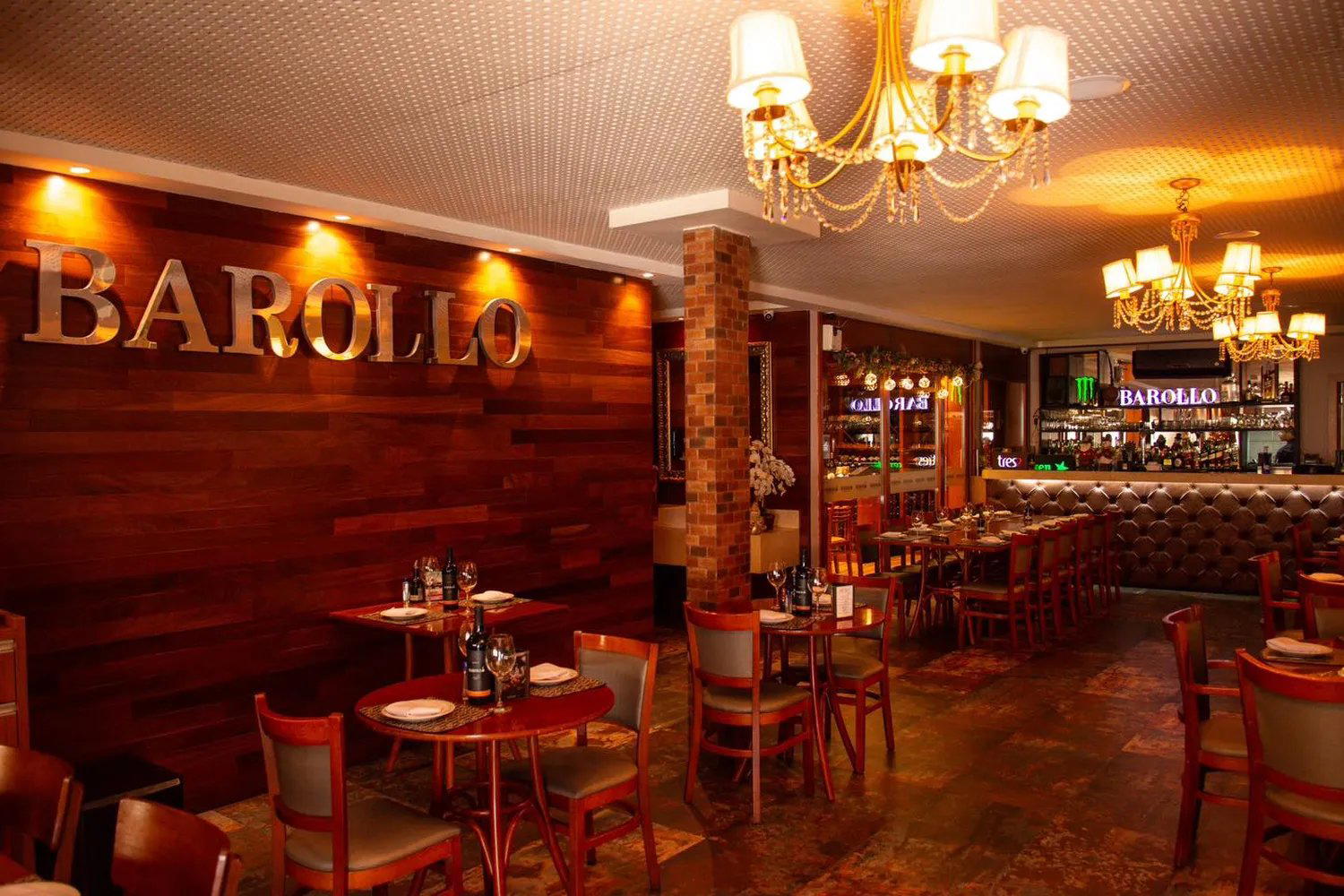
That ingredient logic shapes even the restaurants that position themselves within other culinary traditions. Restaurant Banzeiro has built its reputation specifically on the Amazonian pantry, using regional ingredients with a precision that draws comparison to technique-forward Brazilian restaurants in the major southern cities. Caxiri operates in a different register, referencing indigenous ingredient traditions. Barollo and Bistro Fitz Carraldo represent the European-inflected end of the Manaus dining range, while Churrascaria Coqueiro Verde Praça 14 - Carne de Sol anchors the meat-centred tradition that cuts across Brazil's regional divides.
Restaurante Alentejo sits within this scene as a specific kind of proposition: a Portuguese regional reference in a city whose own food identity is still asserting itself internationally. Whether the kitchen reads its Alentejo inheritance literally, adapts it to local ingredients, or uses the name primarily as a register signal, communicating a certain formality or Iberian lineage, is a distinction that matters to how you approach a meal there.
Portuguese-Brazilian Culinary Overlap in the Amazon
The cultural connection between Portugal and Brazil is layered enough that a restaurant named for a Portuguese region in a Brazilian city does not feel incongruous, it feels like a continuation of a long conversation. Brazil's culinary vocabulary carries Portuguese grammar at its base: the rice-and-bean structure, the bacalhau preparations that appear even in cities nowhere near the coast, the preference for slow-cooked pork and offal that persists in interior regions. In Manaus specifically, that inheritance intersects with indigenous Amazonian cooking in ways that are not fully resolved and probably should not be.
Restaurants operating within the Portuguese reference tradition in cities like Manaus occupy a different cultural position than comparable venues in São Paulo or Rio. At the major culinary reference points internationally, say, Le Bernardin in New York City or Atomix in New York City, the editorial conversation is about technique and competitive positioning within a dense comparable set. In Manaus, the more interesting question is how a restaurant with a specific regional European name mediates between that inheritance and the ingredient logic of the city it actually operates in. The same question applies, in different forms, to restaurants in smaller Brazilian cities across the country, from Cantina Pozzobon in Santa Maria to Casa da Flor Restaurante in Dourados, where European-derived culinary identities persist in contexts defined by different local ingredients and cultural pressures.
Planning a Visit: What the Address Tells You
Restaurante Alentejo's address on Rua Pará, 555, in Nossa Senhora das Graças places it in a neighbourhood that requires intentional travel rather than opportunistic discovery. This is not a venue you walk past on the way to the Teatro Amazonas; it is a venue you decide to visit. For travellers staying in the central Manaus hotel corridor, the neighbourhood is accessible by taxi or rideshare and the journey is short enough that the logistics are not a barrier. The Nossa Senhora das Graças area is a functioning residential zone rather than a tourist district, which tends to correlate with a clientele that returns regularly, a reasonable proxy for reliability in the absence of published ratings or awards data.
For reference, venues like Lasai in Rio de Janeiro and regional addresses such as Aero Burguer e Grill in Santa Cruz Do Sul, Arte e café Imperial - Matriz in Angra Dos Reis, Casa da Dika Restô e Eventos in Braganca, Casa da Picanha Penedo in Itatiaia, Famosa Pizza in Ribeirao Preto, and Fornazzo Pizzaria in Passo Fundo illustrate Brazil's non-metropolitan food culture across a wide range of formats and regional contexts.
Budget and Context
Comparable venues nearby, for context on price, style, and recognition.
| Venue | Cuisine | Price | Notes |
|---|---|---|---|
| Restaurante AlentejoThis venue — the venue you are viewing | Not listed | $$$$ | Not listed |
| Restaurant Banzeiro | Not listed | $$$ | Nossa Sra. das Graças, Amazonian Brazilian Seafood |
| Caxiri | Centro, Modern Amazonian Brazilian | $$$ | Not listed |
| Barollo | Not listed | $$$ | Nossa Sra. das Gracas, Modern Brazilian Gastropub |
| Bistro Fitz Carraldo | Not listed | $$$ | Centro (Historical City Center), Amazonian-International Bistro |
| Churrascaria Coqueiro Verde Praça 14 - Carne de Sol | Not listed | $$ | Praça 14 de Janeiro, Brazilian Churrascaria |
Continue exploring
More in Manaus
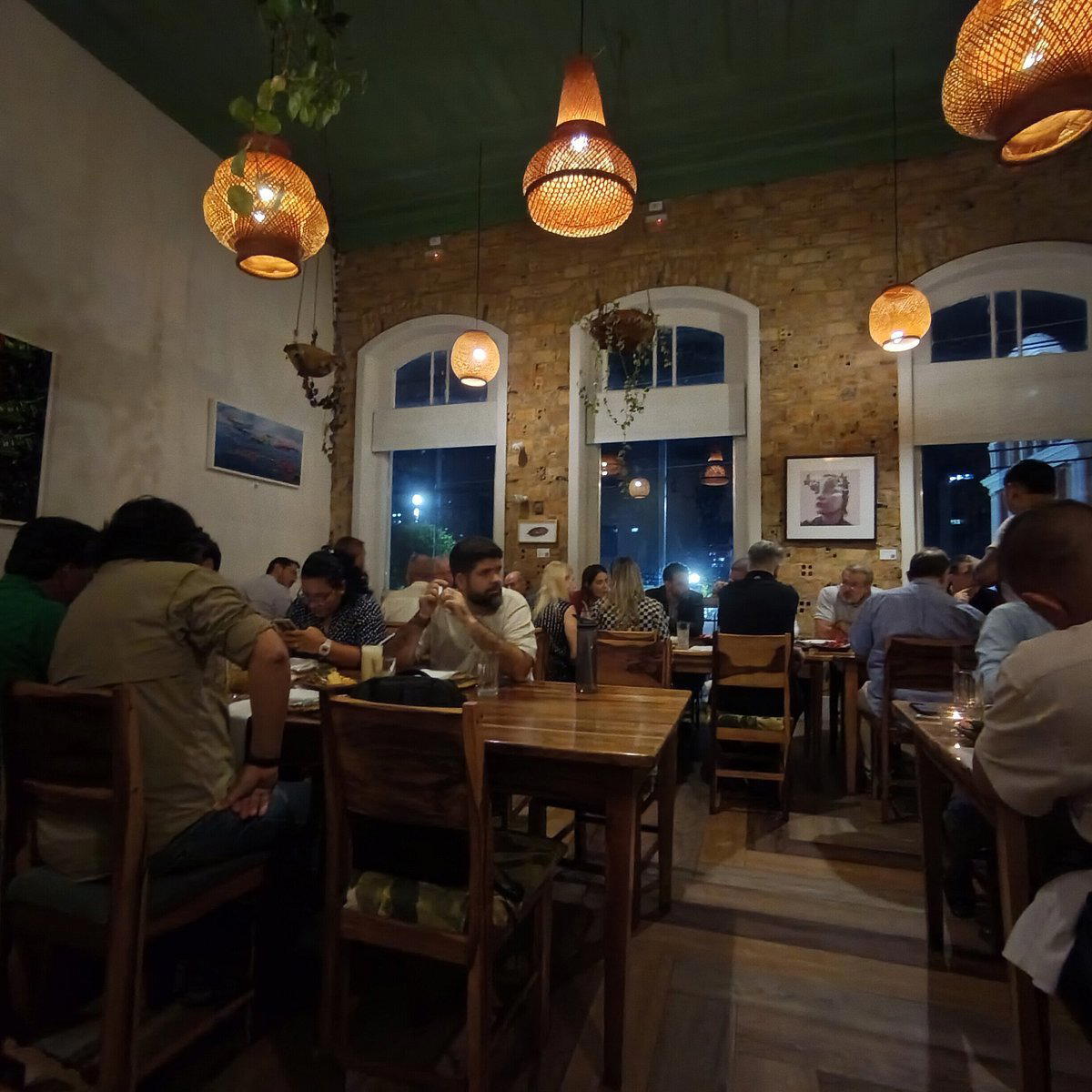
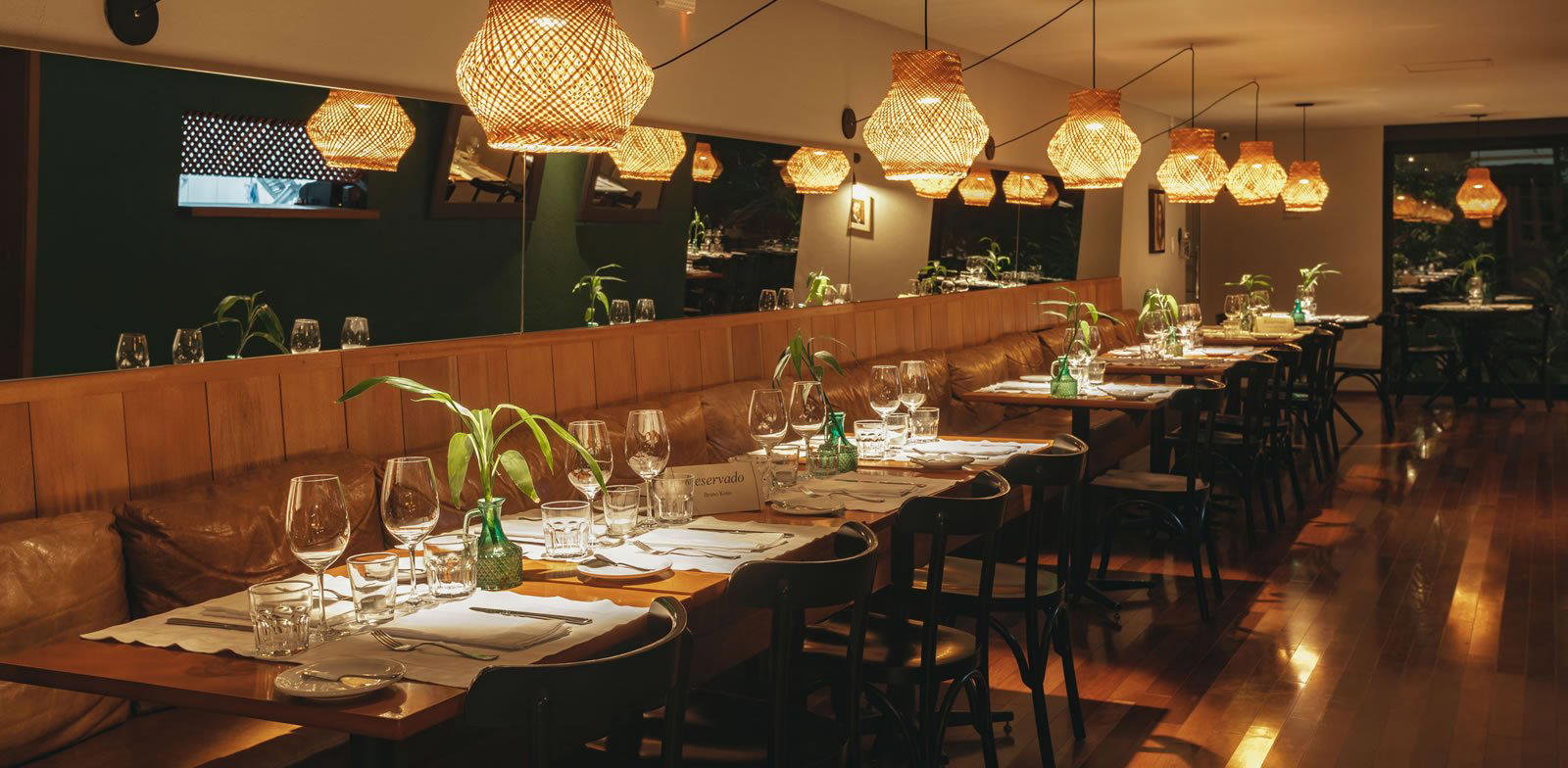
At a Glance
- Romantic
- Elegant
- Sophisticated
- Intimate
- Date Night
- Special Occasion
- Business Dinner
- Celebration
- Private Dining
- Standalone
- Extensive Wine List
- Beer Program
Current opening hours
- Monday
- 7–10 PM
- Tuesday
- 7–10 PM
- Wednesday
- 7–10 PM
- Thursday
- 7–10 PM
- Friday
- 12–3 PM, 7–11 PM
- Saturday
- 12–3 PM, 7–11 PM
- Sunday
- 12–3 PM
Hours can change for holidays and private events. Last verified .
Chic, modern, and sophisticated with romantic lighting; described as cozy and elegant with a refined atmosphere that is distinctive in Manaus.