Cầu An Bàng sits within Hội An's Quảng Nam province, where the coastal dining scene has grown quietly independent of the Ancient Town's tourist circuit. With An Bằng Beach as its reference point, the area draws a more local-facing crowd and a different register of Vietnamese hospitality. Visitors looking beyond the lantern-lit streets will find a distinct seaside character here.
 Discover on Pearl
Pearl is the En Primeur Club membership app — saves, bookings, and concierge access live there. Same editors, same standards.
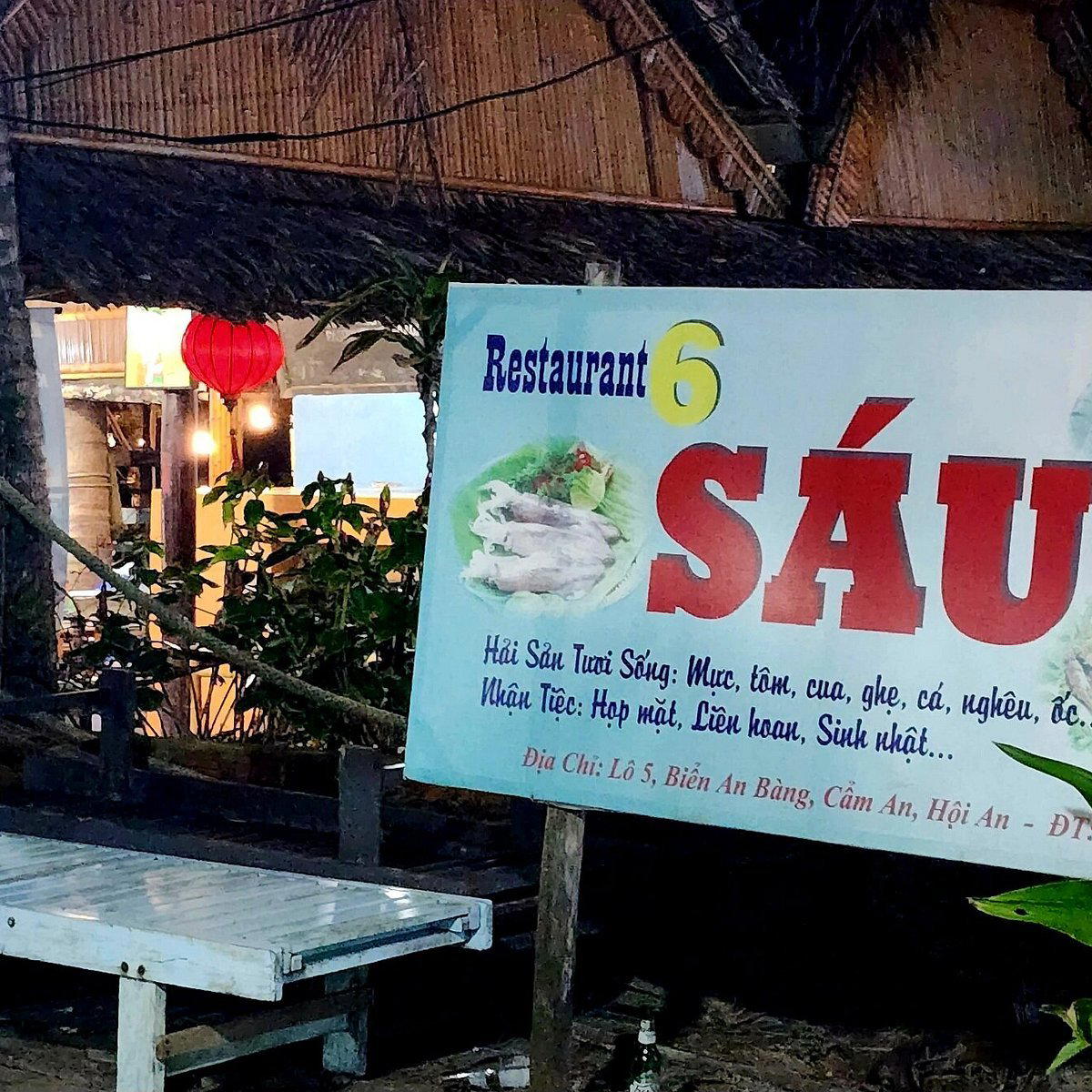
Where the Hội An Coastal Strip Operates on Its Own Terms
The dining geography of Hội An has never been entirely contained within the Ancient Town. To the east, the stretch running toward An Bằng Beach developed along a different logic: lower foot traffic from international tour groups, a stronger reliance on Vietnamese day-trippers and longer-stay visitors, and a hospitality register that reads less as performance and more as habit. Cầu An Bàng sits within this coastal corridor, in Quảng Nam province, where the scene has matured without the branding pressure that shapes venues closer to the UNESCO-listed centre.
Cầu An Bàng is a Vietnamese seafood restaurant in Hội An, Quảng Nam, Vietnam, with a Google rating of 4.9 from 268 reviews and an approachable price tier. It doesn't compete with the tasting-menu formality of La Maison 1888 in Da Nang or the chef-driven ambition of Gia in Hanoi. It is built around proximity to the sea, informality of format, and a menu vocabulary drawn from Central Vietnamese tradition. That means dishes like mì quảng, bánh xèo, and fresh-caught seafood prepared with a directness that formal dining environments tend to edit away.
The Role of Place in Central Vietnamese Cooking
Central Vietnam has its own culinary argument to make, and the Hội An area sits at its most accessible end. Quảng Nam province is the origin point of mì quảng, the turmeric-tinted noodle dish that differs structurally from both the pho of the north and the bún bò Huế that comes from the city to the north at Saffron in Hue City's home ground. In Hội An itself, the white rose dumpling and cao lầu have developed regional specificity so pronounced that some producers still cite local water and wood ash as irreplicable ingredients. The coastal extension of this food culture adds another layer: seafood that moves quickly from boat to table, and a preference for clean, high-heat preparations over heavily sauced dishes.
This is the context in which venues along the An Bằng corridor operate. The hospitality format along this stretch tends to run more openly than at the curated addresses of the Ancient Town. Compare the tight, edited menus at Before and Now or the street-level efficiency of Bánh Mì Phượng with the broader, more expansive offer you typically find at beachside addresses. The coastal venues tend to cover more ground, serving Vietnamese families who want a table for a long afternoon as much as travellers looking for a single defining dish.
Team Dynamic and the Coastal Service Model
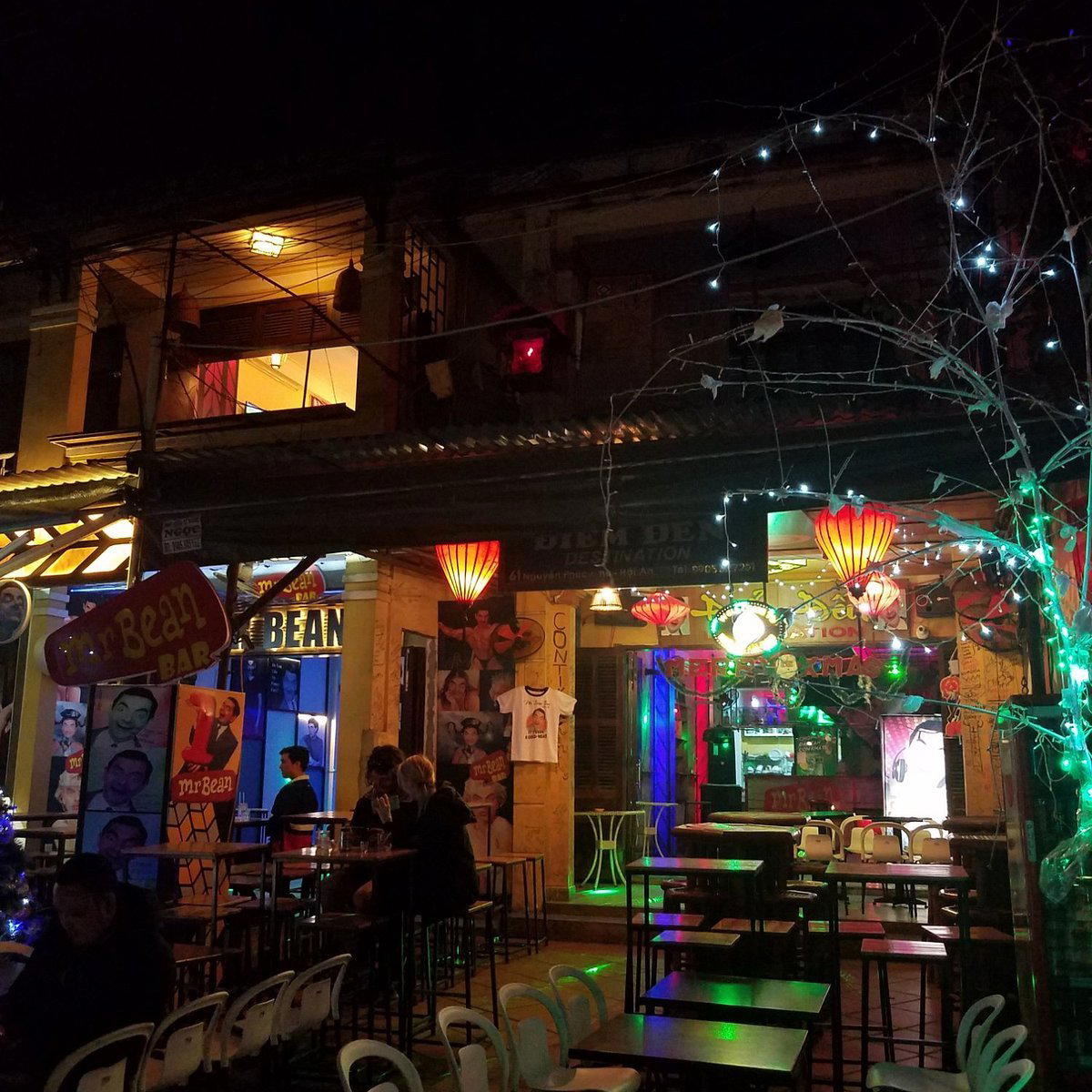
In venues operating along An Bằng Beach, the relationship between kitchen, floor, and what functions as a host or front presence takes a different shape than at the more scripted addresses of central Hội An. The editorial angle of collaboration matters here, but it plays out in an informal register. At beach-adjacent restaurants in this part of Quảng Nam, the front-of-house role often involves navigating between Vietnamese and international guests simultaneously, reading table pace, and managing a menu that spans casual daytime drinking and full seafood meals. That's a broader brief than a formal dining environment asks of its floor team.
Kitchens in this corridor are organised around throughput rather than precision courses. The collaboration between kitchen and floor, in practical terms, means synchronising larger tables with shared dishes, keeping grilled and fried seafood arriving at temperature, and adjusting to the informal ordering patterns that open-air coastal dining encourages.
Situating Cầu An Bàng Within the Hội An Dining Field
Hội An's restaurant field has stratified considerably over the past decade. The Ancient Town core now contains a range of addresses, from the bánh mì institutions at Banh Mi Phuong (Hoi An) to more formal Vietnamese dining rooms like 115 Đ. Trần Cao Vân and 42 Đường Phan Bội Châu. The coastal strip functions as a parallel circuit rather than a secondary one. Visitors who follow the main Ancient Town circuit and stop there are seeing one version of how this city eats. Those who extend to An Bằng are seeing another, and the two have a limited overlap.
The comparison holds nationally as well. The seafood-forward coastal format that defines venues like Cầu An Bàng has counterparts at Bau Troi Do in Son Tra and the harbour-facing addresses of Phuong Nhung Restaurant in Cat Hai. Further afield, the northern coastal dining tradition plays out differently, as seen at Le Pont Club in Hai Phong. What connects them is a reliance on local seafood supply chains and a format that prioritises breadth of table over depth of tasting. The contrast with something like Le Bernardin in New York City or Lazy Bear in San Francisco is obvious, but instructive: the coastal Vietnamese model achieves its quality through sourcing proximity rather than technical elaboration.
Visitors planning to eat at Cầu An Bàng should note the logistics of the An Bằng corridor. The beach strip is most active in the warmer, drier months from February through August, when Quảng Nam province sees its lowest rainfall. The rainy season, peaking between October and December, reduces beach traffic significantly and affects the casual open-air character that defines the area. Midday and early afternoon are the peak dining windows for Vietnamese families; international visitors who arrive later in the afternoon tend to encounter a quieter floor. Reservations are recommended. For context on where Central Vietnamese dining fits within Vietnam's regional picture, the cooking at Mi Quang Ba Vi in Thanh Khe and Duyên Anh Restaurant in Phu Vang and Nhà hàng Madame Lân in Hai Chau each represent adjacent regional styles worth comparing.
Booking and Cost Snapshot
Comparable venues nearby, for context on price, style, and recognition.
| Venue | Cuisine | Price | Awards | Notes |
|---|---|---|---|---|
| Cầu An BàngThis venue — the venue you are viewing | An Bang Beach, Vietnamese Seafood | $$ | , | |
| 42 Đường Phan Bội Châu | $$ | , | Hoi An Ancient Town, Authentic Hoi An Vietnamese | |
| cơm gà an hiền | $ | , | Minh An, Hoi An Chicken Rice (Com Ga) | |
| Red Bridge Cooking School, Restaurant, and Villa - Hoi An Riverside | Cam Thanh, Modern Vietnamese | $$ | , | |
| Morning Glory | $$ | , | Old Town, Authentic Hoi An Vietnamese Street Food | |
| Tam Tam Cafe & Restaurant Hoi An | Hoi An Ancient Town, Vietnamese Cafe | $$ | , |
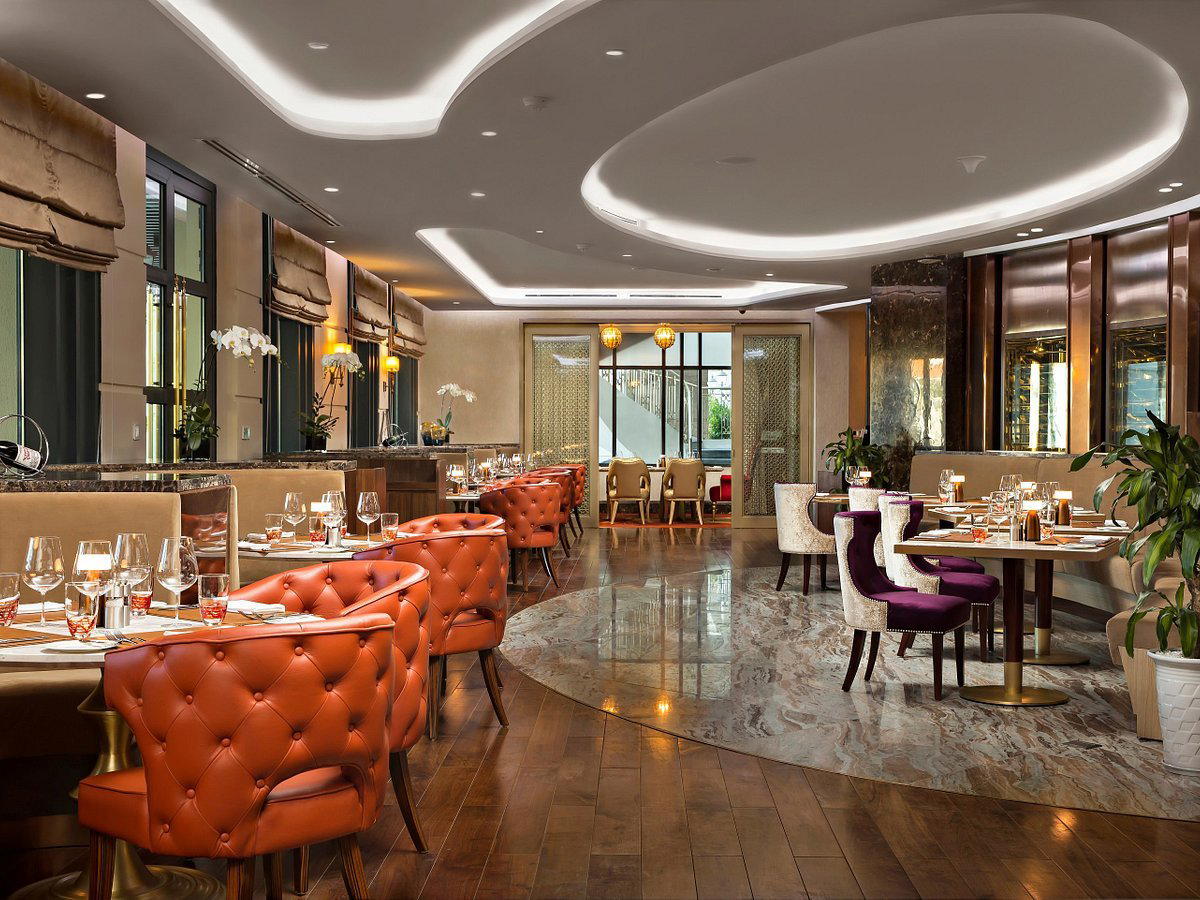
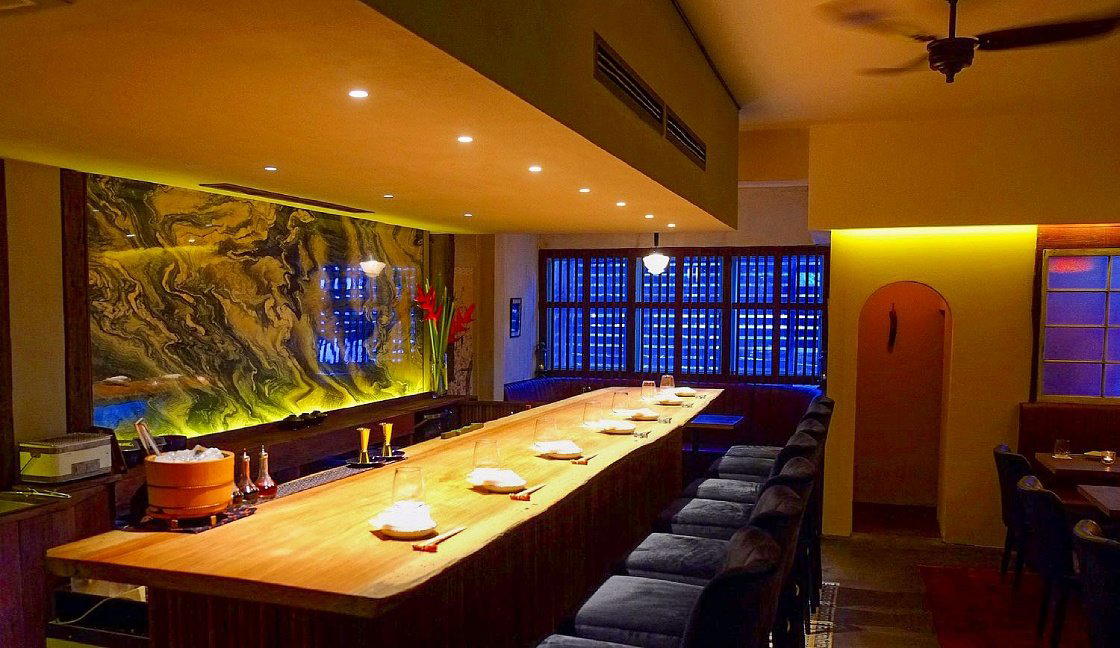
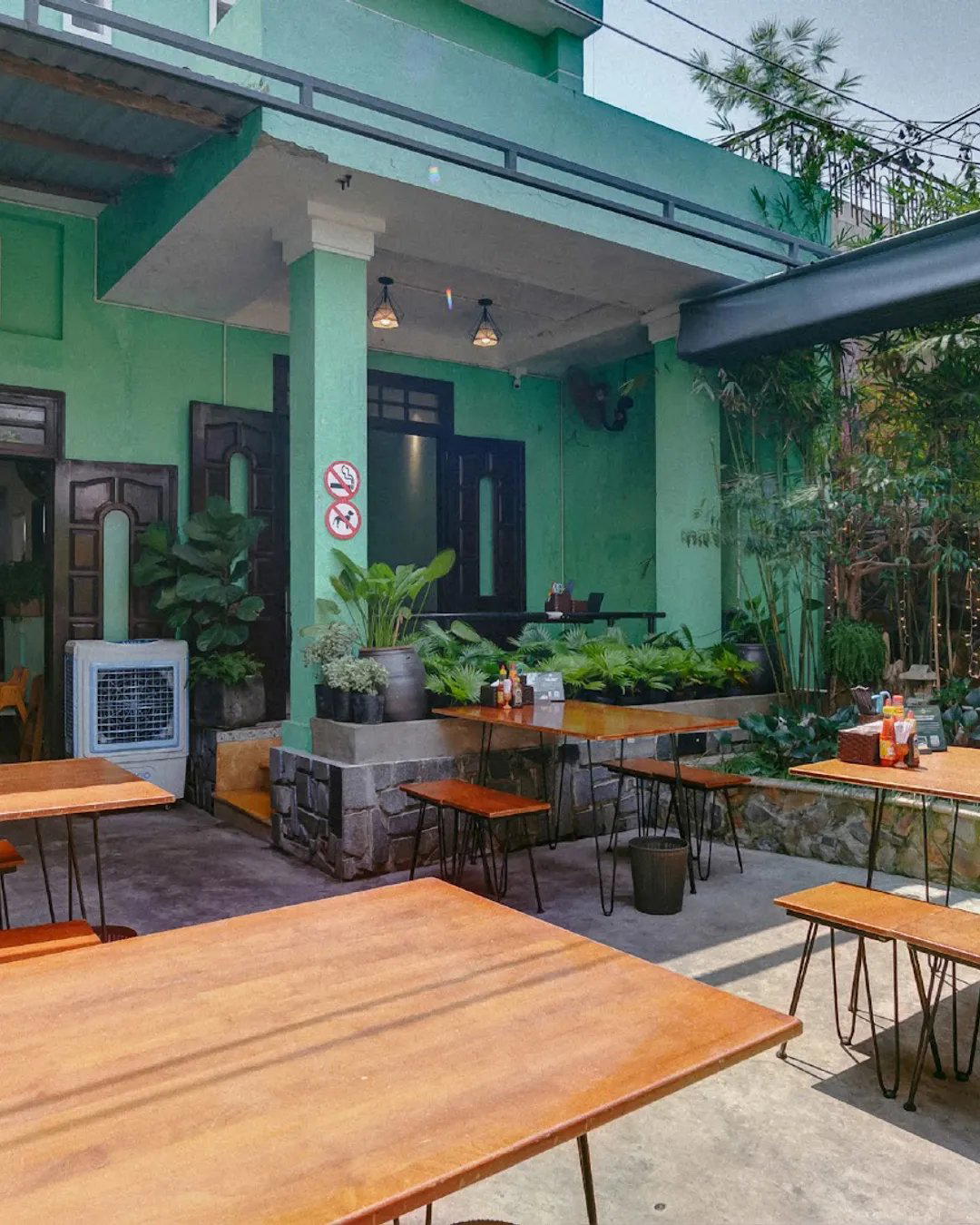
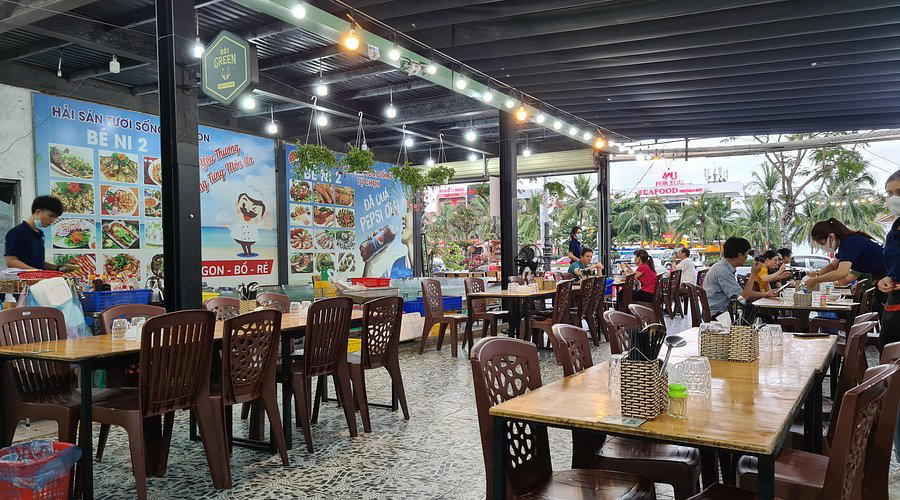
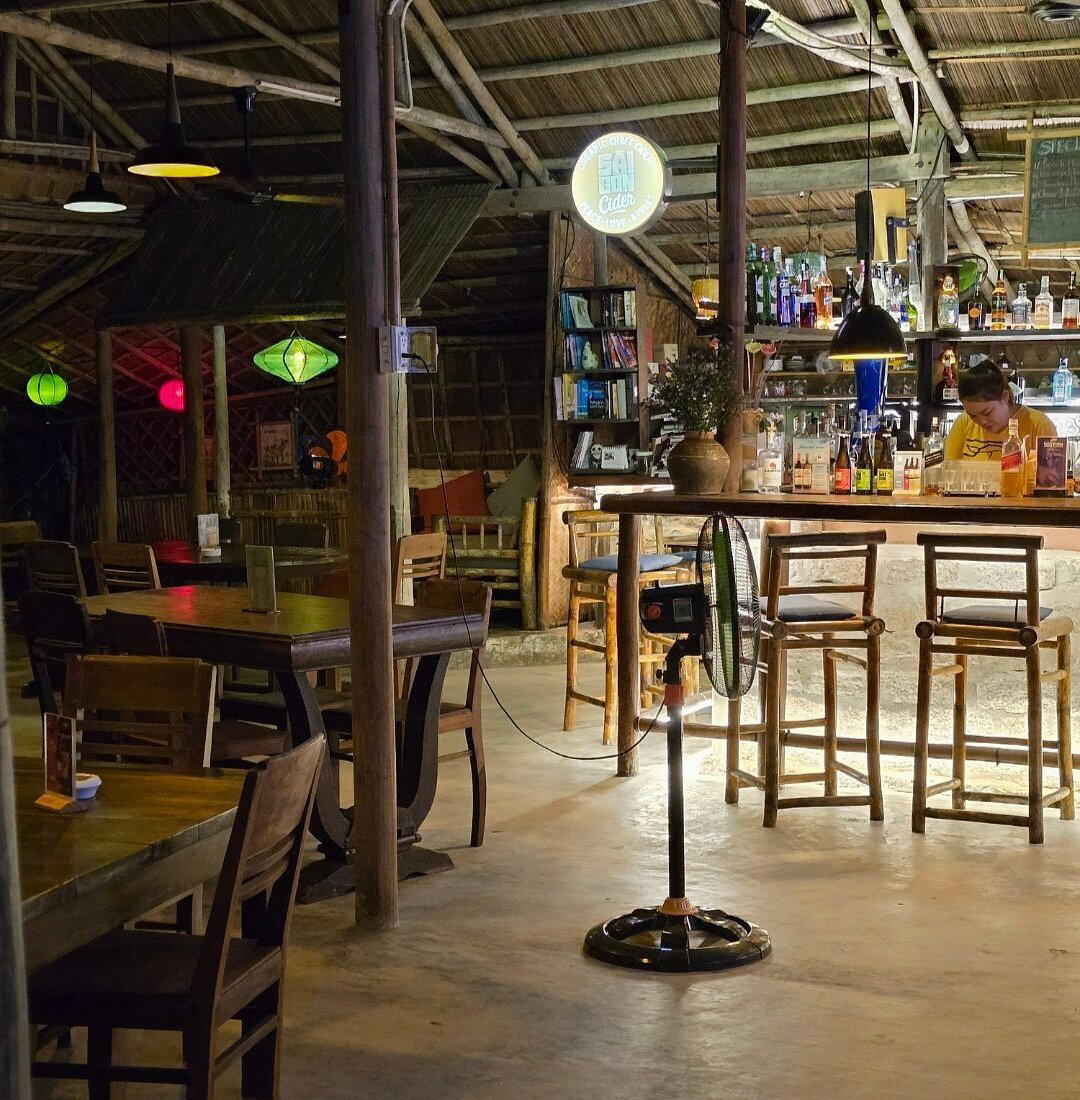
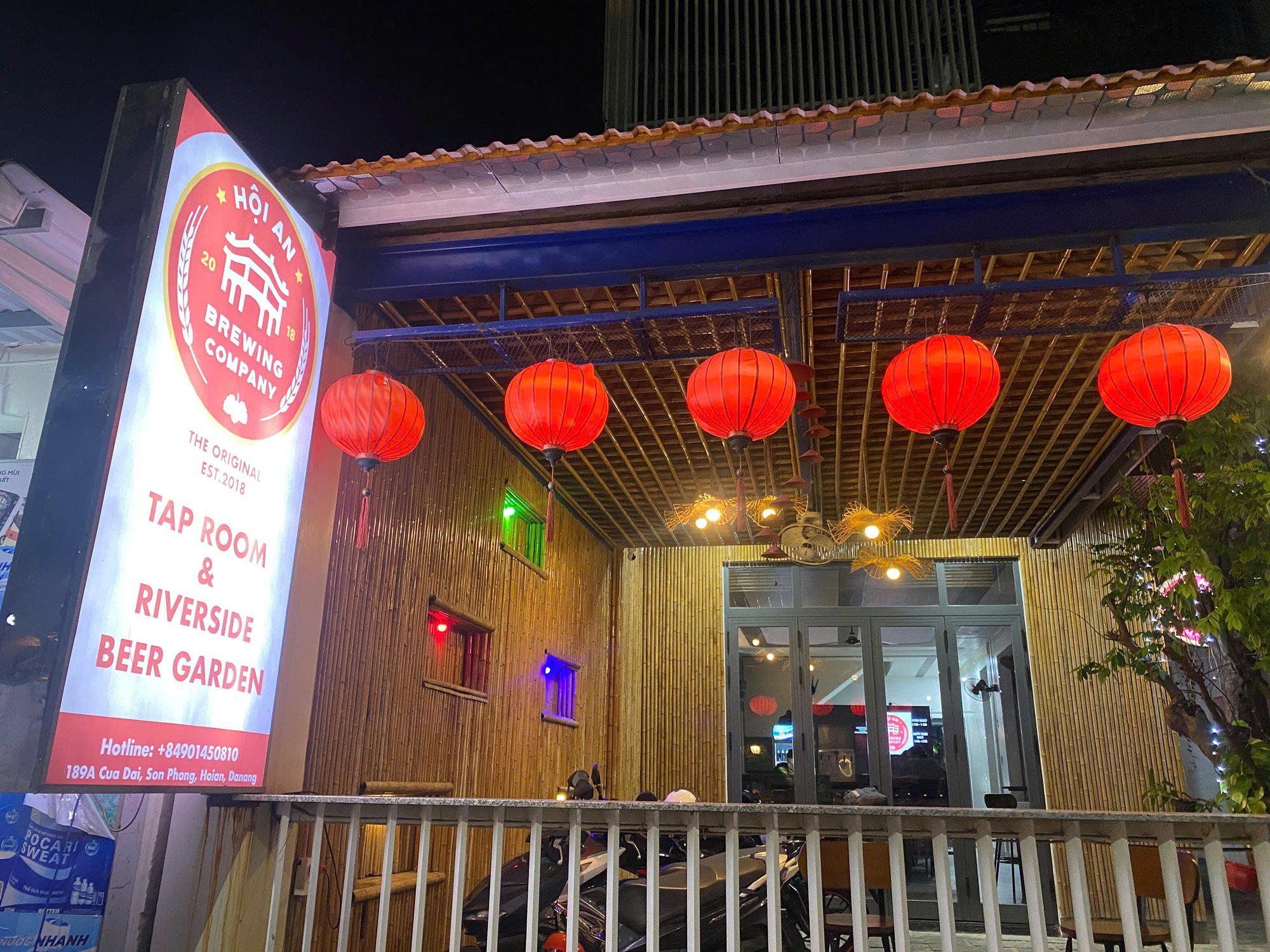
At a Glance
- Rustic
- Casual Hangout
- Waterfront
- Local Sourcing
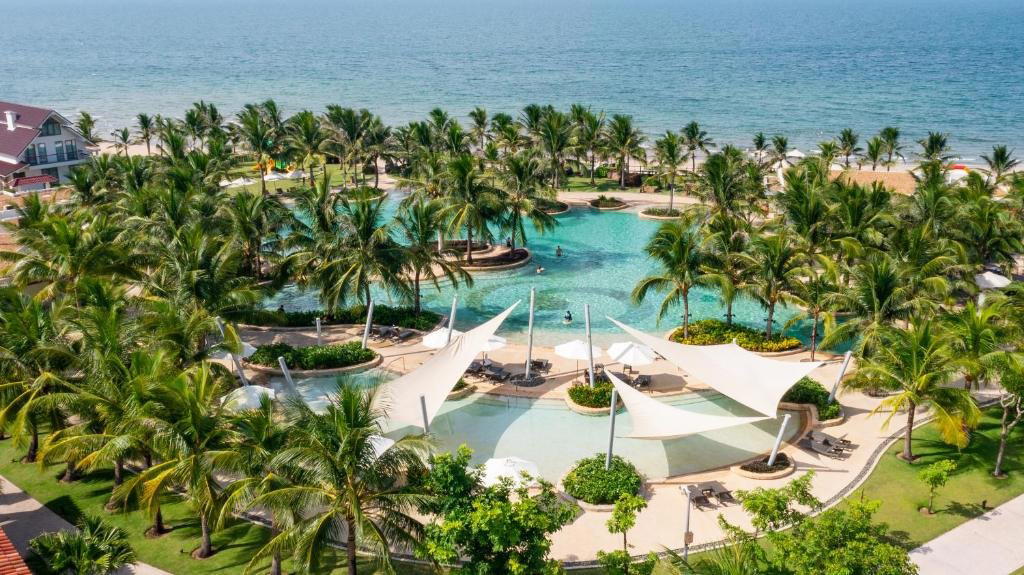
Casual beach atmosphere with fresh sea air.