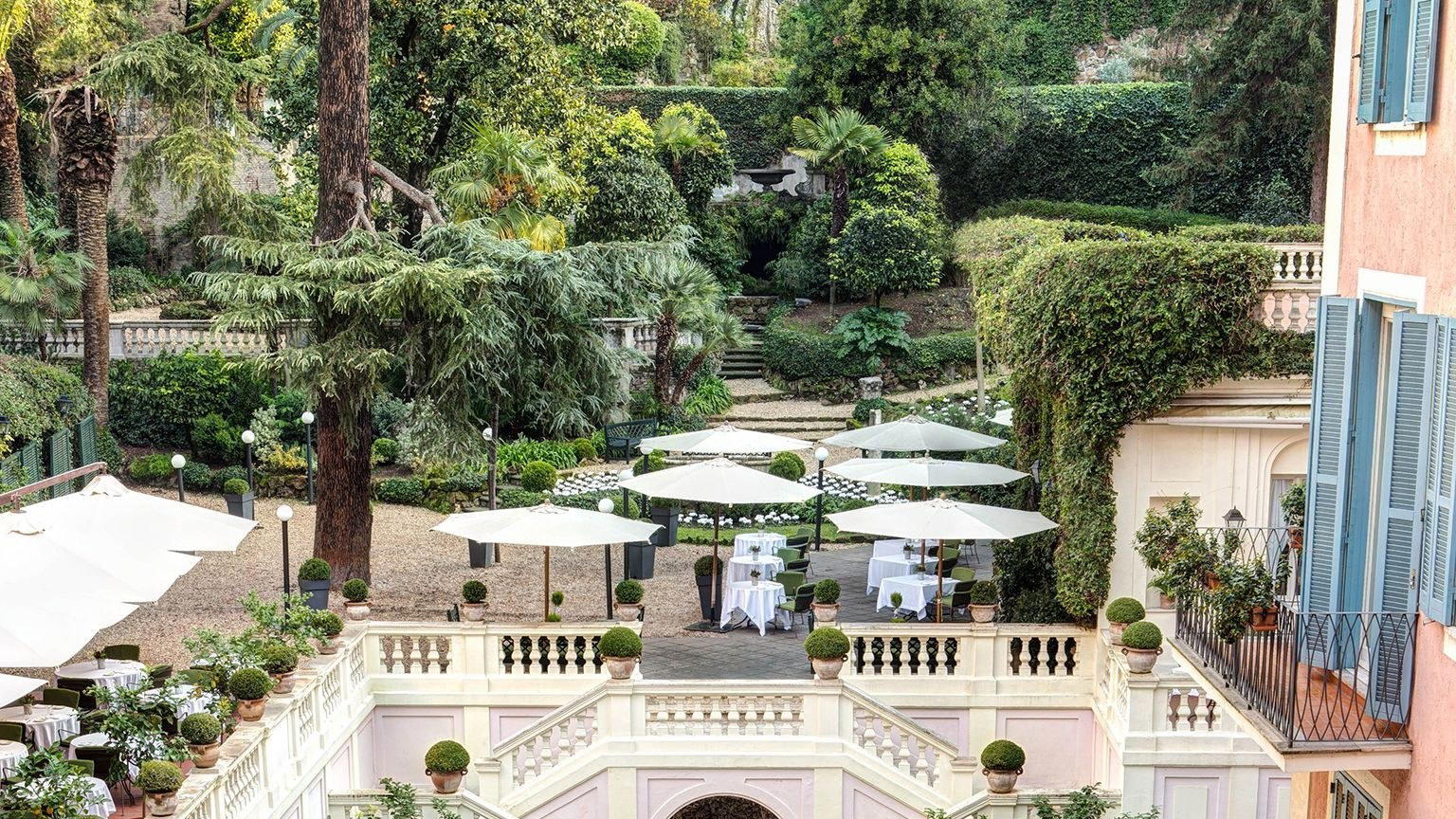
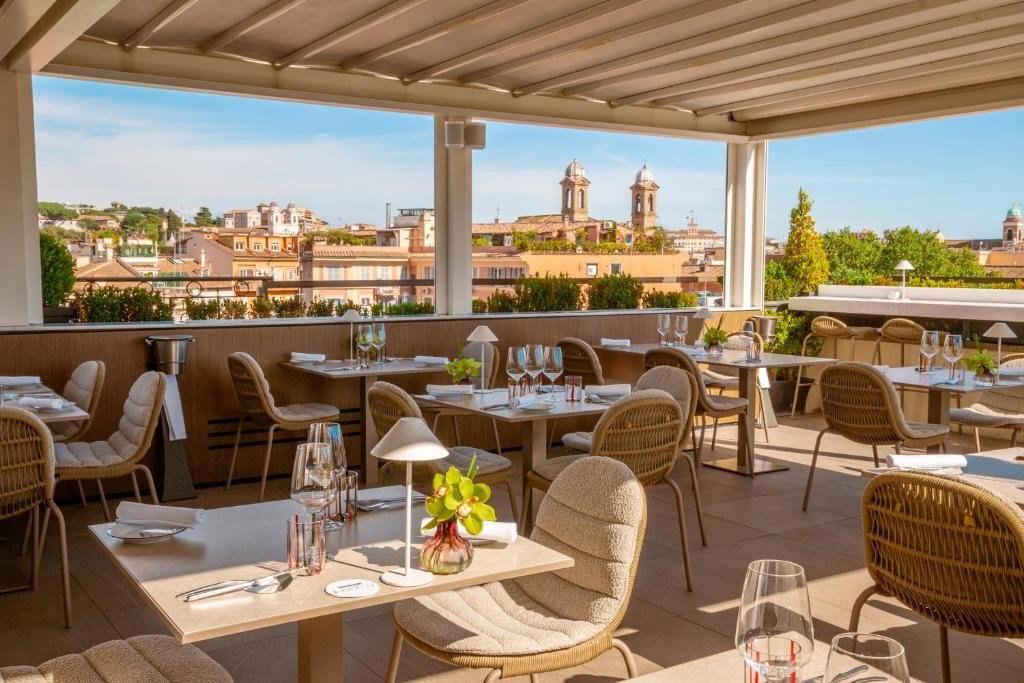
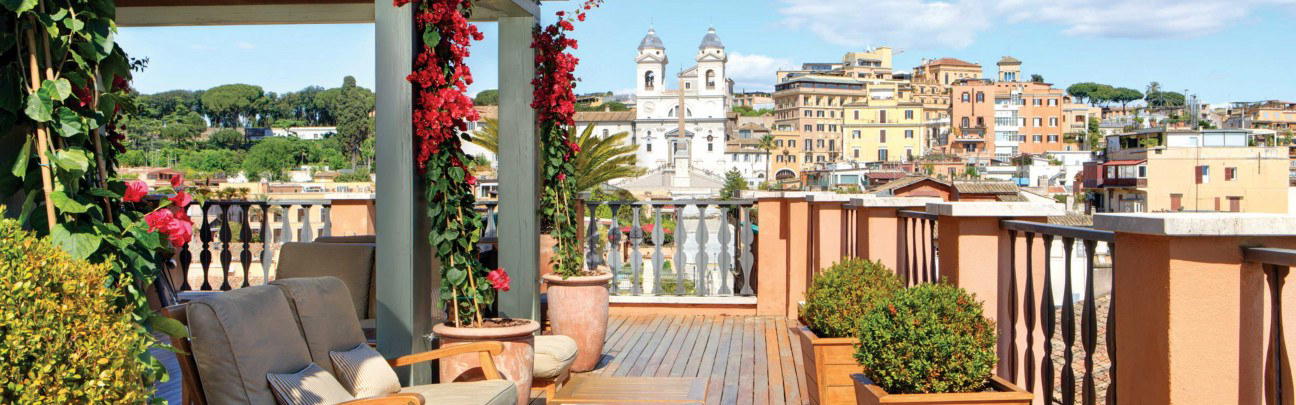
Set inside a neoclassical casino pavilion in the Villa Borghese gardens, Casina Valadier occupies one of Rome's most architecturally loaded addresses. The terrace commands a panorama across the city's rooftops and domes, positioning this as much a place of setting as of plate. For visitors who want Rome's formal dining tradition against a backdrop that earns its context, the address is worth knowing.
Pearl is the En Primeur Club membership app — saves, bookings, and concierge access live there. Same editors, same standards.
- Address
- Piazza Bucarest, 00197 Roma RM, Italy
- Phone
- +39669922090
- Website
- casinavaladier.com
- Directions
- Get directions
 Saves & bookings on Pearl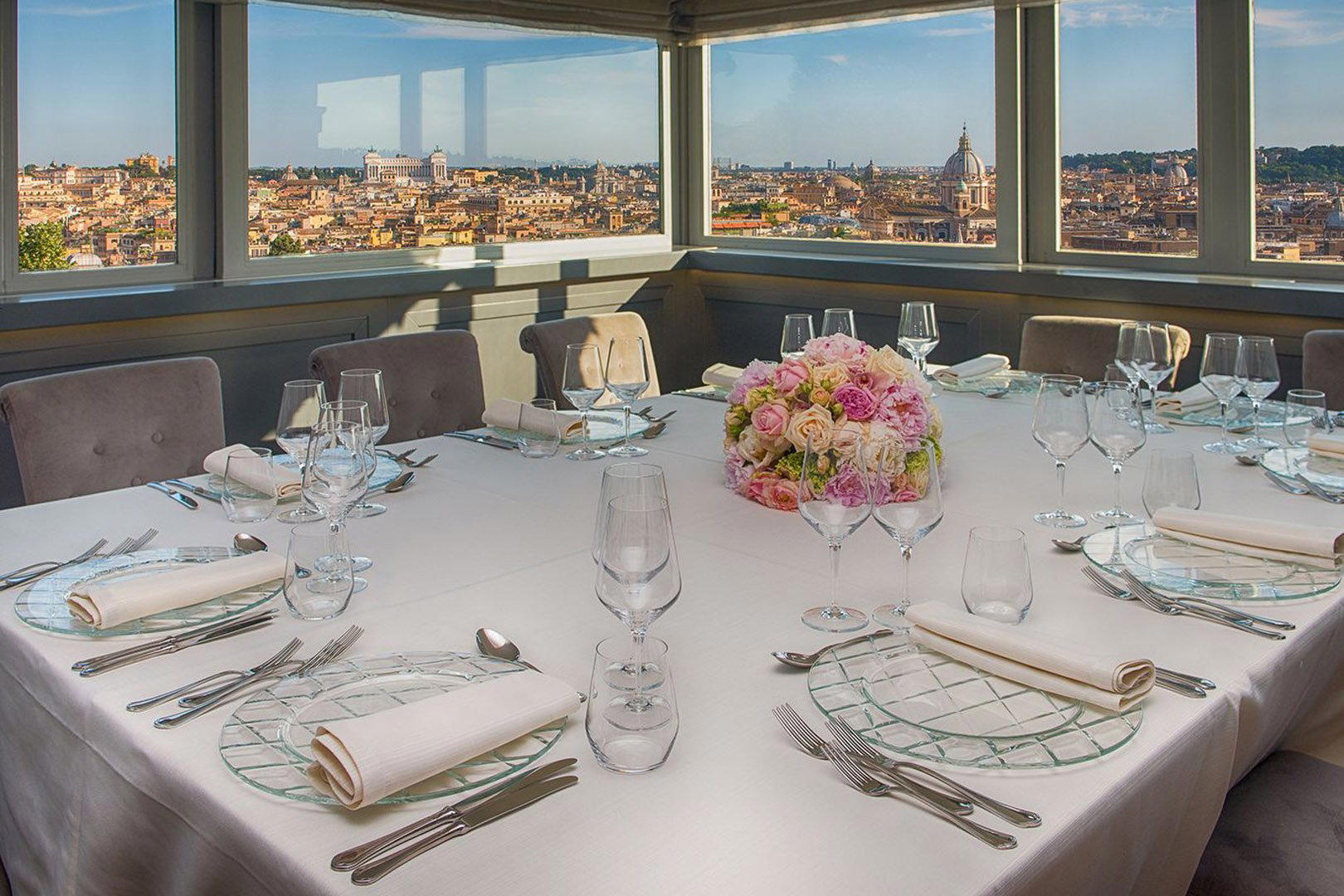
A Pavilion in the Gardens, Not a Restaurant in the City
Casina Valadier is a restaurant in Rome's Villa Borghese, a neoclassical pavilion on the Pincian Hill with a price point around $100 per person. Casina Valadier belongs to that category in an unusually literal sense. The building sits inside the Villa Borghese, Giuseppe Valadier's early nineteenth-century neoclassical pavilion perched on the Pincian Hill, and the terrace view across Rome's roofline, towards the Tiber, the Vatican dome, and the low terracotta sweep of the historic centre, does the kind of contextualising work that no interior can replicate. Arriving here, particularly in the early evening as the light flattens across the city, clarifies why the address has held cultural weight for two centuries.
This is not, in other words, a restaurant that happens to occupy a historic building. The setting is the argument. The architecture, the gardens, the elevation, and the view together constitute the experience in a way that makes Casina Valadier a different kind of proposition from the tasting-menu-led fine dining rooms that define Rome's competitive upper tier, places like Il Pagliaccio or Enoteca La Torre, where the chef's programme and the kitchen's technical depth are the primary subject. At the restaurant, the building and its position in the city carry equal weight.
Ingredient Sourcing and the Roman Table
Rome's fine dining scene has, over the past decade, split into two recognisable streams. The first is the internationally oriented creative kitchen, the kind of destination represented by Acquolina or Achilli al Parlamento, where ingredient provenance is presented as a formal part of the menu narrative, with named producers, specific regions, and seasonal logic built explicitly into the dish descriptions. The second stream draws on the classical Roman larder: the market gardens of Lazio, the sheep's milk cheeses of the Agro Pontino, the cured meats of Amatrice, the offal traditions of the Testaccio. Both streams take sourcing seriously; they simply foreground it differently.
Within the broader Italian fine dining context, the sourcing conversation is anchored by the logic of the specific and the local. At houses like Osteria Francescana in Modena or Piazza Duomo in Alba, that local specificity is expressed through direct producer relationships and ingredients that could not plausibly come from anywhere else. In Rome, the equivalent logic runs through the Campo de' Fiori markets, the hill towns of the Castelli Romani, and the coastal fishing ports within a two-hour radius of the city. A kitchen operating in a setting as formal as the restaurant's engages with that geography even when it is not making the sourcing argument explicitly, the physical location inside a public garden, connected to the city's landscape rather than to a commercial street, reinforces the connection between place and plate.
For diners accustomed to Italy's more aggressively documented sourcing culture, the kind on display at Atelier Moessmer Norbert Niederkofler in Brunico or Uliassi in Senigallia, where regional ingredient specificity is a structural part of the culinary identity, the Roman approach at this price point reads as more traditionally integrated: sourcing as foundation rather than programme.
Where It Sits in the Rome Fine Dining Tier
Rome's upper dining bracket is anchored at its furthest reach by La Pergola, the Waldorf Astoria restaurant that holds three Michelin stars and represents the city's most formally credentialed fine dining address. Below that, a cluster of two-star and one-star creative kitchens operate at the €€€€ tier, including Il Pagliaccio and Enoteca La Torre. The restaurant's competitive position is not primarily defined by kitchen ambition or guide recognition in the way those addresses are. Its distinction is architectural and experiential: the pavilion, the hill, the panorama, and the formality of a room that has been receiving guests since the early 1800s.
That positioning has a parallel in certain other Italian destination addresses where setting functions as a primary differentiator, Quattro Passi in Marina del Cantone uses its coastal Amalfi position in a structurally similar way; Dal Pescatore in Runate draws on the physical and historical specificity of the Po Valley farmhouse. In all these cases, the dining room's meaning is inseparable from where it stands.
Planning a Visit
The Villa Borghese is accessible on foot from Spagna (stronger examples from the Spanish Steps leads directly into the gardens) or from Flaminio, making the approach part of the experience rather than a logistical obstacle. The Pincian Hill position means that the terrace is most usefully occupied in daylight or the early evening hours, when the view across the city is at its most legible, a practical consideration that argues for lunch or an early dinner booking over a late sitting. Given the address's position within Rome's tourist and cultural circuit, reservations are advisable rather than optional, particularly from April through October when the gardens draw the highest foot traffic. Dress expectations at a room of this architectural formality and historical weight align with smart casual at minimum; the setting has always implied a certain register of visit.
The restaurant sits at a specific intersection of history, architecture, and setting that the city's more technically focused dining rooms, from Acquolina to Enoteca La Torre, do not compete on. The question it answers is a different one: not which kitchen is pushing hardest, but where to eat in a room that has been part of Rome's civic life since Valadier completed it in 1813.
Comparable Venues
Comparable venues nearby, for context on price, style, and recognition.
| Venue | Cuisine | Price | Notes |
|---|---|---|---|
| Casina ValadierThis venue — the venue you are viewing | Traditional Roman-Italian Fine Dining | $$$$ | Not listed |
| J.K. Place Roma | Modern Italian | $$$$ | Campo Marzio |
| Sora Lalla | Authentic Roman Trattoria | $$$ | Parione |
| Osteria La Gensola | Traditional Roman & Sicilian Seafood | $$$ | Trastevere |
| Ristorante Terrazza Ciampini di Marco Ciampini | Traditional Roman-Italian Terrace Dining | $$$ | Campo Marzio |
| Casa Bleve | Traditional Roman Fine Dining | $$$$ | San Eustachio |

At a Glance
- Romantic
- Elegant
- Sophisticated
- Classic
- Scenic
- Ornate
- Date Night
- Special Occasion
- Business Dinner
- Celebration
- Panoramic View
- Historic Building
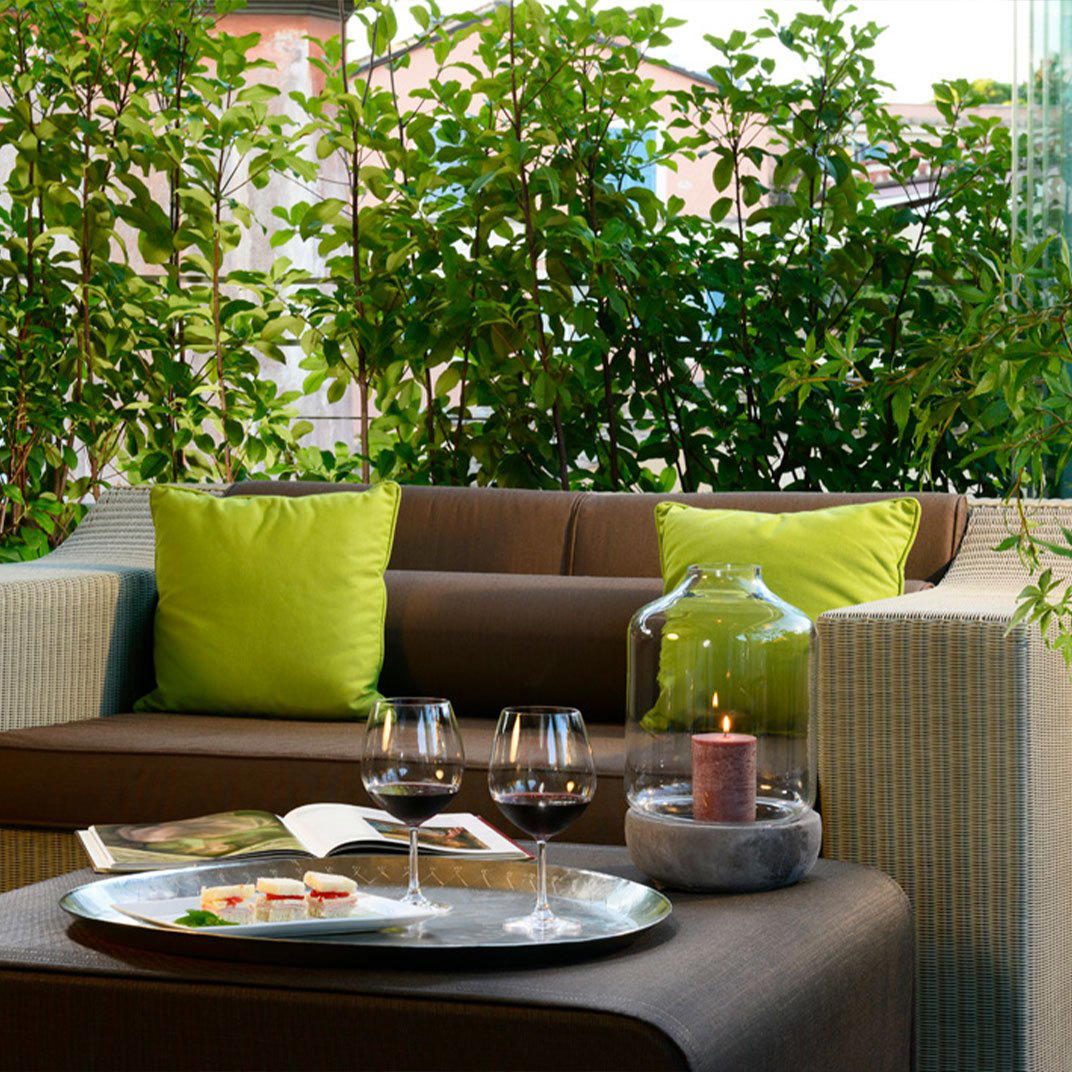
- Terrace
- Private Dining
- Extensive Wine List
- Skyline
- Garden
Current opening hours
- Monday
- Open 24 hours
- Tuesday
- Open 24 hours
- Wednesday
- Open 24 hours
- Thursday
- Open 24 hours
- Friday
- Open 24 hours
- Saturday
- Open 24 hours
- Sunday
- Open 24 hours
Hours can change for holidays and private events. Last verified .
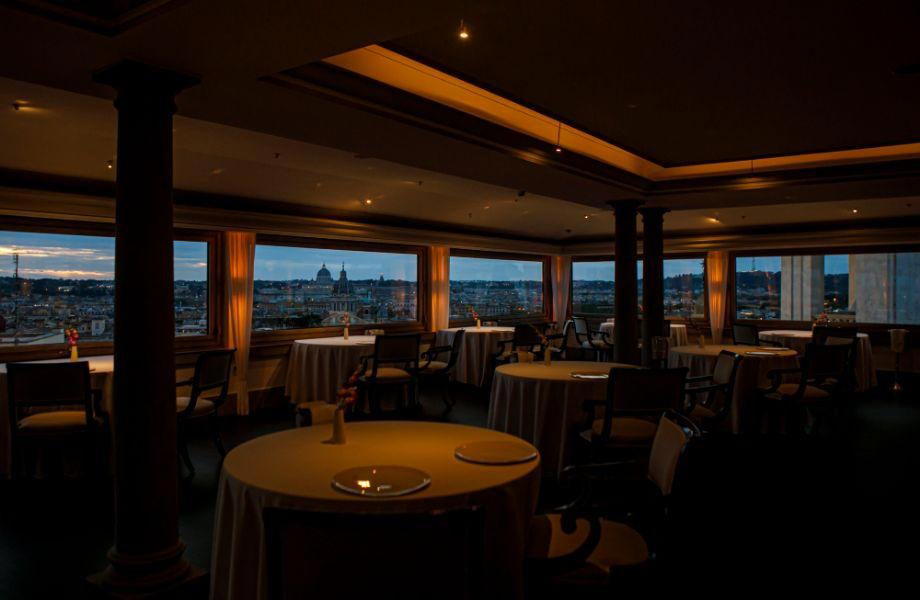
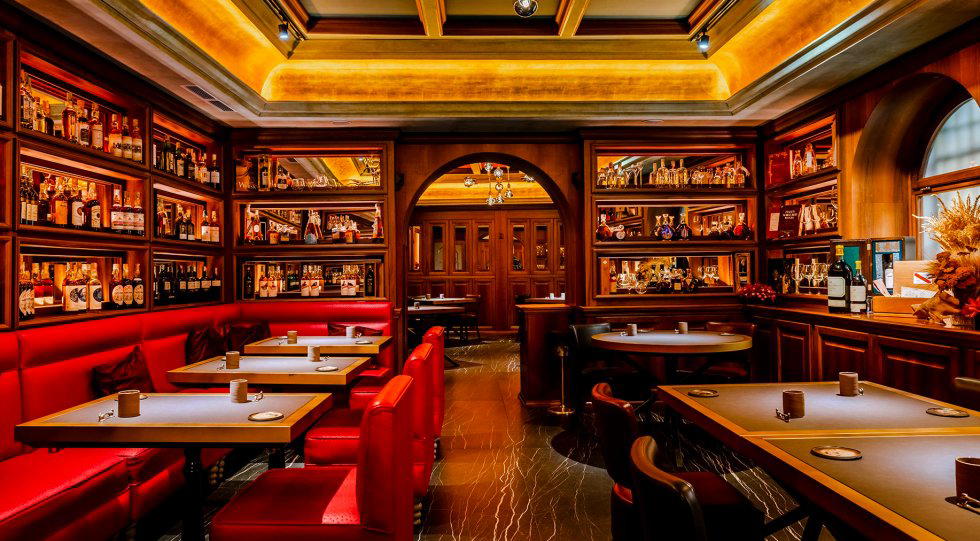
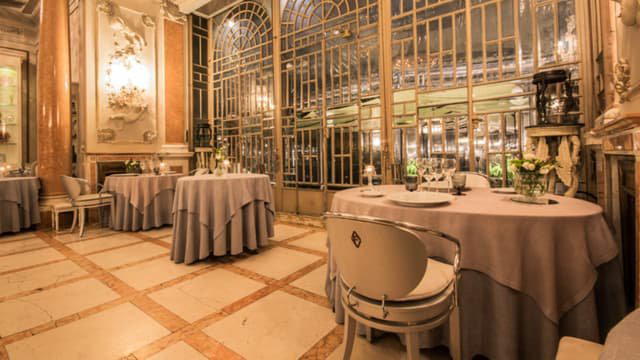
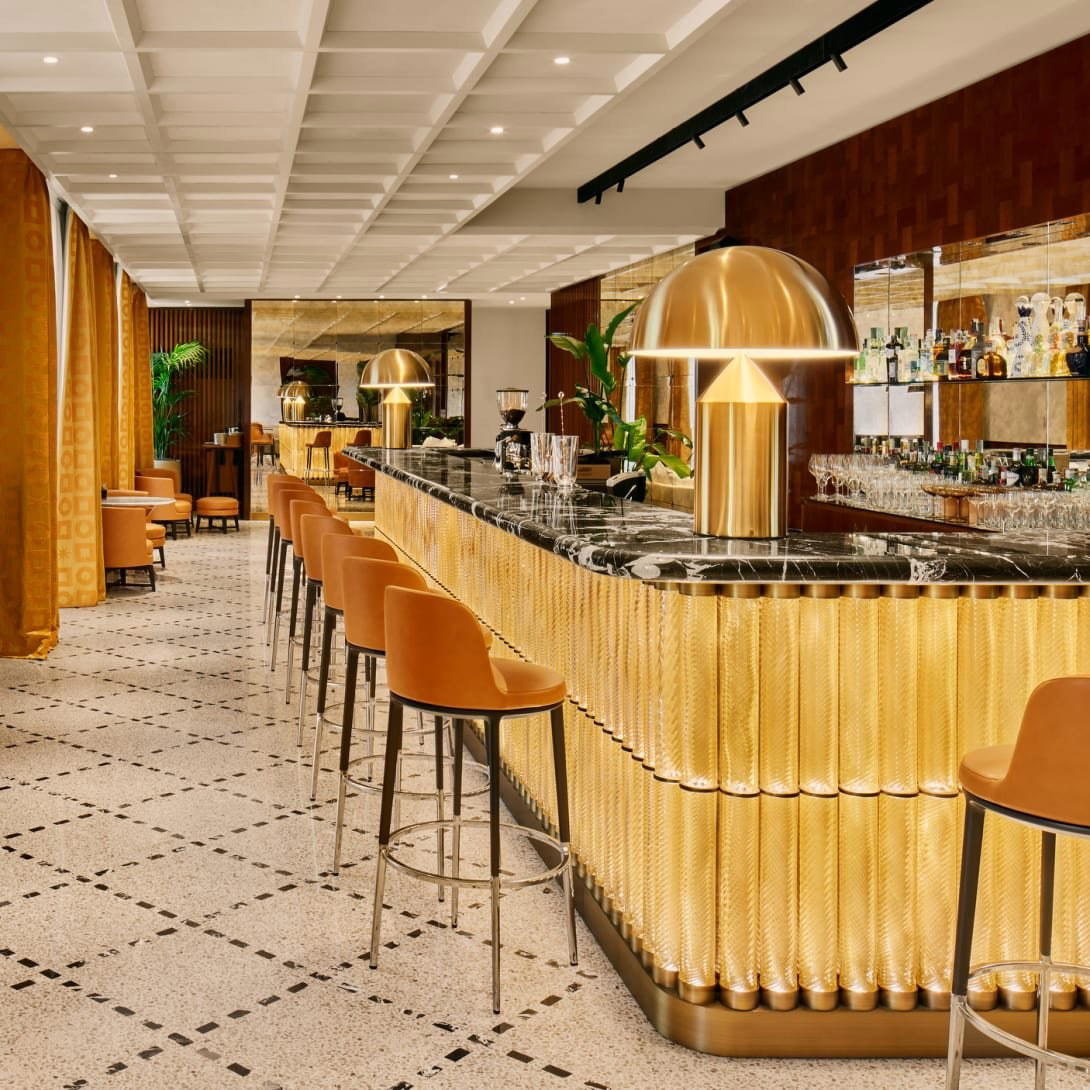
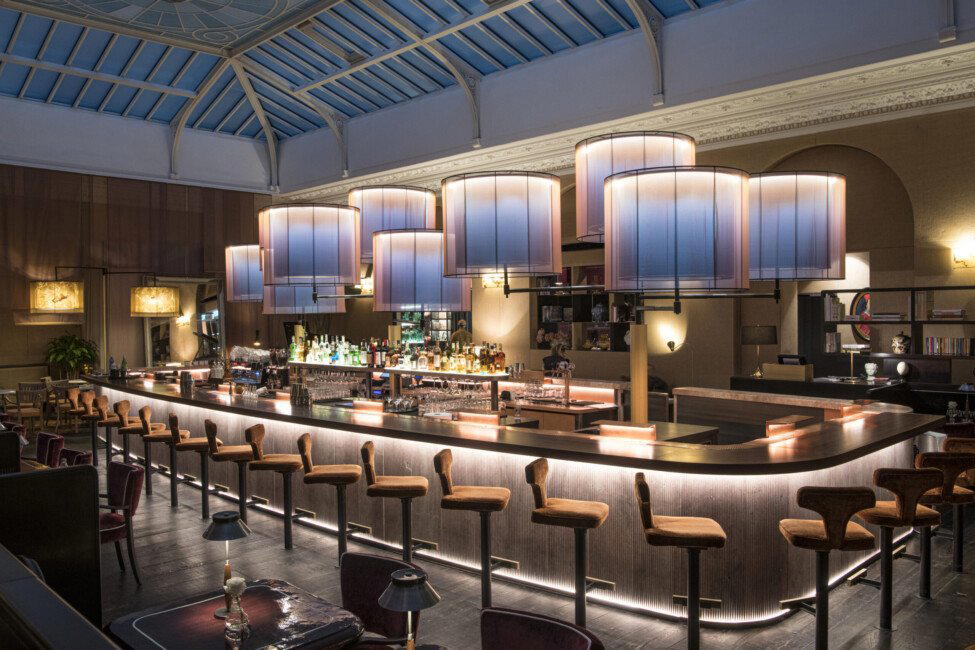
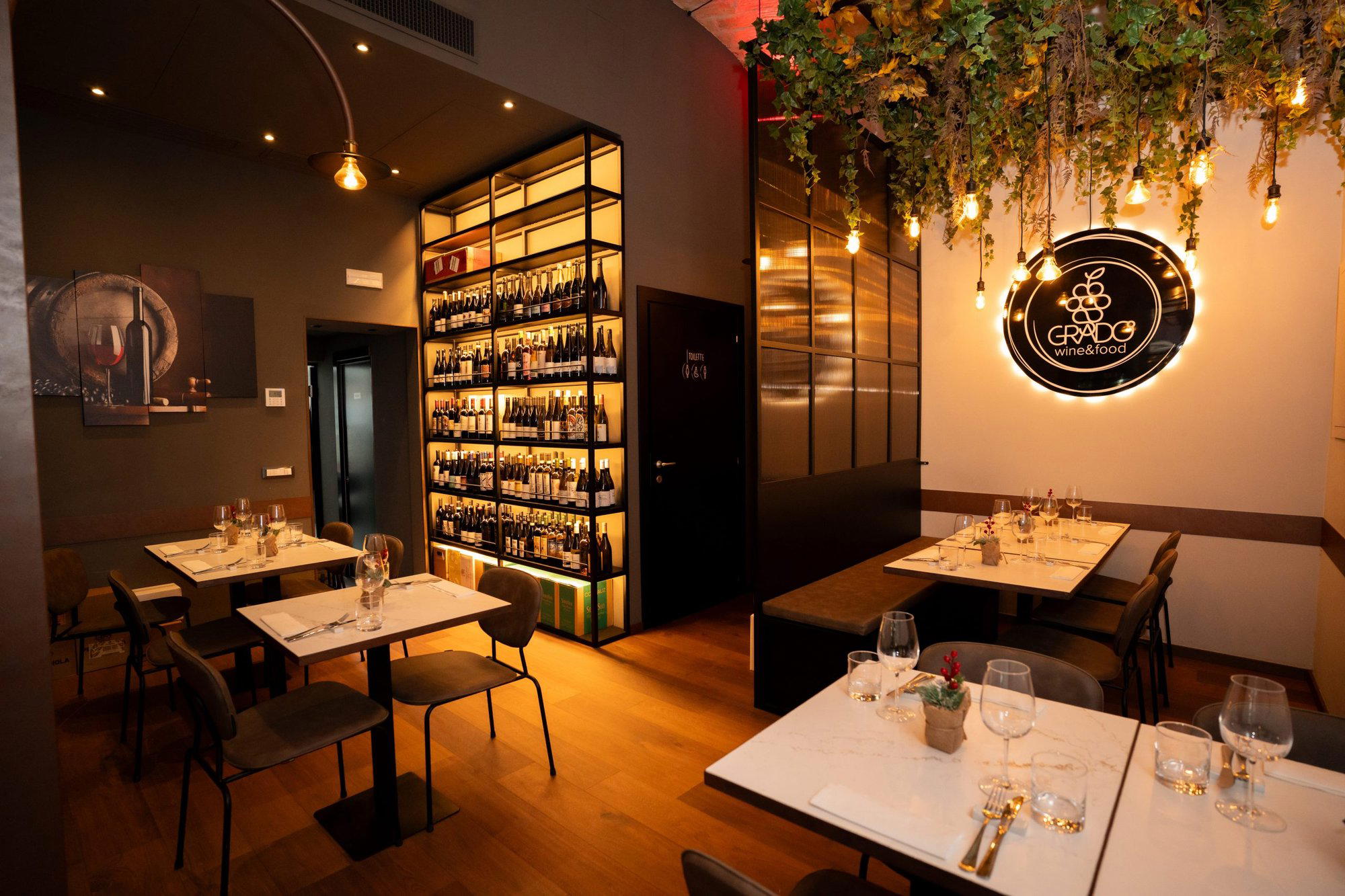
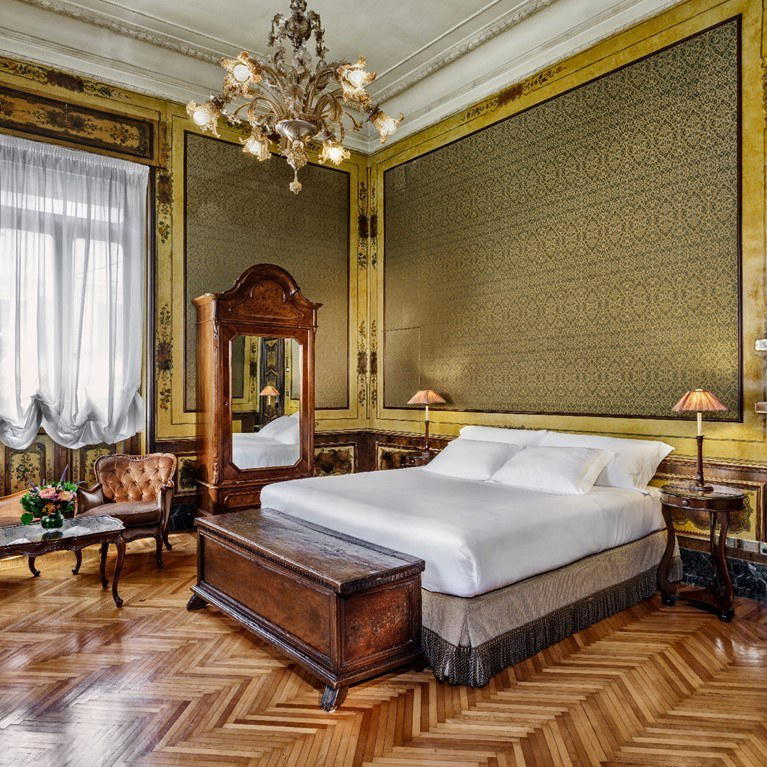
Tranquil and elegant ambiance with Neoclassical interiors featuring Pompeian-style frescoes, hand-painted ceilings, and large glass windows providing serene proximity to Rome's central bustle.