Our verdict
Casa Mùi sits in Chamartín, a district more associated with corporate lunches and neighbourhood loyalty than Madrid's trophy dining circuit. Where the city's Michelin-flagged addresses compete on spectacle and tasting-menu ambition, this address operates at a quieter register, the kind of place regulars return to not because it demands attention, but because it rewards it.

Pearl is the En Primeur Club membership app, where members save venues, book tables and use the concierge.
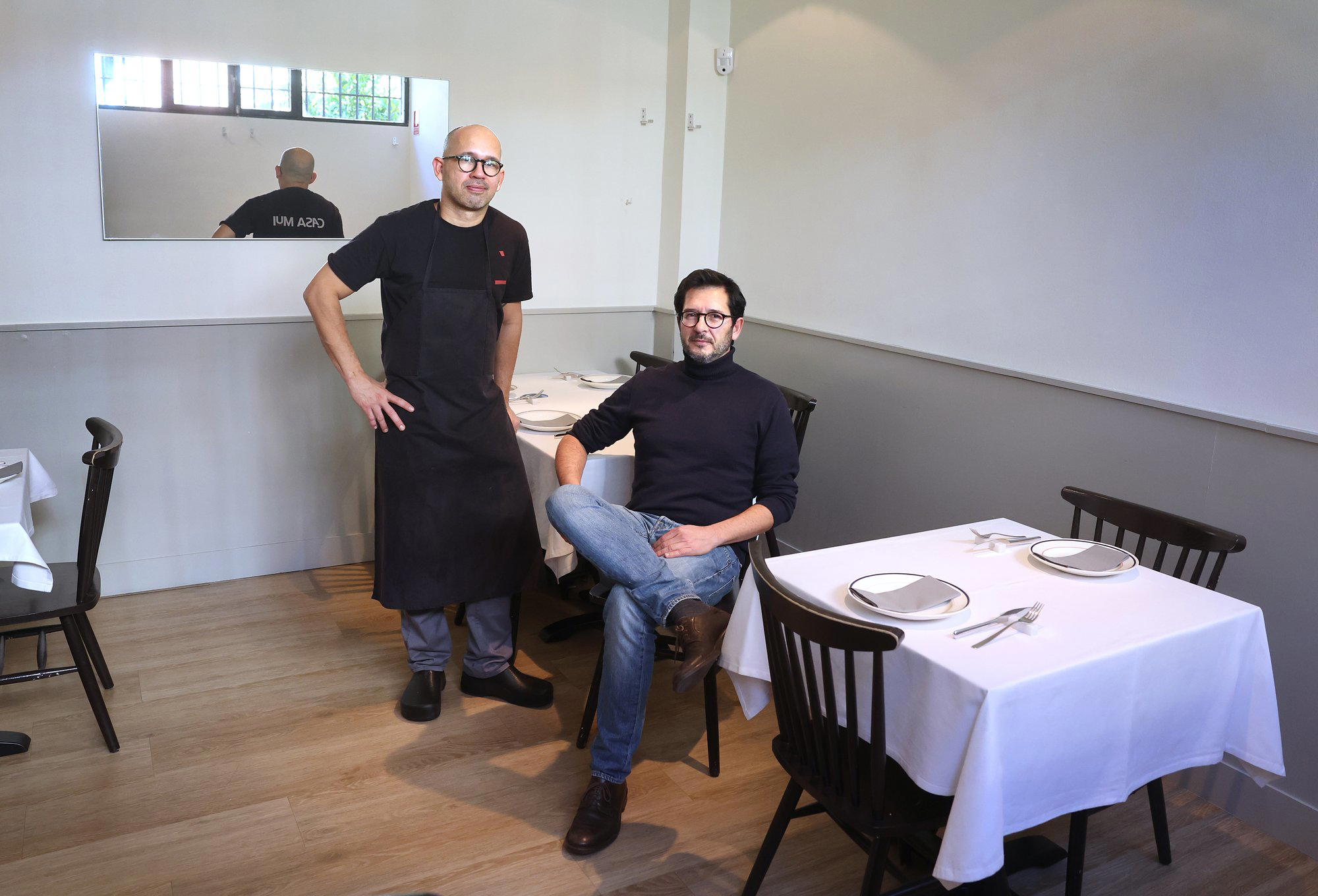
What Chamartín Signals Before You Walk In
Madrid's serious dining conversation tends to anchor itself south and west of the M-30: the creative fireworks of DiverXO, the technically precise menus at Coque, the hotel-backed ambition of Deessa. Chamartín, by contrast, is a northern residential district where the audience is largely local, professionals, families, people who eat out regularly rather than occasionally, and who develop strong opinions about where they return. That is a different kind of pressure from Michelin scrutiny, and it produces a different kind of restaurant.
Casa Mùi on Calle de Puerto Rico occupies this context. The address, Local 9, a ground-floor unit in a residential block, does not signal destination dining. It signals neighbourhood confidence: a place that earns its position through repetition rather than spectacle. For a visitor arriving from the more theatrical end of Madrid's restaurant circuit, that context adjustment matters. The measure here is not plate-by-plate innovation. It is the harder question of whether a place is worth coming back to.
The Regulars' Logic
In districts like Chamartín, regular clientele function as the most reliable quality signal available. Tourists are scarce, press attention is thin, and the audience has alternatives within walking distance. A restaurant that holds its crowd over multiple seasons is, by definition, doing something the neighbourhood cannot easily replace.
The pattern that sustains regulars at addresses like Casa Mùi tends to involve a few consistent elements: a menu that does not overcomplicate itself, a room that feels occupied rather than staged, and a kitchen that knows its own register. Spain's neighbourhood dining tradition is anchored in these values, far more so than the avant-garde track represented by addresses like DSTAgE or Paco Roncero. Those restaurants are destinations in themselves. Casa Mùi functions as something the city also needs: a place that holds its ground without demanding the room's full attention.
What the regulars' perspective reveals about any neighbourhood address is also what it conceals. The unwritten menu, the dish a regular orders without looking at the list, the table they prefer, the time they know is quieter, is knowledge that accumulates through return visits. At Casa Mùi, that knowledge sits with the people who have earned it. For a first-time visitor, the honest approach is to treat an initial meal as an orientation rather than a verdict.
Where Casa Mùi Sits in Madrid's Wider Picture
Madrid's restaurant scene has, over the past decade, bifurcated fairly sharply. At one end, a cluster of addresses competing for international recognition: three-Michelin-star operations, chefs with national profiles, tasting menus priced to match. Spain's broader fine-dining geography includes addresses of that weight in other cities too, El Celler de Can Roca in Girona, Mugaritz in Errenteria, Martin Berasategui in Lasarte-Oria, Arzak in San Sebastián, Azurmendi in Larrabetzu, Quique Dacosta in Dénia, Aponiente in El Puerto de Santa María, Ricard Camarena in València, Cocina Hermanos Torres in Barcelona, and Atrio in Cáceres. That tier is visible, well-documented, and well-served by existing guides.
At the other end sits the larger, less-covered mass of neighbourhood restaurants that sustain Madrid's daily dining life. This tier rarely appears in international guides. It is evaluated by a different set of criteria: consistency over time, value relative to alternatives within the same district, and the kind of ease that comes when a kitchen knows its own identity. Casa Mùi belongs to this second tier by geography and format.
Internationally, the model has parallels. Addresses like Lazy Bear in San Francisco or Le Bernardin in New York City sit at entirely different points on the ambition and price spectrum, but they share one structural trait with the leading neighbourhood restaurants: a clearly defined identity that the regular audience has learned to trust. The gap in execution is wide; the underlying logic is the same.
Visiting Casa Mùi: What to Expect
Chamartín is connected to central Madrid via Metro Line 10 (Chamartín station) and Line 1 (Plaza de Castilla), making the neighbourhood accessible from most parts of the city without requiring a taxi. Calle de Puerto Rico is a residential street, and Local 9 is a ground-floor address in a block setting, the kind of location that rewards knowing the number rather than scanning for a prominent frontage.
Is Casa Mùi good for vegetarians?
No dietary information is confirmed in available data. If vegetarian options are a requirement, contacting the restaurant directly before visiting is the only reliable route. Spanish neighbourhood restaurants vary considerably on this point: some carry strong vegetable-forward options as a matter of course; others are built around meat and fish. Without a confirmed menu, no assumption is possible here.
Is Casa Mùi worth the price?
Pricing is not confirmed, which makes a direct value assessment impossible. What the neighbourhood context does indicate is that Chamartín restaurants operate against local competition and a repeat-visit audience, conditions that tend to keep pricing closer to area norms than to the premium tiers charged by Madrid's destination dining addresses. For comparison, the city's starred tables at DiverXO or Coque operate at €€€€ price points; a neighbourhood address in Chamartín would typically sit well below that bracket.
How does Casa Mùi fit into Madrid's wider neighbourhood dining scene?
Casa Mùi occupies the residential northern tier of Madrid's restaurant geography, a part of the city that rarely features in international itineraries but sustains a dense and demanding local audience. Chamartín's dining crowd is largely professional and repeat-oriented, which means neighbourhood restaurants here are evaluated on consistency and familiarity rather than innovation. For visitors who want to understand Madrid beyond its headline creative addresses, this district offers a clearer picture of how the city actually eats day to day.
Just the Basics
Comparable venues nearby, for context on price, style, and recognition.
| Venue | Cuisine | Price | Notes |
|---|---|---|---|
| Casa MùiThis venue (the venue you are viewing) | Asian-Mediterranean Fusion | Not listed | Not listed |
| Babel Terraza Restaurante | Modern Fusion International | $20–30 | Corralejos, Modern Fusion International |
| Zielou | Modern Fusion Tasting | $50–100 | Castilla, Modern Fusion Tasting |
| Navaja Restaurante | Asian-Peruvian Fusion | Not listed | Malasana, Asian-Peruvian Fusion |
| Panamera Madrid | Spanish-Latin American Fusion | $30–50 | Rios Rosas, Spanish-Latin American Fusion |
| La Florería | Mediterranean Fusion Café & Brunch | $20–30 | Rios Rosas, Mediterranean Fusion Café & Brunch |
Continue exploring
More in Madrid
Restaurants in Madrid
All restaurants in Madrid →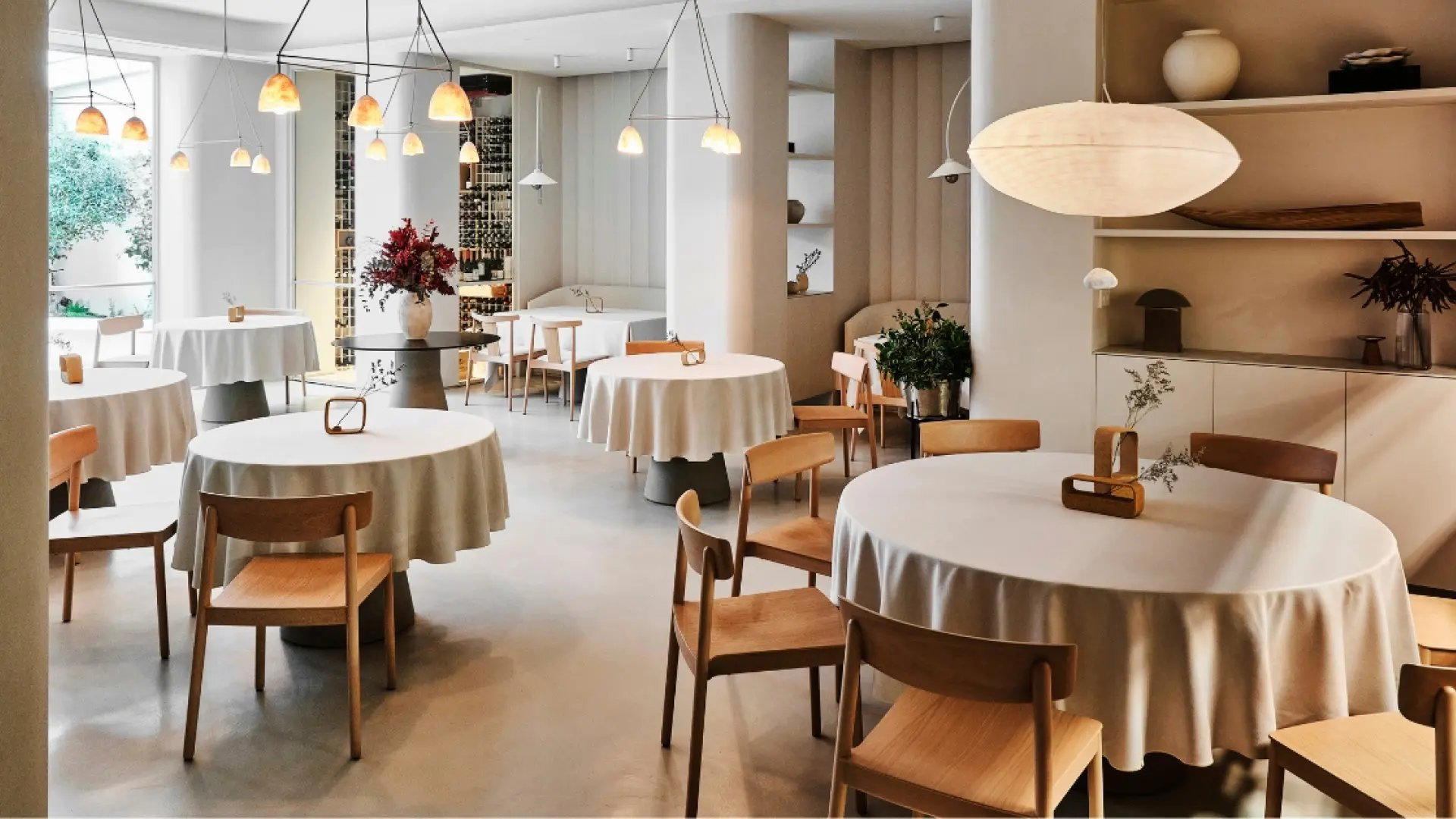
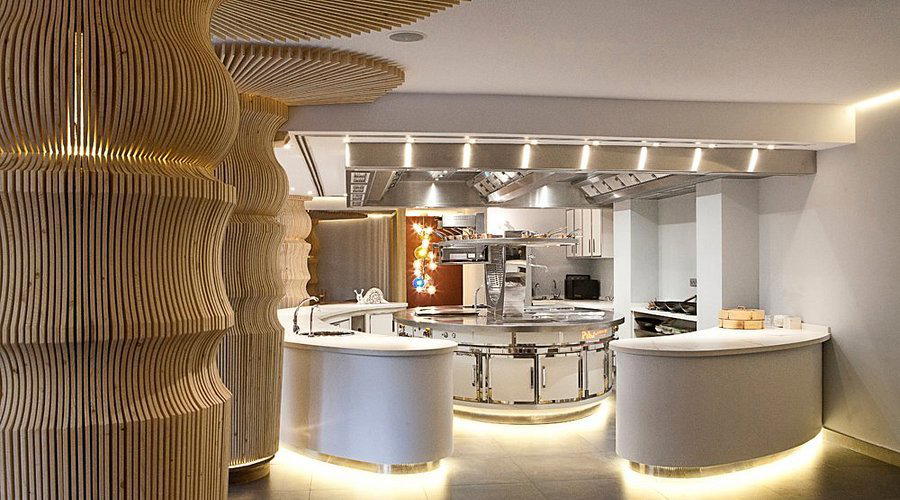
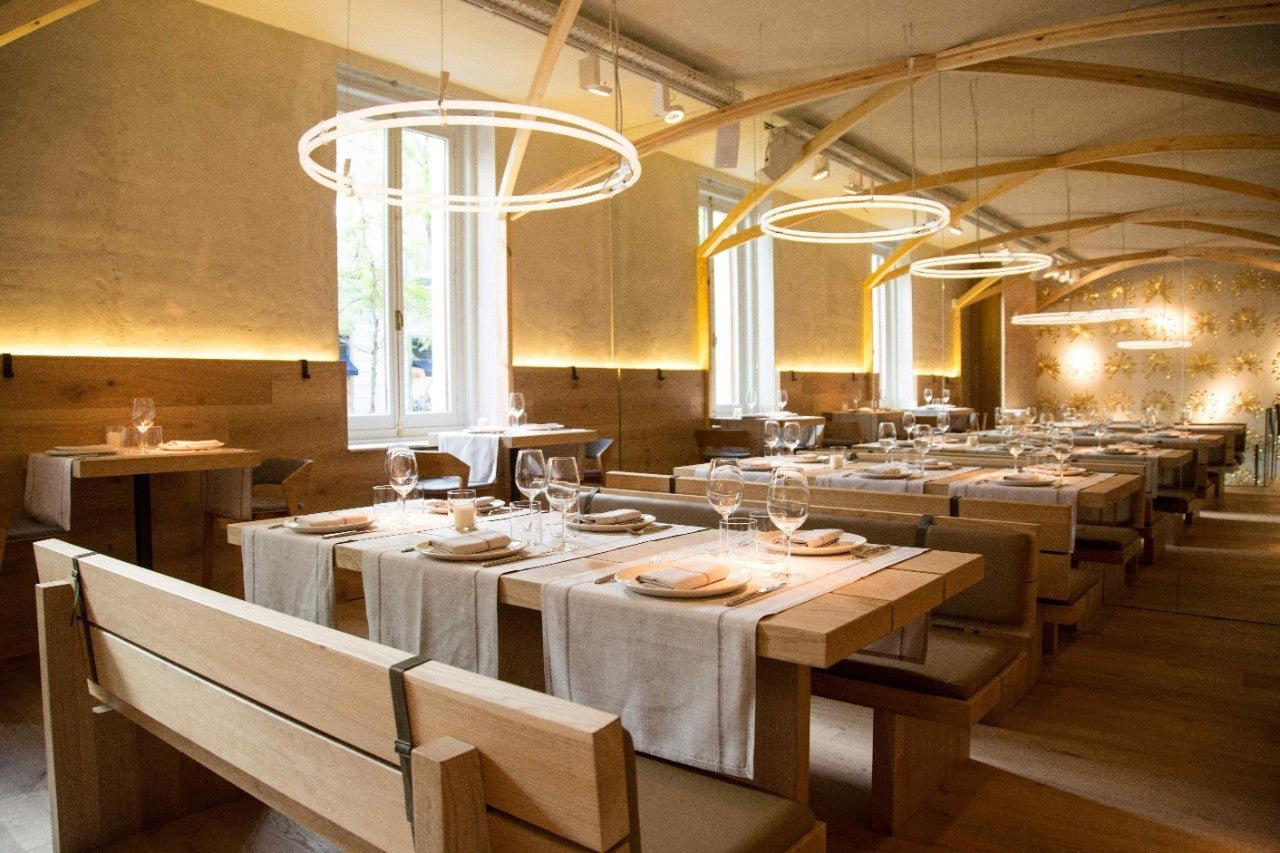

Bars in Madrid
All bars in Madrid →

Details
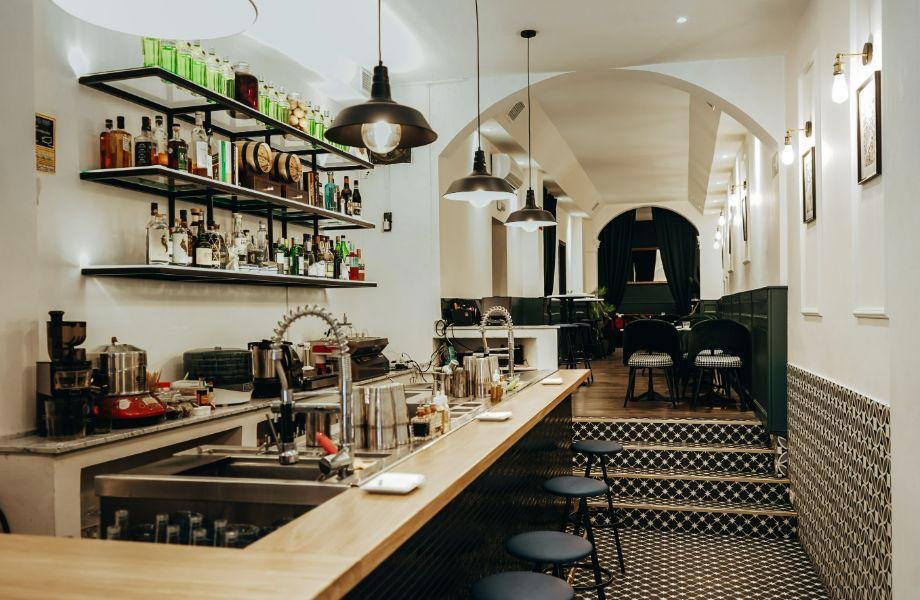
- Cozy
- Intimate
- Modern
- Date Night
- Casual Hangout
- Open Kitchen
- A La Carte
- Small Plates
Current opening hours
- Monday
- Closed
- Tuesday
- 1:30–4:30 PM, 8:30–11:30 PM
- Wednesday
- 1:30–4:30 PM, 8:30–11:30 PM
- Thursday
- 1:30–4:30 PM, 8:30–11:30 PM
- Friday
- 1:30–4:30 PM, 8:30–11:30 PM
- Saturday
- 1:30–4:30 PM, 8:30–11:30 PM
- Sunday
- Closed
Hours can change for holidays and private events. Hours as of .
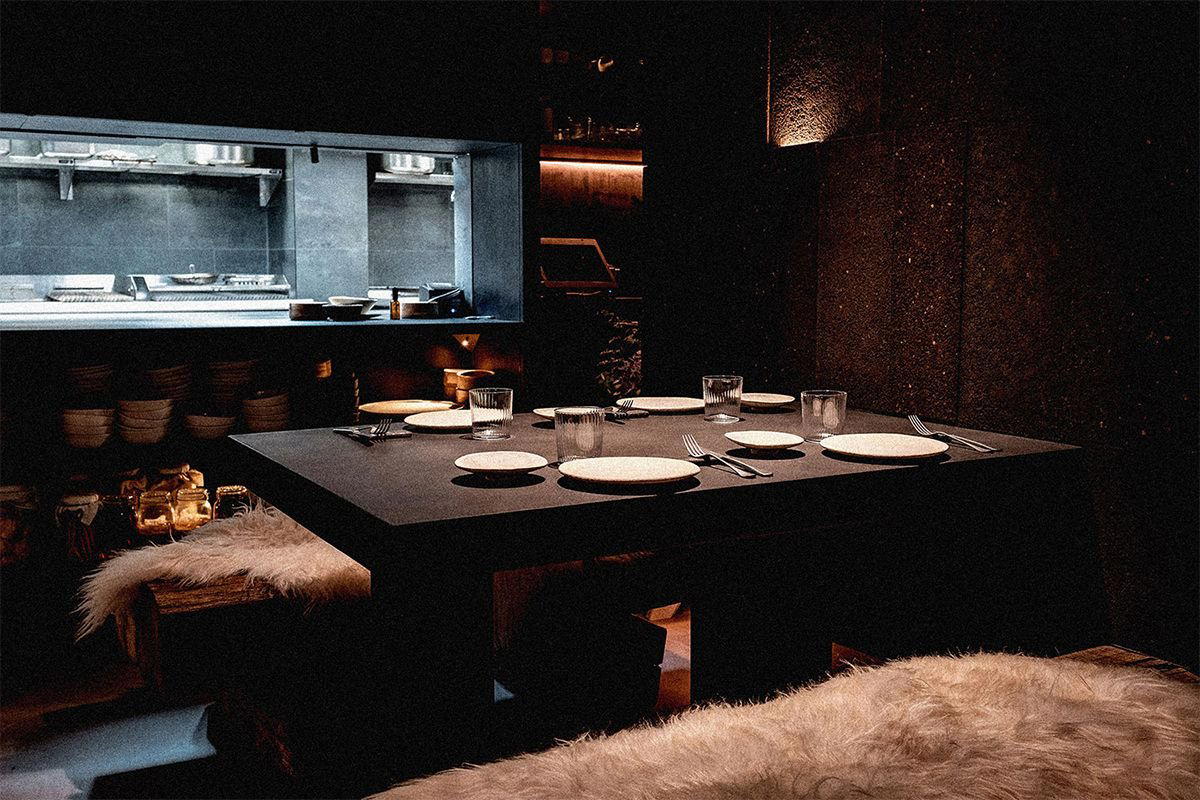
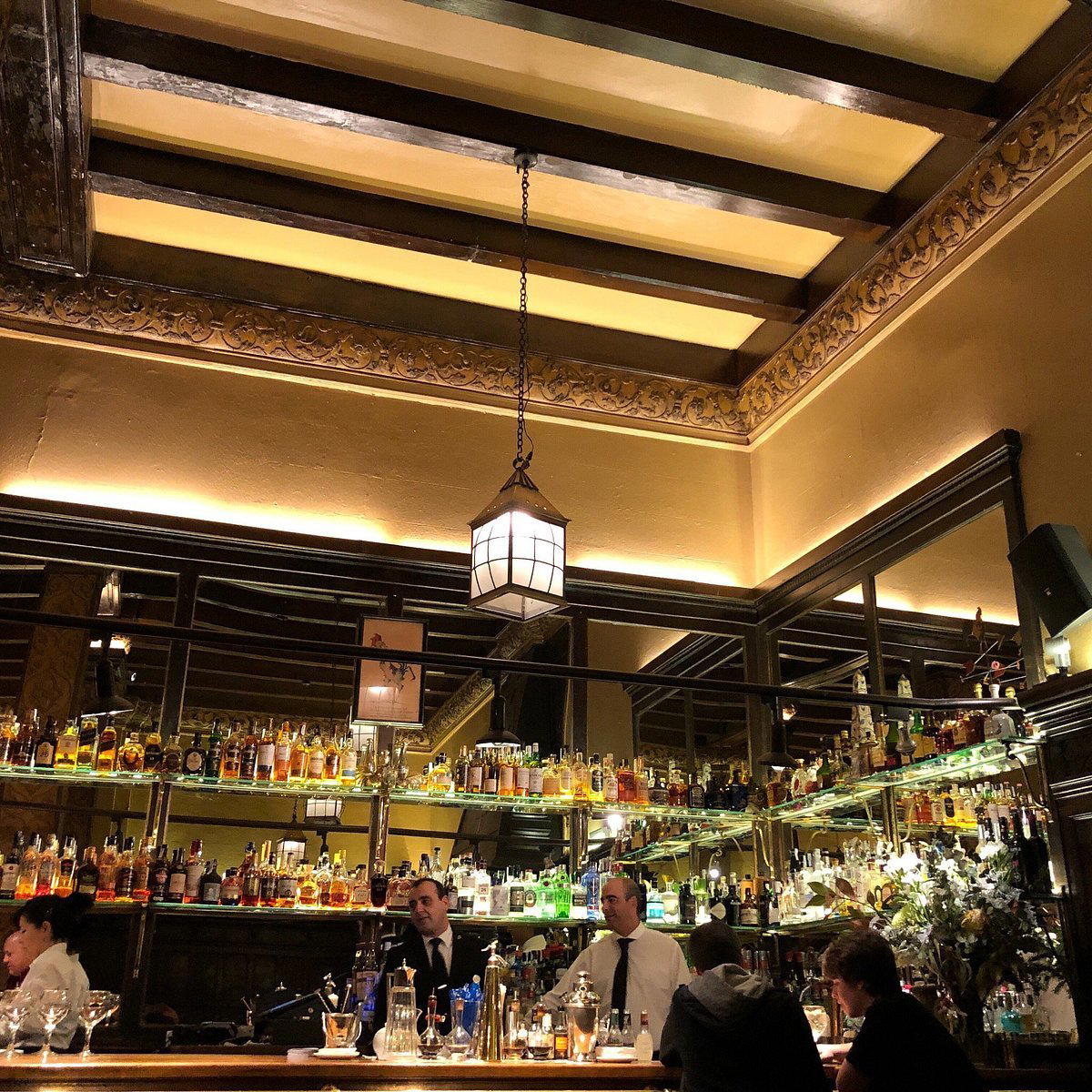
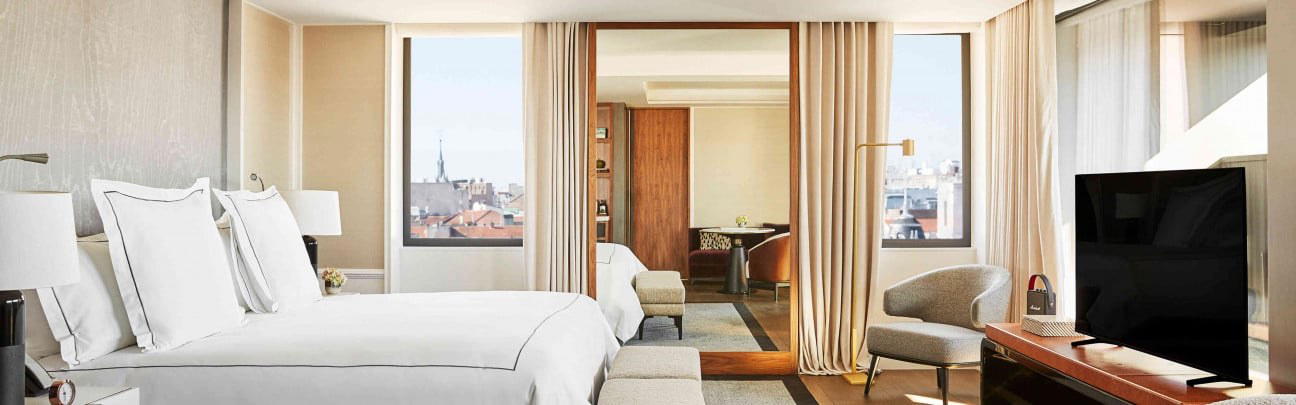
Small and sober place in gray and white tones, creating a cozy and familiar atmosphere.