Our verdict
Navaja Restaurante occupies a mid-century address on Calle de Valverde in Madrid's Centro district, a street that sits at the edge of Malasaña and Chueca where the city's creative and culinary energies converge. The restaurant draws from Madrid's deepening appetite for produce-led cooking served in formats that shift noticeably between lunch and dinner, making the time of day you visit a real decision worth considering.
- Address
- C. de Valverde, 42, Centro, 28004 Madrid, Spain
- Phone
- +34 636 85 23 04
- Directions
- Get directions
The menu
What to order
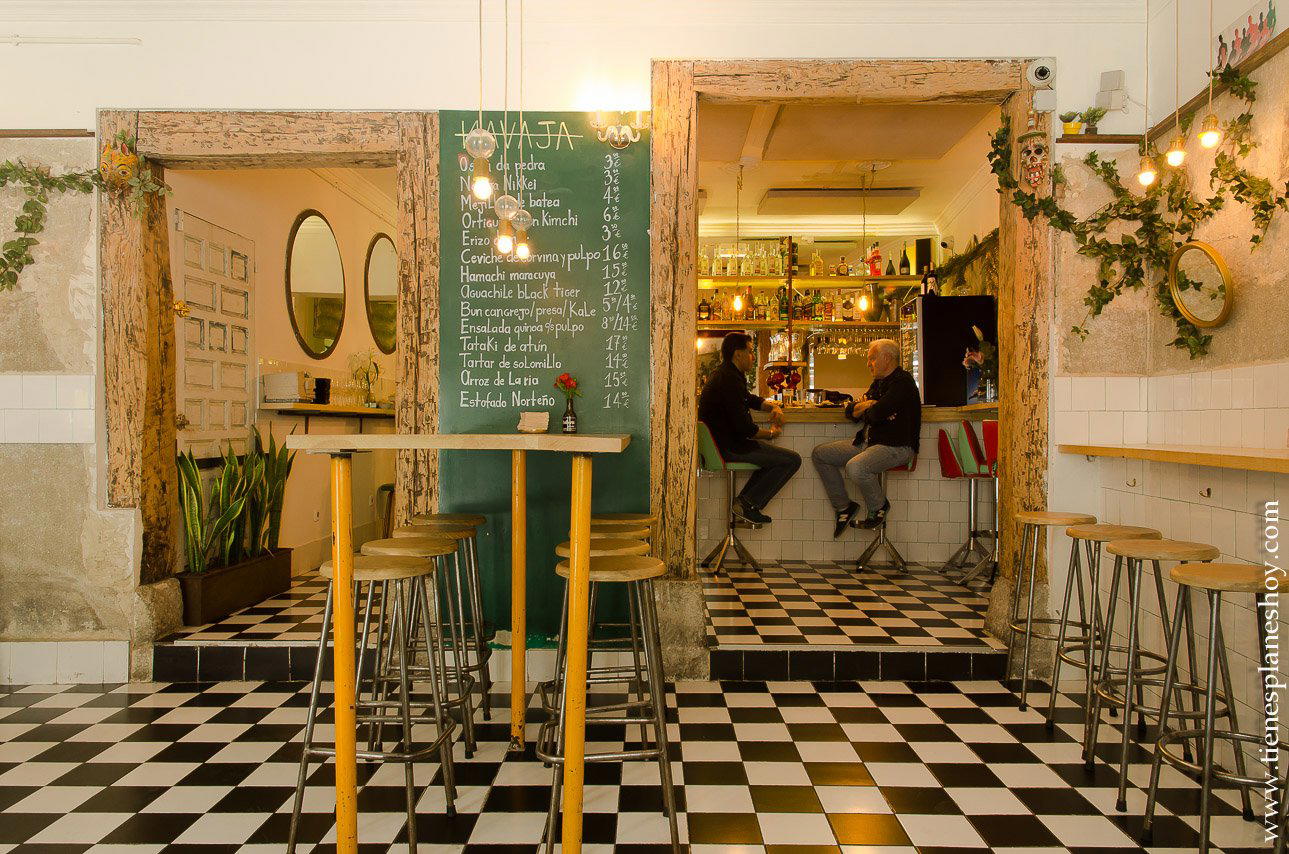
- Nikkei navajas
- Peruvian tiradito
Calle de Valverde and the Neighbourhood It Belongs To
Madrid's Centro district contains multitudes. The stretch of streets between Gran Vía and Fuencarral has evolved from a corridor of fast fashion and late-night bars into a zone where serious restaurants are beginning to anchor themselves. Calle de Valverde, where Navaja Restaurante sits at number 42, runs through the southern edge of Malasaña and skirts the western boundary of Chueca, two barrios that have driven much of the city's independent food culture over the past decade. This is not the formal dining belt of Salamanca or the trophy-restaurant coordinates of the Mandarin Oriental's surroundings. It is a neighbourhood where a restaurant earns its place by being genuinely useful to the people who live and work there, not just to visitors with a reservation list.
That geographic context matters when assessing what kind of experience Navaja is offering. Spanish restaurants in this price tier and postcode tend to operate with a dual identity: a lunch service shaped around the working week and a dinner format that takes on a different register entirely. Understanding that divide is the most practical piece of intelligence you can carry into a visit.
Lunch and Dinner: Two Different Arguments
Madrid has a deeply embedded lunch culture. The midday meal remains the primary social and gastronomic occasion for much of the city's working population, and restaurants that understand this tend to run tighter, more focused menus at lunch than they do in the evening. Across the Centro district, the midday service is where you encounter the most honest expression of a kitchen's technical range: fewer covers, more attention, and often better value relative to what arrives on the table.
Dinner in the same venues frequently moves toward a longer format, more elaborate presentations, and a wine program with greater depth and higher price points. The shift is partly operational and partly cultural. Evening diners in Madrid tend to arrive late by northern European standards, with first seatings rarely filling before 9 p.m. and the pacing of service extends accordingly. A dinner at a restaurant like Navaja, in a neighbourhood where the streets stay active well past midnight, sits within that tradition rather than against it.
The practical consequence for a visitor is that the two services are worth treating as separate decisions. If your priority is value relative to kitchen quality, lunch is the more efficient entry point in this part of Madrid. If you want the full arc of an evening, with the city's particular rhythms wrapping around the meal, dinner makes sense on its own terms.
Where Navaja Sits in Madrid's Restaurant Field
Madrid's upper tier of creative cooking is well documented. DiverXO holds three Michelin stars and occupies a category of its own in terms of ambition and price. Coque and Deessa anchor the city's formal creative end, both at the €€€€ tier. DSTAgE and Paco Roncero add further depth at that level. Navaja on Calle de Valverde operates in a different register from those addresses: a neighbourhood-scaled restaurant in a part of the city where the competition is less about Michelin placement and more about consistent quality and a clear point of view on the plate.
This is not a criticism. Some of the most interesting eating in any city happens in the tier below the awards-circuit venues, where kitchens are not performing for inspectors and the room carries a different kind of energy. The Malasaña-Chueca corridor has a track record of producing exactly that kind of restaurant. For context on what the broader Spanish fine dining scene looks like, our full Madrid restaurants guide maps the field from casual to three-star.
Spanish Creative Cooking in a European Frame
The strength of Spanish restaurant culture across its regions gives any Madrid table a significant peer group to be measured against. The country's three-star tier includes Quique Dacosta in Dénia, Arzak in San Sebastián, Azurmendi in Larrabetzu, Martin Berasategui in Lasarte-Oria, and Aponiente in El Puerto de Santa María. At the two-star level, Cocina Hermanos Torres in Barcelona and Ricard Camarena in València represent the regional depth of the country's cooking. El Celler de Can Roca in Girona and Mugaritz in Errenteria hold positions in the global conversation that go beyond Michelin points alone.
Against that national backdrop, a restaurant in Centro Madrid is drawing on a tradition with serious technical depth. The ingredient vocabulary available to Spanish kitchens, from Iberian product to Atlantic and Mediterranean seafood, gives any committed cook a starting position that is already advantaged. Internationally, the creative tasting format has its own reference points: Le Bernardin in New York City and Lazy Bear in San Francisco represent different national expressions of the same impulse toward disciplined, produce-centred menus. Atrio in Cáceres offers a Spanish counterpoint in a smaller city context, and its model of serious food at a non-capital address is a useful comparison for any Madrid restaurant operating outside the formal trophy tier.
Planning a Visit to Calle de Valverde
Reaching number 42 Calle de Valverde is direct from the centre. The address sits within walking distance of Gran Vía metro (lines 1 and 5) and is equally accessible from Tribunal (line 10) on the Malasaña side. The street itself is residential in character, with the commercial activity concentrated at its northern end near Fuencarral. Arriving on foot from Gran Vía takes under ten minutes and passes through the kind of urban texture that tells you something about who the restaurant is actually serving.
Given the significance of the lunch-dinner divide in Madrid's dining culture, confirming which service you are booking and what the corresponding menu format looks like is worth doing ahead of arrival rather than on the day.
Frequently asked questions
What's the address for Navaja Restaurante?
Navaja Restaurante is located at C. de Valverde, 42, Centro, 28004 Madrid, Spain, Madrid.
Where exactly is Navaja Restaurante located in Madrid and how do I get there?
Navaja is at Calle de Valverde, 42, in Madrid's Centro district, within the creative independent restaurant corridor that runs between Gran Vía and Fuencarral. Gran Vía metro station (lines 1 and 5) is the closest underground stop, making the address accessible from most points in the city without a taxi. The immediate neighbourhood has shifted noticeably in recent years from fast fashion toward independent hospitality and food.
Is Navaja Restaurante reservation-only?
Madrid's dinner culture runs late — seatings rarely begin before 9 p.m. and kitchens in active Centro neighbourhoods like the Valverde corridor fill quickly on weekends. Booking in advance is advisable for any evening visit to Navaja at Calle de Valverde, 42. Walk-in availability, if it exists, is more likely at lunch, when the city's midday meal culture keeps turnover higher.
Cuisine Context
A quick peer check to anchor this venue’s price and recognition.
| Venue | Cuisine | Price | Awards | Notes |
|---|---|---|---|---|
| Navaja RestauranteThis venue — the venue you are viewing | Asian-Peruvian Fusion | Not listed | Not listed | Not listed |
| DiverXO | Avant-Garde Spanish Tasting Menu | $300–500 | 3 Michelin Stars · World's 50 Best #4 | Progressive - Asian, Creative |
| Coque | Modern Spanish Fine Dining | $300–500 | 2 Michelin Stars · La Liste Top Restaurants | Spanish, Creative |
| Deessa | Modern Valencian Fine Dining | $150–200 | 2 Michelin Stars · La Liste Top Restaurants | Modern Spanish, Creative |
| Paco Roncero | Avant-Garde Spanish Fine Dining | $150–200 | 2 Michelin Stars · La Liste Top Restaurants | Creative |
| Smoked Room | Modern Japanese Fire Omakase | $200–300 | 2 Michelin Stars · La Liste Top Restaurants | Progressive Asador, Contemporary |
Continue exploring
More in Madrid
Restaurants in Madrid
Browse all →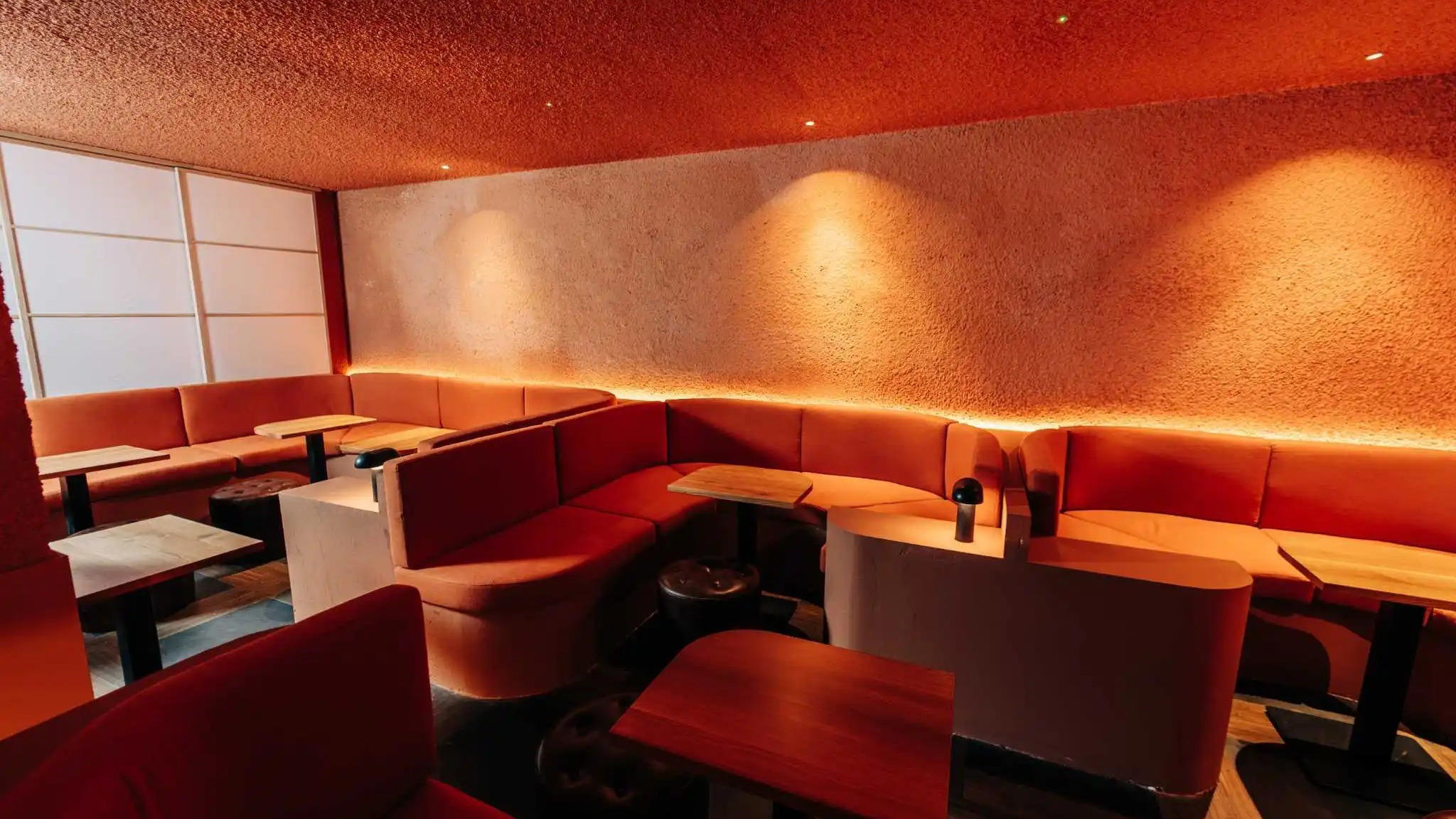
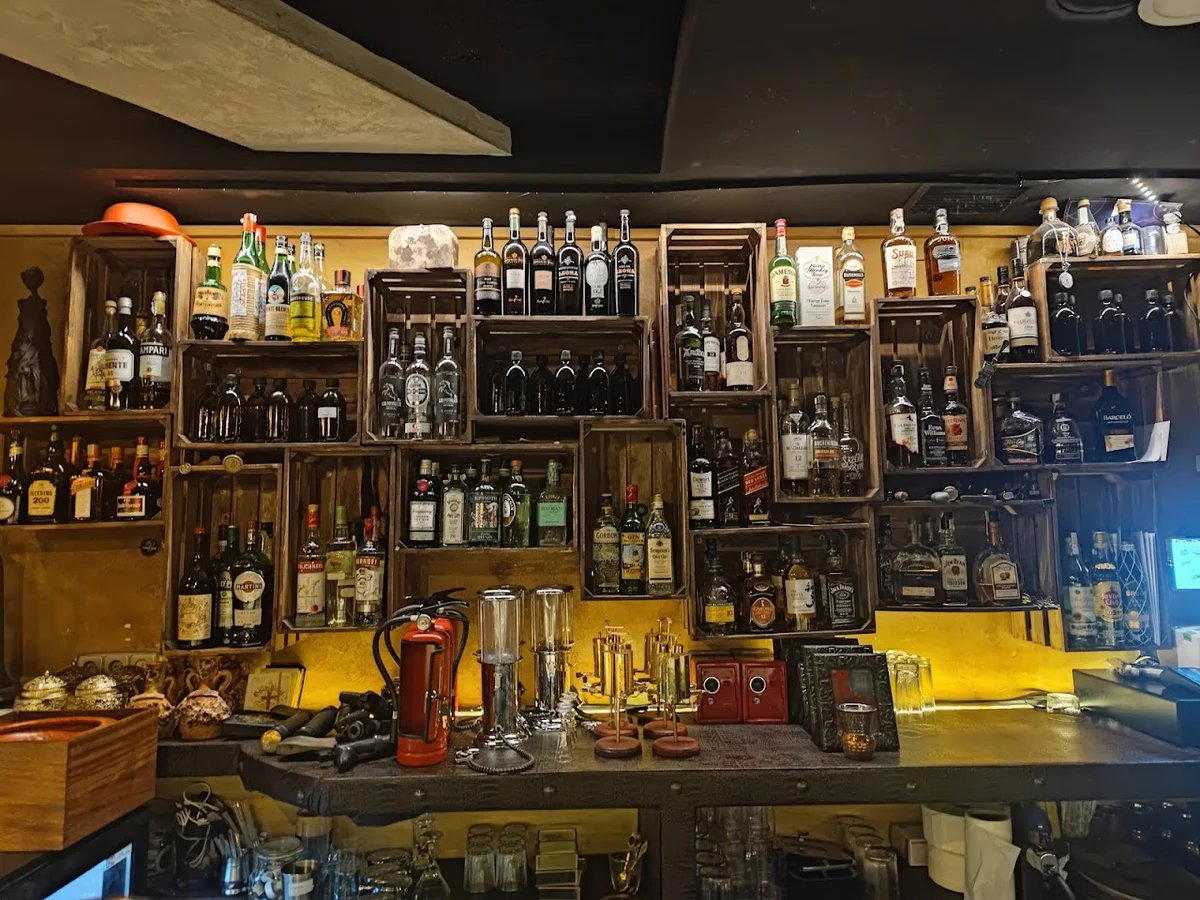
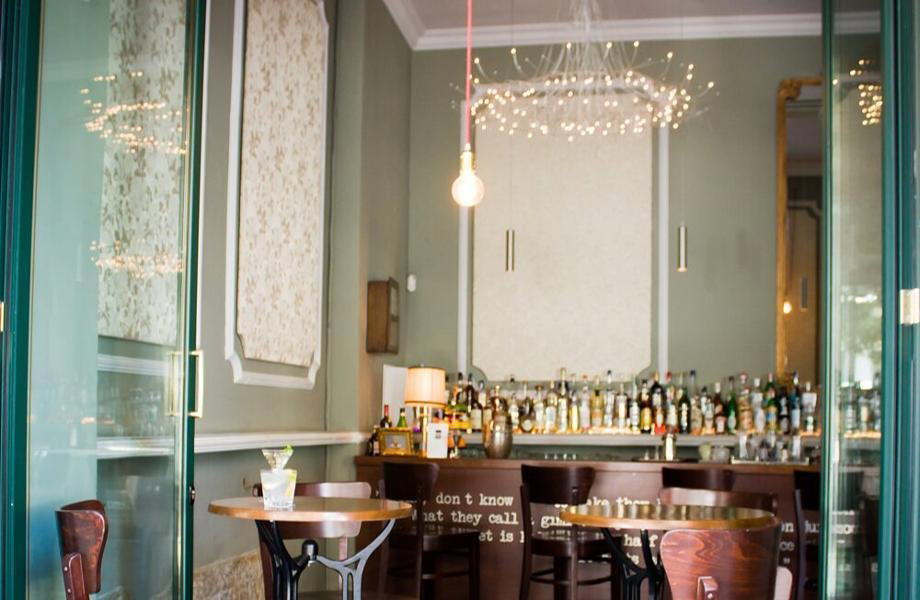
Bars in Madrid
Browse all →
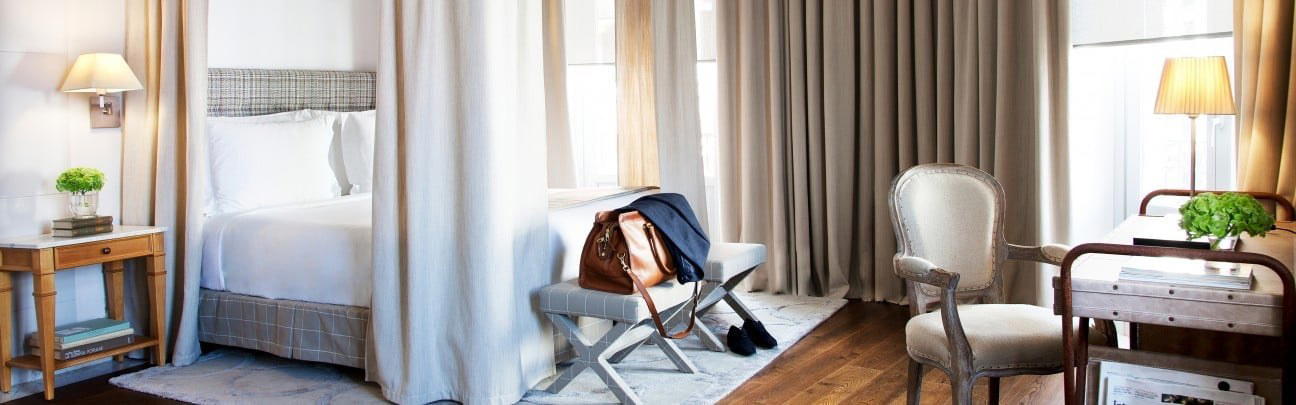
Hotels in Madrid
Browse all →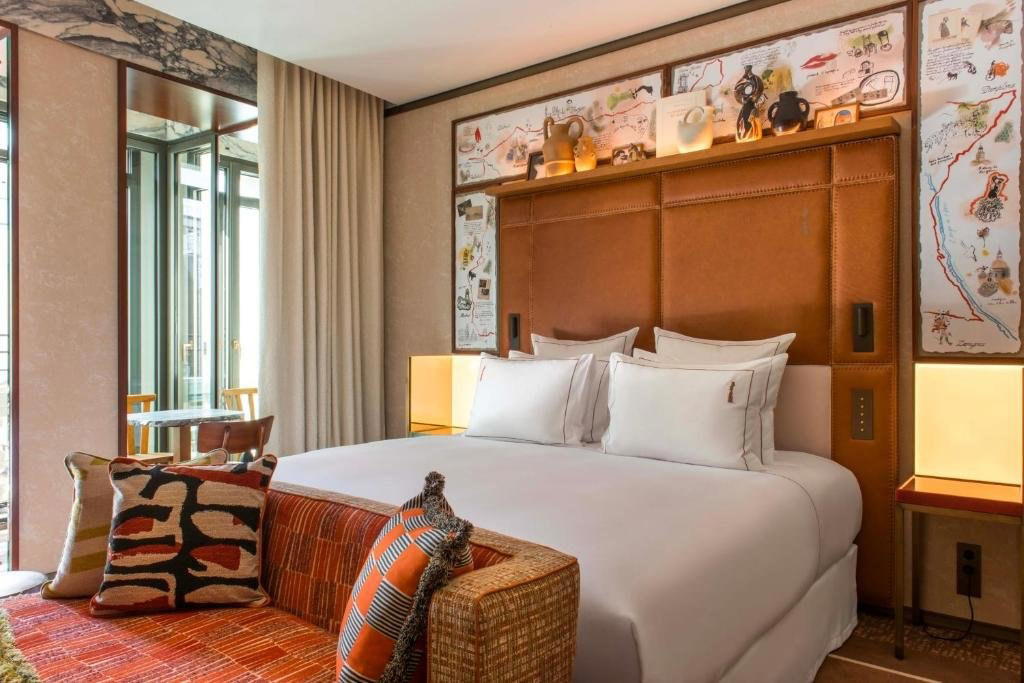

Details
- Trendy
- Modern
- Date Night
- Special Occasion
- Small Plates
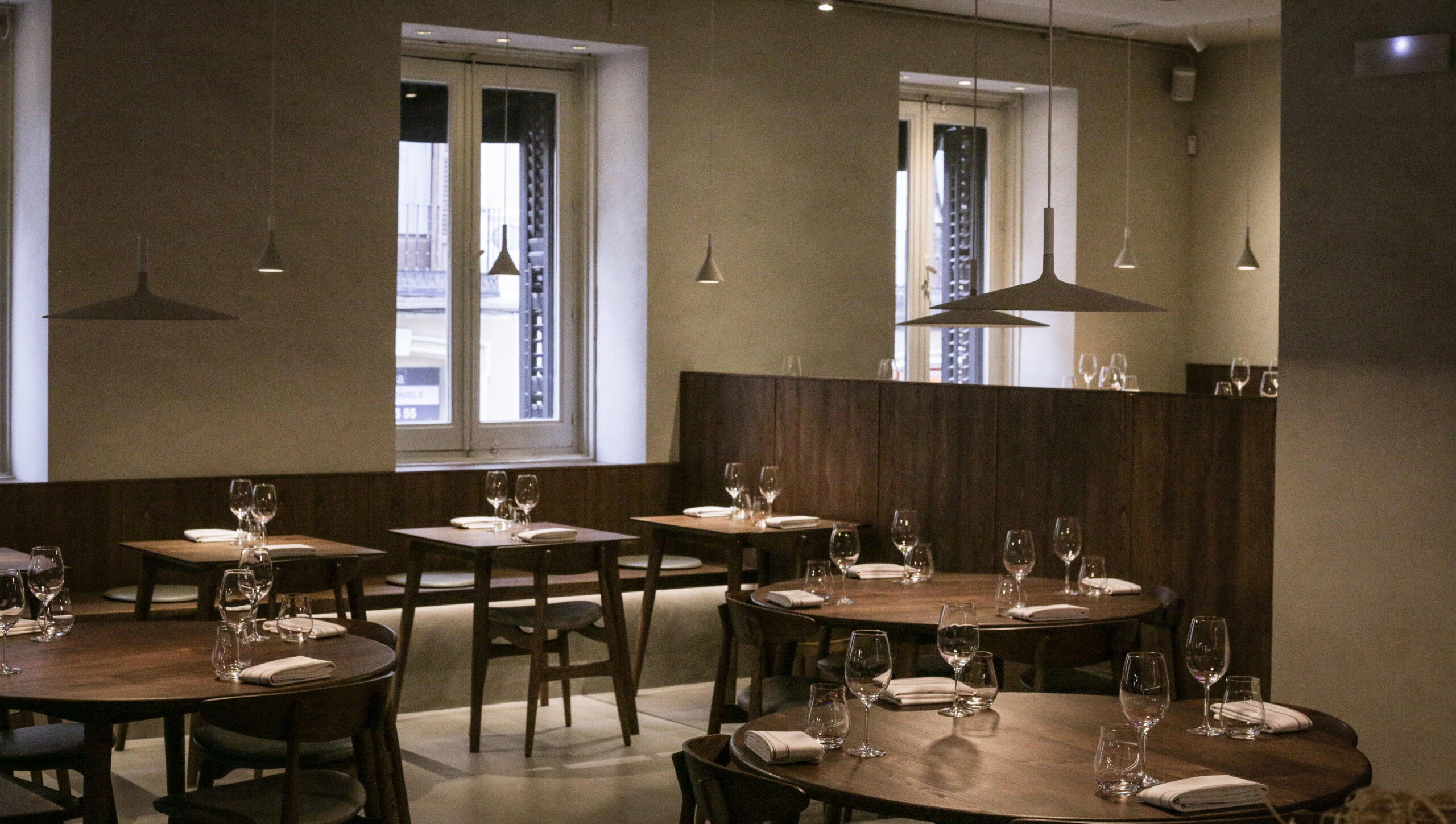
Intimate and cozy little dining area at the back with friendly service.