Casa Maravillas sits on Calle de Jorge Juan in Madrid's Salamanca district, one of the city's most competitive addresses for serious dining. The restaurant occupies a neighbourhood where kitchen craft and front-of-house precision are expected rather than notable, and where the interplay between culinary and service teams defines the experience as much as the food itself.
Pearl is the En Primeur Club membership app — saves, bookings, and concierge access live there. Same editors, same standards.
- Address
- C. de Jorge Juan, 54, Salamanca, 28001 Madrid, Spain
- Phone
- +34915777477
- Website
- casamaravillas.es
- Directions
- Get directions
 Saves & bookings on Pearl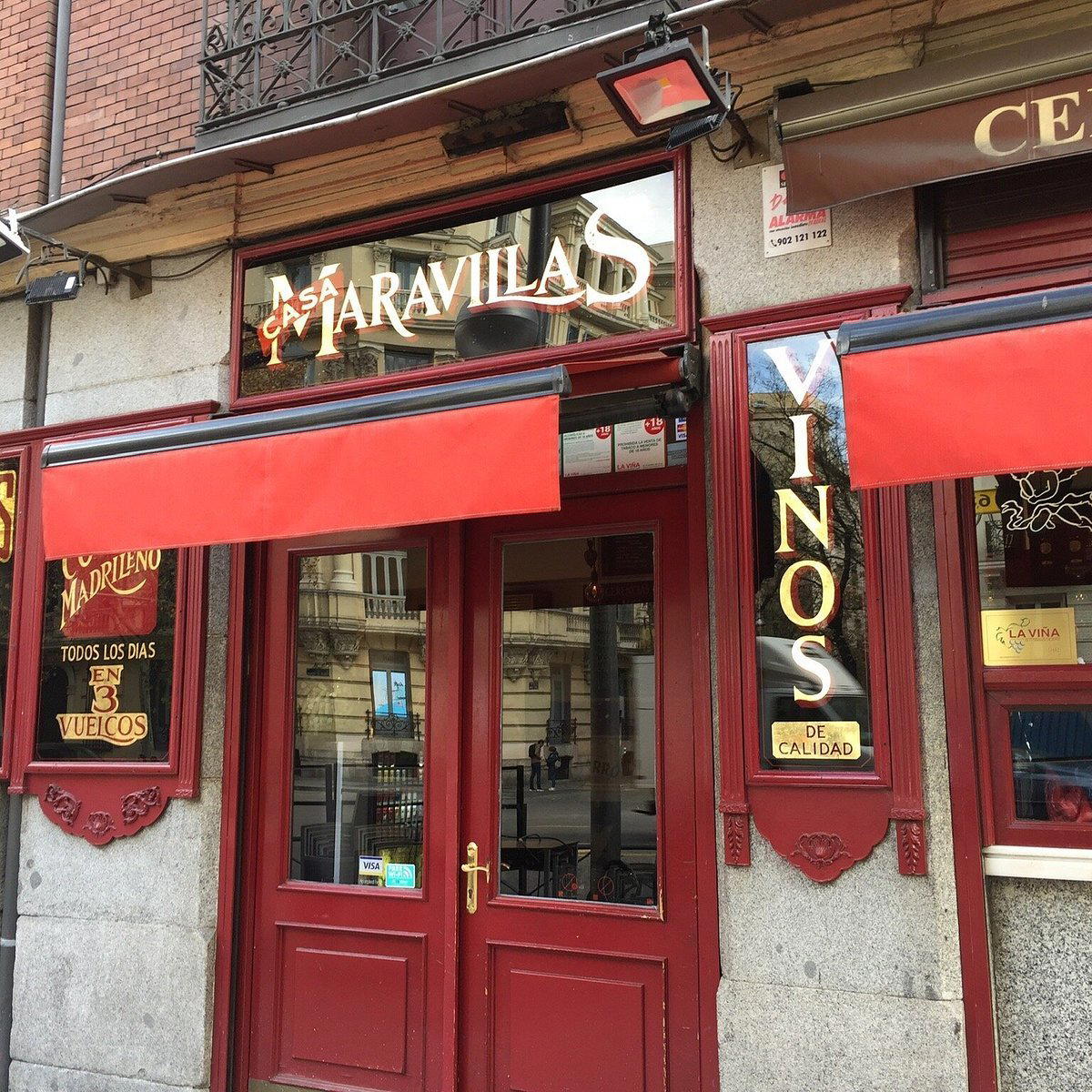
Salamanca's Dining Standard and Where Casa Maravillas Fits
Calle de Jorge Juan runs through the heart of Madrid's Salamanca district, a postcode that has quietly accumulated some of the capital's most considered restaurant openings over the past decade. The street draws a crowd that expects polish at every point of contact: the welcome at the door, the wine knowledge behind the glass, the coherence between what the kitchen sends out and what the dining room communicates about it. In that context, Casa Maravillas enters a conversation that is already well underway. This is not an address where novelty alone carries a room. The peers here include restaurants that have earned sustained recognition across multiple review cycles, and the diner walking through the door on Jorge Juan has usually done the comparison work before booking.
Madrid's broader restaurant scene has consolidated around a recognisable set of reference points. At the leading end, DiverXO operates in a category that is essentially its own, while Coque and Deessa anchor the creative-Spanish tier with different methodologies. Further along, DSTAgE and Paco Roncero have built sustained reputations on the kind of tightly organised kitchen-to-table communication that Salamanca diners now read as baseline expectation. Casa Maravillas enters this map from the Salamanca side, where the density of serious restaurants means positioning is felt rather than stated.
The Architecture of a Collaborative Room
In Madrid's most considered dining rooms, the experience that a diner carries away is rarely built by the kitchen alone. The restaurants that sustain interest across multiple visits tend to be those where the chef's output, the sommelier's selections, and the front-of-house rhythm operate as a single communicative act rather than three separate departments running in parallel. This is the editorial angle from which the restaurant deserves to be read.
Salamanca's dining culture has moved steadily away from the model where a brilliant chef carries a room despite indifferent service or an afterthought wine list. The restaurants that have earned sustained attention in this district are those that treat the floor as an extension of the kitchen's argument. When a sommelier frames a pour in terms of what it does to a specific dish rather than where the grape grew, or when a front-of-house team paces a meal with the same attention a kitchen gives to sequencing courses, the diner experiences something that a single talented cook cannot manufacture alone. That kind of collaboration is infrastructure, and in a district as competitive as Salamanca, it reads immediately in the room.
Spain's most discussed restaurants outside Madrid offer useful reference points for this dynamic. At El Celler de Can Roca in Girona, the three-brother structure is the public emblem of kitchen-sommelier-pastry integration. At Mugaritz in Errenteria, the team's philosophical alignment is what makes an intellectually demanding menu legible to a dining room. Cocina Hermanos Torres in Barcelona makes the kitchen's collaboration visible by design. These are not analogies to the restaurant so much as illustrations of the broader Spanish dining conversation into which any serious Salamanca address is expected to contribute.
Jorge Juan as a Dining Address
The street's reputation has been built incrementally. Salamanca's restaurant density means that openings here compete not just for tables but for a share of a diner's mental map of the city. An address on or around Jorge Juan signals intent, because the neighbourhood's residents and regulars have a calibrated sense of what the postcode should deliver. This is a district where business lunches run long and Saturday evenings require forward planning, and where a wine list that has not been curated with some depth will be noticed as an absence.
For visitors mapping a Madrid itinerary, Salamanca operates differently from the older dining districts around Chueca or La Latina. The crowd is less inclined toward late-night spontaneity and more oriented toward the kind of meal that rewards a reservation made in advance. Booking ahead is the default assumption in this neighbourhood, particularly for dinner, and the rhythm of the room tends toward a pace that allows for conversation rather than rapid turnover.
Spain's Fine Dining Map and the Madrid Position
Understanding the restaurant requires some sense of where Madrid sits in Spain's overall restaurant geography. The country's most decorated addresses are distributed across regions in a way that makes Madrid's position interesting rather than dominant. The Basque Country holds a disproportionate share of Spain's highest Michelin concentrations: Arzak in San Sebastián, Azurmendi in Larrabetzu, and Martin Berasategui in Lasarte-Oria all operate at the three-star level. On the Mediterranean coast, Quique Dacosta in Dénia and Ricard Camarena in València have built distinct identities from regional ingredients. Aponiente in El Puerto de Santa María works from an entirely different ecological premise. Atrio in Cáceres connects notable wine cellar depth with a refined Extremaduran setting.
Madrid's contribution to this national conversation has historically been less tied to a single regional tradition and more oriented toward synthesis, ambition, and the infrastructure of a capital city. The concentration of serious restaurants in Salamanca is part of that logic: this is where Madrid's dining scene makes its most deliberate argument. For international reference, the collaborative team model that defines stronger examples from Salamanca has parallels at Le Bernardin in New York City, where kitchen and floor operate with unified intention, and at Lazy Bear in San Francisco, where the communal format is itself a statement about service as hospitality rather than transaction.
Know Before You Go
| Address | C. de Jorge Juan, 54, Salamanca, 28001 Madrid, Spain |
|---|---|
| Neighbourhood | Salamanca, Madrid |
| Booking | Advance reservation strongly advised, particularly for dinner and weekends in this district |
| When to Visit | Salamanca restaurants tend to peak Thursday through Saturday evenings; lunch on weekdays is less pressured |
| Getting There | Closest Metro stops are Velázquez (Line 4) and Serrano (Line 4), both within a short walk of Jorge Juan |
Cuisine and Awards Snapshot
Comparable venues nearby, for context on price, style, and recognition.
| Venue | Cuisine | Price | Notes |
|---|---|---|---|
| Casa MaravillasThis venue — the venue you are viewing | Traditional Madrid Cocido & Tapas | $$ | Not listed |
| "B de J" | Spanish Sandwich Bar | $$ | Chueca |
| Taberna La Carmencita | Traditional Spanish Taberna Classics | $$ | Chueca |
| Cachopo & Go | Traditional Spanish Cachopo | $$ | Vallehermoso |
| Taberna Zalamero | Traditional Spanish Tapas with Modern Twists | $$ | Ibiza |
| Pastelería Celicioso | Gluten-Free Spanish Bakery Cafe | $$ | Chueca |
Continue exploring
More in Madrid
Restaurants in Madrid
Browse all →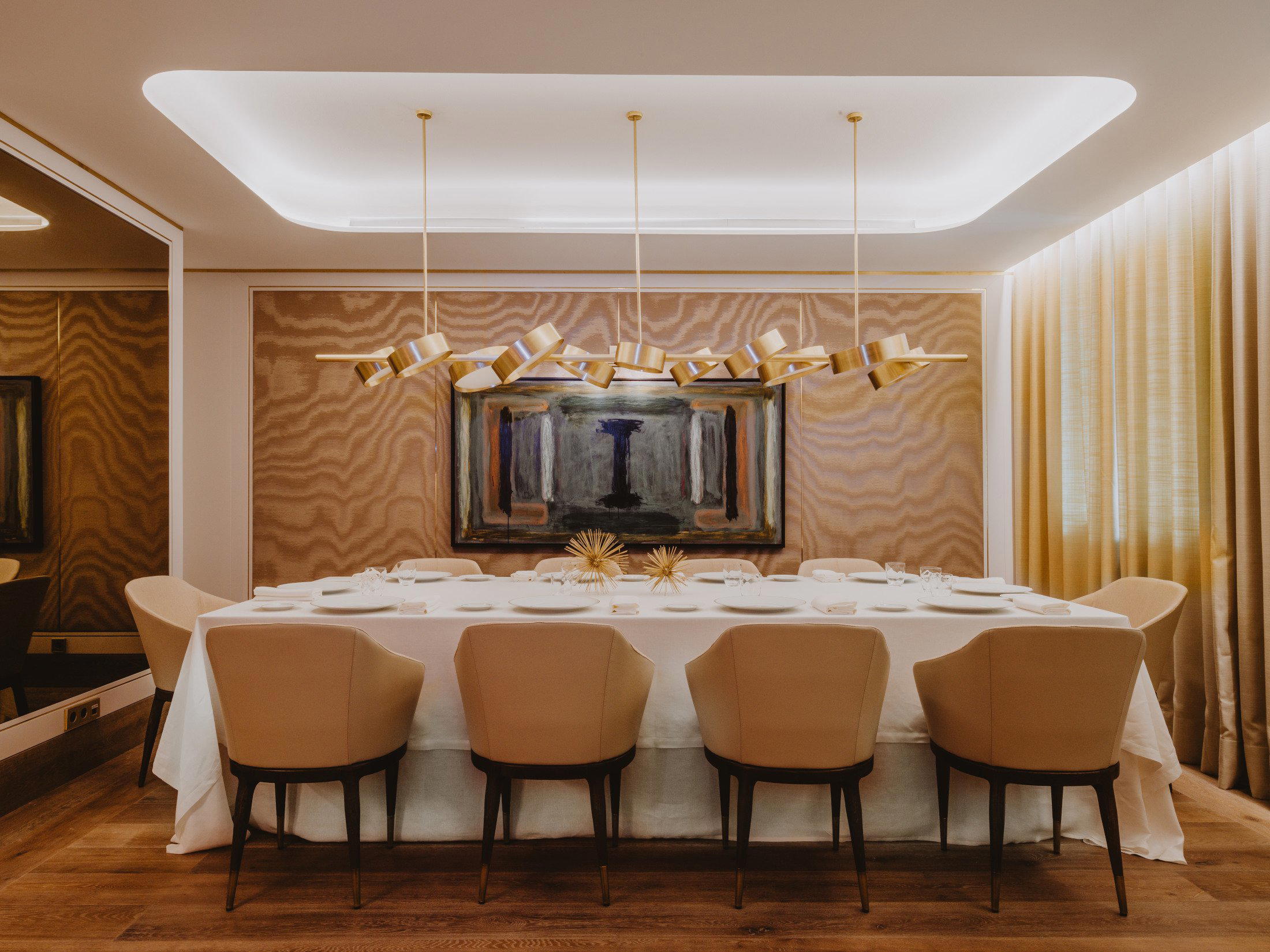
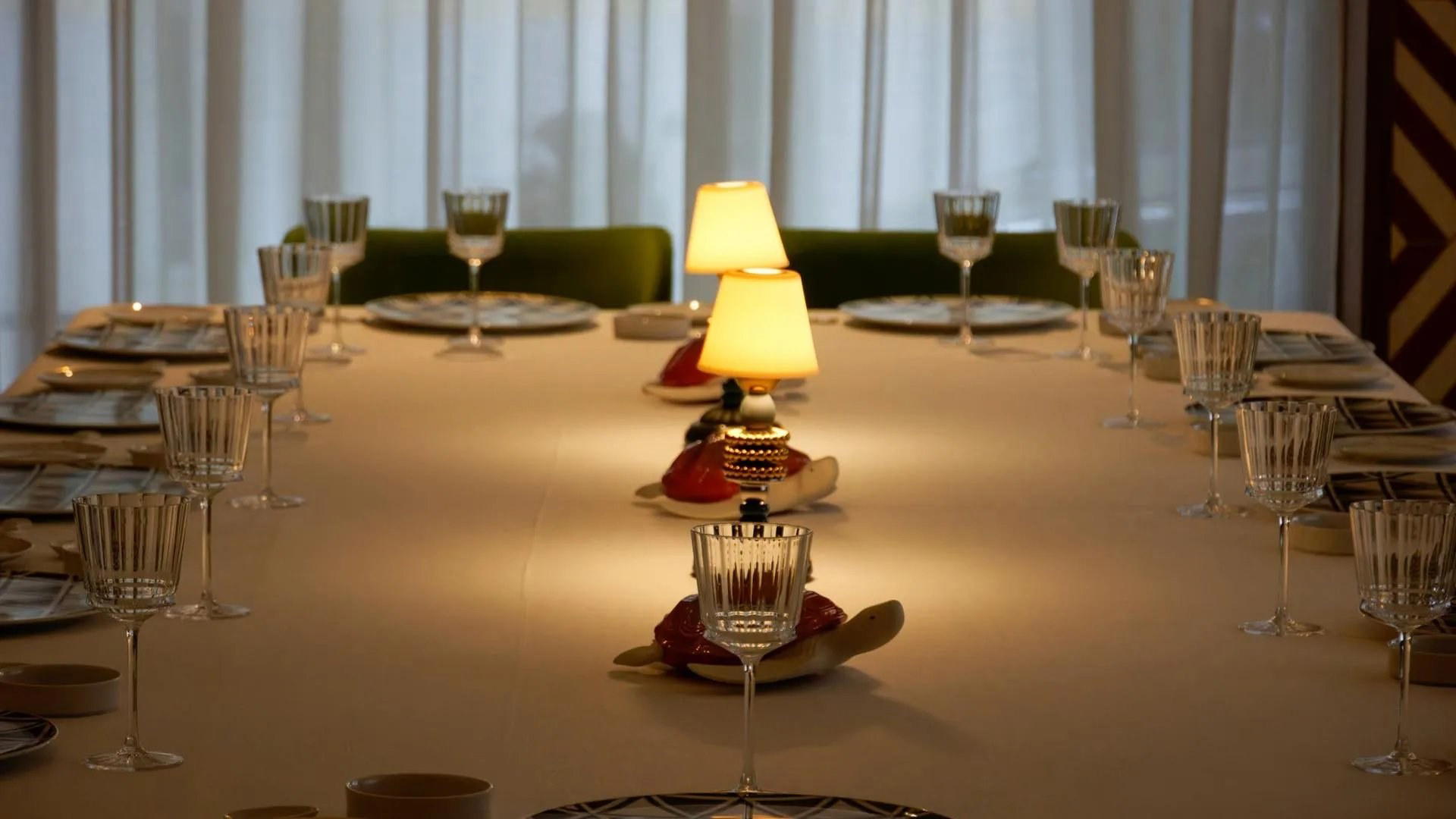
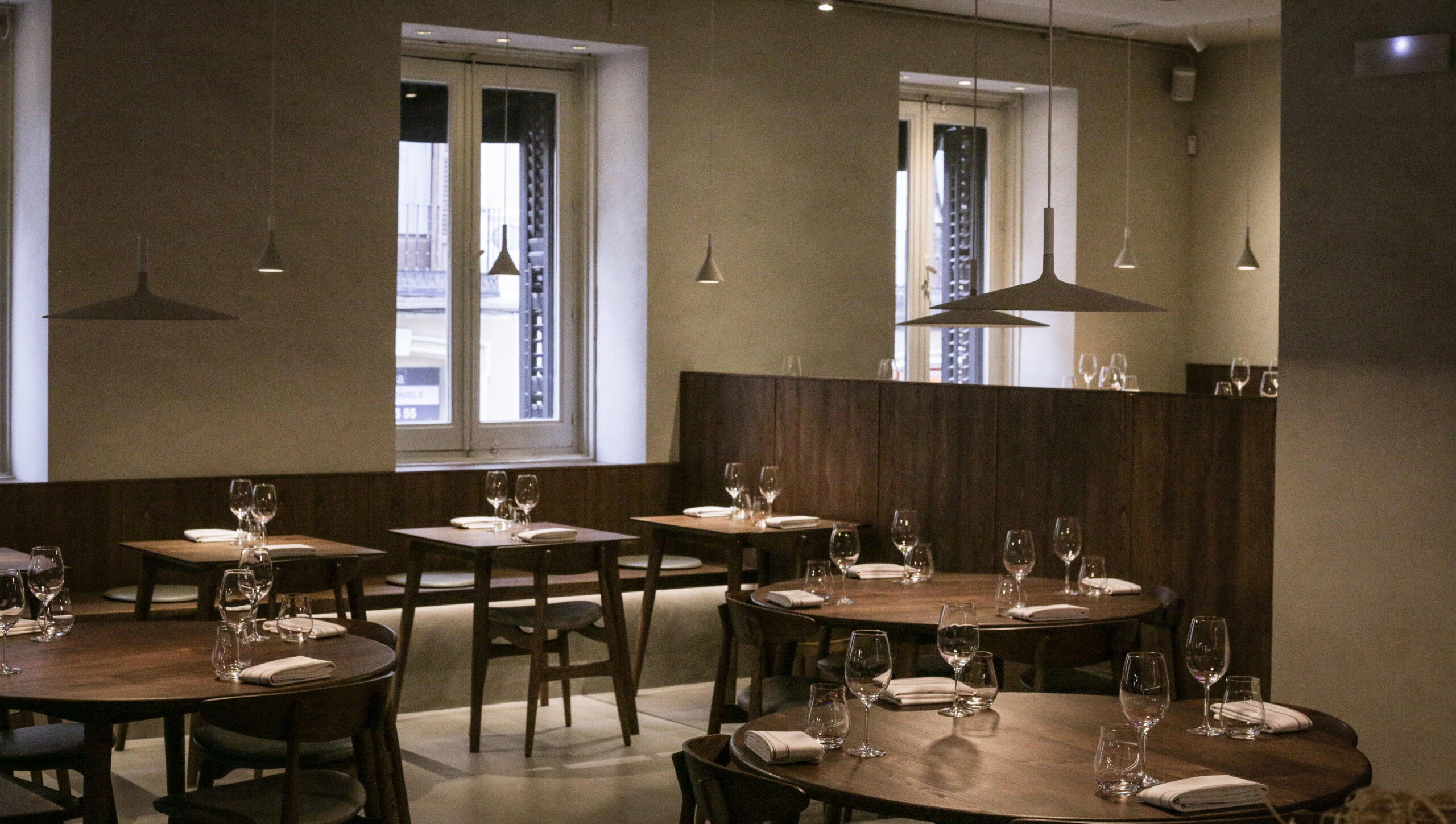
Bars in Madrid
Browse all →
Hotels in Madrid
Browse all →

At a Glance
- Classic
- Cozy
- Casual Hangout
- Group Dining
- Terrace
- Extensive Wine List
Current opening hours
- Monday
- 12 PM–12 AM
- Tuesday
- 12 PM–12 AM
- Wednesday
- 12 PM–12 AM
- Thursday
- 12 PM–12 AM
- Friday
- 12 PM–12 AM
- Saturday
- 12 PM–12 AM
- Sunday
- 12–5 PM
Hours can change for holidays and private events. Last verified .
Traditional decor with exposed brick walls, tiles, and wooden elements creating a nostalgic, authentic Madrilenian tavern atmosphere.