Casa El Gitano
Casa El Gitano occupies a quiet stretch of Paromlinska in central Sarajevo, operating in a city where the line between neighbourhood canteen and serious kitchen is often thinner than the menu suggests. The address places it within reach of the older urban fabric that defines Sarajevo dining at its least performative. Coverage remains sparse, which makes it a venue that rewards those already oriented to the city rather than passing visitors relying on aggregator lists.
Pearl is the En Primeur Club membership app — saves, bookings, and concierge access live there. Same editors, same standards.
- Address
- Paromlinska 34, Sarajevo 71000, Bosnia & Herzegovina
- Phone
- +38733950753
- Website
- casaelgitano.com
- Directions
- Get directions
 Saves & bookings on Pearl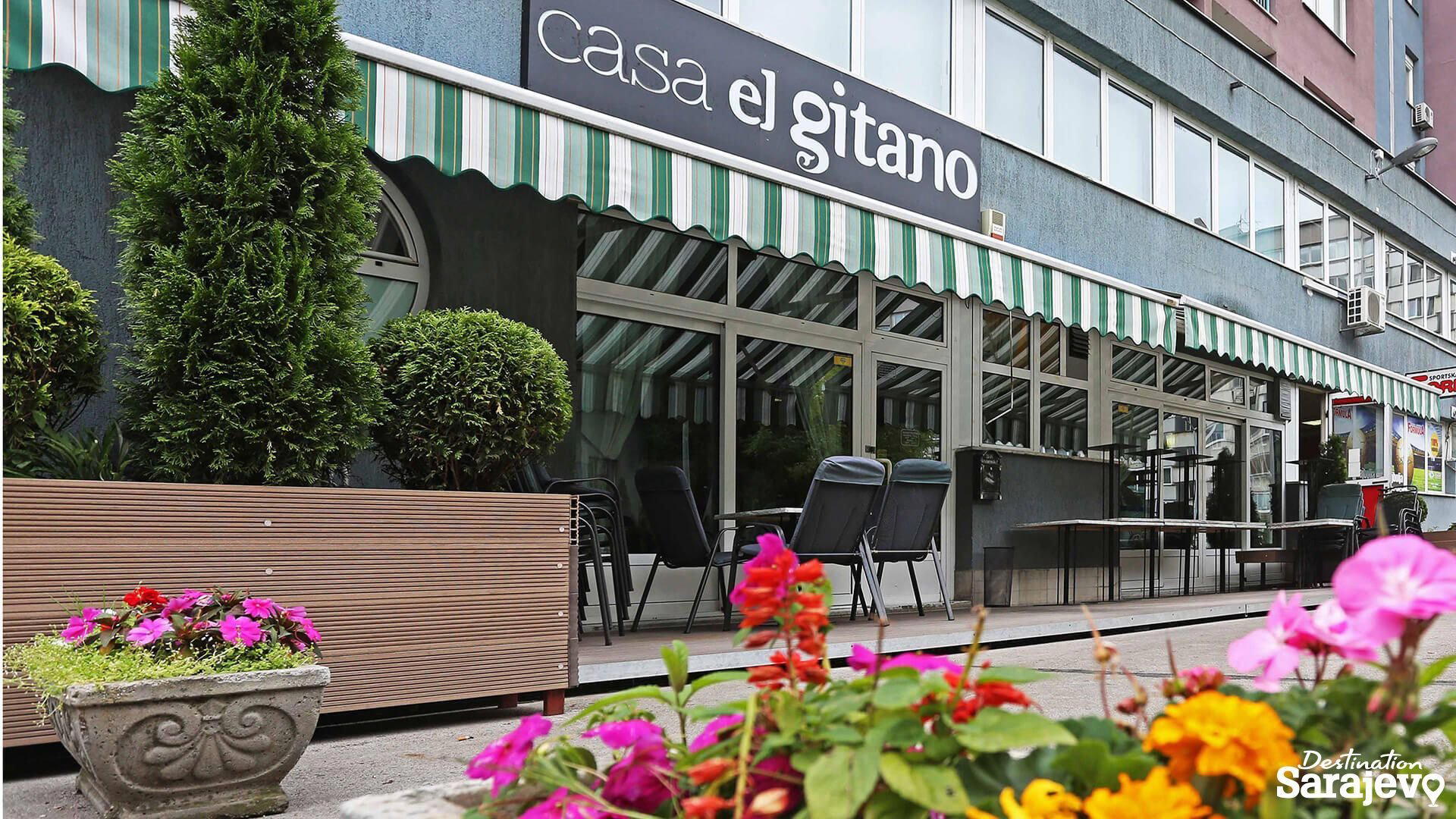
A Street Address That Sets Expectations
Paromlinska 34 is not a tourist corridor. The street runs through a residential and light-commercial wedge of central Sarajevo that most visitors pass through rather than pause in, and that positioning tells you something before you step inside. Sarajevo's dining scene has a pronounced duality: the Baščaršija quarter handles volume and spectacle, feeding the city's place on the Balkan tourism circuit, while a second tier of neighbourhood restaurants operates on local loyalty, shorter hours, and word-of-mouth that rarely makes it onto international platforms. Casa El Gitano belongs to the second tier, and that fact is the first meaningful thing to understand about it.
The name itself is unusual in this context. Spanish-inflected naming on a Sarajevo side street sits at an angle to the broader scene, where most serious neighbourhood spots anchor their identity in the Ottoman and Austro-Hungarian culinary heritage that shaped the city's food culture over several centuries. What that name signals about the kitchen is not immediately obvious from the address alone, which is part of what makes the venue worth approaching with curiosity rather than a fixed set of expectations.
How the Menu Architecture Reads Here
In Sarajevo, menu structure tends to be legible and conservative. The city's most respected everyday kitchens organise around a small number of categories: grilled meats, ćevapi and derivatives, burek and pastry formats, and the slower-cooked stew tradition that stretches from Bosnian lonac to various bean and vegetable preparations. Venues that try to stretch beyond this architecture often signal either a tourist orientation or an ambition that the kitchen doesn't always sustain. The restaurants that earn sustained local respect usually do fewer things with more precision.
The name Casa El Gitano introduces an element of ambiguity into that framework. It suggests a kitchen that may be working across registers, drawing on the kind of informal southern European grilling and small-plate tradition that has cross-pollinated with Balkan cooking in ways that are more common than they appear on paper.
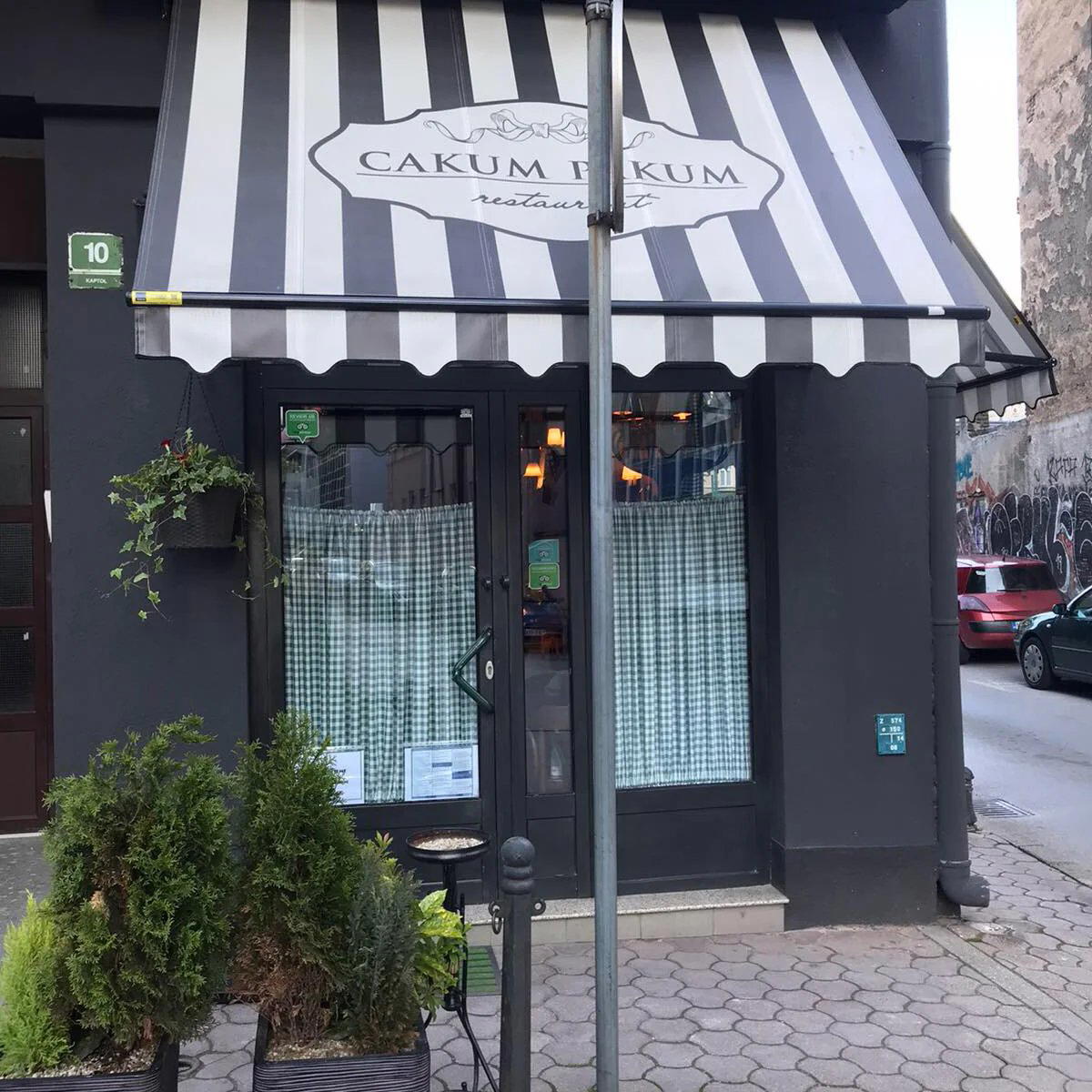
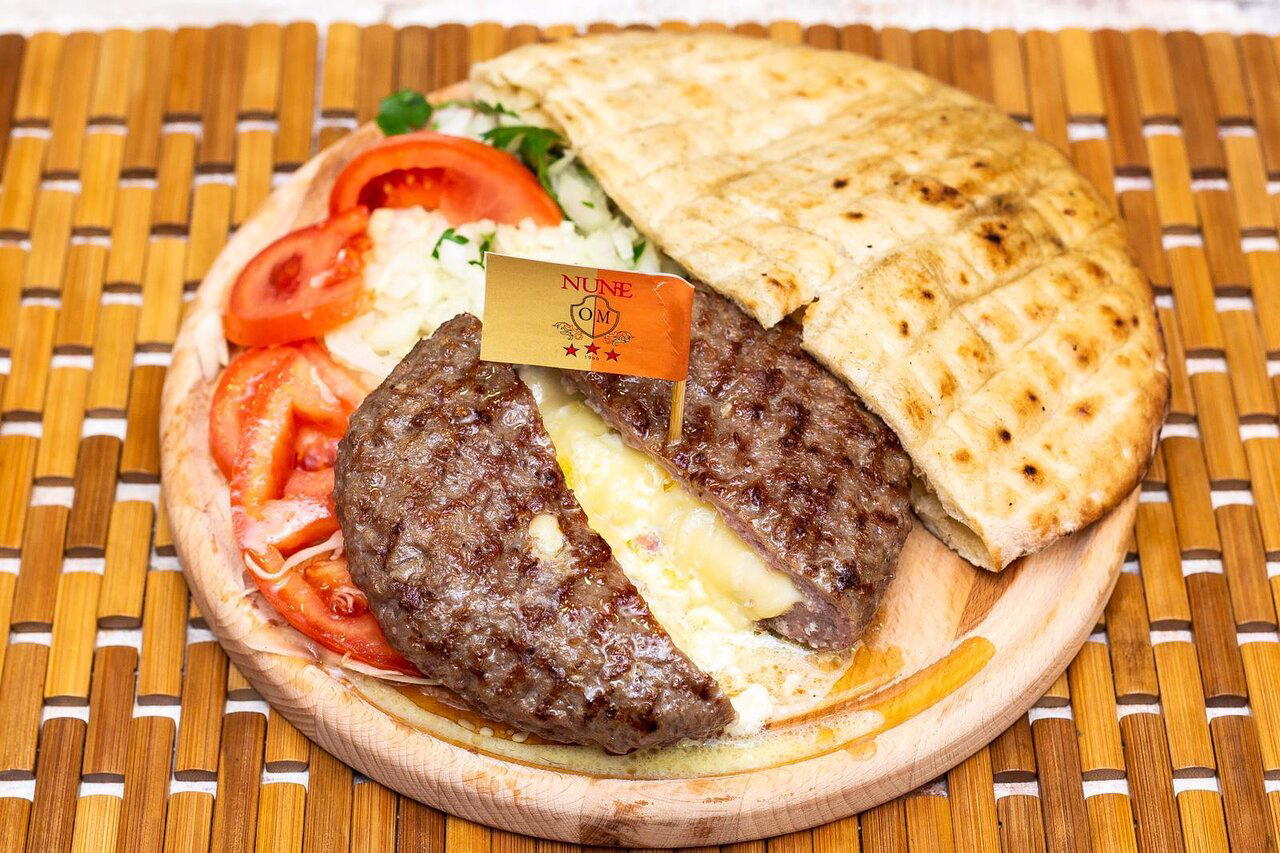
What can be said with confidence is that this type of venue, when it functions well in Sarajevo, tends to concentrate quality into a short, frequently rotated list rather than a sprawling menu designed for every occasion. Compare that approach to the tighter, more focused formats you find at places like Cakum-Pakum or Čevabdžinica Nune, where the menu is essentially a single product executed at depth. The question with Casa El Gitano is whether the broader implied register narrows into similar discipline, or spreads into the kind of sprawl that dilutes the kitchen's coherence.
Sarajevo's Neighbourhood Restaurant Scene in Context
Understanding the restaurant requires understanding what Sarajevo's off-circuit dining scene actually looks like. The city has a distinct hierarchy that does not map neatly onto Western European or North American frameworks. There is no Michelin-starred address here, and 50 Best recognition has not reached this market. The credentialing system runs instead through local reputation, longevity, and the density of return visits from Sarajevans themselves rather than from visiting critics. In that environment, an address on a quiet street is not a disadvantage; it is often a marker of authenticity in the specific Sarajevo sense, where tourist proximity tends to pull kitchens toward simplified versions of local cooking.
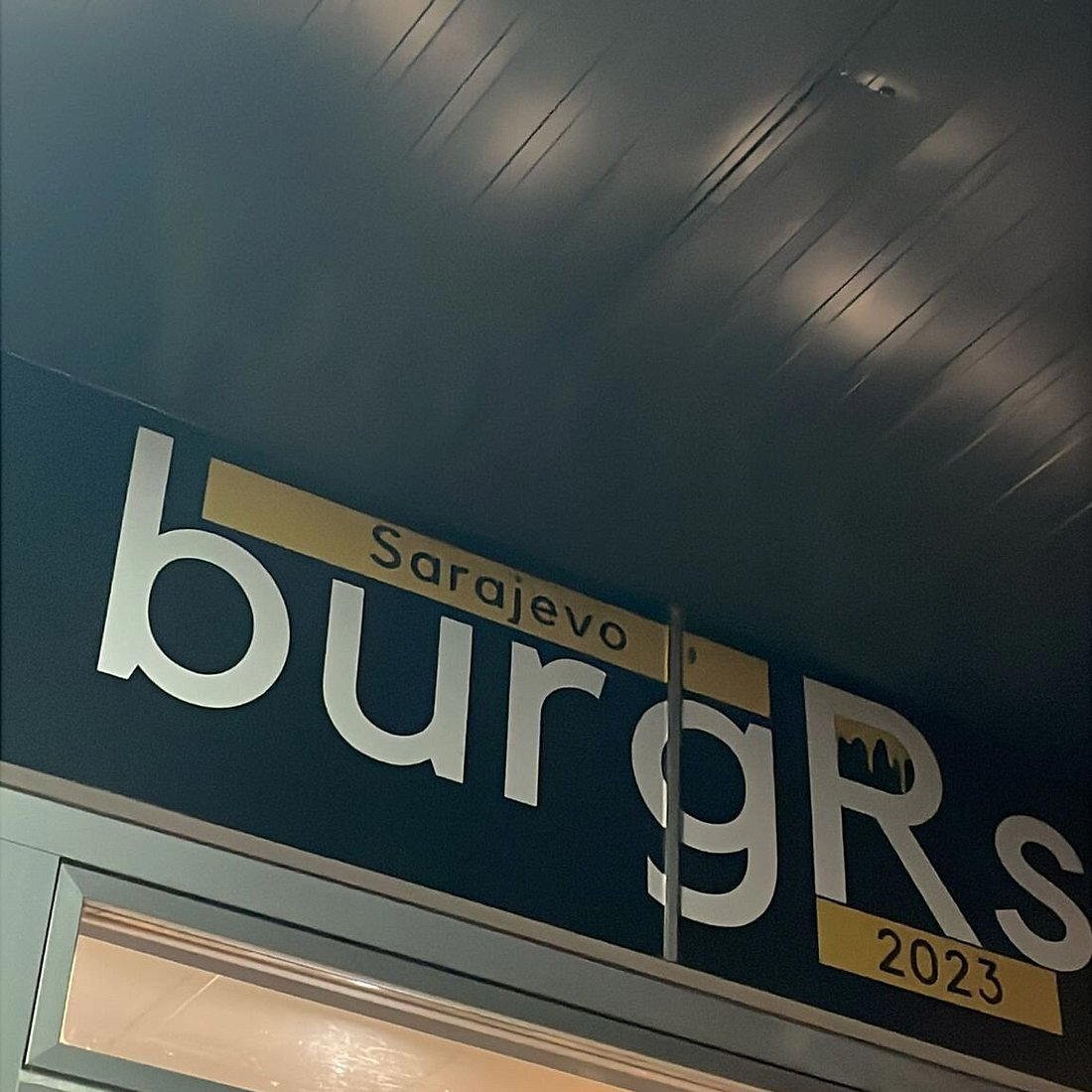
For context on the city's traditional offer, Buregdžinica ASDŽ and Buregdžinica Bosna represent the pastry tradition at its most refined, while burgrs Sarajevo reflects the city's appetite for updated formats within a recognisable comfort-food register. The restaurant, with its distinct naming and Paromlinska address, sits apart from both of those reference points, which positions it as a venue with its own specific character rather than a variation on a familiar local template.
Sarajevo addresses a different, more urban version of that local cooking, with the layering of Ottoman, Central European, and more recent influences that the city's particular history produces. Konoba ROGIĆ in Trn and Grill Kostro in Posusje represent the regional grilling tradition in smaller markets, while the Sarajevo scene operates with greater density and more competitive kitchen pressure.
Planning a Visit
The restaurant is located at Paromlinska 34 in central Sarajevo, accessible on foot from the main city centre within ten to fifteen minutes depending on your starting point. Arriving directly is the practical approach. Hours and reservation policies are similarly unverified at this stage, which means a visit during standard Sarajevo lunch or dinner service windows is the working assumption. Sarajevo's neighbourhood restaurants typically run from midday through evening, with the busiest period in the early evening hours when local workers and residents account for most of the covers.
For those building a more extended view of Bosnian dining, Coffee Zone in Tuzla, Zeks Doner in Konjic, and “Garden” Restaurant in Mokro extend the picture beyond the capital. If Sarajevo represents your entry point to Bosnian food culture, Arigato in Sarajevo demonstrates how far the city's restaurant range has extended beyond its Ottoman and Central European foundations.
Awards and Standing
Comparable venues nearby, for context on price, style, and recognition.
| Venue | Cuisine | Price | Notes |
|---|---|---|---|
| Casa El GitanoThis venue — the venue you are viewing | Mediterranean with Italian, Spanish & Bosnian influences | $$ | Not listed |
| Cakum-Pakum | Mediterranean & Italian Crepes | $$ | Old Town |
| burgrs Sarajevo | American Smash Burgers | $ | Dobrinje |
| Čevabdžinica Nune | Traditional Bosnian Ćevapi | $ | city centre |
| Buregdžinica ASDŽ | Traditional Bosnian Pita & Specialties | $ | Baščaršija |
| Arigato | Japanese Sushi Bar | $$ | Čobanija |
Continue exploring
More in Sarajevo
At a Glance
- Cozy
- Rustic
- Casual Hangout
- Family
- Standalone
- Local Sourcing
Current opening hours
- Monday
- 8 AM–11 PM
- Tuesday
- 8 AM–11 PM
- Wednesday
- 8 AM–11 PM
- Thursday
- 8 AM–11 PM
- Friday
- 8 AM–11 PM
- Saturday
- 8 AM–11 PM
- Sunday
- 10 AM–11 PM
Hours can change for holidays and private events. Last verified .
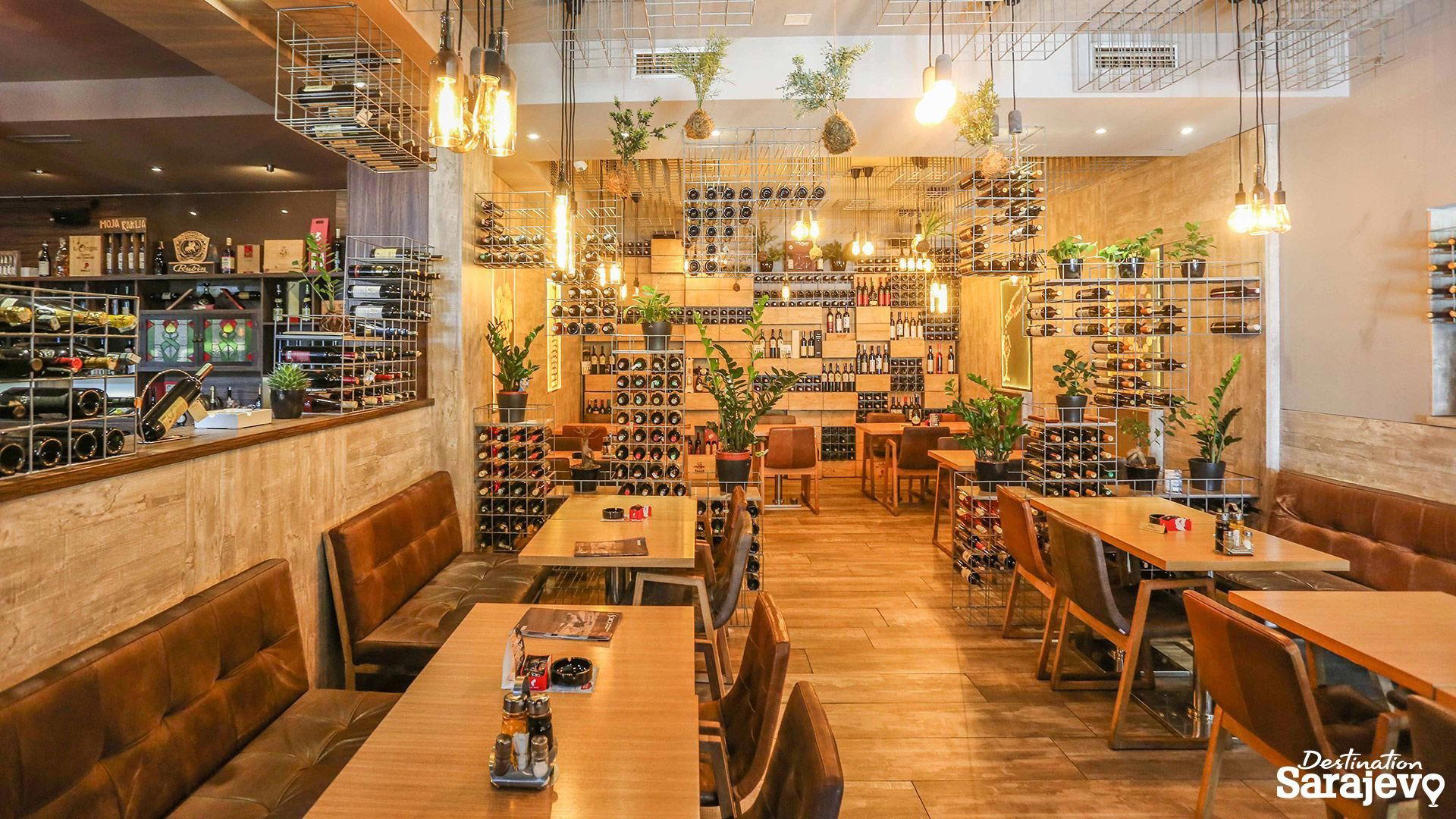
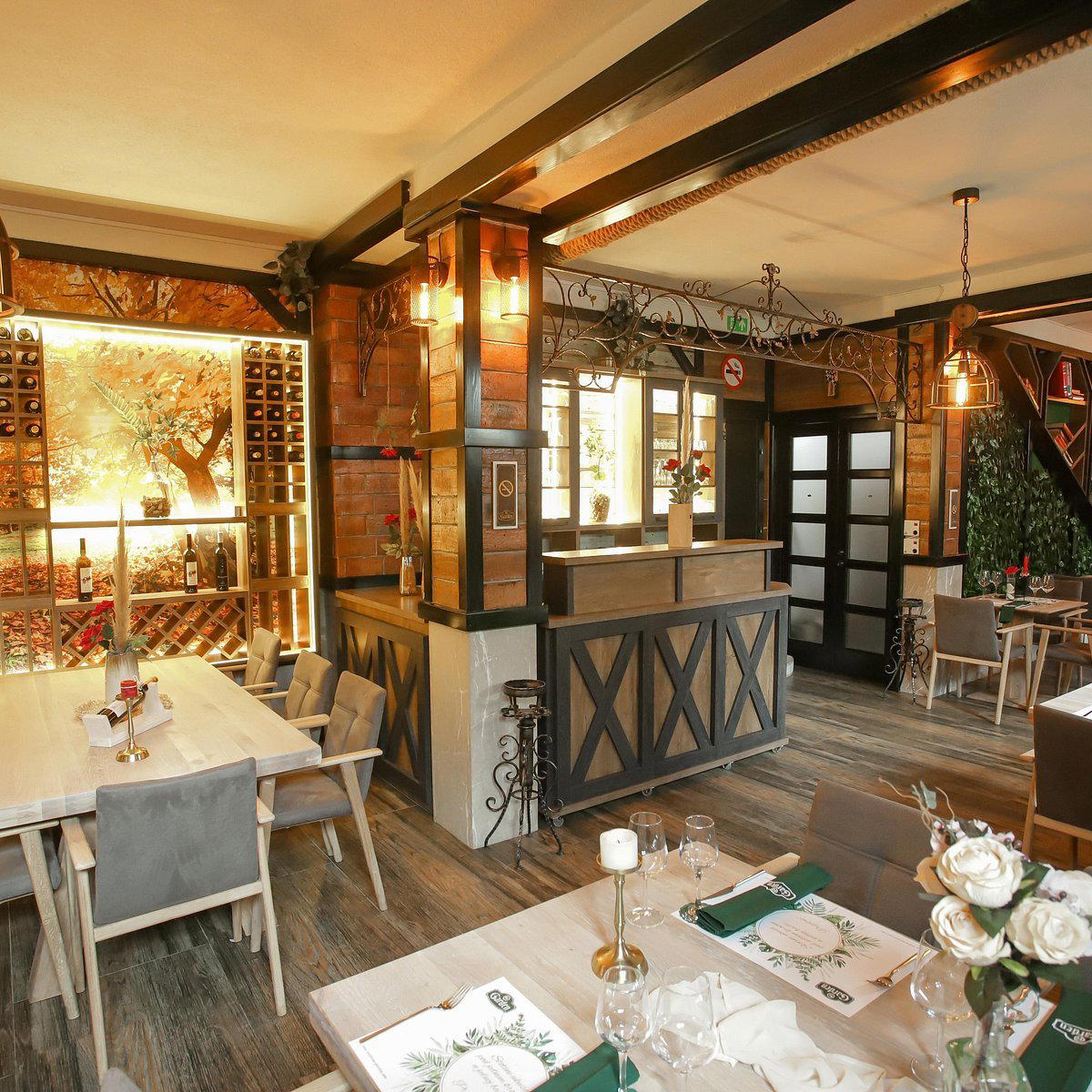
Pleasant and laid-back with a homey feel, ideal for relaxed dining.