Arigato
Where Sarajevo’s Asian Dining Conversation Begins Čobanija Street sits at a quiet remove from the Old Town’s busier thoroughfares, where the clatter of tourist trade thins and the city’s residential character reasserts itself. It is in this...
 Discover on Pearl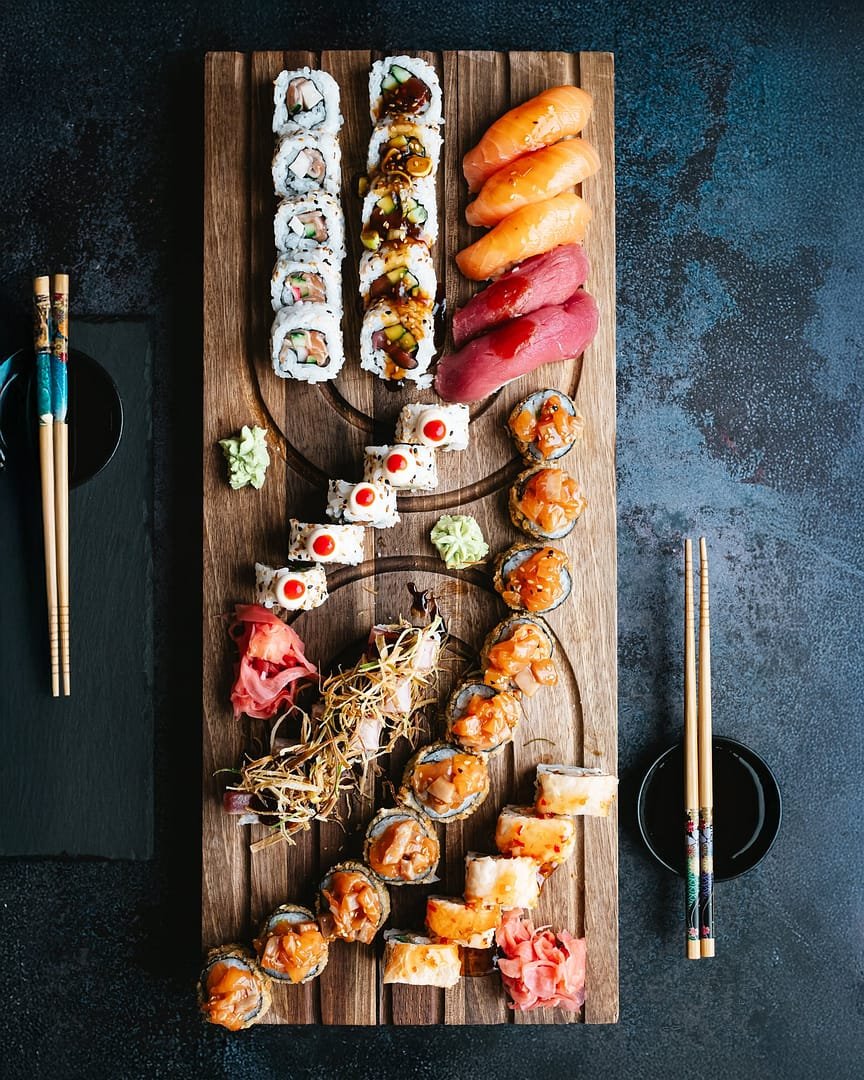
Where Sarajevo’s Asian Dining Conversation Begins
Čobanija Street sits at a quiet remove from the Old Town’s busier thoroughfares, where the clatter of tourist trade thins and the city’s residential character reasserts itself. It is in this context that Arigato occupies its address at number 1: a Japanese-inflected name on a Bosnian street, a pairing that in a mid-sized Balkan capital still carries a degree of novelty that it would not carry in London or Vienna. Sarajevo’s dining scene has expanded meaningfully in the past decade, moving from an almost exclusively regional repertoire toward a more internationally varied offer, and venues bearing Japanese or pan-Asian identities represent a distinct sub-tier within that expansion.
The Sourcing Question in a Landlocked City
For any restaurant in Sarajevo operating outside the tradition of čevapčići, burek, and Bosnian lamb, the ingredient question carries real weight. Bosnia and Herzegovina is landlocked, its cold chain infrastructure is less developed than in western Europe, and the imported protein and produce that underpin Japanese cooking arrive here under conditions that a kitchen in coastal Croatia or Slovenia would not face. Where fish comes from, how it travels, and at what stage of freshness it arrives are not incidental concerns: they define what a kitchen can credibly put on the plate.
The shortlist, unlocked.
Hard-to-book tables, cellar releases, and concierge-planned trips.
Get Exclusive Access →This matters more here than in capitals with direct access to major distribution hubs. Restaurants in Sarajevo that commit to Japanese-adjacent formats are implicitly making a claim about their sourcing relationships and supply discipline. The city’s Central Market on Mula Mustafe Bašeskije provides strong local produce, and regional suppliers in the Una-Sana and Herzegovina corridors offer quality seasonal vegetables, dairy, and freshwater fish. Whether an Asian-format restaurant draws on these local channels to supplement its imported core ingredients is a meaningful differentiator. For full verified detail on the specific sourcing approach at Arigato, the venue itself is the authoritative source.
Sarajevo’s International Dining Tier
Bosnia’s capital has a dining culture shaped by its Ottoman inheritance, Austro-Hungarian overlay, and socialist-era institutional food. International formats occupy a smaller share of the market than in larger regional capitals, but that share is growing. Venues operating in the sushi, ramen, or broader East Asian registers tend to be absorbed into the younger, urban professional demographic that also drives the city’s specialty coffee scene and cocktail bar openings. This is a customer who has traveled, who has encountered reference-point versions of these formats in Tokyo, London, or Kuala Lumpur, and who brings that frame of reference to the table when eating in Sarajevo.
That creates a more demanding standard than many regional capitals faced a generation ago. A venue like Arigato operates not against Bosnian traditional restaurants but against a diner’s memory of eating elsewhere. For broader context on how Sarajevo’s restaurant landscape maps across categories and neighbourhoods, the EP Club Sarajevo restaurants guide provides a full comparative view. For reference points in high-end international dining well beyond Sarajevo’s peer set, Le Bernardin in New York and 8½ Otto e Mezzo Bombana in Hong Kong show what the most technically demanding versions of these international formats look like at benchmark level.
The Broader Bosnia Context
Restaurants outside Sarajevo illuminate how varied the Bosnian dining offer has become. Restaurant Goranci in Mostar works with the Herzegovina agricultural tradition, while Konoba Rogić in Trn represents the rural Bosnian konoba format at its most grounded. Kazamat in Banja Luka and Nešković in Foča each serve their own regional sub-traditions. Within Sarajevo itself, the spread runs from burgrs Sarajevo at the casual end to the more established sit-down offer. Arigato positions itself in a niche that none of those venues occupy: the Japanese-adjacent format in a city where that niche is still forming its identity.
Regional comparisons extend to venues in neighbouring territories. Bistro Stari Grad in Metković and Caffe Restaurant Soho in Istočno Sarajevo show the range of formats operating in the broader Sarajevo metro and Dalmatian hinterland. “Garden” Restaurant in Mokro and Grill Kostro in Pošušje illustrate how Bosnian and Herzegovinian grill traditions anchor the wider regional offer. Zeks Doner in Konjic and Coffee Zone in Tuzla complete a picture of a country where casual formats dominate numerically, making any restaurant that operates at a higher register of ambition immediately visible.
Planning Your Visit
Arigato’s address at 1 Čobanija places it within walking distance of the Baščaršija quarter, the logical starting point for any visitor moving through central Sarajevo on foot. The surrounding streets are quieter than the core of the Old Town, which makes the approach feel more deliberate: you are going somewhere rather than stumbling past it. As with many smaller, owner-operated restaurants in Sarajevo, the most reliable approach to confirming hours, current menu format, and reservation availability is direct contact with the venue. Booking ahead is a reasonable default for any dinner visit, particularly on weekends, when Sarajevo’s younger dining-out demographic concentrates its activity. For broader trip planning in the city, international reference points from Atomix in New York, Lazy Bear in San Francisco, Emeril’s in New Orleans, and Alain Ducasse at the Louis XV in Monte Carlo illustrate the full range of formality and format that serious dining destinations can span, a useful frame for calibrating expectations in any city.
Frequently Asked Questions
- Can I bring kids to Arigato?
- Sarajevo’s casual dining culture is generally family-tolerant, and at most mid-range price points in the city, children are expected. Without confirmed data on Arigato’s specific format or pricing, confirm directly with the venue.
- Is Arigato formal or casual?
- In Sarajevo’s international dining segment, most venues without a documented awards presence operate at a smart-casual register. No dress code data is confirmed for Arigato, but the city’s dining culture leans informal rather than formal; arriving in smart-casual clothing fits the dominant local convention.
- What do people recommend at Arigato?
- No verified signature dish data is available for Arigato in the EP Club database. For a Japanese-format venue in Sarajevo, the credible indicators to watch are whatever the kitchen sources locally alongside its core imported ingredients, as those combinations tend to reflect genuine kitchen thinking rather than menu padding. Asking staff what changes seasonally is usually the most reliable guide.
- Can I walk in to Arigato?
- If the venue has a smaller seat count, as is common for Asian-format restaurants in Sarajevo’s mid-tier, walk-in availability will vary by day and time. Weekend evenings in any Sarajevo restaurant drawing a regular local following tend to fill earlier than visitors expect. A reservation is the lower-risk approach, even without confirmed booking data for this venue.
- Does Arigato draw on any local Bosnian ingredients within a Japanese-format menu?
- This is the most operationally interesting question for a Japanese-adjacent restaurant in a landlocked Balkan capital. Bosnia’s freshwater fish, highland dairy, and seasonal vegetables from the Herzegovina and Una-Sana regions offer genuine sourcing possibilities that a kitchen with local awareness could integrate into an otherwise import-dependent format. No verified menu or sourcing data is confirmed for Arigato, but the question is worth putting to the team directly: their answer will tell you a great deal about how seriously the kitchen engages with its location.
Side-by-Side Snapshot
These are the closest comparables we have in our database for quick context.
| Venue | Cuisine | Price | Awards | Notes |
|---|---|---|---|---|
| Arigato | This venue | |||
| Bistro Stari Grad | ||||
| "Garden" Restaurant | ||||
| Caffe Restaurant Soho | ||||
| burgrs Sarajevo | ||||
| Grill Kostro |
Need a table?
Our members enjoy priority alerts and concierge-led booking support for the world's most difficult tables.
Get Exclusive AccessThe shortlist, unlocked.
Hard-to-book tables, cellar releases, and concierge-planned trips.
Get Exclusive Access →