Buregdžinica ASDŽ
On Bravadžiluk in the heart of Baščaršija, Buregdžinica ASDŽ is one of Sarajevo's most referenced addresses for burek, the flaky, meat-filled pastry that sits at the centre of Bosnian daily food culture. The address places it inside the Old Bazaar's dense cluster of traditional specialists, where the format is fixed, the portions are generous, and the queue tells you everything you need to know about local trust.
Pearl is the En Primeur Club membership app — saves, bookings, and concierge access live there. Same editors, same standards.
- Address
- Bravadžiluk 28 Baščaršija, Sarajevo
- Directions
- Get directions
 Saves & bookings on Pearl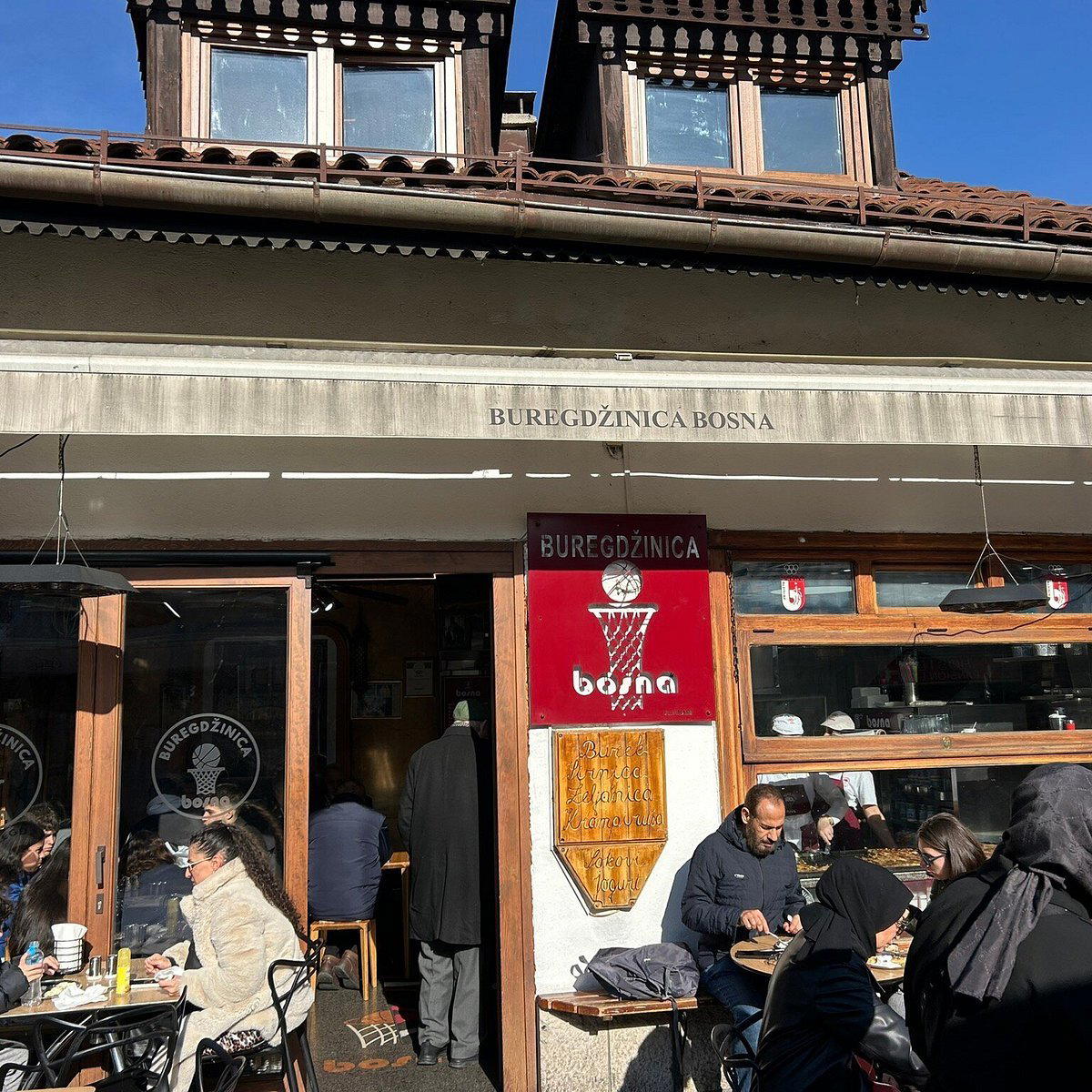
Where Baščaršija Puts Burek at the Centre of Everything
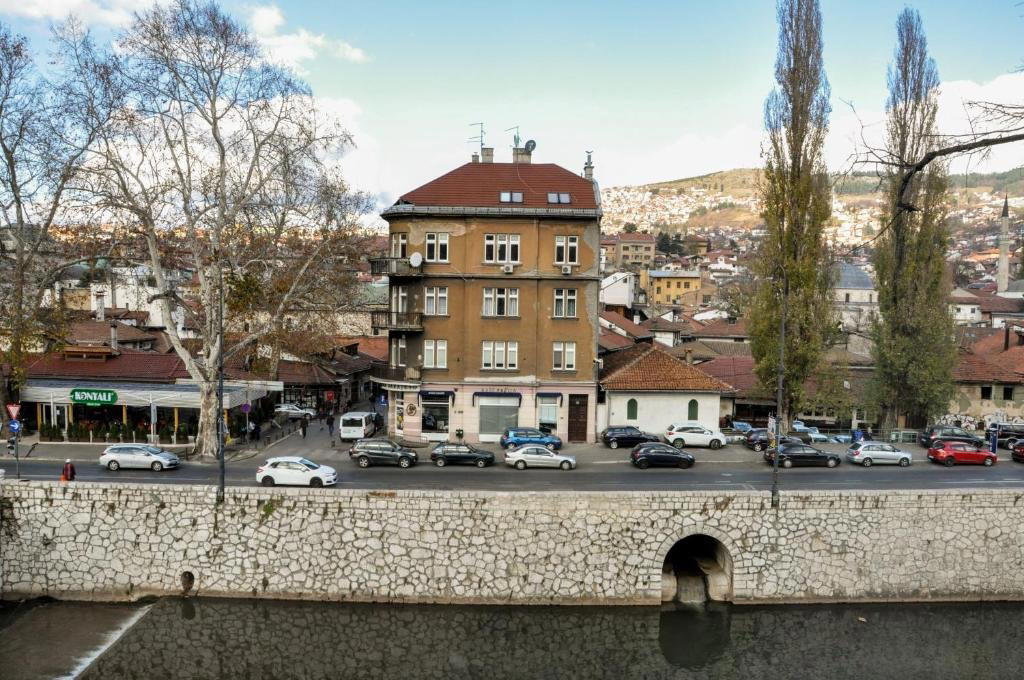
Walk down Bravadžiluk on any morning in Sarajevo and the smell of rendered fat and hot pastry arrives before the shopfronts do. This narrow lane inside Baščaršija, the Ottoman-era bazaar district that forms the oldest part of the city, has long functioned as among the more concentrated stretches of traditional food in the Balkans. Buregdžinice, the specialist shops dedicated to burek and its relatives, line this street with a density that reflects how seriously Sarajevo takes the format. Buregdžinica ASDŽ, at number 28, sits squarely in that tradition.
The Cultural Weight of Burek in Sarajevo
Burek in Bosnia is not a snack or a street food curiosity for visitors. It is, for a large portion of the population, the default breakfast, the reliable lunch, and the late-night fallback. The format arrived with Ottoman influence and became so embedded in local food culture that Sarajevo developed its own internal taxonomy: burek refers specifically to the meat-filled version, while sirnica (cheese), krompiruša (potato), and zeljanica (spinach) are distinct categories, not variations of a single dish. Calling a cheese-filled pastry "burek" in Sarajevo is a reliable way to identify yourself as an outsider.
This precision matters when placing ASDŽ in context. The buregdžinica format is itself a discipline, not merely a shop type. The technique involves stretching hand-pulled dough to near-translucency, layering it with filling, coiling it into a round tray, and baking it in a deck oven at high heat until the exterior achieves a specific crispness while the interior stays soft. Shops that do this well develop regulars who return daily, often for years. The queue outside a trusted address on Bravadžiluk on a Saturday morning is a form of social endorsement that no review system fully captures.
Baščaršija as a Context, Not Just a Location
The address on Bravadžiluk places ASDŽ inside one of the few urban food environments in the region where traditional formats have survived without significant dilution. Baščaršija has absorbed significant tourism pressure over the past two decades, and the result has been uneven: some category formats have softened toward visitor expectations, while others have held their structure. The buregdžinica format has largely held, partly because local demand remains strong enough that shops do not need to adapt to outsider tastes, and partly because the product itself does not lend itself to easy reinvention.
For visitors mapping a morning in the Old Bazaar, the practical logic runs roughly as follows: burek is served from early morning, strong moment to arrive is before the main tourist wave between 10am and noon, and the correct accompaniment is a glass of cold yogurt (jogurt), served in the shop or sourced from the adjacent dairy vendors on the same street. This is not a formal sit-down proposition. ASDŽ is walk-in friendly. The physical format of most buregdžinice on Bravadžiluk is compact, and eating standing or perched on a stool at a counter is the norm rather than an accommodation for overflow. Nearby spots like Buregdžinica Bosna operate on the same principle, meaning the street as a whole functions as a format cluster rather than a competition between individual shops.
How ASDŽ Sits Within Sarajevo's Wider Food Spread
Sarajevo's food scene has developed real range over the past decade, with addresses like Cakum-Pakum and Casa El Gitano demonstrating that the city can sustain more complex, internationally-influenced formats alongside its traditional core. But the Baščaršija specialists occupy a different register entirely, one where longevity and local loyalty serve as the primary credentials. Čevabdžinica Nune functions similarly in the ćevapi category, and burgrs Sarajevo represents the newer, format-imported tier that now operates alongside these institutions without displacing them.
The comparison set for ASDŽ is not Sarajevo's contemporary restaurant scene. It is the other buregdžinice on the same street and in the same neighbourhood, assessed on the same terms: dough quality, filling ratio, bake consistency, and the degree to which the product holds its structure when carried out versus eaten immediately. These are the variables that local regulars apply, and they are the variables that matter.
Elsewhere in Bosnia and Herzegovina, the burek tradition continues in formats shaped by local variation. Restaurant Goranci in Mostar and Kazamat in Banja Luka reflect how other cities in the country maintain their own relationship with traditional Bosnian food, while Konoba ROGIĆ in Trn and Nešković in Foca point to the breadth of traditional dining across smaller towns. For the full scope of what Sarajevo offers beyond the Old Bazaar core, the EP Club Sarajevo restaurants guide maps the city across categories and neighbourhoods.
Planning a Visit
Bravadžiluk 28 is a short walk from the Sebilj fountain, which functions as the navigational anchor for Baščaršija. The street is pedestrianised and easily found on foot from the main bazaar area. No booking is required and no booking system exists; the format operates on a first-come basis. Morning visits align leading with the production schedule, as the first trays come out of the oven early and the selection narrows through the day. Prices are around $8 per person, consistent with the buregdžinica format across the city.
- burek (meat, cheese, spinach, potato)
- sogan dolma
- papaz ćevap
- Bosanski lonac
- baklava
- kadaif
Pricing, Compared
Comparable venues nearby, for context on price, style, and recognition.
| Venue | Cuisine | Price | Notes |
|---|---|---|---|
| Buregdžinica ASDŽThis venue — the venue you are viewing | Not listed | $ | Not listed |
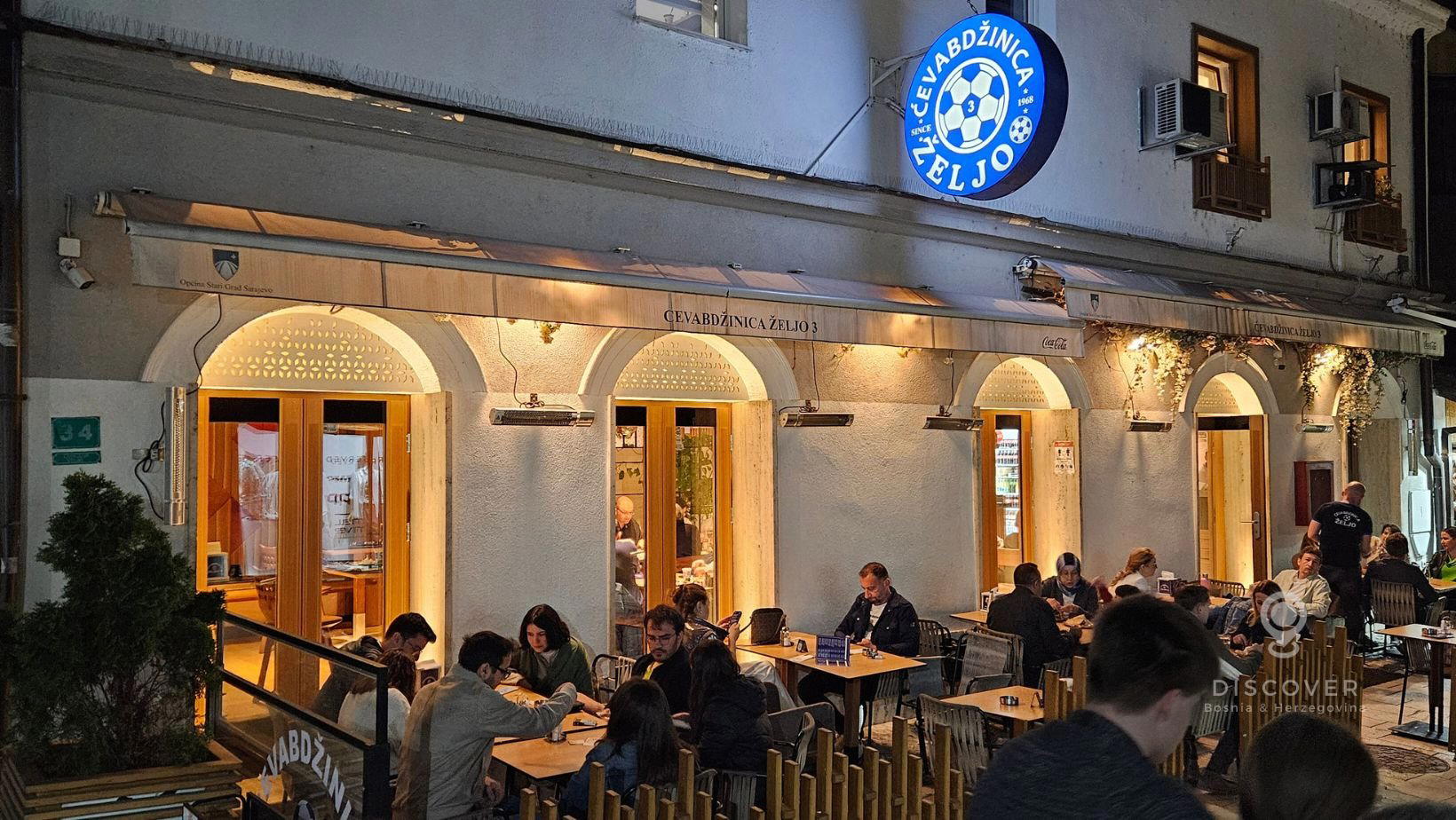
| Čevabdžinica Nune | city centre, Traditional Bosnian Ćevapi | $ | Not listed |
| Buregdžinica Bosna | Old Town, Bosnian Burek Specialist | $ | Not listed |
| burgrs Sarajevo | Dobrinje, American Smash Burgers | $ | Not listed |
| Casa El Gitano | Not listed | $$ | central Sarajevo, Mediterranean with Italian, Spanish & Bosnian influences |
| Cakum-Pakum | Old Town, Mediterranean & Italian Crepes | $$ | Not listed |

At a Glance
- Rustic
- Well Known
- Cozy
- Casual Hangout
- Solo
- Family
- Group Dining
- Late Night
- Historic Building
- Standalone
- Local Sourcing