Nešković
Where the Drina Valley Comes to the Table Foča sits at the confluence of the Drina and Ćehotina rivers, a small city in eastern Bosnia and Herzegovina where the surrounding landscape determines what ends up on local plates with more directness...

Pearl is the En Primeur Club membership app — saves, bookings, and concierge access live there. Same editors, same standards.
Where the Drina Valley Comes to the Table
Foča sits at the confluence of the Drina and Ćehotina rivers, a small city in eastern Bosnia and Herzegovina where the surrounding landscape determines what ends up on local plates with more directness than almost anywhere else in the country. The mountains above town hold game, the rivers run cold and clear, and the valleys between them support livestock traditions that have defined the regional kitchen for generations. Restaurants along the Đeđevo corridor, where Nešković is addressed, operate in that context: proximity to primary ingredients is not a marketing claim here, it is a structural reality of where the town sits.
A Kitchen Rooted in What the Region Produces
The broader Bosnian kitchen divides, roughly, between the Ottoman-influenced urban cooking of Sarajevo and Mostar and the more pastoral, livestock-centered traditions of the interior. Foča belongs firmly to the latter. The area around the city is among the parts of Bosnia where lamb, river trout, and foraged ingredients from beech and pine forests move through kitchen supply chains that remain short by any European standard. A restaurant operating on Đeđevo bb is, by geography alone, positioned closer to those sources than almost any comparable address in the region.
This matters in ways that go beyond freshness. In kitchens that source locally by proximity rather than by policy, the menu composition tends to follow seasonal availability rather than a fixed programme. What the rivers yield in spring differs from what the mountain pastures offer in summer, and what autumn hunting seasons produce differs again. Diners who have eaten through the restaurant-dense corridor between Bistro Stari Grad in Metkovic and the eastern Bosnian interior will recognise the pattern: the further from an urban centre, the more directly the plate reflects the week's supply rather than a year-round standardised menu.
The Setting: Eastern Bosnian Character
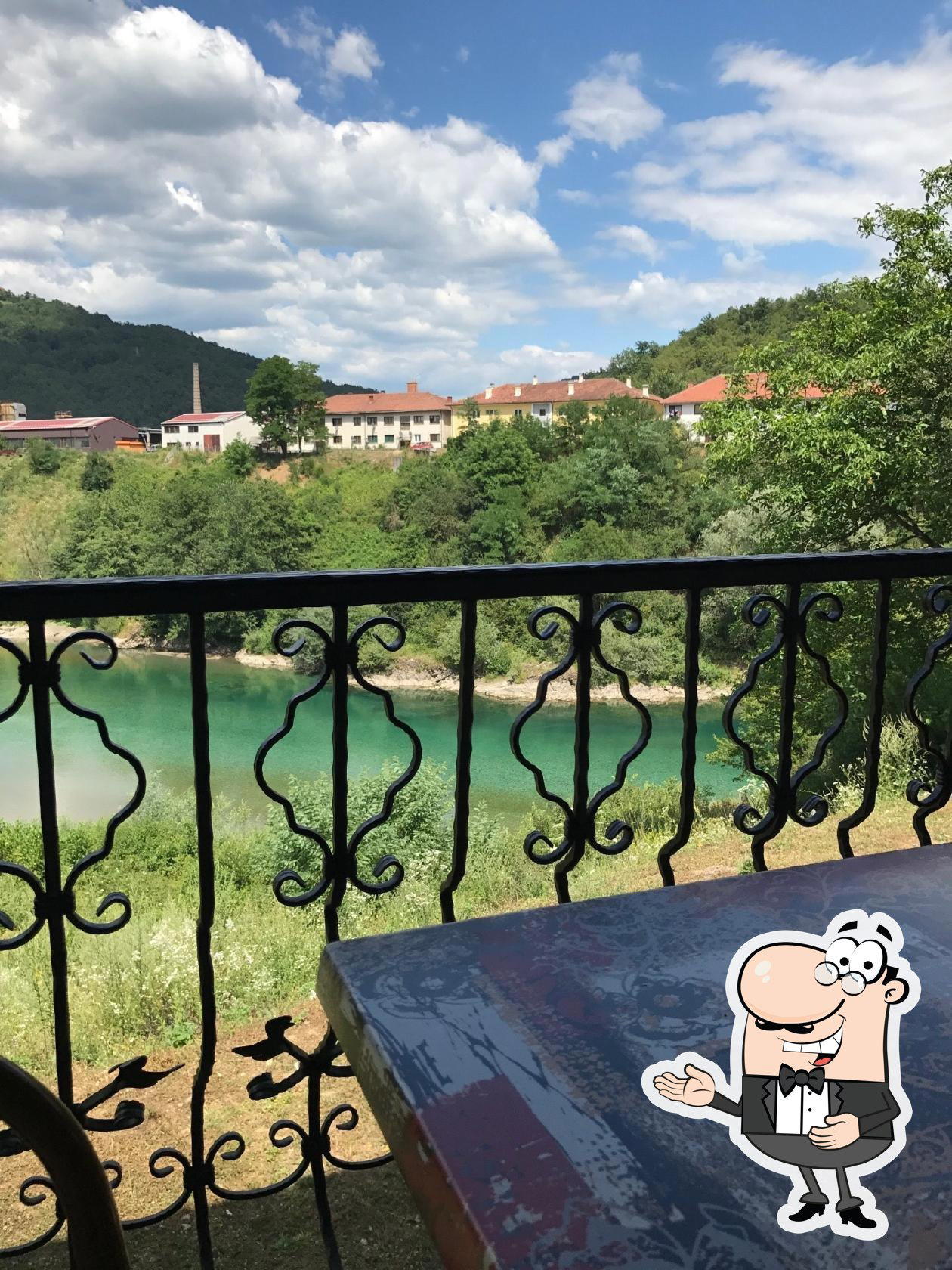
Approaching a restaurant on an address like Đeđevo bb in a city like Foča means arriving at a place that does not perform its local credentials, it simply has them. The physical environment of this part of Bosnia carries weight: the Drina river corridor, the dense forest cover on surrounding hillsides, the relative quiet of a city that sits outside the main tourist circuits of the country. Compared to the more visitor-oriented dining rooms of Sarajevo (where venues like Caffe Restaurant Soho in Istocno Sarajevo compete for a cosmopolitan crowd) or the international-facing scene further west, Foča's restaurants are primarily oriented toward local and regional guests. That changes the register of a dining room in practical ways: portions tend to be generous, the rhythm is unhurried, and the expectation is a meal as a meal rather than an experience curated for outside observers.
Nešković, at its Đeđevo address, fits within that pattern. This is not a destination restaurant in the sense that Le Bernardin in New York City or Atomix in New York City are destination restaurants, drawing visitors specifically for the kitchen's reputation. It operates in a register that is common across smaller Bosnian cities: a neighborhood address where the sourcing is local by default, the cooking is grounded in regional tradition, and the clientele is predominantly from the surrounding area.
The Foča Dining Scene in Context
Bosnia and Herzegovina's restaurant scene does not operate on the kind of award infrastructure that organises dining hierarchies in Western Europe or North America. There is no Michelin coverage, no national version of a 50 Best list, and the critical apparatus that shapes reputations for places like 8 1/2 Otto e Mezzo Bombana in Hong Kong or Alain Ducasse at Louis XV in Monte Carlo simply does not exist here in comparable form. What exists instead is a network of local knowledge: which address in a given city serves the kitchen tradition of the area with the fidelity, which kitchen maintains its sourcing relationships season to season, and which room holds a genuine connection to the community it serves.
Across Bosnia's smaller cities, that local knowledge is the operative trust signal. It is worth comparing Foča's situation to venues that have carved out their own regional identities in comparable settings: Konoba ROGIĆ in Trn and Kazamat in Banja Luka both operate in the space where regional cooking tradition and local sourcing intersect, as does Restaurant Goranci in Mostar in its own context. Nešković, at its Foča address, belongs to that same category of venue: grounded in place, operating without external validation, and sustained by the logic of proximity to ingredients rather than the logic of destination marketing.
For reference, the broader dining ecosystem of Bosnia also includes venues as different in register as burgrs Sarajevo in the capital, Grill Kostro in Posusje in the southwest, and Zeks Doner in Konjic along the Neretva corridor. What distinguishes the Foča end of that spectrum is the river and mountain environment, which makes the ingredient supply chain different from what any of those addresses work with.
Planning a Visit
Foča is located in the Republika Srpska entity of Bosnia and Herzegovina, roughly 70 kilometres southeast of Sarajevo by road. The city is accessible by car and sits along a route that connects the Sarajevo basin to Montenegro via the Drina valley. Nešković's Đeđevo address places it outside the city centre proper, which in Foča's scale means a short drive or a manageable walk depending on where one is staying. This is consistent with how many smaller restaurants in Bosnia and Herzegovina operate. It is the same pattern that applies to venues like "Garden" Restaurant in Mokro and Coffee Zone in Tuzla. Visiting at midday rather than the evening often aligns better with how kitchens of this type in Bosnia structure their service, and arriving with flexibility in timing is advisable given the absence of confirmed hours data.
In Context: Similar Options
Comparable venues nearby, for context on price, style, and recognition.
| Venue | Cuisine | Price | Notes |
|---|---|---|---|
| NeškovićThis venue — the venue you are viewing | Bosnian | $$ | Not listed |
| Šadrvan | Traditional Bosnian | $$ | Old Town |
| Konoba ROGIĆ | Traditional Bosnian Grill | $$ | Trn |
| Arigato | Japanese Sushi Bar | $$ | Čobanija |
| Čevabdžinica Nune | Traditional Bosnian Ćevapi | $ | city centre |
| Restaurant Goranci | Traditional Herzegovinian Mediterranean | $$ | Goranci |
At a Glance
- Cozy
- Intimate
- Casual Hangout
- Family
- Terrace
Intimate and cozy with a warm, family-like atmosphere alongside a serene stream.