"Garden" Restaurant
A countryside restaurant in Mokro, Bosnia and Herzegovina, "Garden" sits along the rural Rogoušići corridor where local sourcing traditions shape the character of dining in this part of the Sarajevo Canton hinterland. The setting, the name, and the address together suggest a kitchen oriented toward what the surrounding land produces, placing it within a broader regional pattern of farm-adjacent dining that defines much of rural Bosnian hospitality.
Pearl is the En Primeur Club membership app — saves, bookings, and concierge access live there. Same editors, same standards.
- Address
- bb, Rogoušići 71428, Bosnia & Herzegovina
- Phone
- +38766319953
- Website
- restoran-garden.com
- Directions
- Get directions
 Saves & bookings on Pearl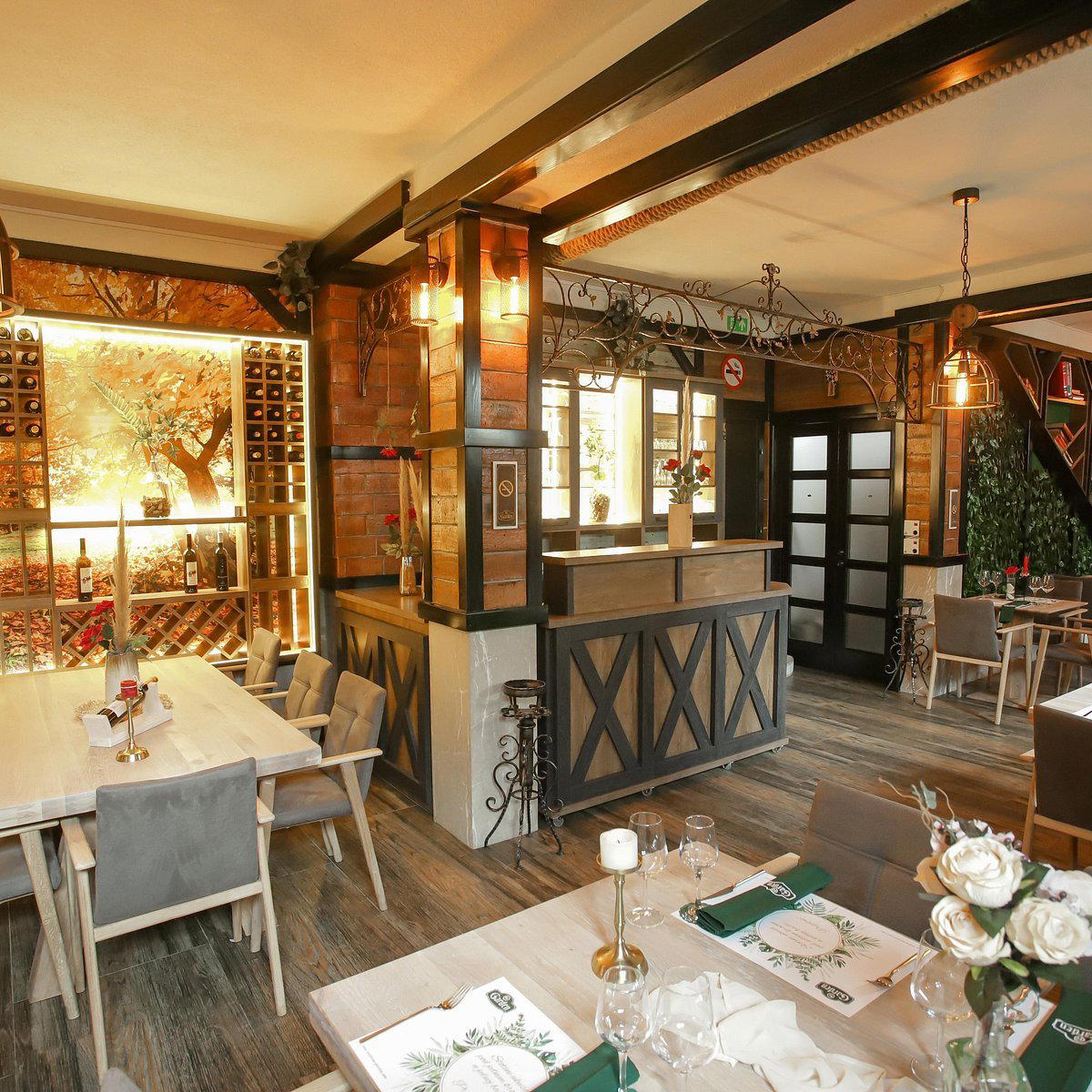
Land and Table: Ingredient-Led Dining in the Mokro Hinterland
Rural Bosnia has long maintained a dining tradition that urban restaurants spend considerable effort trying to replicate. In the villages and small settlements that ring Sarajevo Canton, the distance between a kitchen garden and a kitchen counter is often measured in footsteps rather than supply chain logistics. "Garden" Restaurant, addressed along the Rogoušići road in Mokro, sits within that tradition. The name is not incidental. Mokro's position above Sarajevo places it in an agricultural zone where the growing season, the soil composition, and the altitude together produce ingredients with distinct character.
This is the context that matters when thinking about what "Garden" represents. Bosnia and Herzegovina's rural restaurant culture is less driven by formal chef credentials or award hierarchies than by a simpler calculus: proximity to source, seasonal honesty, and the accumulated knowledge of households that have cooked the same ingredients for generations. Venues operating in this register sit in a different competitive set from the urban dining rooms of Sarajevo's old city. They are compared not against each other on tasting-menu terms, but against the memory of a grandmother's kitchen, which is, as critics of this region will tell you, a considerably more demanding standard.
What the Surrounding Land Produces
Mokro occupies the higher ground east of Sarajevo, where the terrain opens into pasture and mixed woodland. Elevations in this zone produce conditions suitable for lamb and dairy animals that graze on diverse upland grasses, and the resulting meat and cheese carry flavour profiles that differ measurably from lowland equivalents. Lamb slow-cooked under a peka, the traditional cast-iron bell covered in embers, is a preparation common to this corridor and represents the clearest expression of ingredient-first cooking in the region: the method exists to do as little harm as possible to what the pasture produced.
Seasonal vegetables from kitchen gardens in settlements like Rogoušići follow a compressed growing calendar shaped by altitude. What is available in late spring here may not appear until weeks later than at lower elevations, and the shorter season concentrates flavour. This is the ingredient logic that underpins rural Bosnian dining at its most coherent, and it is the frame through which a restaurant calling itself "Garden," positioned along this stretch of road, most plausibly operates. For context on how similar sourcing philosophies translate into more formally documented dining environments, the approach is not unlike what drives the provenance commitments at places such as Lazy Bear in San Francisco.
Mokro in the Context of Bosnian Rural Dining
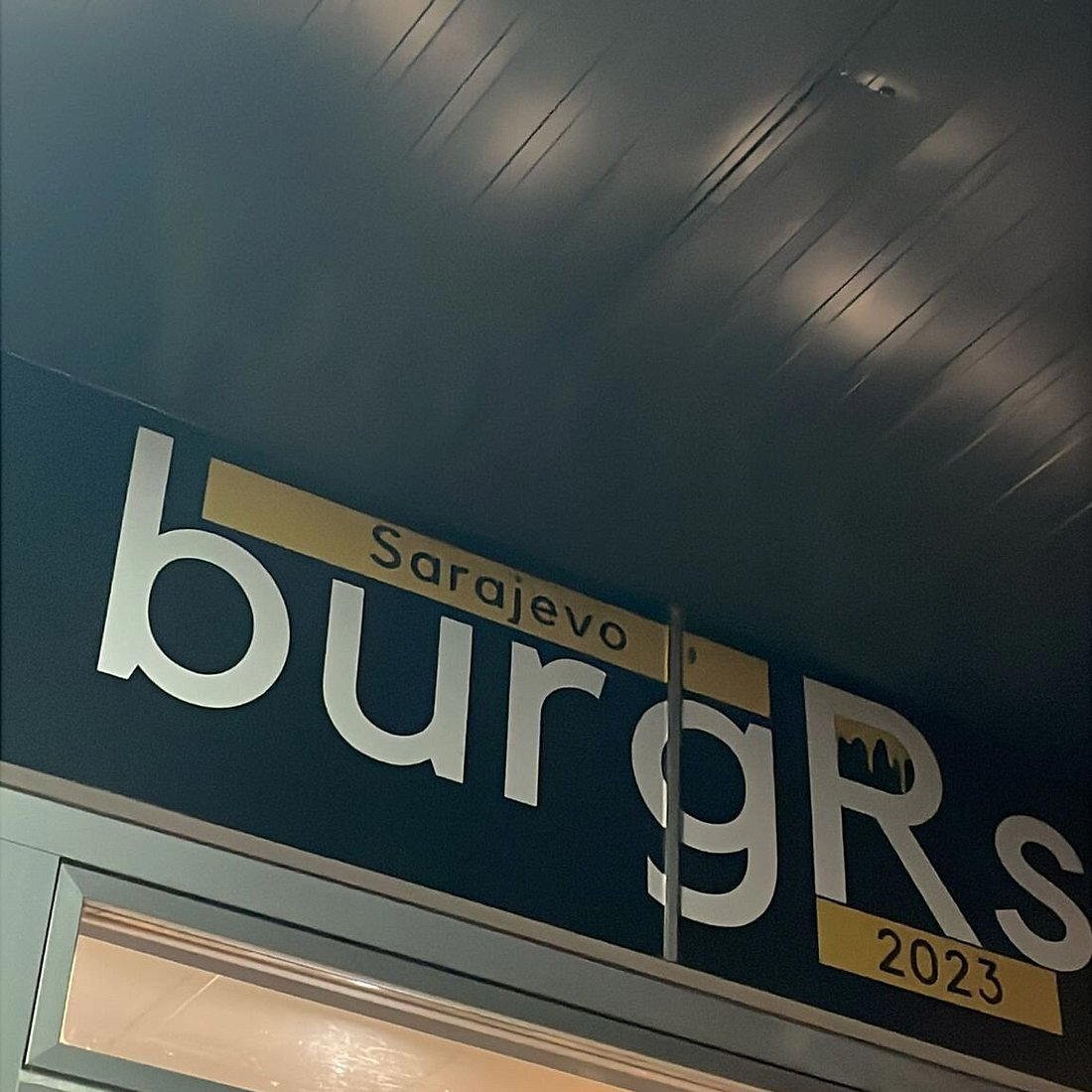
Bosnia and Herzegovina's dining geography divides roughly between the internationally visible urban tier, concentrated in Sarajevo and Mostar, and a far larger rural tier that remains largely undocumented in English-language food media. The urban tier has become increasingly sophisticated, with restaurants like those covered in our full Mokro restaurants guide showing how the canton's dining options spread across a range of settings and registers. Venues in Sarajevo's orbit, from Caffe Restaurant Soho in Istocno Sarajevo to burgrs Sarajevo in the capital itself, operate in a different mode, shaped by urban foot traffic and the expectations of a more transient customer base.
Rural counterparts like "Garden" operate on the opposite logic. The customer base is largely local and regional, the menu is shaped by what the land and season provide rather than by market trends, and the measure of a good meal is closer to sufficiency and honesty than to novelty or technique. That is not a lesser standard. Across the Adriatic, comparable rural dining traditions in Croatia and Dalmatia have attracted serious critical attention; Bistro Stari Grad in Metkovic, for instance, operates in a coastal Croatian context where local sourcing carries its own distinct authority. Bosnia's interior version of this tradition remains less formally documented but is no less coherent in its underlying logic.
Further afield, Restaurant Goranci in Mostar and Konoba ROGIĆ in Trn each represent variations on the same regional pattern: kitchens where the land's output rather than a chef's ambition sets the direction. The comparison is instructive because it shows how widely this mode of dining operates across the country's rural zones, from the Herzegovina valley floor to the Bosnian uplands.
Planning a Visit
Mokro is accessible from Sarajevo via the road that climbs toward the eastern highlands, making it a realistic half-day trip from the capital for those who want to experience the rural dining register without travelling deep into the interior. The address in Rogoušići places "Garden" along a corridor where local knowledge matters more than online booking infrastructure; in this part of Bosnia, calling ahead or simply arriving during standard lunch service hours, typically midday through mid-afternoon on weekends when rural restaurants draw the strongest trade, is the practical approach. Those travelling onward through the region might consider pairing a stop here with dining at Nešković in Foca or Kazamat in Banja Luka to build a broader picture of how Bosnian dining varies across geography and setting.
Pricing at venues of this type in rural Bosnia tends to sit at the lower end of what Sarajevo's mid-range restaurants charge, reflecting the lower operational costs of rural settings and the absence of tourism premiums.
Quick Comparison
Comparable venues nearby, for context on price, style, and recognition.
| Venue | Cuisine | Price | Notes |
|---|---|---|---|
| "Garden" RestaurantThis venue — the venue you are viewing | Italian & Mediterranean Traditional | $$ | Not listed |
| Restaurant Goranci | Traditional Herzegovinian Mediterranean | $$ | Goranci |
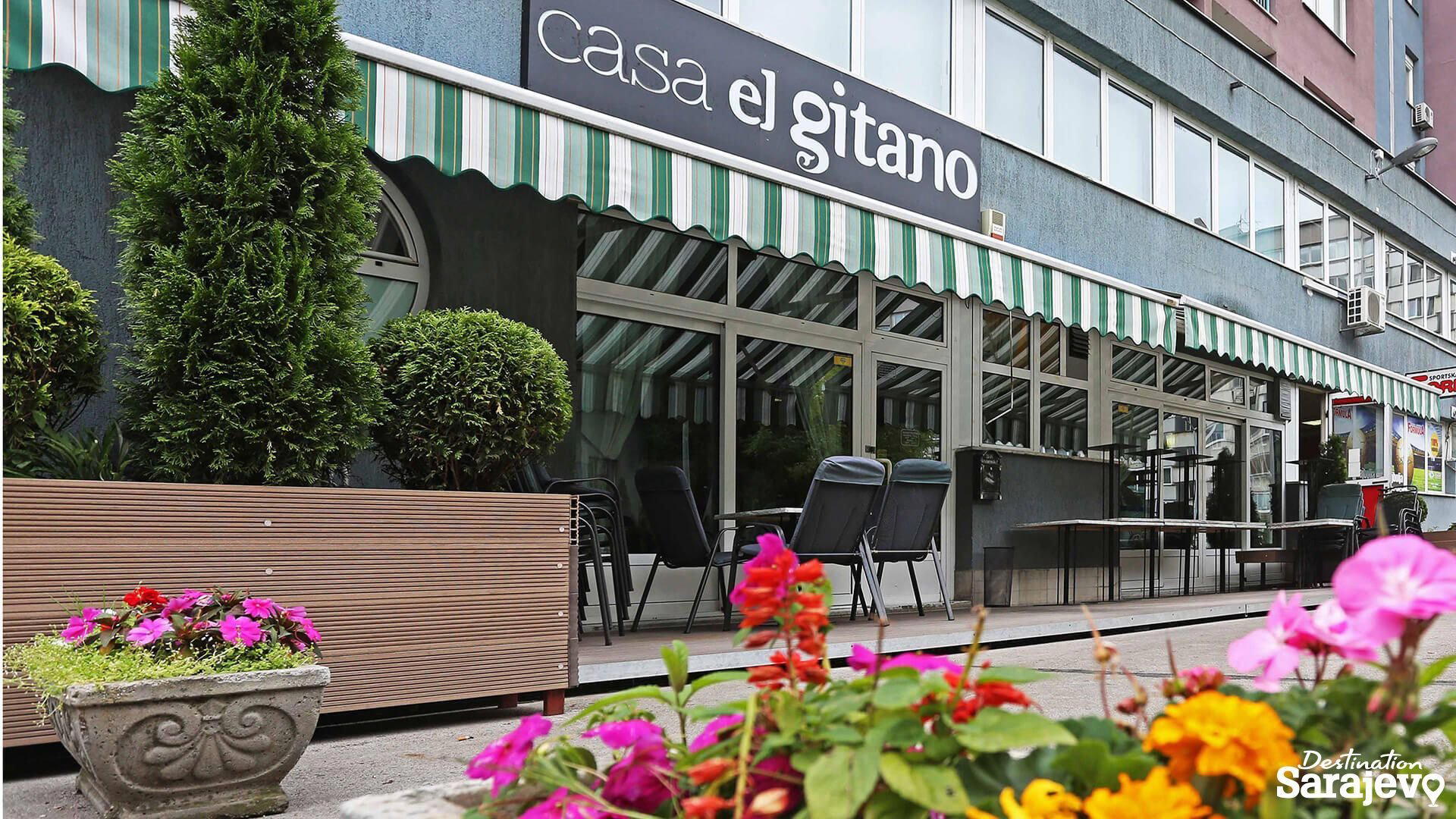
| Casa El Gitano | Mediterranean with Italian, Spanish & Bosnian influences | $$ | central Sarajevo |
| Restaurant Konoba Kod Marinka | Traditional Bosnian Grill | $$ | Goranci |
| Šadrvan | Traditional Bosnian | $$ | Old Town |
| Nešković | Bosnian | $$ | Đeđevo |
Continue exploring
More in Mokro
At a Glance
- Cozy
- Scenic
- Rustic
- Family
- Group Dining
- Casual Hangout
- Garden
- Private Dining
- Garden
Current opening hours
- Monday
- Closed
- Tuesday
- Closed
- Wednesday
- Closed
- Thursday
- Closed
- Friday
- Closed
- Saturday
- 9 AM–10 PM
- Sunday
- Closed
Hours can change for holidays and private events. Last verified .
Cosy and homey atmosphere in a natural valley setting with beautiful garden.