Cakum-Pakum
On a cobbled lane at the edge of Baščaršija, Cakum-Pakum occupies the kind of address that Sarajevo's old quarter does better than almost anywhere in the Balkans: close enough to the bazaar's energy to feel embedded in it, far enough to hold its own character. The kitchen draws on the city's layered culinary inheritance, placing it in a comparable set defined by craft and neighbourhood rootedness rather than scale.
Pearl is the En Primeur Club membership app — saves, bookings, and concierge access live there. Same editors, same standards.
- Address
- Kaptol 10, Sarajevo 71000, Bosnia & Herzegovina
- Phone
- +38761955310
- Website
- facebook.com
- Directions
- Get directions
 Saves & bookings on Pearl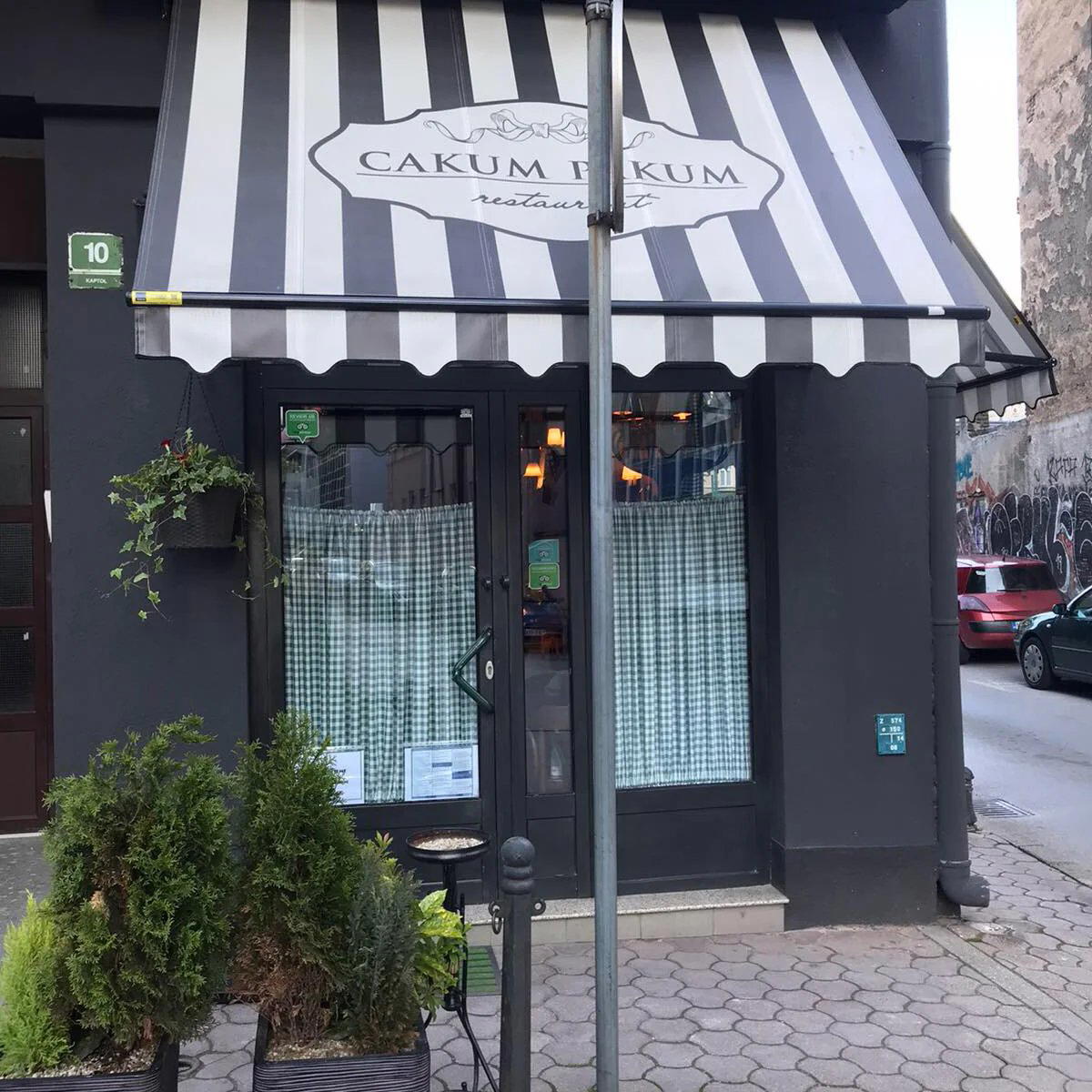
Kaptol Street and the Logic of Baščaršija's Fringe
The streets that ring Sarajevo's old bazaar quarter operate on a different register from the main pedestrian drag. Cakum-Pakum is a casual Mediterranean and Italian crepes restaurant at Kaptol 10 in Sarajevo, where a meal averages about $15 per person. Kaptol, the address where Cakum-Pakum sits at number 10, belongs to that fringe zone: close enough to the copper-hammering workshops and the Gazi Husrev-beg Mosque to draw from the district's atmosphere, but set back enough that the tables fill with locals as reliably as with visitors. Cakum-Pakum is a casual Mediterranean and Italian crepes restaurant in Sarajevo, where a meal averages about $15 per person. It shapes what a kitchen cooks, what it prices, and what kind of repeat custom it builds.
Baščaršija is one of the few Ottoman bazaar districts in Europe that has retained genuine daily-life function alongside its heritage status. The food culture here is correspondingly layered. Burek from Buregdžinica ASDŽ and Buregdžinica Bosna anchors the district's fast-food tradition at one end; table-service spots that reach for grilled meats, slow-cooked stews, and the city's Ottoman-derived meze vocabulary occupy the middle tier. The restaurant's Kaptol address places it inside that middle register, where the expectation is cooking that reflects the city's inheritance rather than departing from it.
What the Neighbourhood Does to a Menu
Sarajevo's culinary tradition is genuinely plural in a way that few Balkan cities can claim without exaggeration. Four centuries of Ottoman administration left a larder and a set of techniques: the slow-braised meat dishes, the filled pastries, the offal preparations that were once everyday food and are now a marker of seriousness in a kitchen. The Austro-Hungarian period that followed layered in central European pastry culture and coffee-house habits. That combination, Ottoman depth plus mitteleuropean surface, is what makes Sarajevo's food scene worth paying attention to beyond the obvious ćevapi shorthand.
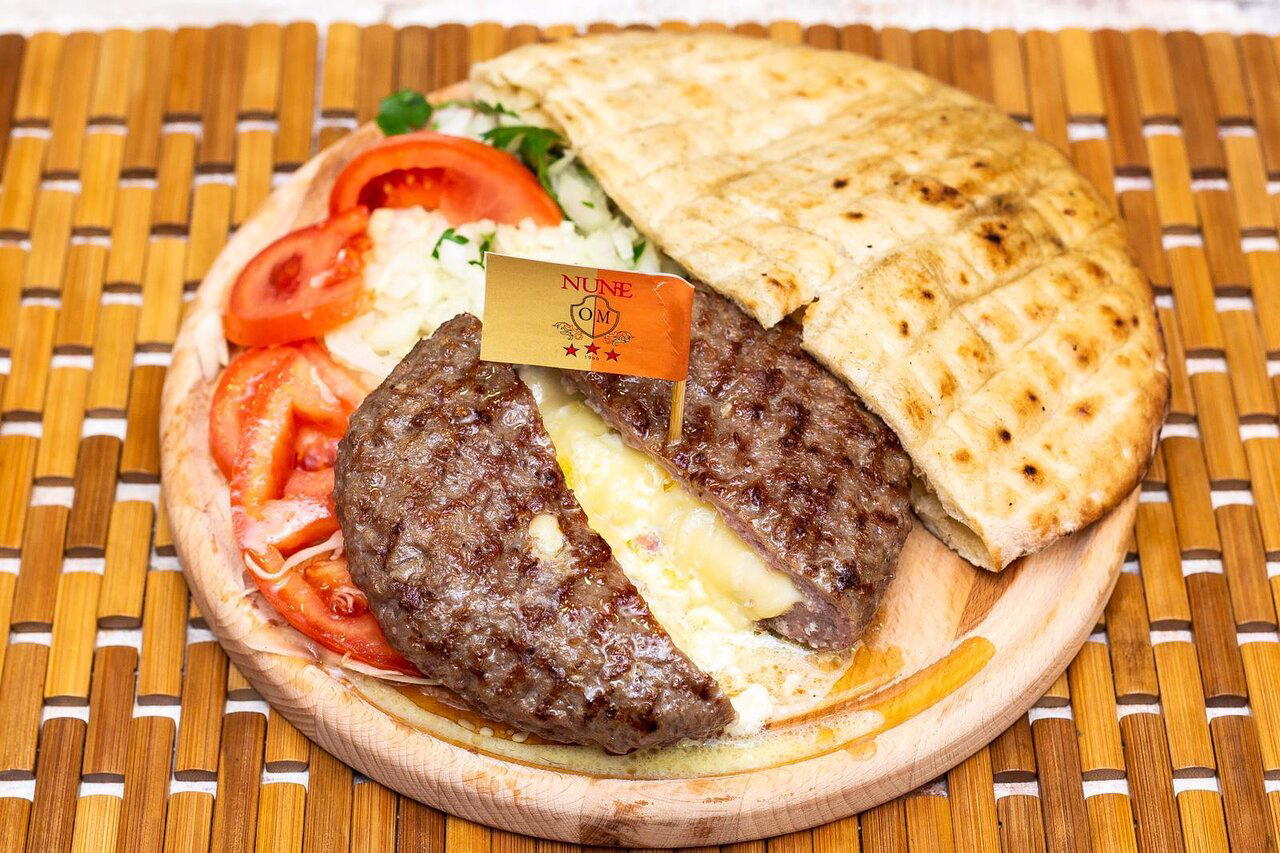
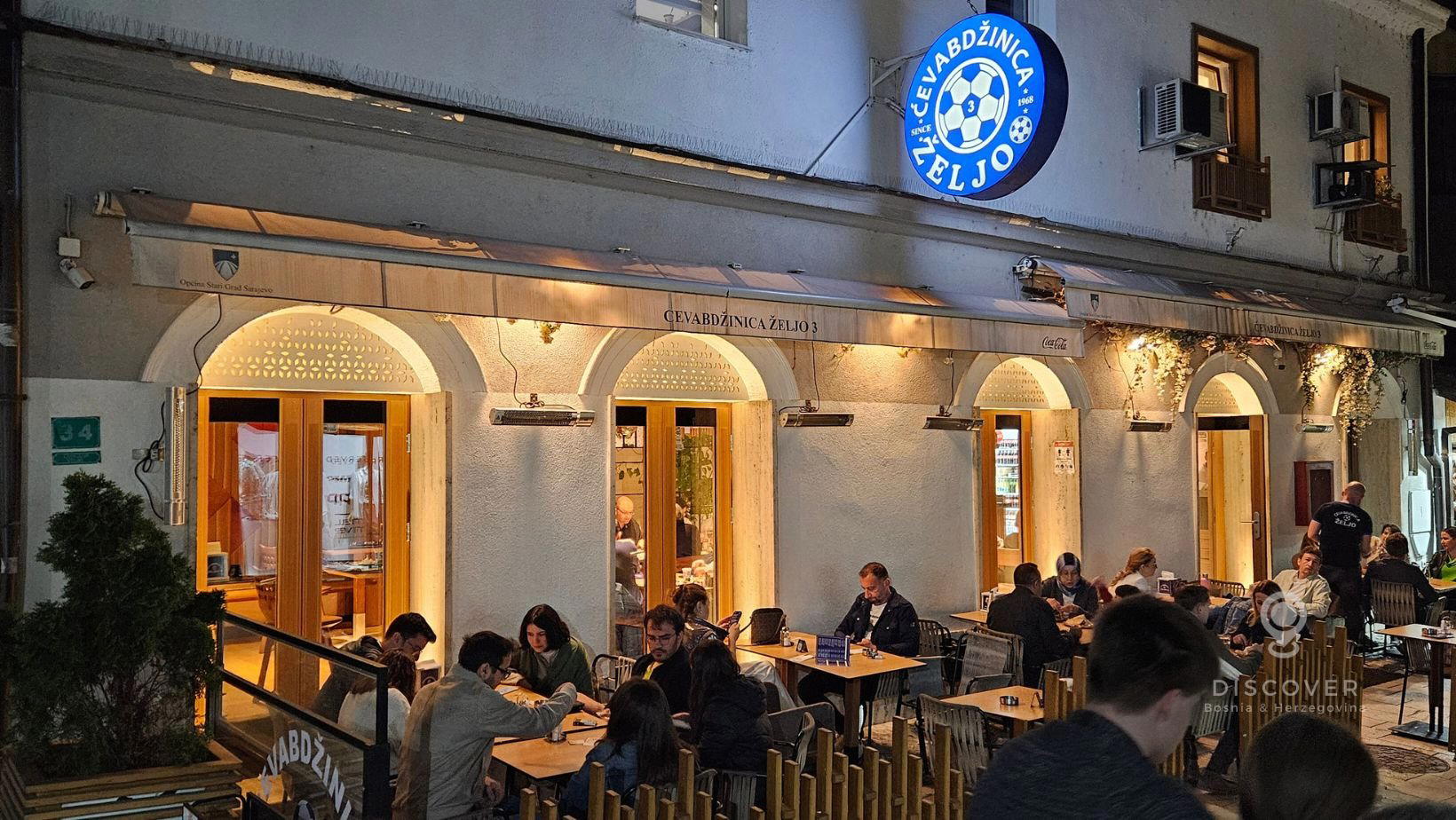
A restaurant on Kaptol is expected to understand that inheritance rather than simplify it. The address signals seriousness to a local diner in a way that a spot on the main Ferhadija pedestrian strip does not. At the same time, the proximity to the bazaar means passing trade is mixed, and a kitchen that cannot communicate its proposition quickly loses both audiences. The venues that navigate this leading in Baščaršija tend to anchor on one or two preparations that they execute with enough consistency to build word-of-mouth, then fill out the menu with supporting dishes that reinforce rather than dilute that identity. Čevabdžinica Nune operates on exactly that logic in the ćevapi category; elsewhere in the city, burgrs Sarajevo and Casa El Gitano have built followings by the same means of focused identity.
Placing Cakum-Pakum in Sarajevo's Dining Tier
Sarajevo's mid-market dining tier has expanded meaningfully over the past decade, driven partly by diaspora return investment and partly by a domestic middle class that has developed more specific expectations of what a sit-down meal should deliver. The pressure on restaurants in this tier is to justify the margin above a buregdžinica or a ćevabdžinica, which means visible craft, a coherent sense of place, and service that does not feel transactional. Across Bosnia and Herzegovina, the venues that have achieved sustained local reputations, from Restaurant Goranci in Mostar to Kazamat in Banja Luka, have done so by grounding themselves in regional specificity rather than importing formats from further west.
The restaurant's Kaptol 10 address puts it at the heart of the zone where that expectation is highest. Visitors arriving from elsewhere in the country, whether from Konoba ROGIĆ in Trn or passing through on a route that might include Zeks Doner in Konjic, will find in Baščaršija's fringe streets a concentration of table-service restaurants that take the city's culinary identity seriously. The broader Bosnian dining circuit, which now extends to spots like Nešković in Foca and Grill Kostro in Posusje, feeds visitors toward Sarajevo as a capstone, and the restaurants around Kaptol are often where that visit culminates. For the broader regional picture, Caffe Restaurant Soho in Istocno Sarajevo and Coffee Zone in Tuzla suggest how the country's food culture extends beyond the capital, and how Sarajevo's old quarter reads as a natural reference point for the whole network.
Sarajevo is not competing in that category, nor should it try to. What it offers is something different: specificity of tradition and price accessibility that the leading international tier cannot replicate, and Baščaršija's fringe streets are where that offer is most concentrated.
Planning a Visit to Kaptol 10
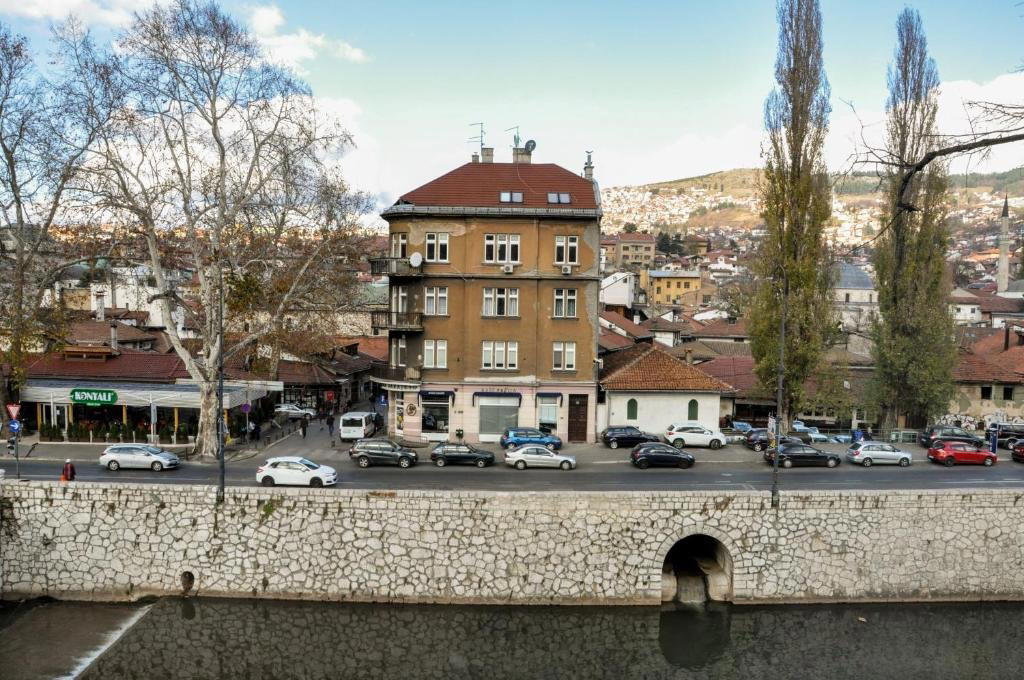
Kaptol sits within a short walk of the main Baščaršija landmarks, making it a natural stop on any circuit of the old quarter.
A Tight Comparison
Comparable venues nearby, for context on price, style, and recognition.
| Venue | Cuisine | Price | Notes |
|---|---|---|---|
| Cakum-PakumThis venue — the venue you are viewing | Old Town, Mediterranean & Italian Crepes | $$ | Not listed |
| Casa El Gitano | Not listed | $$ | central Sarajevo, Mediterranean with Italian, Spanish & Bosnian influences |
| Čevabdžinica Nune | city centre, Traditional Bosnian Ćevapi | $ | Not listed |
| burgrs Sarajevo | Dobrinje, American Smash Burgers | $ | Not listed |
| Arigato | Čobanija, Japanese Sushi Bar | $$ | Not listed |
| Buregdžinica Bosna | Old Town, Bosnian Burek Specialist | $ | Not listed |

At a Glance
- Cozy
- Trendy
- Brunch
- Casual Hangout
Current opening hours
- Monday
- 10 AM–11 PM
- Tuesday
- 10 AM–11 PM
- Wednesday
- 10 AM–11 PM
- Thursday
- 10 AM–11 PM
- Friday
- 10 AM–11 PM
- Saturday
- 10 AM–11 PM
- Sunday
- Closed
Hours can change for holidays and private events. Last verified .
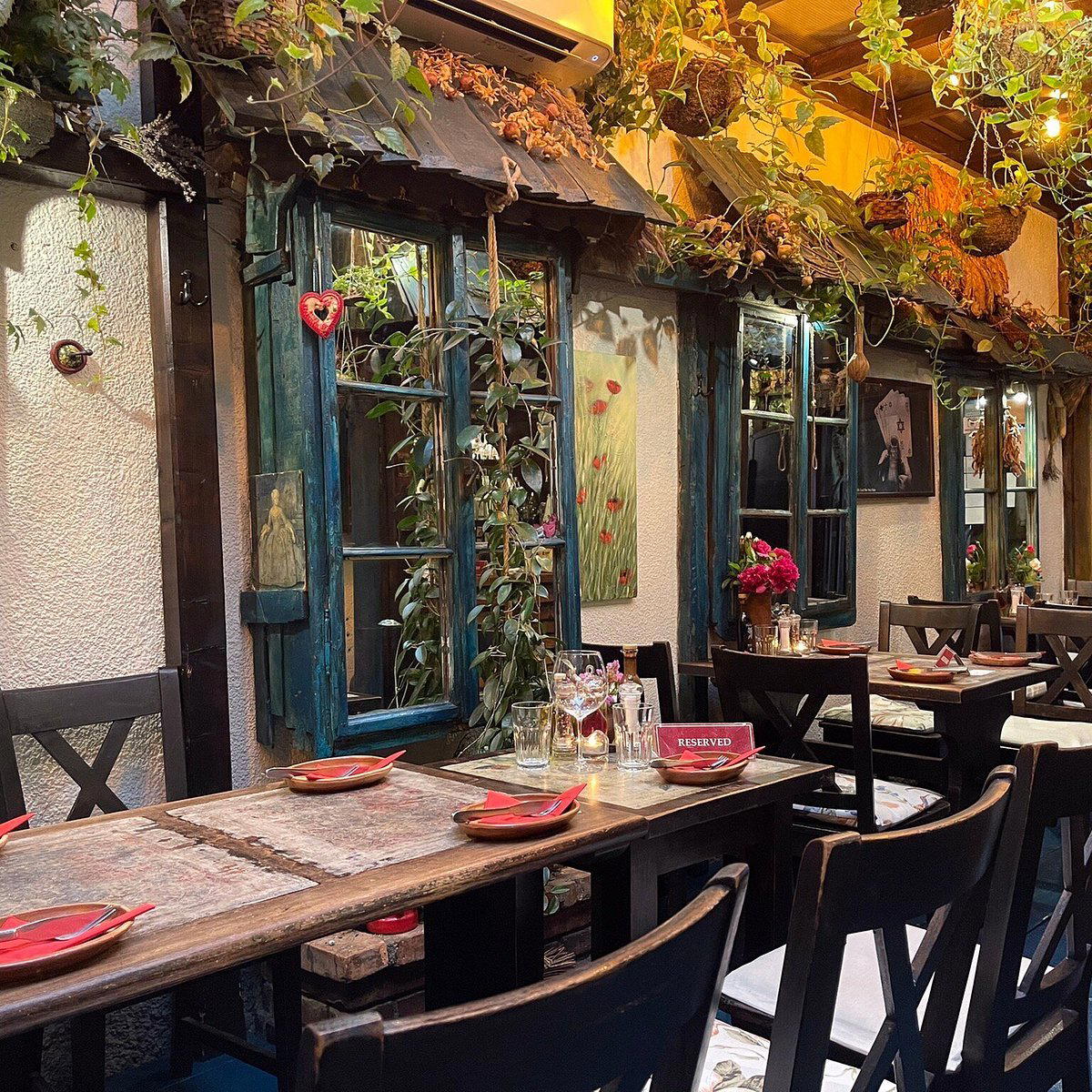
Shabby chic, retro 60s-inspired interior with artsy decor featuring luggage cases, fringed lamps, gingham curtains, and lively tablecloths creating a cozy and trendy atmosphere.