Zeks Doner
In a town where the Neretva River sets the pace and Ottoman-era street food culture still shapes what people eat, Zeks Doner on Kolonija 2 occupies the casual, fast end of Konjic's dining scene. The doner format here connects to a regional tradition rooted in slow-cooked meat and fresh bread that stretches across the western Balkans. For travellers passing through on the Neretva corridor, it represents the kind of honest, low-ceremony eating that Konjic does more reliably than most towns its size.
Pearl is the En Primeur Club membership app — saves, bookings, and concierge access live there. Same editors, same standards.
- Address
- Kolonija 2, Konjic, Bosnia & Herzegovina
- Directions
- Get directions
 Saves & bookings on Pearl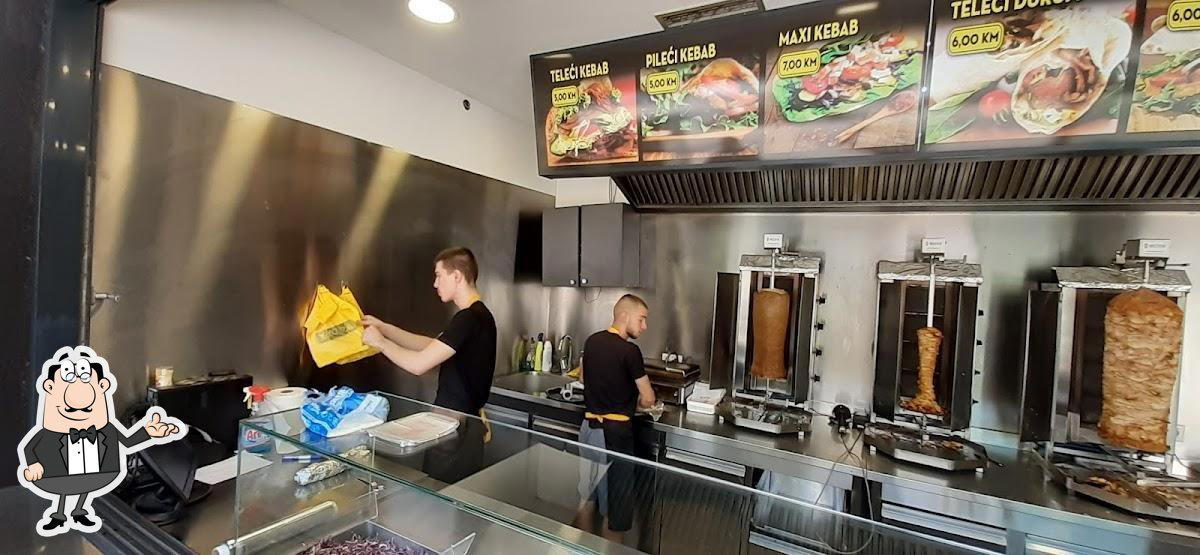
Street-Level Eating in a River Town
Konjic sits along the Neretva River roughly midway between Sarajevo and Mostar, and the town's food culture reflects that in-between geography. It is neither the capital's layered cosmopolitanism nor the tourist-facing heritage dining of Mostar's old city. What Konjic has instead is a functional, community-rooted street food tradition that has stayed close to its Ottoman-era origins: grilled and stacked meat, fresh flatbread, and condiments that have not changed much in a century. Zeks Doner, on Kolonija 2, sits inside that tradition rather than apart from it.
The doner format across Bosnia and Herzegovina draws on a lineage that arrived with Ottoman administration and survived every subsequent shift in political geography. The core ingredients have always mattered more than the setting: the quality of the meat blend, the freshness of the bread, and the rotation speed of the spit are the variables that separate a credible doner from an indifferent one. In towns like Konjic, where sourcing tends to be regional by default rather than by marketing choice, the supply chain is often shorter than in larger cities, and that proximity to local producers tends to show in the product.
The Ingredient Logic Behind Regional Doner
Bosnia's meat culture is closely tied to its geography. The western Balkans produce beef and lamb in quantities that support a dense tradition of grilled and rotisserie preparations, and Konjic, positioned between Herzegovina's drier, herb-grazed hills and the Neretva valley floor, sits within reach of both. Herzegovina lamb in particular carries a flavour profile shaped by sparse, aromatic grazing, which is why the leading doner operations in this corridor tend to use lamb or lamb-beef blends rather than the cheaper, blander poultry alternatives that have become standard in parts of Western Europe.
The bread question is equally important. Somun, the slightly leavened flatbread baked in wood-fired or gas ovens and associated with Sarajevo and its surrounding region, is the reference point for wrapped street food across much of Bosnia. At the casual end of the market, the freshness of the bread at service time is often the clearest indicator of operational care. A doner served in bread baked that morning reads differently from one assembled with day-old stock. For travellers comparing the doner traditions across the region, from Grill Kostro in Posusje in western Herzegovina to grills further north near Konoba ROGIĆ in Trn, the bread variable is often one telling data point.
Konjic's Position in the Bosnian Dining Map
Bosnia and Herzegovina's restaurant scene has developed in distinct tiers over the past decade. Sarajevo now hosts a range of operators spanning fast-casual to destination dining, with spots like burgrs Sarajevo representing the modern casual end and more internationally oriented venues occupying a separate bracket. Mostar, driven by tourism, has developed a parallel track where heritage presentation often takes precedence over ingredient quality. Towns like Konjic operate outside both of those dynamics. There is no heritage tourism premium here, and no pressure to perform cosmopolitanism. The result is a food environment that serves a local population with direct expectations, and where price points remain low relative to quality of production.
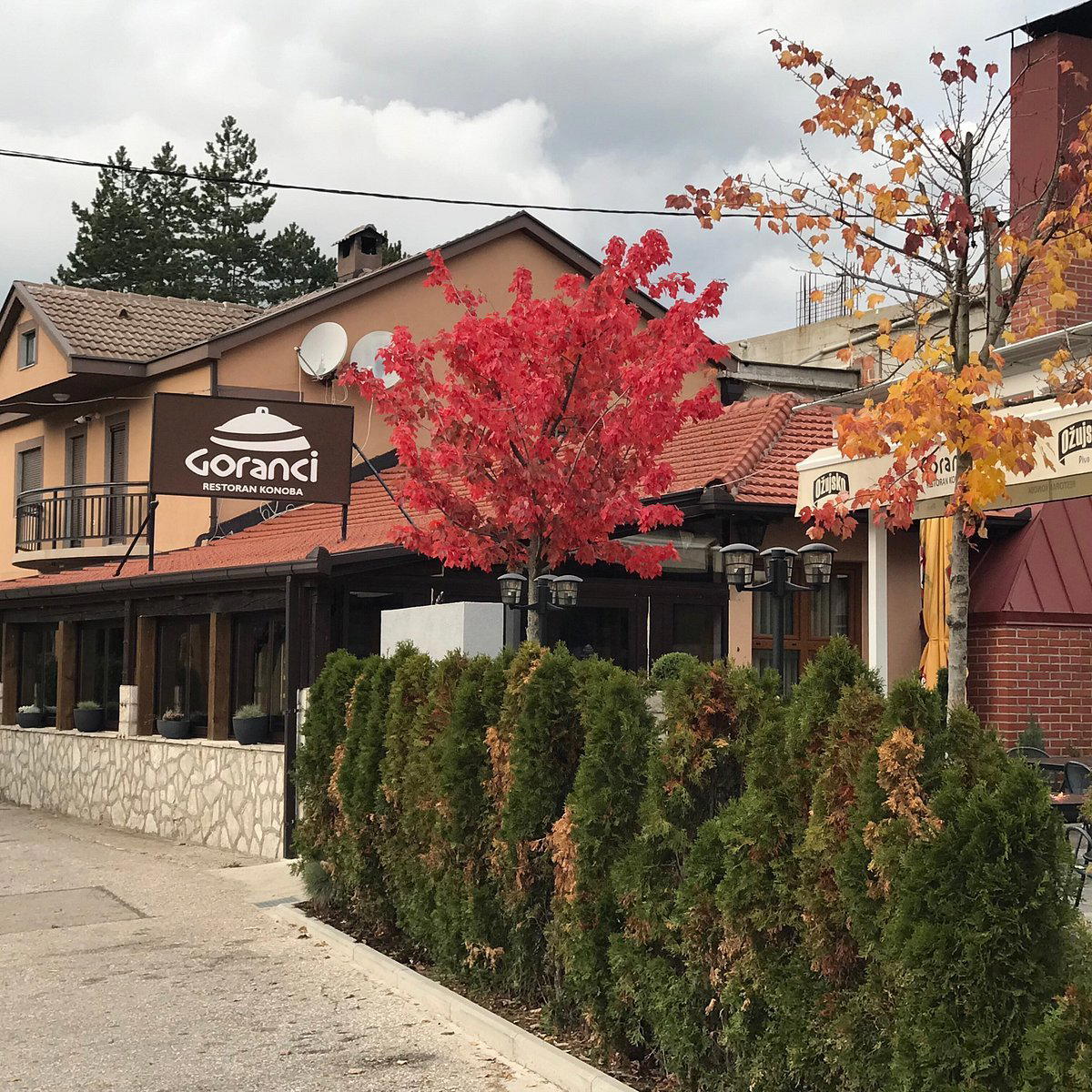
That context matters when assessing a venue like Zeks Doner. It does not exist in competition with Restaurant Goranci in Mostar or the more formal operations further along the Neretva valley. Its comparable set is the local casual market: fast, affordable, reliable. The question for a traveller is whether it delivers on those terms, and in a town the size of Konjic, community reputation over time is a more reliable signal than any formal award structure.
Eating Here: Format and Expectations
The doner format does not require ceremony or advance planning. Kolonija 2 is a residential address in Konjic, placing Zeks Doner in the community rather than on a tourist-facing strip. That location signals something about the intended customer: this is a neighbourhood operation, not a waypoint designed around passing traffic. Visitors to Konjic, many of whom arrive by road between Sarajevo and the coast or come specifically for the Jablanica Lake area, will find the town's casual dining concentrated around a small central zone that is walkable from the old bridge and the river embankment.
No booking is needed at Zeks Doner, and the format is inherently fast. For travellers on the Sarajevo-to-Mostar corridor with limited time in Konjic, a stop here represents the kind of low-friction, high-context eating that a sit-down restaurant cannot provide. For those spending a night or more in the area, it works as an affordable counterpoint to the town's more substantial meal options.
The doner tradition is its own category, governed by its own logic.
Planning Your Visit
The restaurant operates at the walk-in, cash-and-go end of the market. No reservation system applies to this format, and the address on Kolonija 2 is findable on standard mapping applications. Arriving in person is the practical approach. Konjic itself is accessible by road on the M17 highway connecting Sarajevo to Mostar, and the town centre is compact enough that most addresses are within a short walk of the main road. The restaurant is open daily from 8 AM to 12 AM.
Frequently Asked Questions
- Does the restaurant work for a family meal? The doner format is inherently low-friction for groups with varied appetites and ages. In a town like Konjic, where price points at casual operators remain accessible, this kind of street-food-adjacent operation is well suited to families who want speed and affordability over a formal sit-down structure. There are no awards or price data on record to place it more precisely, but the Kolonija 2 address and the neighbourhood context suggest a community-oriented rather than tourist-facing operation.
- Is the restaurant formal or casual? The doner format sits at one casual end of the Bosnian dining spectrum. No dress code applies, no advance booking is needed, and the format is built around speed and accessibility. Konjic itself does not carry the same tourist infrastructure as Mostar or Sarajevo, so expectations across the local casual market run closer to function than to presentation.
- What should I eat at the restaurant? The doner is the core product here, as the name indicates. In the Bosnian tradition, doner is typically served wrapped in flatbread with salad and sauce components, and the meat blend, whether beef, lamb, or a combination, is the defining variable. No specific menu data is available in current records, but ordering the doner in whatever format is available at the time of your visit is the direct choice.
- How does the restaurant fit into the broader Bosnian doner tradition? Bosnia and Herzegovina's doner culture derives from Ottoman-era street food practice and has remained closer to its origins than the versions common in Western European cities. Operations in smaller towns like Konjic tend to use regional meat suppliers and traditional bread formats by default, since the supply chain is shorter and local sourcing is the practical norm rather than a marketing position. For wider regional comparison, see also Kazamat in Banja Luka and Coffee Zone in Tuzla.
Comparable Spots, Quickly
Comparable venues nearby, for context on price, style, and recognition.
| Venue | Cuisine | Price | Notes |
|---|---|---|---|
| Zeks DonerThis venue — the venue you are viewing | Turkish Döner Kebabs | $ | Not listed |
| burgrs Sarajevo | American Smash Burgers | $ | Dobrinje |
| Bistro Stari Grad | Grill and Eastern European | $ | Metkovic |
| Coffee Zone | Cafe & Coffee Shop | $ | City Center |
| Caffe Restaurant Soho | Italian-Asian-Mexican Fusion | $$ | Istocno Sarajevo |
| Casa El Gitano | Mediterranean with Italian, Spanish & Bosnian influences | $$ | central Sarajevo |

At a Glance
- Casual
- Casual Hangout
Current opening hours
- Monday
- 8 AM–12 AM
- Tuesday
- 8 AM–12 AM
- Wednesday
- 8 AM–12 AM
- Thursday
- 8 AM–12 AM
- Friday
- 8 AM–12 AM
- Saturday
- 8 AM–12 AM
- Sunday
- 8 AM–12 AM
Hours can change for holidays and private events. Last verified .
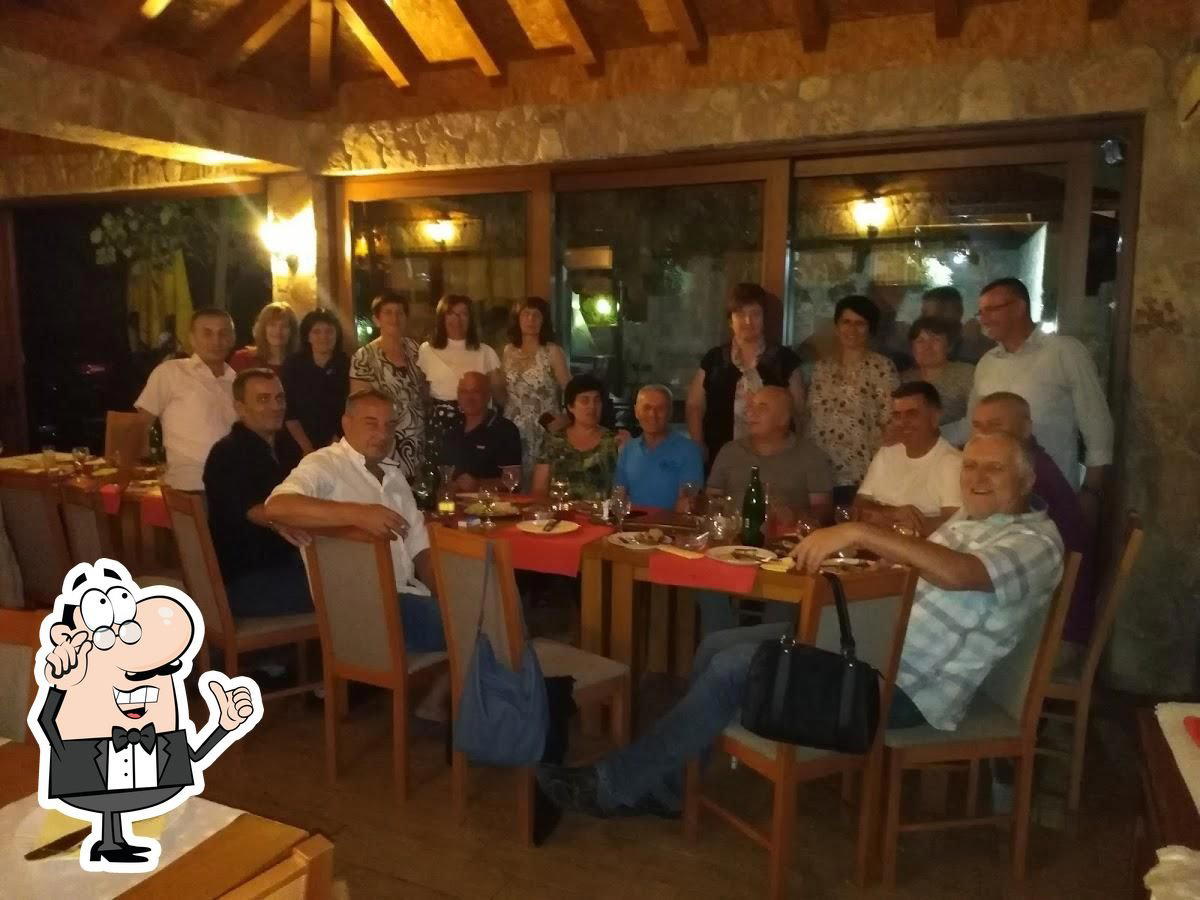
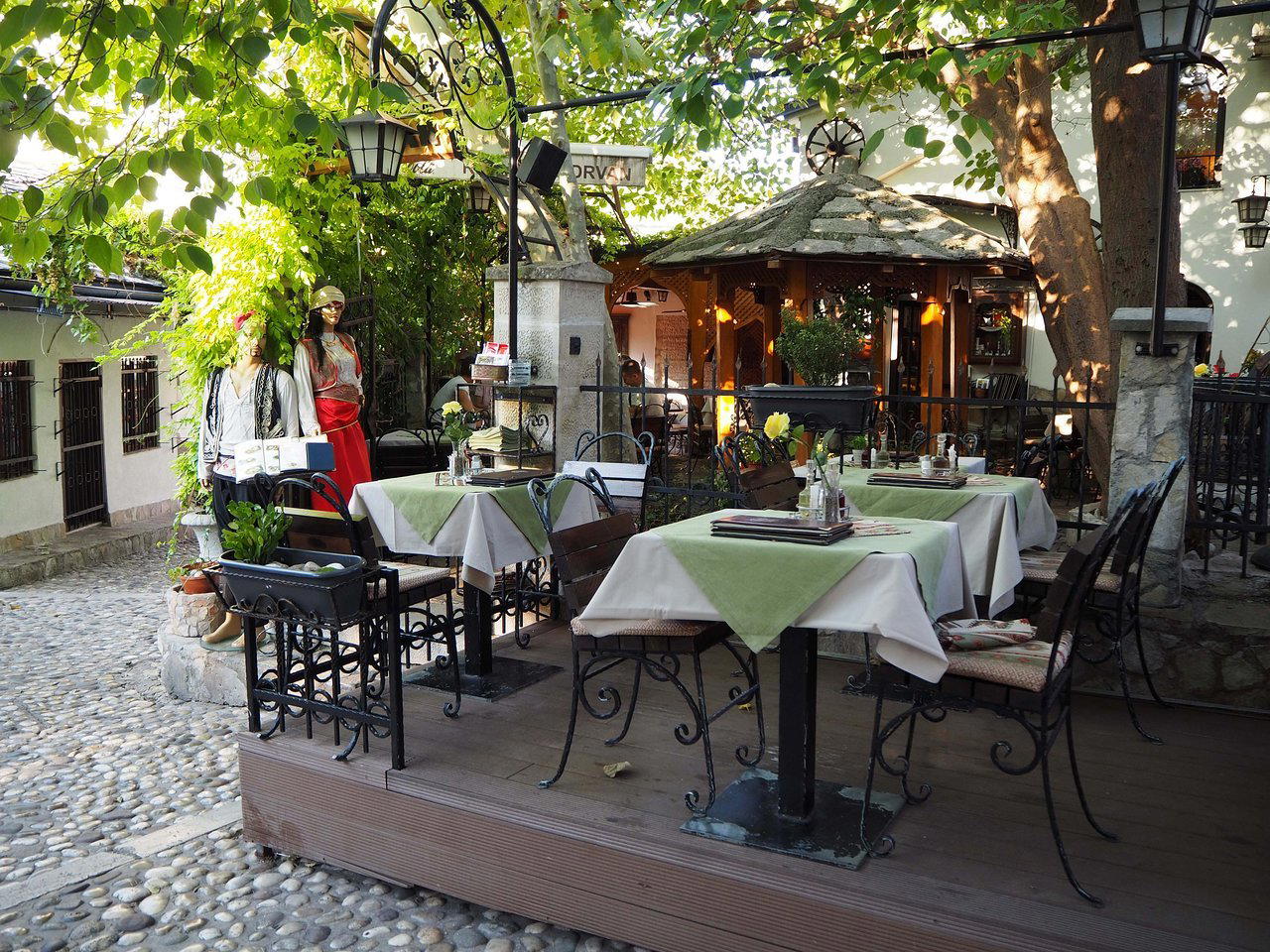
Casual and inviting atmosphere well-suited for quick bites or leisurely lunches.