Konoba ROGIĆ
Konoba Rogić sits in Trn, a small settlement in Bosnia and Herzegovina where the konoba format, a traditional family-run tavern rooted in local produce, remains the dominant dining mode. The address on Cara Dušana places it within the agricultural hinterland west of Banja Luka, where sourcing from nearby land is a practical reality rather than a marketing position. For travellers passing through Republika Srpska, it represents the kind of direct, produce-first eating that the region does quietly and consistently well.
Pearl is the En Primeur Club membership app — saves, bookings, and concierge access live there. Same editors, same standards.
- Address
- Cara Dušana 69a, Trn 78252, Bosnia & Herzegovina
- Phone
- +38751580555
- Directions
- Get directions
 Saves & bookings on Pearl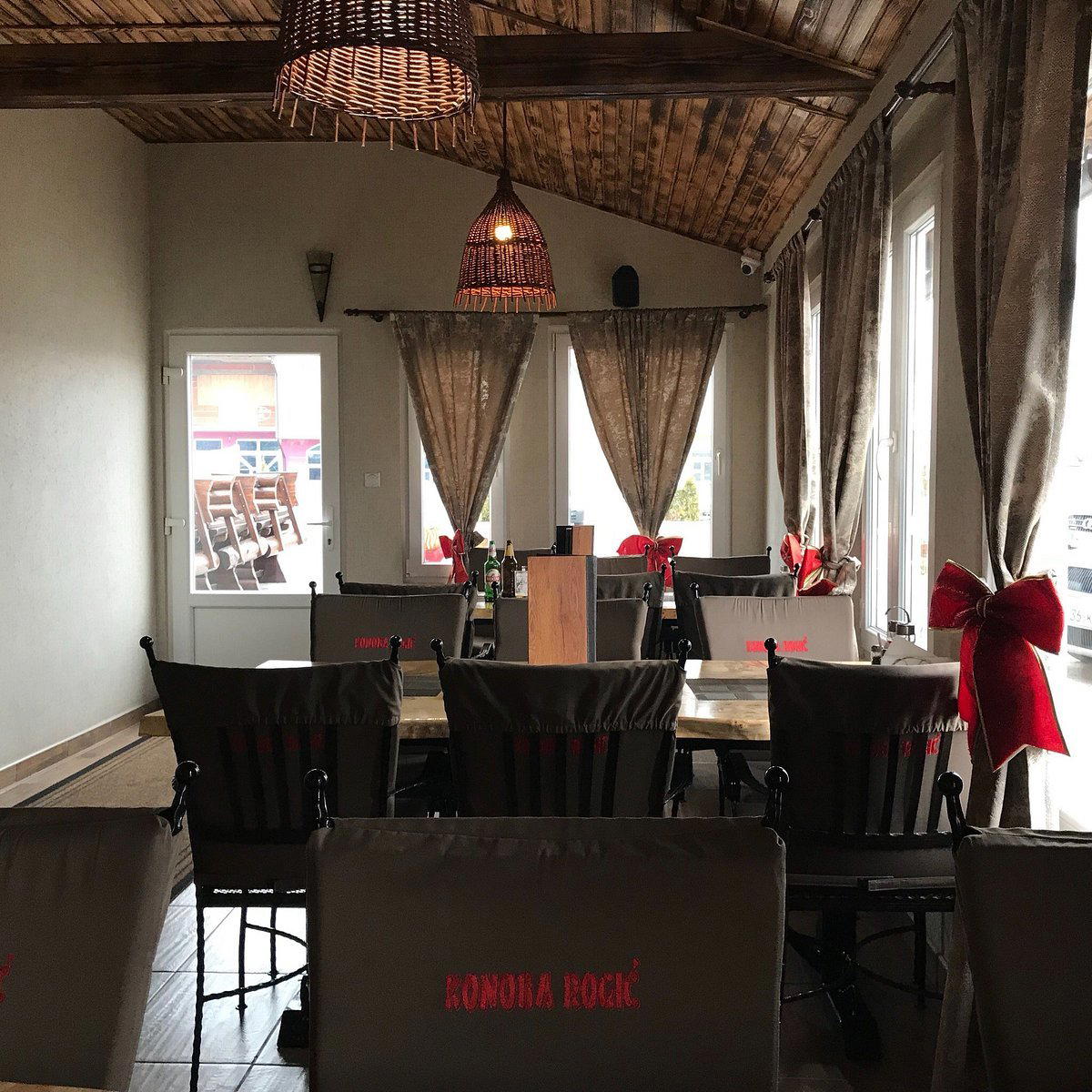
Where the Konoba Format Still Means Something
In the settlements that sit between Banja Luka and the Bosnian Krajina interior, the konoba is not a concept borrowed from Dalmatia or repackaged for tourists. It is simply how a family feeds people: with what the surrounding land produces, cooked in ways that have not changed much in living memory. Konoba Rogić, at Cara Dušana 69a in Trn, fits squarely into this model. The address alone signals its orientation: a village road in a municipality of farmers and small holdings, not a pedestrian zone arranged for visitors.
This matters for how you understand what you are eating. The konoba tradition across the Dinaric interior, from Herzegovina's uplands through central Bosnia and into the Krajina, has always been inseparable from its source geography. Lamb raised on limestone karst pasture, river fish from the Vrbas and its tributaries, cured meats produced within the same household or a neighbouring farm: these are not choices made for a menu narrative. They reflect what is available, what keeps, and what the cooking tradition evolved to handle. Konoba Rogić sits in that continuum.
The Sourcing Logic of the Krajina Interior
The area around Trn and the wider Laktaši municipality occupies agricultural land that feeds both local tables and the Banja Luka market to the east. Smallholder production here is still common enough that a family-run konoba can draw on proximate supply chains that larger urban restaurants cannot replicate. The pig, cured as spit-roast, as smoked sausage, as slow-cooked offal preparations, remains central to the Bosnian Krajina diet in a way that is less about preference than deep structural habit. Lamb appears seasonally, most reliably in spring when younger animals come to market. Both carry flavour profiles shaped by the specific feed and grazing conditions of this part of the Dinaric range, which differ perceptibly from the coast-influenced livestock of Herzegovina.
River fish from the Vrbas system, trout, chub, and in season, smaller species pulled from local tributaries, represent the other primary protein in kitchens of this type. The cooking approach tends toward restraint: grilling over wood or charcoal, minimal intervention beyond salt and fat, served quickly while heat is present. This is not the elaborated river-fish cookery of Slovenia or Croatia's Zagorje; it is more direct, more austere, and more honest about what freshwater fish actually tastes like when the sourcing is sound.
Dairy follows a similar logic. Kajmak, the clotted cream skimmed from heated milk, appears as a condiment and a cooking medium in kitchens across Bosnia and Herzegovina's interior. Its quality varies considerably by producer; the leading comes from farms where milk is processed slowly and the product aged briefly. Paired with bread baked in a sač (the domed iron lid buried in embers), kajmak signals a kitchen still working within the traditional material conditions of the region rather than substituting commercial equivalents.
The Konoba as a Format, Not a Brand
Across the Balkans, the word konoba now carries considerable marketing freight. Coastal Croatia has exported it internationally as shorthand for a certain rustic authenticity, sometimes delivered with authenticity, sometimes not. In inland Bosnia, the term has not undergone the same commodification, partly because the tourism infrastructure that would accelerate it is largely absent. A konoba in Trn is not positioning itself against a comparable set of branded regional restaurant concepts; it is simply operating within the only format available at this scale and in this location.
That insularity has practical implications for the traveller. Service is informal and typically family-directed. The menu, where one exists in written form, reflects seasonal and daily availability rather than a fixed card engineered for year-round consistency. This puts Konoba Rogić in a different register entirely from urban Bosnian dining, compare the positioning of something like Kazamat in Banja Luka, which operates within a more formalized urban restaurant context, or the street-food directness of Zeks Doner in Konjic. The konoba in a small settlement is its own category, evaluated on different terms.
Across the wider region, the ingredient-first model of smaller family konobas has a different competitive reference point than, say, the technique-led sourcing programs at places like Lazy Bear in San Francisco or the precision supply chains behind Le Bernardin in New York City. The point of comparison is not culinary ambition but structural honesty: in each case, what ends up on the plate is shaped directly by what the kitchen can reliably source. In Trn, that constraint produces a particular kind of cooking that urban menus increasingly try to imitate.
Getting There and Planning Your Visit
Trn sits roughly 15 kilometres northwest of Banja Luka, accessible by road via the main routes through Laktaši municipality. The settlement is small enough that Cara Dušana is navigable without difficulty; 69a places the restaurant on one of the main residential routes through the village. Visitors from Banja Luka driving west will find it a short trip, and it sits naturally as a stop for travellers heading toward the Una river corridor or crossing into Croatia via the northern border crossings.
The venue is open daily from 7 AM to 11 PM.
Other regional options worth considering in context: Nešković in Foca and Restaurant Goranci in Mostar both represent different registers of Bosnian regional cooking, while Caffe Restaurant Soho in Istocno Sarajevo offers a more urban Republika Srpska dining context for those passing through the capital.
Fast Comparison
Comparable venues nearby, for context on price, style, and recognition.
| Venue | Cuisine | Price | Notes |
|---|---|---|---|
| Konoba ROGIĆThis venue — the venue you are viewing | Traditional Bosnian Grill | $$ | Not listed |
| Šadrvan | Traditional Bosnian | $$ | Old Town |
| Arigato | Japanese Sushi Bar | $$ | Čobanija |
| Čevabdžinica Nune | Traditional Bosnian Ćevapi | $ | city centre |
| Casa El Gitano | Mediterranean with Italian, Spanish & Bosnian influences | $$ | central Sarajevo |
| Restaurant Goranci | Traditional Herzegovinian Mediterranean | $$ | Goranci |
Continue exploring
More in Trn
Restaurants in Trn
Browse all →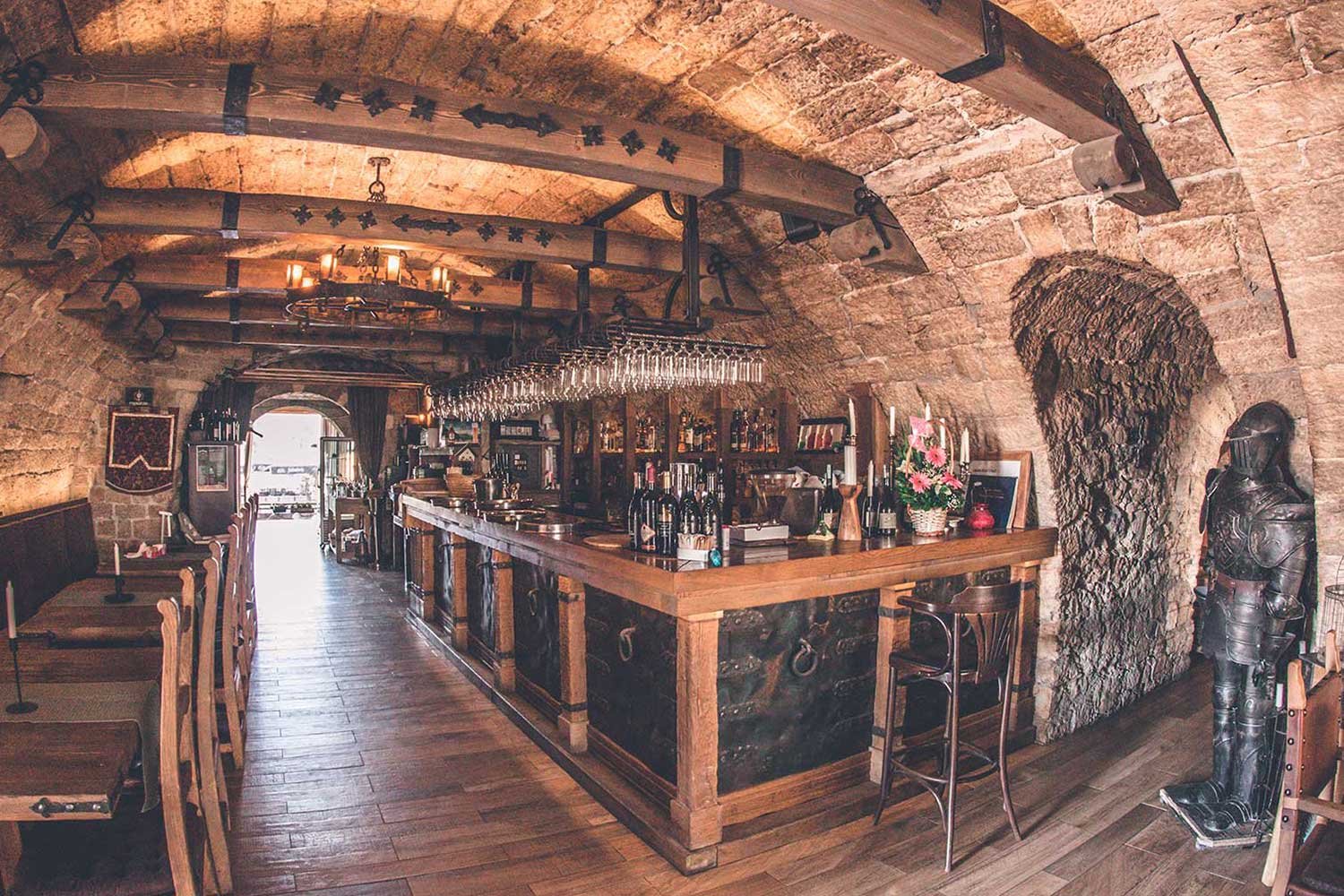
At a Glance
- Rustic
- Cozy
- Classic
- Family
- Casual Hangout
Current opening hours
- Monday
- 7 AM–11 PM
- Tuesday
- 7 AM–11 PM
- Wednesday
- 7 AM–11 PM
- Thursday
- 7 AM–11 PM
- Friday
- 7 AM–11 PM
- Saturday
- 7 AM–11 PM
- Sunday
- 7 AM–11 PM
Hours can change for holidays and private events. Last verified .
Inviting, warm, and friendly traditional atmosphere ideal for savoring home-style meals.