burgrs Sarajevo
On Dzemala Bijedica Street in Sarajevo's post-industrial belt, burgrs sits at an intersection between the city's appetite for foreign formats and its insistence on local character. The burger as a form has landed in Sarajevo at a moment when the city's dining culture is expanding beyond its traditional grilled-meat repertoire, and this address is one of the places testing what that shift looks like in practice.
Pearl is the En Primeur Club membership app — saves, bookings, and concierge access live there. Same editors, same standards.
- Address
- Dzemala Bijedica St 42B, Sarajevo 71000, Bosnia & Herzegovina
- Phone
- +38733743549
- Website
- burgrs.com
- Directions
- Get directions
 Saves & bookings on Pearl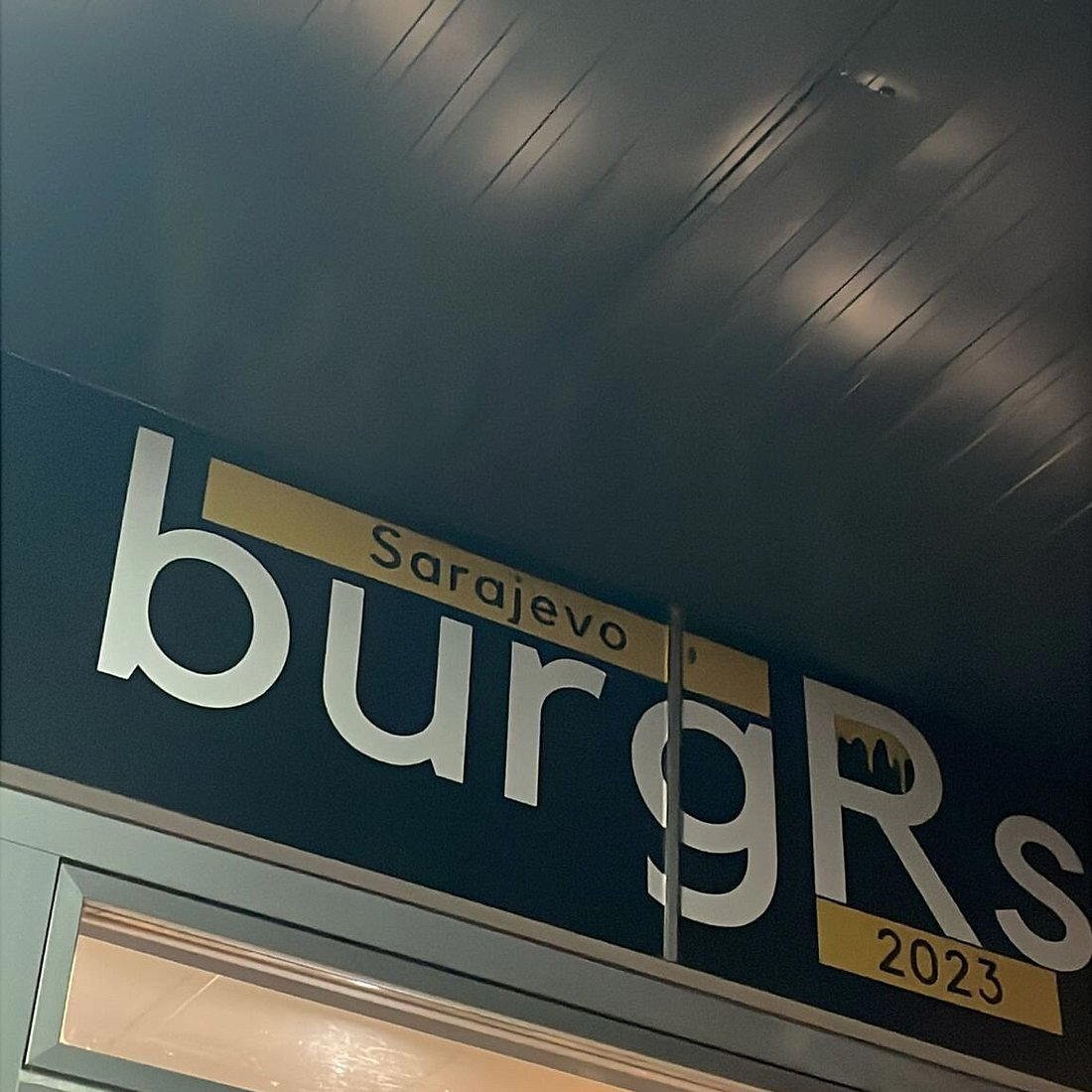
Where Sarajevo's Burger Culture Takes a Specific Form
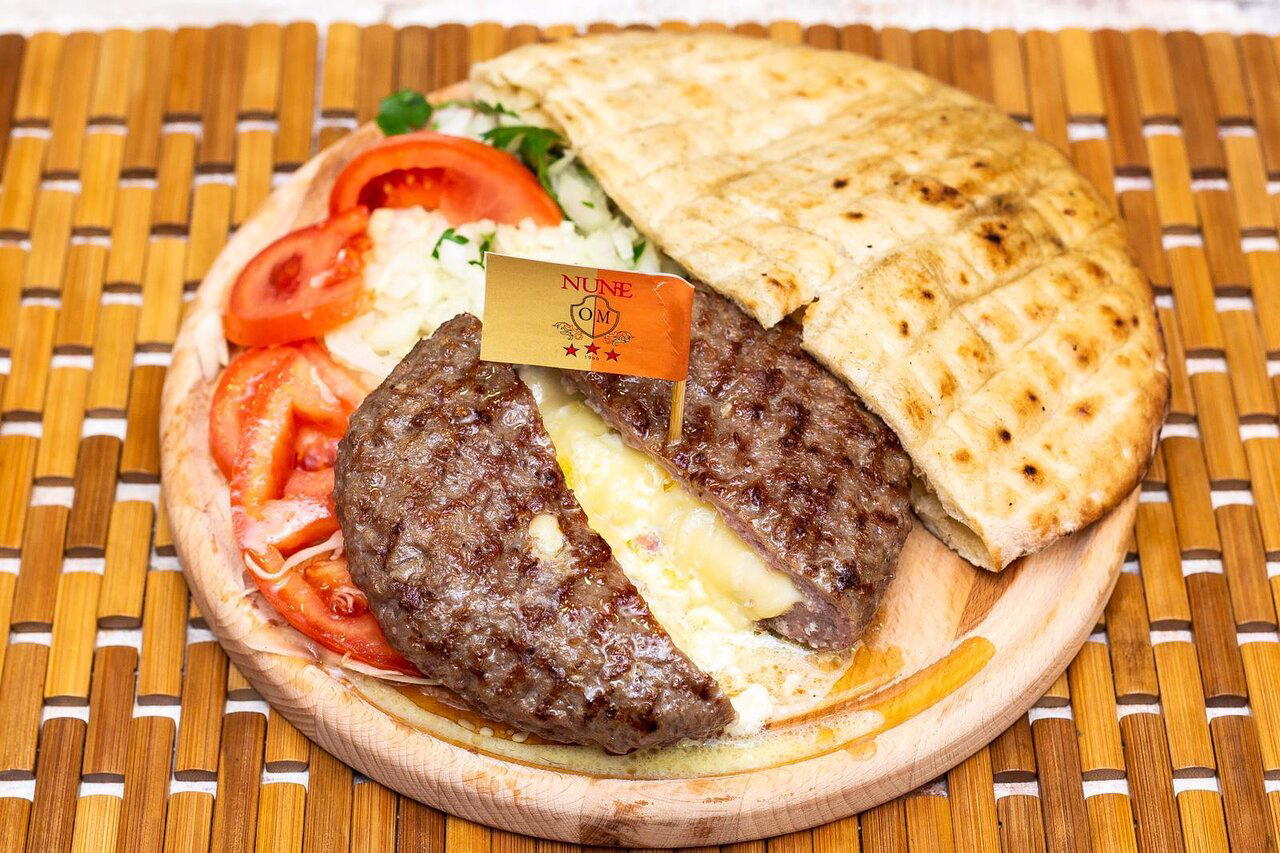
The burger's arrival in Balkan cities has rarely been a clean import. In Sarajevo, a city whose food identity is built around wood-fired grills, slow-cooked meat, and bread shaped by Ottoman and Austro-Hungarian legacies, any kitchen working with a burger format is, whether it acknowledges it or not, operating in dialogue with a dense local tradition. The question isn't whether a smash patty can hold its own against a plate of ćevapi from Čevabdžinica Nune, it's whether the format has been absorbed and reinterpreted rather than simply copied. burgrs, on Dzemala Bijedica Street, is a casual American Smash Burgers restaurant in Sarajevo.
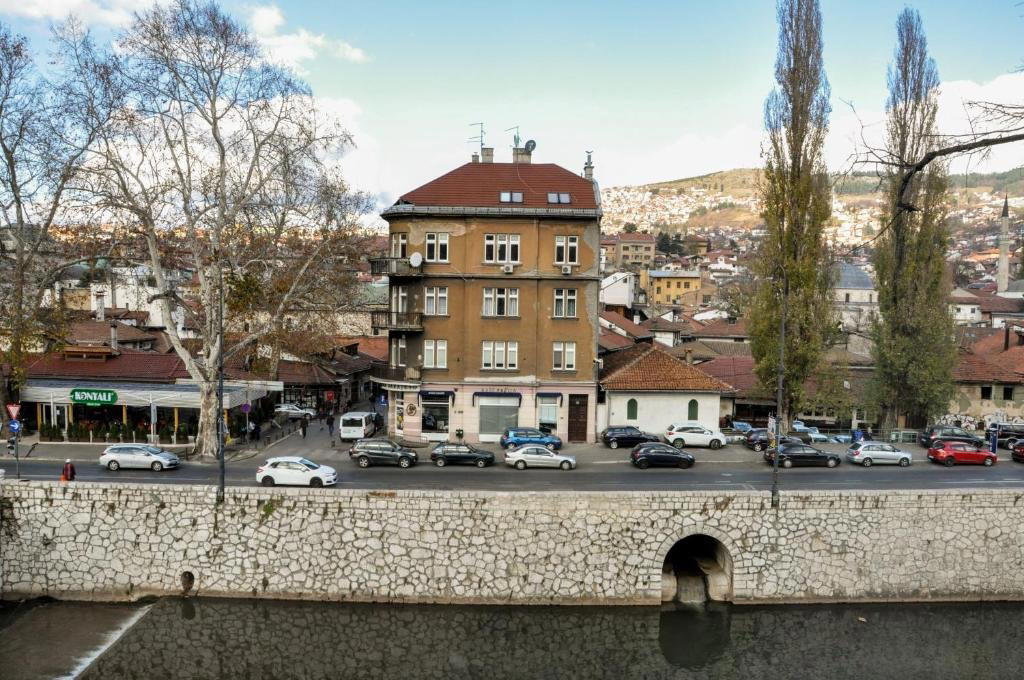
The address itself signals something. Dzemala Bijedica is not the old-city thoroughfare of Baščaršija, where burek and grilled meat define the street-level food offer at places like Buregdžinica ASDŽ and Buregdžinica Bosna. It is further out, in a zone where the city's newer commercial and residential fabric has created space for a different kind of dining format, faster, more casual, more global in reference, while still drawing from a local customer base whose palate remains specifically Sarajevan.
Ingredient Sourcing in a City That Already Takes Meat Seriously
Sarajevo has one of the more demanding meat-eating cultures in the region. The standards for what constitutes a good grilled product are set early, publicly, and by repetition: the city's traditional ćevabdžinicas and grill houses have spent decades establishing what properly sourced, correctly ground, and carefully grilled meat tastes like. Any burger operation entering that context inherits those expectations by proximity, even if it never explicitly claims to meet them.
What this means practically is that sourcing decisions, where the beef comes from, how it is ground, what fat ratio it carries, whether the bun is made in-house or commissioned locally, carry more weight in Sarajevo than they might in a food market accustomed to lower benchmarks. Bosnia and Herzegovina has meaningful domestic cattle farming, and the supply chain for quality beef, while not as formalised as in Western European markets, is not absent. Across the Bosnian restaurant scene, a number of kitchens have begun to make explicit the local or regional provenance of their meat, following a pattern visible elsewhere in the Balkans at addresses like Konoba ROGIĆ in Trn and Restaurant Goranci in Mostar, where domestic sourcing is treated as a point of differentiation rather than a default assumption.
For a burger-focused kitchen in this environment, the sourcing logic matters in both directions: it shapes the actual flavour of the product, and it shapes how the venue positions itself relative to Sarajevo's existing meat culture. The more a kitchen can draw on regional supply chains rather than generic imported commodity beef, the more it earns the right to be taken seriously on a plate alongside the city's established grilled-meat tradition.
The Format and the Local Dining Pattern
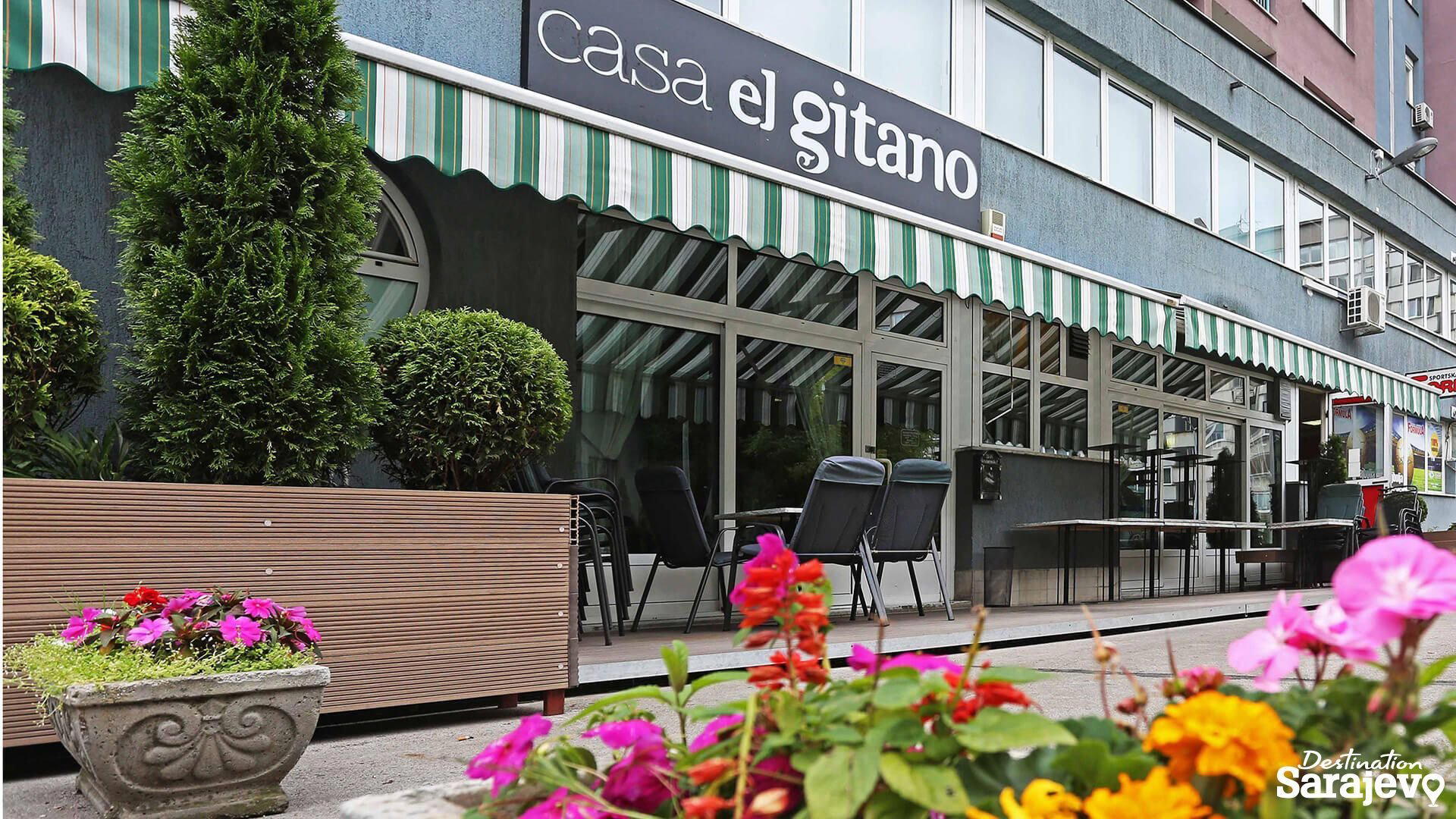
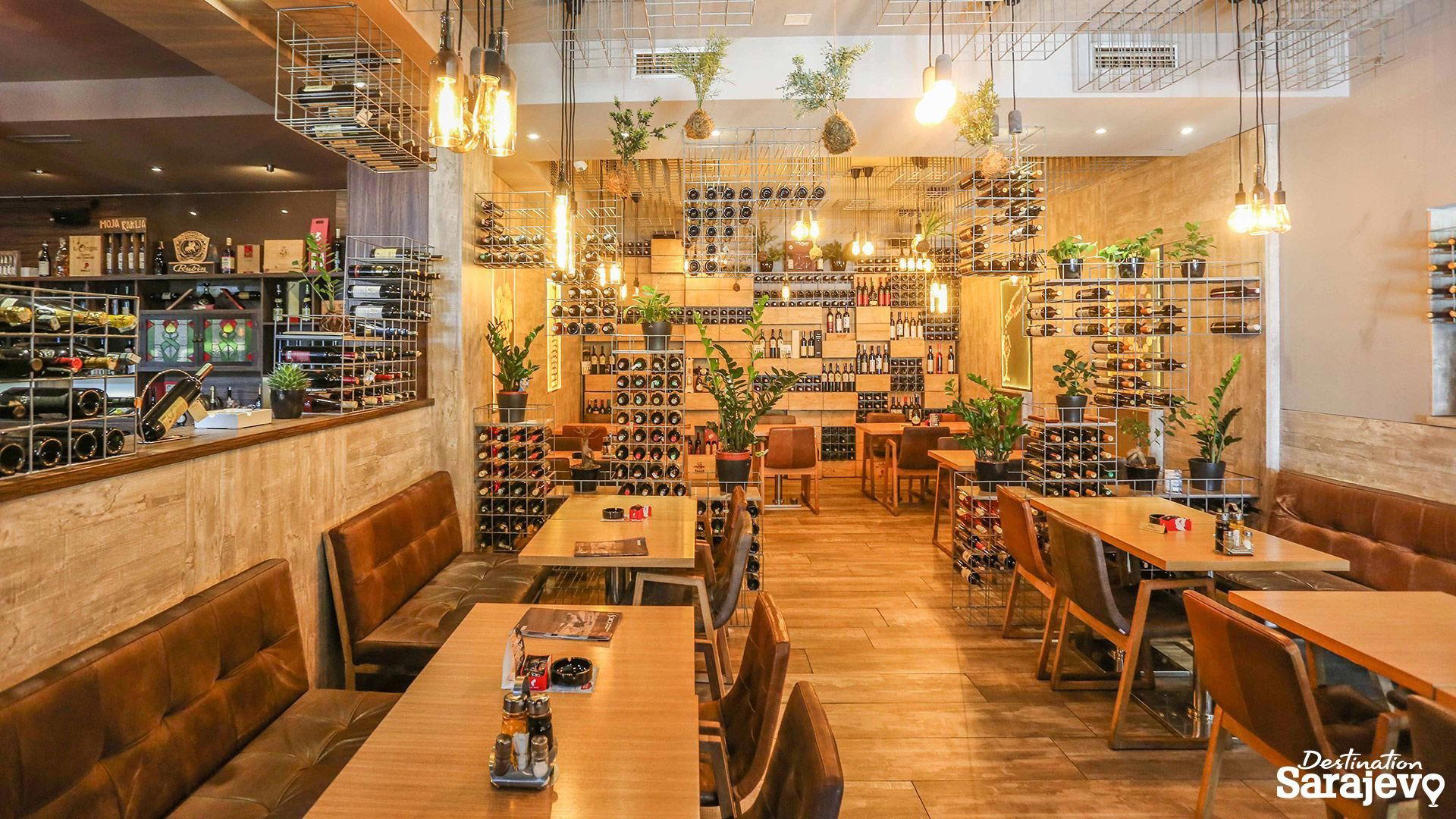
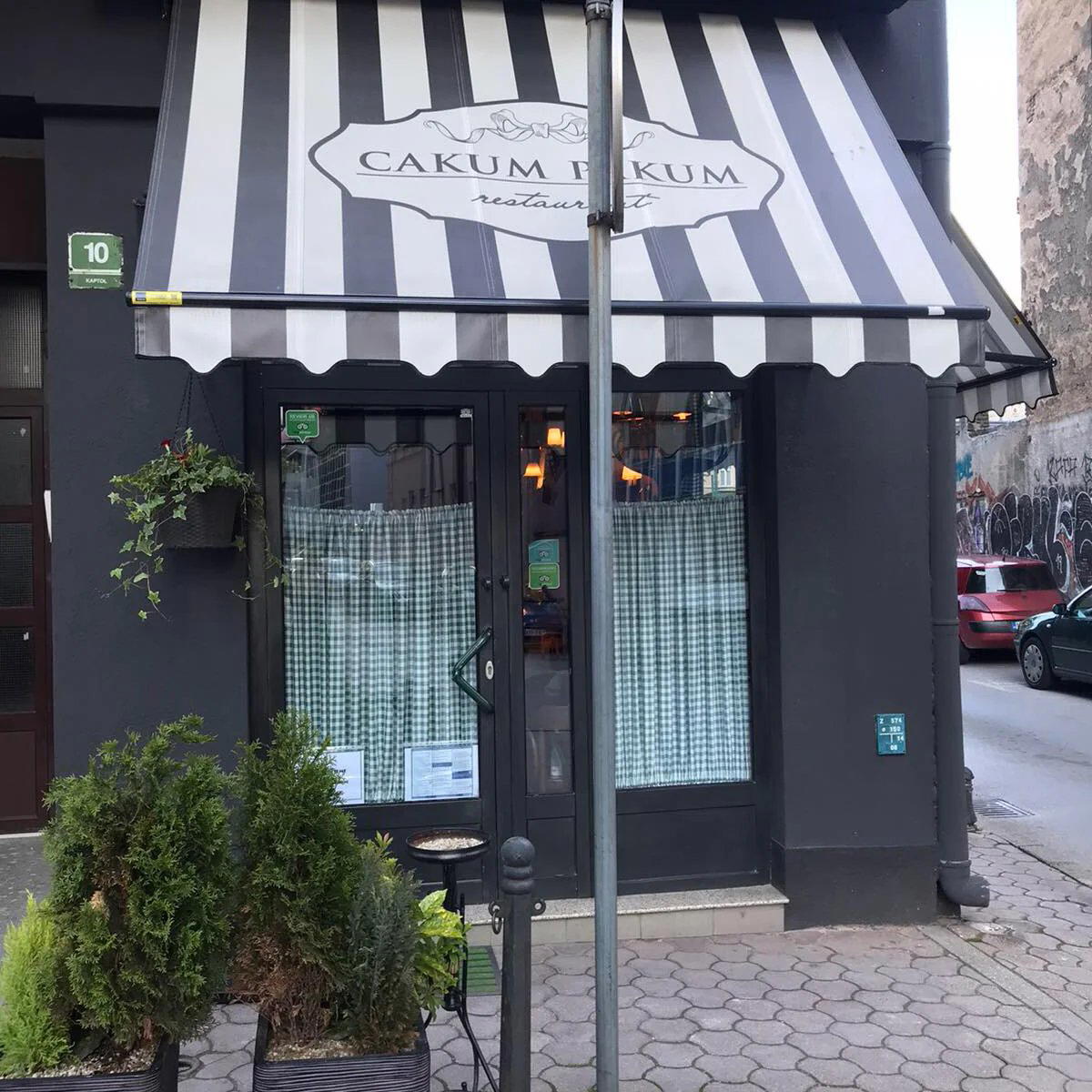
The burger format in Sarajevo operates in a specific tier. It is not fine dining, the city has its own version of that register at places like Cakum-Pakum and Casa El Gitano. It is also not the street-food immediacy of the traditional burek or ćevap counter. It occupies a middle tier: sit-down or semi-casual, with a focused menu, a defined aesthetic, and a price point that appeals to a younger urban demographic that moves between global food references and strong local preferences.
That demographic is not small in Sarajevo. The city has a substantial student and young professional population, and the dining culture that has developed around them over the past decade has made room for formats that would have been unusual here fifteen years ago, specialty coffee, craft beer, international street food variants. The burger has arrived alongside ramen and poke as part of that opening, and the venues that have endured in this space are the ones that found a way to localise the format rather than import it wholesale. Bosnian bread culture alone, the tradition of good, fresh somun and lepinja, gives local burger kitchens a built-in advantage over imported chain formats that ship in generic buns.
How burgrs Sits in Sarajevo's Wider Dining Map
On a map of Sarajevo dining that extends across the city and the region, burgrs represents one point in a broader pattern of casual international-format restaurants establishing themselves outside the historic core. The city's dining geography has been shifting: the old town remains the anchor for traditional Bosnian food and tourist-facing restaurants, but the residential and commercial zones along major arterial streets have developed their own dining cultures, often more local in clientele and more experimental in format.
Across Bosnia and Herzegovina, there is a parallel pattern of casual dining addresses finding their footing in secondary locations, Caffe Restaurant Soho in Istocno Sarajevo, Coffee Zone in Tuzla, Nešković in Foca, each of which reflects a local appetite that has outgrown the traditional formats without abandoning their underlying preferences. The burger, in this context, is not a symbol of culinary globalisation overwhelming local tradition; it is one more format being tested against Balkan taste standards and either adapted or discarded.
For visitors to Sarajevo who want to understand the full range of the city's current dining scene, from the historic burek houses of Baščaršija to the newer casual addresses on its outer streets, burgrs on Dzemala Bijedica offers a data point on where the city's appetite is heading. It sits alongside, rather than in opposition to, the traditional offer.
Planning Your Visit
burgrs is located at Dzemala Bijedica Street 42B, in the 71000 postal district of Sarajevo, away from the old-city concentration of tourist venues. For visitors, this means it is most conveniently reached by taxi or rideshare rather than on foot from Baščaršija, though the distance is not significant. The restaurant is open daily from 11 AM to 11 PM and is walk-in friendly, with an estimated price of about $10 per person. The address is clear and the street is a main city artery, making navigation direct.
Quick Comparison
Comparable venues nearby, for context on price, style, and recognition.
| Venue | Cuisine | Price | Notes |
|---|---|---|---|
| burgrs SarajevoThis venue — the venue you are viewing | American Smash Burgers | $ | Not listed |
| Cakum-Pakum | Mediterranean & Italian Crepes | $$ | Old Town |
| Čevabdžinica Nune | Traditional Bosnian Ćevapi | $ | city centre |
| Arigato | Japanese Sushi Bar | $$ | Čobanija |
| Buregdžinica ASDŽ | Traditional Bosnian Pita & Specialties | $ | Baščaršija |
| Casa El Gitano | Mediterranean with Italian, Spanish & Bosnian influences | $$ | central Sarajevo |

At a Glance
- Casual
- Cozy
- Casual Hangout
- Family
- Local Sourcing
Current opening hours
- Monday
- 11 AM–11 PM
- Tuesday
- 11 AM–11 PM
- Wednesday
- 11 AM–11 PM
- Thursday
- 11 AM–11 PM
- Friday
- 11 AM–11 PM
- Saturday
- 11 AM–11 PM
- Sunday
- 11 AM–11 PM
Hours can change for holidays and private events. Last verified .
Casual and friendly atmosphere well-suited for families and friends.