Buregdžinica Bosna
Buregdžinica Bosna is one of Sarajevo's foundational addresses for burek, the flaky, meat-filled pastry that sits at the centre of Bosnian food culture. The format here is unadorned and deliberate: a counter-service operation built around a dish with centuries of Ottoman-era roots. For anyone tracing Sarajevo's eating traditions back to their source, this is where that line runs.
Pearl is the En Primeur Club membership app — saves, bookings, and concierge access live there. Same editors, same standards.
- Address
- Sarajevo
- Directions
- Get directions
 Saves & bookings on Pearl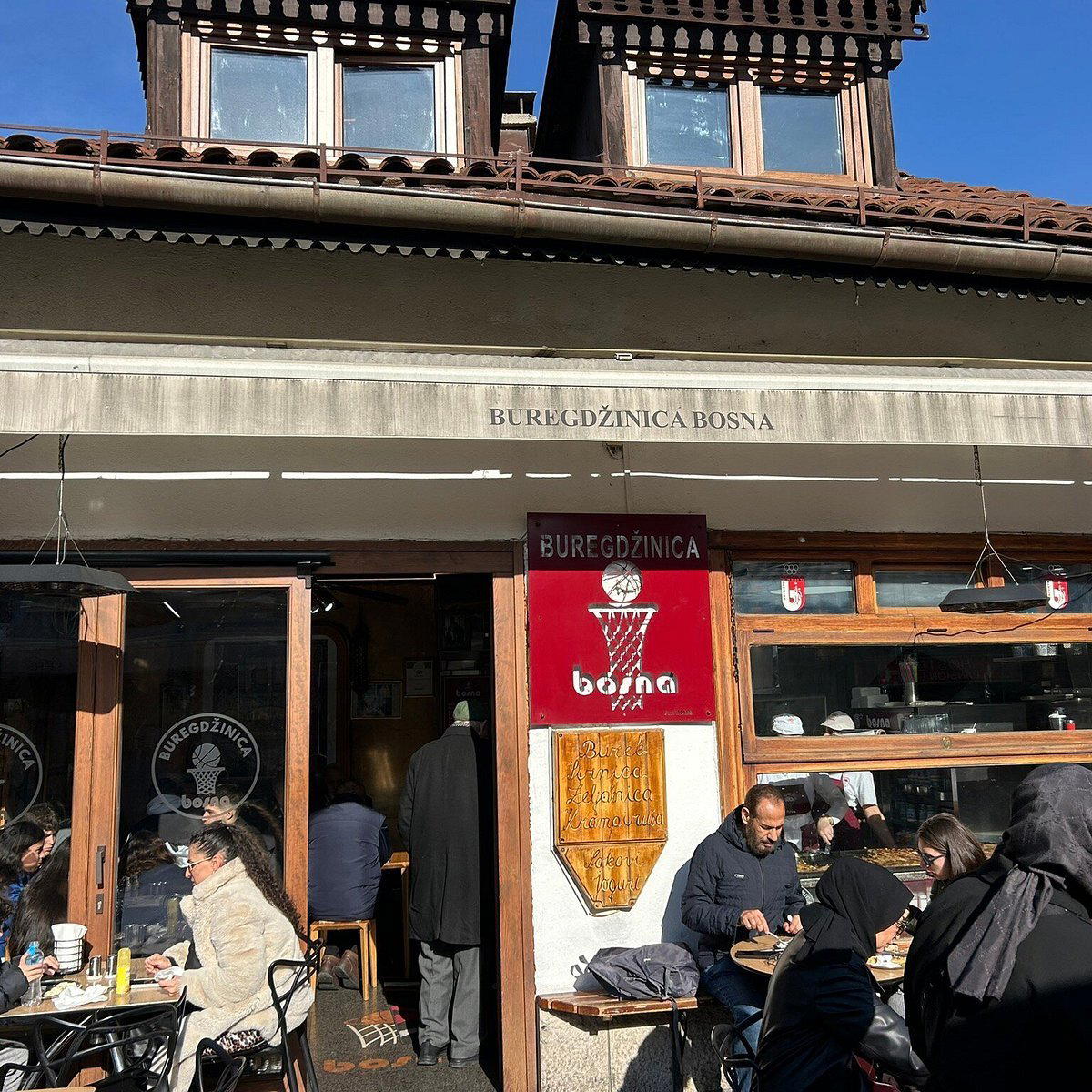
Where Burek Is a Civic Institution, Not a Menu Item
In Sarajevo, the question of where to eat burek is not treated casually. The city's buregdžinice, shops dedicated exclusively, or near-exclusively, to the production of burek and its close relatives, occupy a different cultural register than ordinary restaurants. They are working institutions, operating on cycles that predate tourism, shaped by a food tradition that arrived with the Ottoman Empire and was absorbed so thoroughly into Bosnian daily life that the pastry now reads as indigenous. Buregdžinica Bosna sits inside that tradition, in a city where the tradition is taken seriously and where local opinion on the matter is strong.
Burek, in its Bosnian form, is distinct from the broader category of phyllo-based pastries found across the former Ottoman world. In Bosnia, the term burek refers specifically to the meat-filled version, minced beef or lamb wrapped in hand-pulled dough, coiled or layered, and baked in large round trays. What gets sold alongside it, cheese-filled, spinach-filled, potato-filled, carries different names: sirnica, zeljanica, krompirusa. The distinction matters here. Locals who order burek and receive a cheese-filled variation elsewhere describe it as a category error. That specificity is part of what defines Sarajevo's relationship to this food.
The Format and What It Tells You
The buregdžinica format across Sarajevo is deliberately stripped down. There are no tasting menus, no seasonal rotations framed as concept. The offering is narrow by design: a small number of pastry types, priced by weight or portion, served with yoghurt on the side. The experience is built around speed and repetition rather than novelty, these shops typically open early and close once the trays are sold out. Arriving late carries real risk. That sell-out structure, common across the city's better-regarded buregdžinice, signals something about how the product is made: in fixed daily batches, by hand, with no industrial buffer.
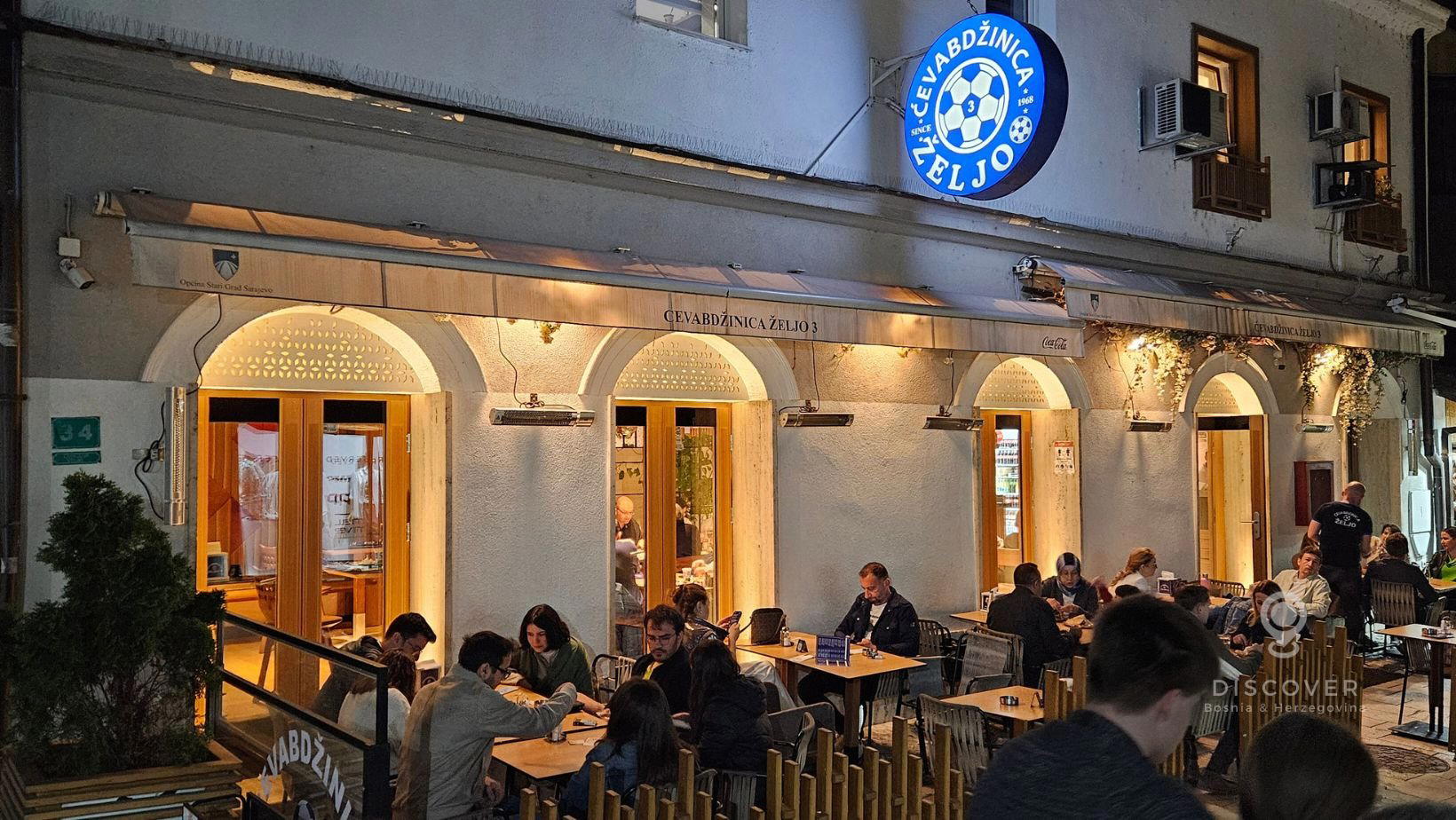
Sarajevo's burek culture has its own internal hierarchy. Visitors who cross-reference local opinion quickly find that a handful of names recur in the same breath, with Buregdžinica Bosna among them. Its peer group within the city includes Buregdžinica ASDŽ, another address with a committed local following, and Čevabdžinica Nune, which operates in the adjacent tradition of grilled meat. These are not interchangeable. Each draws a specific crowd, and the regulars tend to be territorial about the comparison.
Ottoman Roots, Local Identity
The history of burek in Bosnia follows the standard trajectory of Ottoman culinary exports: a technique and dish introduced during the 16th-century expansion of the empire, localised over centuries until the Ottoman origin became a secondary fact. What replaced it as the primary framing is Bosnian identity. This is not unusual, the same dynamic applies to coffee culture in the region, where Bosnian coffee (finely ground, unfiltered, served in a džezva) is fiercely distinguished from Turkish coffee despite sharing the same preparation method and historical lineage.
That insistence on local ownership of a shared heritage shapes how places like Buregdžinica Bosna function in the city's self-image. They are not curiosities for visitors. They are the places where Sarajevo residents go before work, between appointments, on weekends with family. The tourist layer exists, but it sits on top of a primary local function. That ordering matters when assessing what you are actually entering.
Sarajevo's Broader Eating Context
Sarajevo's food scene distributes itself fairly clearly between the older, craft-based formats, buregdžinice, ćevabdžinice, baklava shops in Baščaršija, and a newer generation of restaurants engaging with international cooking. Cakum-Pakum and Casa El Gitano represent the latter cohort, operating in a more contemporary idiom. burgrs Sarajevo occupies the casual international format. None of these displace the buregdžinica in local daily life, they occupy a different occasion entirely.
For visitors building a fuller picture of Bosnian eating, the city's traditional food formats are the more instructive starting point. Beyond Sarajevo, the broader Bosnian dining culture shows its range at places like Restaurant Goranci in Mostar and Konoba ROGIĆ in Trn, where regional ingredients and traditional techniques remain the primary frame. For a sense of scale across the region, the contrast with Dalmatian formats like Bistro Stari Grad in Metkovic is instructive, shared Ottoman and Adriatic histories producing quite different culinary outcomes depending on geography.
Planning Your Visit
The restaurant operates on the logic common to Sarajevo's serious burek shops: come early, or accept reduced selection. The shops in this category do not hold product through the day; baking happens in morning batches, and the better-regarded addresses in the city are known to sell through before midday on busy days. This is not a venue that requires reservations or advance planning beyond the timing question. Dress is irrelevant, the format is counter service, and the clientele runs from construction workers to university students to visiting journalists making the same pilgrimage. Yoghurt is the standard accompaniment; ordering it alongside is not optional in local practice, it is part of the dish.
Pricing, Compared
Comparable venues nearby, for context on price, style, and recognition.
| Venue | Cuisine | Price | Notes |
|---|---|---|---|
| Buregdžinica Bosna | Old Town, Bosnian Burek Specialist | $ | Not listed |
| Casa El Gitano | Not listed | $$ | central Sarajevo, Mediterranean with Italian, Spanish & Bosnian influences |
| Arigato | Čobanija, Japanese Sushi Bar | $$ | Not listed |
| burgrs Sarajevo | Dobrinje, American Smash Burgers | $ | Not listed |
| Buregdžinica ASDŽ | Not listed | $ | Baščaršija, Traditional Bosnian Pita & Specialties |
| Čevabdžinica Nune | city centre, Traditional Bosnian Ćevapi | $ | Not listed |

At a Glance
- Rustic
- Cozy
- Classic
- Casual Hangout
- Historic Building
- Street Scene
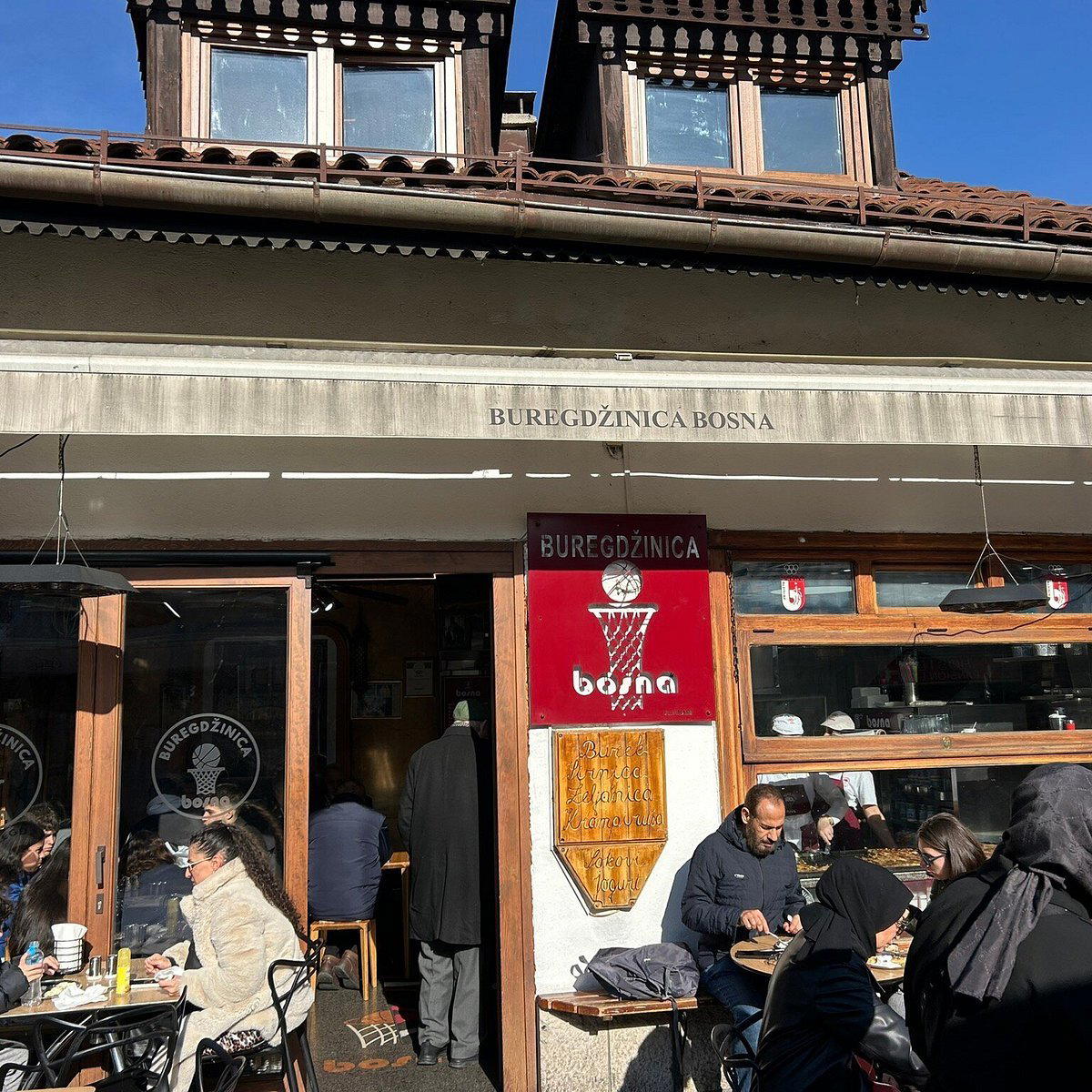
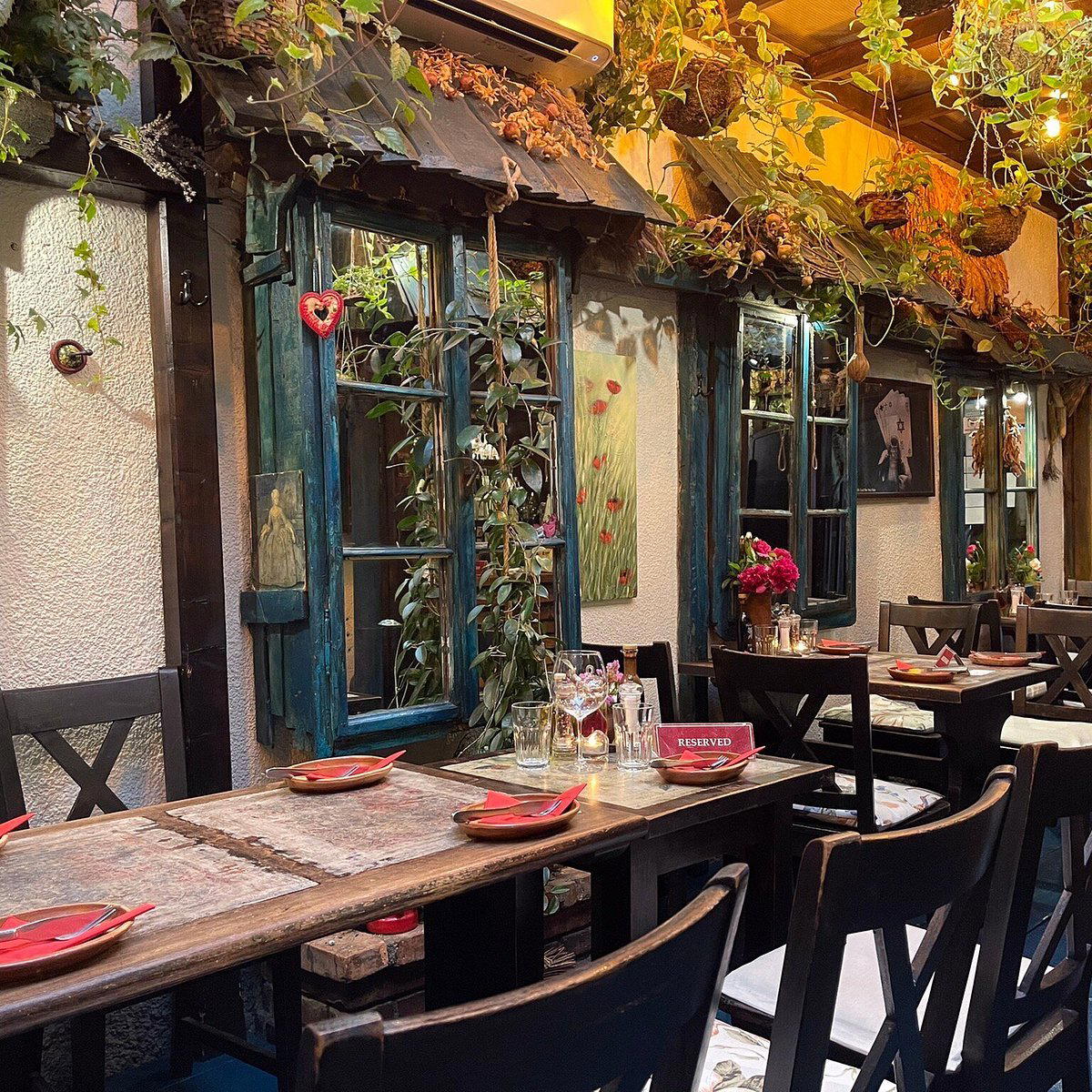
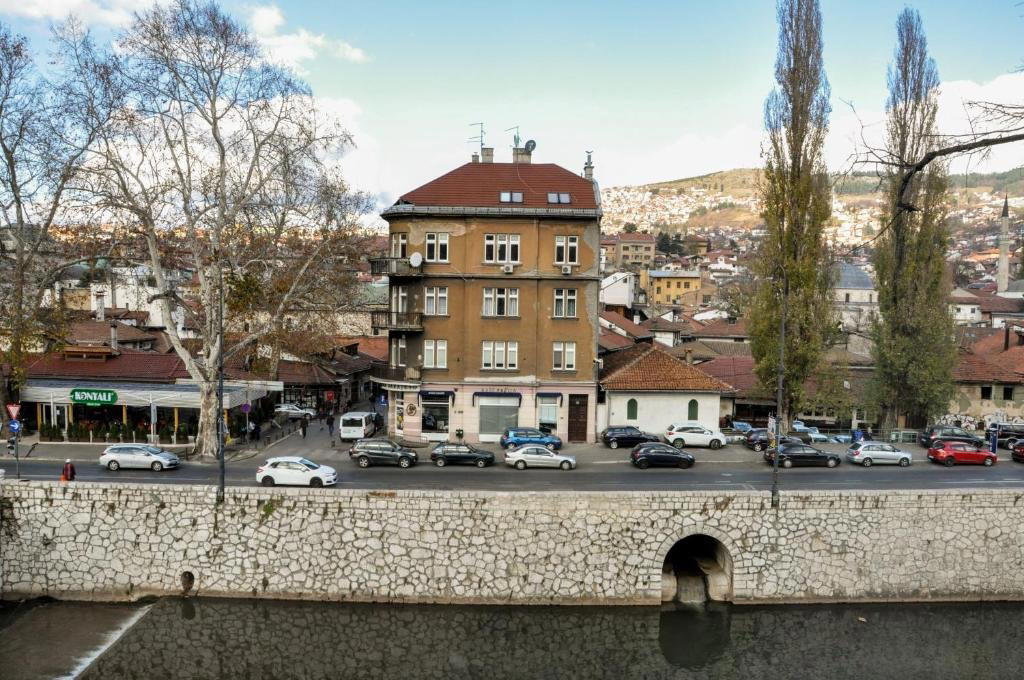
Casual and bustling atmosphere in Sarajevo's historic Old Town with a focus on quick, hearty pastry meals.