Coffee Zone
Coffee Culture on Fra Grge Martića Tuzla's café scene operates on a rhythm that most Central European cities abandoned decades ago. Mid-morning, the pavement fills; conversations run long; the coffee arrives without hurry and is consumed without...
 Discover on Pearl
Pearl is the En Primeur Club membership app — saves, bookings, and concierge access live there. Same editors, same standards.
- Address
- Fra Grge Martića 30, Tuzla Grad 75000, Bosnia & Herzegovina
- Phone
- +387603376248
- Website
- coffee-zone.weebly.com
Coffee Culture on Fra Grge Martića
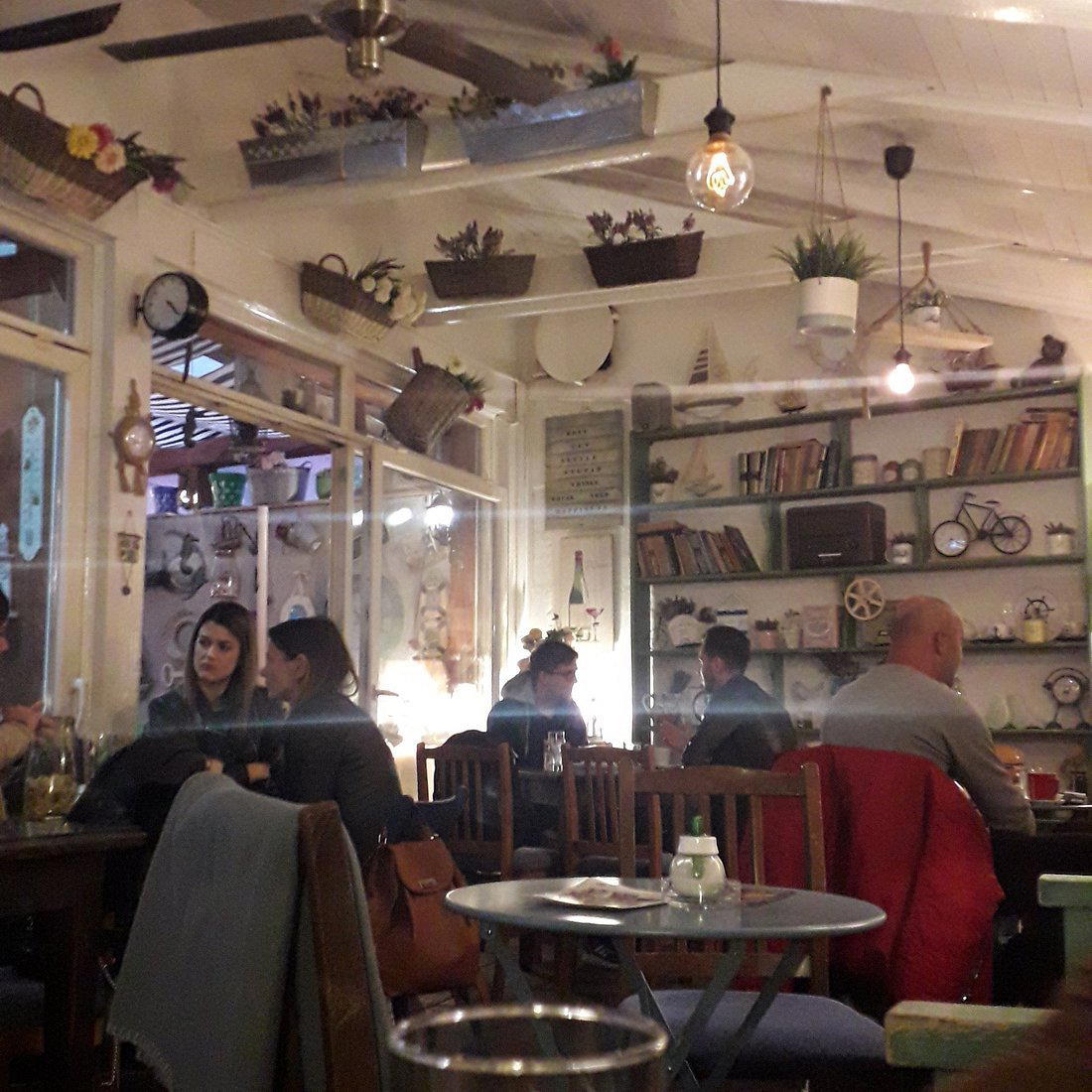
Tuzla's café scene operates on a rhythm that most Central European cities abandoned decades ago. Mid-morning, the pavement fills; conversations run long; the coffee arrives without hurry and is consumed without apology for the time it takes. Coffee Zone, located at Fra Grge Martića 30 in the Tuzla Grad centre, sits inside this tradition rather than apart from it. The address places it in a pedestrian-friendly stretch where the café functions less as a pit stop and more as a social institution, the kind of spot that anchors a neighbourhood's daily routine across generations.
Bosnia and Herzegovina carries one of the more specific coffee cultures in the Balkans. Bosnian coffee, served in a džezva with sugar on the side and a small sweet to accompany it, is a distinct preparation that resists comparison with Italian espresso or Turkish coffee despite sharing a lineage with both. The ritual matters as much as the liquid: the slow pour, the sediment left in the cup, the expectation that you will sit rather than stand. For visitors coming from the high-velocity café formats of Western Europe or North America, the difference in pace is one of the more immediately readable contrasts in local hospitality culture. Coffee Zone operates within that frame, which means the sourcing question starts not with origin certificates but with how the preparation tradition itself selects for quality.
Sourcing and the Local Supply Chain
Bosnia's café culture has historically relied on roasters operating across the former Yugoslav region, with Sarajevo-roasted blends holding a particular cultural authority. The supply geography matters here: Tuzla sits roughly 130 kilometres northeast of Sarajevo, and the city's cafés have long been supplied through distribution networks that run through the capital. What this means in practice is that the quality floor for coffee in a well-regarded Tuzla café is set by regional roasting standards that have been commercially stable for decades, not by single-origin micro-lot sourcing in the specialty coffee sense. That is neither a criticism nor a limitation; it is simply a different quality model, one rooted in consistency and cultural familiarity rather than in provenance differentiation.
The food offer at Bosnian cafés of this type typically leans on local bakeries and pastry suppliers rather than in-house production. Items such as burek, pita, or locally produced sweets are often sourced daily from nearby producers whose output reflects the same regional tradition the café itself represents. Without confirmed menu data in our records for Coffee Zone specifically, the broader pattern in Tuzla's café category is clear enough to contextualise the visit: expect locally oriented, regionally sourced accompaniments rather than imported or chef-driven food programs. For comparison, cafés operating at a similar register across Bosnia, from Caffe Restaurant Soho in Istocno Sarajevo to more informal stops in smaller towns, share this supply logic.
Where Coffee Zone Sits in Tuzla's Café Tier
Tuzla is not a city that has developed a premium dining circuit in the way that Sarajevo has, and its café segment reflects that. The city's most respected spots compete on atmosphere, consistency, and the quality of their social environment rather than on culinary credentials or international recognition. Coffee Zone's Fra Grge Martića address puts it in the commercial heart of Tuzla Grad, which is both an advantage and a signal: this is a location chosen for visibility and footfall, not for the kind of destination dining that requires a journey. That positioning places it closer in character to neighbourhood institutions than to the higher-stakes dining experiences found at, say, Kazamat in Banja Luka or the more formally structured dining of Restaurant Goranci in Mostar.
Coffee Zone registers as a daytime café stop rather than a dinner destination. The distinction matters for planning: this is where you account for the hours between morning arrival and an evening meal at a more substantive operation, not where you book in advance.
Practical Information
Coffee Zone is located at Fra Grge Martića 30, Tuzla Grad 75000, Bosnia and Herzegovina. The address is walkable from the city centre and accessible by foot from Tuzla's main commercial streets. Walk-in is standard. Open daily from 7 AM to 11 PM. Price per person is about $5.
How It Stacks Up
Comparable venues nearby, for context on price, style, and recognition.
| Venue | Cuisine | Price | Awards | Notes |
|---|---|---|---|---|
| Coffee ZoneThis venue — the venue you are viewing | Cafe & Coffee Shop | $ | , | |
| Šadrvan | Traditional Bosnian | $$ | , | Old Town |
| Buregdžinica Bosna | Bosnian Burek Specialist | $ | , | Old Town |
| Bistro Stari Grad | Grill and Eastern European | $ | , | Metkovic |
| Konoba ROGIĆ | Traditional Bosnian Grill | $$ | , | Trn |
| burgrs Sarajevo | American Smash Burgers | $ | , | Dobrinje |
At a Glance
- Cozy
- Casual
- Hidden Gem
- Casual Hangout
- After Work
- Solo
- Standalone
- Beer Program
Warm and inviting local atmosphere with distinctive decor that sets it apart from typical cafes; frequented by students and residents seeking quality coffee and casual socializing.