On Pannierstraße in Neukölln, Kramer Restaurant occupies a address that tells you something about Berlin's dining culture: neighbourhoods once bypassed by fine-dining circuits now hold restaurants that draw regulars from across the city. The crowd here returns not for spectacle but for consistency, the kind of cooking that rewards repeat visits with small discoveries rather than grand gestures.
Pearl is the En Primeur Club membership app — saves, bookings, and concierge access live there. Same editors, same standards.
- Address
- Pannierstraße 41, 12047 Berlin, Germany
- Phone
- +493050565738
- Website
- kramerberlin.com
- Directions
- Get directions
 Saves & bookings on Pearl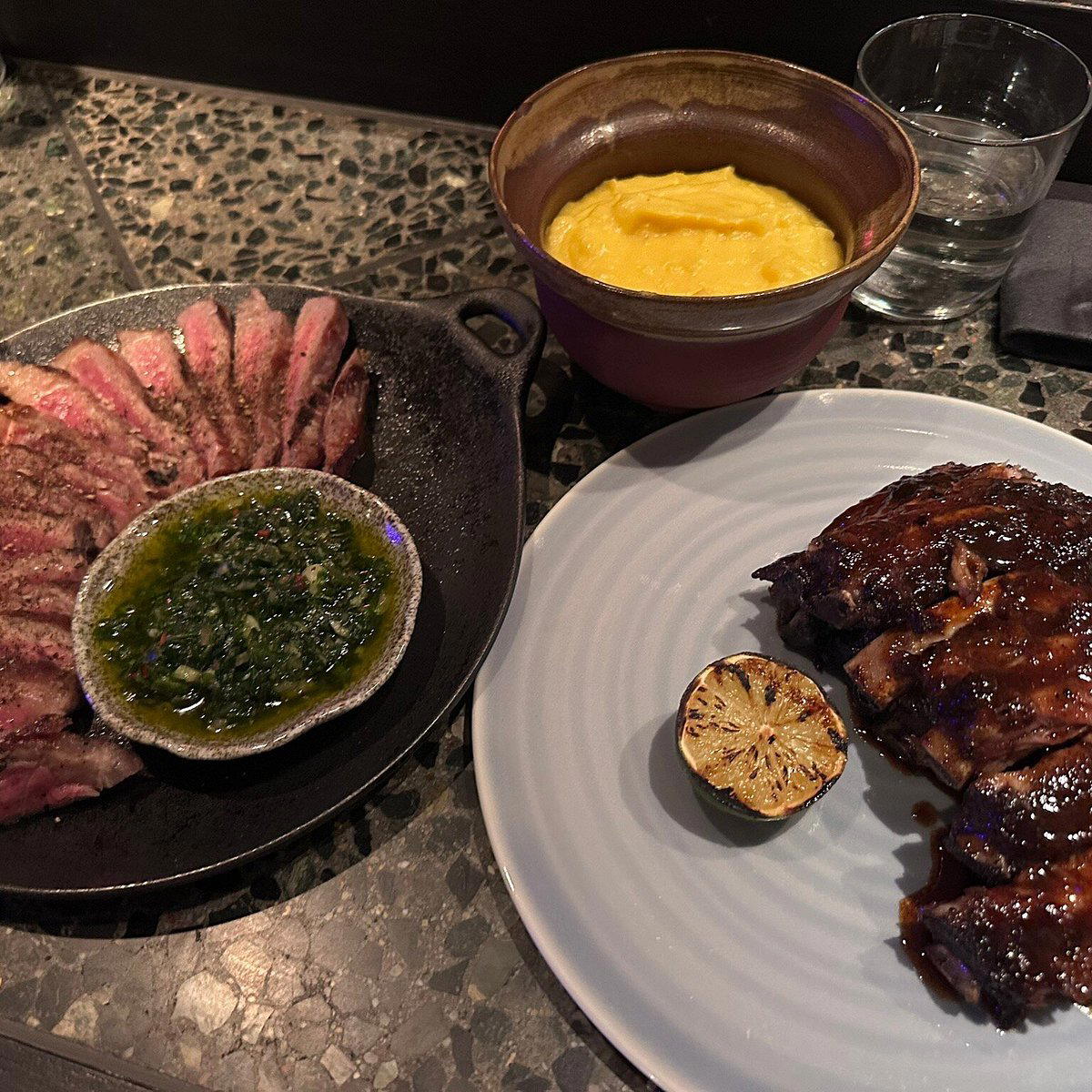
Pannierstraße and the Neukölln Dining Shift
Neukölln's transformation from overlooked district to one of Berlin's more interesting dining corridors happened gradually, then all at once. The pattern is familiar in European cities: rents that made ambitious cooking financially viable, a local population that valued craft over polish, and a slow accumulation of restaurants that drew people out of Mitte and Prenzlauer Berg. Pannierstraße 41 sits inside that shift. Kramer Restaurant is a Berlin restaurant in Neukölln serving modern open fire fusion at about $60 per person.
What Regulars Come Back For
The regulars' perspective is usually one reliable indicator of what a restaurant actually does well, as opposed to what it does for first impressions. At Neukölln addresses in this tier, the repeat customer is typically drawn by a kitchen that holds its level across visits rather than one that peaks on a well-staffed Saturday and loses coherence midweek. The informal end of Berlin's dining scene has produced some of the city's more consistent cooking precisely because the economics require it: without a tourist influx or a reservations waiting list, the local crowd is the business model.
What keeps a neighbourhood crowd returning tends to be a combination of product reliability, portion honesty, and a room that doesn't require performance from the diner. Berlin's more serious neighbourhood restaurants have absorbed lessons from both the German tradition of substantive, ingredient-led cooking and the city's own low-ceremony register. The result, at its most effective, is food that reads as simple but sits on technique, the kind of plate that a first-time visitor might underestimate and a regular has learned to trust.
Compare that to the controlled-environment formality of Restaurant Tim Raue, where every element is calibrated for occasion dining, and the difference in intent is legible from the address outward.
Berlin's Neighbourhood Restaurant Circuit
Germany's premium dining map has historically concentrated its headline addresses outside Berlin. The country's most decorated restaurants, Aqua in Wolfsburg, Schwarzwaldstube in Baiersbronn, Vendôme in Bergisch Gladbach, Victor's Fine Dining by Christian Bau in Perl, Waldhotel Sonnora in Dreis, cluster in smaller cities and rural settings where the destination-restaurant model is viable. Berlin's dining identity has consequently developed along different lines: the city produces a high volume of neighbourhood restaurants with strong local followings rather than a single dominant fine-dining corridor.
That pattern means a restaurant on Pannierstraße operates in a market shaped more by walked-in regulars and word-of-mouth than by guidebook placement. For visitors accustomed to using award tiers as navigation tools, this can make places like Kramer harder to locate in the critical record. But the absence of formal recognition is not in itself a quality signal. Several of Berlin's most-visited neighbourhood addresses carry no stars and appear in no ranked lists. Their status is local and oral, which means it takes longer to reach but tends to be more durable.
Neukölln's Position in the City's Eating Geography
Among Berlin's dining districts, Neukölln holds a particular position. It lacks the institutional polish of Mitte and the established cafe culture of Prenzlauer Berg, but it has produced a denser cluster of independently operated restaurants than most comparable districts in German cities of similar size. The neighbourhood's eating geography rewards exploration on foot: a single block on or near Pannierstraße can move between formats and price points in a way that more curated dining streets don't allow.
That plurality is part of what makes neighbourhood restaurants in this part of the city function differently from their counterparts in, say, Hamburg's Haerlin-adjacent dining circuit or the destination-restaurant settings around JAN in Munich, Schanz in Piesport, or Bagatelle in Trier. Those addresses ask the diner to arrive with a plan. A Neukölln restaurant asks for less ceremony and returns the favour with a room that belongs to its street rather than existing apart from it.
The city does not do ceremony for its own sake, and Neukölln does it less than most. What it offers instead is cooking directed at people who will be back next week, which tends to produce a different and often more honest result than cooking directed at people who are making a single visit count.
This is also, ultimately, what the regulars' perspective reveals: not that Kramer is operating below some threshold that formal recognition would fix, but that it is operating for a different audience with different priorities. The restaurant's address on Pannierstraße is not incidental, it places it inside a neighbourhood that has self-selected for exactly that kind of eating. The crowd that returns does so because the room and the food ask nothing extra of them, and deliver something reliable in exchange. In a city with as many options as Berlin, that is a harder thing to maintain than it looks.
Know Before You Go
- Address: Pannierstraße 41, 12047 Berlin, Germany
- District: Neukölln
- Phone: Not listed
- Website: Not listed
- Booking: Reservations recommended
- Getting there: U-Bahn line U8, Boddinstraße or Hermannstraße stations; short walk to Pannierstraße
Comparable Venues
Comparable venues nearby, for context on price, style, and recognition.
| Venue | Cuisine | Price | Notes |
|---|---|---|---|
| Kramer RestaurantThis venue — the venue you are viewing | Modern Open Fire Fusion | $$$ | Not listed |
| BURRO UNCHAINED | Modern Mexican-European Fusion | $$$ | Neukolln |
| Restaurant Sara & Gogi | Georgian-Israeli Fusion | $$$ | Charlottenburg |
| Baret | Modern International with Indonesian Influences | $$$ | Museuminsel |
| Blend Restaurant | International Fusion | $$$ | Tiergarten |
| CARTE BLANCHE | French Brasserie | $$$ | Tiergarten |
Continue exploring
More in Berlin
Restaurants in Berlin
Browse all →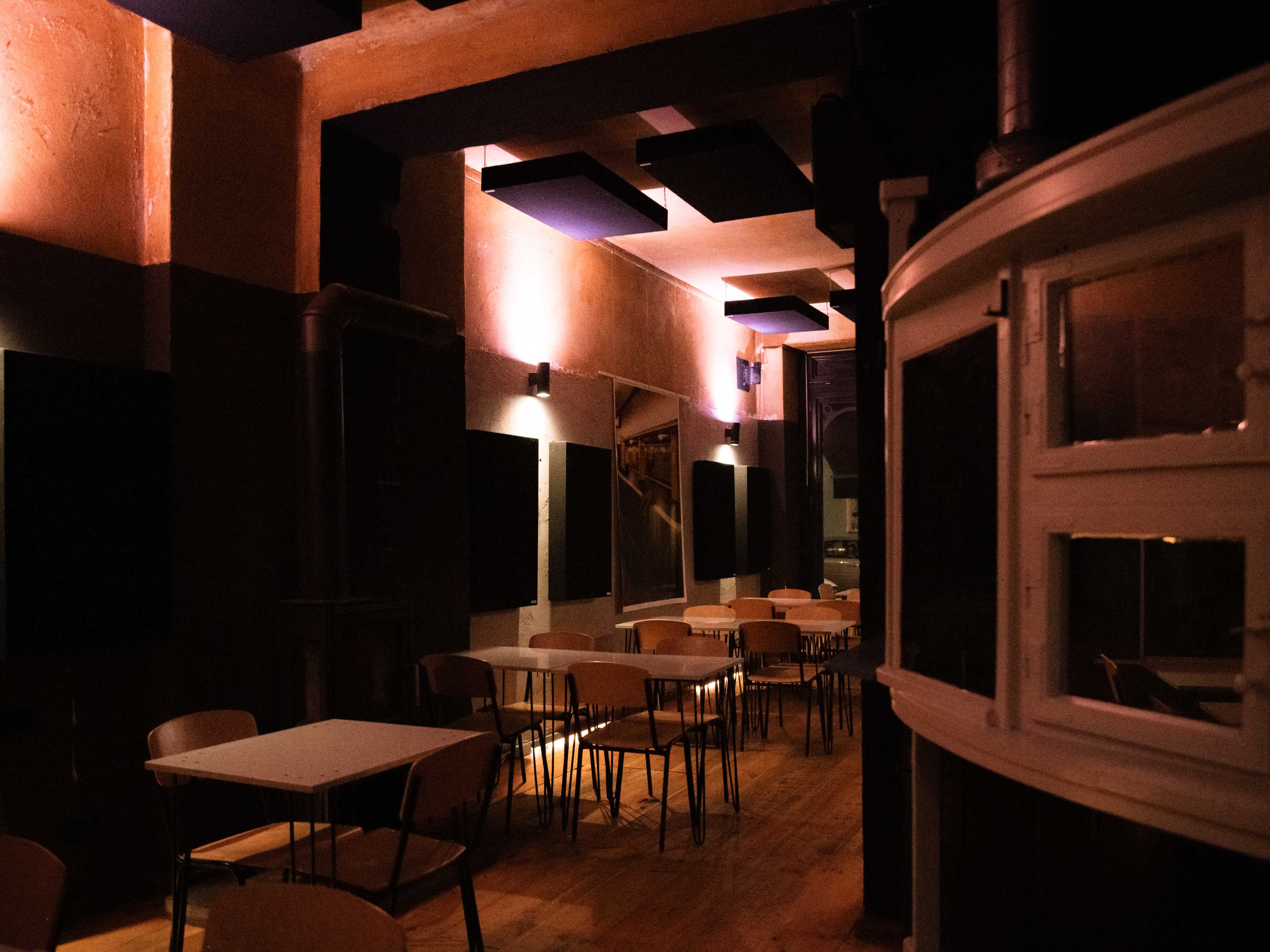
Bars in Berlin
Browse all →
Hotels in Berlin
Browse all →
Wineries in Berlin
Browse all →
At a Glance
- Modern
- Cozy
- Lively
- Trendy
- Date Night
- Special Occasion
- Group Dining
- Open Kitchen
- Craft Cocktails
Current opening hours
- Monday
- Closed
- Tuesday
- 6 PM–12 AM
- Wednesday
- 6 PM–12 AM
- Thursday
- 6 PM–12 AM
- Friday
- 6 PM–1 AM
- Saturday
- 6 PM–1 AM
- Sunday
- Closed
Hours can change for holidays and private events. Last verified .
Modern industrial atmosphere with recycled materials, warm lighting from the crackling open fire and kitchen, plants hanging from the ceiling, and an energetic yet cozy vibe.