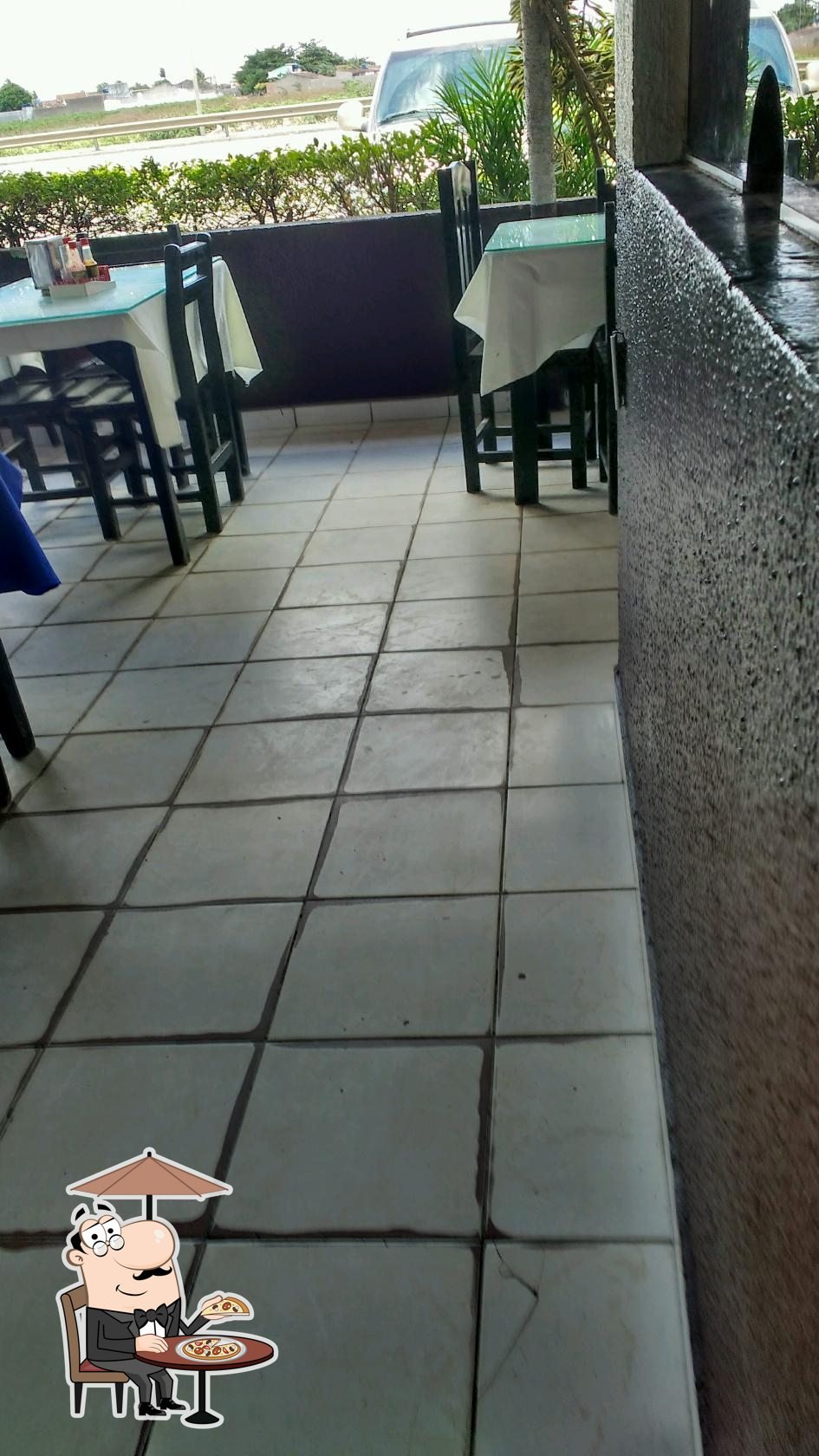
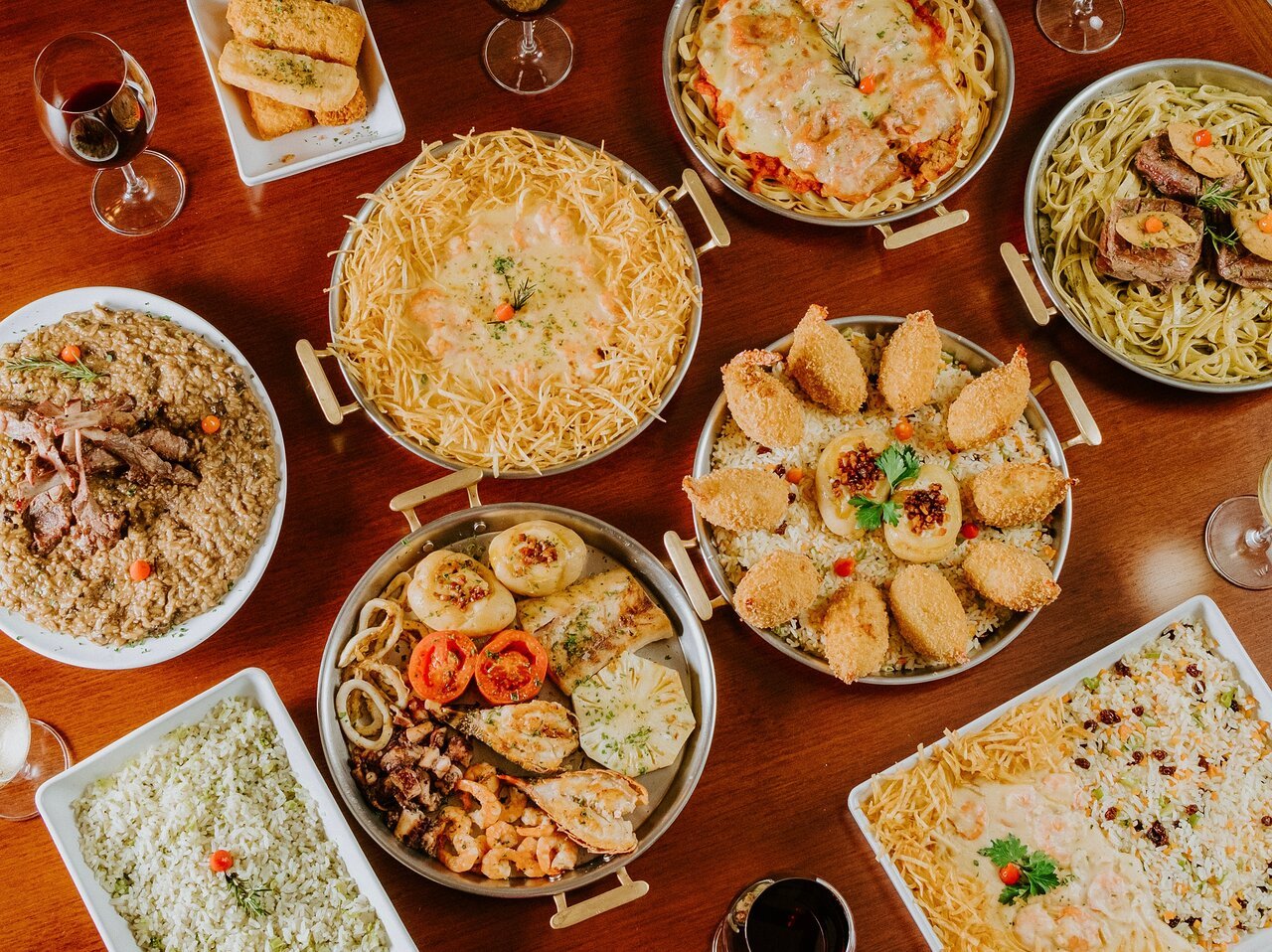
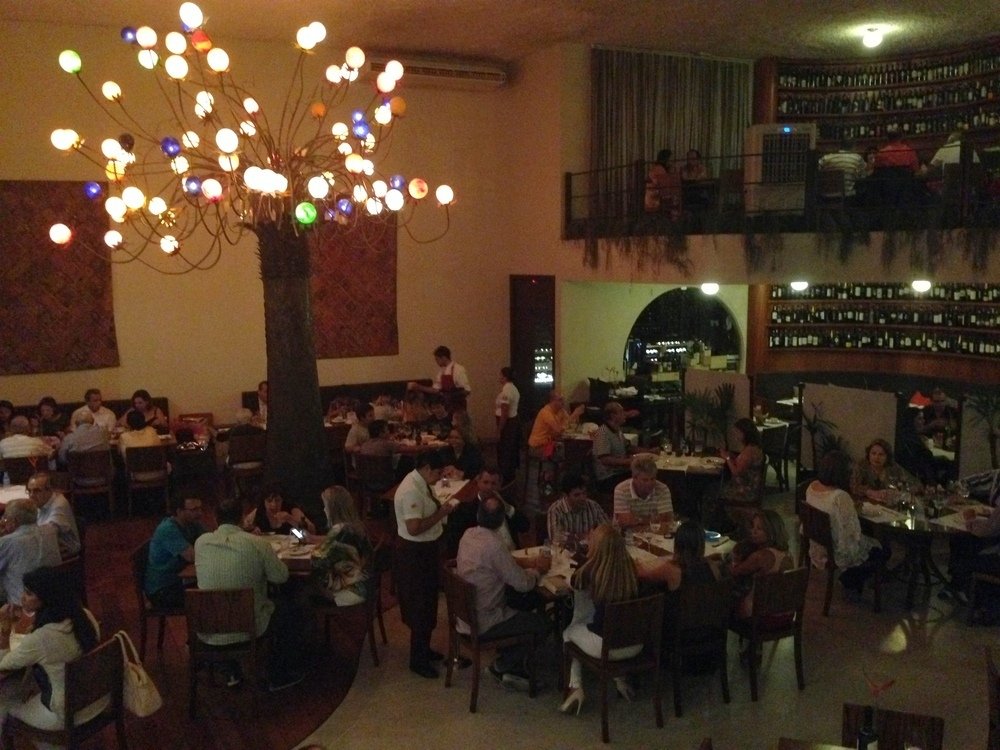
In Atalaia, Aracaju's coastal strip where the Sergipe dining scene presses closest to the Atlantic, Carro de Bois occupies a stretch of Rua Niceu Dantas that draws locals for the kind of cooking rooted in the northeast Brazilian pantry. The name itself — ox cart — signals an allegiance to inland tradition and agricultural supply chains that define Sergipe's table more honestly than any imported technique could.
 Discover on Pearl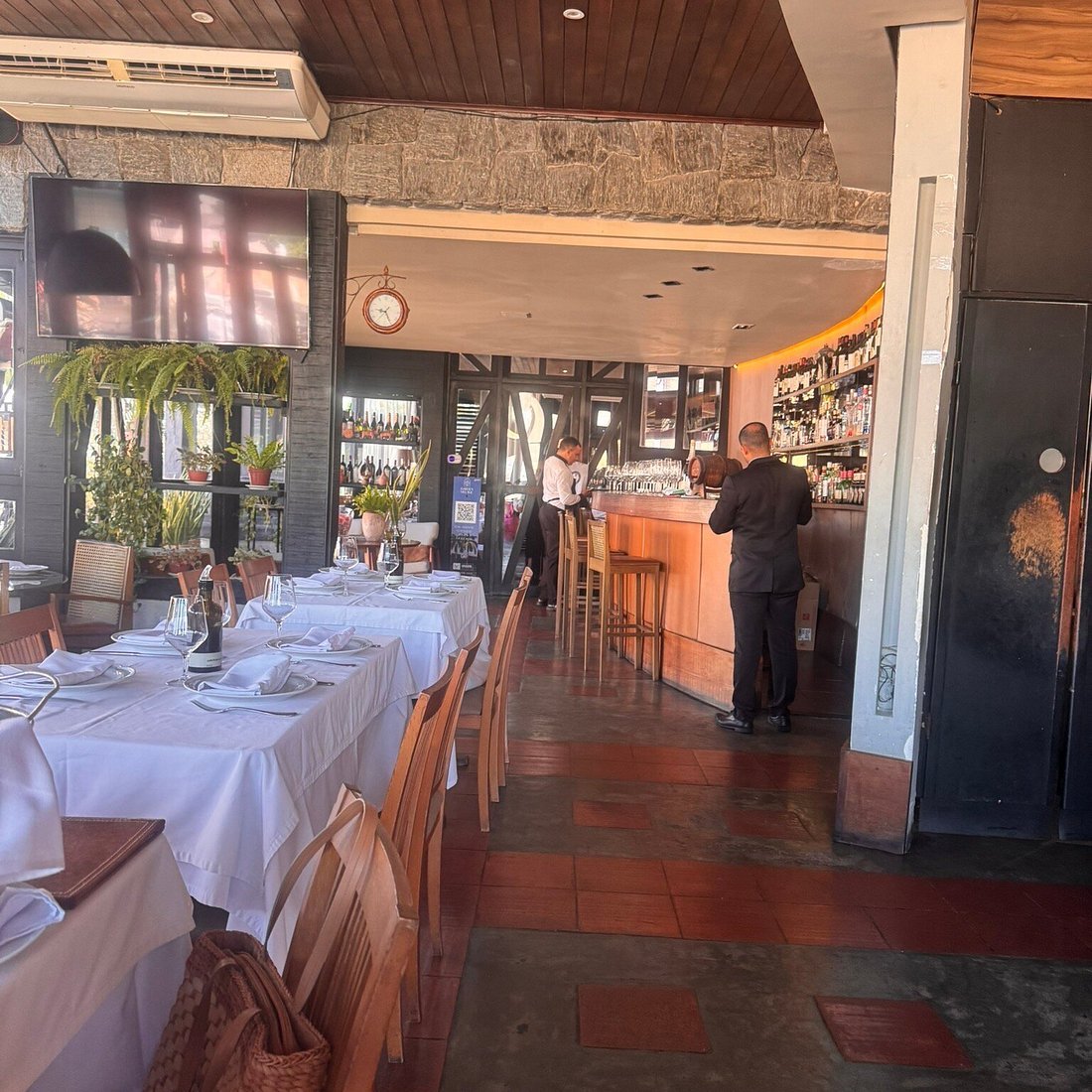
Where Sergipe's Larder Meets the Table
The northeast Brazilian interior has always fed its coast differently than the south feeds its cities. In Sergipe, the smallest state in Brazil, the supply chain from sertão to shore is short enough that what arrives on a plate in Aracaju often left a farm or a river that morning. That proximity is the defining condition of the local dining scene, and it sets restaurants here apart from the flashier Brazilian addresses — the Oteque in Rio de Janeiro or D.O.M. in São Paulo — which must work harder to source what Aracaju tables take for granted.
Carro de Bois, addressed at Rua Niceu Dantas 1040 in the Atalaia neighbourhood, sits in that context. Its name translates literally as ox cart, the vehicle that carried provisions across the Brazilian northeast for centuries before refrigerated logistics arrived. That reference is not decorative. It positions the restaurant inside a culinary tradition that values the journey of an ingredient from source to kitchen as a point of identity, not merely a supply-chain footnote.
Atalaia and the Logic of Coastal Sergipe Dining
Atalaia is Aracaju's beachfront strip, where the city's dining options concentrate along the waterfront and push inland through a grid of residential streets. The neighbourhood functions as a testing ground for what Sergipe's hospitality sector is willing to offer: part resort-town casual, part locally serious, with a handful of addresses that take the regional pantry as their actual subject rather than their backdrop. Carro de Bois on Rua Niceu Dantas sits inside that more considered tier, where the address implies a kitchen paying attention to where things come from. For broader context on where this fits within the city's eating options, see our full Aracaju restaurants guide.
The northeast Brazilian table is built from a different set of building blocks than the Minas Gerais comfort cooking that defines places like Birosca S2 in Belo Horizonte, or the Bahian axé-inflected cooking of Manga in Salvador. Sergipe's version draws on sun-dried meats, fresh and dried river fish, manioc in multiple preparations, and the particular dairy culture of the agreste , the transitional zone between the humid coast and the arid sertão. These are not specialty ingredients that require sourcing networks. They are the default pantry, available weekly at markets that have run on the same produce logic for generations.
The Ox Cart as Sourcing Philosophy
In a country where Brazilian fine dining has increasingly concentrated its prestige conversation around a small cluster of cities , the tasting-menu tier represented by addresses in Rio, São Paulo, and Curitiba including Manu in Curitiba , the northeast has developed a parallel track. It is less interested in technique as performance and more attentive to ingredient fidelity, where the sourcing story is the substance of the meal rather than its framing narrative. Carro de Bois's name aligns it with that approach: the ox cart was not a symbol of artisanal romance but a functional logistics system, a means of moving real food from where it grew to where it was needed.
That ethos connects this address to a wider movement across Brazil's less-covered regions, where restaurants in smaller cities have built identities around proximity to supply rather than proximity to technique trends. Comparable patterns appear in coastal Bahia at addresses like Orixás North Restaurant in Itacaré, and in the Amazonian context at Lobby Café in Belém, where local botanical supply chains shape menus more directly than any imported framework could. The underlying logic is the same: the region's leading argument for distinction is what grows, swims, or grazes within reach, not what can be replicated from a culinary capital's playbook.
Internationally, the conversation around sourcing-led restaurants has grown more sophisticated over the past decade. Addresses like Le Bernardin in New York City and Lazy Bear in San Francisco have built sustained reputations on product-first philosophies in very different contexts. The principle travels, even if the ingredients do not. What makes Sergipe's version interesting is that the sourcing argument is not a positioning choice so much as a structural condition: the local supply is simply what exists, and cooking honestly within it is less a philosophy than a practical starting point.
Placing Carro de Bois in Brazil's Regional Dining Picture
Brazil's dining geography is still in the process of being mapped by serious attention. The prestige circuit , awards cycles, major press coverage, the fine-dining tasting menu conversation , continues to run heaviest through Rio and São Paulo. But there is a secondary tier of addresses across states like Sergipe, Espírito Santo, and Mato Grosso that operate on entirely different terms, building menus from what their immediate environment produces rather than from what the national culinary conversation expects. Restaurants like State of Espírito Santo in Rio Bananal and Açaí Cuiabano in Cuiabá operate within that framework.
Within Sergipe specifically, Carro de Bois represents a strand of cooking that carries the region's agricultural and fishing heritage as its explicit subject. The northeast's dried-meat tradition , carne de sol, charque, buchada , and its freshwater fish repertoire from the São Francisco river basin give a kitchen here access to ingredients that have no direct equivalent in the south or southeast. A cook using them is not importing a trend; they are working with what their geography produces.
Planning Your Visit
Carro de Bois is at Rua Niceu Dantas 1040, in the Atalaia neighbourhood of Aracaju. Atalaia is accessible by taxi or rideshare from the city centre in under fifteen minutes, and the neighbourhood itself is walkable once you arrive. Given the limited publicly available information about hours and booking method, direct contact with the restaurant before visiting is advisable, particularly on weekends when Atalaia draws additional foot traffic from Sergipe's broader coastal tourism. Aracaju is served by Aeroporto Santa Maria, with connections to major Brazilian hubs. Those building a longer itinerary through Brazil's northeast might pair this stop with visits to Orixás North Restaurant in Itacaré or Manga in Salvador, both operating in related regional-sourcing territory further along the Bahian coast.
For those mapping a wider Brazilian dining circuit, the contrast between Carro de Bois's regional-pantry approach and the tasting-menu registers of Mina in Campos do Jordão or Primrose in Gramado is instructive. Both tracks are legitimate; they simply argue for different things. The Atalaia address argues for Sergipe's larder, and on that particular subject, it has the shortest supply chain of almost any address on the national map.
Fast Comparison
These are the closest comparables we have in our database for quick context.
| Venue | Cuisine | Price | Awards | Notes |
|---|---|---|---|---|
| Carro de Bois | This venue | |||
| Oteque | Modern Brazilian, Modern Cuisine | $$$$ | Michelin 2 Star | Modern Brazilian, Modern Cuisine, $$$$ |
| D.O.M. | Modern Brazilian, Creative | $$$$ | Michelin 2 Star | Modern Brazilian, Creative, $$$$ |
| Evvai | Contemporary Italian, Modern Cuisine | $$$$ | Michelin 2 Star | Contemporary Italian, Modern Cuisine, $$$$ |
| Lasai | Regional Brazilian, Modern Cuisine | $$$$ | Michelin 2 Star | Regional Brazilian, Modern Cuisine, $$$$ |
| Maní | Brazilian - International, Creative | $$$ | Michelin 1 Star | Brazilian - International, Creative, $$$ |