Our verdict
Maria Antonieta sits in the Jatiúca district of Maceió, Alagoas, a city whose coastal geography and Northeastern ingredient traditions place it at a meaningful distance from Brazil's better-documented dining circuits. The restaurant engages with that local context directly, drawing on the agricultural and maritime resources that define the region's table. For travelers arriving from São Paulo or Rio, it represents a different register of Brazilian cooking entirely.

Pearl is the En Primeur Club membership app — saves, bookings, and concierge access live there. Same editors, same standards.
- Address
- Av. Dr. Antônio Gomes de Barros, 150 - Jatiúca, Maceió - AL, 57036-000, Brazil
- Phone
- +558232028828
- Hours
- Daily 12 PM–12 AM
- Website
- mariaantonieta-al.com.br
- Directions
- Get directions
- Booking
- Book on the venue's website
The menu
What to order
- Fettuccini ao Formaggi
- Berinjela alla Parmigiana
Maceió's Ingredient Geography, and Where Maria Antonieta Fits
Alagoas sits in Brazil's Northeast, a region whose food culture tends to be discussed in terms of folklore rather than fine dining. That framing undersells what the state actually produces. The lagoon systems behind Maceió's coastline yield some of the country's most distinctive freshwater and brackish-water seafood. The agreste interior supplies cassava, native peppers, and sun-dried meats that form the backbone of Northeastern cooking. Jatiúca, the beachside neighborhood where Maria Antonieta is located on Av. Dr. Antônio Gomes de Barros, sits close enough to both supply chains to make ingredient provenance a practical reality rather than a marketing claim.
That geography matters more than it might seem. In Brazil's established fine dining centers, ingredient sourcing has become a deliberate editorial position — kitchens at places like D.O.M. in São Paulo or Lasai in Rio de Janeiro have spent years building supplier relationships that justify the story they tell. In Maceió, that relationship is more immediate. The distance between the fishing boats and the kitchen is shorter, and the seasonal volatility is more visible on the plate. What arrives depends on what the lagoons and the coast are producing on a given week.
The Jatiúca Setting: What the Neighborhood Tells You
Jatiúca is Maceió's most concentrated strip of mid-to-upper dining, running along the oceanfront and the streets immediately behind it. It operates at a different register from the city center, drawing a mix of local professionals, tourists arriving from Recife or São Paulo, and the kind of repeat visitor who returns specifically for the seafood. The neighborhood has not developed the international visibility of, say, a coastal dining district in São Paulo, which means the restaurants operating there are still priced and programmed primarily for a domestic audience with genuine regional expectations rather than for incoming luxury tourism.
That audience tends to be exacting about ingredient quality in a way that is less forgiving than international tourist trade. A diner from Maceió who grew up eating sururu — the small, intensely flavored mussels harvested from the Mundaú lagoon, will notice immediately if what arrives at the table was not sourced locally. That informal accountability shapes what Jatiúca restaurants can and cannot get away with.
Regional Cooking as a Competitive Position
The broader Brazilian dining conversation has shifted considerably in the past decade. The country's most discussed kitchens have moved toward rigorous regional sourcing, with Northeastern ingredients specifically gaining more attention at the national level. What was once considered provincial, baião de dois, carne de sol, lagoon crustaceans, native fruit from the caatinga, now appears on tasting menus in São Paulo and Rio as evidence of culinary seriousness. Maria Antonieta, operating in the region where those ingredients are simply local, occupies a different position in that conversation. It is not importing Northeastern identity; it is working inside it.
The relevant comparison is not with other neighborhood restaurants in Jatiúca, nor with the big-ticket tasting menu houses in the South and Southeast. It sits closer to establishments like Restaurante Janga Praia, which also operates within Maceió's specific coastal ingredient environment. Across Brazil, regional kitchens working seriously with local supply chains, whether at Bistro Fitz Carraldo in Manaus drawing on Amazonian produce, or Madê in Santos working the São Paulo coastal fishery, represent an emerging tier of place-specific dining that operates independently of the conventional award circuits.
What Sourcing Looks Like in This Context
The ingredients that define Northeastern Alagoano cooking are not interchangeable with products from other regions. Sururu from the Mundaú lagoon has a salinity profile shaped by the specific mix of freshwater and seawater in that system. Pitu, the large freshwater crayfish found in Alagoas's river systems, is not the same creature as the lagosta (spiny lobster) served along Brazil's more commercialized coastal stretches. Macaxeira, the regional variety of cassava, behaves differently in preparation than the commodity cassava processed for national distribution. A kitchen that sources carefully within this ecosystem is working with raw material that has genuine specificity, not merely the claim of specificity.
This is the evaluative frame that applies to Maria Antonieta. The question is not whether the menu sounds regionally ambitious, it is whether the sourcing is tight enough that the ingredient geography of Alagoas is actually legible on the plate. That is a harder standard to meet than producing a menu that lists regional dish names, and it is the standard by which Jatiúca's more serious restaurants are judged by the local diners who know what the real thing tastes like. For broader context on where Maria Antonieta sits within Maceió's dining options, our full Maceió restaurants guide maps the city's range by neighborhood and format.
Planning Your Visit
Maria Antonieta is located at Av. Dr. Antônio Gomes de Barros, 150 in the Jatiúca district of Maceió, Alagoas. Jatiúca is accessible from Maceió's center by taxi or rideshare in under twenty minutes, and the beachfront strip is walkable once you arrive. Maceió is served by Zumbi dos Palmares International Airport, with direct connections from São Paulo, Rio de Janeiro, Recife, and Brasília. The drier months between September and February tend to draw the highest visitor volume to the city's beaches, which places pressure on Jatiúca restaurants during that window. Visiting outside peak beach season, particularly in the first half of the year, tends to offer more availability and more consistent kitchen attention. Travelers interested in comparisons across Brazil's regional dining scene may find it useful to cross-reference what other kitchens are doing at different price points and geographies, from Cantina Pozzobon in Santa Maria to Casa da Flor Restaurante in Dourados.
Frequently asked questions
Where do I go for Maria Antonieta?
Maria Antonieta is located at Av. Dr. Antônio Gomes de Barros, 150 - Jatiúca, Maceió - AL, 57036-000, Brazil, Maceio.
Does Maria Antonieta focus specifically on Alagoas regional cooking rather than broader Brazilian cuisine?
The restaurant's positioning in Jatiúca, Maceió is tied to the ingredient geography of Alagoas and the broader Northeast Brazilian food tradition, rather than the São Paulo or Rio-driven contemporary Brazilian dining scene. That distinction matters: the sourcing emphasis on locally specific products like those from the Mundaú lagoon gives the cooking a regional specificity that separates it from restaurants serving a generic national menu. For a visitor to Maceió, that regional focus is the defining reason to choose this address over a more internationally framed alternative.
What's the must-try dish at Maria Antonieta?
The kitchen's identity is rooted in Northeastern Alagoano ingredients, which means preparations built around products like sururu from the Mundaú lagoon are the most direct expression of what the restaurant does. Specific menu items are not publicly fixed, so asking the staff what is sourced locally that day is the practical approach. That kind of in-house guidance will point you toward the dishes that reflect the current season and supply.
How far ahead should I plan for Maria Antonieta?
Maria Antonieta sits in Jatiúca, Maceió's most concentrated strip of mid-to-upper dining, which means competition for tables at this level is real. Booking at least several days ahead is advisable, particularly on weekends or during peak coastal travel periods in Alagoas. Contact details are best confirmed through local reservation platforms or by reaching the venue directly at its Av. Dr. Antônio Gomes de Barros, 150 address.
A Quick Peer Check
Comparable venues nearby, for context on price, style, and recognition.
| Venue | Cuisine | Price | Awards | Notes |
|---|---|---|---|---|
| Maria AntonietaThis venue — the venue you are viewing | Italian Seafood Fine Dining | Not listed | Not listed | Not listed |
| Restaurante Janga Praia | Modern Brazilian Seafood | $30–50 | Not listed | Ponta Verde |
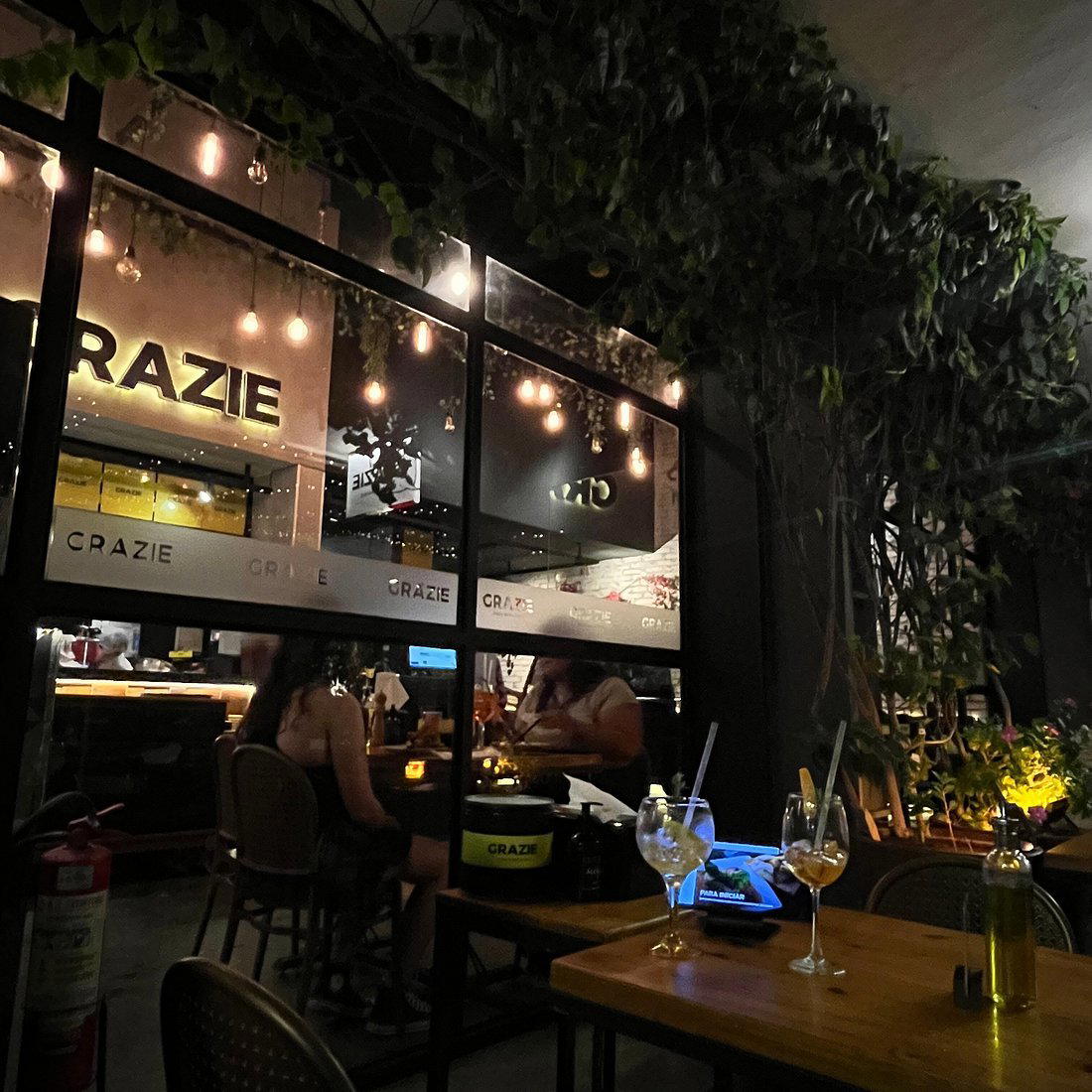
| GRAZIE | Authentic Neapolitan Pizzeria | $10–20 | 50 Top Pizza Latin America #17 | Maceio |
| Restaurante Famiglia Giuliano | Classic Italian Trattoria | $50–100 | Not listed | Boa Viagem |
| Restaurante Tomaselli - Espinheiro | Traditional Italian Pizza & Pasta | $30–50 | Not listed | Espinheiro |
| Charco | Modern Brazilian with South American and Asian influences | Not listed | Not listed | Jardim Paulista |
Continue exploring
More in Maceio
Restaurants in Maceio
Browse all →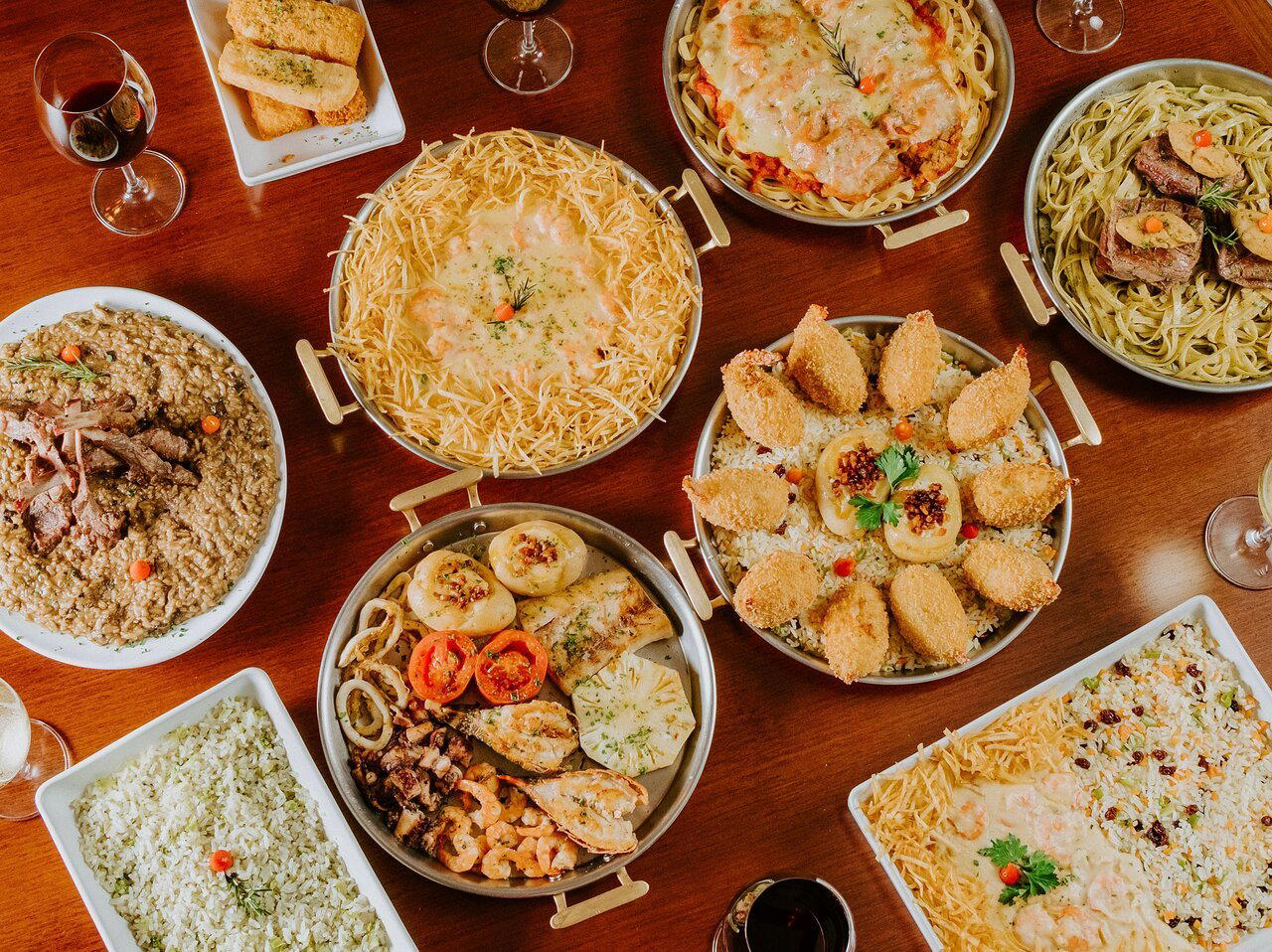
Details
- Elegant
- Sophisticated
- Cozy
- Date Night
- Special Occasion
- Family
- Live Music
- Extensive Wine List
- A La Carte
- Wine
- Vegetarian Friendly
- Gluten Free Options
Current opening hours
- Monday
- 12 PM–12 AM
- Tuesday
- 12 PM–12 AM
- Wednesday
- 12 PM–12 AM
- Thursday
- 12 PM–12 AM
- Friday
- 12 PM–12 AM
- Saturday
- 12 PM–12 AM
- Sunday
- 12 PM–12 AM
Hours can change for holidays and private events. Last verified .
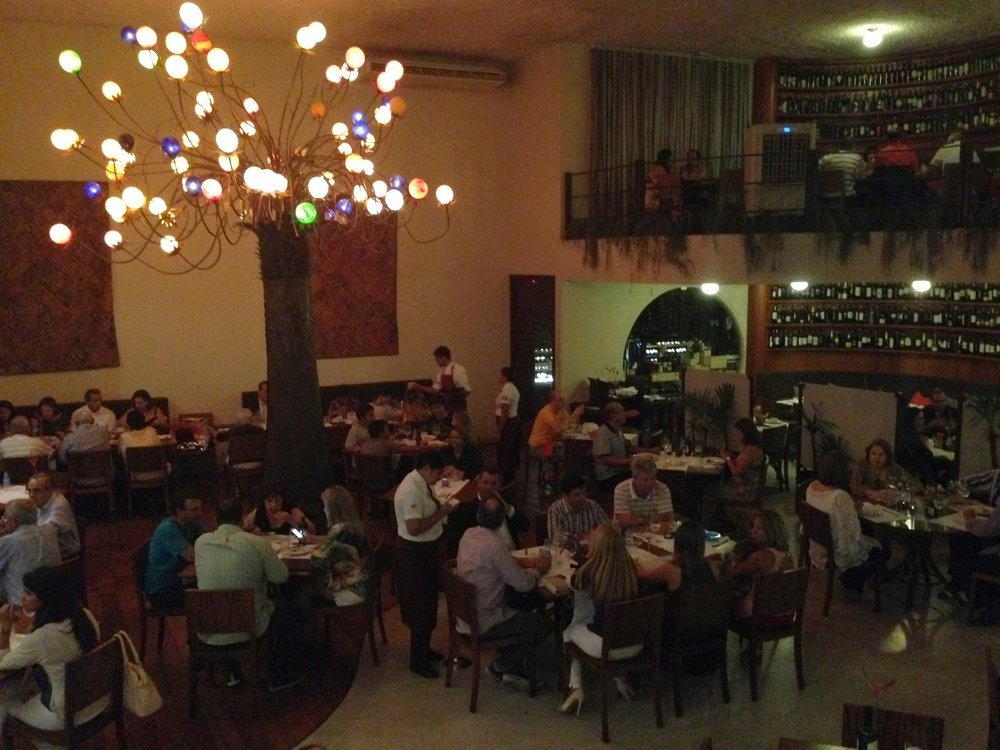
Sophisticated and charming with live piano music creating a pleasant, relaxing atmosphere.