Our verdict
Restaurante Janga Praia serves modern Brazilian seafood on the waterfront in Maceió, with Camarão Jangadeiro, Crispy Shrimp, and Grilled Lobster on the menu.

Pearl is the En Primeur Club membership app — saves, bookings, and concierge access live there. Same editors, same standards.
- Address
- Av. Silvio Carlos Viana, 1731 - Ponta Verde, Maceió - AL, 57035-160, Brazil
- Phone
- +5582982331030
- Hours
- Mon–Wed 12–4 PM, 6:30–11 PMThu–Sat 12–4 PM, 6:30 PM–12 AMSun 12–4 PM, 6:30–11 PM
- Website
- linktr.ee
- Directions
- Get directions
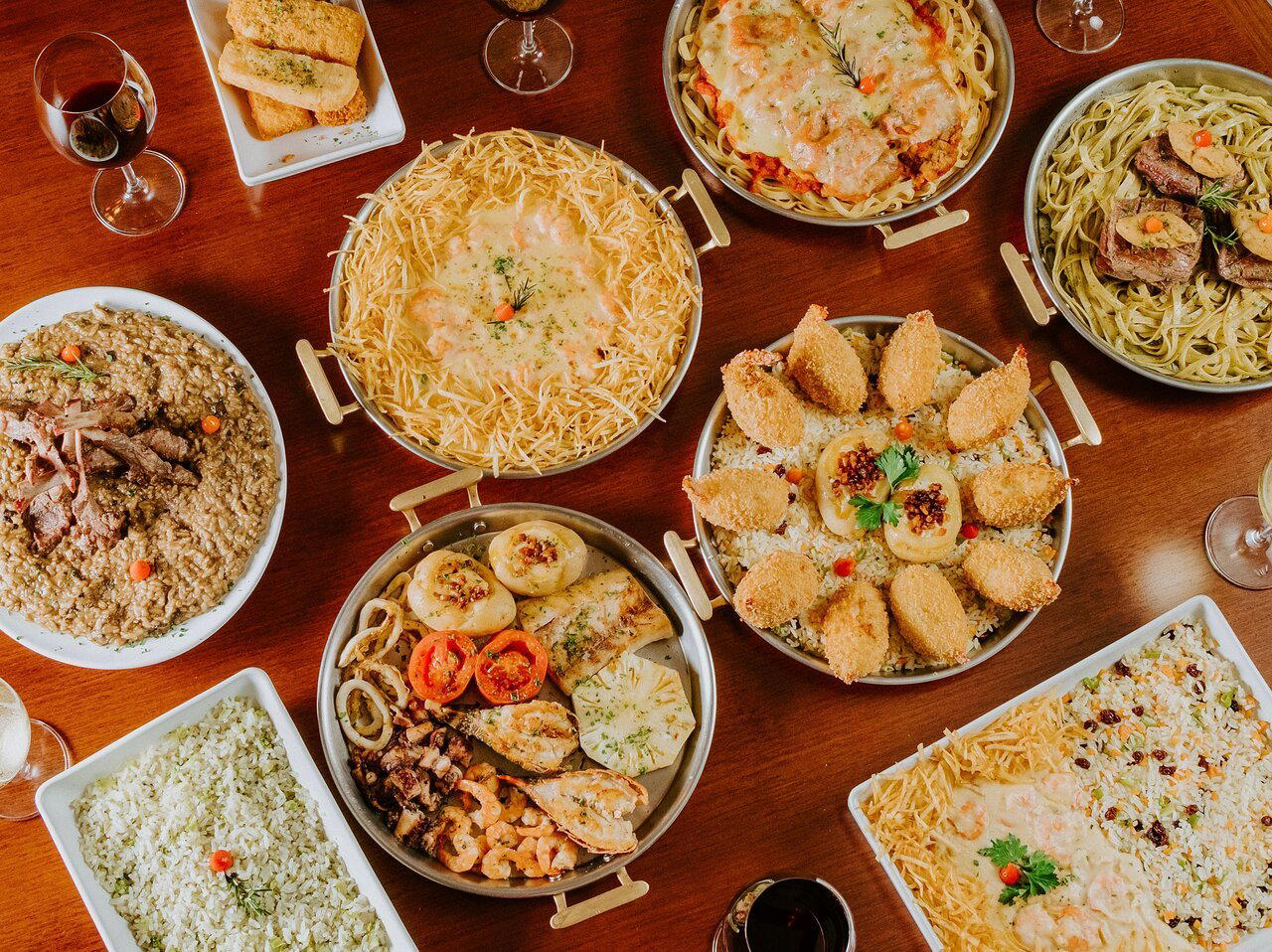
The menu
What to order
- Camarão Jangadeiro
- Crispy Shrimp
- Grilled Lobster
Ponta Verde and the Coastal Dining Character of Maceió
Alagoas sits at the edge of the Brazilian Northeast where the São Francisco River meets the Atlantic, and the state capital Maceió has long organised its social life around the waterfront. The Ponta Verde neighbourhood, where Restaurante Janga Praia occupies an address on Avenida Silvio Carlos Viana, is the stretch of the city where that coastal orientation becomes most concentrated. The beachfront avenue functions as both promenade and restaurant row, a strip where families, couples, and groups move between the sand and the table with the ease that defines informal Northeastern coastal culture. That rhythm, unhurried and rooted in the sea, shapes what eating here means before any menu is considered.
The word janga refers to the traditional raft used by fishermen along the Northeast Brazilian coast, a timber and sail vessel that has carried fish from the open Atlantic to markets and kitchens in these states for centuries. That referential weight in a restaurant name is not incidental. Across Alagoas and neighbouring Pernambuco, the jangadeiro tradition connects directly to the ingredients on the plate: whole fish, shellfish from the coastal lagoons, and the crustaceans that define regional cooking in a way that no other Brazilian state quite replicates. A restaurant invoking that tradition in its name is placing itself inside a specific culinary lineage, one that runs from the fishing raft through the market to the pot.
Northeast Brazilian Seafood: A Culinary Tradition With Its Own Grammar
To understand a coastal Maceió restaurant, it helps to understand what separates Northeastern Brazilian seafood cooking from the broader national tradition. The cuisine of Alagoas leans on coconut milk as a foundational liquid, dendê (palm oil) in selective applications, fresh herbs like coentro (cilantro) in quantities that would surprise kitchens further south, and preparations that prioritise the integrity of the ingredient over sauce complexity. The moqueca Alagoana, distinct from its better-known Baiana counterpart, tends toward lighter coconut applications. Grilled whole fish, served with farofa and pirão (the thick, fermented-manioc broth), forms a meal type that recurs across the region's leading coastal tables in a way that resists trendification.
This is a tradition with its own grammar and internal standards, and it sits at some distance from the modernist Brazilian cooking that draws international attention through restaurants like D.O.M. in São Paulo or Lasai in Rio de Janeiro. The Maceió coastal table is not competing in that register. Its reference points are local, seasonal in a practical rather than programmatic sense, and evaluated by a local audience that knows what fresh fish from the Alagoas coast should taste like. That specific, community-anchored quality is what gives the leading Ponta Verde restaurants their credibility.
Placing Janga Praia in Its Local Context
Restaurante Janga Praia sits on the Ponta Verde beachfront, the part of the city that concentrates the widest range of table options, from casual beach barracas serving cold cerveja and grilled shrimp skewers to more settled, table-service restaurants. The address on Avenida Silvio Carlos Viana positions it within this active corridor. Maceió's dining scene does not yet carry significant international critical recognition in the formal sense, with the Michelin Guide having not extended to Alagoas at the time of writing, but the city has its own established hierarchy among locals that operates independently of external validation.
For visitors with context across Brazil's dining scene, a useful orientation: Maceió's coastal restaurants answer to a different set of criteria than the tasting-menu format that defines premium dining in São Paulo or Rio. Freshness of catch, the quality of the coconut preparation, and the generosity of the pirão matter more here than technique signalling. Among the city's Ponta Verde restaurants, Maria Antonieta represents a different register of the local scene, and together these addresses form the backbone of what Maceió offers a serious visitor. For a broader map of the city's dining options, our full Maceio restaurants guide covers the range.
The Beachfront Setting and What It Signals
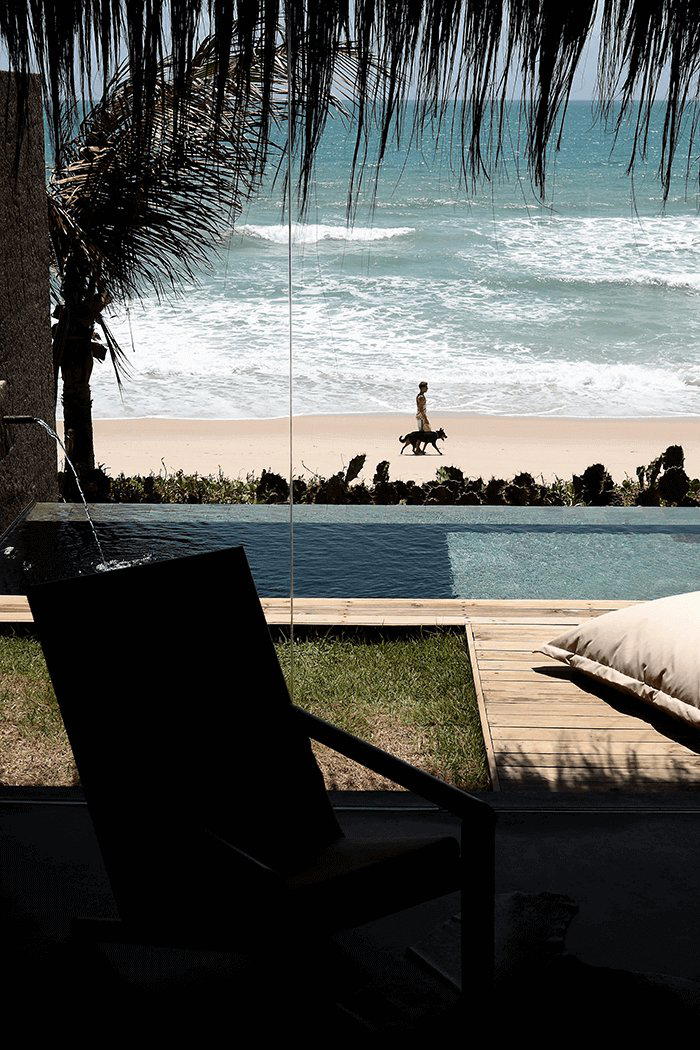
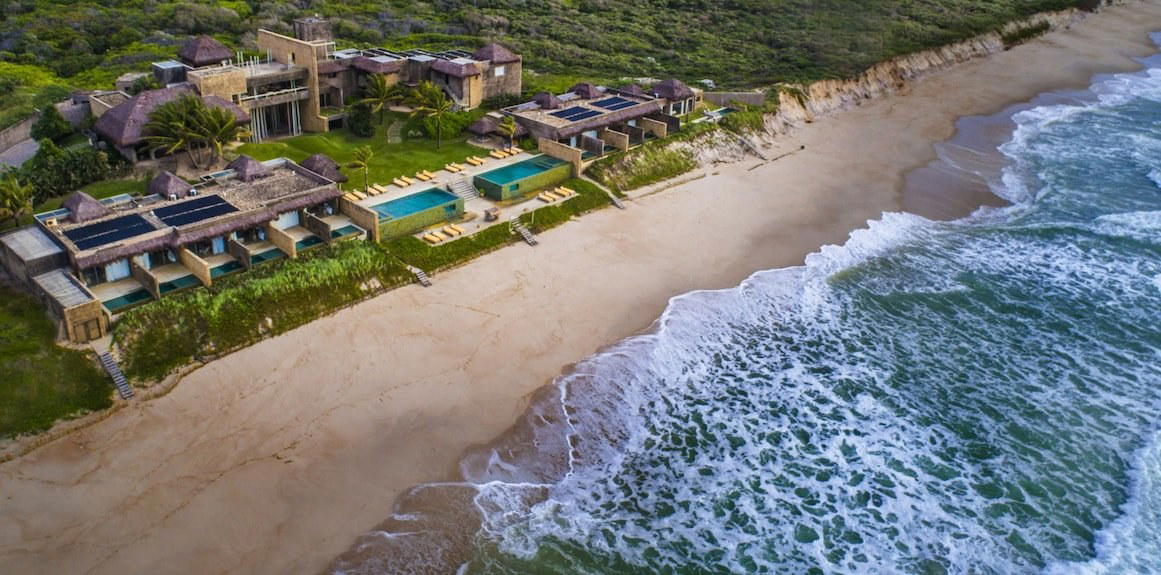
Coastal dining in Brazil's Northeast operates under specific environmental conditions: high humidity, strong sun through midday, and an afternoon light that softens the sky over the water in the early evening. The Ponta Verde beachfront at that hour is one of the more atmospheric dining situations the Northeast offers, with the Atlantic visible and the city's social energy concentrated along the avenue. A restaurant on this strip is selling the setting as much as the plate, and in the case of a well-run coastal table, that is not a criticism. The sea view and the open air are appropriate context for food that comes directly from those waters.
This stands in contrast to more interiorised dining formats, like the structured tasting environment at Atomix in New York City or the white-tablecloth discipline of Le Bernardin, where the setting is designed to direct attention inward to the plate. Coastal Northeast Brazil produces a different contract between the table and its surroundings, one that embraces the external environment as part of the experience. That is not a lesser ambition, only a different one, and it belongs to a dining culture with deep roots across the region from Maceió to Fortaleza.
Planning Your Visit
Restaurante Janga Praia is located at Av. Silvio Carlos Viana, 1731, in the Ponta Verde neighbourhood of Maceió, Alagoas. For visitors staying along the Ponta Verde or Jatiúca beaches, the restaurant is within walking distance of the main hotel strip, which keeps logistics simple. Maceió is leading reached by air via Zumbi dos Palmares International Airport, with connections from São Paulo, Rio de Janeiro, Recife, and Brasília. The Northeast's strong sun means that lunch service on the beachfront is leading planned for the earlier side of the window, with the late afternoon and evening offering more comfortable temperatures for an extended table. Specific hours, pricing, and booking arrangements are best confirmed directly with the restaurant before visiting, as operating details for beachfront venues in this region can shift seasonally.
For Brazilian restaurant reading beyond Alagoas, EP Club covers the spectrum from Bistro Fitz Carraldo in Manaus and Arte e Café Imperial in Angra dos Reis to regional stalwarts like Cantina Pozzobon in Santa Maria, Casa da Flor Restaurante in Dourados, Madê in Santos, and Bistrô Vila Graziella in Bauru. Additional Brazilian coverage includes Famosa Pizza in Ribeirão Preto, Fornazzo Pizzaria in Passo Fundo, Kampeki Sushi in Canoas, Aero Burguer e Grill in Santa Cruz do Sul, Casa da Dika in Bragança, and Casa da Picanha Penedo in Itatiaia.
Frequently asked questions
Is Restaurante Janga Praia good for families?
Ponta Verde's beachfront dining culture is built around extended, unhurried meals shared across generations, and Maceió's coastal restaurants generally reflect that. The open-air format typical of this stretch of Av. Silvio Carlos Viana accommodates groups of mixed ages without the formality that might make younger diners uncomfortable.
How would you describe the vibe at Restaurante Janga Praia?
Ponta Verde sets the register: sea-facing, socially animated, and calibrated to the rhythm of a city that hasn't been overrun by international tourism. Maceió's beachfront dining scene rewards those who settle in rather than rush through, and the Av. Silvio Carlos Viana address places Janga Praia in the neighbourhood that concentrates that energy most consistently. Expect the kind of atmosphere where long afternoons dissolve into early evenings without friction.
How does Restaurante Janga Praia's location in Ponta Verde compare to other dining areas in Maceió?
Ponta Verde is where Maceió concentrates its broadest range of sit-down restaurants, running from casual beachside kiosks to more composed seafood houses along Av. Silvio Carlos Viana. Janga Praia's address at number 1731 places it within that corridor, which means visitors staying along the Ponta Verde or Jatiúca waterfront can reach it without crossing the city. For travellers eating their way through Alagoas, this neighbourhood is the practical and culinary centre of the capital's dining scene.
How do I find Restaurante Janga Praia?
Restaurante Janga Praia is located at Av. Silvio Carlos Viana, 1731 - Ponta Verde, Maceió - AL, 57035-160, Brazil, Maceio.
Cost and Credentials
Comparable venues nearby, for context on price, style, and recognition.
| Venue | Cuisine | Price | Awards | Notes |
|---|---|---|---|---|
| Restaurante Janga PraiaThis venue — the venue you are viewing | Modern Brazilian Seafood | $30–50 | Not listed | Not listed |
| Maria Antonieta | Italian Seafood Fine Dining | Not listed | Not listed | Jatiuca, Italian Seafood Fine Dining |
| GRAZIE | Authentic Neapolitan Pizzeria | $10–20 | 50 Top Pizza Latin America #17 | Pizza |
| Açougue Central | Modern Brazilian Churrascaria | $30–50 | Not listed | Vila Madalena, Modern Brazilian Churrascaria |
| Camarões | Brazilian Seafood | $20–30 | Not listed | Ponta Negra, Brazilian Seafood |
| NAU Frutos do Mar RN | Brazilian Seafood | $30–50 | Not listed | Capim Macio, Brazilian Seafood |
Continue exploring
More in Maceio
Restaurants in Maceio
Browse all →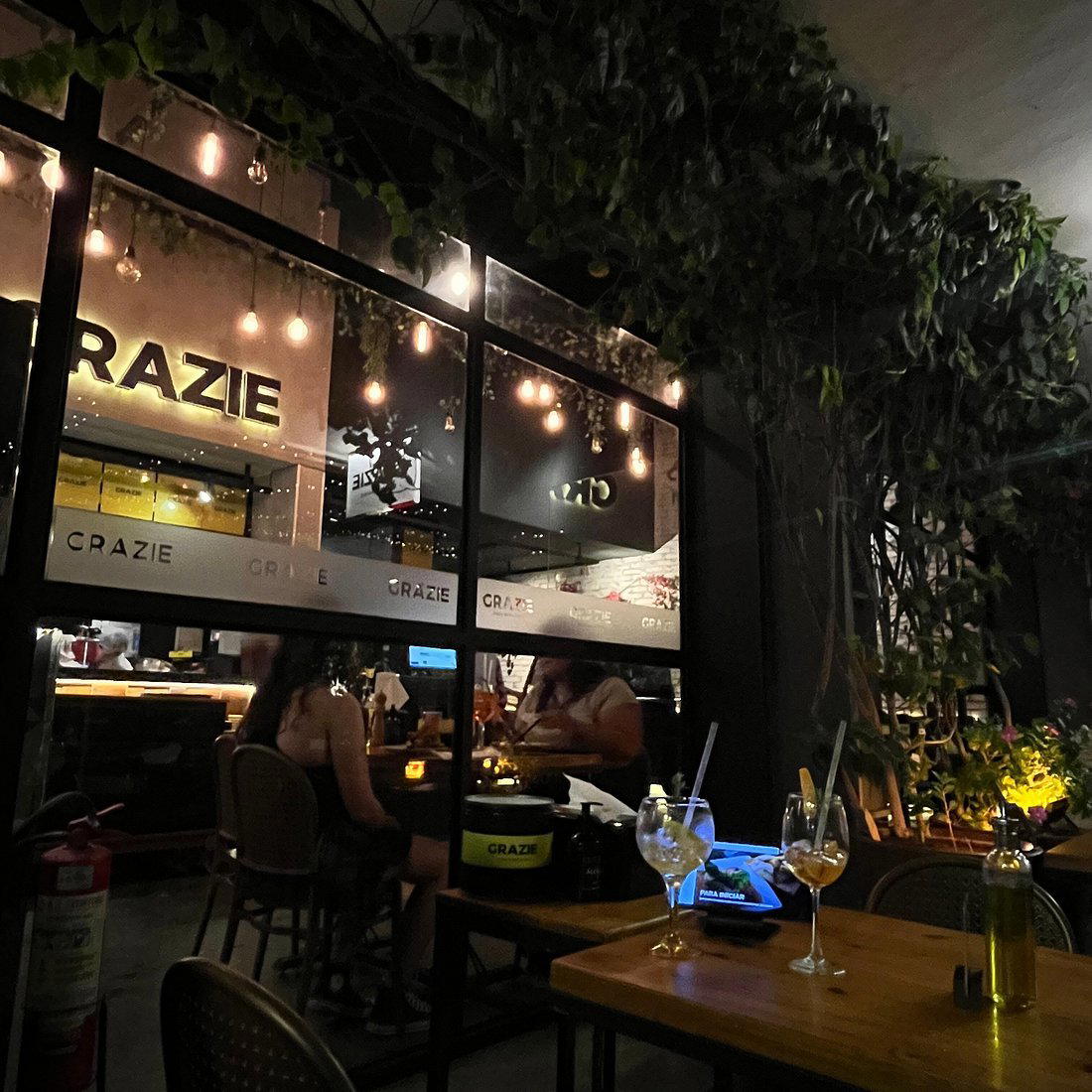
Details
- Relaxed
- Modern
- Special Occasion
- Waterfront
- Waterfront
- A La Carte
- Vegetarian Friendly
- Gluten Free Options
Current opening hours
- Monday
- 12–4 PM, 6:30–11 PM
- Tuesday
- 12–4 PM, 6:30–11 PM
- Wednesday
- 12–4 PM, 6:30–11 PM
- Thursday
- 12–4 PM, 6:30 PM–12 AM
- Friday
- 12–4 PM, 6:30 PM–12 AM
- Saturday
- 12–4 PM, 6:30 PM–12 AM
- Sunday
- 12–4 PM, 6:30–11 PM
Hours can change for holidays and private events. Last verified .
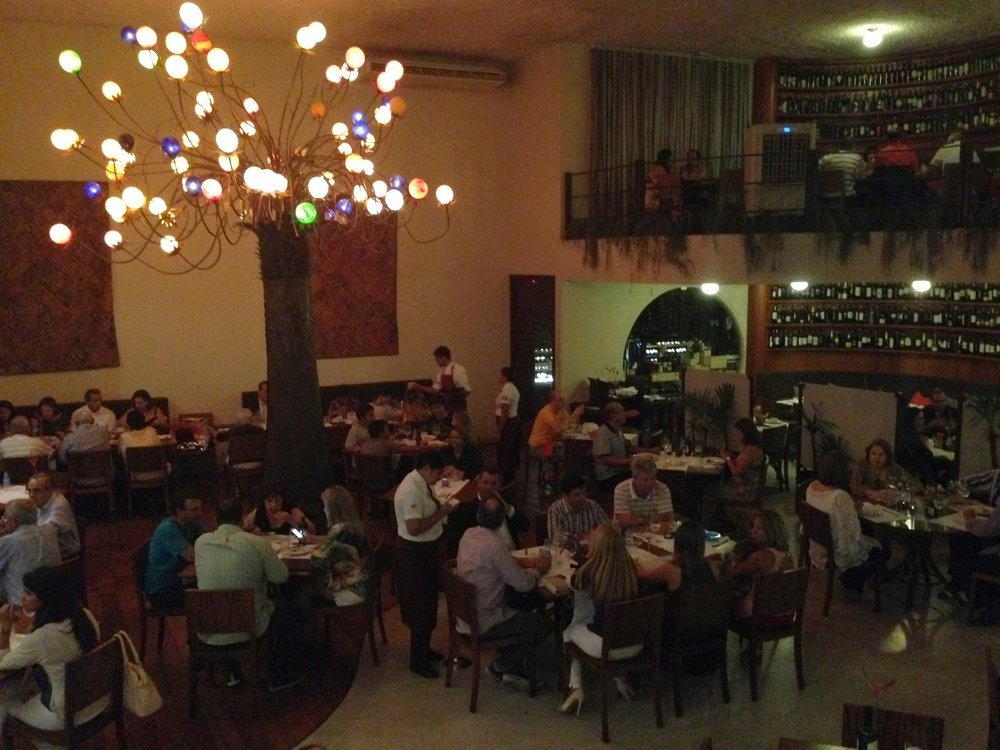
Relaxed modern atmosphere with excellent service and beachfront setting.