Our verdict
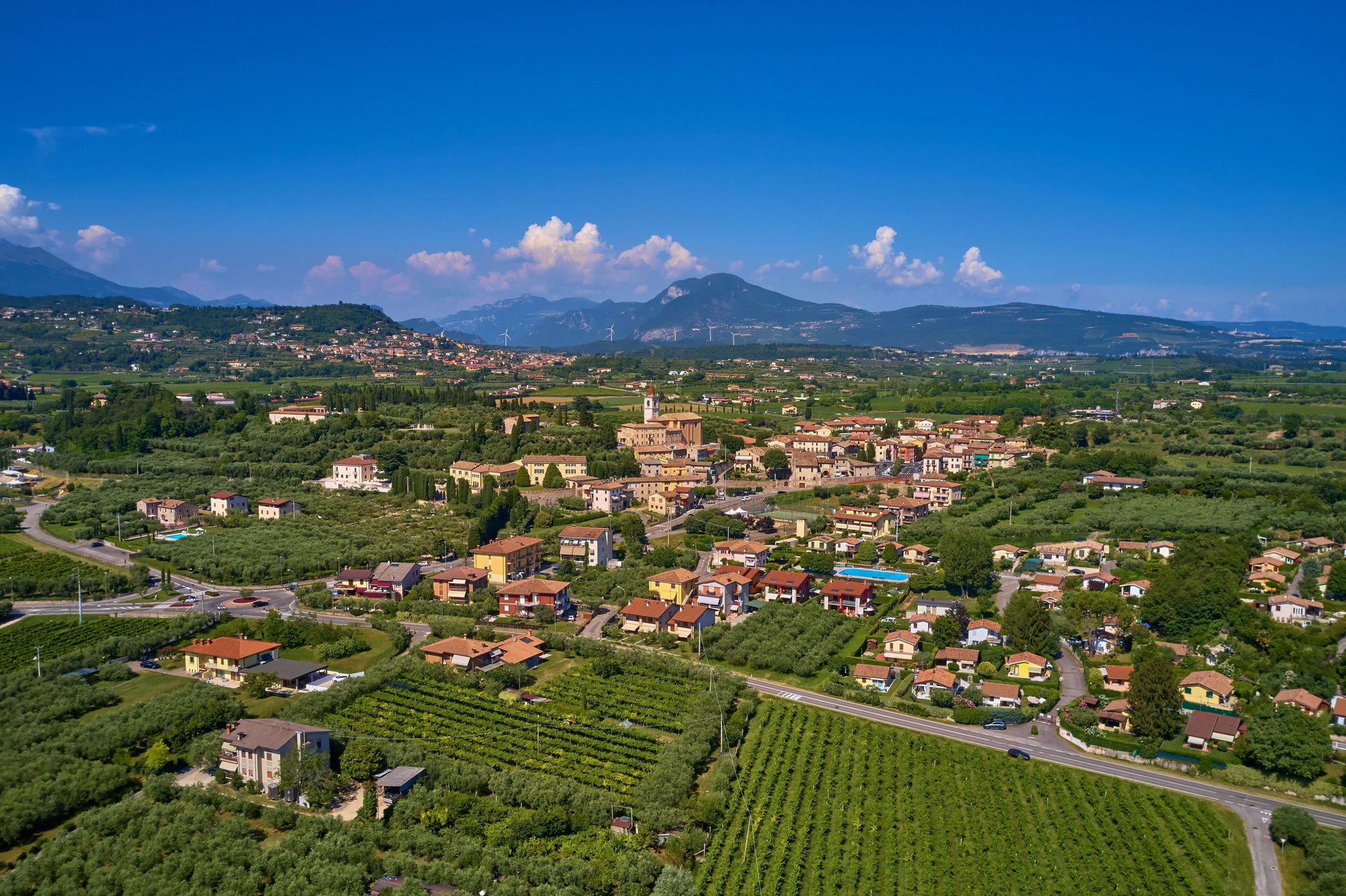
Caprini sits in Torbe, a small village in the Valpolicella hills northwest of Verona, where the cooking tradition draws from one of Italy's most ingredient-rich agricultural zones. The setting is rural and unhurried, the approach rooted in the produce and wine culture of the surrounding countryside. For visitors making their way through Verona's wider dining orbit, this is the kind of address that rewards those who look beyond the city centre.

Pearl is the En Primeur Club membership app — saves, bookings, and concierge access live there. Same editors, same standards.
- Address
- Via P. Zanotti, 9, 37024 Torbe VR, Italy
- Phone
- +39457500511
- Hours
- Mon–Tue 9:30 AM–10:30 PMWed–Thu ClosedFri–Sun 9:30 AM–10:30 PM
- Website
- trattoriacaprini.it
- Directions
- Get directions
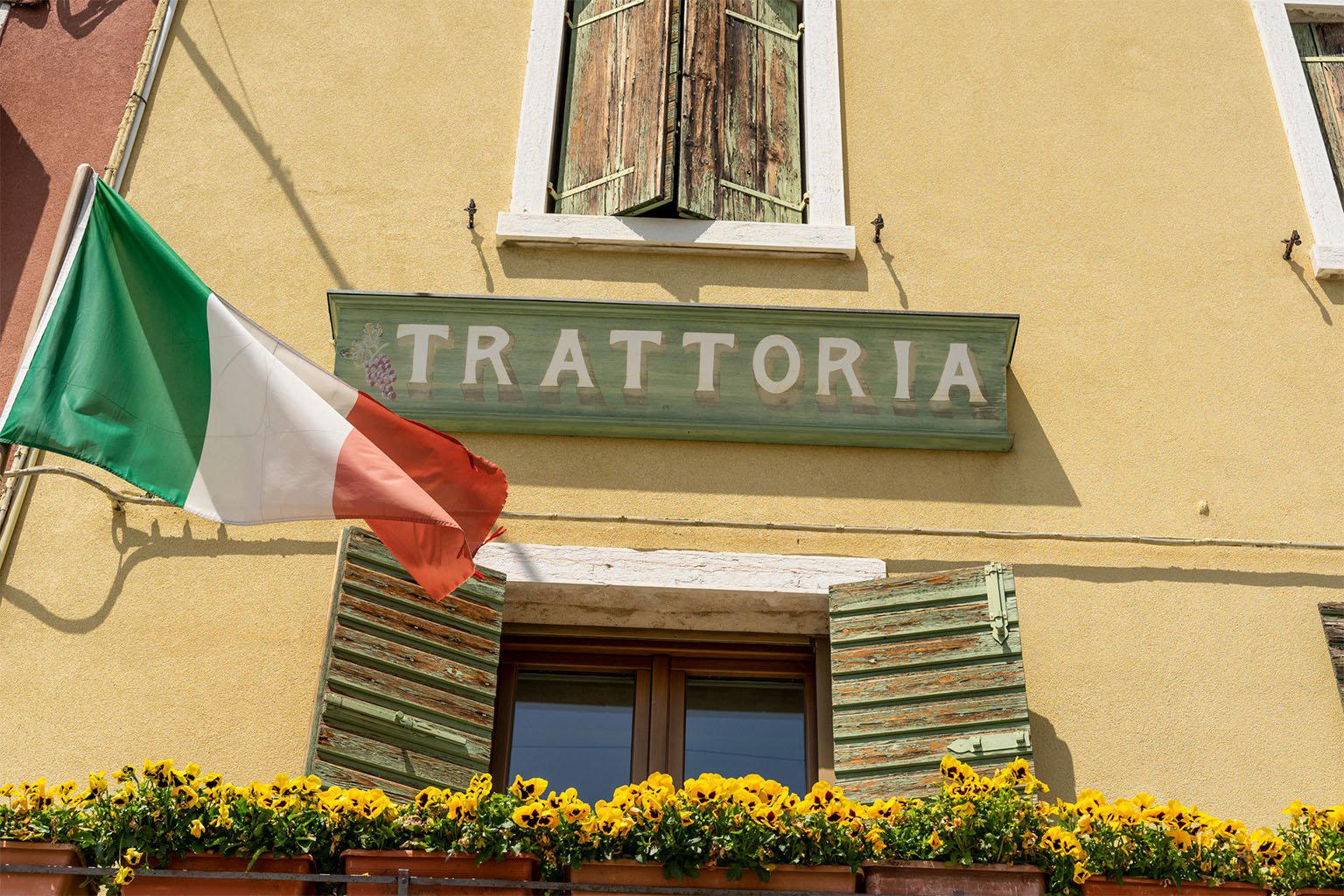
The menu
What to order
- Lasagnatte
- Tortelli
- Pasta with rabbit ragu
Where the Valpolicella Hills Shape the Plate
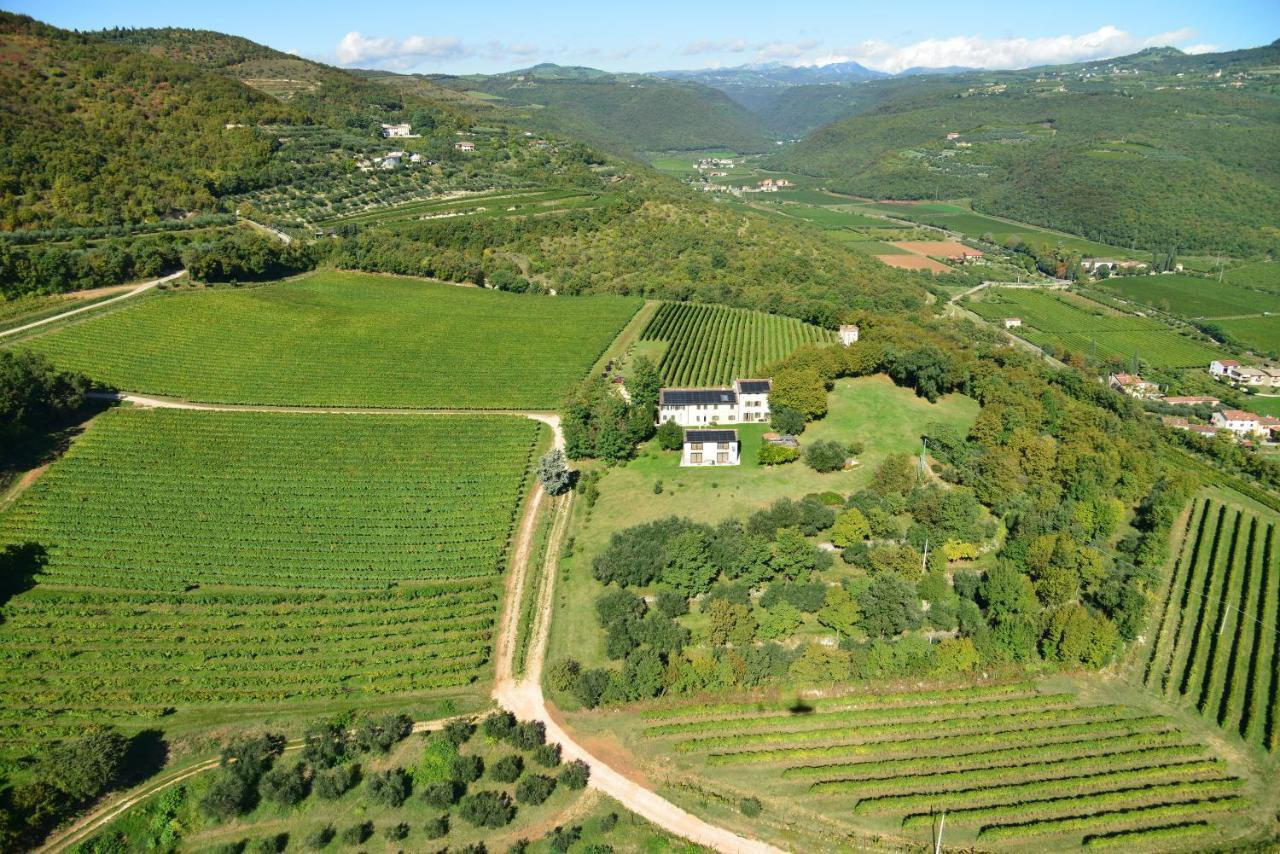
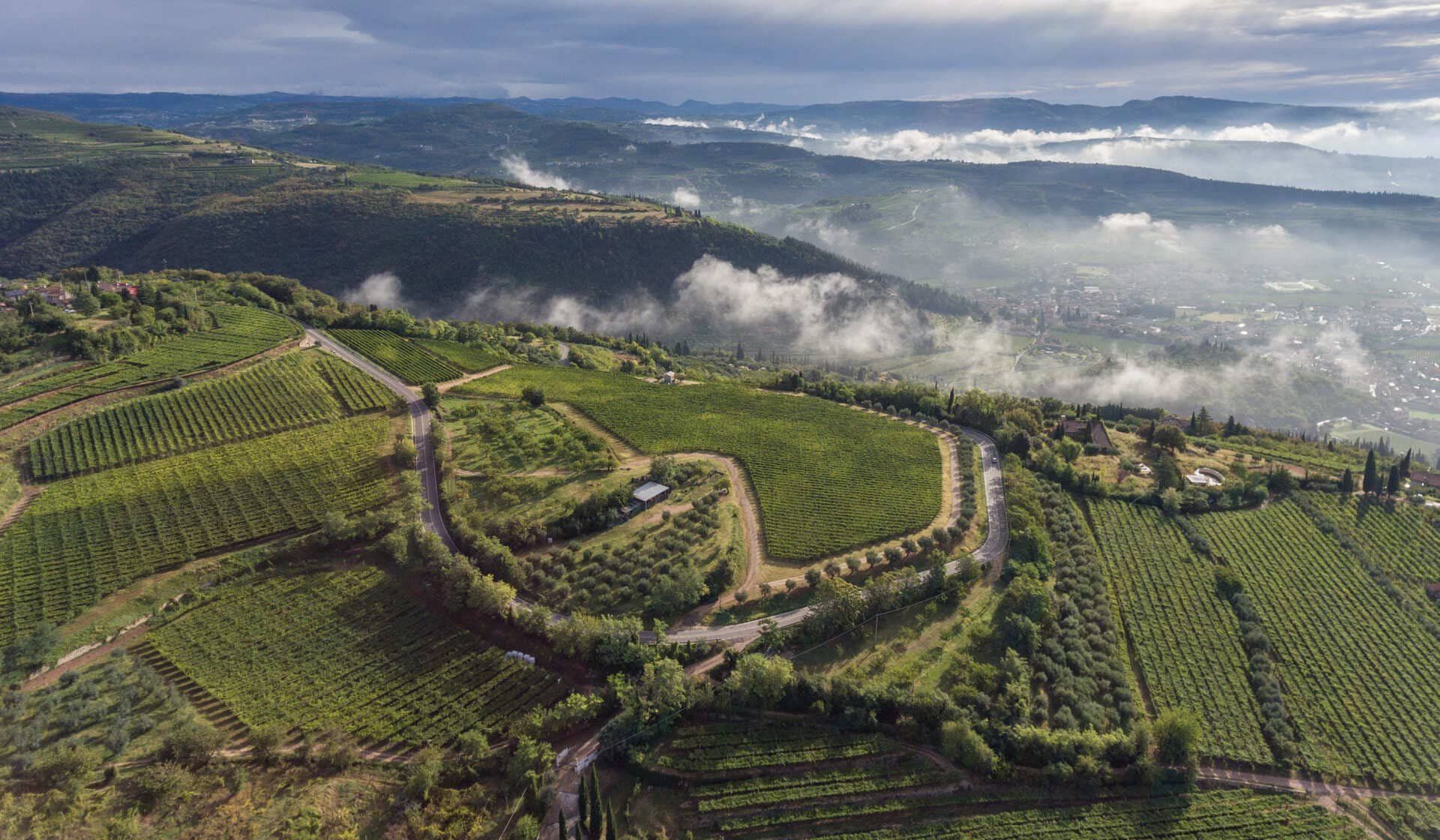
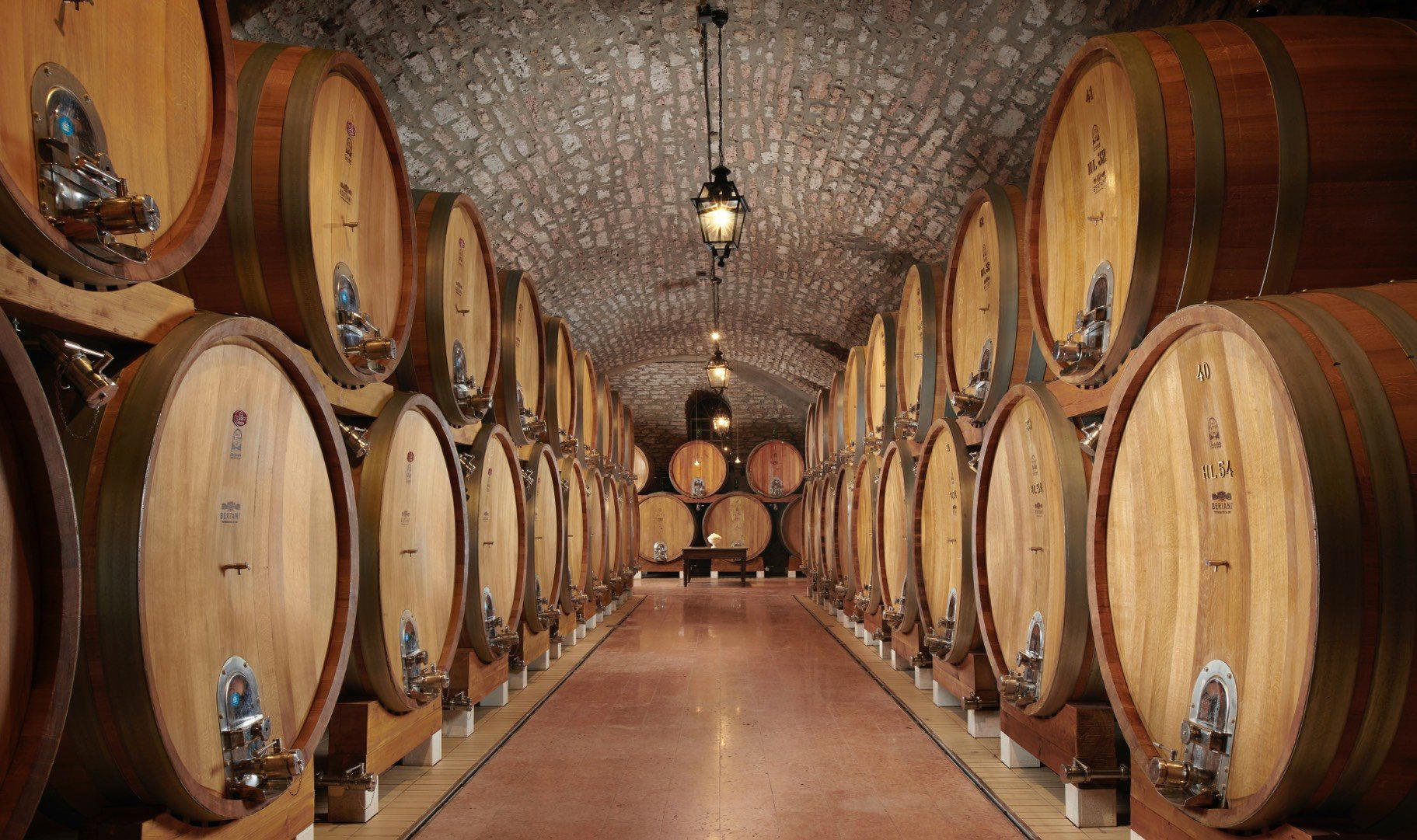
The village of Torbe sits in the refined terrain of Valpolicella, a zone whose name translates loosely as "valley of many cellars" — a description that still holds. This is grape-growing country first, but the same conditions that produce Amarone and Ripasso also sustain smallholders growing vegetables, raising livestock, and pressing olive oil across the hillside plots between the vines. Restaurants that have operated here for any length of time tend to reflect that agricultural density directly on the plate. In this part of the Veneto, ingredient sourcing is not a marketing position — it is simply the practical consequence of geography.
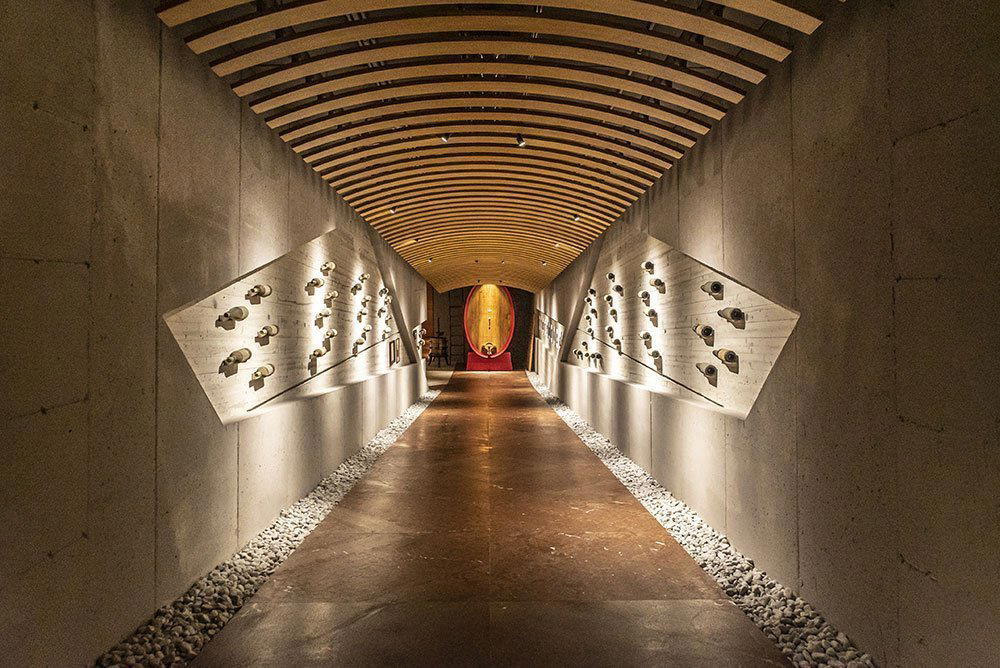
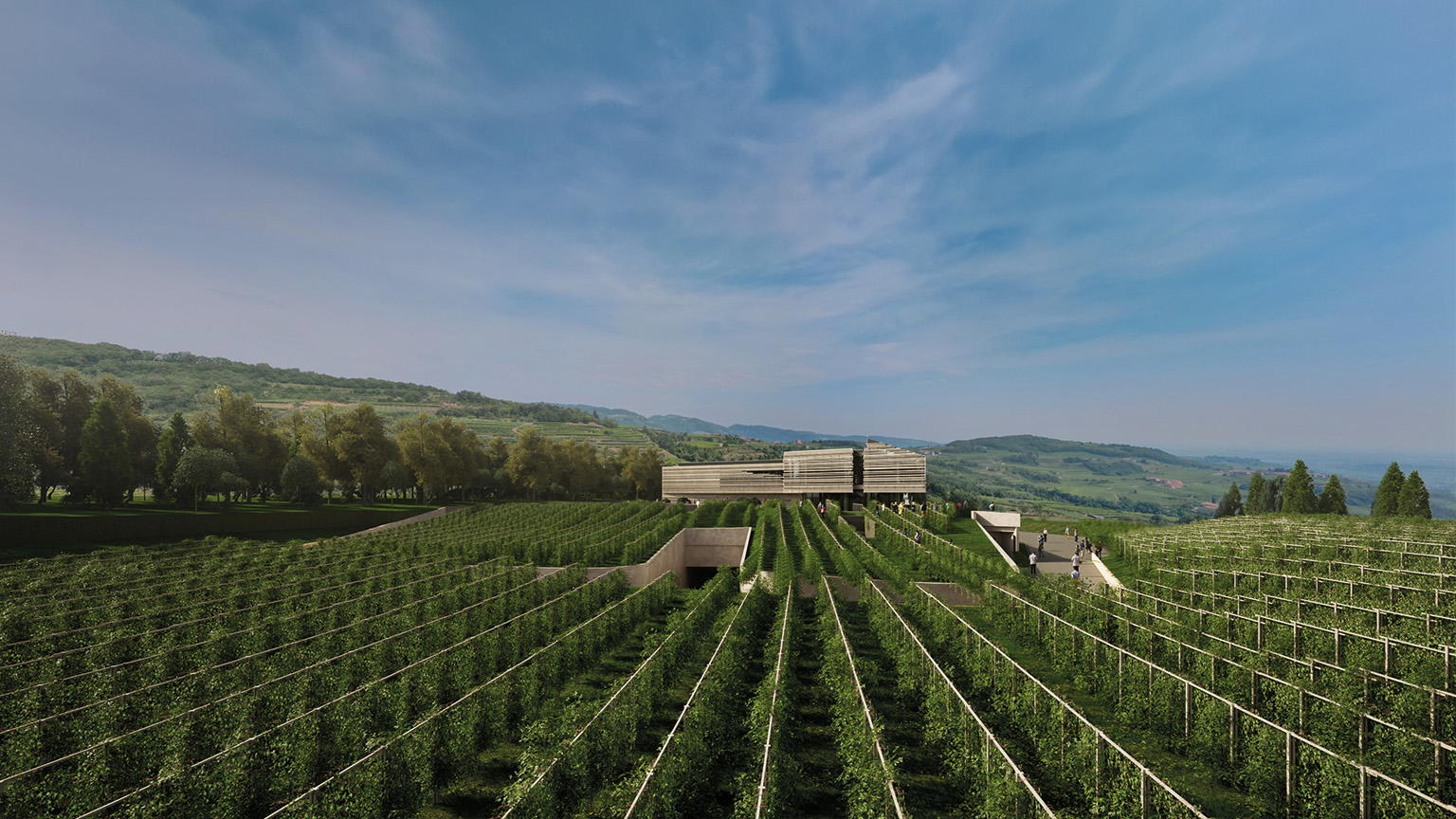
Caprini, addressed at Via P. Zanotti, 9 in Torbe, belongs to this setting. The village is small enough that the surroundings are impossible to ignore: stone walls, terraced hillsides, and the particular quality of light that characterises refined positions above the Adige plain. Coming into a dining room in this context already carries information, that proximity to primary producers is a given, and that the kitchen's relationship with what grows nearby is likely the defining feature of what arrives at the table.
The Ingredient Logic of the Valpolicella Table
Italy's most discussed restaurant destinations tend to cluster in cities, Osteria Francescana in Modena, Enrico Bartolini in Milan, Enoteca Pinchiorri in Florence, where the editorial weight of a review and the density of international visitors justify the infrastructure. But a separate and arguably more durable tradition runs through the rural trattorie and osterie of the northern Italian countryside, where the operating logic is supply-driven rather than concept-driven. What the season produces is what the kitchen uses; what the local producers grow is what the cook works with.
The Valpolicella zone sits in one of the more fortunate positions within that tradition. The wine denomination alone, whose DOC rules govern production across the comuni of Negrar, Marano, Fumane, Sant'Ambrogio, and San Pietro in Cariano, brings a level of agricultural seriousness that filters down through the food culture. Growers who tend their vines with precision tend to apply the same attention to the garden. The result, across this hillside corridor northwest of Verona, is a concentration of good primary produce that supports the kind of cooking that doesn't need to import much.
For comparison, the headline addresses in Italy's fine-dining circuit, places like Dal Pescatore in Runate or Le Calandre in Rubano, build their reputations through a combination of sourcing discipline and technical ambition, and both sit in similarly agricultural corners of northern Italy. The pattern is consistent: the leading rural Italian cooking tends to emerge where farmers and cooks are close enough to talk, and where the kitchen can reasonably expect to know the origin of most of what it uses.
Verona's Wider Dining Orbit
Verona itself anchors a dining region that punches above its tourist-city reputation. Casa Perbellini 12 Apostoli in Verona represents the city's most formally recognised address, but the villages spreading north and west into the hills carry their own distinct character, quieter, more seasonal in rhythm, less oriented toward the operatic calendar that shapes demand in the centro storico. Torbe sits in that outer ring, close enough to the city to be reachable for dinner but positioned firmly in the countryside.
That geographic middle ground matters for the type of dining it supports. Rural addresses in Veneto's wine country attract a different table composition than city restaurants: local families celebrating occasions, wine producers from the neighbouring estates, visitors who have come specifically to understand the territory rather than to tick a famous room off a list. The cooking in these settings tends to be anchored rather than ambitious, rooted in what has always worked in this soil and climate, adapted incrementally rather than reinvented seasonally.
Those seeking the full spectrum of northern Italian cooking are well served by looking beyond Verona to the wider region. Quattro Passi in Marina del Cantone, Uliassi in Senigallia, and Reale in Castel di Sangro each demonstrate what happens when a rural or coastal Italian kitchen commits to place-specific sourcing at a high level of technical execution. They are relevant comparison points not because Caprini positions itself in the same tier, but because they illustrate how ingredient provenance functions as the structural spine of serious Italian cooking at every price point.
Planning a Visit to Torbe
Torbe is not a destination that rewards impulse. The village sits in the Valpolicella hills and requires a car, public transport connections are limited, and the hillside roads are narrow enough to discourage anything but a deliberate approach. From Verona's centro storico, the drive runs roughly northwest through the Valpolicella communes, passing through Sant'Ambrogio and into the refined zone where Torbe sits. The journey is part of the point: arriving through vineyard country recalibrates expectations before you've sat down.
For those building an itinerary around the northeastern Italian table, the routing through this zone also allows for visits to the wine estates that give the area its primary identity. The Amarone producers of Valpolicella Classico hold standard visiting hours through the harvest season, and several maintain reception facilities year-round. Combining an estate visit with a meal in the village is the obvious structure for a day in this part of the Veneto.
Those looking for a broader framework of reference across Italy's serious dining addresses should consult our full Torbe restaurants guide, which maps the area's options in fuller detail. For context on what Italian cooking achieves at the highest institutional level, addresses such as Piazza Duomo in Alba, Atelier Moessmer Norbert Niederkofler in Brunico, and Villa Crespi in Orta San Giulio each illustrate the range of what northern Italy's countryside kitchens can deliver.
Frequently asked questions
Is Caprini okay with children?
Torbe is a small hill village in the Valpolicella zone, and restaurants in this setting typically operate at a relaxed pace suited to family meals rather than high-tempo service. There is no documented policy restricting children at Caprini. Contacting the venue directly before visiting is the most reliable way to confirm seating arrangements for families.
What kind of setting is Caprini?
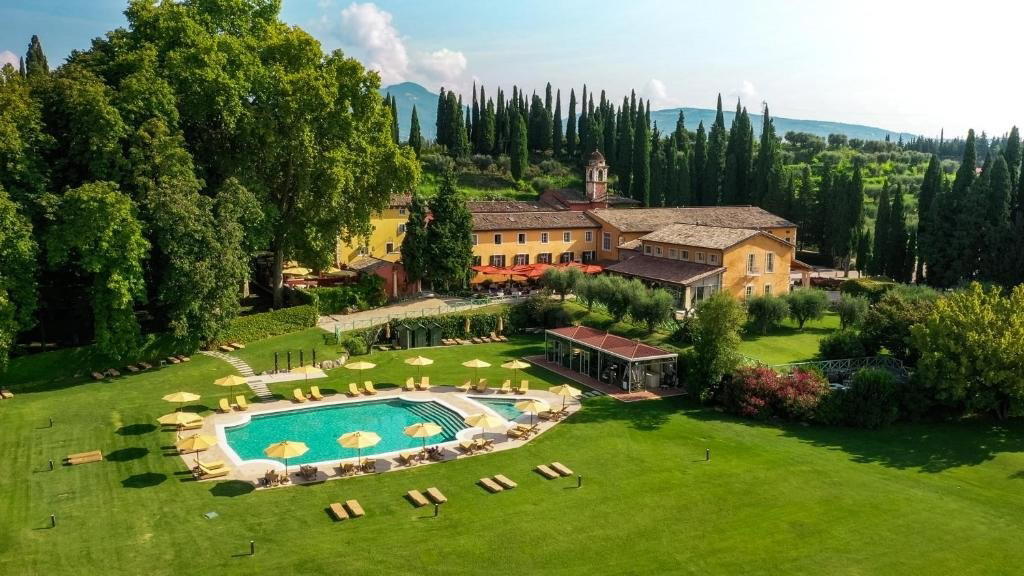
Caprini is located at Via P. Zanotti, 9 in Torbe, a quiet elevated village within the Valpolicella hills northwest of Verona. The address places it firmly in rural territory — a working wine landscape of steep terraced vineyards rather than a city dining district. Expect the kind of setting where the surrounding countryside shapes the atmosphere more than interior design decisions.
Is Caprini a good base for exploring the Valpolicella wine zone around Torbe?
Torbe sits within the Valpolicella Classico heartland, one of northern Italy's most concentrated wine production areas and the source of Amarone, Ripasso, and Valpolicella Classico. Caprini's address at Via P. Zanotti, 9 places it within reach of several historic estate wineries along the hillside roads. Visiting the restaurant as part of a wine-focused day in the zone makes geographical sense — the village is not a detour from the region's core circuit, it is part of it.
What do regulars order at Caprini?
What is consistent across the Valpolicella hill table is a strong pull toward cured meats, polenta preparations, slow-braised cuts, and local wine pairings — ingredients defined by the valley's agricultural and winemaking traditions. For current menu specifics, reaching the venue directly is the practical step.
Where do I go for Caprini?
Caprini is located at Via P. Zanotti, 9, 37024 Torbe VR, Italy, Torbe.
Comparable Venues
Comparable venues nearby, for context on price, style, and recognition.
| Venue | Cuisine | Price | Notes |
|---|---|---|---|
| CapriniThis venue — the venue you are viewing | Traditional Italian Trattoria | $20–30 | Not listed |
| Arso Trattoria Moderna | Traditional Roman Trattoria | $20–30 | .null |
| Venchi Cioccogelateria | Italian Chocolate Gelateria | $10–20 | San Marco |
| Trattoria all'Antenna | Traditional Northern Italian Trattoria | $20–30 | Contrà Barona |
| Osteria Caffè Amaro | Rustic Veronese Osteria | $30–50 | Garda |
| Il Porticciolo | Lake Garda Fish Specialist | $30–50 | Lungolago Marconi |
Continue exploring
More in Torbe
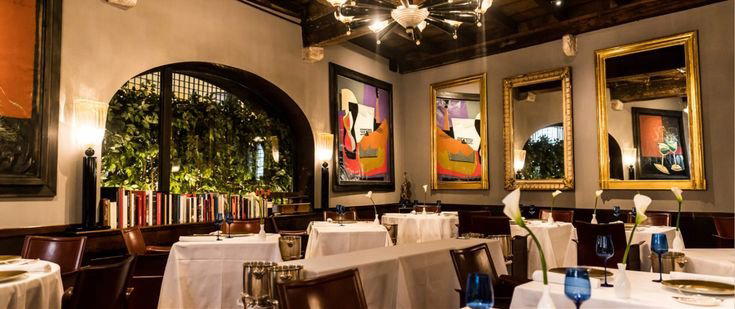
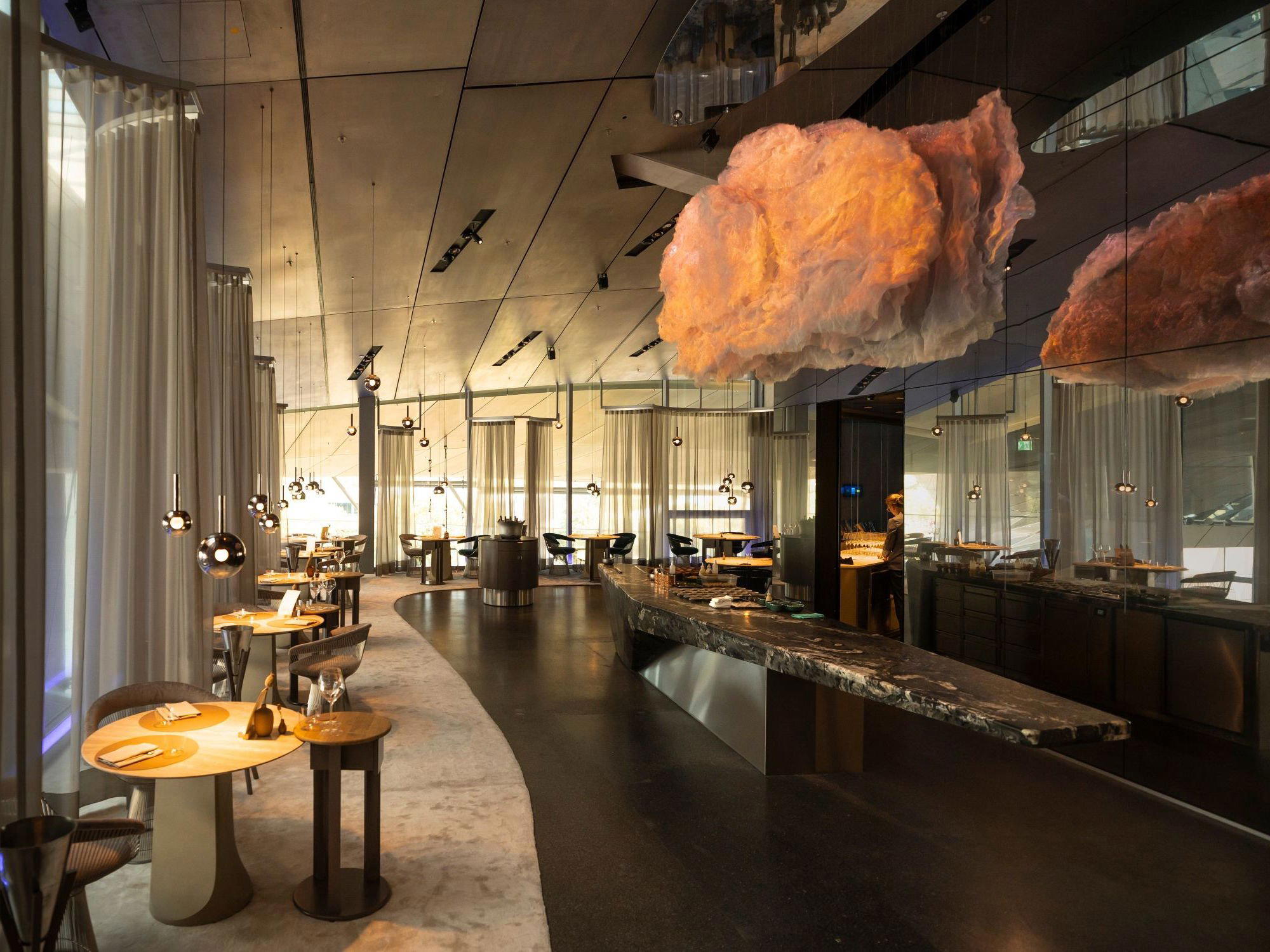
Restaurants in Torbe
Browse all →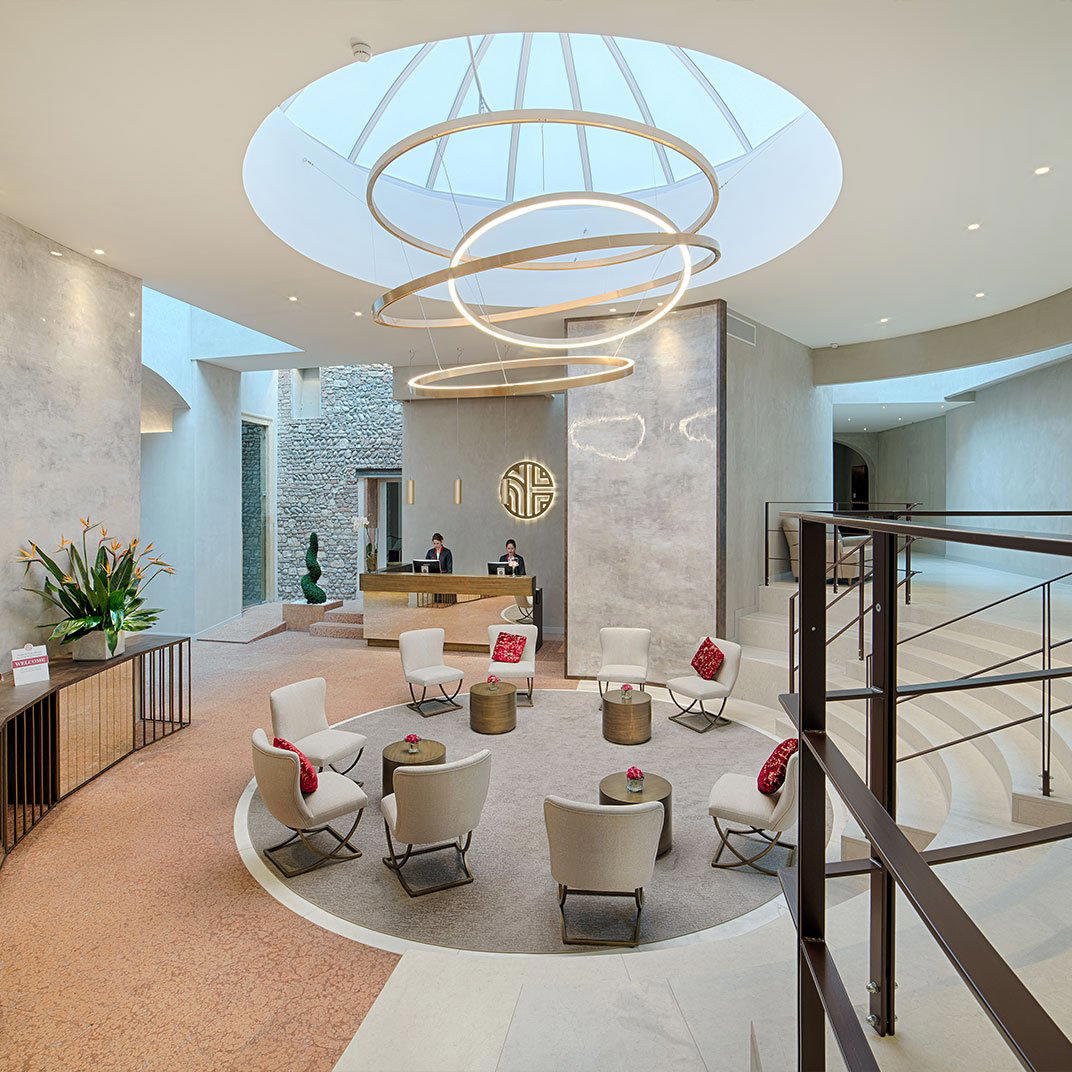
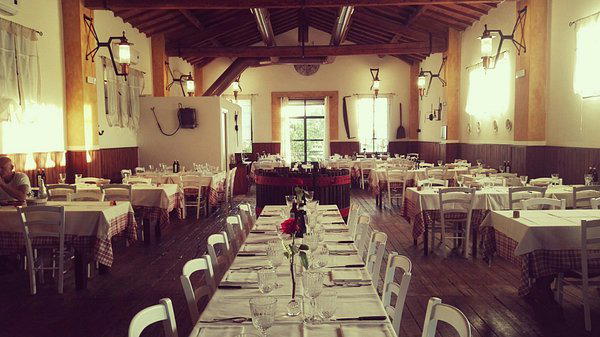
Bars in Torbe
Browse all →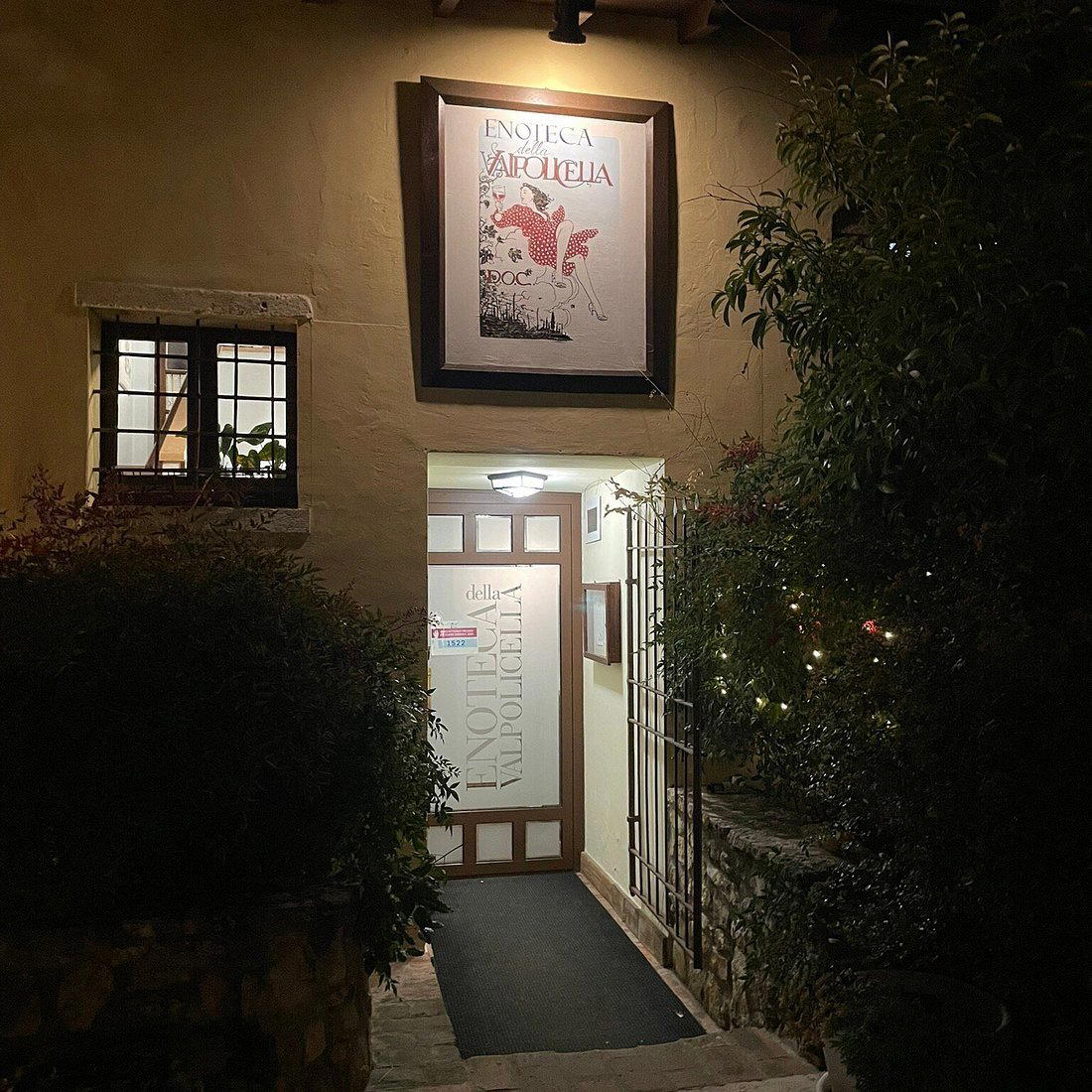
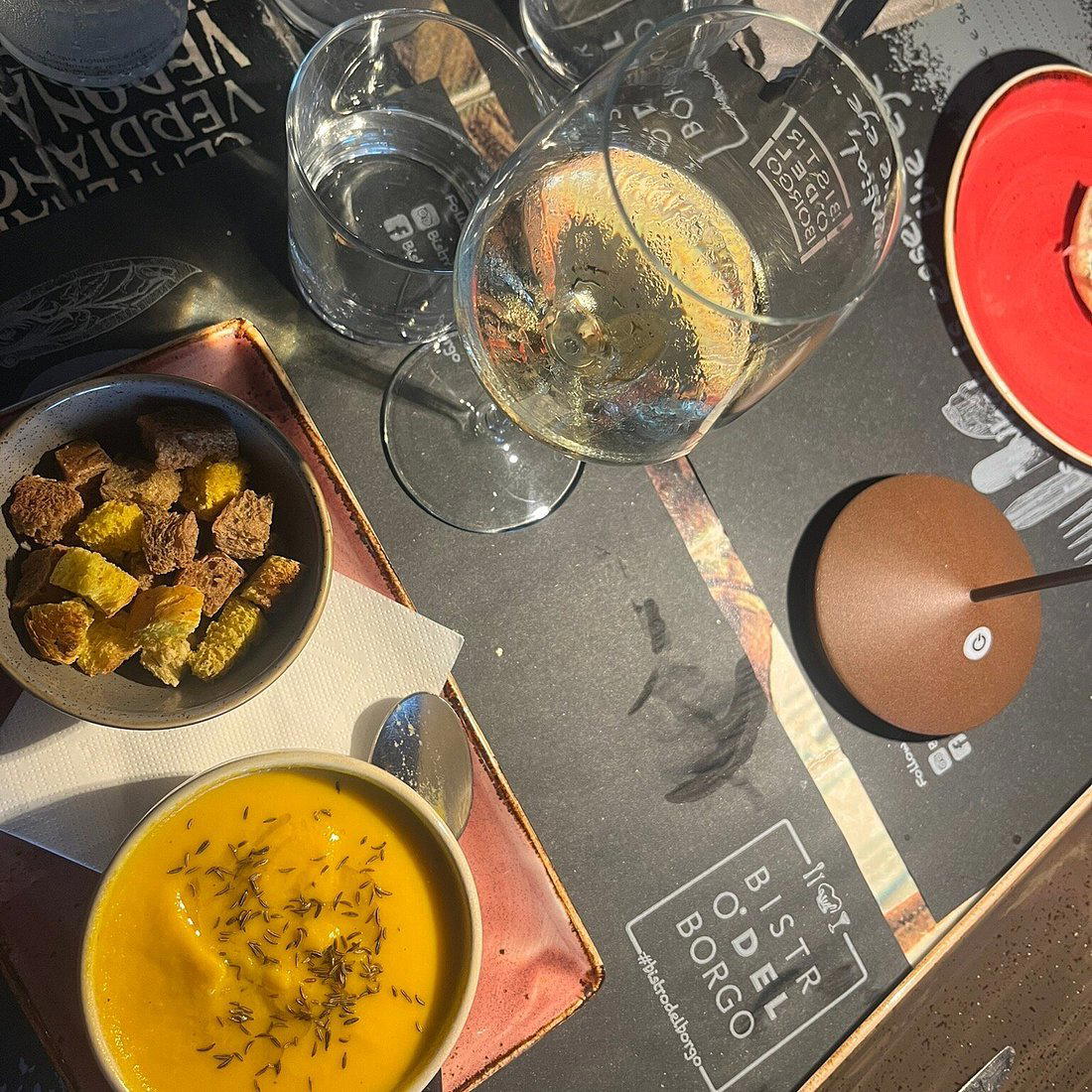
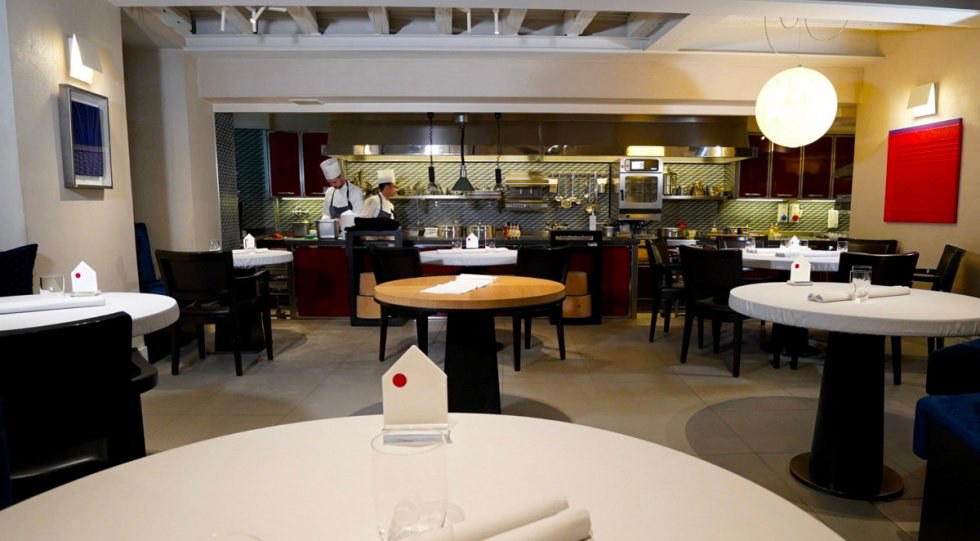
Hotels in Torbe
Browse all →
Details
- Classic
- Rustic
- Cozy
- Family
- Casual Hangout
- Historic Building
- Extensive Wine List
- Local Sourcing
- A La Carte
- Valpolicella Wine
Current opening hours
- Monday
- 9:30 AM–10:30 PM
- Tuesday
- 9:30 AM–10:30 PM
- Wednesday
- Closed
- Thursday
- Closed
- Friday
- 9:30 AM–10:30 PM
- Saturday
- 9:30 AM–10:30 PM
- Sunday
- 9:30 AM–10:30 PM
Hours can change for holidays and private events. Last verified .
Simple and unpretentious atmosphere with a focus on family tradition and local flavors.