
Michelin Plate
Our verdict
In a city better known for its petrochemical industry than its restaurants, Capriccio represents a genuine shift in Augusta's dining expectations.

Pearl is the En Primeur Club membership app — saves, bookings, and concierge access live there. Same editors, same standards.
- Address
- Via Filippo Turati, 81, 96011 Augusta SR, Italy
- Phone
- +39 0931 967858
- Hours
- Mon ClosedTue–Fri 7:30–9:30 PMSat 12:30–2 PM, 7:30–9:30 PMSun 12:30–2 PM
- Website
- capriccioaugusta.it
- Directions
- Get directions
- Booking
- Book on the venue's website
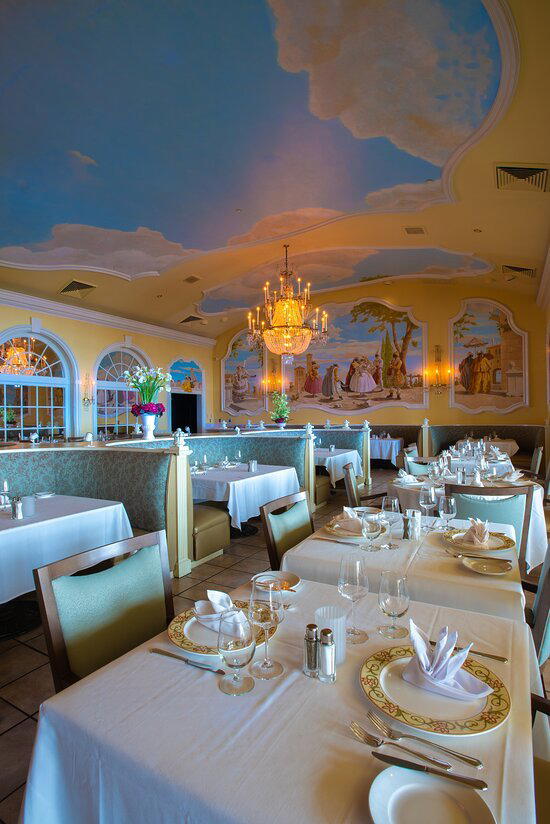
Where Augusta Sits on Sicily's Dining Map
Sicily's reputation for serious cooking is built largely on its western and central interior: the agrarian traditions of the Val di Noto, the theatrical seafood of Palermo's street markets, the slow-cooked ragù of Ragusa's trattorias. The eastern coast, anchored by Catania and Syracuse, has its own strong culinary identity rooted in volcanic-soil produce and Ionian Sea catches, but Augusta, the industrial port city between the two, has rarely figured in conversations about destination dining. That is changing, and Capriccio is part of the reason why.
Augusta is a city shaped by its harbour and its refineries, not by agritourism or food media attention. That context matters when reading a 2025 Michelin Plate on a restaurant at Via Filippo Turati, 81. Michelin's inspectors don't award that distinction as a consolation; the Plate signals food prepared with care and skill, without yet reaching the starred tier. In a city with Augusta's culinary profile, receiving that recognition places Capriccio in a category that has no real local peer, and against a regional backdrop where creative contemporary cooking is still the exception rather than the rule outside the larger provincial capitals.
For context on where Capriccio sits within Italy's wider contemporary dining scene, the benchmarks are instructive. At the €€€€ tier, kitchens like Dal Pescatore in Runate, Enoteca Pinchiorri in Florence, and Le Calandre in Rubano operate at three Michelin stars with price points and service formality to match. Capriccio's €€ pricing positions it at a fundamentally different register: accessible to a broad local audience while still operating with the technical discipline and sourcing standards that distinguish it from neighbourhood trattorias. That gap between ambition and price is, in many smaller Italian cities, exactly where the most interesting dining happens.
Ingredient Sourcing as the Defining Logic
The editorial frame around Capriccio is not just what arrives on the plate, but where it comes from. Augusta sits at the intersection of two food systems that are each, independently, among the most productive in southern Italy. The Ionian Sea to the east delivers swordfish, sea urchin, red prawns, and tuna from waters that have supplied Sicilian kitchens for centuries. The agricultural interior behind Syracuse and Ragusa produces some of Italy's most prized tomatoes, capers, pistachios, and citrus, much of it under DOP or IGP protection that reflects both terroir specificity and historical practice.
Creative contemporary cooking at this level, as recognised by Michelin's inspectors in 2025, is typically defined by what the kitchen does with those raw materials rather than by substituting them for imported luxury goods. The distinction matters for how you read the menu. In Sicily's creative tier, sourcing is the story: which fisherman, which morning's catch, which hillside grove. This is the same logic that shapes kitchens further along the calibration scale, from Uliassi in Senigallia with its Adriatic-focused approach, to Reale in Castel di Sangro where Abruzzo's mountain larder frames the entire creative project. At Capriccio, the same orientation toward top-quality local ingredients is the stated foundation, operating at a price point that brings it within reach for diners who wouldn't book the former group.
That commitment to ingredients also functions as a form of local advocacy. The Michelin record notes that Accolla has been raising Augusta's gastronomic profile since returning from his formation in starred kitchens, which situates his sourcing choices as community-facing as much as culinary. When a trained chef builds a menu around what the local fishing boats and regional farms supply, the effect on the local food economy is not trivial, and neither is the signal it sends to other young cooks in towns with similar profiles.
The Experience at the Table
Approaching a restaurant like Capriccio in an industrial port city, the expectations set by the address dissolve quickly once the food arrives.
Contemporary cuisine in the Sicilian context tends toward a specific register: technique applied to ingredients that carry their own strong identity, restraint over elaboration, and a menu structure that positions the ingredient rather than the process as the focal point. The Michelin Plate, awarded in 2025, confirms that the kitchen here is operating at a level that warrants a visit on its own merits, not merely as a convenient local option. For diners who have eaten along Italy's more established creative routes, through kitchens like Piazza Duomo in Alba or Osteria Francescana in Modena, Capriccio represents a different but coherent proposition: serious cooking in an unheralded city, priced to reflect its context rather than its ambition.
The comparable model internationally is relevant here. Kitchens at the contemporary tier in cities that don't attract food tourism, from César in New York City to Jungsik in Seoul, demonstrate that creative contemporary cooking can anchor itself in a local identity regardless of whether the city has a dining reputation. In Augusta's case, the local identity is unusually rich in raw material terms, which gives the sourcing-led approach a strong foundation.
Planning Your Visit
Capriccio is located at Via Filippo Turati, 81, Augusta SR, within Sicily's southeastern corner, accessible from Catania (roughly 40 kilometres north) or Syracuse (approximately 20 kilometres south). The €€ price range makes it a realistic option for an extended lunch or dinner without the financial commitment of a starred tasting menu, and it sits comfortably in a trip that combines Baroque architecture in the Val di Noto with serious eating. Augusta's accommodation infrastructure is limited, so most visitors staying in Syracuse or Catania are better served by treating this as a destination dinner during a broader regional itinerary rather than an overnight base. No telephone or website data is currently published, so reservations are best confirmed through local booking channels or direct inquiry.
For a broader picture of what Augusta offers beyond this single address, see our full Augusta restaurants guide, along with guides to hotels, bars, wineries, and experiences in the city. For deeper reference points within Italy's contemporary creative tier, the full profiles of Enrico Bartolini in Milan, Atelier Moessmer Norbert Niederkofler in Brunico, Casa Perbellini 12 Apostoli in Verona, and Quattro Passi in Marina del Cantone provide calibration across price tiers and regions.
Frequently asked questions
Is Capriccio more mid-range or high-end?
Pricing at Capriccio is listed as €€.
Side-by-Side Snapshot
| Venue | Cuisine | Price | Awards | Notes |
|---|---|---|---|---|
| CapriccioThis venue — the venue you are viewing | Modern Sicilian Fine Dining | $50–100 | Michelin Plate | Not listed |
| Atelier Moessmer Norbert Niederkofler | Italian, Creative | Not listed | Michelin 3 Star | Not listed |
| Dal Pescatore | Italian, Italian Contemporary | Not listed | Michelin 3 Star | Not listed |
| Enoteca Pinchiorri | Contemporary Italian Fine Dining | $200–300 | 3 Michelin Stars · World's 50 Best #32 | Italian - French, Italian Contemporary |
| Enrico Bartolini | Creative | Not listed | Michelin 3 Star | Not listed |
| Osteria Francescana | Avant-Garde Italian Contemporary | $300–500 | 3 Michelin Stars · World's 50 Best #1 | Progressive Italian, Creative |
Recognition history
Dated appearances from independent guides and award organizations, with the underlying list record or original source where available.
Michelin Plate
Michelin
Full recognition history (2 entries)
Michelin Plate
Michelin
Continue exploring
More in Augusta
Restaurants in Augusta
Browse all →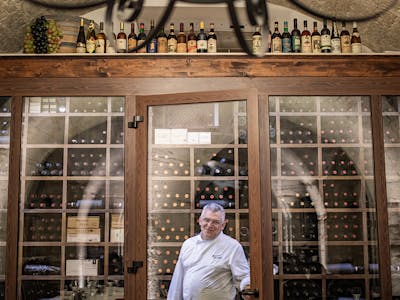
Bars in Augusta
Browse all →
Hotels in Augusta
Browse all →

Capriccio
The wine
- Wine program
- Exceptional wine program
- Extensive wine list
Details
- Elegant
- Sophisticated
- Intimate
- Date Night
- Special Occasion
- Standalone
- Extensive Wine List
- Local Sourcing
- Tasting Menu
- Wine
- Vegetarian Friendly
Current opening hours
- Monday
- Closed
- Tuesday
- 7:30–9:30 PM
- Wednesday
- 7:30–9:30 PM
- Thursday
- 7:30–9:30 PM
- Friday
- 7:30–9:30 PM
- Saturday
- 12:30–2 PM, 7:30–9:30 PM
- Sunday
- 12:30–2 PM
Hours can change for holidays and private events. Last verified .
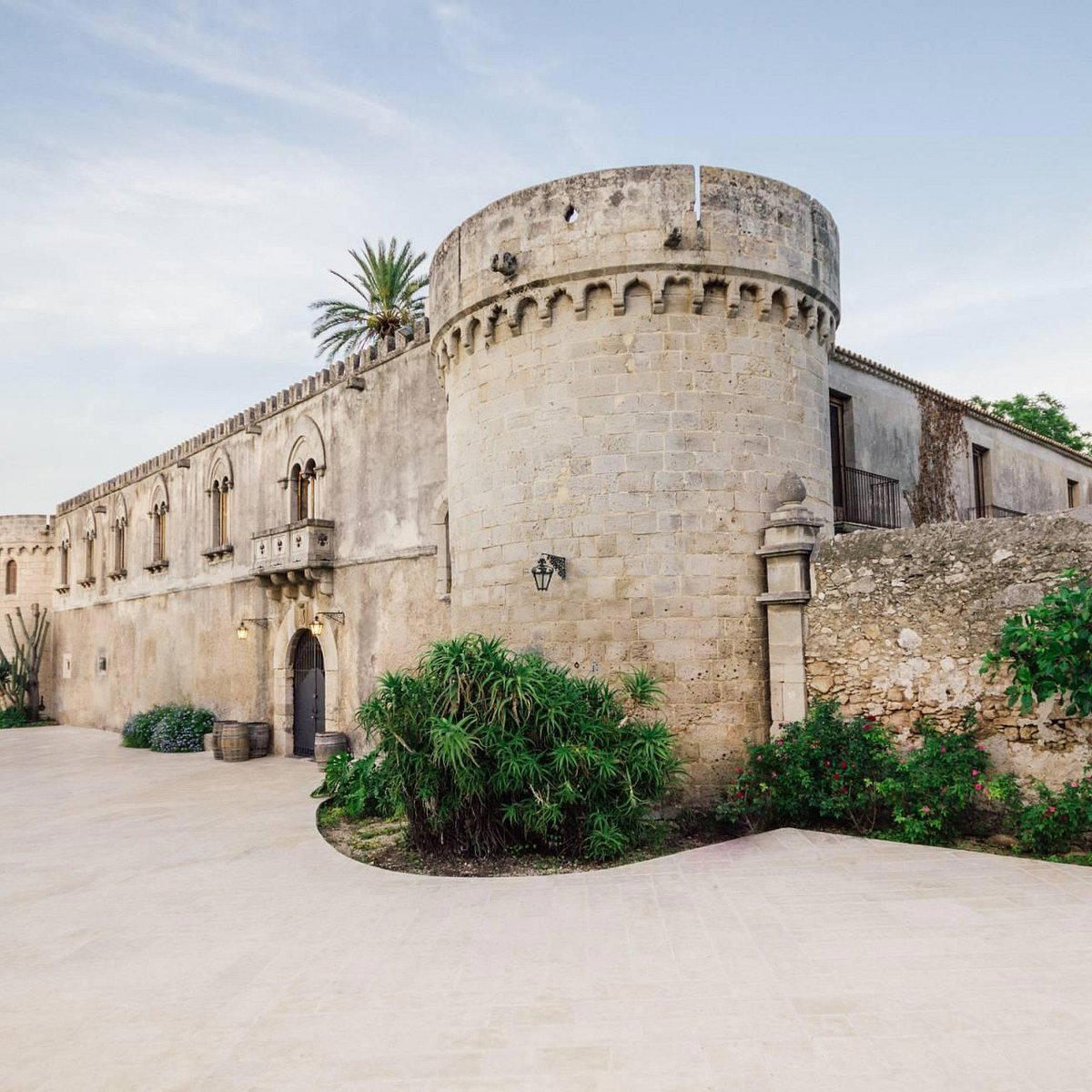
Serene and polished atmosphere where Sicily's flavors are presented with modern restraint and finesse.