
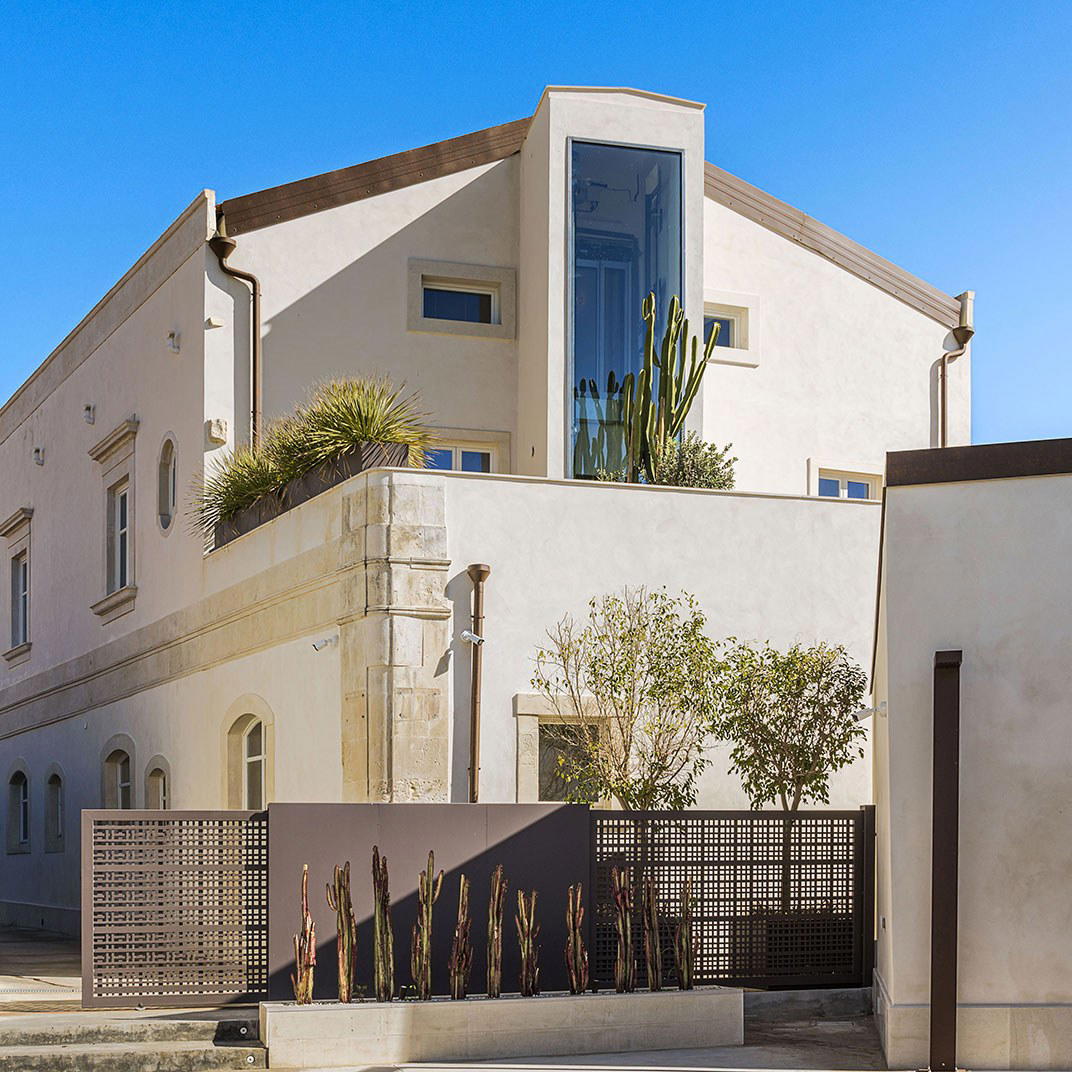
Six rooms on Ortigia, Syracuse's ancient island heart, Lùme is a Parisian-owned boutique B&B that manages the difficult trick of feeling like a private home without sacrificing sophistication. Seashells, freestanding bathtubs, handmade textiles, and a rooftop aperitivo slot sit alongside a hammam that most properties ten times the size wouldn't think to include. Rates from $327 per night.
Pearl is the En Primeur Club membership app — saves, bookings, and concierge access live there. Same editors, same standards.
- Address
- Via Larga, 30, 96100 Siracusa SR
- Phone
- +39 328 033 0316
- Website
- lume-ortigia.com
- Directions
- Get directions
 Saves & bookings on Pearl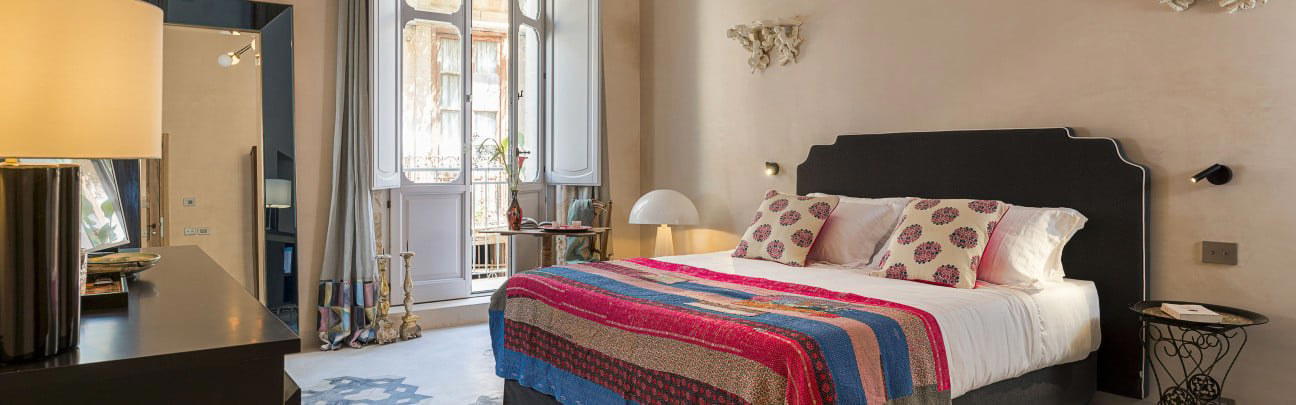
Ortigia's Small-Scale Architecture of Restraint
Boutique accommodation in southern Sicily tends toward two poles: rough-hewn agriturismo simplicity or overworked baroque revival. The properties that occupy the space between those poles, combining genuine warmth with considered design, are rarer than the price tags of the island's luxury market might suggest. Lùme, a six-room bed and breakfast on Via Larga in Ortigia, sits firmly in that middle ground, and it does so with a precision that makes larger, better-resourced properties look scattered by comparison. For context on how Italy's premium small-hotel tier is currently positioning itself, properties like Passalacqua in Moltrasio and Corte della Maestà in Civita di Bagnoregio show what disciplined curation at limited scale can achieve. Lùme belongs to that conversation.
The Physical Logic of Six Rooms
At six rooms, the design challenge shifts. There is no lobby to impress, no restaurant to anchor a sense of occasion, no pool to function as a social magnet. What remains is the room itself, the staircase, the threshold, the view from the window. Owners of small properties who understand this tend to invest proportionally more per square metre in the details that guests actually touch: the weight of a textile, the placement of an object on a shelf, the height at which a mirror is hung. At Lùme, that investment reads clearly. The rooms carry what the venue describes as an improbable density of characterful detail, a phrase that captures something precise: not maximalism, but a kind of controlled accumulation where every object earns its place. Homespun textiles sit alongside carefully displayed seashells; modern furnishings appear without apology next to older materials. The effect is layered rather than themed.
This approach to small-hotel design has parallels elsewhere in Italy's premium independent sector. Casa Maria Luigia in Modena operates a similarly object-led philosophy across a larger footprint, while Il Pellicano in Porto Ercole demonstrates how a strong design identity compounds over decades. Lùme is younger and smaller than either, but the underlying instinct, that a room should feel inhabited rather than staged, is the same.
The Attico and the Logic of the Apex Room
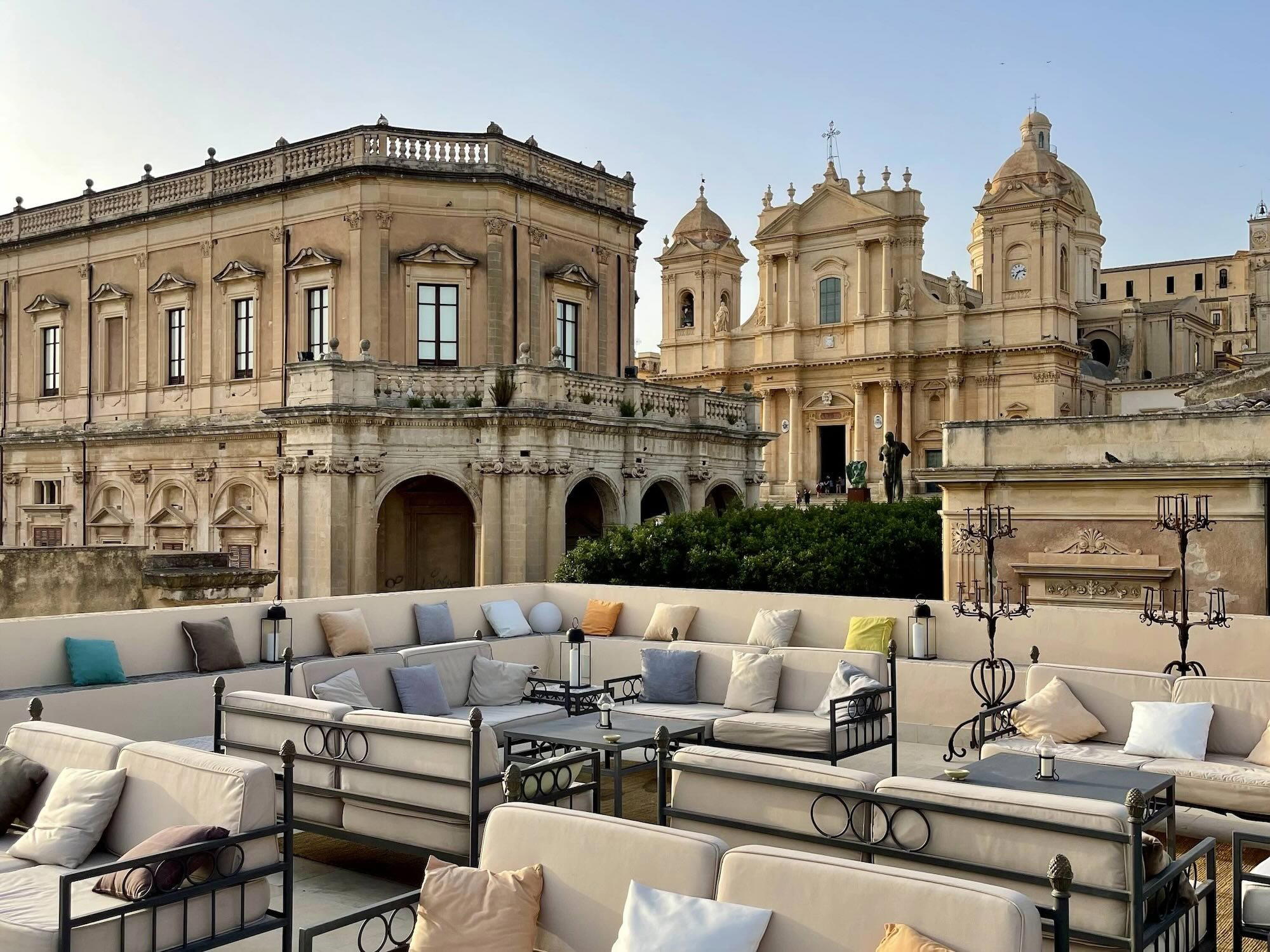
In a six-room property, the top-floor offering carries particular weight. There is no suite tower to dilute the category, no presidential floor to position against. Whatever the property calls its flagship accommodation defines the ceiling of the experience, and guests choosing it are effectively choosing the property's fullest expression of itself. At Lùme, that room is the Attico, a proper apartment rather than an enlarged standard, with a full kitchen and a private terrace. The kitchen detail matters: it signals a confidence in the guest's desire for self-sufficiency rather than service dependency, which aligns with the character of Ortigia itself, a neighbourhood dense enough with independent trattorias, wine bars, and market stalls that cooking for yourself is genuinely pleasurable rather than a fallback. The terrace extends the Attico's logic further outward, giving a view over a city that rewards elevation.
The architectural tradition of rooftop terraces in Sicilian urban accommodation has deepened significantly over the past decade, as both local and international operators have recognised that the island's light, particularly in late afternoon, makes exterior space the most valuable square metre a property can offer. Lùme's rooftop aperitivo, available to all guests, operates on the same principle: it converts the end of the day into a structurally different kind of experience from the standard hotel-bar model.
A Wellness Offer That Punches Above Its Size Class
The inclusion of a hammam and massage facilities at a six-room B&B is the detail that most clearly separates Lùme from the standard boutique accommodation category. Most properties at this scale treat wellness as impractical: the square footage required, the operational complexity, the staffing overhead. The decision to include it anyway suggests a clear-eyed read of the guest the property is designed for: someone who expects the amenities of a larger hotel but specifically does not want the volume that usually comes with them. That same guest profile appears across Italy's premium small-hotel tier. Borgo Santandrea on the Amalfi Coast and JK Place Capri serve a comparable demographic at different price points and locations, but the underlying preference, for privacy, for considered design, for amenities without scale, is consistent.
The B&B Format in a Neighbourhood That Renders a Restaurant Unnecessary
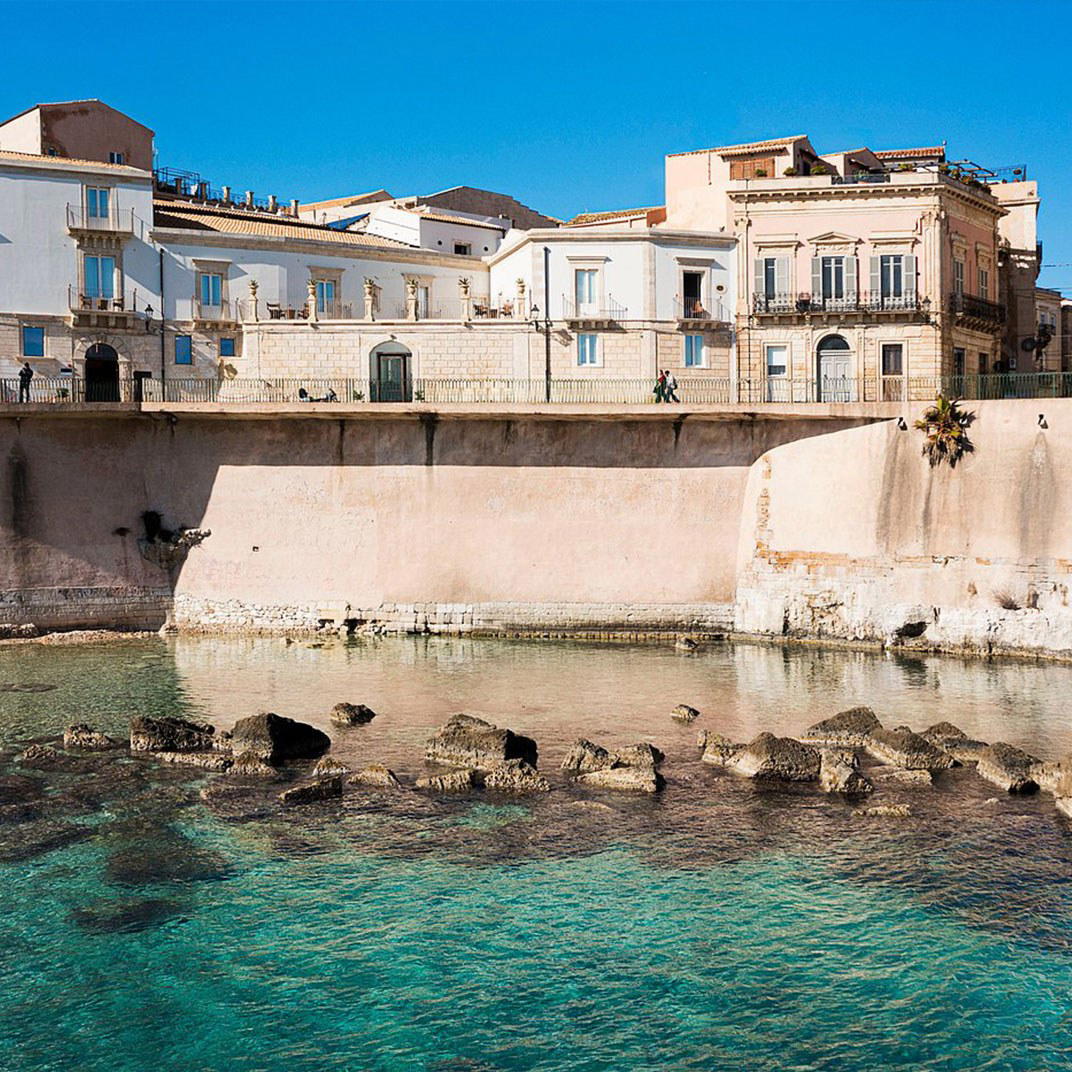
Absence of a restaurant at Lùme is a feature of the format rather than a gap in the offer. Ortigia is a roughly 1.5-kilometre island connected to mainland Syracuse by three bridges, and its density of dining options, from market-adjacent seafood counters to more considered modern Sicilian cooking, means that guests are better served by the neighbourhood than they would be by any in-house kitchen a six-room property could plausibly operate. What Lùme provides instead is a thoughtfully assembled breakfast spread and the rooftop aperitivo, two moments in the day that a property of this kind can execute with more care than a full-service restaurant would typically apply to equivalent offerings. For those wanting to orient themselves in the broader Syracuse dining scene before arriving, our full Syracuse restaurants guide maps the island's options in detail.
Where Lùme Sits in the Wider Italian Small-Hotel Field
Italy's independent hotel market has bifurcated. On one side sit the large international brands and their local affiliates: Bulgari Hotel Roma, Four Seasons Hotel Firenze, Aman Venice. On the other sit properties of fewer than twenty rooms, often family or independently owned, where the design and atmosphere are inseparable from a specific owner's decisions. Castello di Reschio in Umbria, Borgo San Felice in Tuscany, and Forestis in the Dolomites each occupy this second tier with a strong regional identity. Lùme's distinction within that field is geographic: Ortigia remains less trafficked by the premium independent hotel circuit than comparable historic Italian island settings, which means the property operates in a category where it faces limited direct competition at its level. The Parisian ownership is an additional signal: the sensibility that shapes the design draws from a different reference set than a locally trained eye would typically apply, producing something that feels specific to Syracuse while reading legibly to a wider international guest.
Planning Your Stay
Lùme's six rooms and the additional Attico apartment are available from $327 per night, positioning it in the mid-to-upper tier of Ortigia's accommodation options. At that size, the property operates with the booking rhythm of a private house rather than a hotel: availability moves quickly in the spring and early summer months, when Ortigia's light and temperatures align and the city receives visitors ahead of August's peak crowds. The address is Via Larga, 30, in the heart of Ortigia, within walking distance of the Duomo, the Fonte Aretusa, and the main market. Other Italian properties worth comparing for a similar scale-and-design approach, particularly for multi-destination itineraries, include EALA My Lakeside Dream on Lake Garda, Castel Fragsburg in Merano, and Portrait Milano. For those building a broader itinerary across the south, Borgo Egnazia in Puglia and Il San Pietro di Positano round out the regional picture at larger scale. Castelfalfi in Tuscany, Grand Hotel Tremezzo, Rosewood Castiglion Del Bosco, Bellevue Syrene 1820, Aman New York, The Fifth Avenue Hotel, and Amangiri in Utah each represent the same underlying proposition, that the most considered small-scale properties compete less on amenity count than on the coherence of a singular design point of view.
How Lùme Syracuse compares with similar nearby venues.
| Venue | Awards |
|---|---|
| Lùme | Michelin 1 Key |
Recognition history
Dated appearances from independent guides and award organizations, with the underlying list record or original source where available.
Mr & Mrs Smith Smith Seal of Approval
Mr & Mrs Smith
Michelin 1 Key
Michelin
Continue exploring
More in Syracuse
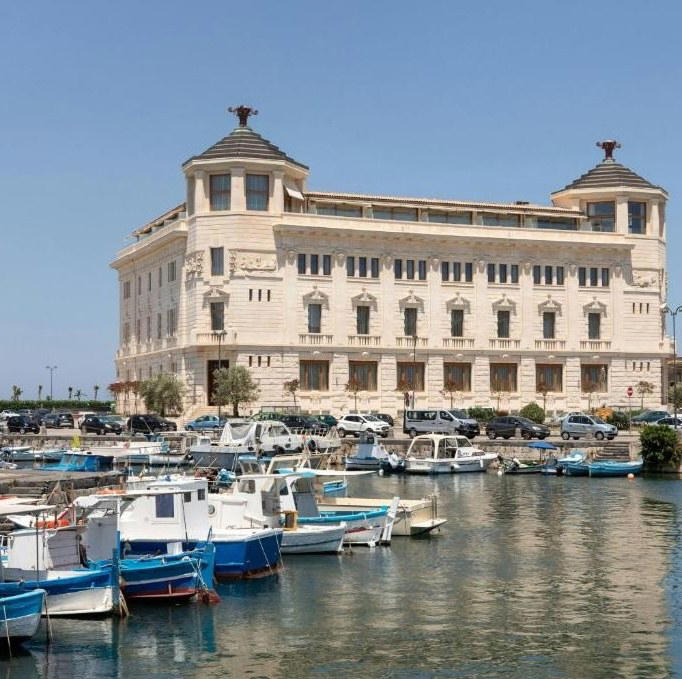
Hotels in Syracuse
Browse all →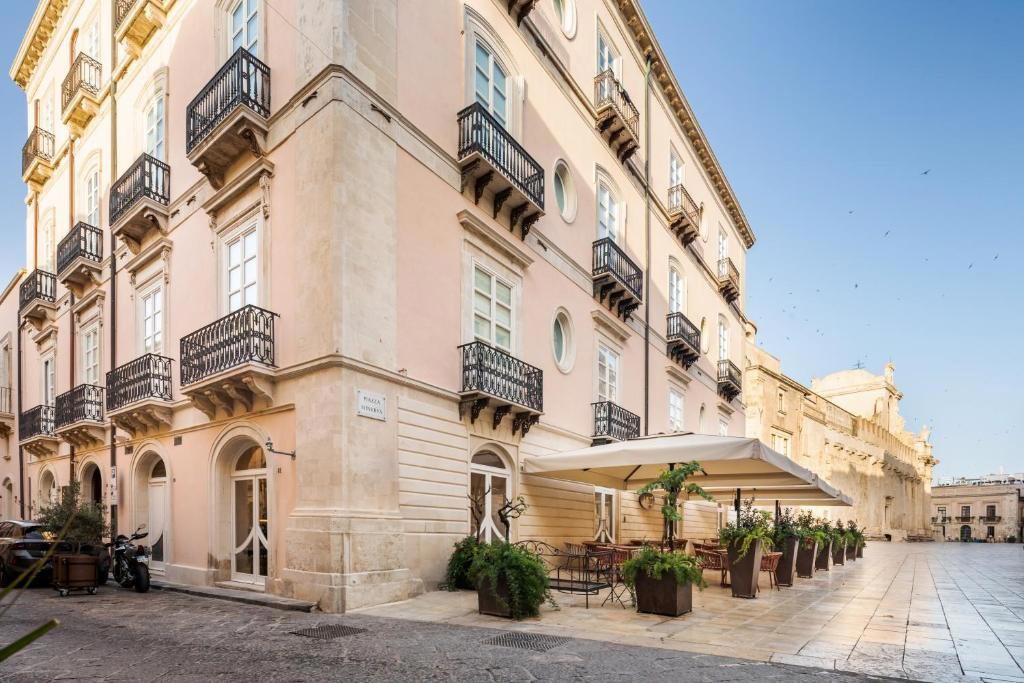
Bars in Syracuse
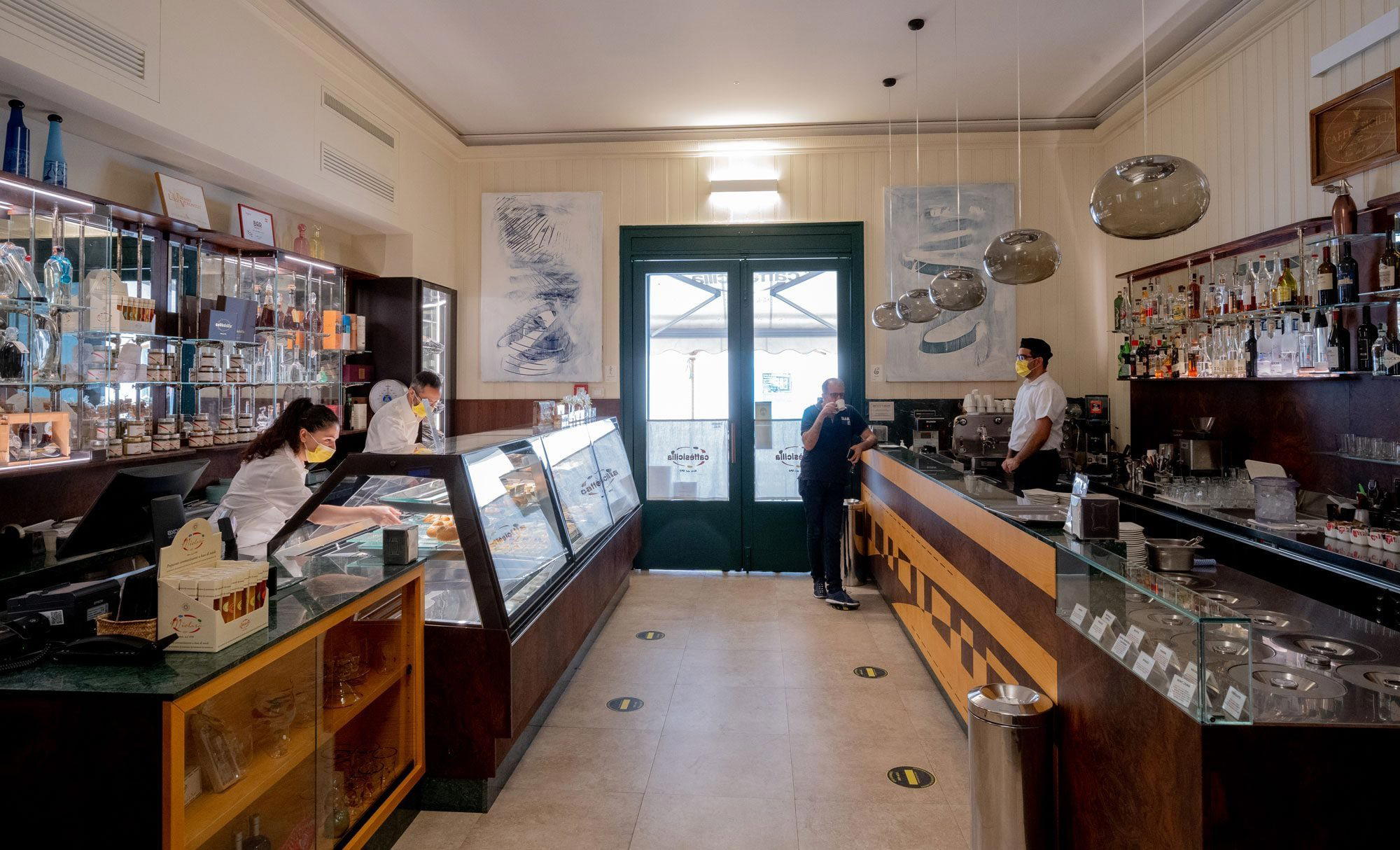
Browse all →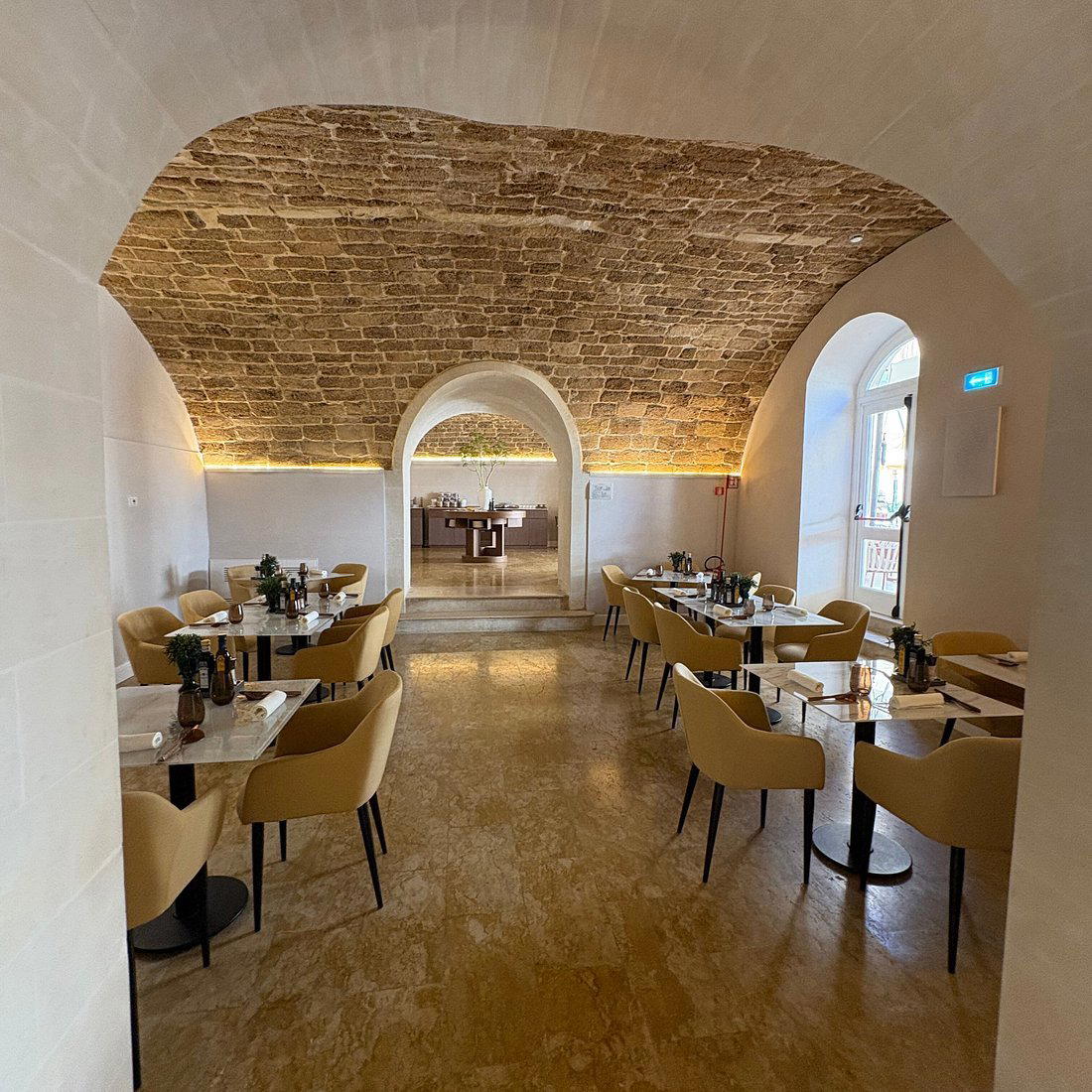
Restaurants in Syracuse
Browse all →

At a Glance
- Romantic
- Elegant
- Intimate
- Sophisticated
- Cozy
- Romantic Getaway
- Anniversary
- Honeymoon
- Weekend Escape
- Terrace
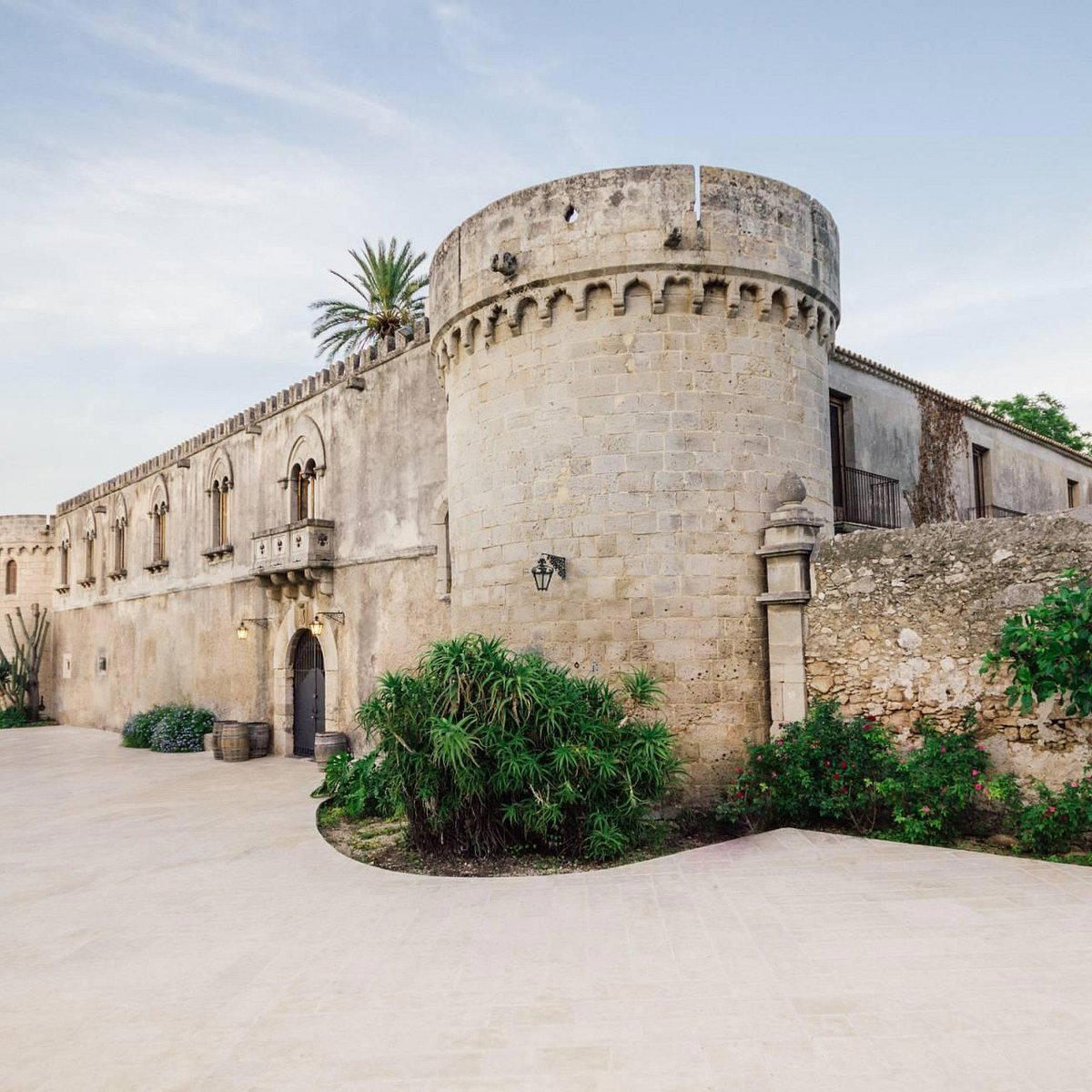
- Historic Building
- Panoramic View
- Spa
- Sauna
- Massage
- Waterfront
- Street Scene
- Spa
- Sauna
- Massage
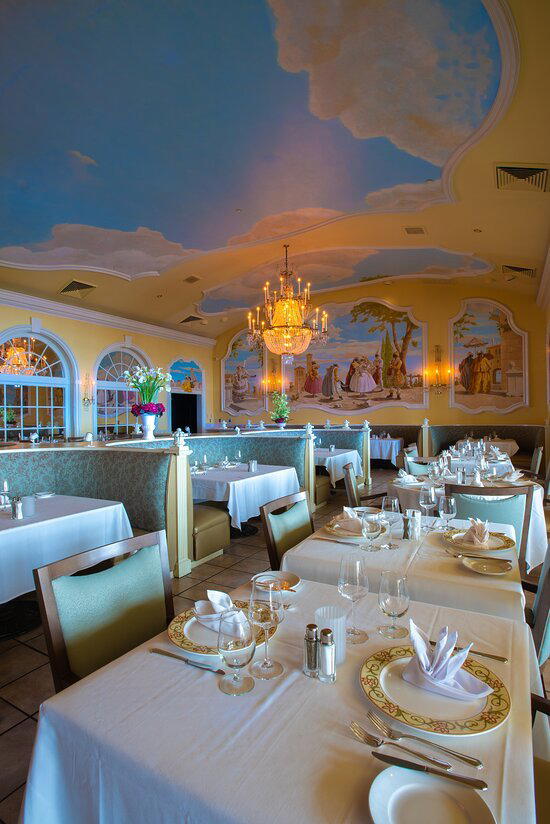
Ornate and beautifully designed rooms with warm, magical lighting; sublime rooftop terrace atmosphere well-suited for breakfast and aperitivo.
Know Before You Go
- Getting there
- Via Larga, 30, 96100 Siracusa SR