

Michelin Selected · Small Luxury Hotels of the World Member
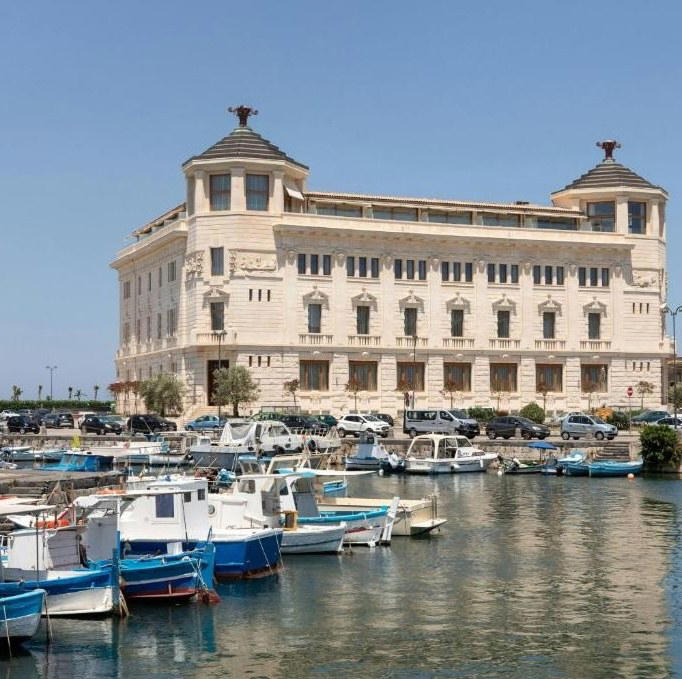
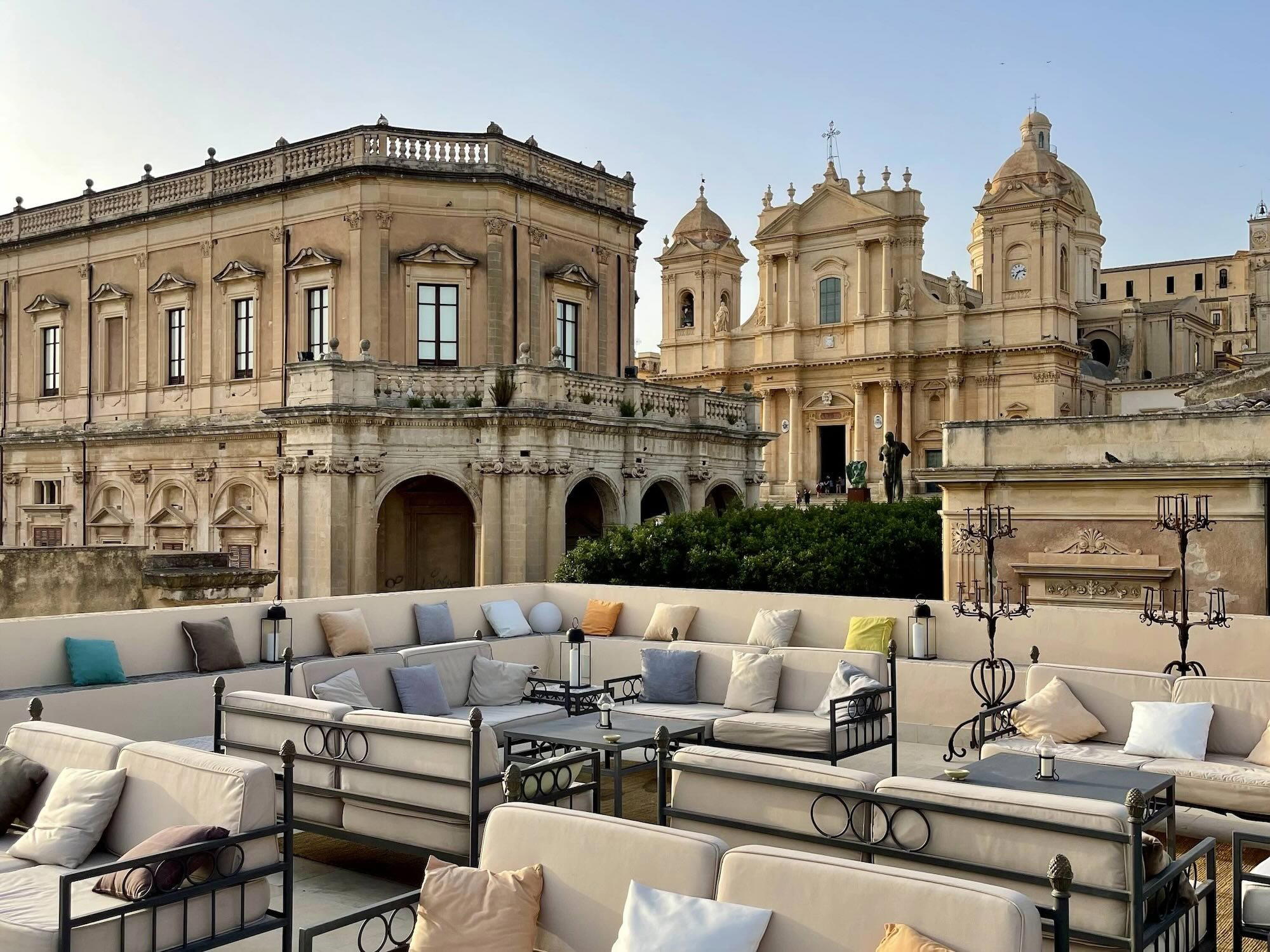
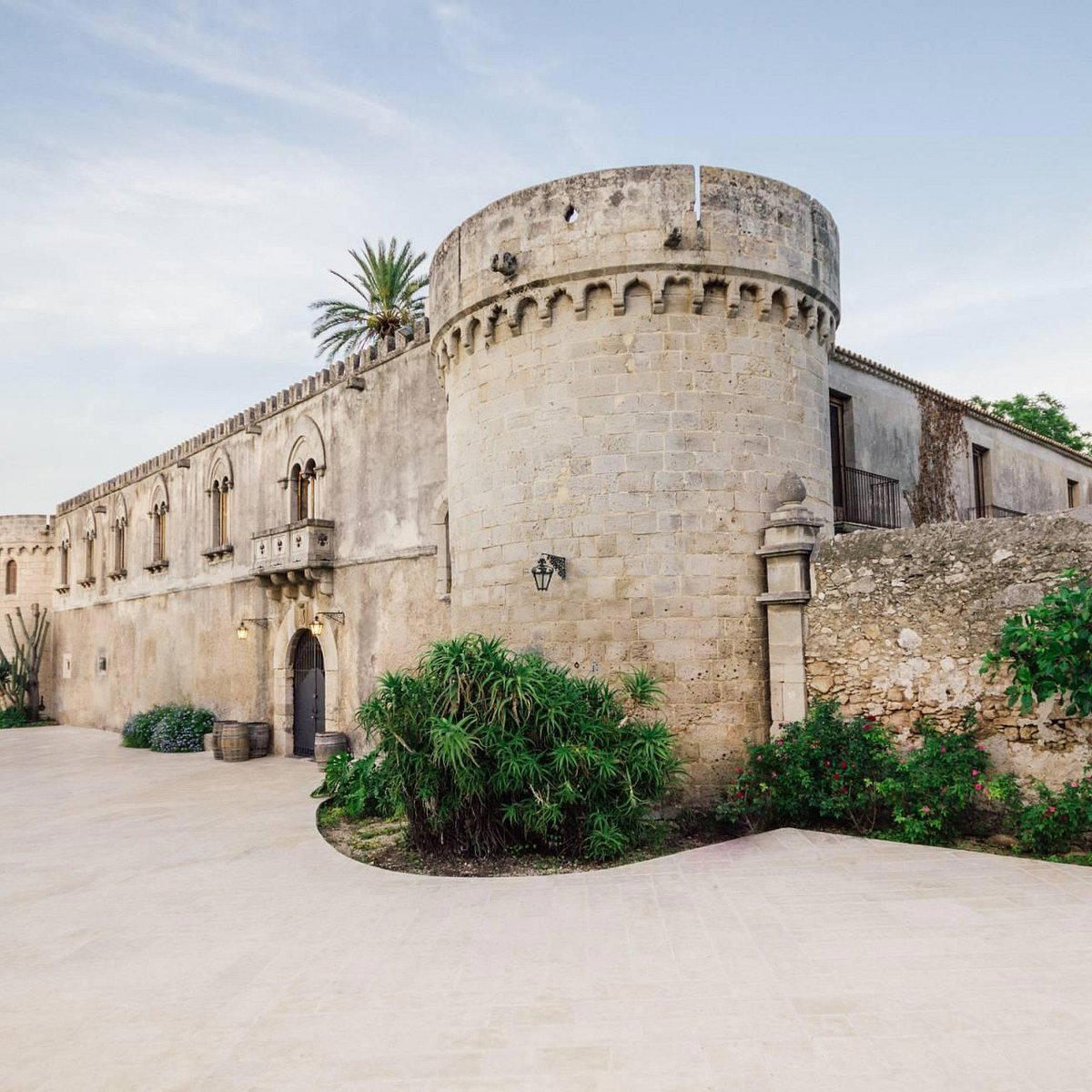
A converted baroque palazzo on Ortigia's Via Roma, Palazzo Artemide holds Small Luxury Hotels of the World membership and sits in the quieter, more architecturally coherent tier of Sicilian island accommodation.

Pearl is the En Primeur Club membership app — saves, bookings, and concierge access live there. Same editors, same standards.
- Address
- Via Roma, 66, 96100 Ortigia SR
- Phone
- +39 0931 187 1326
- Website
- vretreats.com
- Directions
- Get directions
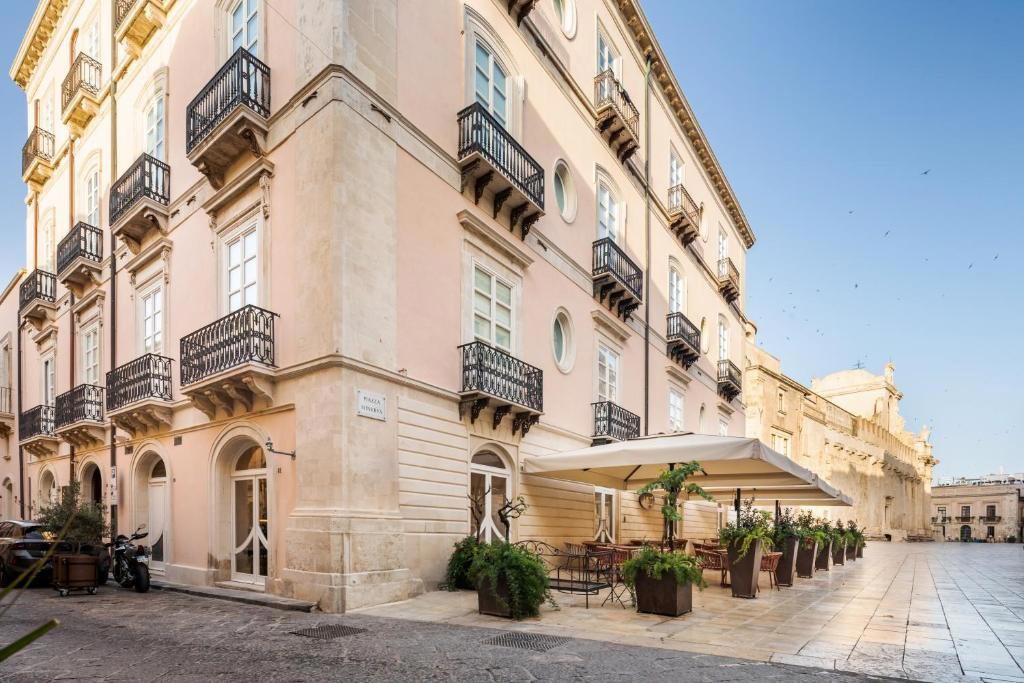
Stone, Light, and the Grammar of Baroque Ortigia
Ortigia is the kind of island where the architecture does most of the talking. The historic centre of Siracusa, separated from the Sicilian mainland by a narrow channel, accumulated Greek, Roman, Arab, Norman, and Spanish layers across more than two millennia, and the result is a dense, compressed urban fabric that rewards slow movement. Via Roma, the address at which Palazzo Artemide sits, runs through one of the island's more intact baroque corridors, where the street scale, the stone tonality, and the relationship between facades and sky remain largely as they were in the seventeenth and eighteenth centuries.
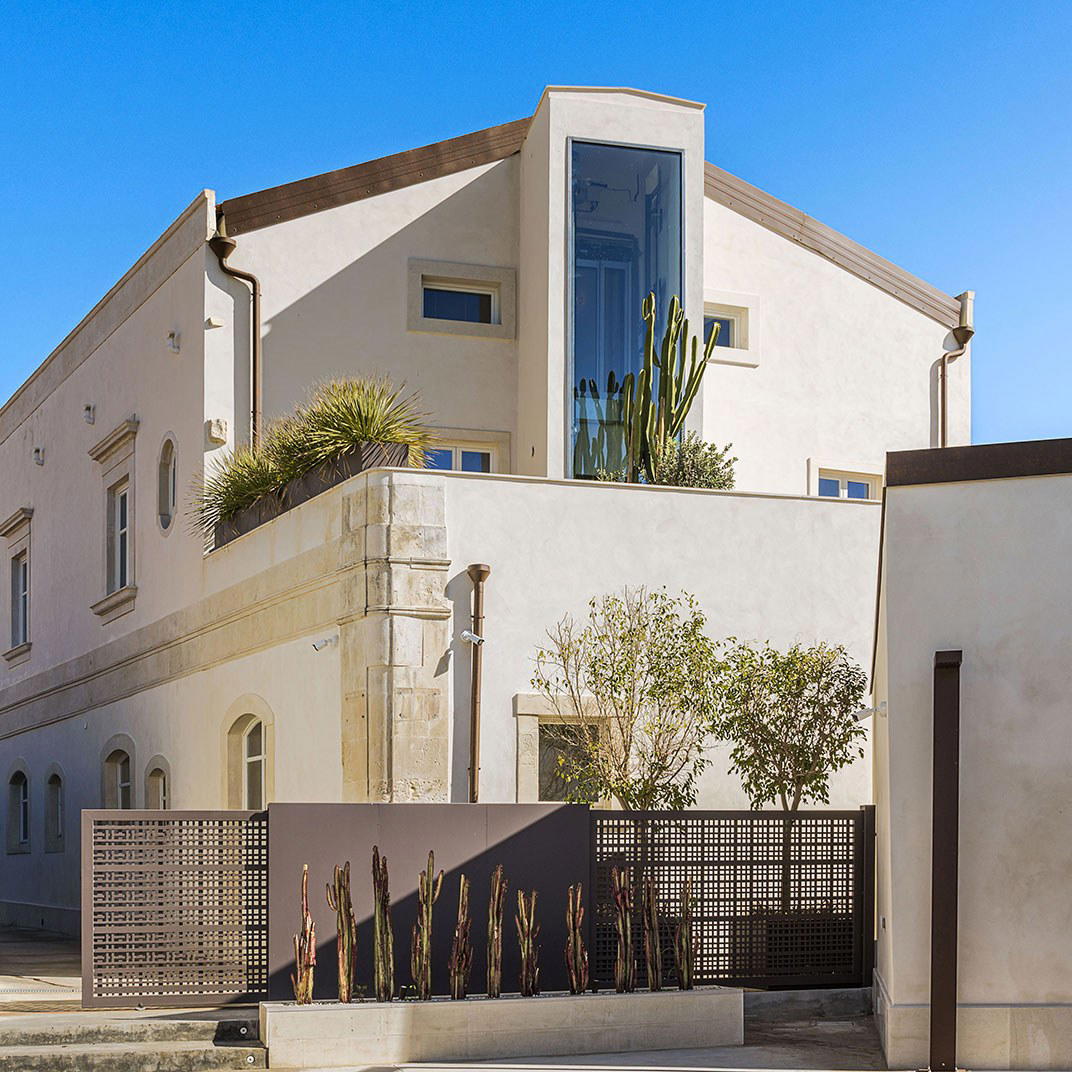
Within that context, the conversion of a historic palazzo into hotel accommodation carries specific pressures. Ortigia's building stock is protected, which means interventions must negotiate between preservation requirements and the operational expectations of contemporary luxury guests. The properties that do this well tend to share a set of characteristics: retained structural elements such as vaulted ceilings, cortili, and original stone floors used as primary design features rather than decorative accents, with modern systems introduced discreetly rather than imposed over the historic shell.
What Small Luxury Hotels Membership Actually Signals
The Small Luxury Hotels of the World collection now spans more than five hundred properties across ninety-plus countries, and membership is not self-assigned. Properties are assessed against service, quality, and independence criteria, with the collection functioning as a signal to a specific traveller profile: one who weights character, location specificity, and operator commitment over the standardised programming of large hotel groups. In Italy, SLH membership appears across a range of property types, from converted agriturismi in Tuscany to palazzo conversions in historic city centres, but the common denominator is that the physical environment carries narrative weight.
For comparison, consider where Palazzo Artemide sits relative to Italian properties at different positions on the luxury spectrum. Aman Venice in Venice operates at the upper tier of palace conversion, with a price point and key count that position it against a handful of peers globally. Castello di Reschio in Lisciano Niccone represents the rural estate model, where design language and agricultural land create a self-contained world. Palazzo Artemide occupies a different register entirely: an urban, island-specific property where the immediate streetscape and the city's layers are as much a part of the offer as the building itself. The SLH framework is the right container for that kind of proposition.
Ortigia's Accommodation Tier: Where Palazzo Artemide Fits
Siracusa and Ortigia have attracted growing international visitor attention over the past decade, partly through food and wine coverage of eastern Sicily and partly through the island's appearance in literary and cinematic contexts. Accommodation supply on Ortigia remains constrained by the island's physical size and its protected status, which creates a relatively small inventory of quality properties and limits the kind of large-footprint development that might dilute the area's character. This scarcity works in the favour of established palazzo conversions, which hold a structural advantage over newer entrants simply through their location within the historic street pattern.
The properties worth comparing to Palazzo Artemide within Sicily tend to be smaller, independently operated, and defined by their architectural container rather than any affiliated brand. This is a different competitive logic from what applies in, say, the Amalfi Coast, where Borgo Santandrea and Il San Pietro di Positano in Positano operate within a denser, more internationally recognised luxury cluster. That suits travellers who are choosing the destination as much as the property, and who want accommodation that is continuous with the urban experience rather than insulated from it.
Other southern Italian properties that attract a structurally similar guest profile include Borgo Egnazia in Savelletri di Fasano, though that operates at a larger scale and with a more resort-oriented format, and JK Place Capri in Capri, which shares the palazzo-conversion logic but within a different island context and price band. For travellers building an Italian itinerary that includes northern or central properties before moving south, the architecture-led approach also echoes what Four Seasons Hotel Firenze in Florence delivers within its converted convent, though at a considerably different scale and price tier.
Planning a Stay: Timing, Booking, and Practical Orientation
Ortigia's high season runs from June through September, when temperatures on this part of the Sicilian coast sit consistently above 30°C and the island's narrow lanes fill with visitors. The baroque architectural experience is technically available year-round, but the quality of light and the relative ease of moving through the city make April, May, and October the months that experienced travellers to this coast tend to favour. Spring also aligns with the almond blossom season in the Sicilian interior, which is relevant if an itinerary extends beyond the coast to the Val di Noto or the Iblean plateau.
For a property of this type and membership tier, advance booking is advisable, particularly for travel in July and August. Ortigia's accommodation inventory is finite, and palazzo properties with protected historic fabric cannot add capacity in response to demand. Booking several months ahead for peak summer dates is a practical precaution rather than an expression of the property's reputation. The address on Via Roma, 66, 96100 Ortigia SR, places guests within walking distance of the Piazza del Duomo, the Fonte Aretusa, and the fish market at the Largo XXV Luglio, which is one of eastern Sicily's more instructive morning markets for understanding the local seafood supply chain. Ortigia is a small island: most points of interest are reachable on foot in under fifteen minutes.
For travellers comparing Palazzo Artemide against other Italian properties in this general tier, the editorial range of options is broad: Casa Maria Luigia in Modena, Portrait Milano in Milan, and Passalacqua in Moltrasio each occupy distinct regional niches with their own architectural and cultural logics. Ortigia represents a southern, island-specific version of the same underlying preference for historically embedded accommodation. For a fuller picture of eating and drinking options around the property, our full Ortigia restaurants guide covers the island's dining scene with the same editorial depth.
Comparable Spots, Quickly
Comparable venues nearby, for context on price, style, and recognition.
| Venue | Cuisine | Price | Awards | Notes |
|---|---|---|---|---|
| Palazzo ArtemideThis venue — the venue you are viewing | Historic palazzo blending baroque features with contemporary Italian design | $200–300 | Michelin Selected · Small Luxury Hotels of the World Member | Not listed |
| Villa Fiorita Boutique Hotel | Historic Taorminese villa with modern renovations | Not listed | Michelin Selected | Taormina City Centre |
| Tivoli Portopiccolo Sistiana Wellness Resort & Spa | Modern boutique retreat inspired by Gio Ponti | Not listed | Michelin Selected | Portopiccolo |
| San Montano Resort & SPA | 1970s postmodern luxury resort with contemporary renovations, blending Mediterranean heritage with modern wellness-focused design. | $300–500 | Michelin Selected · Virtuoso Luxury Hotel Partner | Lacco Ameno |
| Torre Fiore Hotel Masseria | Restored 16th-century fortified masseria blending historic farmhouse architecture with contemporary luxury. | Not listed | 1 Michelin Key · Mr & Mrs Smith Seal of Approval | Pisticci |
| Braccialieri Luxury Resort | Contemporary luxury farmhouse estate blending 19th-century heritage with modern design-forward interiors and sustainable eco-villas. | $300–500 | Michelin Selected · Town & Country Hotel Awards | Val di Noto |
Recognition history
Dated appearances from independent guides and award organizations, with the underlying list record or original source where available.
Michelin Selected
Michelin
Small Luxury Hotels of the World Member
Small Luxury Hotels of the World
Continue exploring
More in Ortigia
Hotels in Ortigia
Browse all →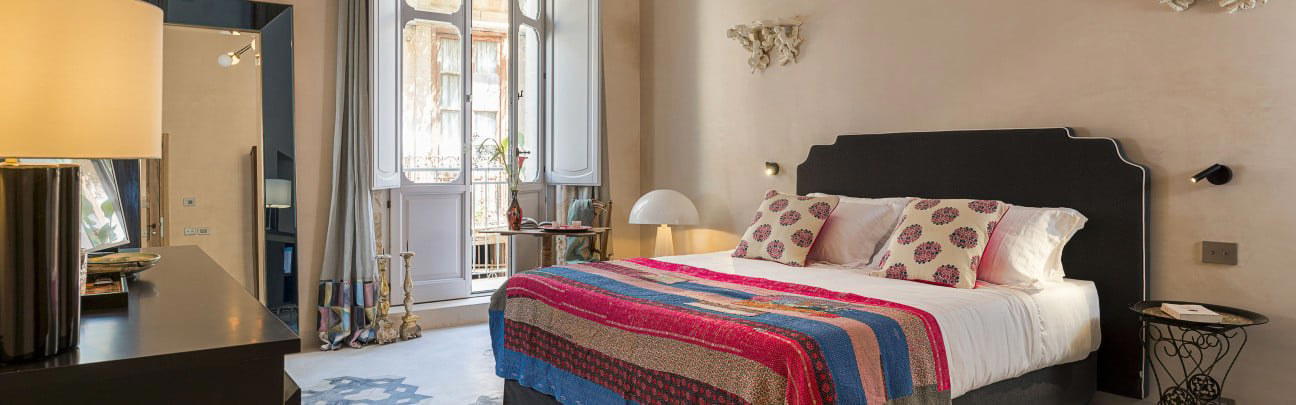
Bars in Ortigia
Browse all →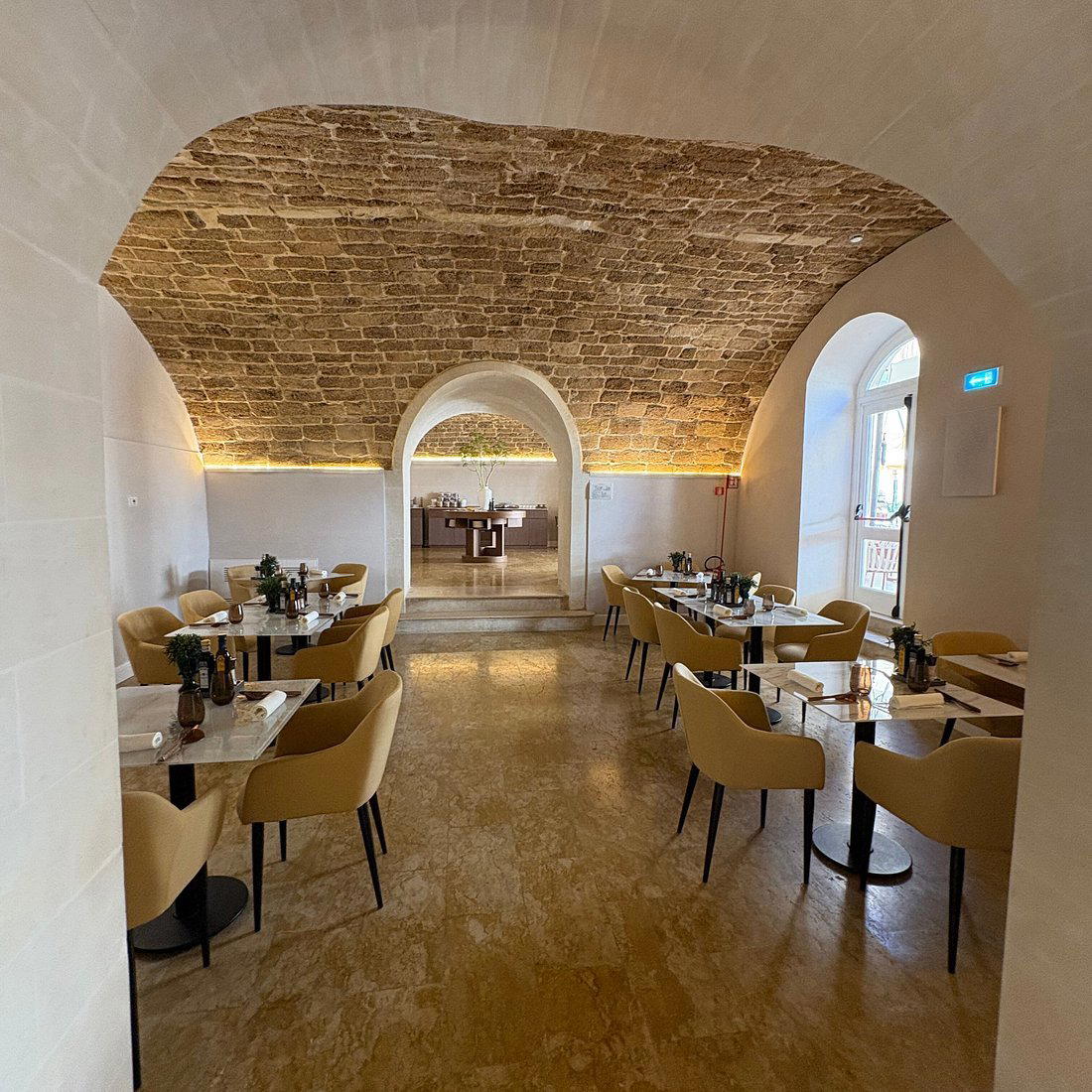
Restaurants in Ortigia
Browse all →

Details
- Elegant
- Romantic
- Sophisticated
- Classic
- Intimate
- Romantic Getaway
- Honeymoon
- Anniversary
- Weekend Escape
- Historic Building
- Terrace
- Panoramic View
- Wi Fi
- Room Service
- Concierge
- Restaurant
- Bar
- Laundry Service
- Air Conditioning
- Street Scene
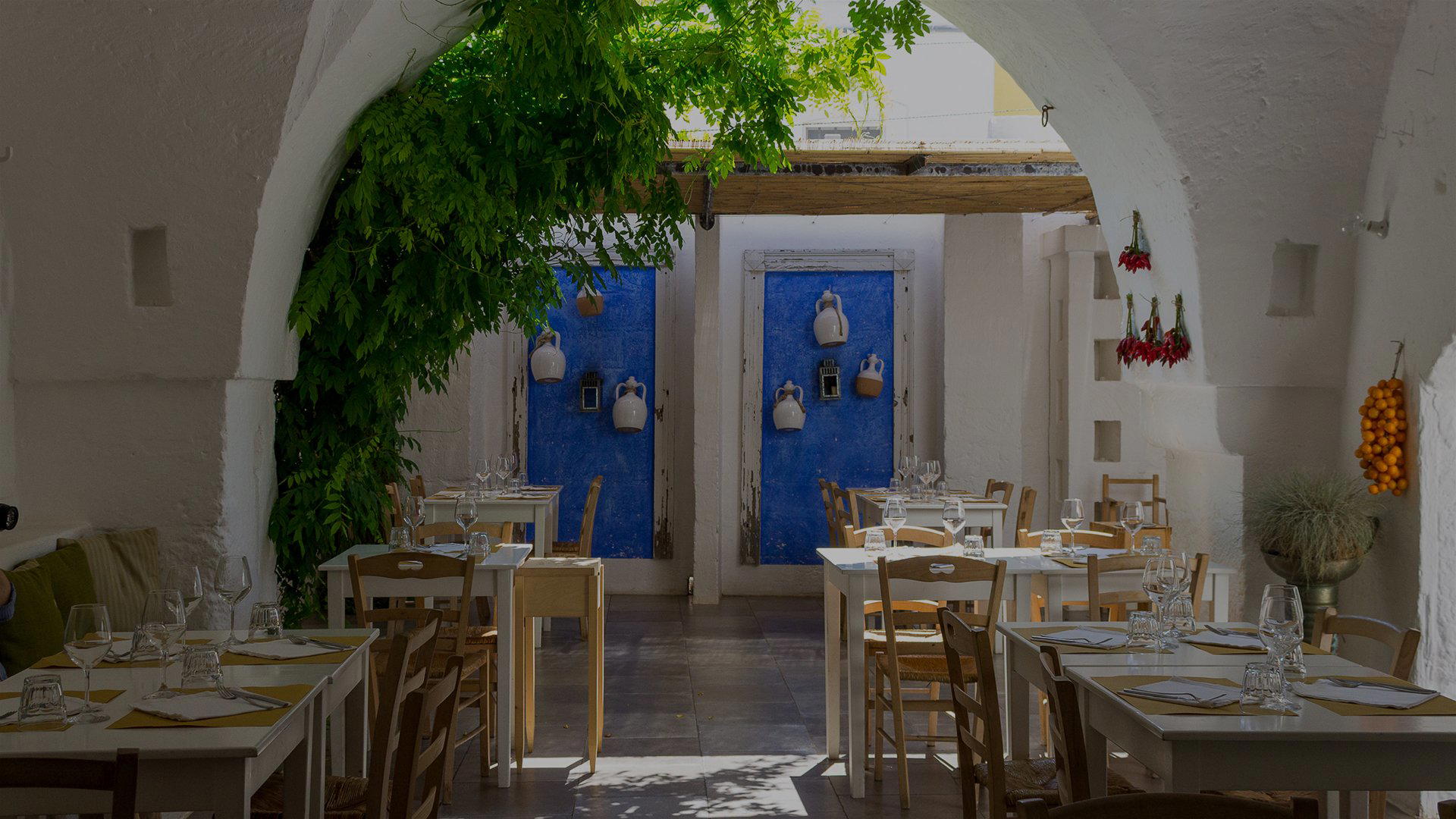
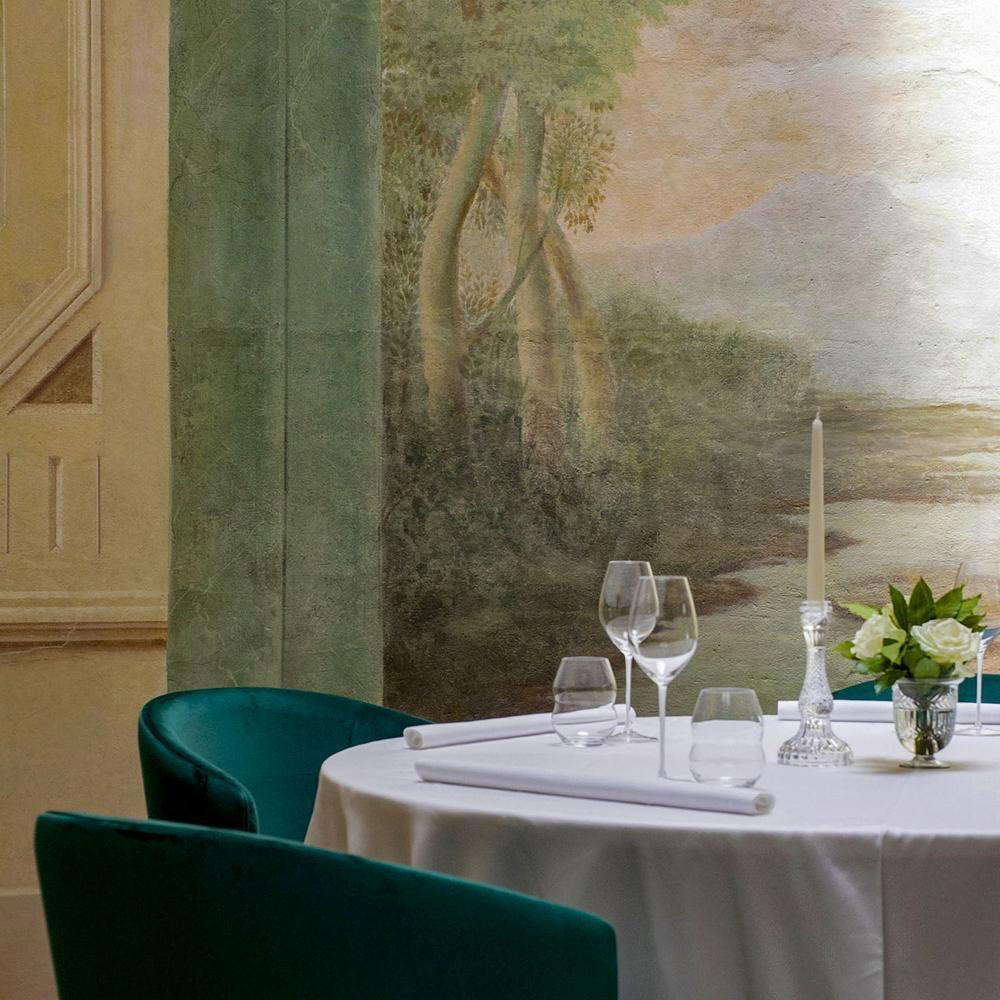
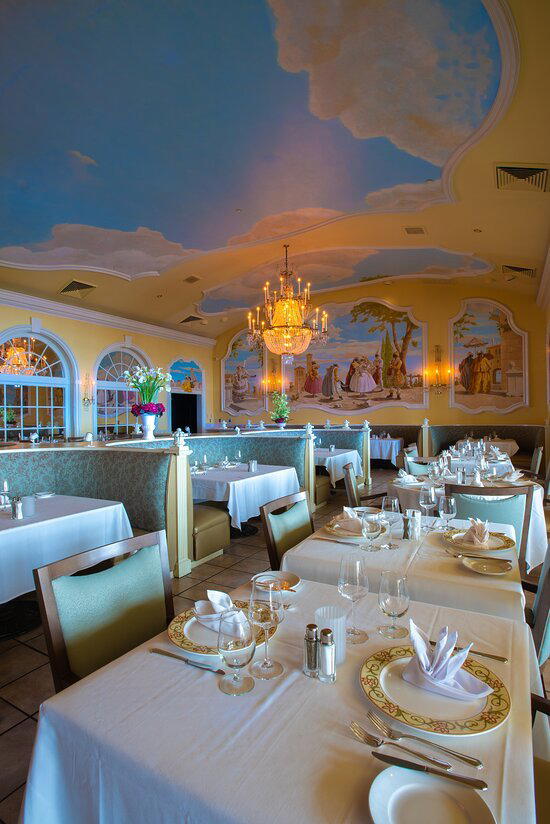
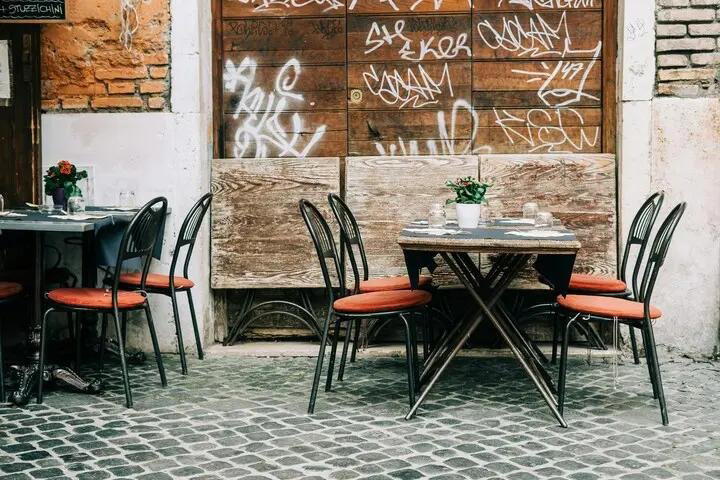
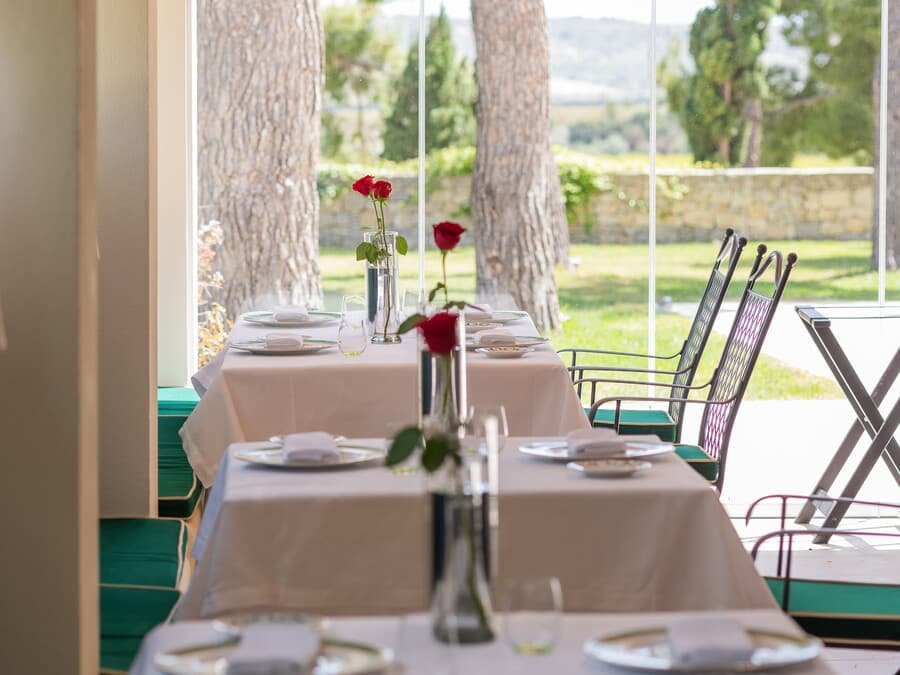
Refined and serene with soft coastal light, neutral tones accented by Mediterranean blue, and an elegant atmosphere praised for its luxury and warmth.