
1 Michelin Key
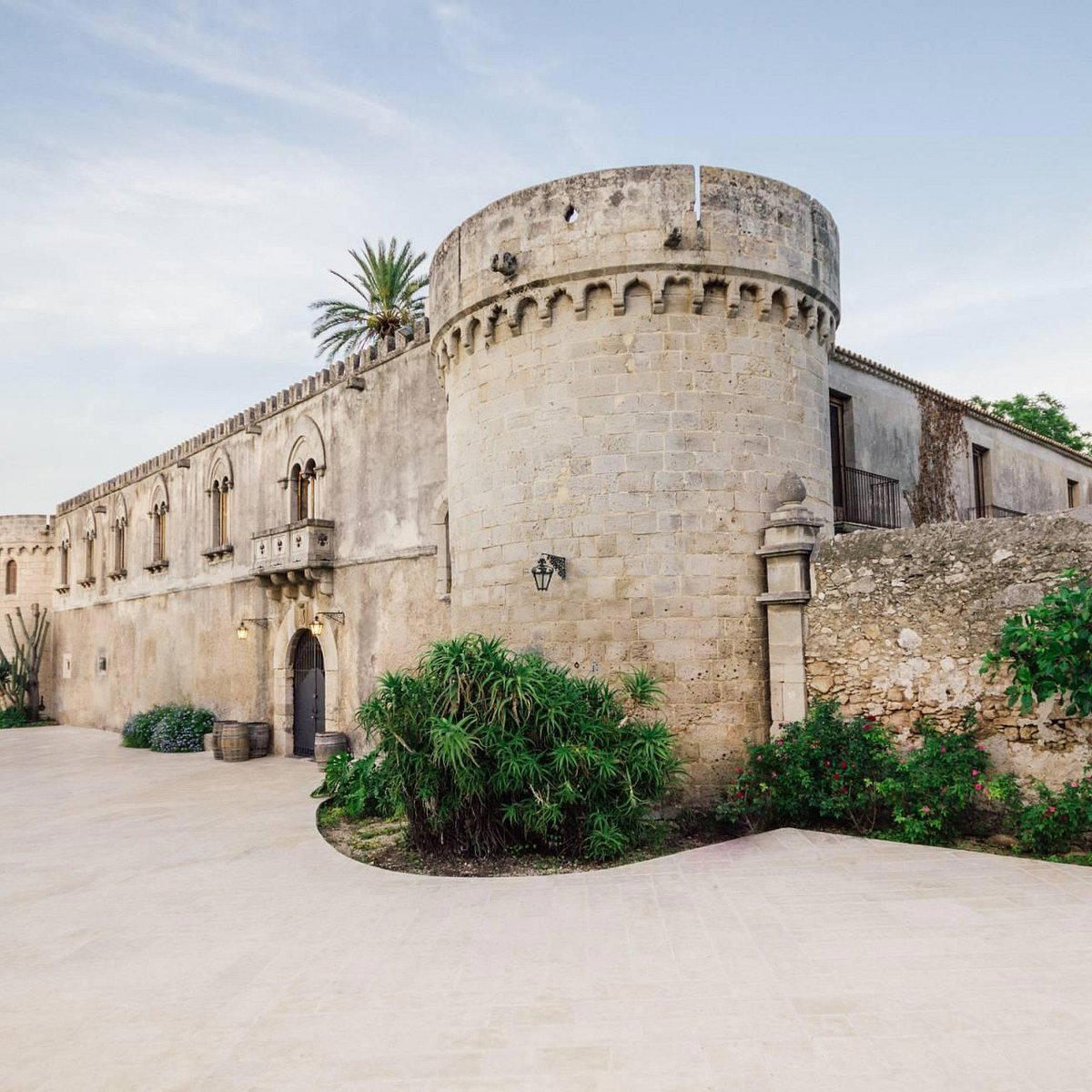
On a 14th-century estate outside Syracuse, Donna Coraly Country Boutique Hotel occupies former farmworkers' buildings redesigned with contemporary art and local materials. Ten suites surround a heated saltwater bio pool set within a botanical garden, while the La Zaituna restaurant serves zero-kilometre Sicilian cooking from what was once the estate's olive mill. A Michelin Key holder since 2024, it sits in Sicily's small tier of genuinely low-key rural luxury.

Pearl is the En Primeur Club membership app, where members save venues, book tables and use the concierge.
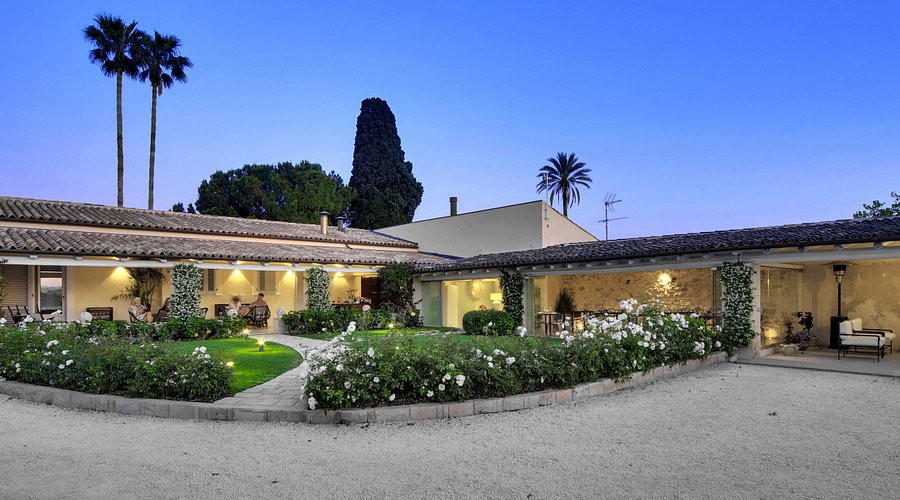
A Sicilian Estate Where History and Design Exist on Equal Terms
The southeastern corner of Sicily operates differently from the island's more trafficked interior. Along this stretch of coastline, within reach of Syracuse but removed from its summer crowds, a small number of rural properties have converted centuries-old agricultural land into accommodation that resists the resort template. Donna Coraly Country Boutique Hotel belongs to this category, occupying the grounds of the San Michele family estate, a landholding documented to the 14th century. What makes the conversion notable is not its age but its honesty: the low-profile outbuildings that once housed farm workers have been redesigned without erasing their structural character.
That restraint in design is the defining architectural decision at Donna Coraly. The buildings were not reconstructed to look like a boutique hotel; they were adapted to function as one, with contemporary art and modern interior design introduced as contrast rather than camouflage. The result positions the property in a niche that Italy's country-house sector has developed over the past two decades, where the design brief is authenticity-with-edge rather than rustic pastiche. Comparable properties across Italy, among them Castello di Reschio in Lisciano Niccone and Borgo San Felice Resort in Castelnuovo Berardenga, have taken similarly adaptive approaches to historic agricultural structures, though each with different aesthetic outcomes. At Donna Coraly, the integration of contemporary art into a framework of centuries-old architectural influence creates a productive tension that most heritage conversions avoid by defaulting to period reproduction.
The Architecture of Ten Rooms
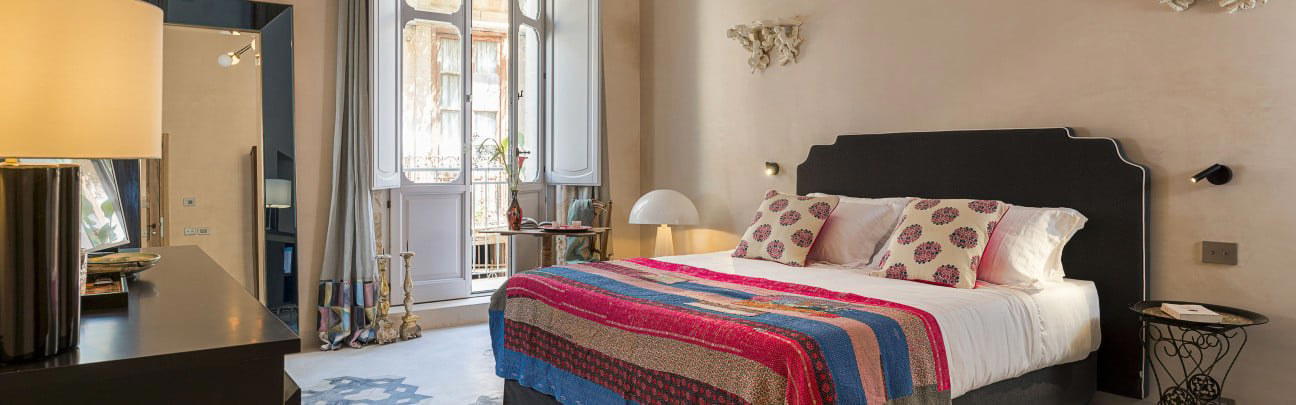
Ten rooms is a number that carries editorial weight in the Italian boutique category. Properties at this scale operate with a fundamentally different service logic than larger estates: the ratio of staff to guests shifts, the communal spaces feel proportionate rather than underused, and the property's design choices become visible in ways that a fifty-room hotel would dilute. At Donna Coraly, those design choices include spacious suites with appointments that read as tasteful rather than overtly luxurious, a distinction that matters in a property where the estate itself is meant to be the primary spectacle.
The architectural centrepiece is the heated saltwater bio pool, set within a botanical garden that gives the pool area a planted, living context rather than the exposed-paving aesthetic common to resort properties. A bio pool format, which avoids conventional chlorine treatment in favour of biological filtration, is itself a design statement, one that aligns the property with an emerging tier of Italian country hotels where the relationship between the built environment and the natural surroundings is treated as a planning principle, not an afterthought. For reference, properties like Forestis Dolomites in Plose have taken similar positions on environmental integration, though in an entirely different geographic register.
La Zaituna: The Olive Mill as Dining Room
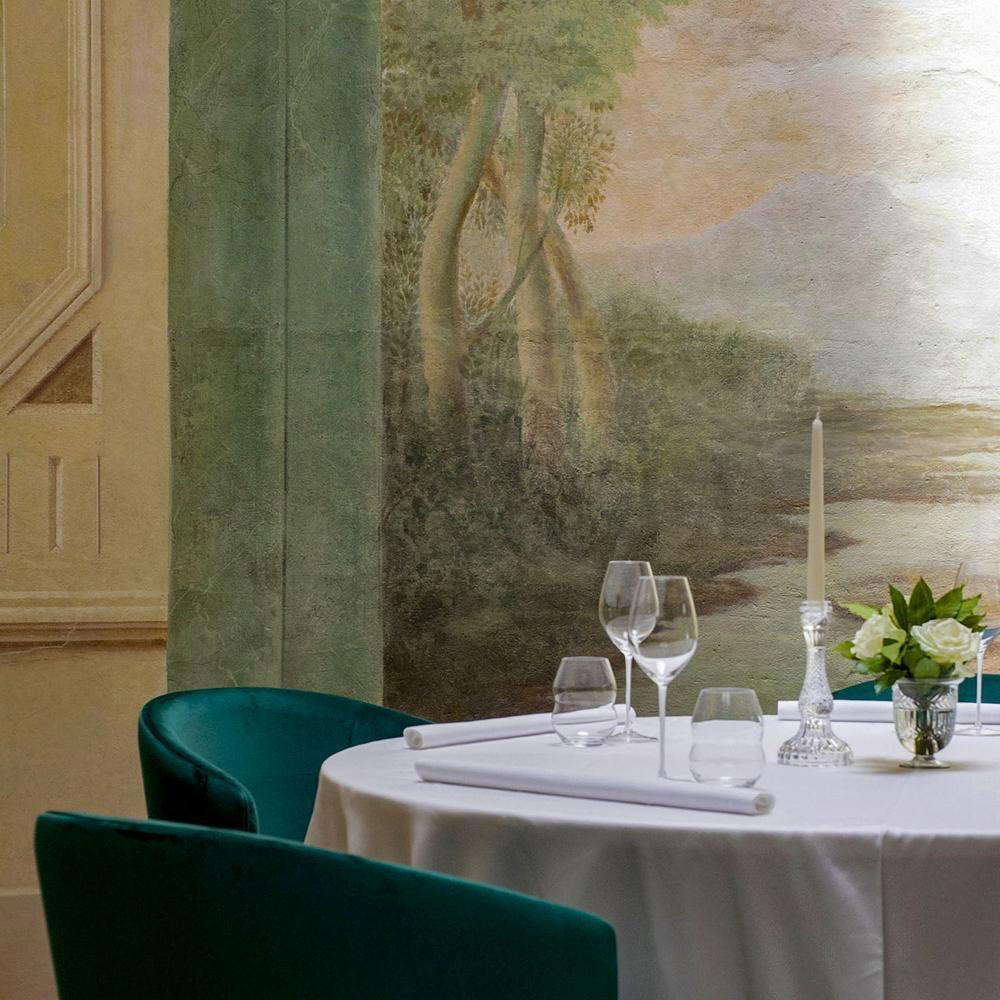
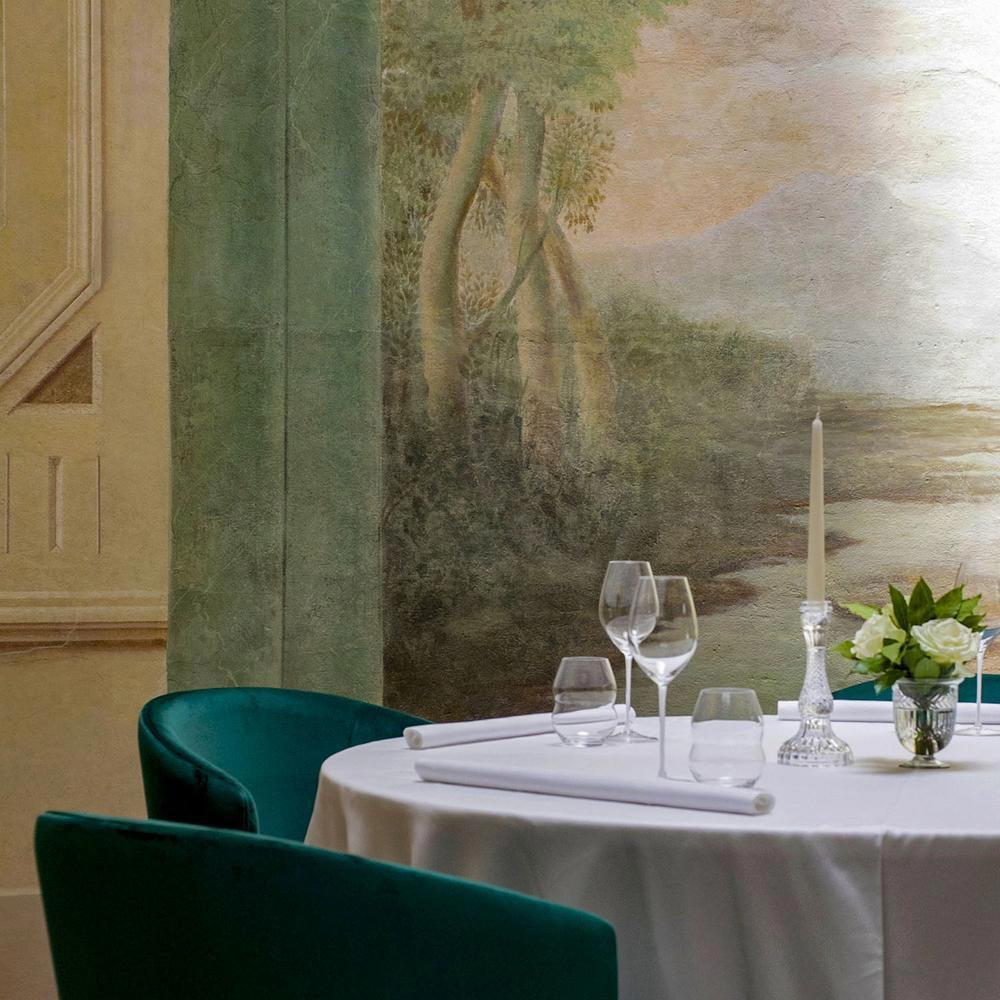
Italy's agriturismo tradition has long understood that agricultural infrastructure, when treated with architectural care, produces dining rooms with an authenticity that purpose-built restaurant spaces cannot replicate. La Zaituna, the estate's restaurant, occupies the former olive mill, a structure whose original function gives the dining space its proportions, materials, and sensory character. Zero-kilometre sourcing from the on-site garden is the kitchen's stated method, connecting the restaurant directly to the estate's land in a way that the leading rural Italian kitchens have always done, even before the terminology existed.
Dining at Donna Coraly extends beyond the restaurant room. Meals can be taken poolside or within the private garden of a suite, an option that shifts the format from restaurant service to something closer to residence. This flexibility is common to small Italian country properties that understand their guests are choosing a place, not just a meal. The Michelin Key recognition awarded to Donna Coraly in 2024 places the hotel within the Michelin hotel guide's assessed tier, a credential that functions as a benchmark for hospitality quality rather than culinary achievement specifically. For context on Italy's Michelin Key tier, properties such as Castel Fragsburg in Merano and EALA My Lakeside Dream in Limone sul Garda occupy similar recognised positions in different Italian regions.
The Weight of September 3, 1943
Design and hospitality aside, Donna Coraly carries a historical fact that few comparable properties can claim. The Armistice of Cassibile, signed on September 3, 1943 between Italy and the Allied forces, was concluded in the Vigneto delle Vignazze on this estate. The commemorative stele that now stands on the property marks one of the definitive events of the Italian theatre in the Second World War. For a property operating at the boutique end of the luxury category, this is not a decorative historical footnote; it is a documented reason for the estate's significance that predates its current hospitality function by decades. Staying here carries that context, whether or not guests choose to engage with it directly.
Where Donna Coraly Sits in the Sicilian Luxury Category
Sicily's premium accommodation tier has grown in depth over the past decade, but the island's boutique rural category remains considerably smaller than Tuscany's or Umbria's. Properties with fewer than twenty rooms, direct agricultural connections, and genuine architectural pedigree occupy a narrow segment of that market.
Properties like Casa Maria Luigia in Modena and Rosewood Castiglion Del Bosco in Montalcino occupy adjacent categories, though with different price positioning and ownership structures. At the higher end of the Italian estate category, Passalacqua in Moltrasio sets a reference point for what recognition and format discipline can achieve at small scale. Donna Coraly operates in a different price register and geography, but the structural parallels, historic estate, limited rooms, site-sourced food, and design-led adaptation, are consistent.
For travellers building an Italian itinerary across different property types, the contrast with larger-format options like Four Seasons Hotel Firenze in Florence, Bulgari Hotel Roma in Rome, or Aman Venice in Venice is instructive. Those properties deliver scale and service infrastructure that Donna Coraly does not attempt. What the San Michele estate offers instead is proportion: a ten-room property on a historically significant piece of land, with a design identity that does not try to compete with urban luxury on its own terms.
Planning a Stay
Donna Coraly sits at Contrada, Traversa S. Michele, near Arenella along the southeastern Sicilian coast, placing it within reach of Syracuse and the broader Val di Noto, one of Sicily's densest concentrations of Baroque architecture and a UNESCO World Heritage area. The property's ten rooms mean that availability at peak season, particularly July and August along this coast, is limited and advance planning is necessary. The combination of the heated pool, the botanical garden, and the suite-based dining format makes the property well-suited to guests who plan to spend significant time on the estate itself rather than using it primarily as a base for daily excursions.
For a broader view of the area's dining scene and what the region around Arenella offers beyond the estate, see our full Arenella restaurants guide. Travellers considering the property as part of a wider southern Italian circuit might also look at Borgo Egnazia in Savelletri di Fasano and Borgo Santandrea on the Amalfi Coast for comparison across different southern Italian property types, or Il San Pietro di Positano in Positano and JK Place Capri in Capri for coastal alternatives with a different character entirely.
At-a-Glance Comparison
Comparable venues nearby, for context on price, style, and recognition.
| Venue | Cuisine | Price | Awards | Notes |
|---|---|---|---|---|
| Donna Coraly Country Boutique HotelThis venue (the venue you are viewing) | Historic country boutique resort with aristocratic villa charm and modern comforts | Not listed | 1 Michelin Key | Not listed |
| Seven Rooms Villadorata | Historic princely palace restored as intimate boutique hotel | $500–750 | 1 Michelin Key · Mr & Mrs Smith Seal of Approval | Centro Storico |
| Eight Venezia | Historic Venetian palazzo transformed into a luxury boutique hotel | Not listed | Michelin Selected | Castello |
| Villa Làrio | Refined luxury all-suites property blending historic Italian villas with modern design across landscaped gardens. | $300–500 | 1 Michelin Key | Pognana Lario |
| Masseria Bagnara Resort & Spa | Renovated historic masseria with contemporary luxury | $300–500 | Michelin Selected | Marina di Lizzano |
| The Pantheon Iconic, Autograph Collection | Modern luxury boutique in historic Roman palazzo | Not listed | Michelin Selected | Piazza Navona & the Pantheon |
Recognition history
Dated appearances from independent guides and award organizations, with the underlying list record or original source where available.
Michelin 1 Key
Michelin
Full recognition history (3 entries)
Michelin 1 Key
Michelin
Michelin 1 Key
Michelin
Continue exploring
More in Arenella
Hotels in Arenella
All hotels in Arenella →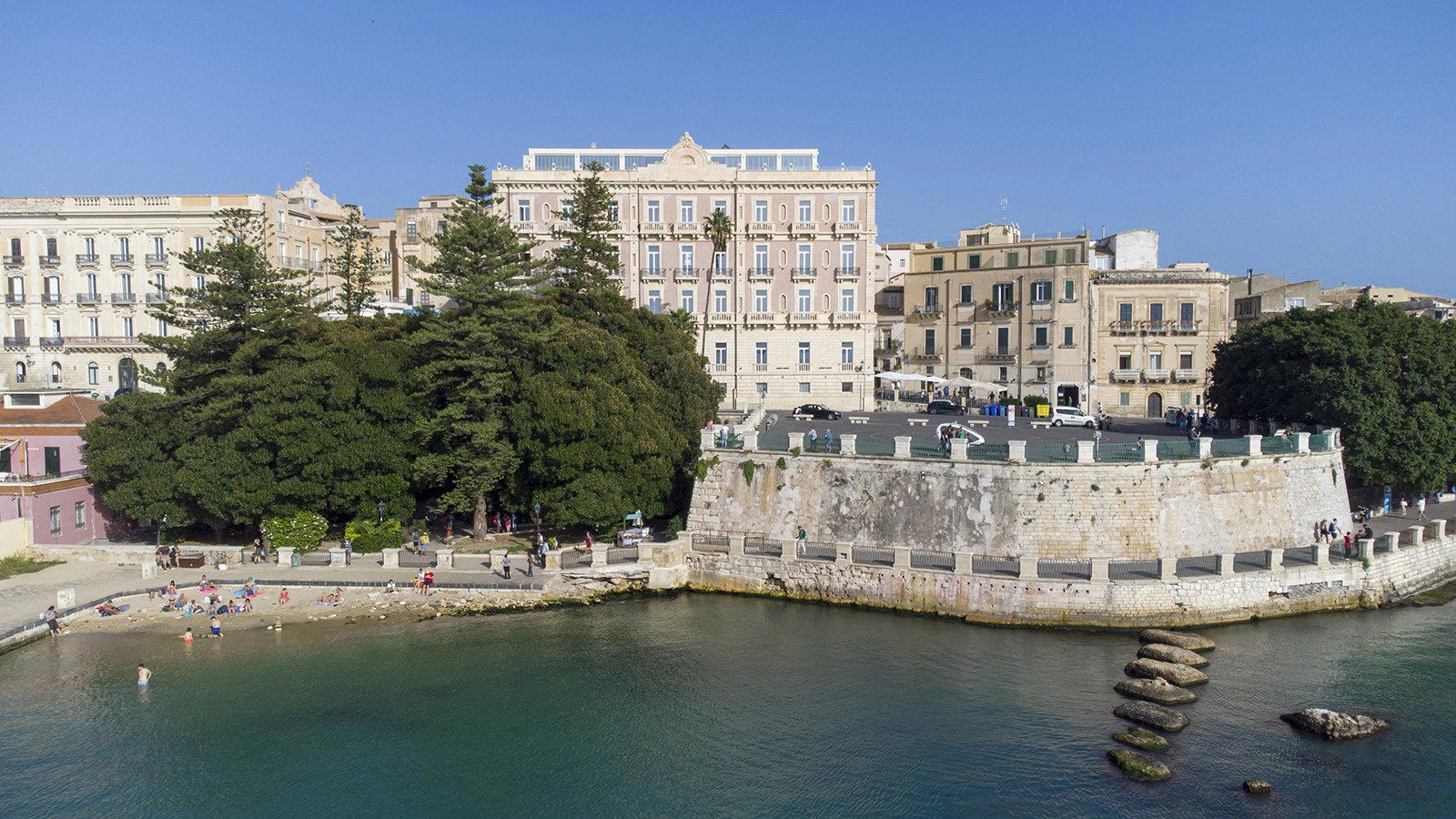
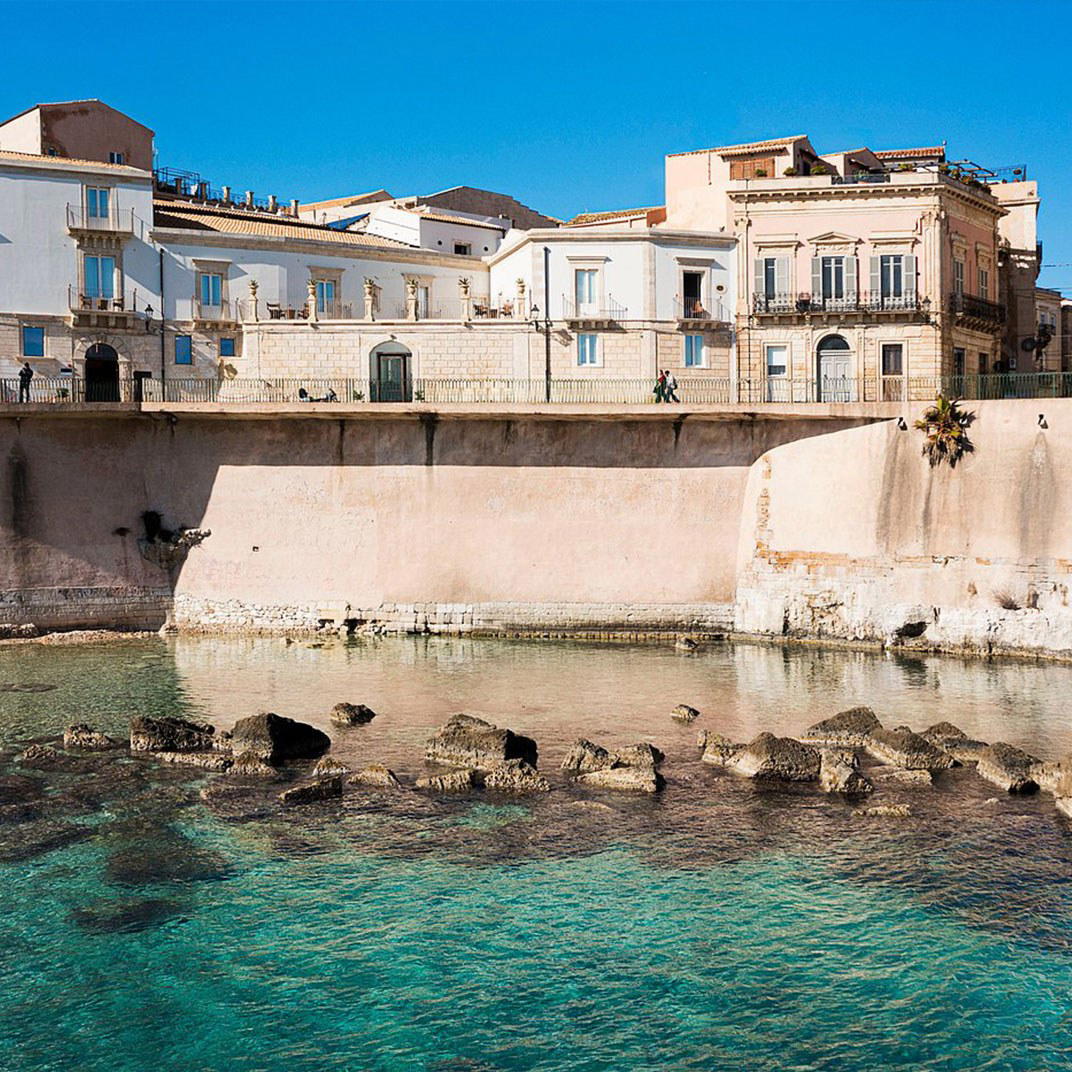
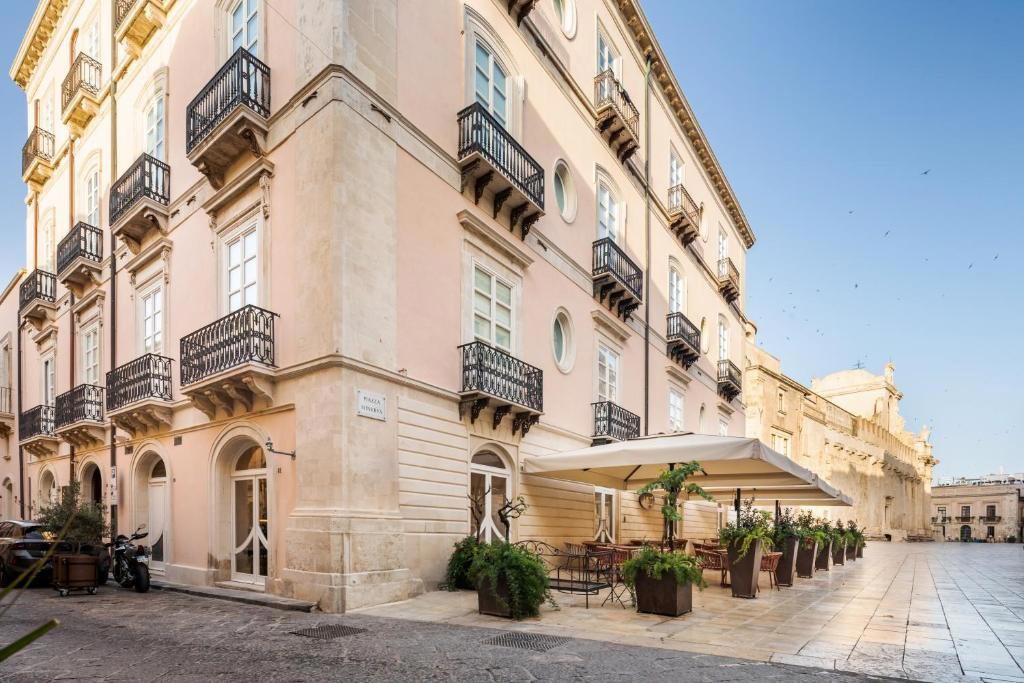
Bars in Arenella
Browse all →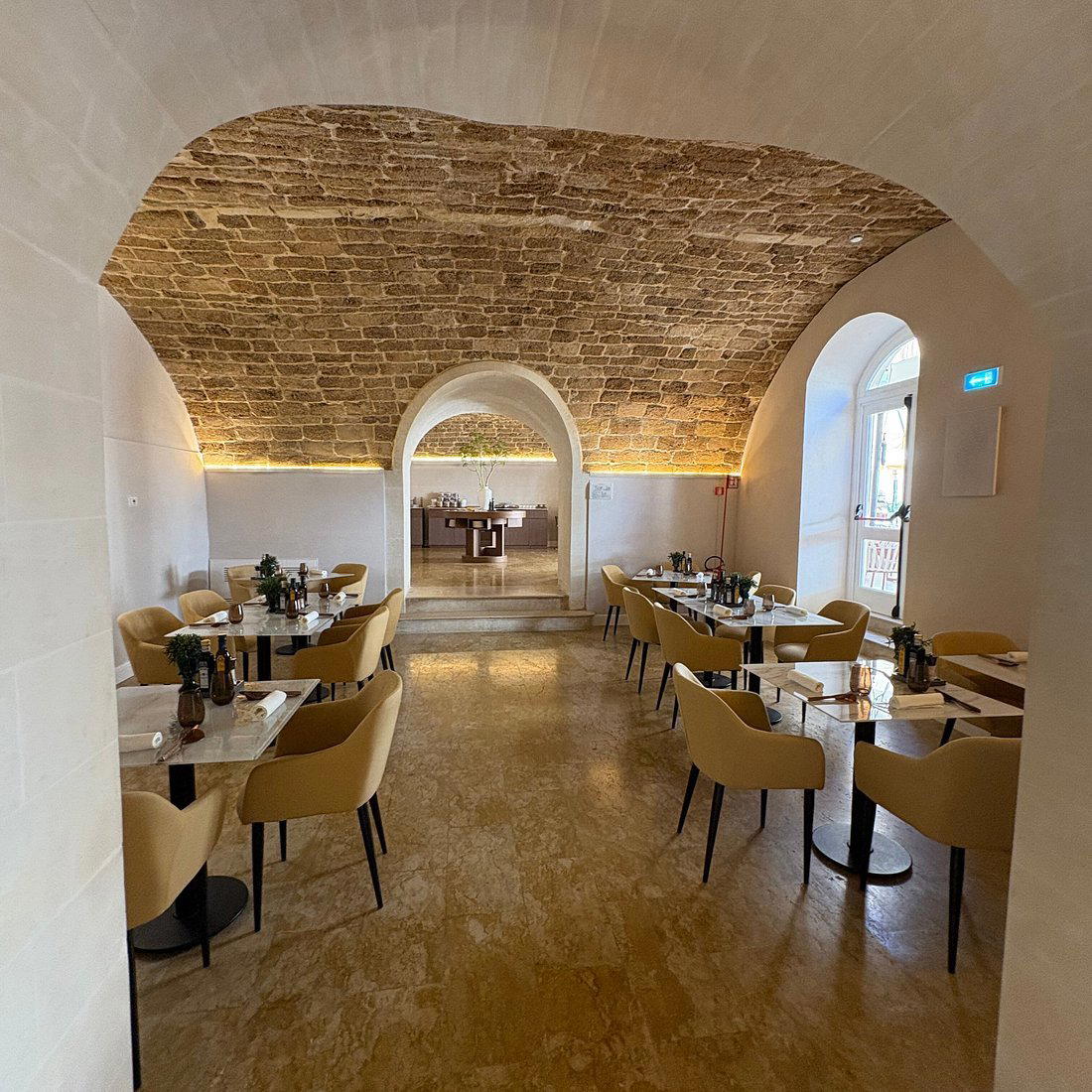

Details
- Romantic
- Quiet
- Elegant
- Scenic
- Cozy
- Intimate
- Sophisticated
- Romantic Getaway
- Honeymoon
- Wellness Retreat
- Anniversary
- Weekend Escape
- Infinity Pool
- Garden
- Terrace
- Historic Building
- Wi Fi
- Pool
- Spa
- Fitness Center
- Room Service
- Concierge
- Restaurant
- EV Charging
- Garden
- Step Free Entrance
Tranquil and serene rural setting with lush gardens, poolside relaxation, and elegant lighting creating a romantic, peaceful escape.