
Leading Hotels of World Member
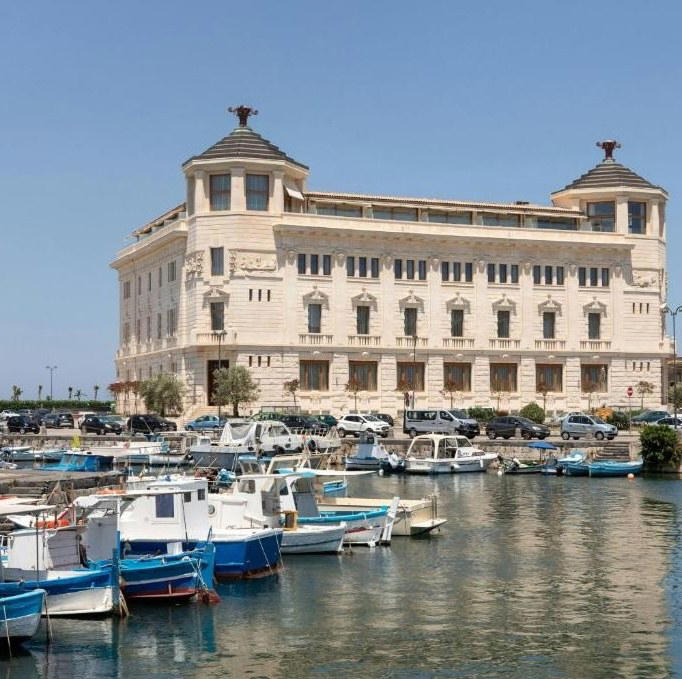
A Leading Hotels of the World member occupying a 19th-century palazzo on Siracusa's Ortigia waterfront, Grand Hotel Des Étrangers represents the measured, heritage-led tier of Sicilian luxury. The address on Via Passeggio Adorno places guests within walking distance of the Greek Theatre district and the Duomo di Siracusa, making the hotel a natural base for the city's archaeology and its emerging restaurant scene.

Pearl is the En Primeur Club membership app — saves, bookings, and concierge access live there. Same editors, same standards.
- Address
- Via Passeggio Adorno, 10-12, 96100 Siracusa SR
- Phone
- +39 0931 21543
- Website
- desetrangers.com
- Directions
- Get directions
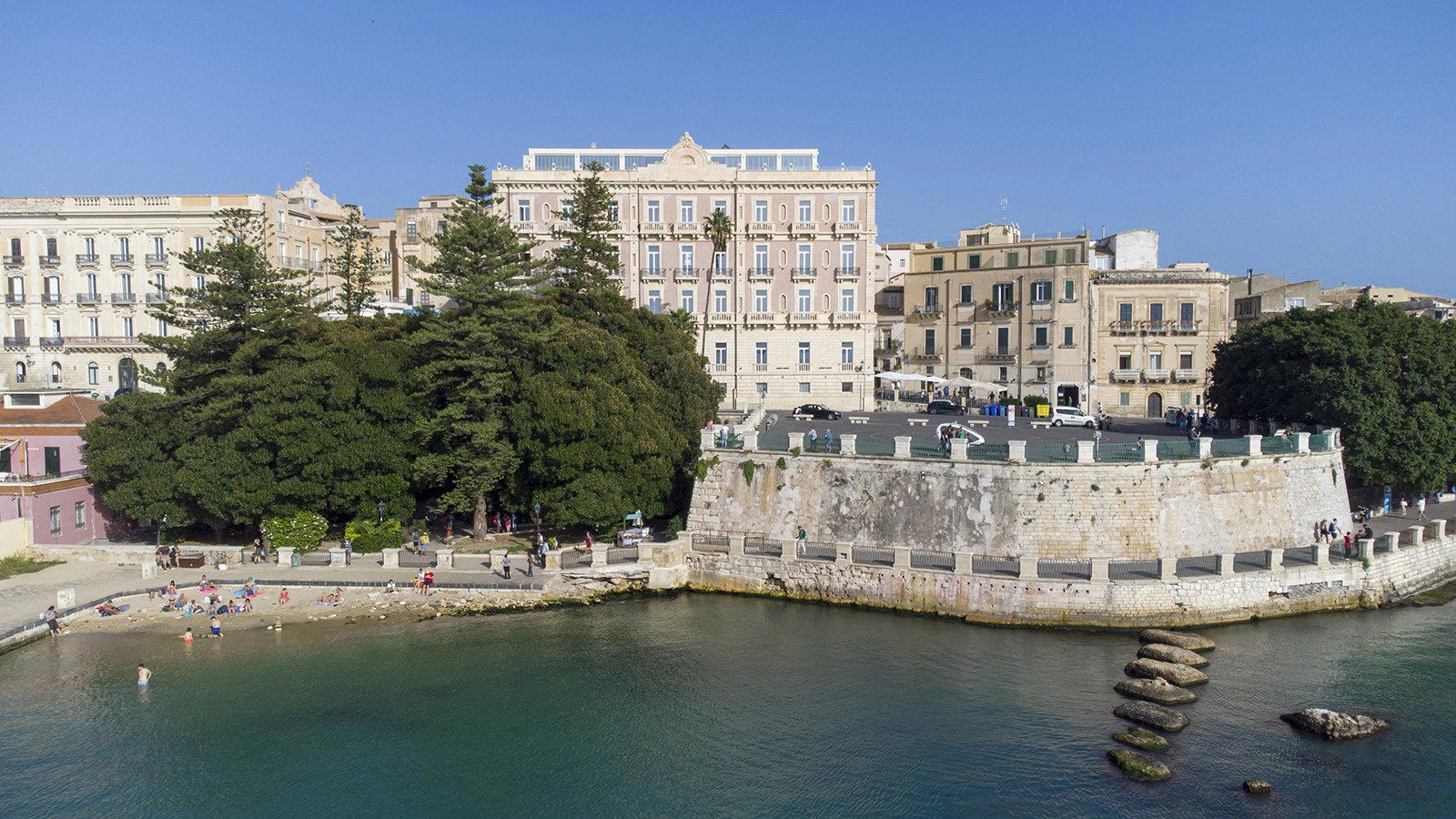
A Palazzo Address in Italy's Most Underrated Baroque City
Siracusa occupies a position in the Italian hotel conversation that its architectural weight rarely gets credit for. While Florence and Venice absorb the bulk of heritage-property attention, Siracusa's Ortigia island carries one of the most concentrated collections of Baroque and ancient Greek architecture in Europe, largely without the pedestrian-traffic pressure that makes comparable cities feel managed rather than experienced. The Grand Hotel Des Étrangers, a landmark address within Siracusa's small luxury tier, sits at the edge of this island in a 19th-century palazzo that has served as the city's prestige lodging through several eras of travel.
Membership in Leading Hotels of the World, confirmed for 2025, places the property in a peer group defined by independently operated heritage buildings rather than international flag chains. That network's standards require consistent verification of physical condition, service protocols, and guest experience across properties — it functions less as a marketing badge and more as a comparative quality floor. Among Italian Leading Hotels members, the Des Étrangers belongs to the coastal palazzo subtype, a category that also includes properties along the Amalfi and Ligurian coastlines where address, building fabric, and sea orientation carry more weight than square footage or amenity count.
The Physical Environment: What the Building Tells You
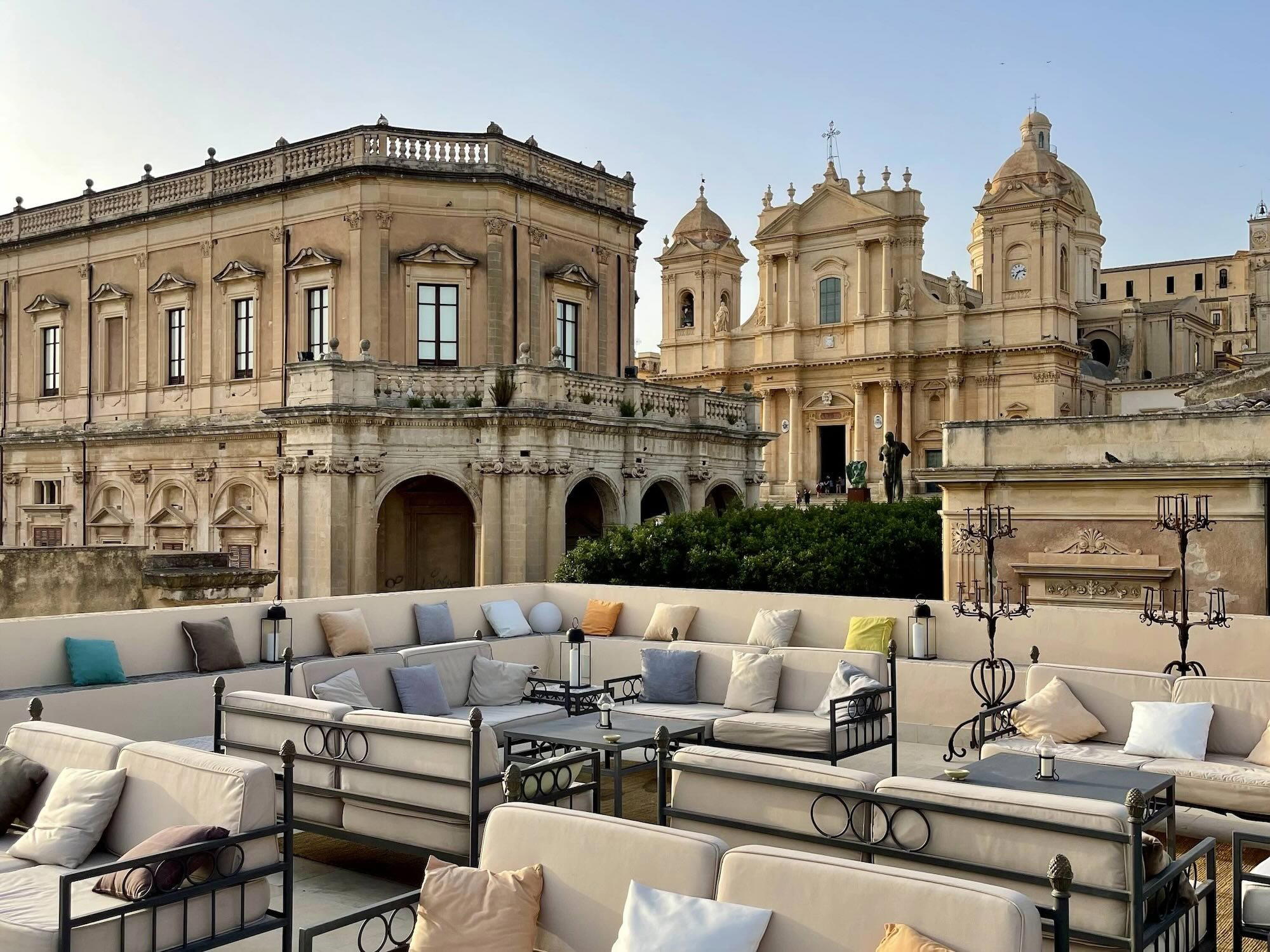
The address at Via Passeggio Adorno 10-12 places the hotel on the Ortigia waterfront promenade, a position that defines the guest experience before check-in. The approach along the lungomare gives guests the layered visual logic of Siracusa: Baroque stone facades set against the Mediterranean in the middle distance, with the Ionian Sea providing light conditions that shift the colour of the limestone from pale amber at midday to a richer ochre in the late afternoon. This is not incidental scenery; it is the city's primary argument for visiting.
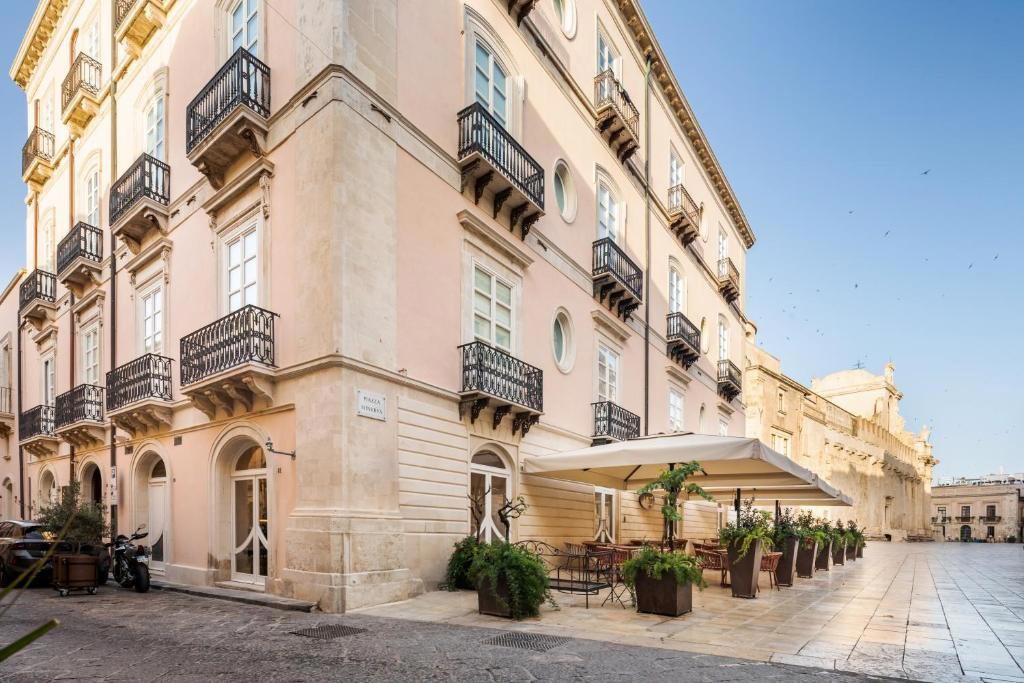
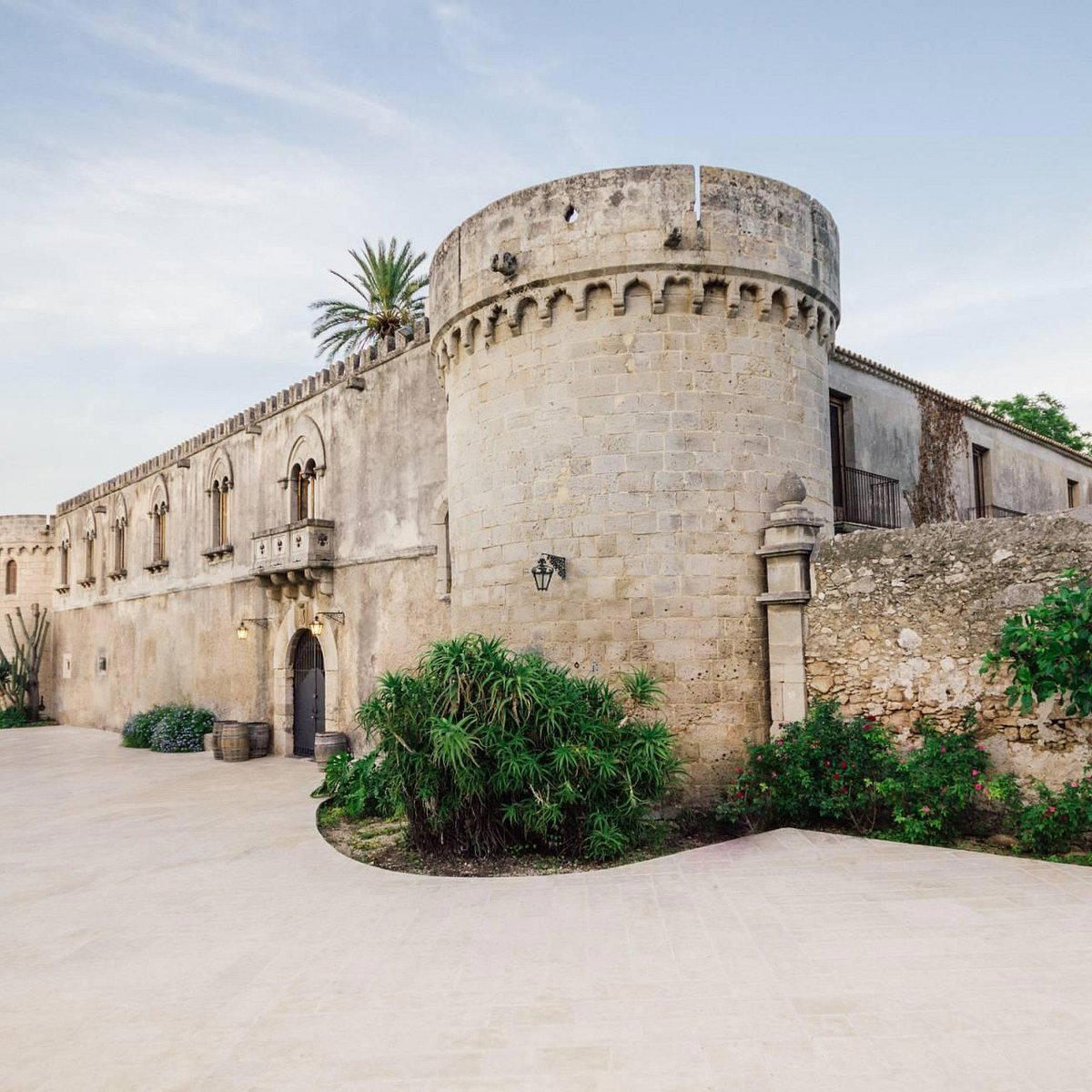
The palazzo form itself reflects the late 19th-century Grand Tour period, when Siracusa drew northern European travellers specifically for its Greek ruins and Norman-Arab-Baroque architectural layering. Hotels built for that market were designed to function as social stages: generous entrance halls, formal stair arrangements, room proportions that assumed leisurely occupation rather than efficient transit. The Des Étrangers was conceived within that tradition, and the building's scale and orientation reflect design assumptions that no contemporary hotel construction in the city would replicate.
Among Italian heritage hotel properties, the palazzo model sits in a distinct tier from the converted masseria or hilltop borgo formats that dominate the Tuscan and Puglian markets. Properties like Borgo Egnazia in Savelletri di Fasano or Castello di Reschio in Lisciano Niccone operate on landscape-integrated models; the urban palazzo operates on a different logic, where the building's relationship to the city fabric, the street, and the sea replaces landscape as the primary spatial value. The Des Étrangers is firmly in that second category.
Siracusa's Position in the Southern Italian Hotel Market
Sicily's premium hotel market has historically concentrated on the Palermo-Taormina axis, with Siracusa receiving less international attention despite holding a UNESCO World Heritage designation that covers the city and the necropolis of Pantalica. That designation reflects the density of ancient Greek, Roman, and Baroque heritage within a relatively compact urban area, and it is the same quality that makes the city a more architecturally coherent destination than its visitor numbers suggest.
The small size of Siracusa's luxury accommodation market means that the Des Étrangers operates without much direct local competition at the Leading Hotels tier. This is a different situation from comparably positioned properties in more competitive Italian markets. Aman Venice and Four Seasons Hotel Firenze, for example, operate in markets where multiple flagship properties fight for the same high-tariff traveller. In Siracusa, the competitive set is thinner, which concentrates demand at the top of the market into fewer rooms across fewer properties.
For travellers building a southern Italian itinerary across multiple property types, the Des Étrangers pairs logically with coastal Campanian properties. The waterfront palazzo model it represents shares DNA with the cliff-edge orientation of Il San Pietro di Positano or the bay-facing position of Bellevue Syrene 1820 in Sorrento, though the Sicilian property operates in a city with a different archaeological register and a quieter visitor economy.
The Ortigia Setting and What It Means Practically
Ortigia is a small island connected to mainland Siracusa by two bridges, and the internal street pattern is walkable in a way that larger Sicilian cities are not. The hotel's position on the waterfront promenade gives direct pedestrian access to the Duomo di Siracusa, the Piazza Archimede, the archaeological museum, and the Greek Theatre at Neapolis, which is roughly two kilometres from the island. The concentration of significant sites within a tight radius makes Siracusa one of the more manageable major archaeological destinations in southern Europe, and the Des Étrangers' address captures that advantage fully.
Siracusa connects to Catania's Fontanarossa Airport, which receives direct flights from major European hubs and is the practical gateway for most international arrivals. The transfer takes approximately one hour by road. High season runs from June through September, when the Greek Theatre hosts the annual classical drama festival, a programming event that draws both Italian and international visitors and increases accommodation pressure across Ortigia's small hotel stock. Travellers targeting that period should treat the Des Étrangers as a booking that requires advance commitment; the festival audience combined with general summer demand narrows availability meaningfully.
Properties at the Leading Hotels standard in Italy's secondary cities tend to hold their rates more steadily across the year than their counterparts in Florence or Rome, but shoulder season in Siracusa, specifically April-May and October, offers better availability without the climatic penalty that late autumn brings to coastal properties further north. Spring in particular aligns well with the Ortigia setting: the afternoon light on the Baroque facades is at its most legible, and the archaeological sites are uncrowded relative to July.
Positioning Against the Broader Italian Luxury Field
The Leading Hotels of the World designation places the Des Étrangers in a specific tier of the Italian market: independently operated, heritage-fabric, service-driven, and positioned against a global peer group rather than a local one. This is a different competitive logic from the properties that have absorbed international brand investment. Bulgari Hotel Roma and Portrait Milano operate within brand architectures that carry their own consumer recognition; the Des Étrangers operates on the strength of place, building, and an independent operating standard that the Leading Hotels network validates externally.
For travellers whose Italian itineraries extend beyond the major northern cities, the Des Étrangers represents the credentialed option in a market that otherwise fragments quickly into accommodation that lacks external quality verification. Properties in comparable Italian contexts, from Il Pellicano in Porto Ercole to Passalacqua in Moltrasio, demonstrate that the most satisfying Italian luxury stays tend to be those where the building, the setting, and the local context do the work that marketing typically claims to do. The Des Étrangers, on Ortigia's waterfront, in a city whose architectural credentials exceed its tourist infrastructure, fits that pattern.
Planning Your Stay
Booking contact and current rate information are most reliably sourced through the Leading Hotels of the World reservations network or through the property directly. Given the festival-season pressure between June and September and the hotel's position as one of very few credentialed options in Siracusa's luxury tier, reservations for July and August require planning well in advance of arrival, with spring and October offering a more available window. Siracusa's compact geography means that the hotel's location eliminates the need for a car during the stay itself, though arrival from Catania airport is most practical by private transfer or hired car rather than public transport.
How It Stacks Up
Comparable venues nearby, for context on price, style, and recognition.
| Venue | Cuisine | Price | Awards | Notes |
|---|---|---|---|---|
| Grand Hotel Des ÉtrangersThis venue — the venue you are viewing | Historic luxury palazzo blending 1906 Belle Époque architecture with contemporary five-star amenities and Mediterranean elegance. | $500–750 | Leading Hotels of World Member | Not listed |
| Tivoli Portopiccolo Sistiana Wellness Resort & Spa | Modern boutique retreat inspired by Gio Ponti | Not listed | Michelin Selected | Portopiccolo |
| Hotel Première Abano | Luxury 5-star thermal spa resort in a renovated Art Nouveau building surrounded by a large private park. | $100–200 | Not listed | Not listed |
| Palazzo Tirso Cagliari - MGallery | Historic Art Nouveau palazzo with contemporary luxury renovations | Not listed | Michelin Selected | harborfront |
| SINA Bernini Bristol, Autograph Collection | Well-known 150-year-old luxury hotel reinterpreting Baroque luxury with contemporary twist. | $300–500 | Michelin Selected | Piazza Barberini |
| Hotel Gabrielli Venezia | Refined five-star Venetian palazzo hotel combining historic architecture with contemporary Starhotels Collezione luxury in a prime lagoonfront location. | $500–750 | Leading Hotels of World Member | Castello / Riva degli Schiavoni (near St. Mark’s Square) |
Recognition history
Dated appearances from independent guides and award organizations, with the underlying list record or original source where available.
Leading Hotels of World Member
Leading Hotels of World
Continue exploring
More in Siracusa
Hotels in Siracusa
Browse all →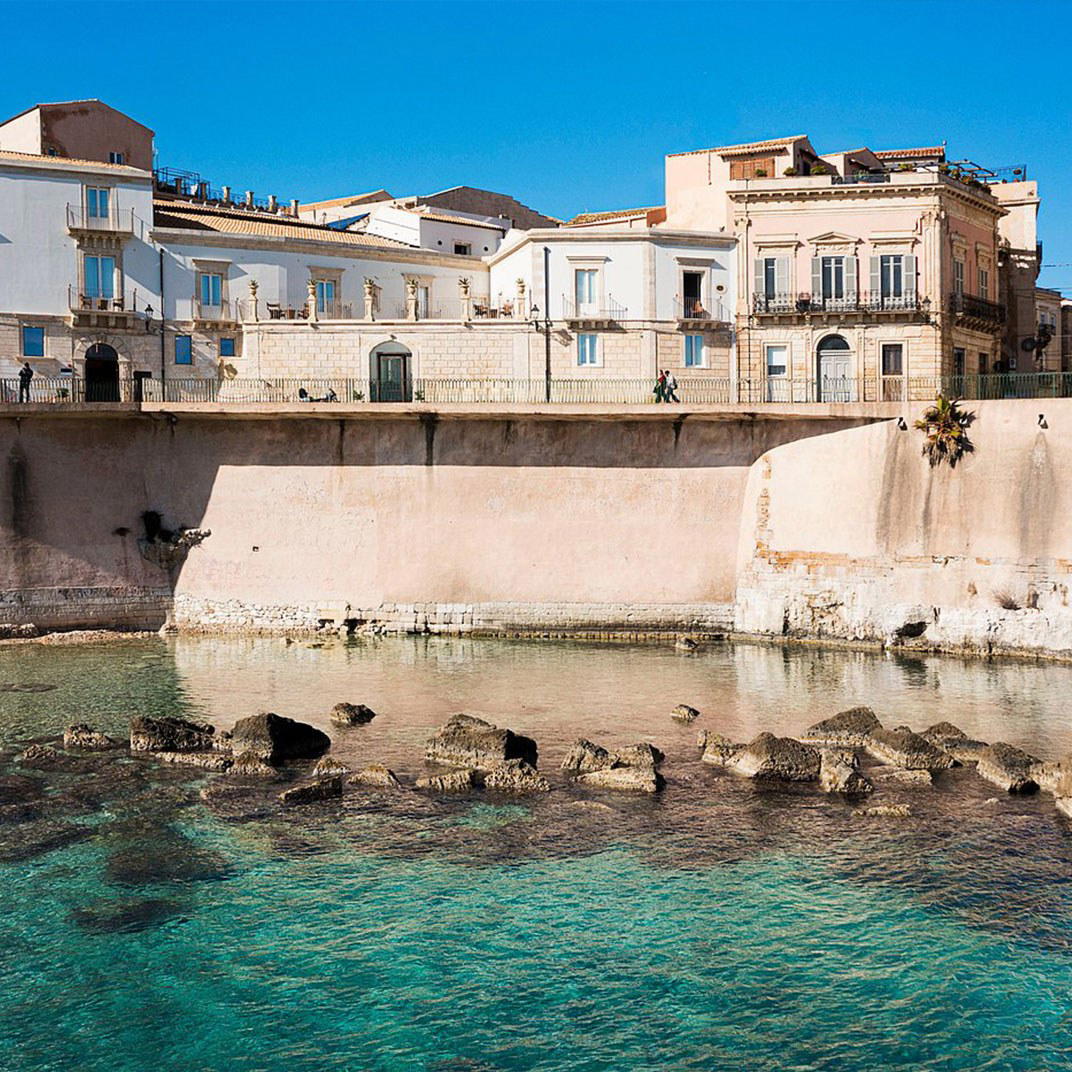
Bars in Siracusa
Browse all →
Restaurants in Siracusa
Browse all →

Details
- Elegant
- Romantic
- Classic
- Sophisticated
- Romantic Getaway
- Anniversary
- Wellness Retreat
- Honeymoon
- Waterfront
- Rooftop Pool
- Destination Spa
- Historic Building
- Panoramic View
- Terrace
- Wi Fi
- Pool
- Spa
- Fitness Center
- Room Service
- Concierge
- Valet Parking
- Restaurant
- Bar
- Sauna
- Waterfront
- Street Scene
- Wheelchair Accessible
- Elevator
- Accessible Restroom
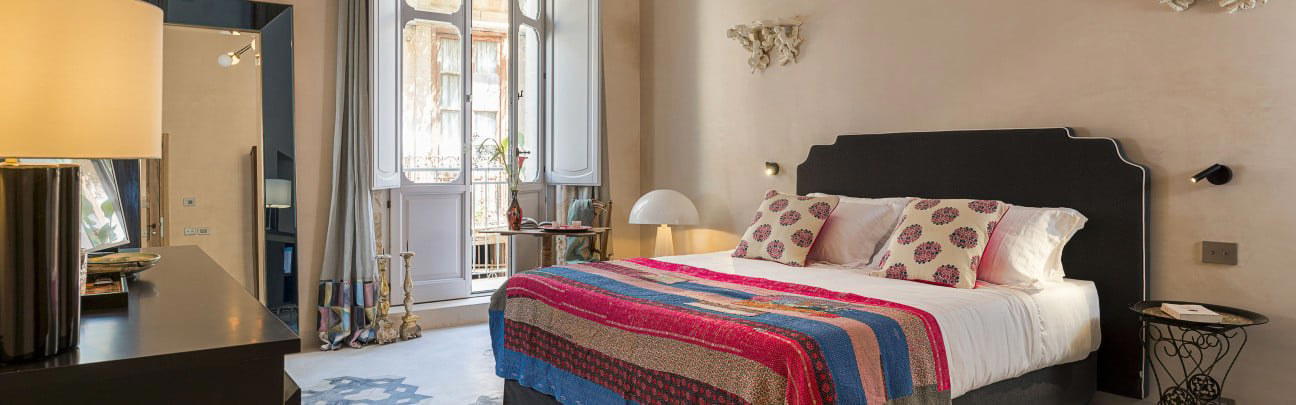
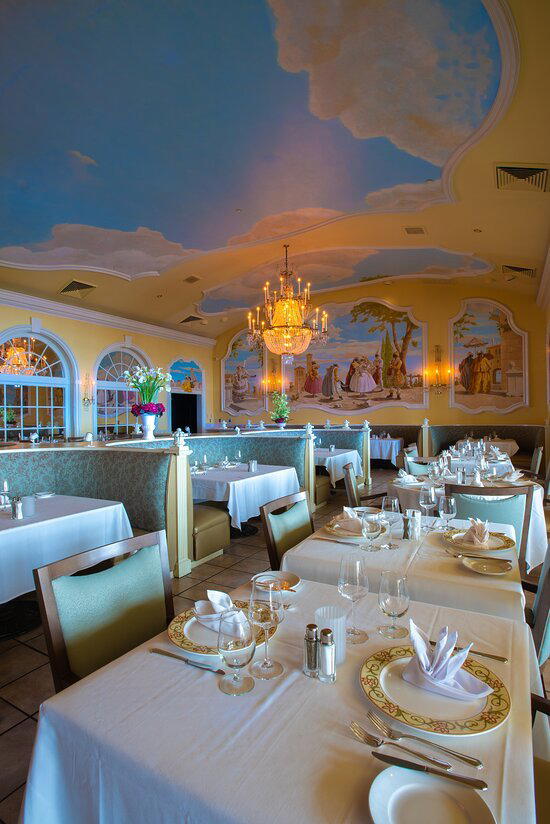
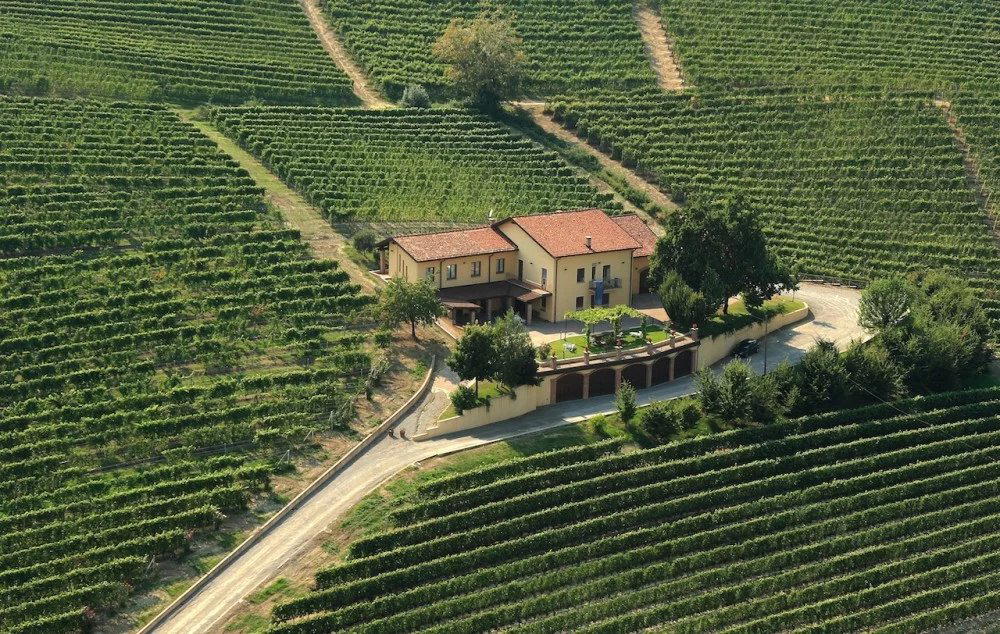
Grand marble entrance halls with stucco work and gold decor, high ceilings, elegant lighting, and serene spa atmosphere with views of the historic port.