Our verdict
Cantina Giovanni occupies a long-established address on Av. Dr. Timóteo Penteado in Guarulhos's Vila Galvão district, where the Italian cantina tradition has found durable ground in greater São Paulo's suburban fabric. The kitchen draws on the sourcing instincts and ingredient-driven discipline that define the Italian-Brazilian table at its most considered. For visitors to the region, it sits within a dining scene worth understanding on its own terms.

Pearl is the En Primeur Club membership app — saves, bookings, and concierge access live there. Same editors, same standards.
- Address
- Av. Dr. Timóteo Penteado, 3757 - Vila Galvão, Guarulhos - SP, 07061-002, Brazil
- Phone
- +551124515466
- Hours
- Mon ClosedTue–Thu 11:30 AM–11 PMFri–Sat 11:30 AM–11:30 PMSun 11:30 AM–11 PM
- Website
- cantinagiovanni.com.br
- Directions
- Get directions
Where Vila Galvão Sets the Table
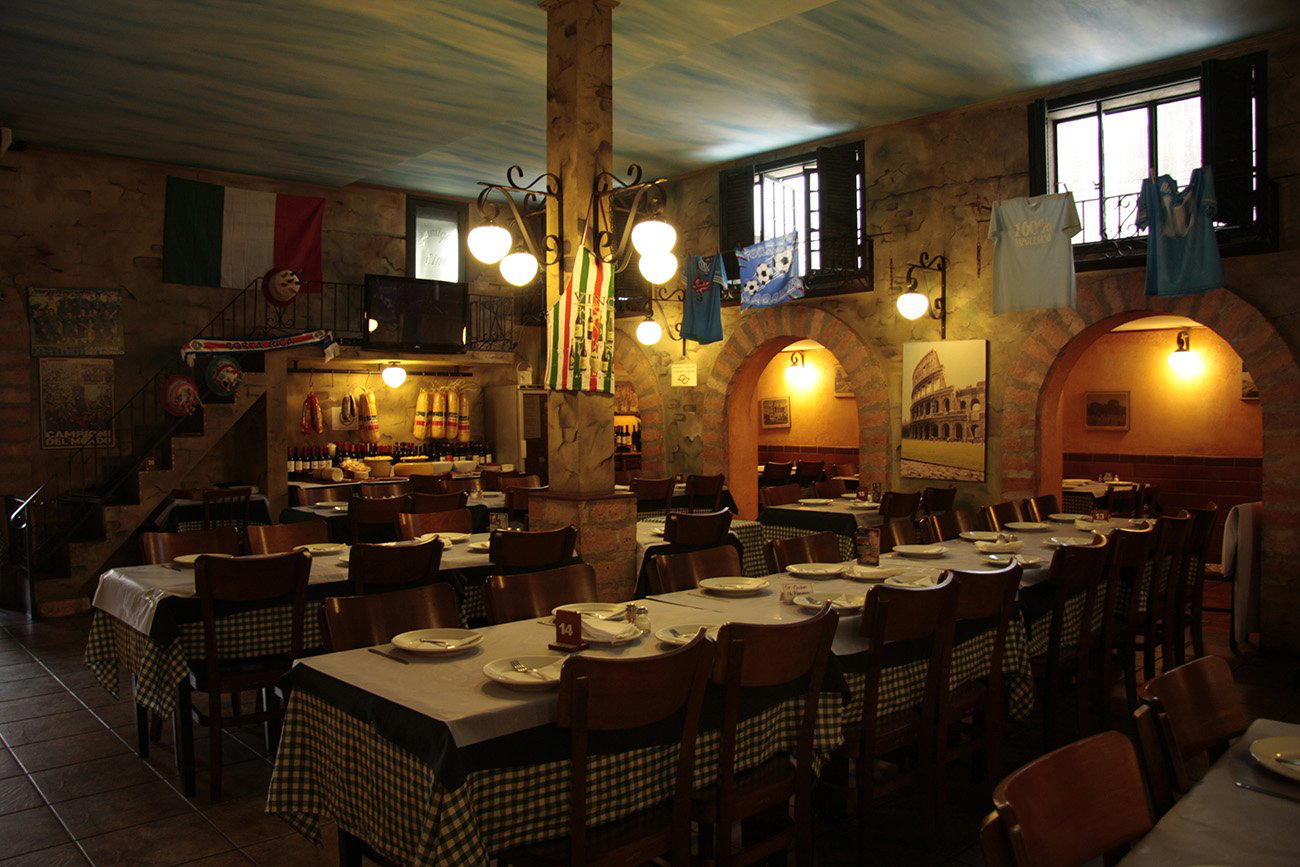
Av. Dr. Timóteo Penteado runs through one of Guarulhos's more established residential corridors, and the storefronts along its length tell a readable story about how Italian food took root in greater São Paulo. The cantina format — long tables, slow-cooked sauces, wine poured without ceremony — arrived here with the same immigrant wave that shaped the capital's Bixiga and Mooca neighbourhoods, but in suburbs like Vila Galvão it developed a quieter, more domestic register. Cantina Giovanni sits on this street as part of that longer arc, an address where the logic of the room connects directly to the logic of the kitchen: ingredients come first, theatre is secondary.
That framing matters when you consider where Guarulhos typically sits in conversations about Brazilian dining. The city is most often mentioned as the location of São Paulo's international airport, a transit point rather than a destination. Yet the Italian-Brazilian cantina tradition here has produced a tier of neighbourhood restaurants that operate with genuine sourcing rigour, sourcing produce and proteins from the same São Paulo state suppliers used by kitchens in Pinheiros or Jardins. The distance from the capital's restaurant media does not imply a gap in kitchen standards. For context on how Brazilian cooking has developed across the country's different registers, Oteque in Rio de Janeiro and D.O.M. in São Paulo represent the formal tasting-menu end of that spectrum; the cantina tradition occupies a different and no less serious position.
The Ingredient Logic of the Cantina Kitchen
Italian cooking in Brazil has never been a straight transplant. The cucina italiana that arrived in São Paulo state from the Veneto, Calabria, and Lombardy during the late nineteenth and early twentieth centuries quickly adapted to local produce: paulista tomatoes, Brazilian cheeses, cuts of beef and pork shaped by a different butchery culture. The cantina kitchen that emerged from this process is not Italian food with a Brazilian accent so much as a distinct tradition with its own sourcing grammar.
What that means in practice is that the better cantinas in greater São Paulo anchor their menus around seasonal availability and direct supplier relationships rather than imported pantry items. Pasta dough is typically made in-house, with the hydration ratios and resting times calibrated to local flour milled from Brazilian wheat. Ragu and slow-braised proteins reflect what the regional meat market makes available rather than what a Roman or Milanese template would specify. This ingredient-first discipline is visible at Cantina Giovanni's address in Vila Galvão, where the room's setup, the kind of space designed for extended meals rather than quick turnover, signals that the kitchen is working at a pace suited to long-cooked preparations.
Across Brazil, the restaurants most worth attention in the Italian-Brazilian category tend to share this sourcing discipline. Olivetto Restaurante E Enoteca in Campinas offers a useful comparison point in the interior paulista market, where the same immigrant-origin tradition has developed alongside a more formal enoteca culture. The distinction between a cantina and an enoteca matters here: the former privileges the kitchen and communal eating; the latter places wine selection at the centre and builds the food program around it. Cantina Giovanni's format, based on its address and room character, positions it clearly in the cantina register.
Reading the Room at a Guarulhos Cantina
Approaching a cantina like this one in Vila Galvão, the physical cues arrive before you sit down. Guarulhos's cantina-format restaurants share certain atmospheric signatures with their São Paulo capital counterparts: ceramic tile, wooden furniture designed for durability rather than design statements, a wine selection weighted toward Italian varietals produced in Brazil's Rio Grande do Sul or imported at mid-market price points. The dining room in this format is rarely quiet at lunch service on weekends, when the paulistano tradition of the extended family meal fills tables for two to three hours.
That weekend lunch culture is the dominant format for the Italian-Brazilian cantina, and it shapes how the kitchen organises its day. Preparations that require overnight brining or multi-hour braises are calibrated to peak Saturday and Sunday service. Arriving mid-week changes the experience: the room is less full, service is more attentive, and the pacing suits a longer, more deliberate meal. Visitors flying through Guarulhos's GRU airport who have time between connections have occasionally discovered this neighbourhood's restaurant layer; the cantina format, with its predictable structure and no-reservation accessibility at off-peak times, makes it functional for that kind of unplanned stop.
For those building a broader itinerary across Brazil's dining scene, the range is considerable: Manu in Curitiba and Manga in Salvador anchor different regional expressions of Brazilian cooking, while Mina in Campos do Jordão and Primrose in Gramado show how mountain-town dining has developed its own identity in the south and southeast. The Italian-Brazilian cantina tradition sits parallel to all of these, connected to European inheritance rather than Amazonian or Afro-Brazilian sourcing but equally rooted in a specific regional food culture. Birosca S2 in Belo Horizonte and Orixás | North Restaurant in Itacaré offer further reference points for how different Brazilian states inflect their ingredient sourcing and kitchen culture.
Planning Your Visit
Cantina Giovanni is located at Av. Dr. Timóteo Penteado, 3757, Vila Galvão, Guarulhos, São Paulo state. The address is accessible from central Guarulhos by road and sits within the city's northern residential grid. Visitors arriving via GRU airport, roughly 10 to 15 minutes by road depending on traffic, should account for Guarulhos's daytime congestion on the Penteado corridor. The cantina format in this neighbourhood tends toward walk-in accessibility during weekday service, with weekend lunch periods filling earlier; arriving before midday on a Saturday reduces wait times. Current hours and booking arrangements are best confirmed directly with the venue, as these details were not available at time of writing. For a wider orientation to eating in the city, our full Guarulhos restaurants guide maps the area's dining options across formats and price points.
For comparative reference across Brazil and internationally, Lobby Café in Belem and Açaí Cuiabano in Cuiaba illustrate how regional ingredient traditions anchor restaurants in cities that receive less dining-media attention than São Paulo or Rio. At a global level, ingredient-sourcing discipline at institutions like Le Bernardin in New York City and Lazy Bear in San Francisco shows the same foundational logic operating at a different price tier and format: what the kitchen is willing to source, and from where, determines everything downstream. The cantina kitchen in Vila Galvão operates on a smaller register but with the same underlying logic. State of Espírito Santo in Rio Bananal, Castelo Saint Andrews - Gramado in Vale do Bosque, Açai da Barra - Presidente Prudente in Presidente Prudente, and Aero Burguer e Grill in Santa Cruz Do Sul round out a picture of how Brazil's interior and secondary cities have developed food cultures that reward attention from travellers willing to move beyond the major urban restaurant circuits.
Frequently asked questions
Would Cantina Giovanni be comfortable with kids?
Cantina-format restaurants along Av. Dr. Timóteo Penteado in Vila Galvão are typically neighbourhood establishments built around family dining, and that format tends to accommodate children with ease. The relaxed, table-service structure of the traditional cantina generally means longer meals at a comfortable pace, which suits families.
What is the atmosphere like at Cantina Giovanni?
Cantina Giovanni sits on one of Guarulhos's more established residential corridors in Vila Galvão, which shapes the tone: expect a neighbourhood room rather than a destination-dining showcase. The cantina format common to this part of São Paulo state favours unhurried service, tightly packed tables, and a clientele that returns regularly rather than visits once. It reads as a local institution rather than a special-occasion venue.
Is Cantina Giovanni a good option for a traditional Brazilian-Italian meal near central Guarulhos?
Cantina Giovanni's address on Av. Dr. Timóteo Penteado places it within the Vila Galvão district, accessible from central Guarulhos and in a corridor with a documented history of Italian-Brazilian neighbourhood dining. The cantina format it operates within traces directly to the Italian immigration wave that reshaped São Paulo state's food culture from the late 19th century onward. For those specifically looking for that regional tradition rather than a contemporary Italian restaurant, this address represents the right category of venue.
What should I order at Cantina Giovanni?
What the Brazilian-Italian cantina tradition in São Paulo state does reliably offer is pasta made from Italian immigrant recipes adapted over generations, alongside braised and grilled proteins that reflect both Veneto and Calabrian lineage. Asking the staff what arrived fresh that day is standard practice in this format.
Where do I go for Cantina Giovanni?
Cantina Giovanni is located at Av. Dr. Timóteo Penteado, 3757 - Vila Galvão, Guarulhos - SP, 07061-002, Brazil, Guarulhos.
Do they take walk-ins at Cantina Giovanni?
Booking policy for Cantina Giovanni at Av. Dr. Guarulhos cantinas in residential neighbourhoods like Vila Galvão often operate on a walk-in basis during the week, with weekend evenings filling faster. Arriving early or calling ahead on Fridays and Saturdays is the more reliable approach until direct confirmation is available.
How It Stacks Up
| Venue | Cuisine | Price | Awards | Notes |
|---|---|---|---|---|
| Cantina GiovanniThis venue — the venue you are viewing | Traditional Italian Pizza & Pasta | Not listed | Not listed | Not listed |
| Oteque | Modern Seafood Fine Dining | $100–150 | 1 Michelin Star · World's 50 Best #38 | Modern Brazilian, Modern Cuisine |
| D.O.M. | Modern Brazilian Amazonian Fine Dining | $150–200 | 2 Michelin Stars · World's 50 Best #74 | Modern Brazilian, Creative |
| Evvai | Modern Italian-Brazilian Fusion | $200–300 | 3 Michelin Stars · World's 50 Best #95 | Contemporary Italian, Modern Cuisine |
| Lasai | Modern Brazilian Fine Dining | Not listed | 2 Michelin Stars · World's 50 Best #28 | Regional Brazilian, Modern Cuisine |
| Maní | Modern Creative Brazilian | $50–100 | 1 Michelin Star · World's 50 Best #67 | Brazilian - International, Creative |
Continue exploring
More in Guarulhos
Restaurants in Guarulhos
Browse all →
Bars in Guarulhos
Browse all →
Details
- Cozy
- Classic
- Family
- Group Dining
- Casual Hangout
- Standalone
- Extensive Wine List
- A La Carte
- Vegetarian Friendly
Current opening hours
- Monday
- Closed
- Tuesday
- 11:30 AM–11 PM
- Wednesday
- 11:30 AM–11 PM
- Thursday
- 11:30 AM–11 PM
- Friday
- 11:30 AM–11:30 PM
- Saturday
- 11:30 AM–11:30 PM
- Sunday
- 11:30 AM–11 PM
Hours can change for holidays and private events. Last verified .
Cozy classic Italian ambiance with a welcoming family atmosphere.