A long-standing Italian-Brazilian trattoria on Rua Avanhandava in Bela Vista, Família Mancini sits at the intersection of São Paulo's immigrant heritage and its enduring appetite for communal, table-first dining. The address has been a reference point for the neighbourhood's Italian corridor for decades, drawing a cross-section of the city that few restaurants sustain across generations.
Pearl is the En Primeur Club membership app — saves, bookings, and concierge access live there. Same editors, same standards.
- Address
- Rua Avanhandava, 81, Bela Vista - Centro Histórico de São Paulo, São Paulo - SP, 01306-001, Brazil
- Phone
- +551132564320
- Website
- famigliamancini.com.br
- Directions
- Get directions
 Saves & bookings on Pearl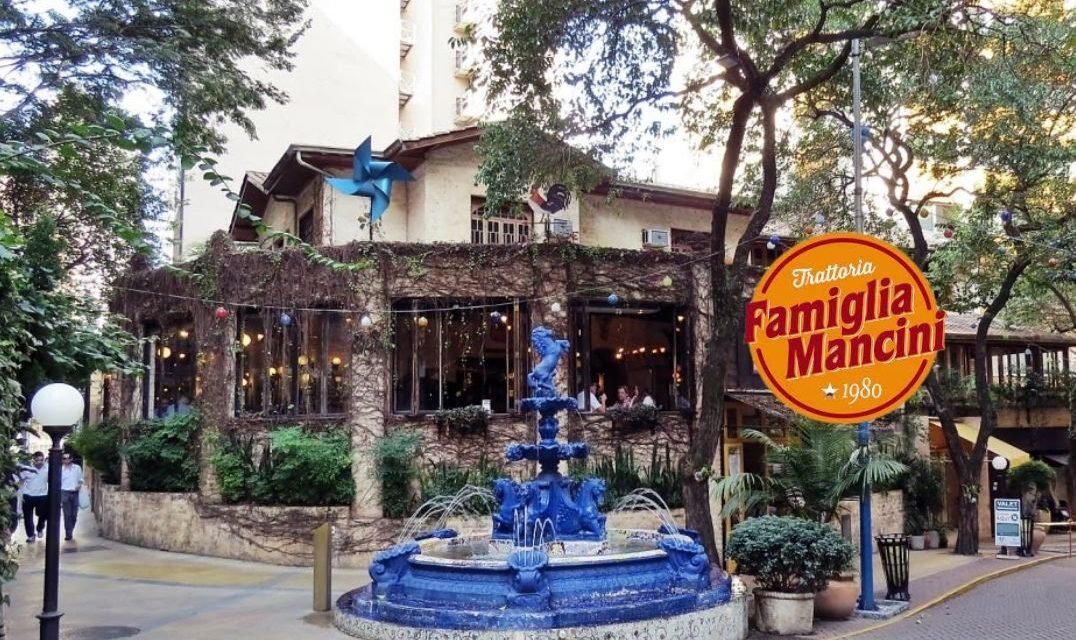
Rua Avanhandava and the Italian Thread Running Through Bela Vista
Bela Vista, the neighbourhood São Paulo residents still call Bixiga, built its identity on Italian immigration. Waves of arrivals from southern Italy in the late nineteenth and early twentieth centuries turned this hillside quarter into a densely woven community of cantinas, social clubs, and family-run kitchens. That layer of the city's social history has thinned considerably under development pressure and changing demographics, but Rua Avanhandava preserves more of it than almost anywhere else in central São Paulo. Walking down that street on a weekend evening, when tables spill toward the pavement and the sound of multiple conversations folds into a single ambient noise, is to encounter something the rest of the city's dining scene has largely moved past: Italian-Brazilian hospitality at street level, unembarrassed about abundance.
Famiglia Mancini Trattoria is a Traditional Southern Italian Trattoria at Rua Avanhandava, 81 in Bela Vista, São Paulo, with a price around $35 per person. Its position in São Paulo's Italian dining conversation is defined less by formal recognition than by continuity. In a city that has generated significant creative Italian cooking, represented by addresses like Evvai and the contemporary neighbourhood osteria model practised at Fame Osteria, Mancini represents the older tier: the trattoria tradition that preceded the tasting-menu moment and that persists because it serves a genuinely different function. It is not a destination for technical cuisine. It is a destination for a specific register of eating that São Paulo's Italian-descended population has maintained as a cultural reference across three or four generations.
Where the Food Comes From, and Why That Still Matters Here
The ingredient sourcing logic at a trattoria like this one operates on different principles than the farm-to-table frameworks that have shaped the city's more progressive kitchens, including D.O.M. Tuju, and Maní. Rather than positioning provenance as a narrative, the trattoria format embeds ingredient decisions in volume and consistency. A kitchen feeding a full dining room every service, day after day, builds supplier relationships out of operational necessity. The charcuterie and cured meats that form the spine of the antipasto tradition at Italian-Brazilian restaurants depend on producers who have sustained the craft of salting and smoking pork over time, often drawing on the same regional Italian techniques that arrived with the original immigrant families.
São Paulo's geography gives this city an unusual larder. The surrounding state produces citrus, coffee, sugar cane, and significant livestock, while the port access historically made imported Italian dry goods, pasta, olive oil, bottled tomatoes, more available here than anywhere else in South America. The Italian-Brazilian kitchen that developed in Bixiga was a synthesis product from the start: local proteins and produce, Italian technique and flavour logic, calibrated by what could actually be sourced. That synthesis is what still defines the register of a restaurant on Rua Avanhandava, whether the kitchen is running ragù or grilling sausage over charcoal. The sourcing is not precious, but it is not arbitrary either.
This stands in useful contrast to the direction taken by São Paulo's newer Italian-inflected kitchens. The creative Italian cooking that has emerged at the summit of the market abstracts the tradition and reframes it with Brazilian ingredients. The trattoria tradition does something structurally different: it holds the Italian format largely intact while substituting where necessary with what the local market provides. Neither approach is strictly superior. They serve different appetites, different occasions, and different moments in a visitor's time in the city.
Sitting Inside São Paulo's Broader Dining Picture
São Paulo operates across a wider price range than almost any other city in South America, and its Italian dining segment reflects that spread. At the leading bracket, a tasting menu at Evvai or a creative dinner at D.O.M. involves investment comparable to upper-tier European dining. The mid-tier, where Mancini belongs alongside restaurants like Maní in Pinheiros, offers more casual but still considered cooking. Below that, the neighbourhood cantina format has contracted significantly over the past two decades as real estate costs in central São Paulo have made long-tenured, low-margin operations harder to sustain.
That broader context makes the address on Rua Avanhandava more meaningful than it might appear at first glance. The restaurants that have survived in Bixiga across multiple decades have done so by holding a specific clientele: families who return for occasion dinners, office workers who eat there for lunch, visitors who specifically seek the Italian-Brazilian atmosphere that the neighbourhood retains. Mancini operates within that ecosystem. For visitors to São Paulo who have already engaged with the city's creative end, represented by addresses across Pinheiros and Jardins, a meal in Bixiga provides genuine contrast, access to a different chapter of the city's food history, and a more communal, louder, less controlled experience.
Those planning a longer Brazilian itinerary will find that the Italian immigration influence visible in São Paulo has few equivalents elsewhere in the country. Oteque in Rio de Janeiro operates in an entirely different register, as does Manu in Curitiba or Manga in Salvador. São Paulo's Italian corridor is specific to this city's demographic history and is concentrated in this neighbourhood in particular. Elsewhere in the state, Olivetto Restaurante e Enoteca in Campinas and Mina in Campos do Jordão offer different takes on the Italian-inflected dining available within São Paulo state. Further south, Primrose in Gramado and Castelo Saint Andrews in Vale do Bosque reflect the German and Italian immigrant traditions of Rio Grande do Sul, a distinct regional variation. For context on other Brazilian dining scenes, Birosca S2 in Belo Horizonte, Orixás North Restaurant in Itacaré, and State of Espírito Santo in Rio Bananal show how differently the country's diverse food traditions express themselves by region. Internationally, the Italian trattoria tradition has produced its own lineage of influential addresses; the contrast between a neighbourhood trattoria format and a technically focused kitchen like Le Bernardin in New York or the collaborative dining model at Lazy Bear in San Francisco is a useful way to calibrate expectations before arriving.
Planning a Visit to Rua Avanhandava
Bela Vista is accessible from the city centre and the Paulista corridor without significant travel time, and Rua Avanhandava itself is a short walk from the Trianon-Masp metro station. The street is at its most alive on weekend evenings, when the full trattoria atmosphere is present. Weekday lunches attract a more local, working crowd and can be a quieter alternative for visitors with flexible schedules.
Comparable Options
Comparable venues nearby, for context on price, style, and recognition.
| Venue | Cuisine | Price | Notes |
|---|---|---|---|
| Famiglia Mancini TrattoriaThis venue — the venue you are viewing | Traditional Southern Italian Trattoria | $$$ | Not listed |
| Zucco | Contemporary Italian | $$$ | Jardim Paulista |
| Nino Cucina | Modern Italian Trattoria | $$$ | Pinheiros |
| Ristorantino | Upscale Italian | $$$ | Jardim Paulista |
| Veridiana | Neapolitan Pizza | $$$ | Jardim Paulista |
| 1900 Pizzeria | Italian Pizza | $$ | Moema |
Continue exploring
More in São Paulo
Restaurants in São Paulo
Browse all →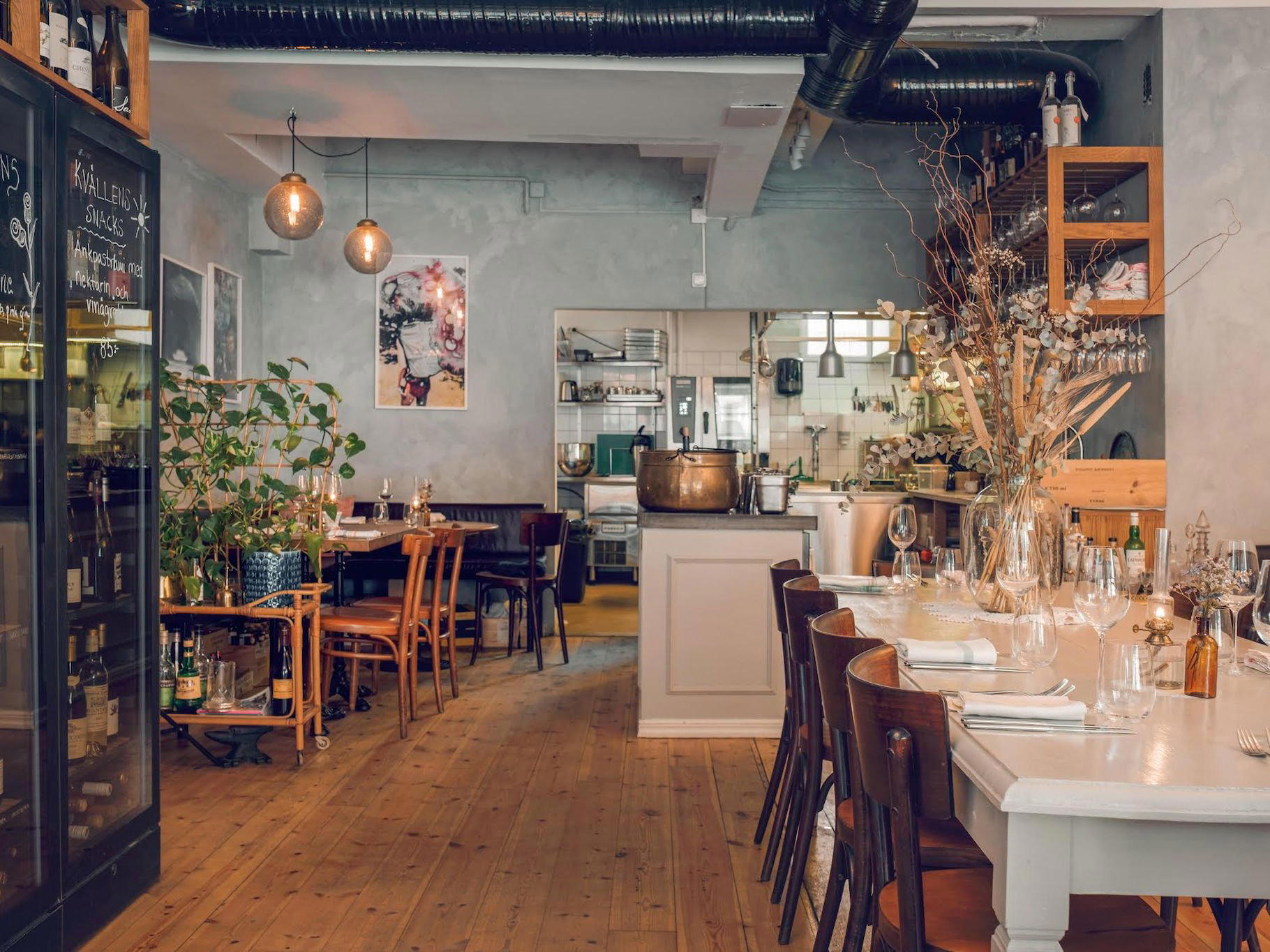
Bars in São Paulo
Browse all →
At a Glance
- Classic
- Rustic
- Cozy
- Group Dining
- Family
- Celebration
- Live Music
- Historic Building
- Street Scene
Current opening hours
- Monday
- 11:30 AM–11 PM
- Tuesday
- 11:30 AM–11 PM
- Wednesday
- 11:30 AM–11 PM
- Thursday
- 11:30 AM–12 AM
- Friday
- 11:30 AM–12 AM
- Saturday
- 11:30 AM–12 AM
- Sunday
- 11:30 AM–11 PM
Hours can change for holidays and private events. Last verified .
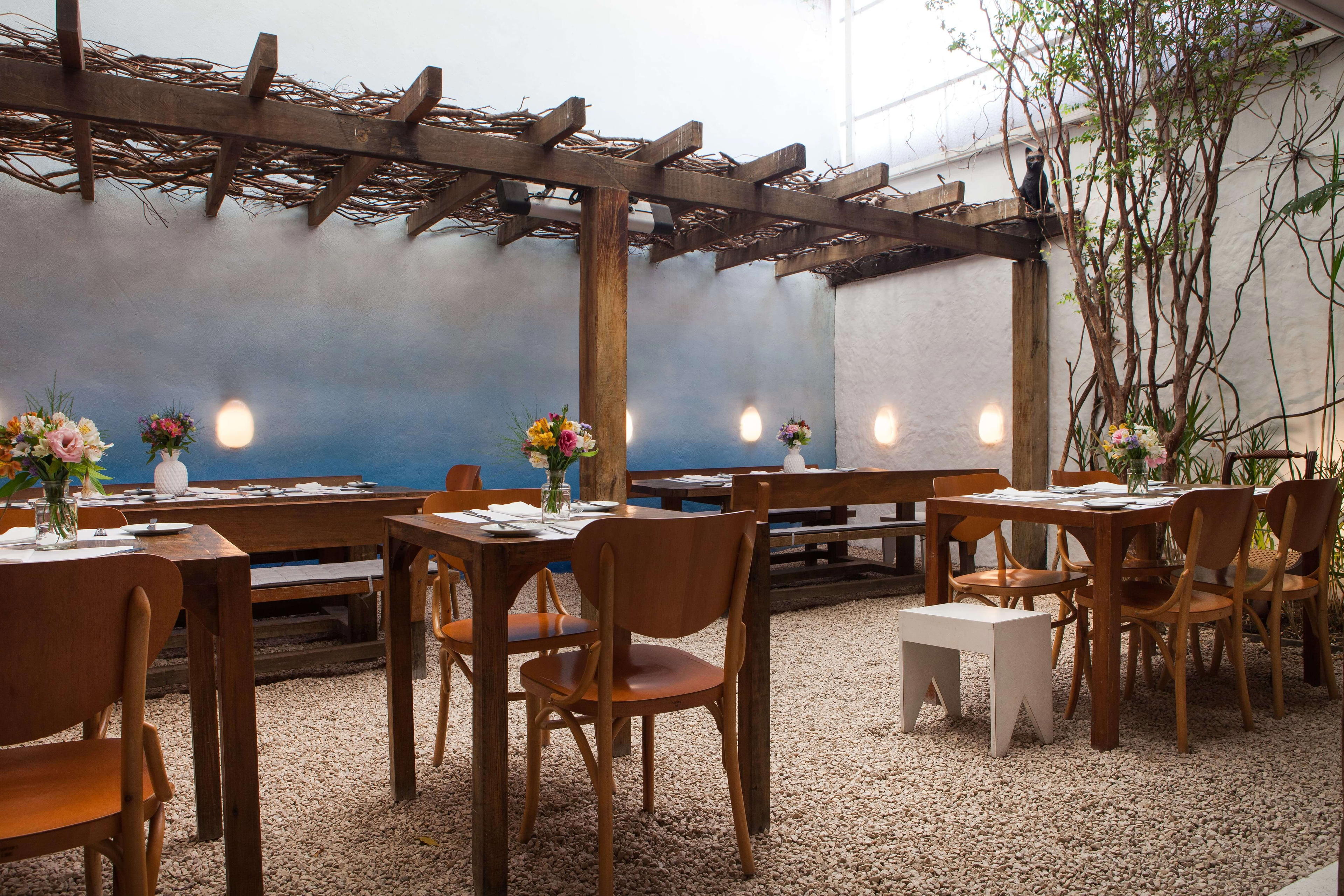
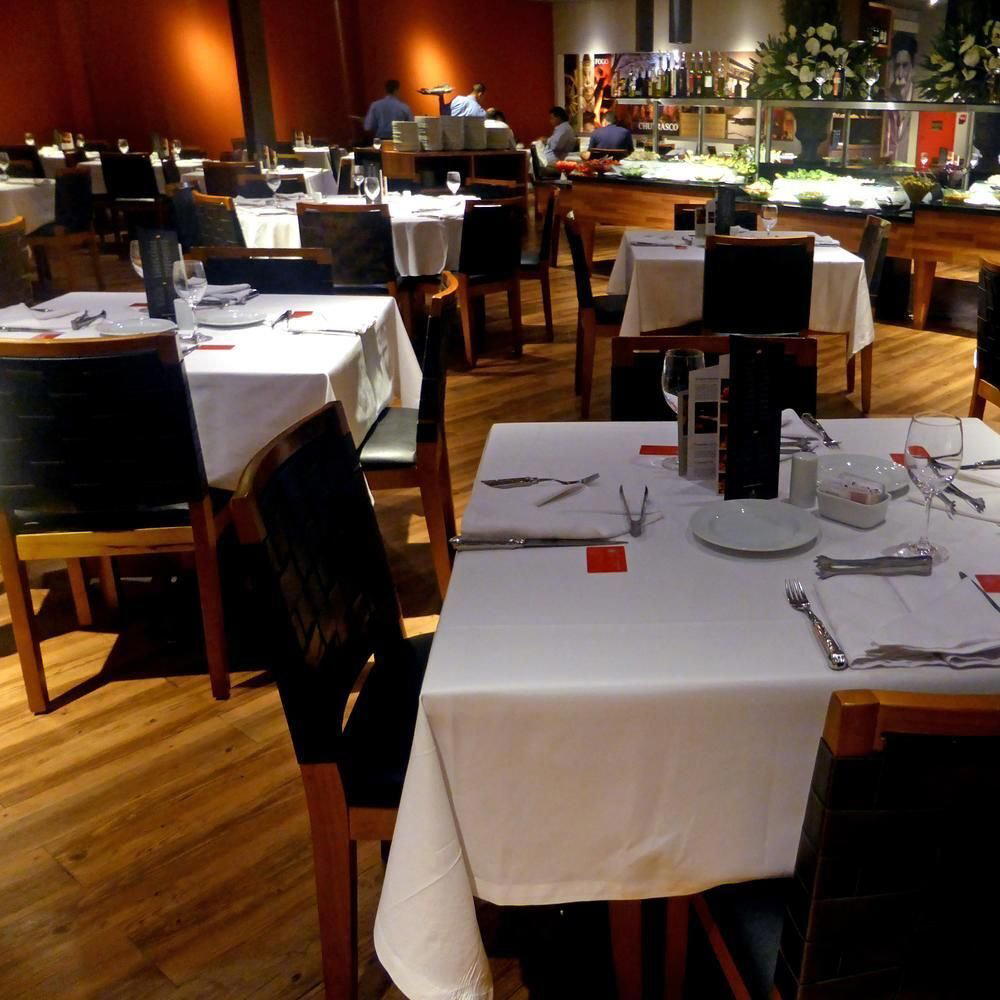
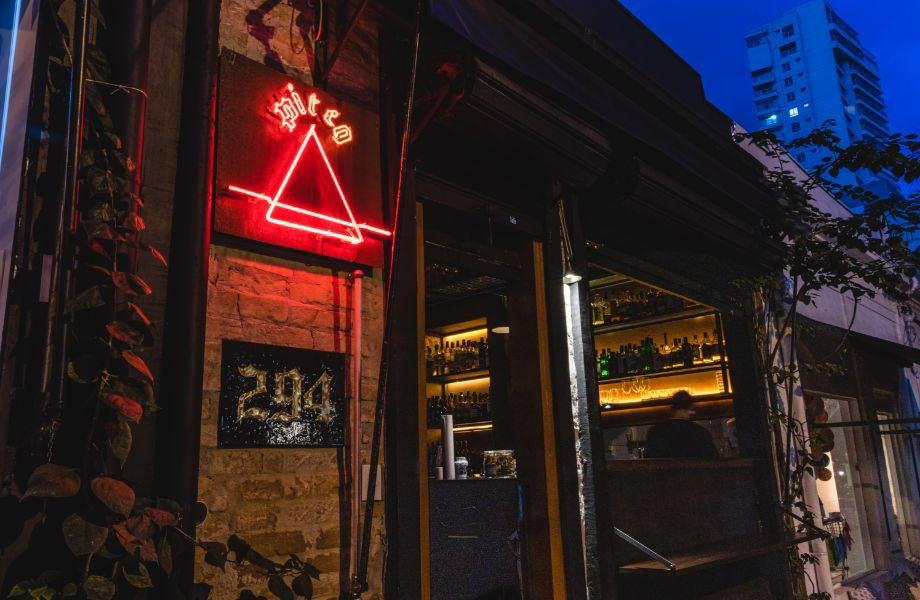
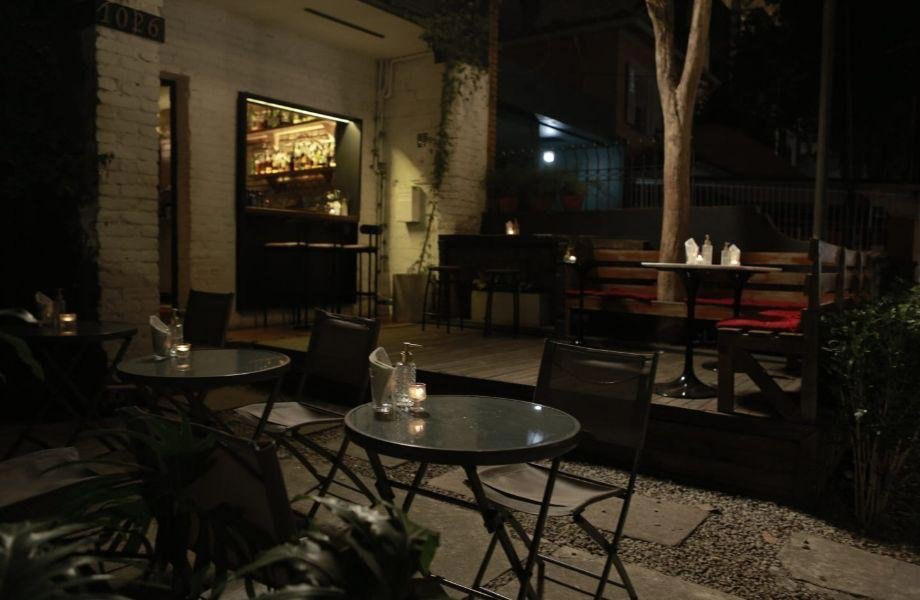
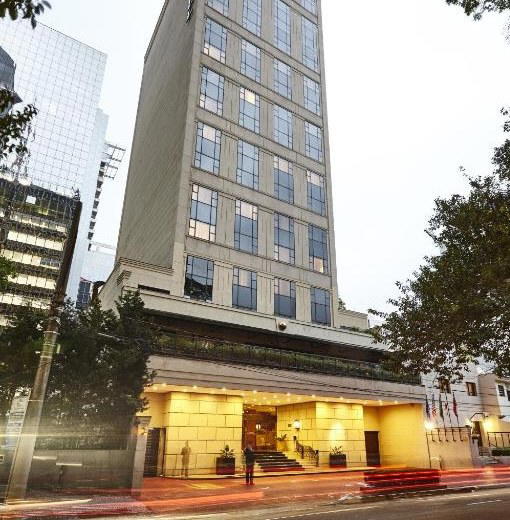
Classic decor evoking European roots with checkered tablecloths, live jazz music at night, and a bustling, welcoming atmosphere.