Caiçara
Caiçara occupies a residential address in Jardim Santa Amelia, Hortolândia, a city in greater Campinas that rarely appears on national dining maps. The name itself signals intent: caiçara refers to the coastal communities of southeastern Brazil whose food culture is built around what the sea and surrounding mata atlântica provide. That framing shapes everything about what to expect here.
Pearl is the En Primeur Club membership app — saves, bookings, and concierge access live there. Same editors, same standards.
- Address
- R. dos Canários, 71 - Jardim Santa Amelia, Hortolândia - SP, 13186-021, Brazil
- Phone
- +5519984014741
- Website
- caicara.menuturbo.com.br
- Directions
- Get directions
 Saves & bookings on Pearl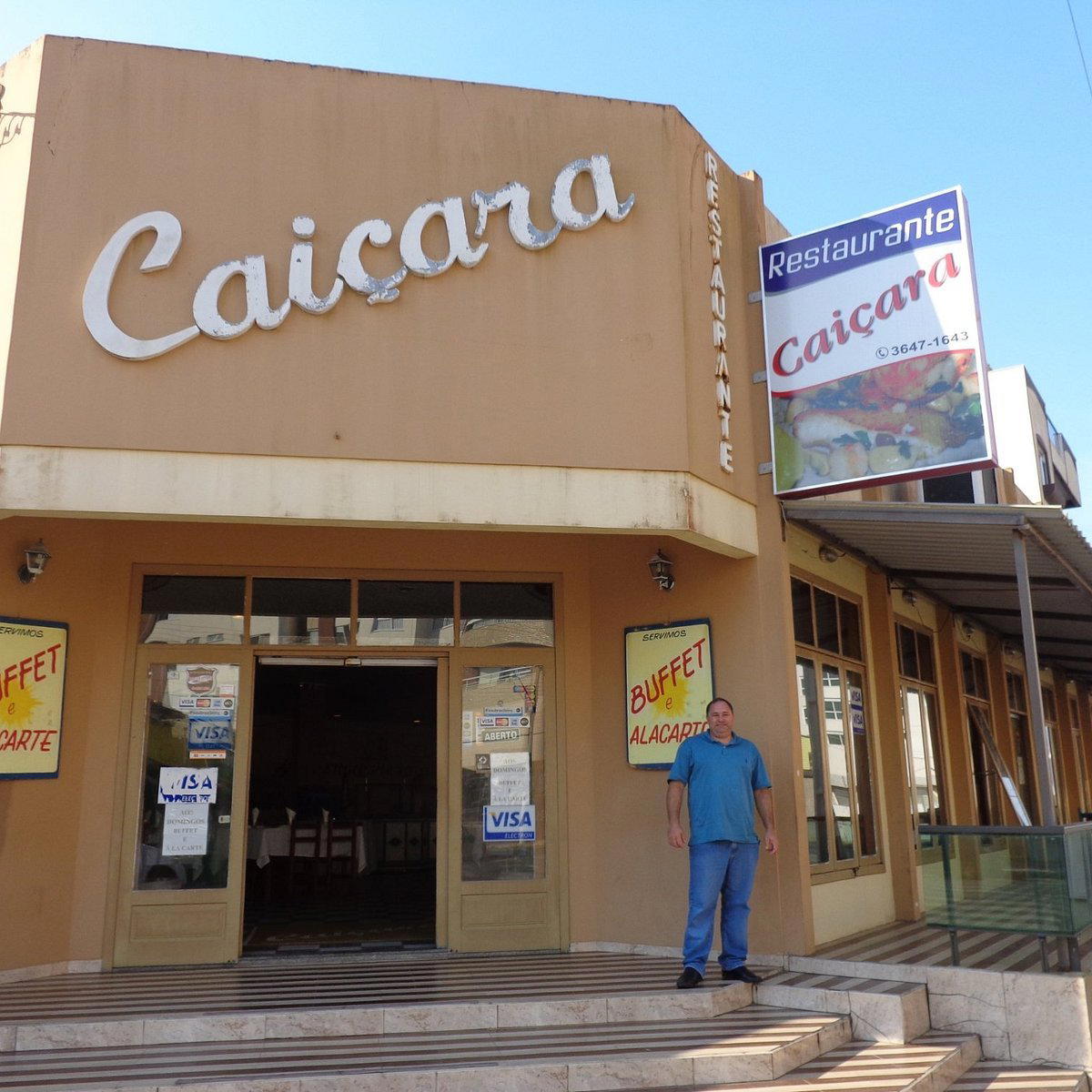
A Coastal Culinary Tradition, Inland
Brazil's interior cities have a complicated relationship with coastal food culture. The caiçara tradition, rooted in the fishing communities strung along São Paulo and Paraná states' Atlantic shoreline, depends on ingredients that travel poorly and techniques that rarely survive transplantation: fresh-caught fish handled within hours of landing, shellfish from specific estuarine systems, manioc in forms particular to each coastal microregion. When a restaurant in a landlocked city like Hortolândia adopts this identity explicitly, the operative question is always how faithfully the sourcing chain holds. The name Caiçara, on R. dos Canários in Jardim Santa Amelia, makes that claim directly. Whether the kitchen resolves the logistical tension between coastal tradition and inland geography is the central editorial question about this address.
Hortolândia sits within the Campinas metropolitan region, roughly 100 kilometres northwest of São Paulo city, in a corridor that functions primarily as industrial and residential infrastructure rather than a dining destination. For context on how the wider Campinas area positions itself gastronomically, our full Hortolândia restaurants guide maps the local scene. Nearby, Olivetto Restaurante e Enoteca in Campinas represents the Italian-Brazilian strand that defines much of the region's more formal dining. Caiçara operates in a different register entirely, reaching toward a food culture geographically distant but culturally embedded in the São Paulo state psyche.
The Sourcing Question in Brazilian Coastal Cooking
The caiçara culinary tradition is not a single menu template. It is, more precisely, an ingredient logic: whatever the sea gives that day, supplemented by what the restinga and mata atlântica produce, heart of palm, various manioc preparations, wild herbs, pequi in some sub-regional variations. At its most coherent, the tradition resists standardisation because the sourcing itself is inherently variable. Particularly discussed coastal-influenced restaurants operating at serious levels in Brazil, Oteque in Rio de Janeiro at the four-dollar-sign tier, or D.O.M. in São Paulo where Alex Atala's two Michelin stars were built partly on Brazilian biodiversity sourcing, approach ingredient provenance as a philosophical position, documented and verifiable. Smaller neighbourhood restaurants working within the same tradition face the same underlying demand: the sourcing chain either holds or it doesn't, and diners who know the reference point will notice.
This matters for Caiçara because the address on R. dos Canários does not carry the institutional apparatus, published sourcing programs, awards infrastructure, press documentation, that makes the sourcing claim legible from the outside. The restaurant's publicly available details are limited, but the address and cuisine style are clear. That absence doesn't disqualify the kitchen, but it does shift the evaluative burden entirely to what arrives on the plate and where it demonstrably comes from.
How Hortolândia's Neighbourhood Context Shapes the Experience
Jardim Santa Amelia is a residential neighbourhood rather than a dining district. Restaurants that operate in this kind of urban fabric in Brazilian mid-sized cities tend to function as deeply local institutions, known to a specific catchment, evaluated by repeat visit rather than critical review, and sustained by community trust rather than destination traffic. That model produces a different kind of quality signal than the one operating in São Paulo's Pinheiros or Itaim Bibi corridors. The comparison isn't unfavourable; it's structural. Neighbourhood restaurants in Brazil's interior cities frequently maintain ingredient relationships, with local producers, regional distributors, or family supply networks, that more visible city-centre operations don't bother with because they can rely on scale and reputation to fill seats regardless.
The broader Brazilian interior restaurant scene has produced noteworthy addresses operating outside the major city circuits: Mina in Campos do Jordão works within a mountain resort context; Birosca S2 in Belo Horizonte operates in a different Minas Gerais register; Manu in Curitiba has built a Paraná-focused sourcing program that attracts national attention. Each of these exists in a different relationship to its city's dining infrastructure. Caiçara, by contrast, operates in a city with limited dining infrastructure and no documented critical ecosystem, which means the restaurant functions essentially outside the tier comparisons that make evaluation direct elsewhere.
The Caiçara Name as Positioning
Across Brazil's coastal states, the caiçara identity has become a contested category. What began as an anthropological descriptor for traditional fishing and gathering communities, communities with specific food practices, material culture, and ecological knowledge, has been adopted by restaurants ranging from serious sourcing-led operations to beach-shack branding exercises with no connection to the tradition. The tension between these two uses is visible across the country: in the Amazon-inflected menus of Lobby Café in Belém, in the Bahian ingredient focus of Manga in Salvador, or in the northern traditions documented at Orixás North Restaurant in Itacaré. Each of these addresses the question of regional food identity differently, but each operates with some level of documented connection to the tradition it invokes.
A restaurant named Caiçara in inland São Paulo state is implicitly making a sourcing argument. The mata atlântica coast is accessible from Hortolândia via the Via Anhanguera and Rodovia dos Bandeirantes corridors; coastal producers in Bertioga, São Sebastião, and Ubatuba have established supply relationships with inland buyers. The geographic barrier, in other words, is real but not absolute.
Planning a Visit
Caiçara's address, R. dos Canários, 71, Jardim Santa Amelia, Hortolândia, sits within a residential grid most easily reached by car from central Campinas or from the SP-101 and SP-332 access roads. For travellers combining a visit with the broader Campinas region, Olivetto in Campinas provides a documented alternative at the Italian-Brazilian end of the regional dining spectrum. At an international reference level, the sourcing discipline that defines the leading coastal Brazilian cooking shares a philosophical lineage with operations like Le Bernardin in New York or with the community-embedded format of Lazy Bear in San Francisco.
Comparable Spots, Quickly
Comparable venues nearby, for context on price, style, and recognition.
| Venue | Cuisine | Price | Notes |
|---|---|---|---|
| CaiçaraThis venue — the venue you are viewing | Italian Pizza and Vegetarian | $$ | Not listed |
| A Pizza da Mooca | Modern Neapolitan Pizza Pizzeria | $$ | Pinheiros |
| Bráz Pizzaria | Italian Pizza | $$ | Consolacao |
| A Pizza da Mooca | Modern Neapolitan Pizza | $$ | Cambuci |
| LOCALE caffè | Italian Caffè | $$ | Pinheiros |
| Bellini | Award-Winning Italian Fusion | $$$ | Nova Campinas |
Continue exploring
More in Hortolandia
Restaurants in Hortolandia
Browse all →
Bars in Hortolandia
Browse all →
Hotels in Hortolandia
Browse all →
At a Glance
- Casual Hangout
Current opening hours
- Monday
- 6:15–10:20 PM
- Tuesday
- 6:15–10:20 PM
- Wednesday
- 6:15–10:20 PM
- Thursday
- 6:15–10:20 PM
- Friday
- 6:15–11:45 PM
- Saturday
- 6:15–11:45 PM
- Sunday
- Closed
Hours can change for holidays and private events. Last verified .