A Higienópolis trattoria on Rua Alagoas that operates in the tradition of Italian neighbourhood dining transplanted to São Paulo's most architecturally dense residential quarter. The format sits between casual osteria and considered Italian table, placing it in a different register from the city's tasting-menu Italian rooms without abandoning kitchen seriousness. Reliable enough to draw a local following while remaining accessible to visitors working through the neighbourhood's dining circuit.
Pearl is the En Primeur Club membership app — saves, bookings, and concierge access live there. Same editors, same standards.
- Address
- R. Alagoas, 475 - Higienópolis, São Paulo - SP, 01242-001, Brazil
- Website
- linktr.ee
- Directions
- Get directions
 Saves & bookings on Pearl
Higienópolis and the Italian Table in São Paulo
São Paulo's relationship with Italian food is structural, not decorative. The city received one of the largest waves of Italian immigration in the Americas between the 1880s and 1940s, and that demographic history produced a restaurant culture where Italian cooking is neither exotic nor novelty. It is neighbourhood food, argued over seriously, and held to standards that reflect generations of family cooking absorbed into the city's baseline. Higienópolis, the tree-lined residential quarter on the city's inner west side, sits at the intersection of that culinary inheritance and a contemporary dining public that has grown considerably more demanding. Rua Alagoas, where Tappo Trattoria occupies number 475, runs through the district's quieter residential spine, away from the commercial activity of Avenida Higienópolis but close enough to draw foot traffic from the neighbourhood's apartment blocks and cultural institutions.
The trattoria format itself carries specific expectations. Unlike the tasting-menu rooms that define São Paulo's upper Italian tier — Evvai being the clearest current example, with its contemporary Italian framework and sustained critical recognition — a trattoria promises something more immediate: a room that functions at lunch and dinner without ceremony, a wine list that facilitates conversation rather than commanding it, and a kitchen that earns its following through consistency over novelty. Tappo sits in that category, with a name that signals its intent clearly enough. A tappo, in Italian, is simply a cork, the object that sits between you and the wine, removed without fuss at the start of a meal.
A Room That Works Before the Food Arrives
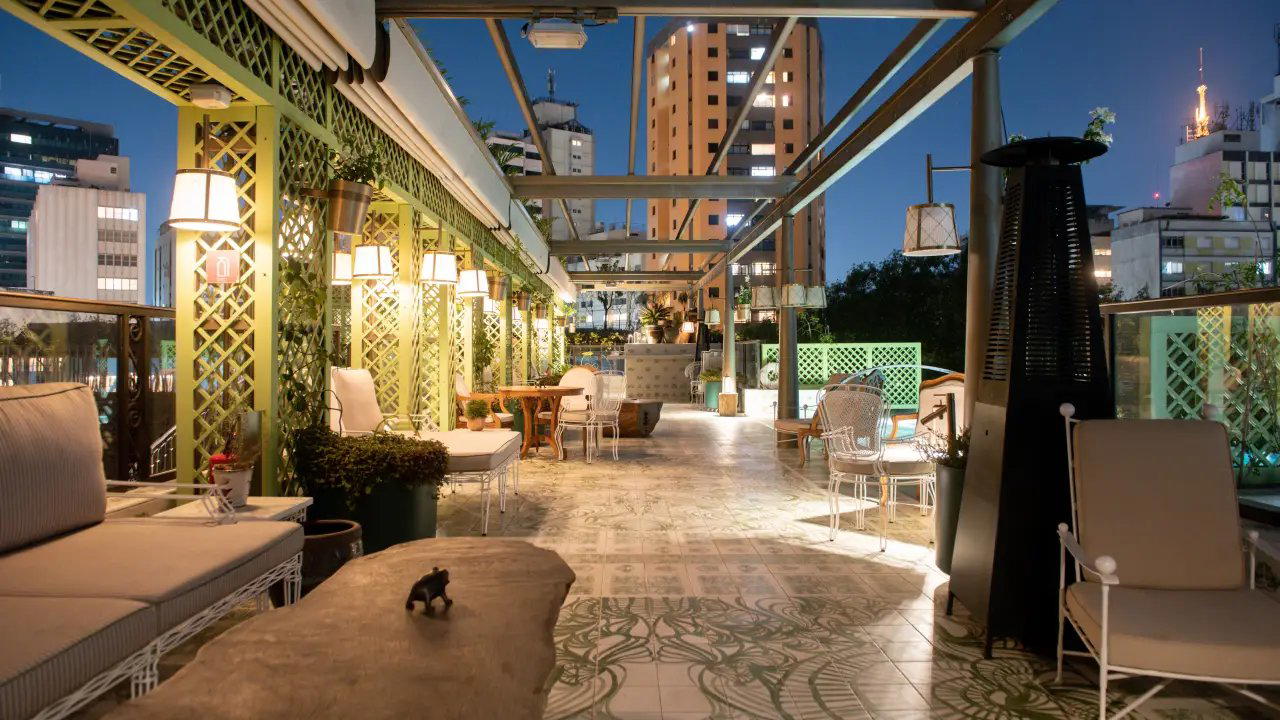
Approaching a Higienópolis trattoria on a São Paulo weekday, the street context does part of the work. The neighbourhood's combination of modernist apartment towers, leafy calçadas, and a population that includes architects, academics, and long-established São Paulo families produces a particular dining atmosphere: unhurried but not slow, knowledgeable without performance. The physical address on Rua Alagoas places Tappo in a stretch of the street where the scale is domestic rather than commercial, which tends to shape the room's register before a guest sits down. Trattorias that succeed in this kind of residential positioning generally do so by reading the neighbourhood's rhythm, quieter at lunch on weekdays, fuller on weekend evenings when the local resident base eats out in preference to cooking.
The team dynamic at a venue operating in this format matters more than it might at a larger, more formally structured room. In Italian neighbourhood dining, the relationship between front-of-house and kitchen is the product rather than the support structure for it. A floor that can read the table, knowing when to recommend a second bottle, when to explain a preparation, when to leave a group alone, determines whether the meal lands as it should. São Paulo's better Italian rooms, from the high-end contemporary work at Fame Osteria to the more Brazilian-inflected approaches elsewhere, have generally understood this. The trattoria format amplifies it: there is no elaborate theatre to distract from the service quality, so the interaction between the person carrying plates and the person eating them is the visible measure of whether the kitchen's work reaches the table intact.
Italian Cooking in the São Paulo Context
São Paulo's Italian restaurant scene has fractured across several registers in the past decade. At the leading, contemporary Italian rooms have pursued the kind of cuisine that would be recognisable in Milan or Rome's current fine-dining conversation, technically demanding, product-driven, and often priced against the city's broader tasting-menu market where D.O.M. and Tuju set the reference points for serious spending. Below that tier, the city sustains a large number of casual Italian addresses that function primarily as neighbourhood conveniences. The trattoria occupies a middle position that is neither as demanding as the former nor as incidental as the latter, a format where cooking craft is present but not foregrounded through elaborate presentation, and where the wine programme exists in a genuine relationship with the food rather than as an afterthought.
For visitors arriving from Rio de Janeiro, where Lasai represents the creative contemporary end of Brazilian dining, or from international cities where venues like Le Bernardin in New York set a formal benchmark, the trattoria register requires a different set of expectations. It is a format that rewards patience with the ordinary done well: pasta at the right texture, a properly rested protein, a glass of something Italian that does not require an explanation. Maní, working in a Brazilian-international register across the city, represents one kind of São Paulo seriousness; Tappo operates in a different tradition, one where the reference points are more specifically tied to the Italian-Brazilian community's long history of keeping certain cooking disciplines alive in the city.
Placing Tappo in the Neighbourhood Circuit
Higienópolis functions as one of São Paulo's more self-contained dining neighbourhoods, residents eat within it regularly rather than treating it purely as a transit point to Jardins or Vila Madalena. That insularity is an asset for a trattoria: the local repeat customer is the structural base on which this kind of restaurant builds its identity, and Higienópolis generates that customer profile reliably. The address on Rua Alagoas, at number 475, sits within walking distance of the Higienópolis shopping complex and the surrounding residential blocks, which means the lunchtime trade and the pre-evening dinner crowd both have practical reasons to pass through. For anyone building a São Paulo itinerary with serious attention to the city's full dining range, our full São Paulo restaurants guide maps the broader circuit, but Higienópolis specifically rewards a visit timed to the neighbourhood's rhythm rather than the city's busier dining corridors further south.
The other Brazilian cities covered in the EP Club network, including addresses like Cantina Pozzobon in Santa Maria and Bistro Fitz Carraldo in Manaus, reflect how widely the Italian-inflected tradition has spread across Brazilian dining culture. São Paulo remains the densest concentration of that tradition, and Higienópolis one of its more historically grounded neighbourhoods for it. Tappo's position in that context is that of a working trattoria in a district with genuine Italian-Brazilian culinary memory, rather than a themed Italian concept dropped into a tourist corridor.
Planning a Visit
Rua Alagoas 475 is accessible from the Higienópolis-Mackenzie metro station on Line 6-Laranja, though that line's full operational status should be confirmed before arrival given ongoing infrastructure timelines in the city. Visitors coming from Jardins or Paulista by taxi or rideshare will find the journey short. Seasonal considerations matter in São Paulo's dining calendar: the period from June through August, when the city's winter brings cooler evenings, suits the kind of enclosed, convivial room a trattoria provides, and local regulars tend to eat out more frequently during those months than during the wet-season heat of January and February.
How Tappo Trattoria São Paulo compares with similar nearby venues.
| Venue | Cuisine | Price |
|---|---|---|
| Carlota | Brazilian Modern | Not listed |
| Più Higienópolis | Italian | $$ |
| Ama.zo - Pátio Higienópolis | Peruvian | $$ |
Continue exploring
More in São Paulo
Restaurants in São Paulo
Browse all →
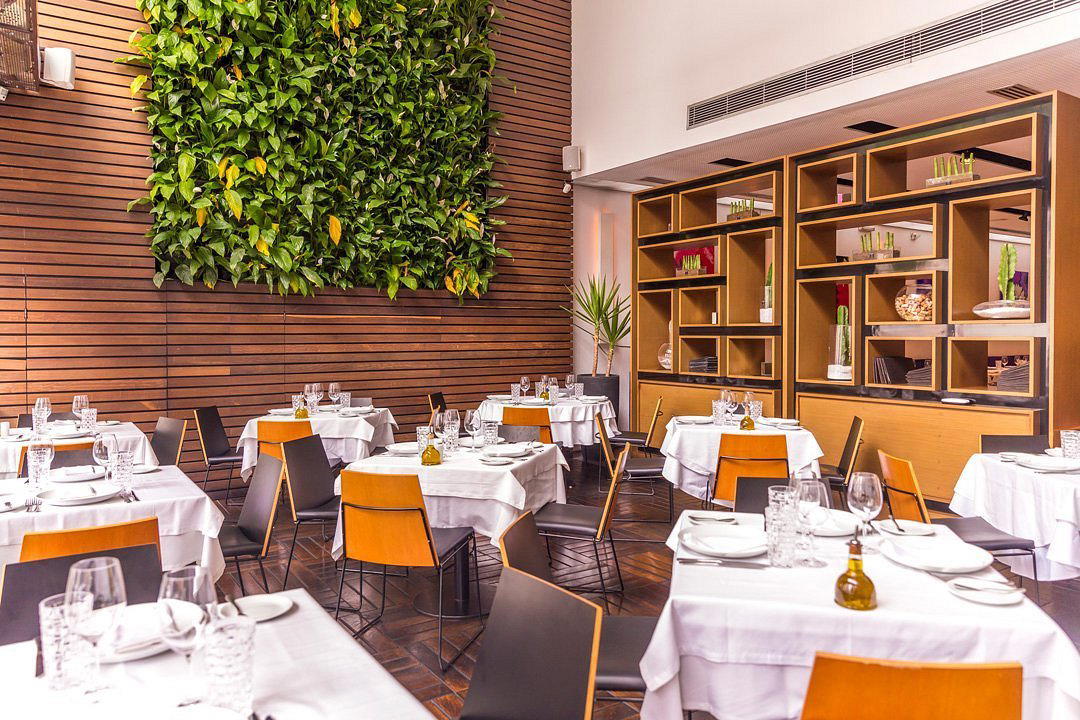
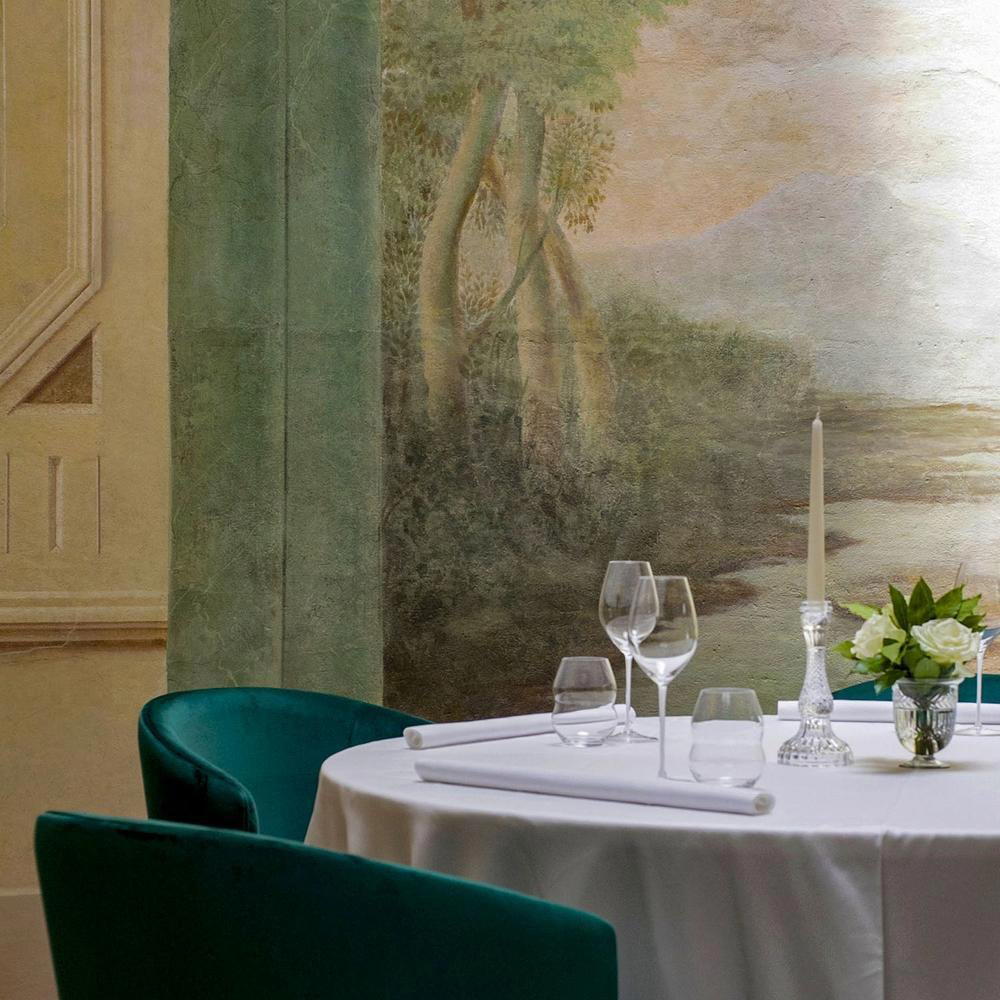
Bars in São Paulo
Browse all →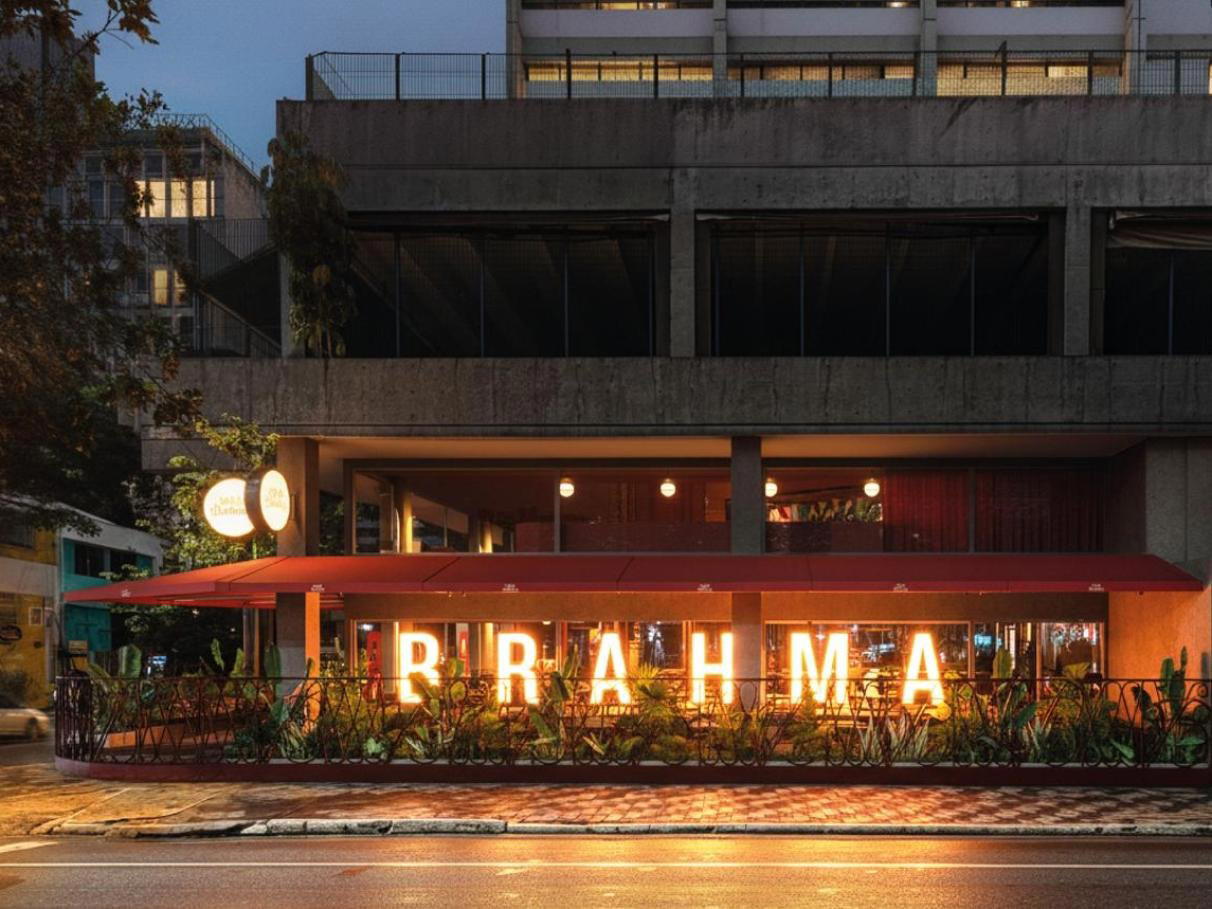
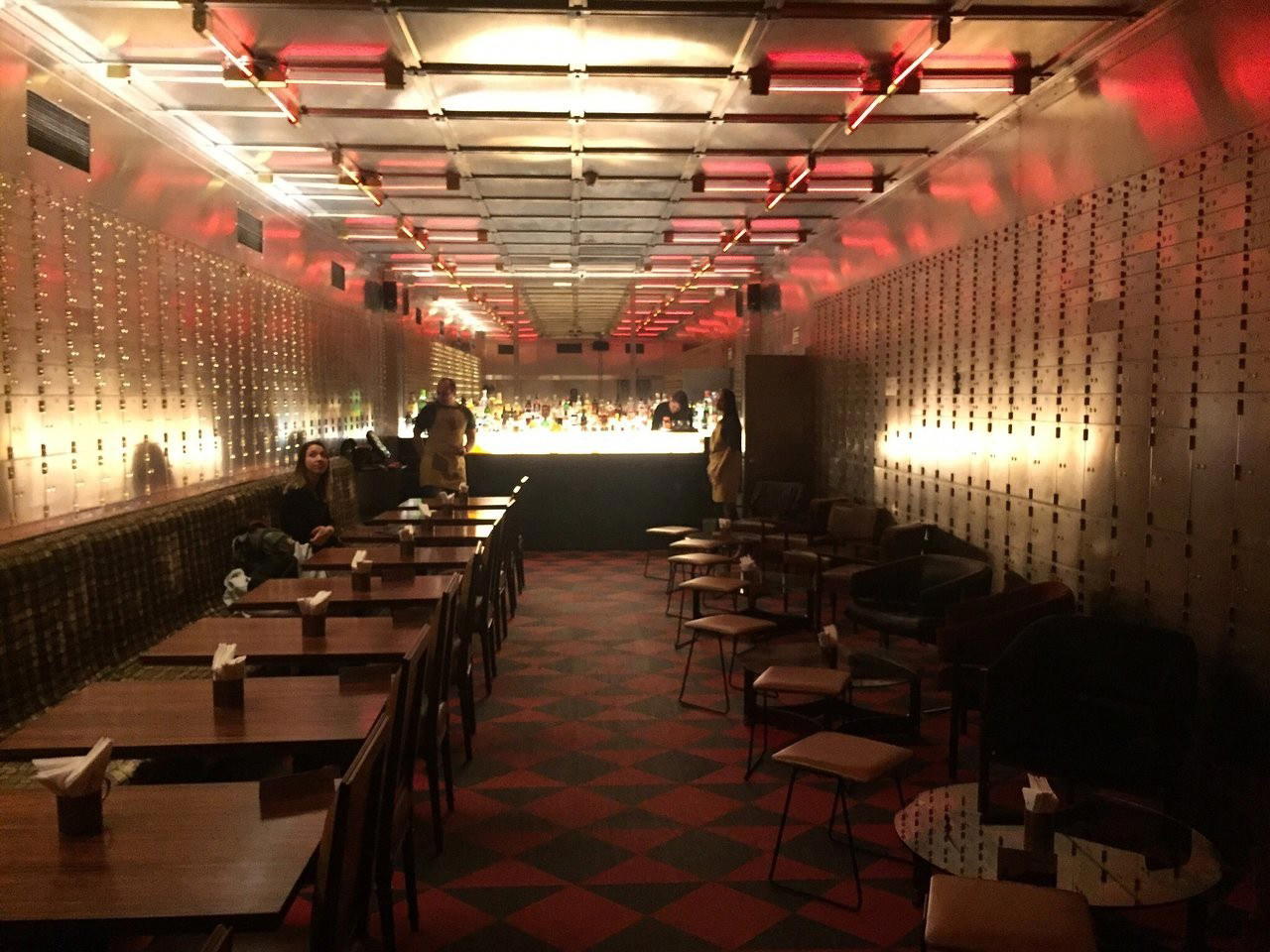
At a Glance
- Cozy
- Classic
- Intimate
- Date Night
- Casual Hangout
- Open Kitchen
- Extensive Wine List
Current opening hours
- Monday
- Closed
- Tuesday
- 12–3 PM, 7–11 PM
- Wednesday
- 12–3 PM, 7–11 PM
- Thursday
- 12–3 PM, 7–11 PM
- Friday
- 12–3 PM, 7–11 PM
- Saturday
- 12–4 PM, 7–11 PM
- Sunday
- 12–5 PM
Hours can change for holidays and private events. Last verified .
Cozy and pleasant with beautiful environment, nice music, and welcoming atmosphere.
Know Before You Go
- Getting there
- R. Alagoas, 475 - Higienópolis, São Paulo - SP, 01242-001, Brazil