


Michelin Bib Gourmand · The Best Chef One Knife
Our verdict
Mocotó occupies a different tier from São Paulo's tasting-menu circuit: Michelin Bib Gourmand-recognised and ranked 17th in South America by Opinionated About Dining in 2025, it serves northeastern Brazilian cooking in Vila Medeiros at prices that put it firmly within reach of daily dining. The loyal crowd returns for a reason that has little to do with occasion and everything to do with consistency.

Pearl is the En Primeur Club membership app — saves, bookings, and concierge access live there. Same editors, same standards.
- Address
- Av. Nossa Sra. do Loreto, 1100 - Vila Medeiros, São Paulo - SP, 02219-001, Brazil
- Phone
- +55 11 2951-3056
- Hours
- Mon–Sat 12–11 PMSun 12–5 PM
- Website
- mocoto.com.br
- Directions
- Get directions
- Booking
- Book on the venue's website
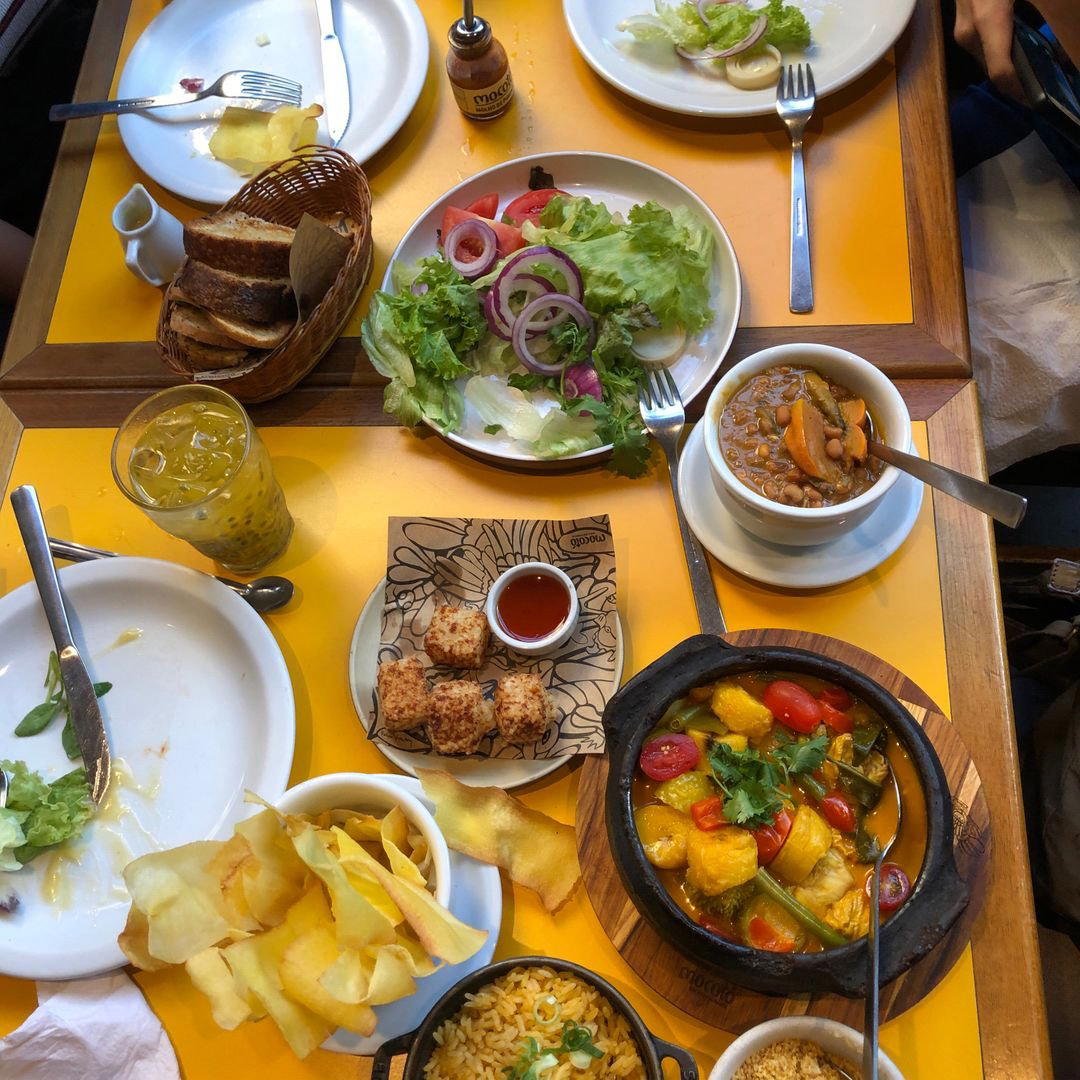
The menu
What to order
- Dadinhos de tapioca
- Rabada
- Carne de sol
- Torresminho
The Address That Regulars Don't Need to Look Up
Vila Medeiros sits well north of the Jardins corridor where most of São Paulo's tasting-menu circuit clusters. Getting to Mocotó from the centre means committing to a longer taxi or rideshare ride, and that distance functions as a filter. The room on Avenida Nossa Senhora do Loreto has no interest in performing destination-restaurant theatre. What you find instead is a space that has been shaped by its regulars over decades: a mid-volume hum of table conversation, a floor team that recognises faces, and a kitchen operating at a pace calibrated for a crowd that orders from memory rather than from curiosity.
That context matters when you try to position Mocotó against São Paulo's wider restaurant scene. The city has an unusually broad bandwidth for serious eating. D.O.M. and Tuju operate at the high-investment, high-abstraction end of Brazilian cooking. Maní sits in a creative-Brazilian middle tier priced at $$$. Mocotó's single-dollar price marker places it in a different conversation entirely, one where the value proposition is not composed courses but a regional tradition executed without compromise at accessible prices. The Michelin Bib Gourmand, awarded in both 2024 and 2025, is the guide's formal signal for exactly that: quality worth a detour, at a price that doesn't require occasion-level justification.
Northeastern Cooking as a Daily Practice
Brazilian regional cooking from the northeast, the cozinha nordestina, is built around ingredients and techniques that emerged from scarcity and climate: dried and salted meats, cured sun-beef (carne de sol), cassava in multiple preparations, bean-based stews, and an assertive use of dried chillies and herbs. At restaurants in São Paulo that treat this tradition seriously, those ingredients are not decorative references but structural to the menu. The dish that gives Mocotó its name, a slow-cooked beef trotter stew, is precisely the kind of preparation that defines the northeastern canon: labour-intensive, collagen-rich, seasoned deep into the meat over hours.
What keeps regulars oriented toward this kind of cooking is the opposite of novelty. The logic of northeastern food is repetition and refinement. A table that has been coming weekly for five years is not returning because the menu surprises them. They are returning because the version of a dish they ate six months ago has been slightly, imperceptibly improved since. Rodrigo Oliveira's training and profile, including sustained placement in the Opinionated About Dining rankings for South America across 2023, 2024, and 2025 (ranked 19th, 26th, and 17th respectively), signals a kitchen that is working at that level of incremental precision rather than chasing seasonal reinvention for its own sake.
The Regulars' Calculus
A score that high at that volume is not driven by one-time visitors writing enthusiastically about novelty. It is the aggregate of people who have eaten here many times and continue to return a favourable verdict. That is a different kind of endorsement from a festival award or a best-of list: it is repeated consent from a neighbourhood crowd.
The weekly rhythm of the place reinforces that reading. Mocotó opens Monday through Friday at noon, running through to 11 pm. Saturday service extends the opening by thirty minutes (11:30 am), with Sunday closing earlier at 5 pm. Those hours accommodate the lunch regulars, the after-work crowd, and the weekend family table, which is a profile associated with neighbourhood anchors rather than occasion restaurants. The contrast with, say, the dinner-only format common at Evvai or Fame Osteria is structural: those kitchens are built around a single daily service. Mocotó's format is built around integration into daily life.
Where Mocotó Sits in the Brazilian Dining Conversation
São Paulo's serious restaurant scene is dense enough to sustain comparisons at every price point. The single-dollar tier, where Mocotó operates, produces a different kind of restaurant than the creative tasting-menu format, and the Opinionated About Dining ranking treats it accordingly. The OAD list for South America ranks based on diner nominations weighted by expert users, which means consistent placement across three consecutive years (2023, 2024, 2025) at positions 19, 26, and 17 indicates a stable base of informed diners who are actively advocating for the restaurant rather than passively satisfied by it.
Across Brazil more broadly, the restaurants earning that kind of sustained recognition in the accessible-price tier are doing something that higher-budget kitchens find harder: maintaining quality and identity under the economic pressure of volume. Manga in Salvador and Lasai in Rio de Janeiro operate in different formats and price registers but share the characteristic of strong regional identity backed by national and international critical recognition. Mocotó's position is defined by that same combination, applied specifically to the northeastern tradition in the context of a São Paulo neighbourhood restaurant. For readers planning wider Brazilian itineraries, the full context is in our guides for Orixás | North Restaurant in Itacaré, Primrose in Gramado, Castelo Saint Andrews in Vale do Bosque, and Mina in Campos do Jordão.
Planning the Visit
For first-time visitors, the address in Vila Medeiros is the primary planning variable. The neighbourhood is not on the standard tourist circuit, and public transport connections from the central Paulista axis require either a transfer or a direct rideshare. Budget around 25 to 35 minutes from the Jardins area depending on traffic. The wide weekday hours mean a late lunch, arriving around 2 pm after the main rush, is an option that most tasting-menu restaurants in the city cannot offer. Walk-in access appears to be the norm given the format and neighbourhood positioning, though volume on weekends may require arriving close to the opening time to secure a table without waiting. The price point, at the single-dollar level, puts the full range of the menu within reach regardless of how many dishes or rounds are ordered, which is part of why the regulars treat it as a weekly rather than monthly destination. For broader planning across the city, see our full São Paulo restaurants guide, our São Paulo hotels guide, our São Paulo bars guide, our São Paulo wineries guide, and our São Paulo experiences guide. For a point of international comparison on what serious neighbourhood restaurants can achieve at scale, Le Bernardin in New York City and Atomix in New York City illustrate how critical recognition and consistent execution coexist in restaurant formats built around repeat clientele rather than occasional splurge visits.
Frequently asked questions
Can I bring kids to Mocotó?
What should I expect atmosphere-wise at Mocotó?
What should I eat at Mocotó?
The Essentials
| Venue | Cuisine | Price | Awards | Notes |
|---|---|---|---|---|
| MocotóThis venue — the venue you are viewing | Northeastern Brazilian Sertaneja | $20–30 | Michelin Bib Gourmand · The Best Chef One Knife | Not listed |
| Evvai | Modern Italian-Brazilian Fusion | $200–300 | 3 Michelin Stars · World's 50 Best #95 | Contemporary Italian, Modern Cuisine |
| D.O.M. | Modern Brazilian Amazonian Fine Dining | $150–200 | 2 Michelin Stars · World's 50 Best #74 | Modern Brazilian, Creative |
| Maní | Modern Creative Brazilian | $50–100 | 1 Michelin Star · World's 50 Best #67 | Brazilian - International, Creative |
| Jun Sakamoto | Japanese Omakase | $100–150 | 1 Michelin Star · La Liste Top Restaurants | Sushi, Japanese |
| A Casa do Porco | Modern Brazilian Pork-Centric | $30–50 | Michelin Bib Gourmand · World's 50 Best #25 | Regional Brazilian, Brazilian |
Recognition history
Dated appearances from independent guides and award organizations, with the underlying list record or original source where available.
Michelin Bib Gourmand
Michelin
Opinionated About Dining Top Restaurants in South America Ranked #3
Opinionated About Dining
The Best Chef One Knife
The Best Chef
Full recognition history (8 entries)
Michelin Bib Gourmand
Michelin
Opinionated About Dining Top Restaurants in South America Ranked #17
Opinionated About Dining
Michelin Bib Gourmand
Michelin
Opinionated About Dining Top Restaurants in South America Ranked #26
Opinionated About Dining
Opinionated About Dining Top Restaurants in South America Ranked #19
Opinionated About Dining
Continue exploring
More in São Paulo
More from Chef Rodrigo Oliveira
Browse all →
Restaurants in São Paulo
Browse all →
Bars in São Paulo
Browse all →

Details
- Lively
- Rustic
- Cozy
- Well Known
- Family
- Group Dining
- Casual Hangout
- Open Kitchen
- Local Sourcing
- A La Carte
- Small Plates
- Vegetarian Friendly
Current opening hours
- Monday
- 12–11 PM
- Tuesday
- 12–11 PM
- Wednesday
- 12–11 PM
- Thursday
- 12–11 PM
- Friday
- 12–11 PM
- Saturday
- 12–11 PM
- Sunday
- 12–5 PM
Hours can change for holidays and private events. Last verified .
Relaxed, simple atmosphere with cheerful color scheme, open kitchen, and inclusive, homely feel.