
Canele is a compact Nakagyo cafe, sweets and bar address near Kyoto Shiyakusho Mae, selected for Tabelog Cafe WEST 100 in 2025. Its appeal sits in Kyoto’s quieter afternoon economy: small rooms, measured service, takeaway flexibility and a price tier that keeps the focus on craft rather than ceremony.
Pearl is the En Primeur Club membership app — saves, bookings, and concierge access live there. Same editors, same standards.
- Address
- Japan, 〒604-0911 Kyoto, Nakagyo Ward, Shimizucho, 362 ジョイビル 5f
- Phone
- +81 75-756-2041
- Website
- instagram.com
 Saves & bookings on Pearl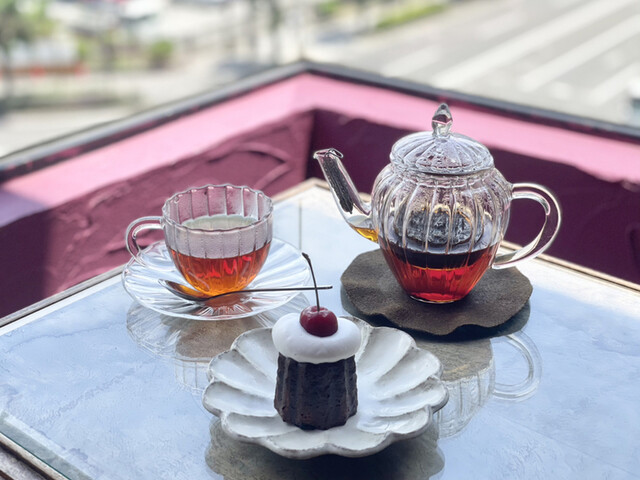
Kyoto’s cafe culture is often framed by machiya rooms, temple-side sweets and seasonal wagashi, but its contemporary afternoon scene has another register: small upstairs spaces where coffee, Western-style sweets and a restrained bar vocabulary share the same daypart. Canele belongs to that quieter tier. Compact counter and table seating replace lounge sprawl, suiting a city where a serious pause between lunch and dinner can be as deliberate as the meal itself.
Understand Canele not as an isolated dessert stop, but as part of Kyoto’s low-capacity cafe economy. Sixteen seats set the rhythm: small rooms reduce waste by limiting production pressure, keep service close to demand and make takeaway a practical extension, not a separate model. Where premium dining often leans on multi-course ritual, this cafe offers another discipline: short opening windows, focused categories and a menu identity built around sweets, drinks and the afternoon table.
Kyoto's small cafe format rewards restraint over spectacle
The 2025 Tabelog Cafe WEST 100 selection gives Canele a clear signal in a crowded field. Tabelog’s Hyakumeiten lists matter for Japanese cafes because they cut across tourist visibility and local repeat custom; a modest room can still carry serious recognition. The category matters too. Cafe, Western-style sweets and bar is not a patisserie counter, kissaten or hotel lounge. It sits between them, letting guests use the room for cake and coffee, a glass of wine or a slower afternoon with friends.
That hybrid model matters more as Kyoto visitors compress itineraries around temples, markets and dinner reservations. The afternoon is where the city’s hospitality character often sharpens. A small cafe can become a queue-managed photo stop or remain a neighbourhood-scaled room with enough structure to protect quality. Canele’s seat count places it closer to the second model. Read it against Kyoto addresses such as Murakami Kaishindo, Nijo Wakasaya Teramachi ten and Boulangerie Liberte' rather than full-service restaurants: the shared question is how much craft can be expressed in a short, affordable visit.
There is also a sustainability argument, though not one needing slogans. Compact service, limited seating and takeaway availability are practical tools in a city managing heavy visitor flows. Smaller production runs can reduce pressure to overstock perishable sweets, while a cafe-bar format lets one room work across multiple occasions without expanding its footprint. That does not make the cafe an environmental case study, but it places it inside a Kyoto pattern valuing precision, reuse of space and service scaled to capacity.
Western sweets in Kyoto work best when they keep a Japanese sense of pace
Kyoto has long absorbed foreign formats without surrendering its tempo. French pastry, coffee culture and bar service operate here, but the city rewards versions that understand quiet pacing and portioned pleasure. Canele’s Western-style sweets category matters for that reason. The appeal is not maximal dessert theatre, but the afternoon grammar of a small plate, a drink, a view of the room and enough time to reset before evening.
Compared with Bistro Yanagihara, where French technique belongs to a meal structure, or Nijo Minami, where the Japanese dining frame asks more commitment, a cafe like this asks a lighter question: how much satisfaction can be delivered without formal dining architecture? That helps travellers. Kyoto punishes over-scheduling, and a compact cafe stop can make more sense than another restaurant booking. For broader planning, Our full Kyoto restaurants guide maps the heavier dining options, while Our full Kyoto hotels guide, Our full Kyoto bars guide, Our full Kyoto wineries guide and Our full Kyoto experiences guide give the surrounding trip architecture.
The neighbourhood context helps. Nakagyo is one of Kyoto’s more flexible eating districts, close to central movement patterns without being locked into a single tourist circuit. Nearby dining moves from casual to precise within a few blocks, giving a sweets-and-bar cafe utility beyond dessert. It can sit before formal dinner, after shopping, or between museum and riverside time. It is especially useful for solo visitors, because counter seating and small tables reduce the social weight of dining alone in Kyoto’s more ceremonial rooms.
How to place it in a Kyoto day without overloading the itinerary
The strongest use case is a deliberately light afternoon. Treat Canele as a pause, not an anchor meal, and let the surrounding day carry the larger dining decision. That could mean a casual Kyoto sweep including 551蓬莱 for another register of comfort eating, or contemporary local addresses such as 3TOKU6MI Shijo karasuma ten, [ki:] and Abbesses, depending on how formal the evening becomes. For older Kyoto sweet traditions, Aburi Mochi Honke Nemoto Kazariya offers a useful contrast: historic snack culture rather than Western-style cafe service.
For readers building a Japan-wide sweets-and-cafe map, the comparison broadens quickly..cafe in Osaka and.know in Kumamoto show how regional cafe identities differ outside Kyoto, while (Shoku) Vietnam in Kawasaki, [Curry Senmon Ten] Maruyama Kyoju. in Sapporo and. 鮪と炭火焼き うお炭 秋葉原店 in Tokyo show specialised casual formats across Japanese cities. Overseas, Jōdo Saké Bar in Los Angeles and Onigiri Time in Pasadena underline a related point: Japanese food culture travels most convincingly when format is respected, not inflated.
Canele is most persuasive for travellers who value a small, timed stop. The draw is not excess, but proportion. A recognised cafe with 16 seats, a sweets-and-bar identity and takeaway service gives Kyoto visitors a low-commitment way to read the city’s contemporary cafe culture without turning the afternoon into another production.
Peers in This Market
Comparable venues by category and price.
| Venue | Cuisine | Price | Notes |
|---|---|---|---|
| CaneleThis venue — the venue you are viewing | French Café / Canelé Shop | $ | Not listed |
| Croix-Rousse | French-influenced bakery & sandwich shop | $ | Nakagyō |
| boulangerie Artisan'Halles | French Bakery-Café | $ | Kamigyō |
| L'Oiseau Bleu | Vegan French Bakery | $$ | Kita-ku |
| grains de vanille | French-style patisserie & café | $$ | Nakagyō |
| Kameya Yoshinaga Honten | Traditional Kyoto Wagashi & Japanese Sweets | $ | Shimogyō |
Recognition history
Dated appearances from independent guides and award organizations, with the underlying list record or original source where available.
Tabelog 100 #2 · No. 2
Tabelog · Tabelog 100 - Cafe - WEST - 2025
Continue exploring
More in Kyoto
Restaurants in Kyoto
Browse all →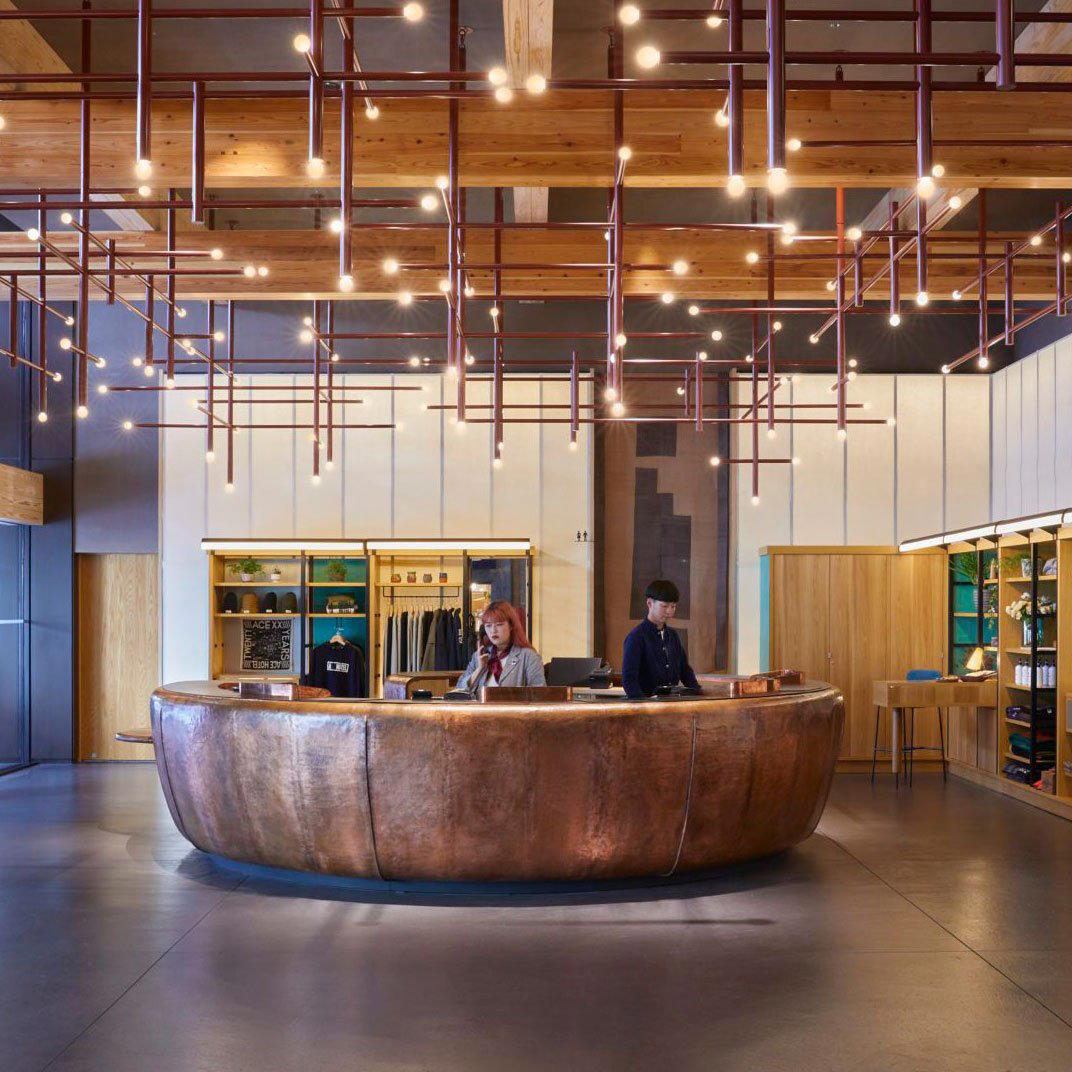

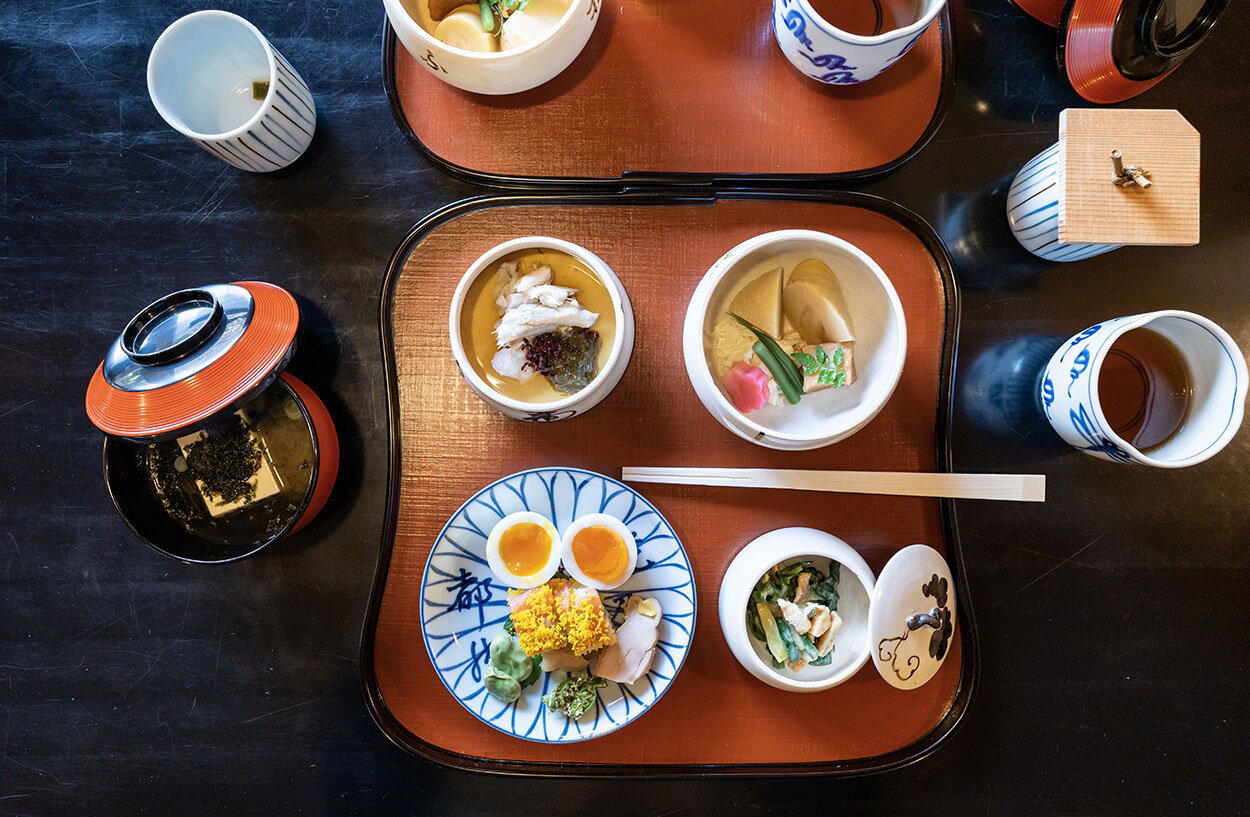
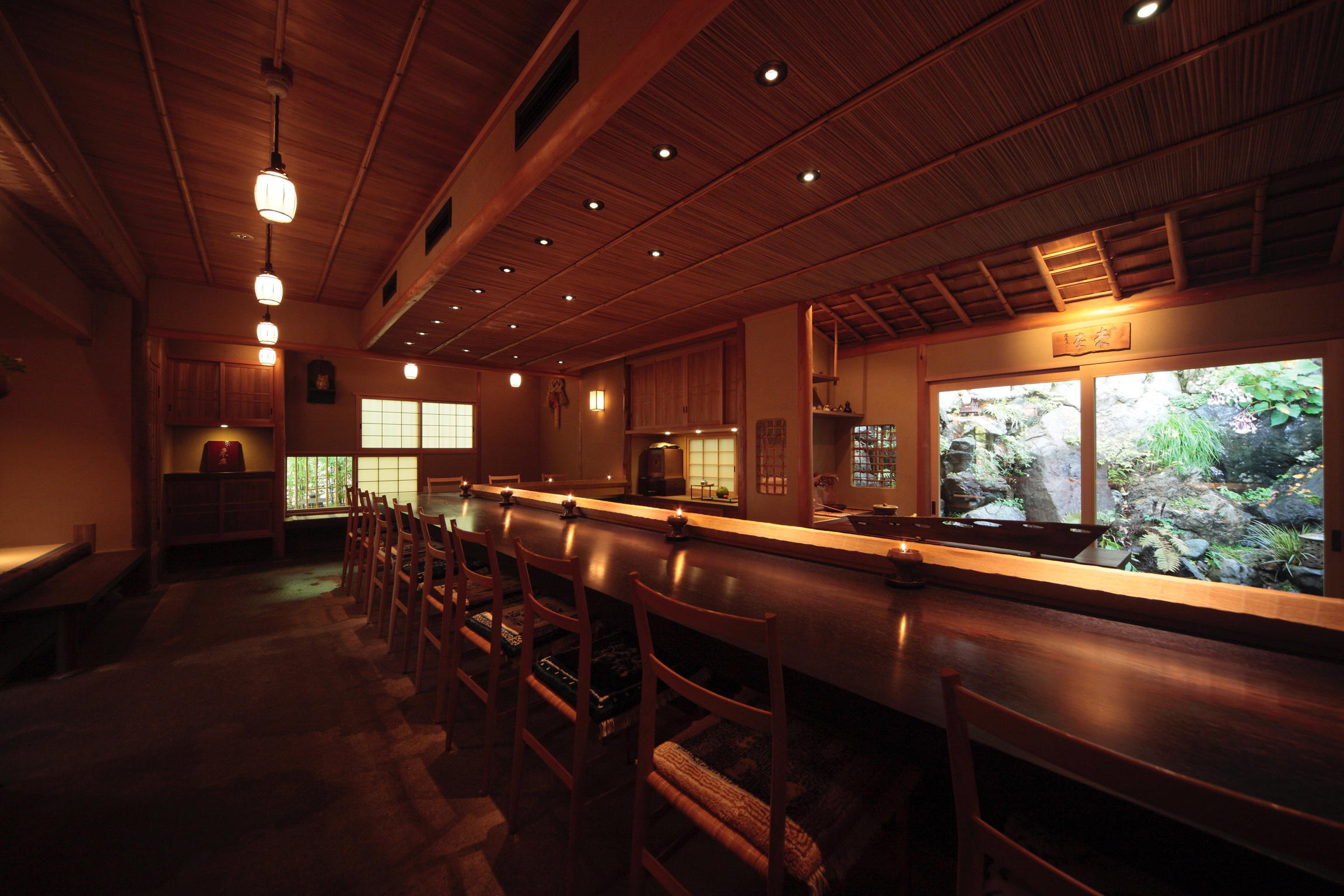
Bars in Kyoto
Browse all →


Hotels in Kyoto
Browse all →

Wineries in Kyoto
Browse all →
At a Glance
- Cozy
- Intimate
- Quiet
- Casual Hangout
- Solo
- Standalone
- Street Scene
Current opening hours
- Monday
- 12–6 PM
- Tuesday
- 12–6 PM
- Wednesday
- Closed
- Thursday
- 12–6 PM
- Friday
- 12–6 PM
- Saturday
- 12–6 PM
- Sunday
- Closed
Hours can change for holidays and private events. Last verified .
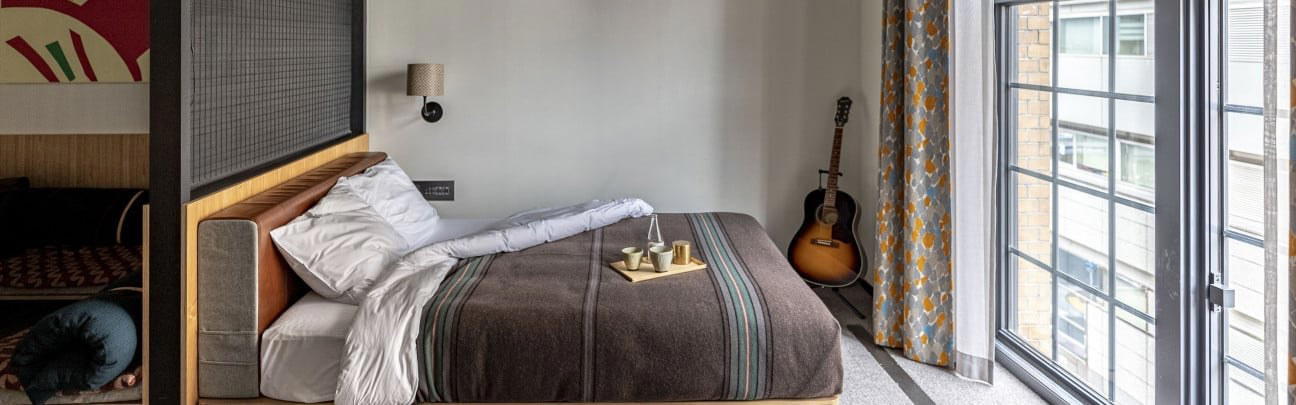
Cozy and intimate, with plenty of daylight through large windows by day and a dimmer, low-key mood at night.