
Can Kenji occupies a corner of the Eixample grid where the neighbourhood's appetite for cross-cultural precision dining is most apparent. The address on Carrer del Rosselló places it within easy reach of Barcelona's upper creative dining circuit, and the kitchen operates in a register that rewards visitors who arrive with patience rather than hunger alone. Expect a format where the wine list carries as much editorial weight as the plates.
Pearl is the En Primeur Club membership app — saves, bookings, and concierge access live there. Same editors, same standards.
- Address
- Carrer del Rosselló, 325, Eixample, 08037 Barcelona, Spain
- Phone
- +34 934 76 18 23
- Website
- cankenji.com
- Directions
- Get directions
 Saves & bookings on Pearl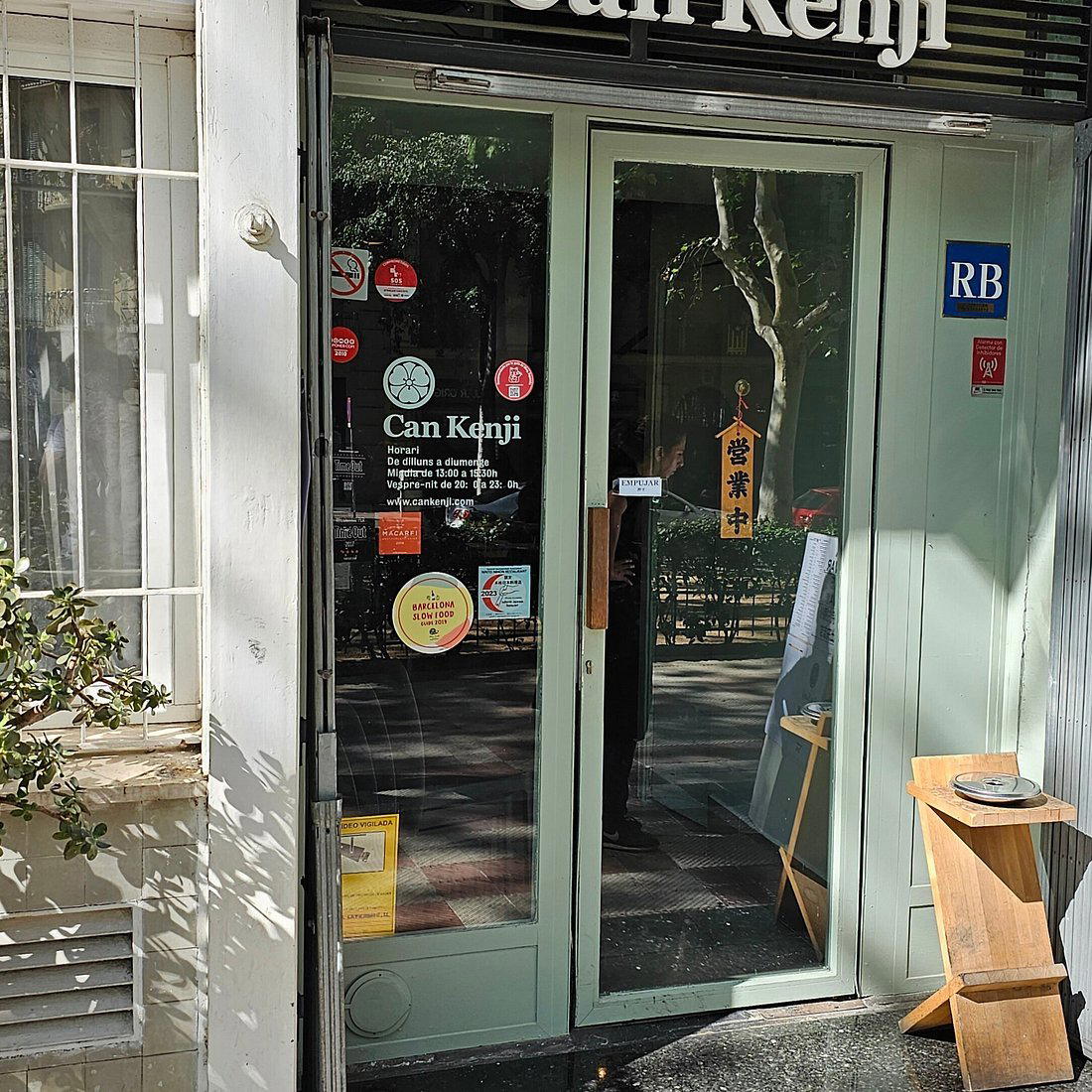
Where the Eixample Grid Meets Cross-Cultural Precision
Can Kenji is a Japanese izakaya with Mediterranean fusion in Barcelona's Eixample district, on Carrer del Rosselló 325. The orderly octagonal blocks, originally Ildefons Cerdà's democratic city planning exercise, now map a dining circuit that runs from neighbourhood bistros to rooms within reach of the city's Michelin constellation. Can Kenji, at Carrer del Rosselló 325, occupies a specific node in that circuit: the address is residential rather than commercial-strip, which in Eixample signals a restaurant that has earned its clientele through reputation rather than foot traffic.
That geography matters. Tables here tend to fill with locals who understand the format and return guests who book in advance rather than walk in. In Barcelona's current dining scene, where venues like Disfrutar (Progressive, Creative) and Cocina Hermanos Torres (Creative) operate at the highest technical level of progressive Spanish cooking, the city's mid-to-upper tier is genuinely competitive. A restaurant that holds its own in that environment is doing something the room can feel.
The Wine List as Editorial Statement
In Barcelona's more considered dining rooms, the wine list has increasingly become the measure of a restaurant's ambitions. A kitchen can change its menu seasonally; a cellar reveals accumulated commitment. Particularly serious rooms in the city treat the list as a parallel programme to the food, with natural wines, Spanish regionals, and European classics sitting alongside each other with a logic the sommelier can articulate at the table.
The cross-cultural character of Can Kenji's name points toward a list that spans more than the Iberian Peninsula's standard reference points. Barcelona restaurants with this profile tend to draw from the Penedès, Priorat, and Terra Alta for local depth, while reaching into Burgundy, the Jura, and the Loire for comparative weight. The wine list is part of the restaurant's appeal. For a longer frame of reference on how Spanish restaurants approach wine, the list at Atrio in Cáceres is one benchmark.
Barcelona diners are close to source, with nearby wine regions supplying much of the city's cellars. A restaurant at this address that takes the wine programme seriously is working with structural tailwinds.
Barcelona's Creative Dining Circuit: Where Can Kenji Fits
Understanding the restaurant requires situating it against Barcelona's broader creative dining tiers. At the apex sit the rooms with sustained international recognition: Disfrutar, which has held a position near stronger examples from the World's 50 Best list, ABaC (Creative), and Lasarte (Progressive Spanish, Creative) with its Martin Berasategui lineage. Below that tier, and in some ways more interesting for the frequency with which they reward repeat visits, are the rooms that operate with genuine culinary identity without the full weight of international press attention.
The restaurant occupies space in that second category, which in Barcelona in 2024 is a category worth taking seriously. The city's mid-tier creative dining circuit has benefited from the diffusion of technique from the Ferran Adrià generation. Spain's wider creative dining scene, extending from Quique Dacosta in Dénia to El Celler de Can Roca in Girona and Mugaritz in Errenteria, has created a culture of culinary ambition that Barcelona's neighbourhood restaurants absorb and reflect.
The cross-cultural framing suggested by the restaurant's name places it in a specific sub-category: Barcelona restaurants that draw from Japanese technique, Asian ingredient logic, or fusion traditions without collapsing into the kind of superficial east-west mashup that defined a lesser wave of that genre. The city has a small cohort of restaurants working in this register with genuine seriousness, and they tend to attract a clientele that crosses between the local Eixample professional class and visiting diners who have already done the canonical Catalan creative restaurants. For international reference points in cross-cultural precision cooking, Le Bernardin in New York City and Lazy Bear in San Francisco represent different expressions of how a room can build a strong identity at the intersection of technique and cultural reference.
Planning a Visit
Carrer del Rosselló 325 sits in the upper Eixample, reachable on foot from the Diagonal metro station or a short taxi ride from the Gothic Quarter. The neighbourhood's residential character means the street is quiet by central Barcelona standards, which shapes the experience from arrival: there is no queue, no pavement theatre, no neighbouring bar spilling noise into the room. For visitors working through Barcelona's dining circuit, a useful sequence places the restaurant alongside an evening earlier in the trip at one of the city's major restaurants. The broader Spanish creative dining map, including Enigma (Creative) within the city and Arzak in San Sebastián, Azurmendi in Larrabetzu, Martin Berasategui in Lasarte-Oria, Aponiente in El Puerto de Santa María, Ricard Camarena in València, and DiverXO in Madrid, rewards visitors who approach the country's dining culture as a circuit rather than a series of individual trophy meals. Booking ahead is advisable.
At-a-Glance Comparison
Comparable venues nearby, for context on price, style, and recognition.
| Venue | Cuisine | Price | Notes |
|---|---|---|---|
| Can KenjiThis venue — the venue you are viewing | Japanese Izakaya with Mediterranean Fusion | $$ | Not listed |
| La COCO | Japanese-Mediterranean Fusion | $$ | la Vila de Gracia |
| IKOYA Izakaya | Japanese Izakaya with Robata Grill | $$$ | Sant Pere, Santa Caterina i la Ribera |
| Ikibana | Japanese-Brazilian Fusion | $$$ | Sant Antoni |
| Koikoi Sushi | Japanese Sushi Fusion | $$ | el Baix Guinardo |
| Nomo | Modern Japanese Sushi & Tapas | $$$ | Sarria |
Recognition history
Dated appearances from independent guides and award organizations, with the underlying list record or original source where available.
Macarfi 7 Food Rating
Macarfi
Continue exploring
More in Barcelona
Restaurants in Barcelona
Browse all →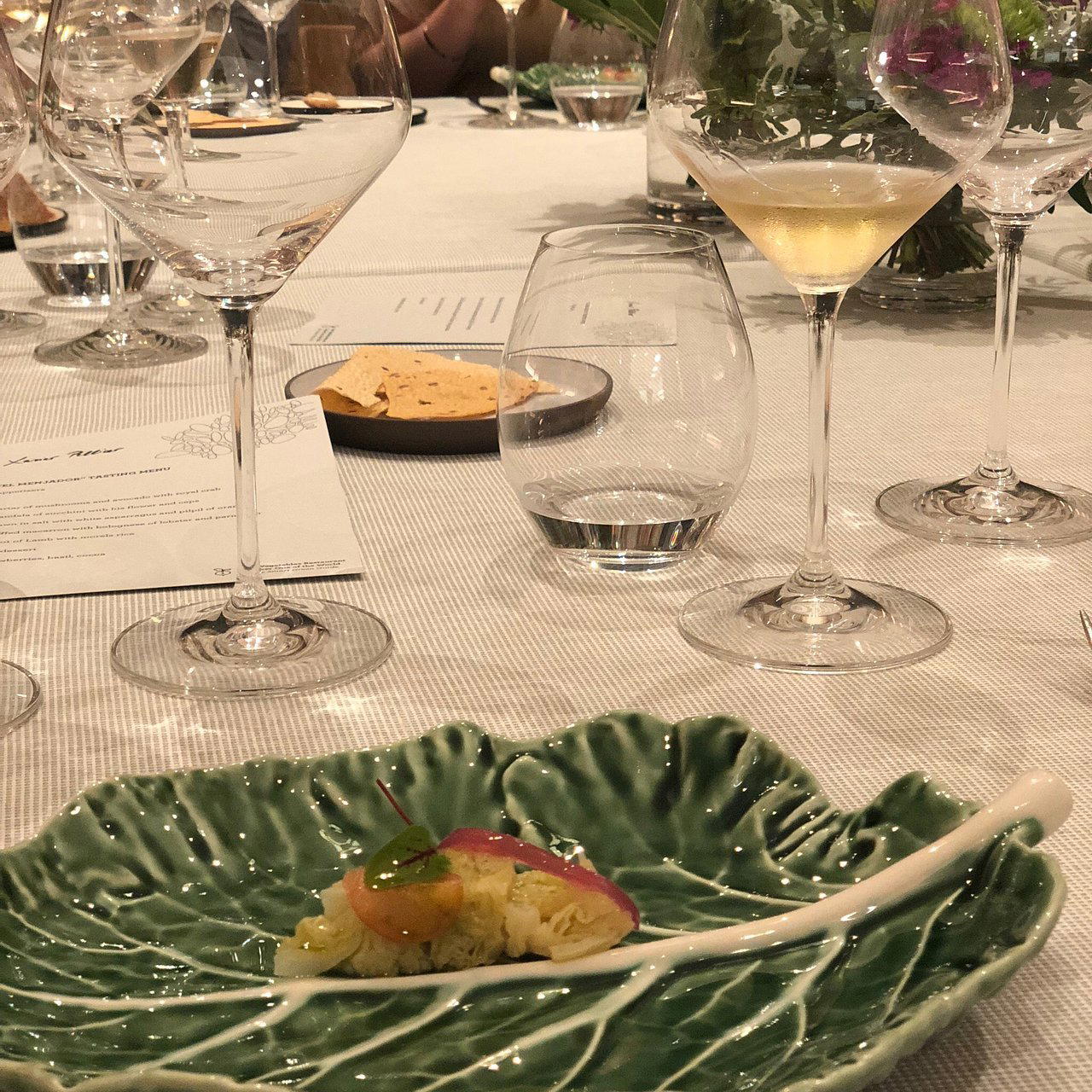
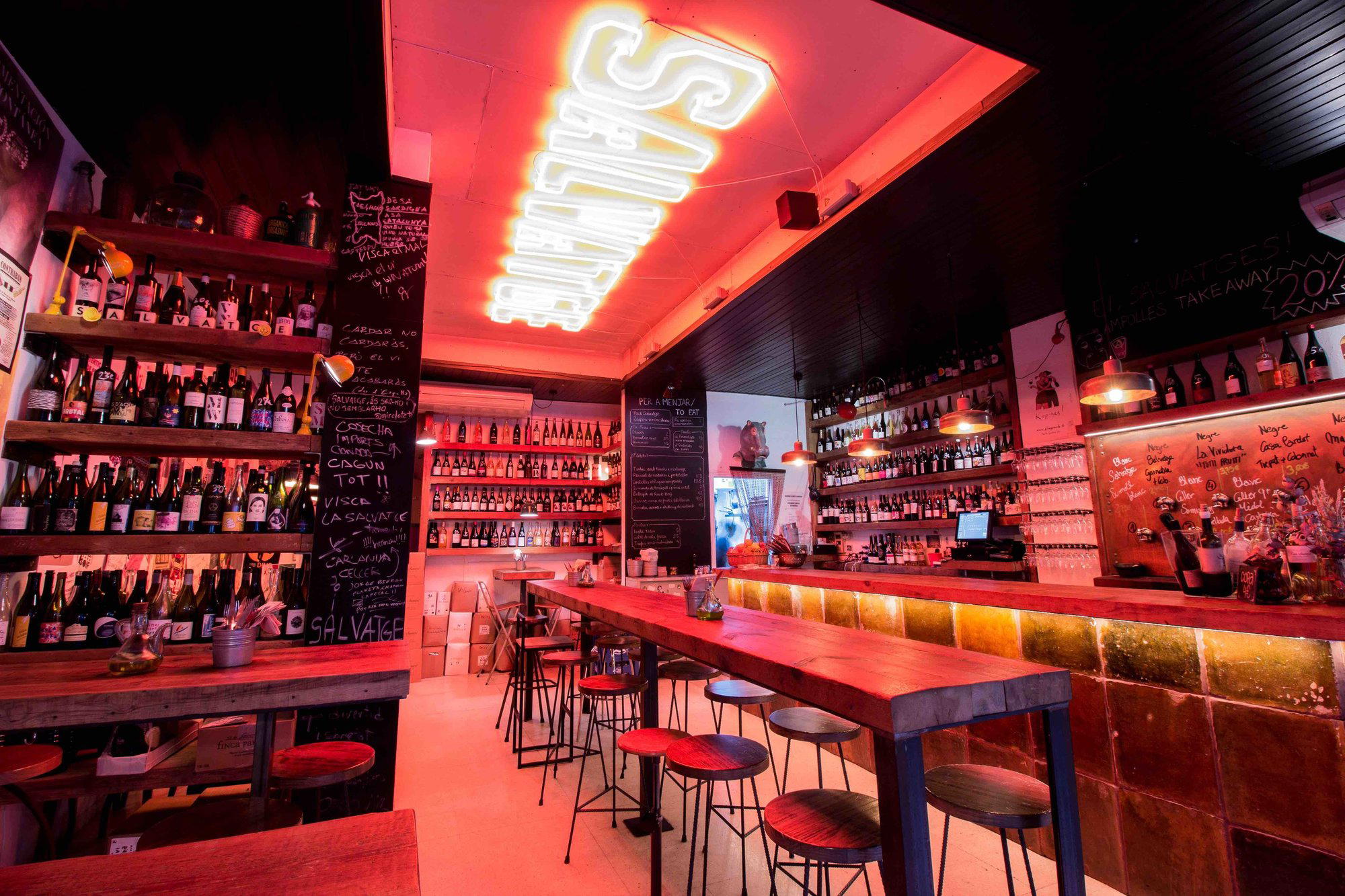
Bars in Barcelona
Browse all →
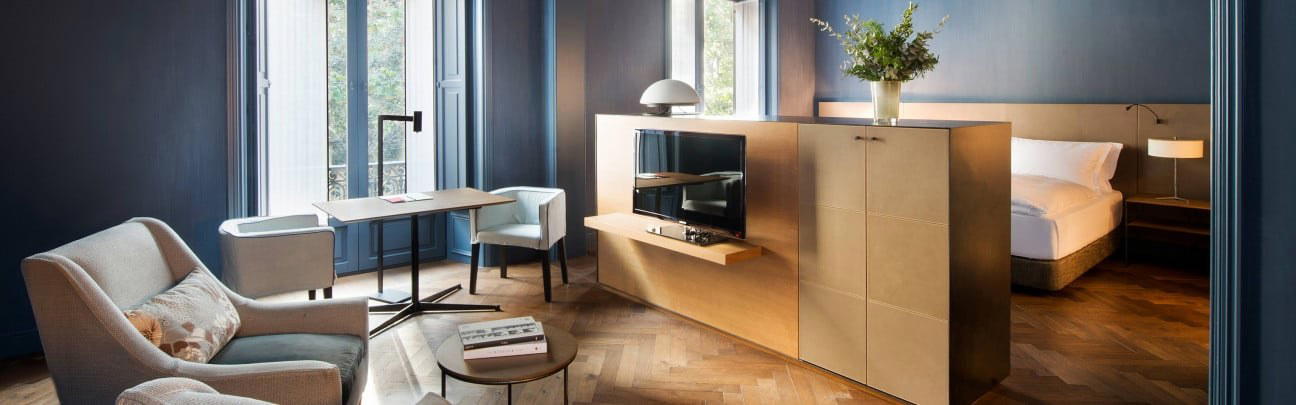
Hotels in Barcelona
Browse all →
At a Glance
- Cozy
- Intimate
- Casual Hangout
- Family
- Business Dinner
- Open Kitchen
- Sake Program
- Local Sourcing
Current opening hours
- Monday
- 1–3:30 PM, 8–11 PM
- Tuesday
- 1–3:30 PM, 8–11 PM
- Wednesday
- 1–3:30 PM, 8–11 PM
- Thursday
- 1–3:30 PM, 8–11 PM
- Friday
- 1–3:30 PM, 8–11 PM
- Saturday
- 1–3:30 PM, 8–11 PM
- Sunday
- 1–3:30 PM, 8–11 PM
Hours can change for holidays and private events. Last verified .
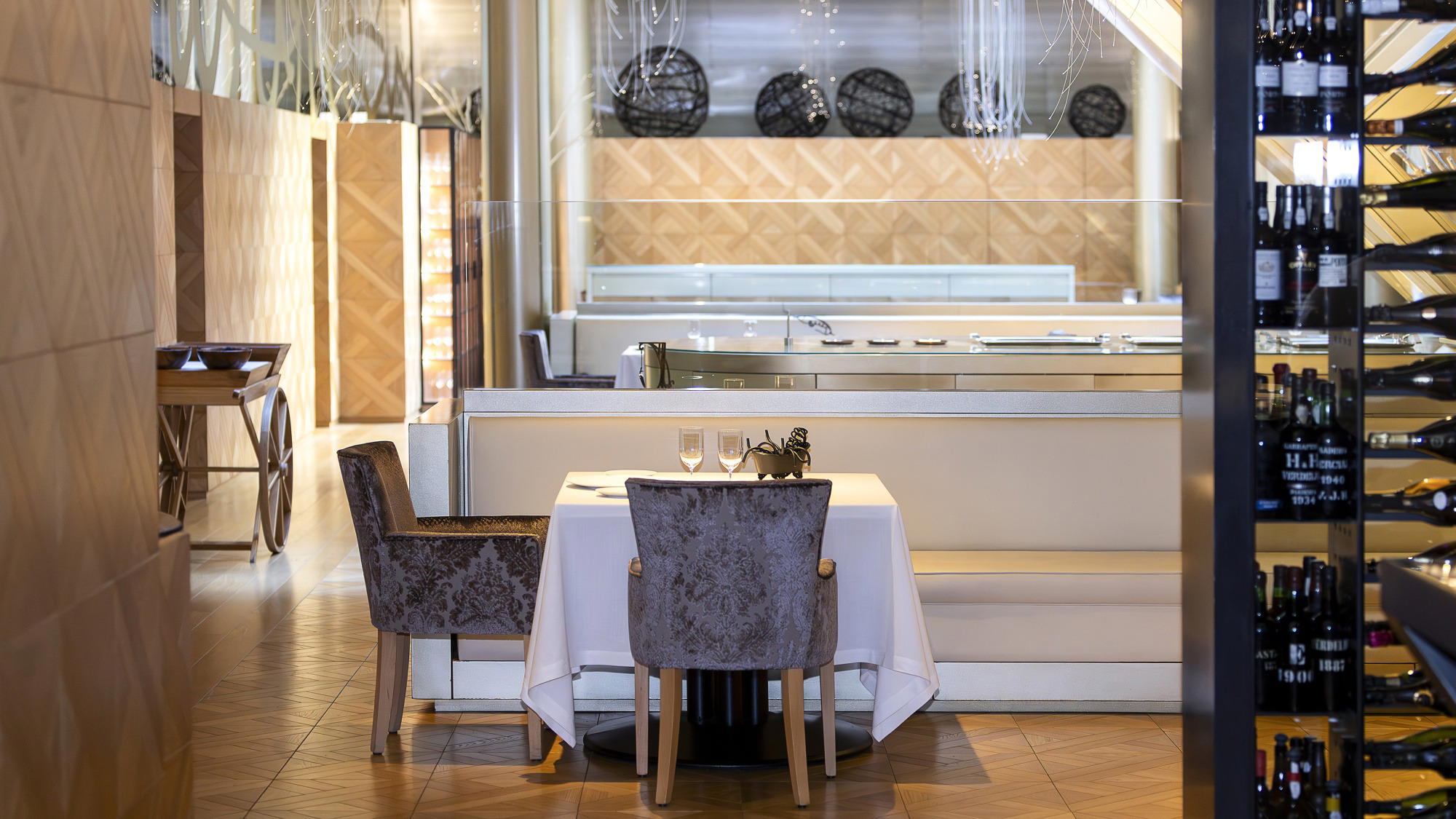
Cozy and familiar with an open kitchen visible from the bar counter in a small, unpretentious space.