






Grič transforms Slovenia's farm-to-table movement into high art, where chef Luka Košir's daily-changing tasting menus showcase hyperlocal ingredients from rolling countryside gardens. Set amid panoramic hills in Šentjošt nad Horjulom, this intimate restaurant offers duration-based dining experiences that redefine seasonal Slovenian gastronomy.
Pearl is the En Primeur Club membership app — saves, bookings, and concierge access live there. Same editors, same standards.
- Address
- Šentjošt nad Horjulom 24d, 1354 Horjul, Slovenia
- Phone
- +386 1 754 01 28
- Website
- gric.si
- Directions
- Get directions
 Saves & bookings on Pearl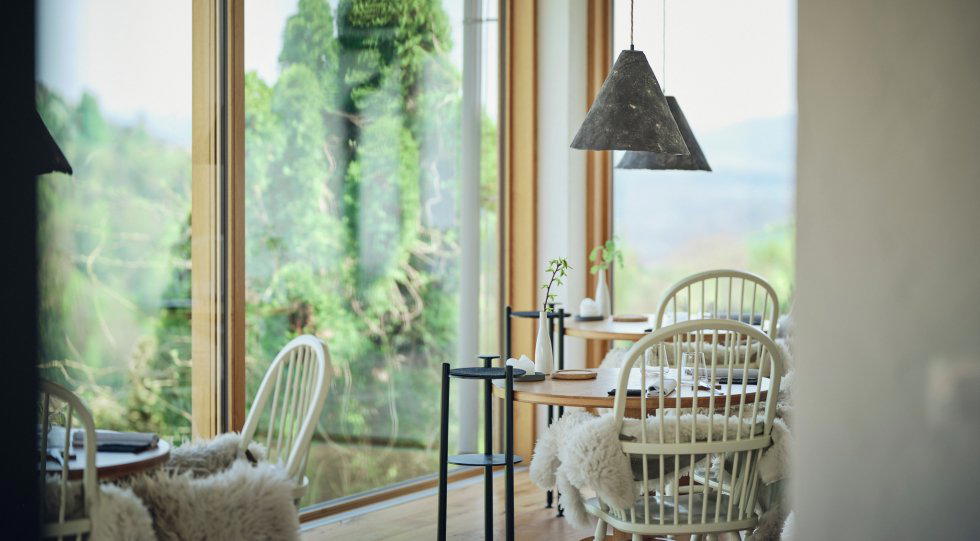
Thirty Minutes From Ljubljana, a Different Idea of Fine Dining
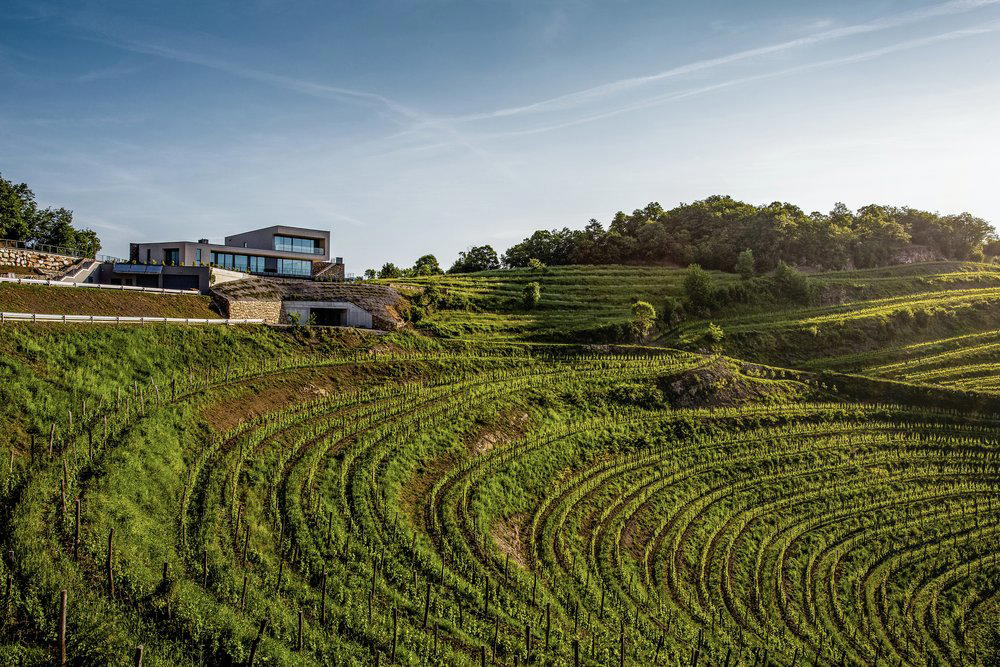
The drive from Ljubljana to Šentjošt nad Horjulom prepares you, whether you intend it to or not. Thirty winding minutes through meadows and forest edge, the city receding behind hedgerows and gentle slopes, and by the time you arrive at Šentjošt nad Horjulom 24d the register has already shifted. Grič operates in that register: a farmhouse setting that does not perform rurality but simply exists within it, with no need to signal what the surroundings already communicate plainly. This is not a country house restaurant imported from urban ambition. It is a restaurant shaped by the specific piece of land on which it sits.
For context on what that means in practice, consider where Grič sits within Slovenia's broader fine-dining progression. The country has produced a cluster of destination restaurants over the past decade that collectively make a credible case for Slovenia as one of Central Europe's most coherent high-end dining scenes. Hiša Franko in Kobarid drew international attention to the Soča Valley's hyper-local sourcing model. Milka in Kranjska Gora and Gostilna Pri Lojzetu in Vipava have anchored regional identity at the €€€€ price tier. Grič belongs to this cohort, not by proximity but by methodology: a commitment to what grows, grazes, or forages within reach, translated into a menu that changes with the land rather than with trend cycles.
A Family Restaurant That Changed Its Premise
The transformation that shaped Grič is itself a useful lens on how fine dining evolves in smaller European markets. Chef Luka Košir took what had been a family restaurant and rebuilt its premise around a fine-dining format, a move that carries real financial and reputational risk in a rural location without a metropolitan customer base to absorb slow months. The Michelin star is the clearest external validation that the recalibration worked. A La Liste score of 84.5 points in 2025, revised to 82 points in the 2026 edition, places Grič within the upper tier of documented Slovenian restaurants on that ranking system.
What Košir's training and background mean for the plate is visible in the framing of his approach. The stated philosophy connects directly to the Slovenian Green programme, a national sustainability and ecological identity initiative that several Slovenian chefs have folded into their sourcing logic. Košir applies it without apparent hesitation. The richness of the surrounding environment, meadows, forest, seasonal produce cycles, is described not as a supply chain decision but as the emotional core of the kitchen. That kind of grounding tends to produce menus that read differently from urban tasting menus built on technical virtuosity: the produce does more work, and the cooking serves as a relatively transparent conduit for what the land offers at a given moment.
The Farm-to-Table Tier at €€€€
It is worth being precise about what the €€€€ price tier means in this context. Farm-to-table as a category covers an enormous range, from casual lunch spots with a garden out back to Michelin-starred rooms where every course is traceable to a named producer within a defined radius. Grič operates at the latter end of that spectrum, a point the Michelin recognition makes explicit. The comparison set is not other rural bistros; it is destination restaurants of similar ambition and price across Slovenia and the broader region. Hiša Denk in Zgornja Kungota and Hiša Linhart in Radovljica occupy comparable positions within the Slovenian Michelin cohort. Dam in Nova Gorica works at a slightly lower price tier while maintaining strong editorial recognition. The point is that Grič prices and positions against a comparable set of serious, awarded kitchens, not against the generalist country restaurant category.
Internationally, farm-to-table at starred level has produced its own conventions and its own tensions. BOK Restaurant in Münster and Clostermanns Le Gourmet in Niederkassel represent how German-speaking Central Europe has interpreted the same category. The Slovenian iteration, as practiced at Grič, tends to keep the cooking closer to identifiable regional tradition than the more technically abstracted versions you find in Nordic or metropolitan Western European contexts. This is not a limitation; it is a distinct stylistic position, and one that connects the food to its geography in ways that abstract technique often severs.
One Practical Caveat Worth Knowing
There is one operational detail at Grič that merits direct mention rather than a footnote. Vegetarian and plant-based guests need to notify the kitchen at least three days in advance. The menu is built around the generosity of the surrounding land, and that generosity, at Grič, runs primarily through animal-sourced produce. The kitchen will accommodate plant-based requirements with advance notice, but it is not a default option and arriving without flagging it in advance will limit your choices significantly. This is a meaningful gap at the €€€€ tier, where the expectation of a full vegetarian experience at short notice has become standard practice in peer restaurants. The information is worth having before you book rather than after.
Planning the Visit
The restaurant is located at Šentjošt nad Horjulom 24d, 1354 Horjul, and the drive itself is part of the cadence: a winding road through the Polhov Gradec hills that functions as a natural decompression from Ljubljana's pace. Given the Michelin star and the destination format, advance booking is the sensible approach, particularly for weekend evenings and during Slovenia's warmer months when rural dining demand increases. Contact the restaurant directly for booking. Dress code is smart casual.
Guests staying in Ljubljana looking for a day-trip dining format will find Grič a manageable round trip. Those wanting to spend more time in the region can reference our full Šentjošt nad Horjulom hotels guide for accommodation options, and our Šentjošt nad Horjulom experiences guide for what else the area offers. For a broader sense of Slovenian restaurant options at this tier, Restavracija Strelec in Ljubljana represents the city's formal dining tradition, while Pavus in Lasko, A3 in Brestanica, City Terasa in Maribor, and Danilo in Škofja Loka extend the picture across the country's regions. For drinking and exploring the area further, see our Šentjošt nad Horjulom bars guide and our Šentjošt nad Horjulom wineries guide.
A Quick Peer Check
Comparable venues nearby, for context on price, style, and recognition.
| Venue | Cuisine | Price | Awards | Notes |
|---|---|---|---|---|
| Grič | Modern Slovenian Farm-to-Table | $$$$ | Michelin 1 Star | Šentjošt nad Horjulom |
| Restavracija Strelec | Modern Slovenian Fine Dining | $$$$ | Michelin 1 Star | Ljubljana Castle |
| Gostilna Pri Lojzetu | Slovenian | $$$$ | Michelin 1 Star | Vipava |
| Dam | Modern Mediterranean with Slovenian-Italian Influences | $$$$ | Michelin 1 Star | Nova Gorica |
| Hiša Linhart | Modern Slovenian Farm-to-Table | $$$$ | Michelin 1 Star | Radovljica Old Town |
| Vila Podvin | Modern Slovenian Fine Dining | $$$$ | Michelin Plate | Mošnje |
Recognition history
Dated appearances from independent guides and award organizations, with the underlying list record or original source where available.
Falstaff Restaurant - 96 Falstaff Points
Falstaff
La Liste Top Restaurants
La Liste
Michelin 1 Star
Michelin
Opinionated About Dining Top Restaurants in Europe Recommended
Opinionated About Dining
Star Wine List
Star Wine List
La Liste Top Restaurants
La Liste
Michelin 1 Star
Michelin
The Best Chef One Knife
The Best Chef
We're Smart World 2 Radishes
We're Smart World
Michelin 1 Star
Michelin
Continue exploring
More in Šentjošt nad Horjulom
Restaurants in Šentjošt nad Horjulom
Browse all →
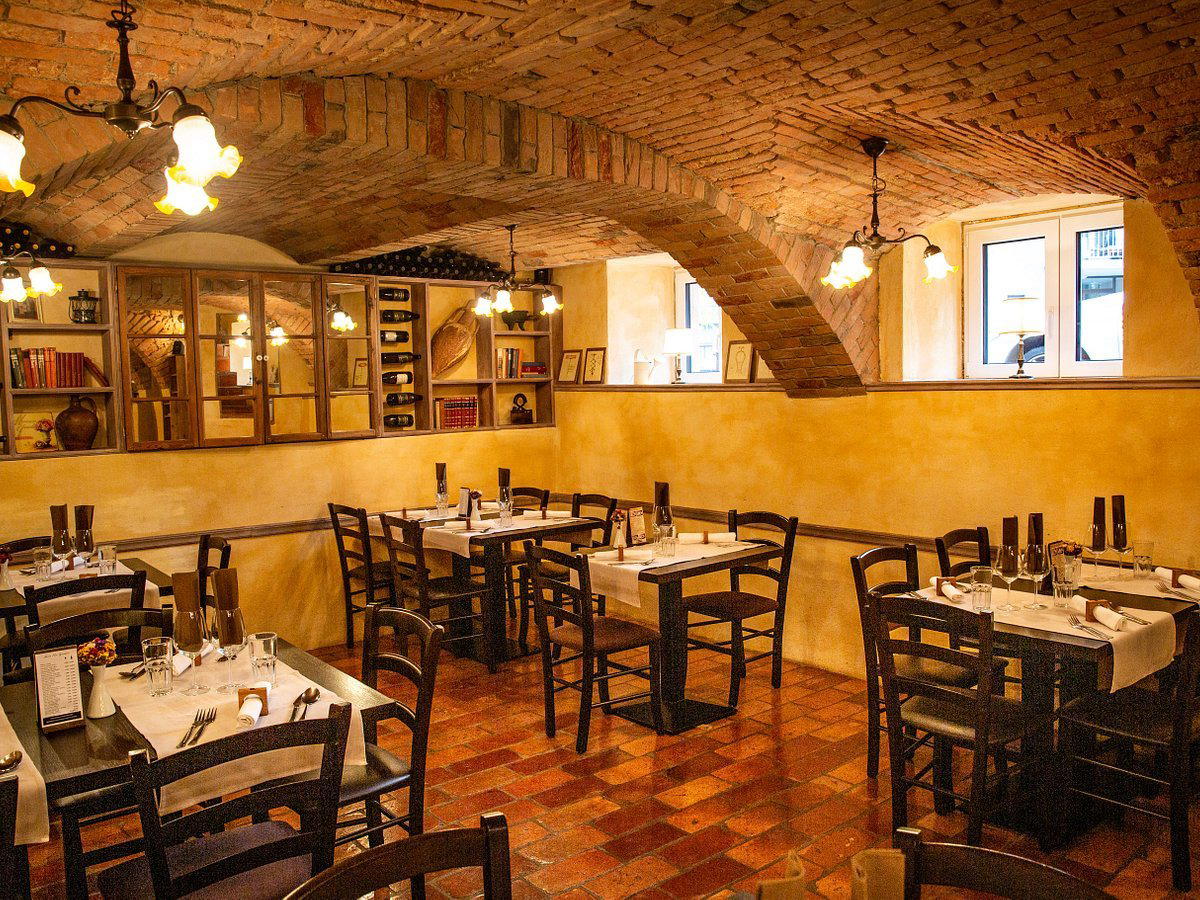
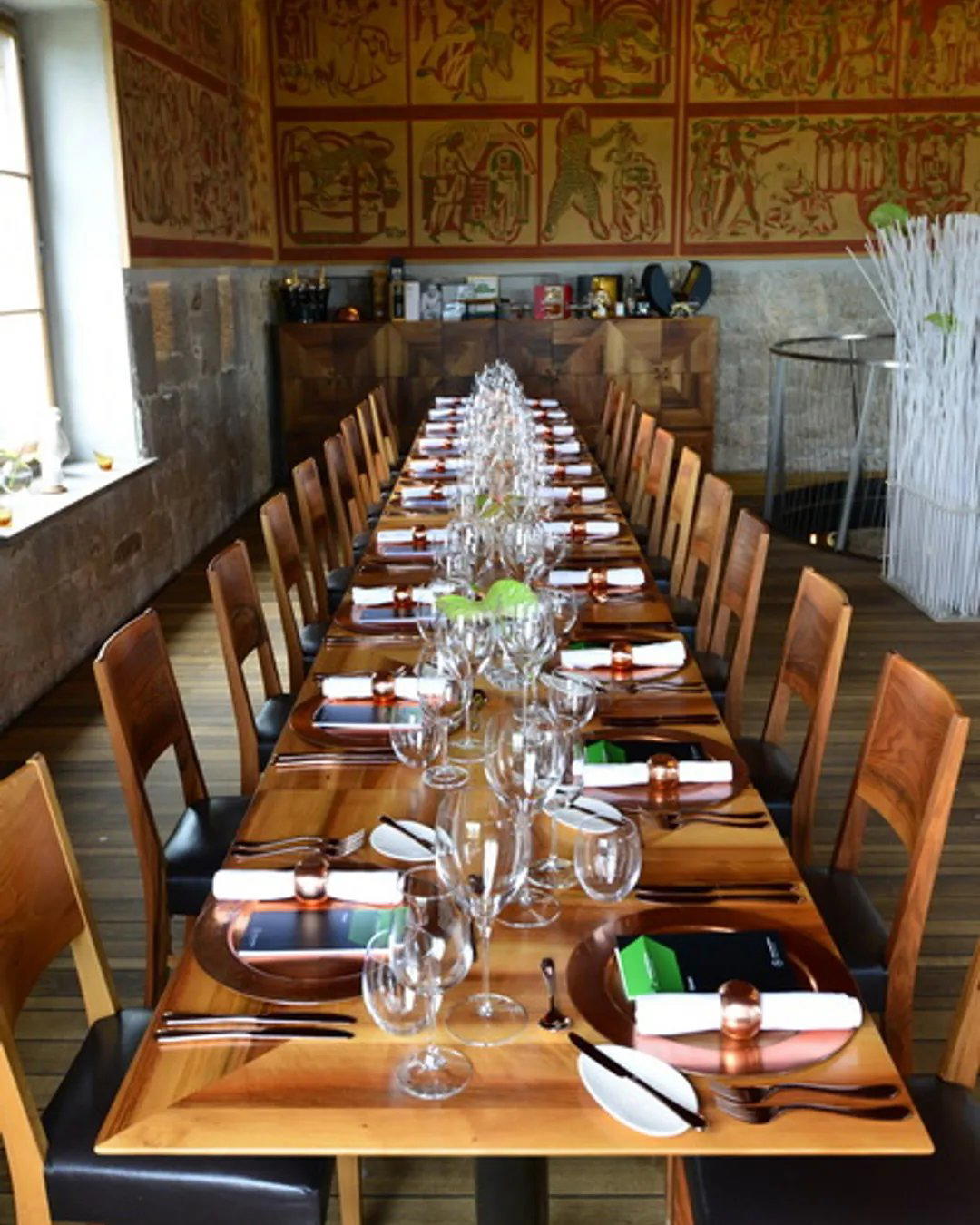
Bars in Šentjošt nad Horjulom
Browse all →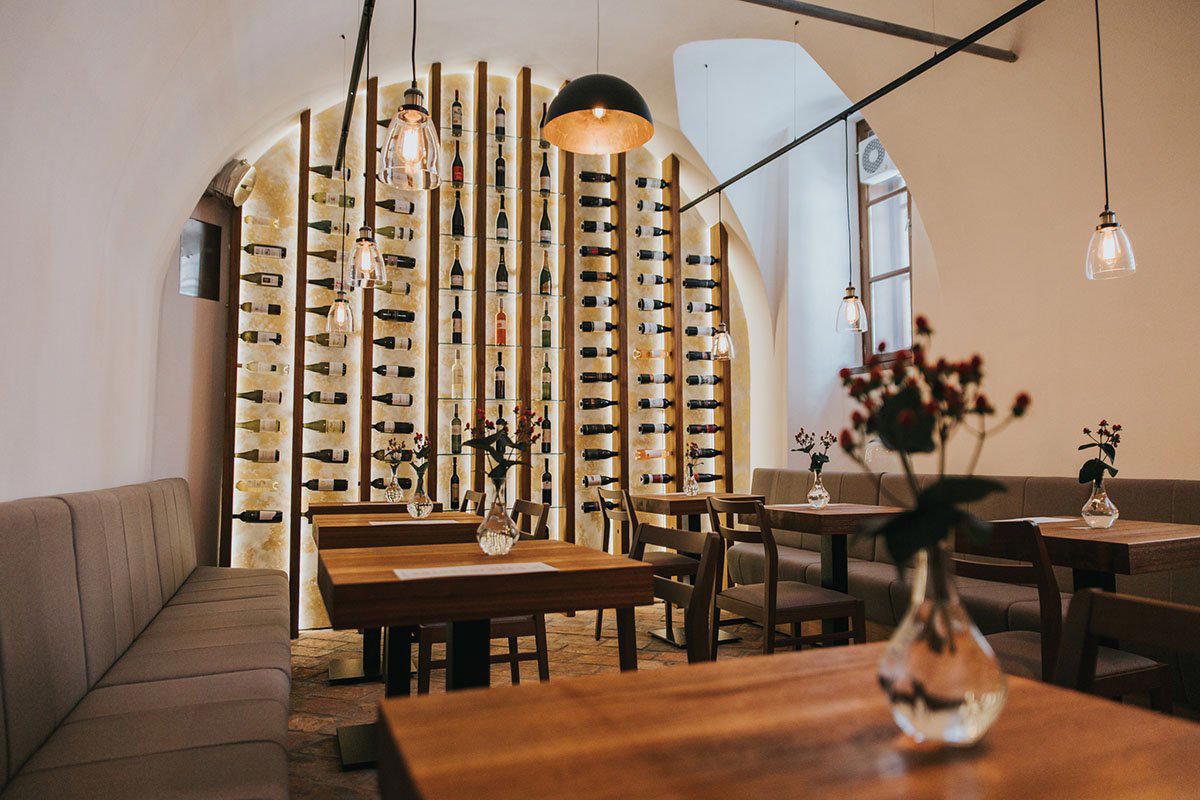
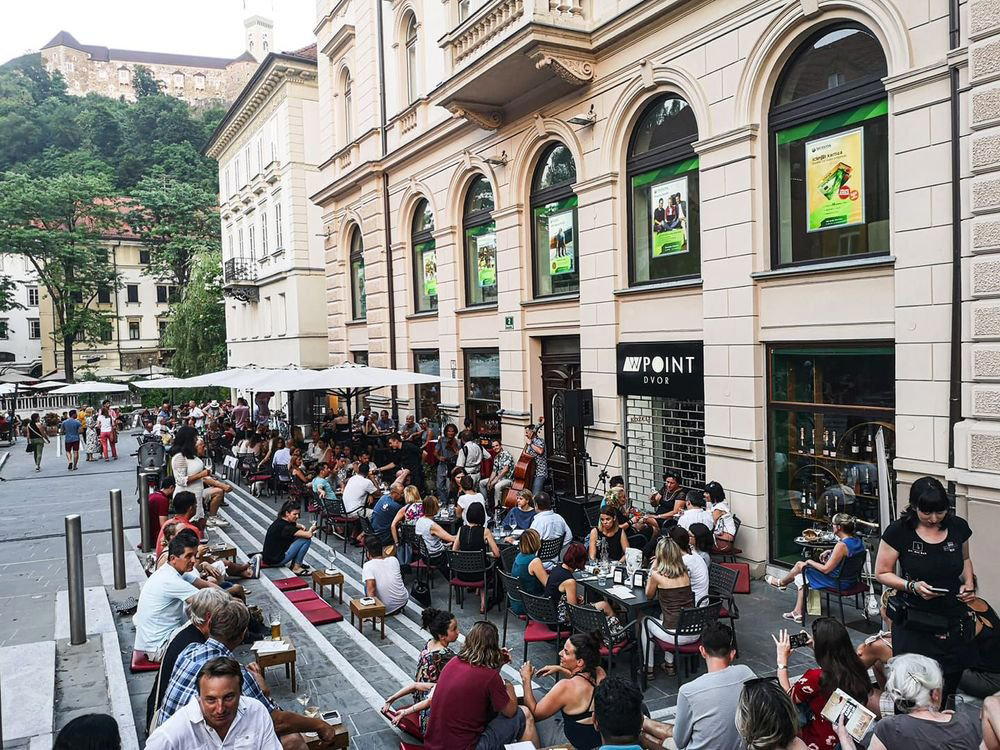
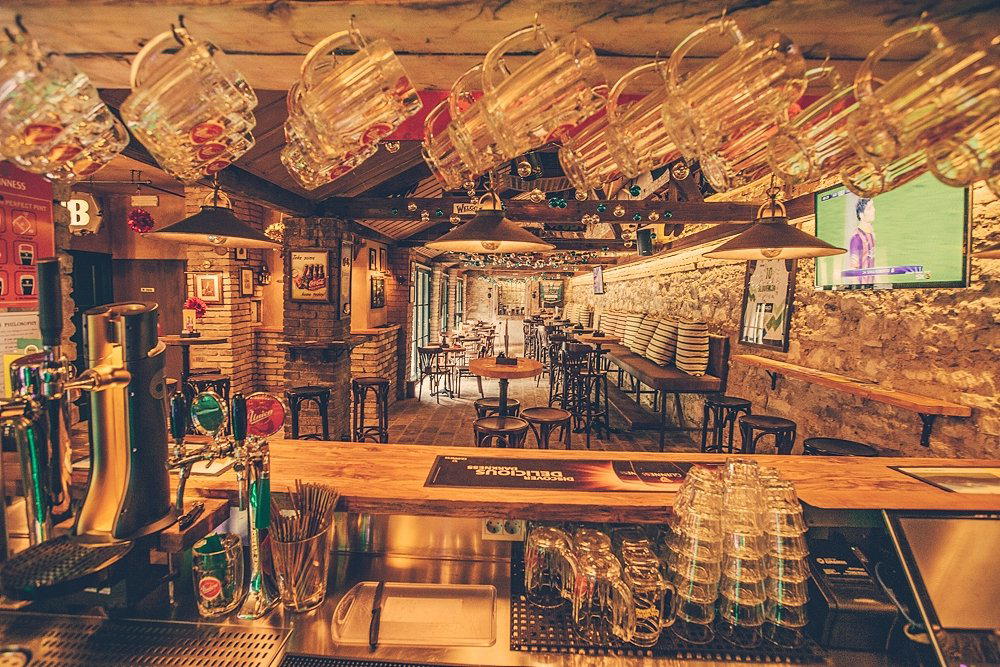

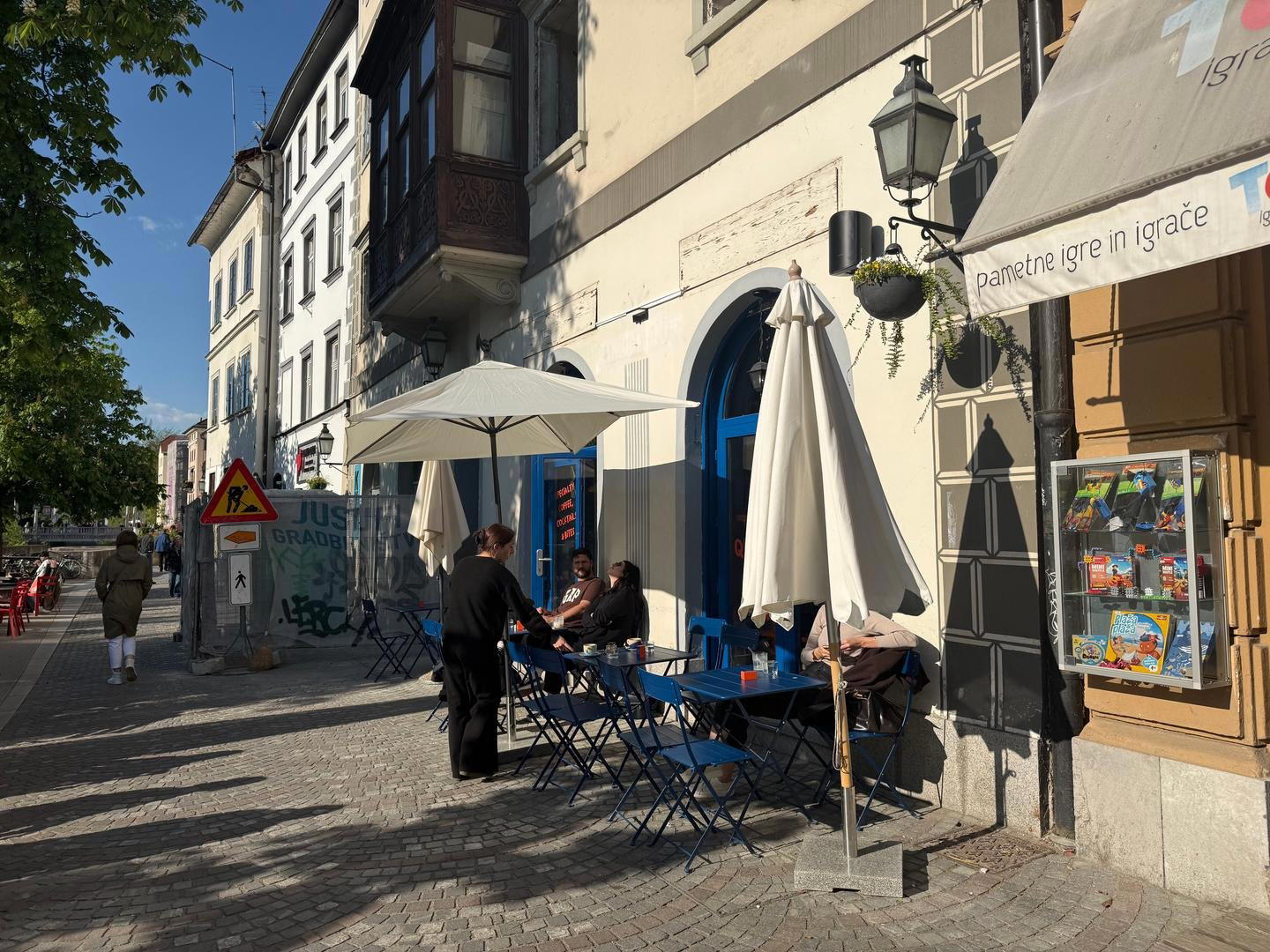
Hotels in Šentjošt nad Horjulom
Browse all →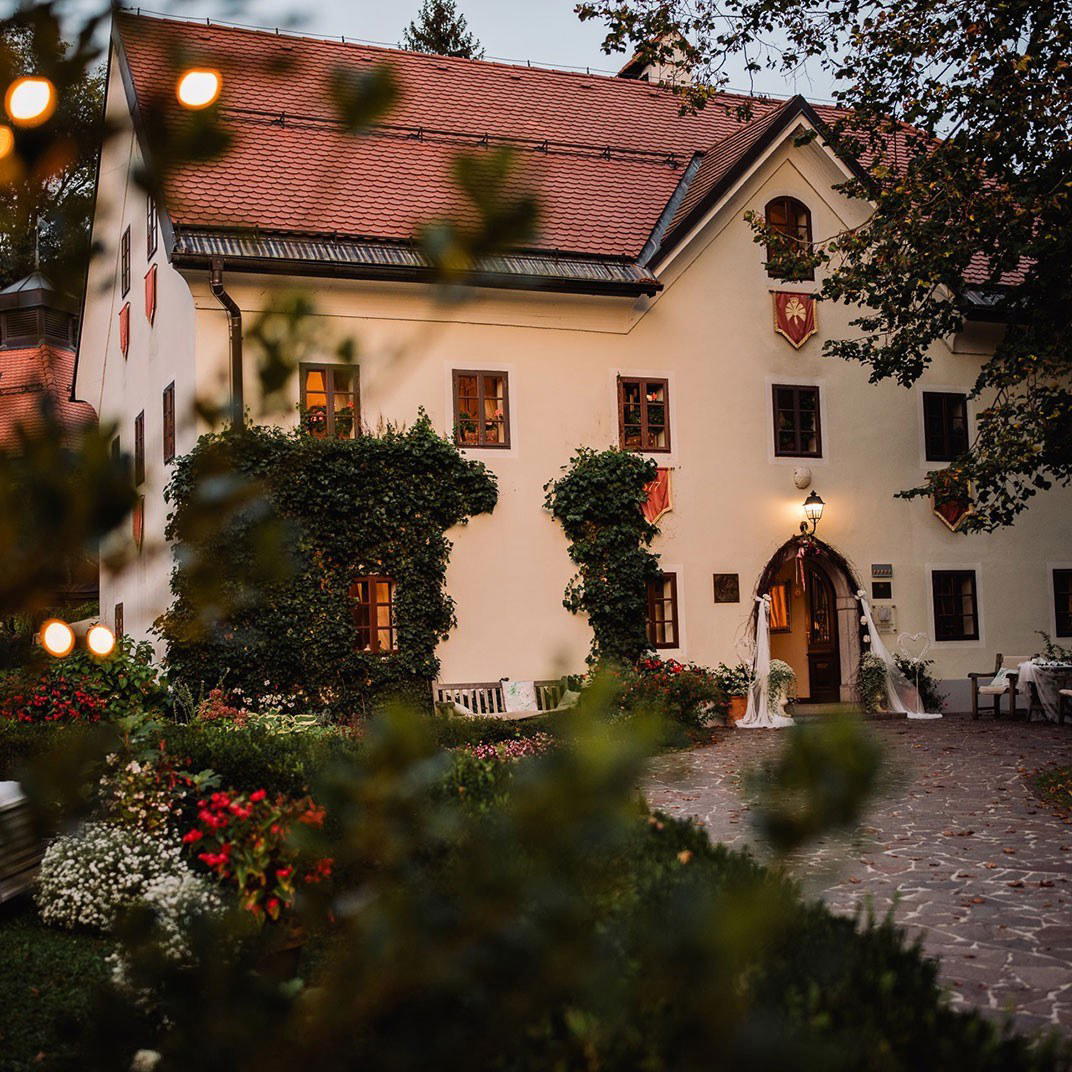
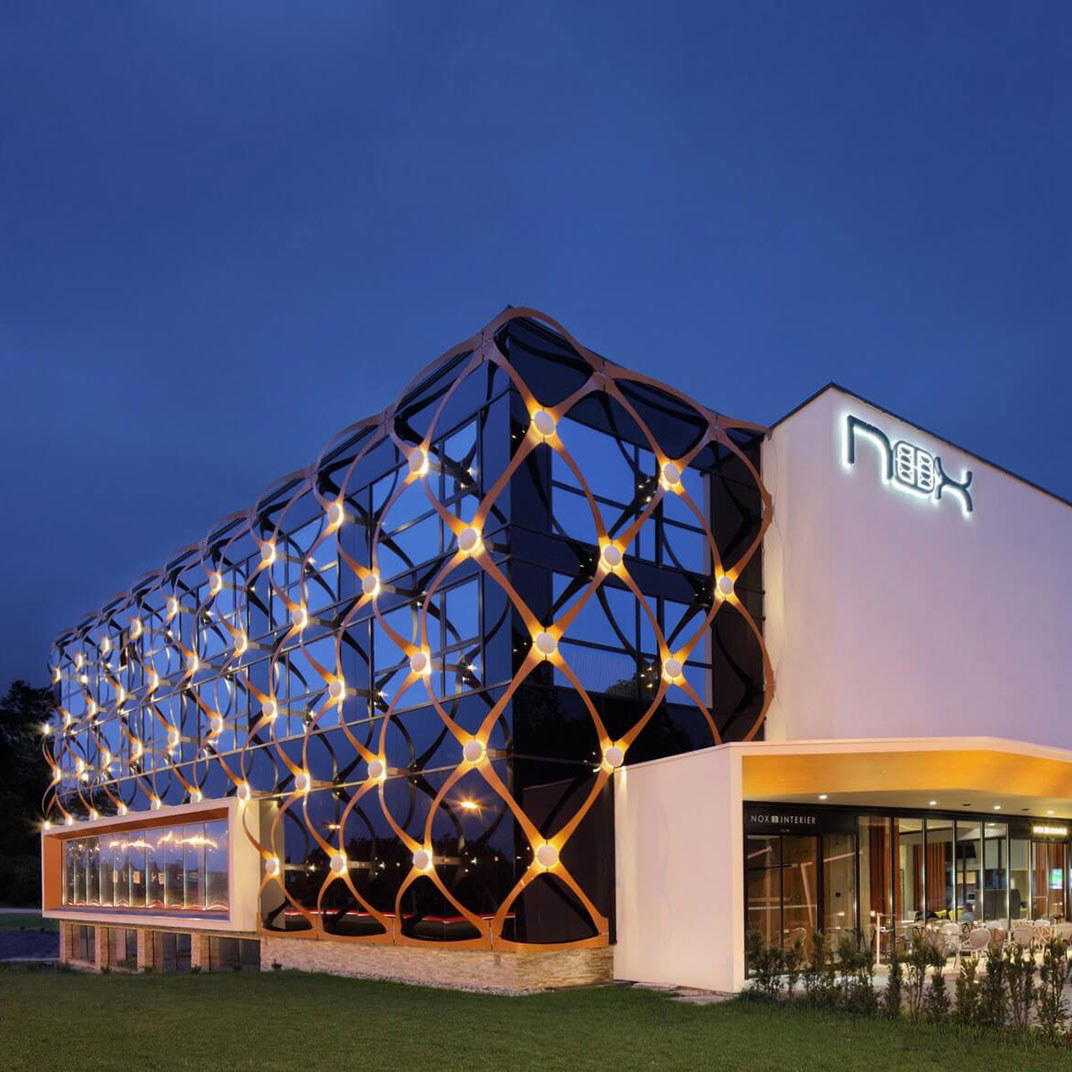
Wineries in Šentjošt nad Horjulom
Browse all →
At a Glance
- Rustic
- Cozy
- Scenic
- Intimate
- Sophisticated
- Special Occasion
- Open Kitchen
- Extensive Wine List
- Farm To Table
- Local Sourcing
- Mountain
- Garden
Current opening hours
- Monday
- Closed
- Tuesday
- Closed
- Wednesday
- 5–11 PM
- Thursday
- 5–11 PM
- Friday
- 5–11 PM
- Saturday
- 12–11 PM
- Sunday
- Closed
Hours can change for holidays and private events. Last verified .
Homely wooden interior with natural light, veranda dining room offering sweeping hill views, and open kitchen counter for an intimate, relaxed yet elegant countryside atmosphere.