Gostilna Skaručna sits in the village of Skaručna, just outside Vodice in Central Slovenia, where the gostilna tradition connects a dining room directly to the agricultural land surrounding it. The format here belongs to a category of Slovenian country restaurants that treat proximity to source as a structural principle rather than a marketing claim. For visitors working through Ljubljana's wider dining orbit, this is a stop that rewards the short drive north.
Pearl is the En Primeur Club membership app — saves, bookings, and concierge access live there. Same editors, same standards.
- Address
- Skaručna 20, 1217 Vodice, Slovenia
- Phone
- +386 1 832 30 80
- Website
- skarucna.si
- Directions
- Get directions
 Saves & bookings on Pearl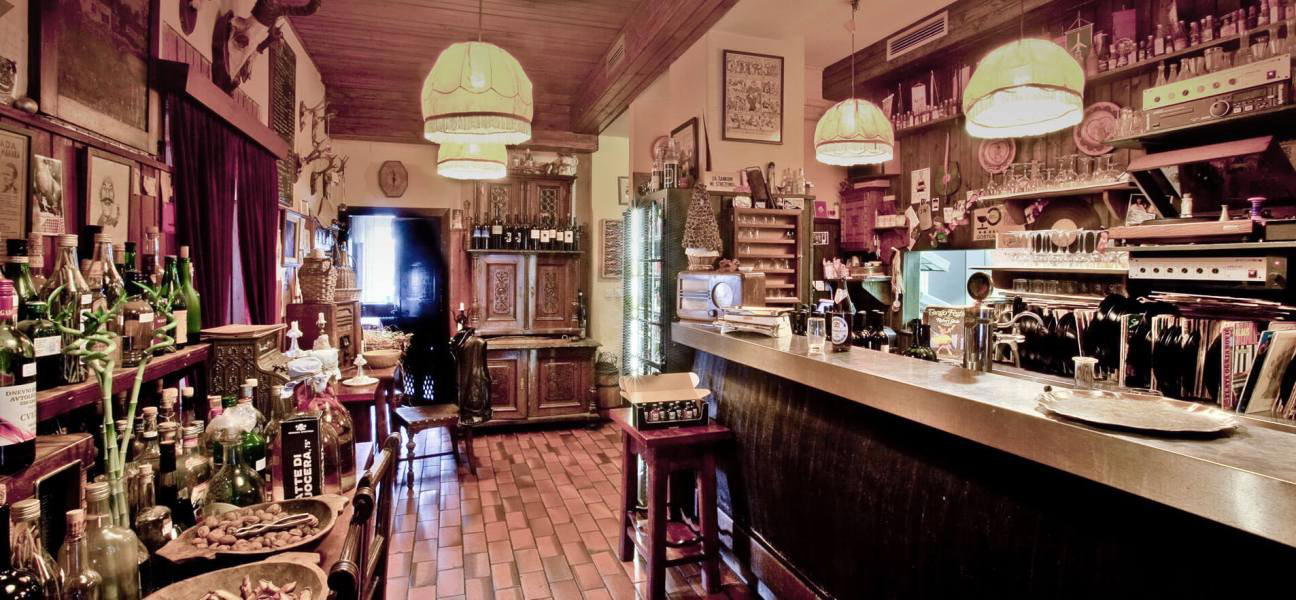
Where the Countryside Comes to the Table
Slovenia's gostilna tradition is one of Central Europe's most coherent expressions of land-to-table eating, not as a trend imported from Nordic or Californian kitchens, but as a structural feature of how rural communities in this region have always organised hospitality. The gostilna, at its most functional, is a village inn where the kitchen draws on whatever the surrounding land, farms, and forests produce in a given season. Gostilna Skaručna, located in the hamlet of Skaručna on the northern edge of the Ljubljana Basin, sits squarely within that tradition. The address alone, Skaručna 20, in the municipality of Vodice, places it at a remove from the capital's more visited restaurant corridors, and that distance is precisely the point.
Arriving from Ljubljana, the drive north through the flatlands toward the Kamnik-Savinja Alps takes roughly twenty minutes. The terrain shifts quickly from suburban to agricultural: fields, farmsteads, and the kind of village geometry that has remained largely unchanged for generations. The building fits that register. Country restaurants of this type across Slovenia tend to occupy older farmhouses or converted agricultural structures, and the exterior signals a continuity with the surrounding landscape rather than a departure from it. The approach conditions the meal before you sit down.
Sourcing as Architecture
The ingredient-sourcing logic that defines Slovenia's better country restaurants is not incidental to the experience at places like Gostilna Skaručna, it is the load-bearing structure of the menu. In the Ljubljana Basin, this means proximity to dairy farms on the plain, game and foraged produce from the forests rising toward the Kamnik Alps, freshwater fish from rivers and managed fisheries, and a vegetable calendar that runs from spring asparagus through autumn squash and root crops. Gostilnas operating in this mode do not import exoticism; they amplify what is already there.
This positions Skaručna within a broader pattern visible across Slovenian culinary geography. Hiša Franko in Kobarid built international recognition on a version of this same sourcing discipline applied to the Soča Valley's specific ecology. Gostilna Pri Lojzetu in Vipava draws from that wine-growing region's produce and cellar culture. Milka in Kranjska Gora works within the constraints and generosity of an Alpine larder. Each operates within a different micro-geography, but the underlying commitment is the same: the menu is a function of the address. Gostilna Skaručna's address puts it in among the more agriculturally productive zones in Central Slovenia, which carries its own particular set of possibilities.
What distinguishes the Ljubljana Basin's gostilna cooking from its Alpine or coastal counterparts is a certain plainness of technique that serves the ingredient rather than transforming it. Braised meats, slow-cooked pulses, dairy-enriched preparations, and cured pork products reflect a peasant economy that turned resourcefulness into flavour. The more accomplished gostilnas in this zone maintain that register while editing for contemporary palates, which means less heaviness, more attention to acid balance, and a wine list that goes beyond the house pitcher. Where the restaurant sits on that spectrum is something visitors will calibrate for themselves, but the category it occupies is clear.
The Gostilna in Slovenia's Wider Dining Picture
Slovenia's fine-dining tier has drawn considerable attention over the past decade, with restaurants like Restavracija Strelec in Ljubljana, Hiša Linhart in Radovljica, Hiša Denk in Zgornja Kungota, Pavus in Lasko, and Dam in Nova Gorica representing the country's more formally ambitious end. But the gostilna format is where Slovenian food culture actually lives for most of its residents, and it is where the sourcing intelligence that feeds those higher-tier kitchens originates. Restaurants like Gostilna Francl in Celje, Grič in Šentjošt nad Horjulom, Grič in Dobrova Polhov Gradec, and Otočec Castle Restaurant in Otočec all occupy adjacent points on that map. Visitors who arrive in Slovenia via its Michelin-recognised properties and leave without entering a village gostilna have seen the headline but missed the story.
For context on what this format looks like at its most scrutinised international level, the sourcing discipline embedded in places like Le Bernardin in New York City or the communal-table format practised by Lazy Bear in San Francisco both echo, in their different registers, the same principle: that the origin of an ingredient is a decision, not a default. The gostilna simply arrived at that conclusion several centuries earlier, without the tasting-menu apparatus.
Vodice and What Surrounds It
Vodice municipality sits between Ljubljana's northern edge and the Kamnik-Savinja Alps foothills, putting the restaurant in a position that suits both day-trip visitors from the capital and travellers moving between Ljubljana and Kamnik or Kranj. The village of Skaručna itself is small enough that the restaurant is one of its primary landmarks. That kind of embedded local function, where an eating establishment is also a community anchor, tends to produce a dining room with a different register than a purely destination-driven kitchen. There is a lived quality to it that urban restaurants rarely replicate. Visitors in the area should also consider the broader Vodice dining picture, including Konoba Tri Piruna and Tri Piruna, both within the same municipality. Similarly, Ošterija Debeluh in Brezice shows how this village-inn model operates in Slovenia's southeastern corner, offering useful comparison for anyone mapping the format across the country.
How It Stacks Up
Comparable venues nearby, for context on price, style, and recognition.
| Venue | Cuisine | Price | Notes |
|---|---|---|---|
| Gostilna SkaručnaThis venue — the venue you are viewing | Traditional Slovenian | $$$ | Not listed |
| Oštarija Herbelier | Traditional Slovenian with Modern Culinary Technique | $$$ | Dolenjske Toplice |
| Kavarna Park | Slovenian Café with Original Bled Cream Cake | $$ | Bled Lake Promenade |
| Gostišče Tolc | Modern Slovenian | $$ | Sorica |
| Kabaj Morel | Modern Brda Cuisine | $$$ | Brda |
| Luda restaurant | Innovative Slovenian | $$ | Poljanska |
Continue exploring
More in Vodice
Restaurants in Vodice
Browse all →
Bars in Vodice
Browse all →
Hotels in Vodice
Browse all →


At a Glance
- Rustic
- Cozy
- Classic
- Group Dining
- Special Occasion
- Celebration
- Open Kitchen
- Extensive Wine List
- Local Sourcing
Current opening hours
- Monday
- Closed
- Tuesday
- 1–10 PM
- Wednesday
- 1–10 PM
- Thursday
- 3:30–10 PM
- Friday
- 1–10 PM
- Saturday
- 1–10 PM
- Sunday
- Closed
Hours can change for holidays and private events. Last verified .
Rustic and homey with vintage decor, vinyl music, cozy oven, and lively atmosphere from chef interactions.