
Michelin Plate
Our verdict
A Michelin Plate-recognised address on Via Pian D'Ovile, Campo Cedro sits at an interesting crossroads in Sienese dining: a Japanese chef with over two decades in Italy applying precise technique to Tuscan ingredients.

Pearl is the En Primeur Club membership app — saves, bookings, and concierge access live there. Same editors, same standards.
- Address
- Via Pian D'Ovile, 54, 53100 Siena SI, Italy
- Phone
- +39 0577 236027
- Hours
- Mon ClosedTue 7:30–10:30 PMWed–Sun 12:30–2:30 PM, 7:30–10:30 PM
- Website
- campocedro.com
- Directions
- Get directions
- Booking
- Book on the venue's website
The menu
What to order
- Seafood Risotto
- Scallop Appetizer
- Rabbit Ravioli
- Guinea Fowl
- Turbot
- Ombrina
Where Tuscan Tradition Meets Japanese Precision
Siena's dining identity has long been anchored in the regional and the reverential. The city's kitchens historically defer to Tuscany's canon: pici al ragù, ribollita, wild boar slow-cooked with local herbs, and the austere simplicity that Sienese cooks treat almost as moral principle. Contemporary cooking here tends to arrive cautiously, dressed in local credentials rather than international ambition. That context makes Campo Cedro, on Via Pian D'Ovile, a genuinely interesting case study in how cross-cultural technique can enter a conservative food city without disrupting its foundations.
The address sits away from the tourist-dense centro storico, which in Siena means something specific. The city's medieval shell concentrates visitors within its walls, and any restaurant willing to draw foot traffic beyond the Piazza del Campo is already signalling something about its priorities.
The Cross-Cultural Kitchen in a Tuscan City
Italian contemporary cuisine, as a category, spans a wide spectrum. At one end sit the hypermodern tasting menus practised at places like Osteria Francescana in Modena or Piazza Duomo in Alba, where the dialogue between regional identity and avant-garde technique is the explicit subject of the meal. At the other end sits a quieter register: careful cooking that applies precision and restraint to familiar forms without announcing itself as a concept. Campo Cedro occupies that second position.
The kitchen is led by a Japanese chef who has worked in Italy for more than twenty years. That length of time matters as context. Two decades in Italian professional kitchens is not an apprenticeship or an experiment; it is the formation of a complete culinary sensibility. The result, as Michelin's inspectors have noted in awarding consecutive Plates for 2024 and 2025, is Italian cooking rather than fusion, with a technical fluency that reads as disciplined rather than decorative. The Michelin Plate designation, which signals quality cooking that falls just below star consideration, places Campo Cedro in a specific tier of the Italian contemporary scene: serious enough to attract inspector attention, accessible enough in format and price to serve a regular local clientele.
Within Siena itself, that positioning is relatively rare. Gallo Nero operates in the regional cuisine register at a higher price tier. Osteria le Logge and Particolare di Siena occupy the contemporary and modern cuisine spaces at the €€€ level. Campo Cedro's €€ pricing puts skilled, award-recognised cooking within reach of a broader dining public, which in a city that sees heavy tourist spending at the middle market is a meaningful distinction.
The Menu's Defining Logic
Sienese cooking has traditionally been landlocked in its instincts. Inland Tuscany has always prioritised meat, legumes, and bread-based preparations over seafood. The city sits far enough from the Tyrrhenian coast that fish dishes, when they appear on local menus, have historically carried a sense of occasion or import. Campo Cedro's approach to seafood, and specifically to its seafood risotto, represents an interesting inversion of that tradition: a dish that draws on coastal Italian technique, prepared with rice cooked with fish, mussels, and finely chopped shrimps, finished with crumbled seaweed and dotted with tomato paste. The seaweed detail is where the Japanese sensory vocabulary becomes quietly legible, folding umami-led depth into a dish that would otherwise read as straightforwardly Italian. It is the kind of cross-referencing that takes years of kitchen fluency to execute without the seams showing.
More broadly, the menu moves between contemporary Italian meat and fish preparations with what observers describe as freshness and elaboration. In a regional dining culture that prizes restraint and ingredient quality above technical display, that combination aligns Campo Cedro with the wider Italian contemporary movement rather than placing it in opposition to Tuscan values.
Campo Cedro in the Broader Italian Contemporary Picture
Italian contemporary cooking has produced some of Europe's most discussed restaurants over the past two decades. The heights of that movement are represented by addresses like Enoteca Pinchiorri in Florence, Enrico Bartolini in Milan, Le Calandre in Rubano, Dal Pescatore in Runate, and Atelier Moessmer Norbert Niederkofler in Brunico. The category also extends internationally, with Agli Amici Rovinj and L'Olivo in Anacapri among the addresses that demonstrate how Italian technique travels. Campo Cedro does not compete in that rarefied tier, but it participates in the same broader conversation about what Italian cooking looks like when applied intelligence is the operating principle rather than weight of tradition alone.
For Siena specifically, a city whose dining scene has been slower to absorb contemporary influence than Florence or Modena, a Michelin Plate at a mid-market price point represents a particular kind of contribution: it normalises careful, technically informed cooking without requiring the price commitment that the city's €€€ addresses demand.
Planning Your Visit
Campo Cedro is located at Via Pian D'Ovile 54, in the northern quarter of Siena's historic centre, a short walk from the main monuments but sufficiently removed from the busiest tourist corridors to operate on a different rhythm. The restaurant holds a €€ price designation, placing it competitively below the higher-end contemporary addresses in the city. For a fuller picture of what Siena offers across dining, drinking, and accommodation, see our full Sienna restaurants guide, our full Sienna hotels guide, our full Sienna bars guide, our full Sienna wineries guide, and our full Sienna experiences guide.
Frequently asked questions
What do people recommend at Campo Cedro?
The seafood risotto is the dish most consistently associated with the kitchen here. Michelin inspectors have flagged it specifically: rice cooked with fish, mussels, and finely chopped shrimps, finished with crumbled seaweed and tomato paste. Beyond that signature, the menu covers contemporary Italian meat and fish preparations, with the kitchen's Japanese-trained precision most visible in the execution rather than the ingredient list. At the €€ price tier, the value-to-quality ratio is the detail that comes up most often in public accounts of the restaurant.
Comparison Snapshot
| Venue | Cuisine | Price | Awards | Notes |
|---|---|---|---|---|
| Campo CedroThis venue — the venue you are viewing | Modern Italian-Japanese Fusion | $50–100 | Michelin Plate | Not listed |
| Osteria le Logge | Modern Tuscan Osteria | $50–100 | Michelin Plate · We're Smart World 2 Radishes | Contemporary |
| Gallo Nero | Modern Tuscan Fine Dining | $50–100 | Michelin Plate | Regional Cuisine |
| Particolare di Siena | Modern Tuscan Italian | $50–100 | Michelin Plate | Modern Cuisine |
Recognition history
Dated appearances from independent guides and award organizations, with the underlying list record or original source where available.
Michelin Plate
Michelin
Full recognition history (3 entries)
Michelin Plate
Michelin
Michelin Plate
Michelin
Continue exploring
More in Sienna
Restaurants in Sienna
Browse all →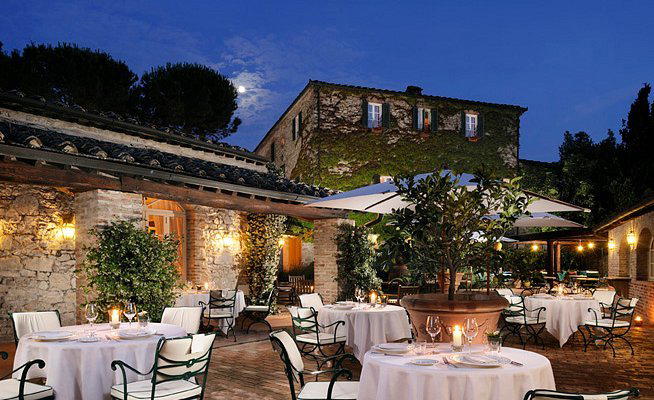
Bars in Sienna
Browse all →
Hotels in Sienna
Browse all →

Campo Cedro
The wine
- Wine program
- Curated wine list
- Extensive wine list
- Sommelier-led
Details
- Intimate
- Elegant
- Rustic
- Sophisticated
- Date Night
- Special Occasion
- Celebration
- Open Kitchen
- Terrace
- Standalone
- Sommelier Led
- Extensive Wine List
- Local Sourcing
- Tasting Menu
- A La Carte
- Wine
- White Wine Pairings
- Pescatarian Friendly
- Gluten Free Options
- Vegetarian Friendly
- Allergy Accommodating
Current opening hours
- Monday
- Closed
- Tuesday
- 7:30–10:30 PM
- Wednesday
- 12:30–2:30 PM, 7:30–10:30 PM
- Thursday
- 12:30–2:30 PM, 7:30–10:30 PM
- Friday
- 12:30–2:30 PM, 7:30–10:30 PM
- Saturday
- 12:30–2:30 PM, 7:30–10:30 PM
- Sunday
- 12:30–2:30 PM, 7:30–10:30 PM
Hours can change for holidays and private events. Last verified .
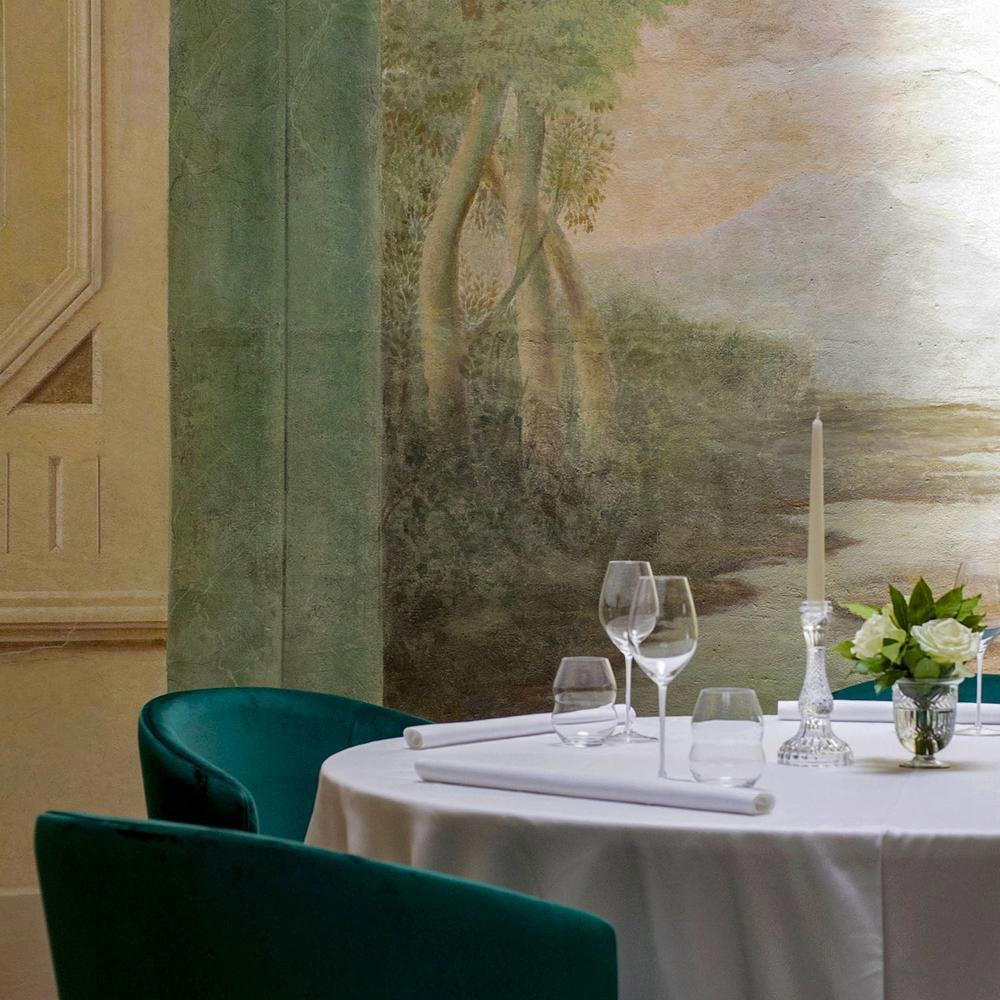
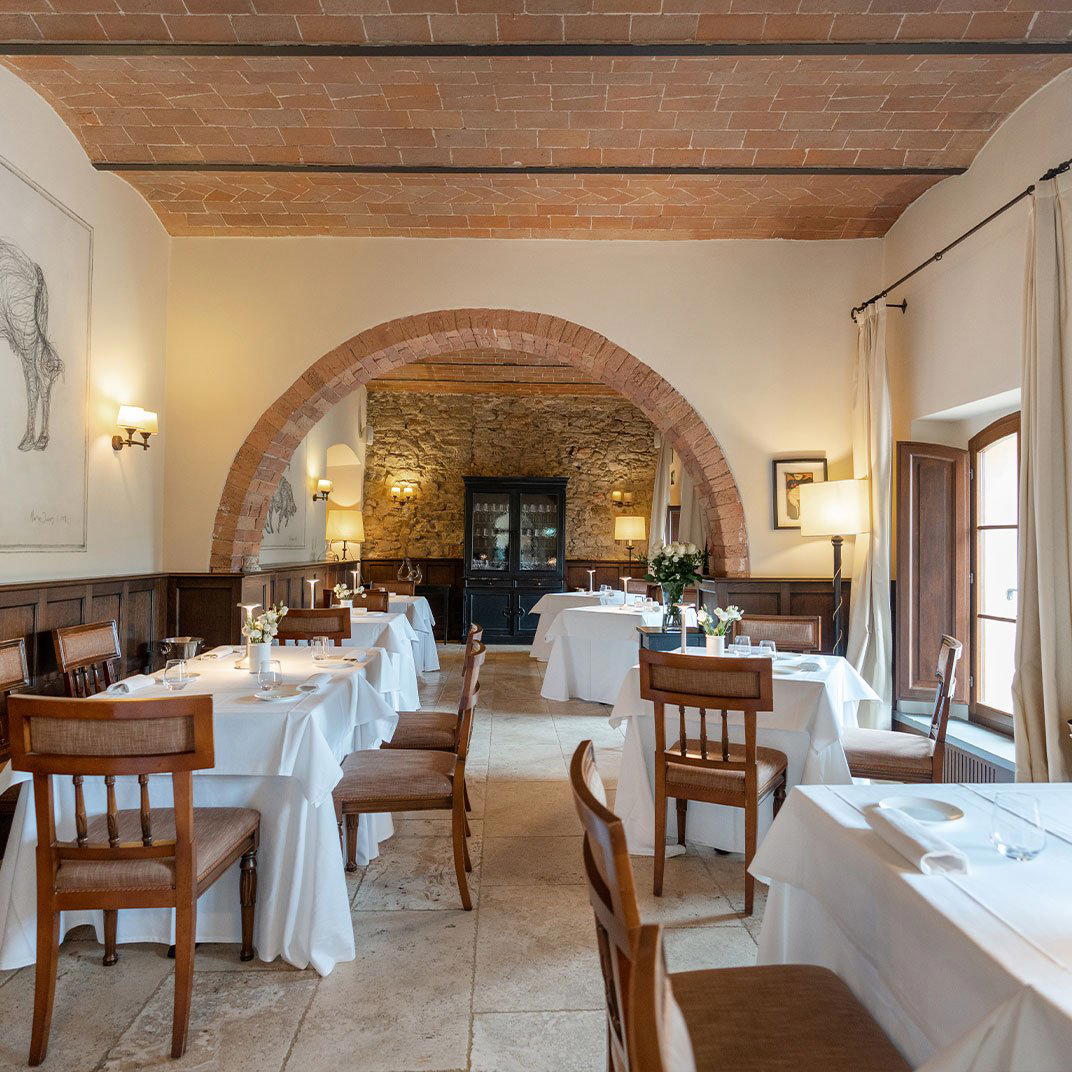
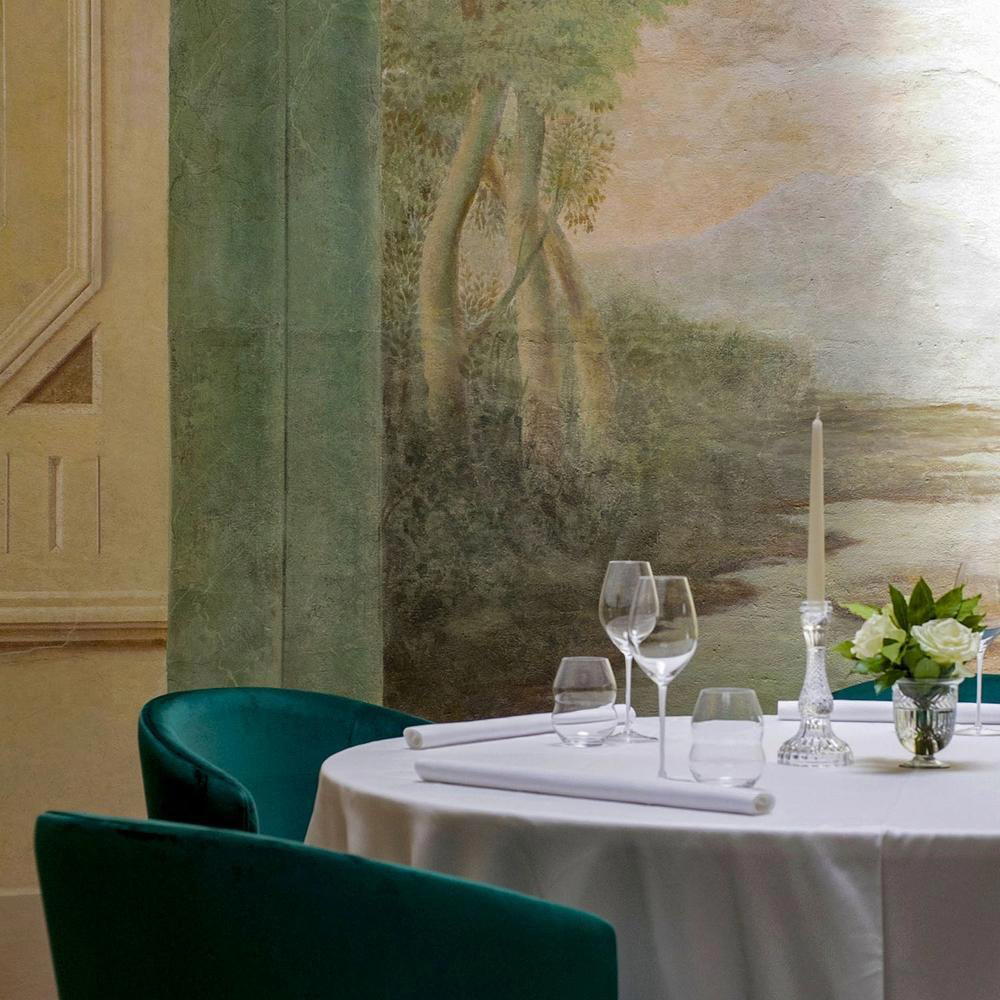
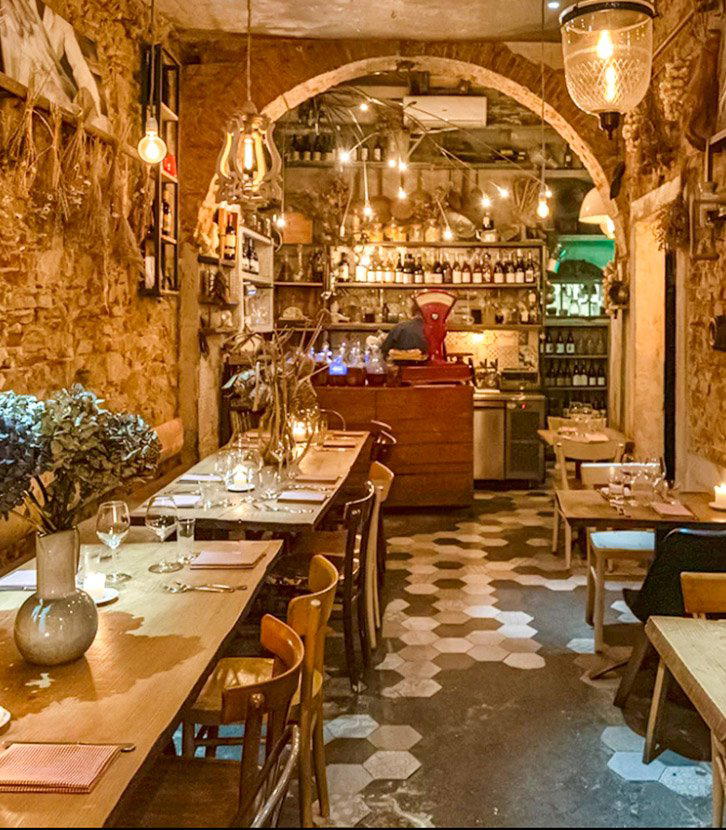
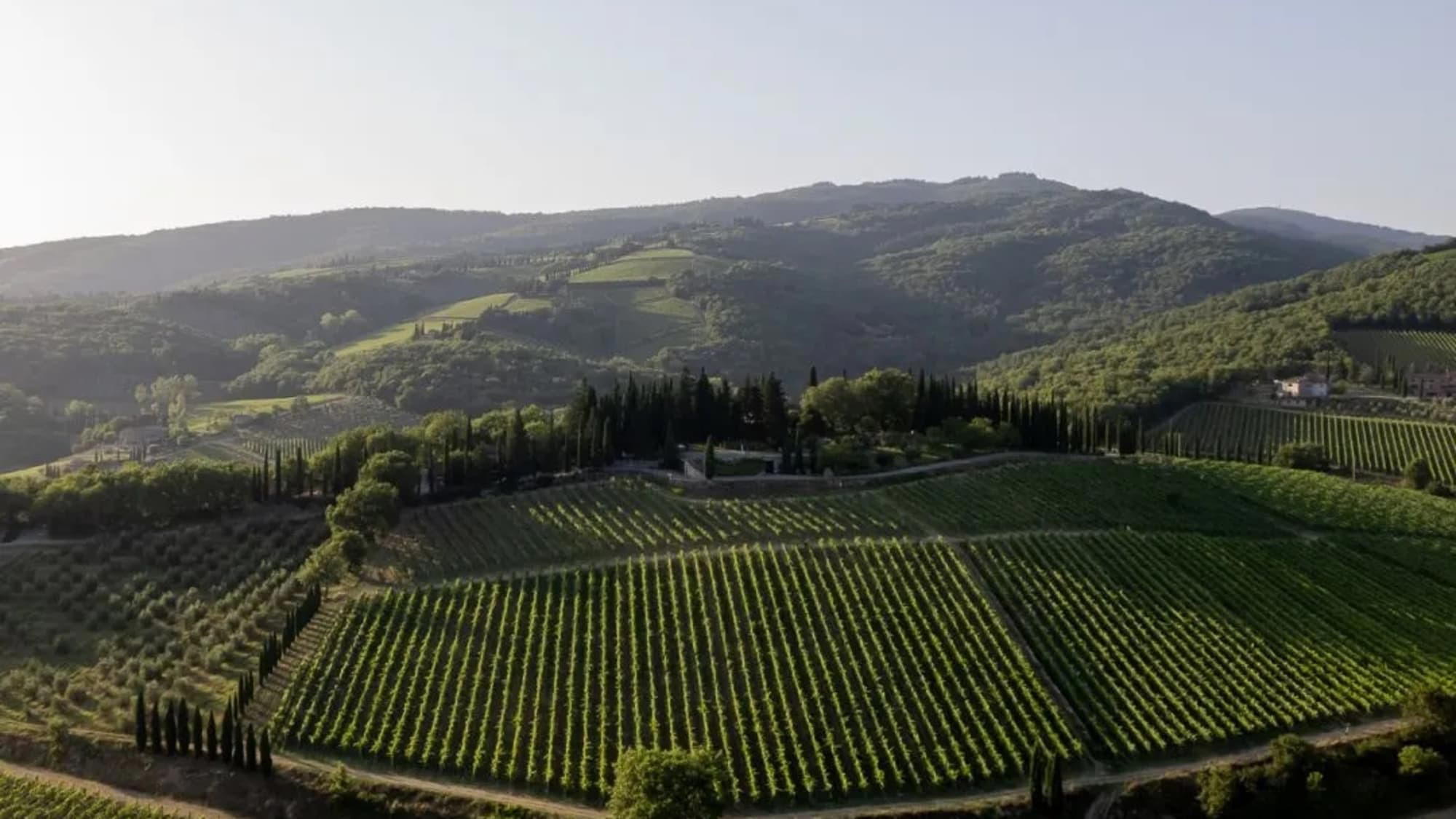
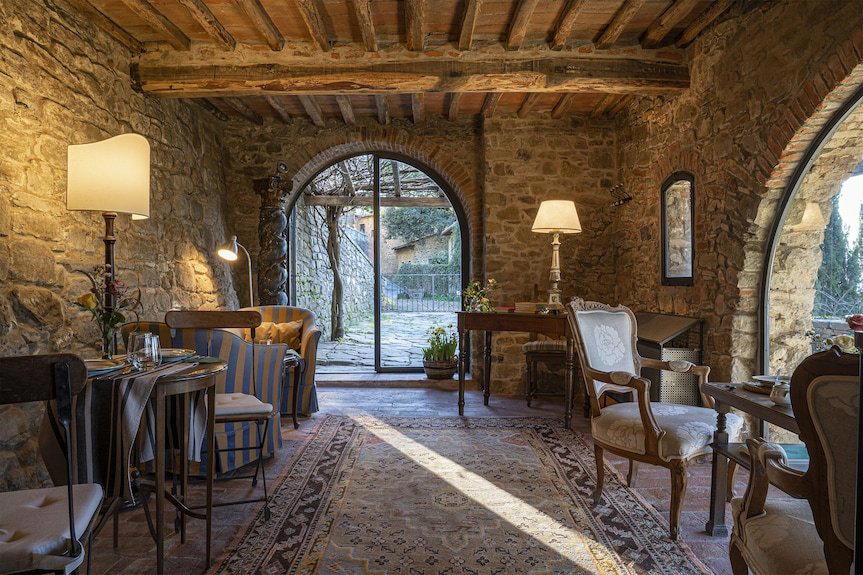
Warm, intimate setting with rustic decor adorned with local art; newly renovated interior with graceful outdoor patio; calm and refined atmosphere away from tourist crowds.