.png)
Particolare di Siena occupies a precise position in the city's fine-dining tier: ten tables, Michelin Plate recognition in both 2024 and 2025, and a deliberate pivot in 2020 toward biodynamic sourcing and certified organic ingredients. At the €€€ price point, it sits alongside Gallo Nero as one of Siena's more serious modern kitchens, with a kitchen garden that anchors the menu in the surrounding Sienese countryside.
Pearl is the En Primeur Club membership app — saves, bookings, and concierge access live there. Same editors, same standards.
- Address
- Via Baldassarre Peruzzi, 26, 53100 Siena SI, Italy
- Phone
- +39 339 827 5430
- Website
- particolaredisiena.com
 Saves & bookings on Pearl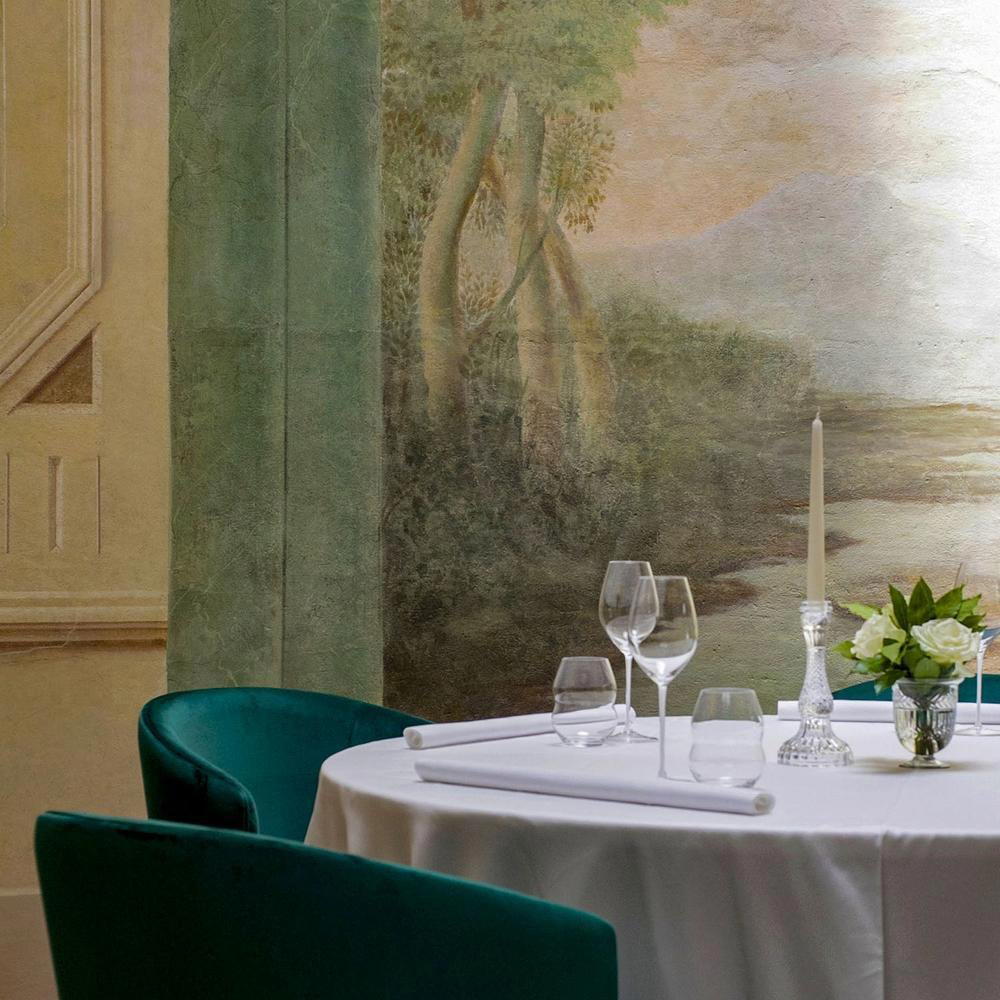
Entering a Smaller, More Deliberate Siena
Via Baldassarre Peruzzi runs through a quieter residential layer of Siena, away from the Piazza del Campo's tourist circuit and the cafés that line the main pedestrian corridors. Approaching Particolare di Siena, the surrounding streetscape signals that you are not heading toward a room designed to capture passing trade. This part of the city has a lived-in quality, and the restaurant's address places it in a context where diners arrive with intent rather than impulse. That geography matters, because it sets expectations before you reach the door: this is a room built for a specific kind of meal, not a broad audience.
Siena's fine-dining options occupy a narrower band than those of Florence or Milan. The city's restaurant culture has historically leaned on regional tradition, Gallo Nero at the €€€ level and Campo Cedro and Osteria le Logge in the €€ bracket represent the range available to a visitor building a Sienese dining itinerary. Particolare di Siena sits at the top of that range by price and by formal intent, holding Michelin Plate recognition in both 2024 and 2025, a signal that the guide's inspectors consider the kitchen to be operating at a level worth tracking even without star attribution.
The 2020 Shift and What It Changed
In Italian fine dining, the move toward smaller table counts and hyper-local sourcing is not unusual, but the timing and specificity of Particolare di Siena's 2020 reconfiguration is worth examining. The restaurant reduced its covers to ten tables that year and formalised a sourcing framework built around certified organic and environmentally certified ingredients, with a kitchen garden following biodynamic cultivation principles. Biodynamic farming in Tuscany has a longer context than in many Italian regions, given the wine sector's early adoption of Rudolf Steiner's methods in the Chianti and Brunello zones. Applying those same principles to a kitchen garden signals alignment with a Tuscan agricultural tradition that predates the current sustainability conversation in restaurant culture.
The practical consequence of ten tables is significant. At that scale, the kitchen can maintain sourcing discipline that a larger room cannot. Ingredient-driven menus that shift with harvest cycles are commonplace in Italian fine-dining rhetoric but harder to sustain when covers climb past a threshold where procurement volume forces compromise. Ten tables keeps the kitchen inside the boundary where the biodynamic garden and small certified suppliers can realistically anchor the menu rather than supplement it. For comparison, many of Italy's most-discussed sustainability-focused kitchens, such as Atelier Moessmer Norbert Niederkofler in Brunico, operate on similarly constrained formats precisely because the format is what makes the sourcing commitment credible.
Placing Particolare in Siena's Dining Character
Siena is a city where the tension between heritage and modern interpretation plays out differently than in cosmopolitan Italian centres. The Palio, the medieval contrade system, and the density of Gothic architecture are not merely backdrop; they create a civic identity that is unusually resistant to outside influence. Siena's restaurants have generally reflected that: the regional cuisine, pici, ribollita, wild boar ragù, the hard, spiced panforte, occupies the centre of the plate in most kitchens here. Modern Italian cooking in the city, as a result, tends to operate in dialogue with that tradition rather than departing from it.
Particolare di Siena's modern cuisine designation and its sourcing framework place it in a specific position within that dynamic. The kitchen garden and biodynamic approach root it firmly in Sienese and Tuscan agricultural identity, while the modern cuisine framing suggests the cooking applies contemporary technique to those ingredients rather than serving them in traditional preparations. That combination is coherent in a city where culinary modernity is most credible when it can demonstrate genuine attachment to place. A menu that can point to its own biodynamic garden a short distance from the walls of a medieval Tuscan city carries a different kind of authority than one citing generic regional suppliers.
For those building a broader Italian itinerary, the reference points for this kind of sourcing-driven, reduced-format modern cooking include Dal Pescatore in Runate, Uliassi in Senigallia, and Le Calandre in Rubano, each operating with a tight relationship between their regional environment and the plate. At the city's highest formal register, Enoteca Pinchiorri in Florence and Enrico Bartolini in Milan define the starred tier that Particolare's Michelin Plate recognition positions it just below, while Osteria Francescana in Modena and Quattro Passi in Marina del Cantone anchor the broader national conversation about Italian fine dining's direction.
Planning Your Visit
The €€€ price point places Particolare di Siena in the same tier as Gallo Nero, above Siena's €€ options, and at a level that aligns with a considered dinner occasion rather than a casual evening. With ten tables, the dining room is by definition a low-volume environment; booking in advance is the logical approach, particularly for evening sittings during Siena's peak summer and autumn months when visitor density across Tuscany increases substantially. The address on Via Baldassarre Peruzzi is within the city walls and reachable on foot from most central accommodation. For those whose modern cuisine interests extend well beyond Tuscany, the format discipline at play here finds parallels as far as Frantzén in Stockholm and FZN by Björn Frantzén in Dubai, where small-format, sourcing-led menus have defined a global conversation about what fine dining's reduced-scale model can achieve.
Particolare di Siena holds a Google rating of 4.4 across 706 reviews.
At a Glance
Comparable venues nearby, for context on price, style, and recognition.
| Venue | Cuisine | Price | Notes |
|---|---|---|---|
| Particolare di SienaThis venue — the venue you are viewing | Modern Cuisine | $$$ | |
| Osteria le Logge | Historic Center, Modern Tuscan Osteria | $$$$ | |
| Gallo Nero | $$$ | historic center, Modern Tuscan Fine Dining | |
| Campo Cedro | $$$ | Centro Storico, Modern Italian-Japanese Fusion | |
| Il Cipresso - Da Cioni | Loro Ciuffenna, Tuscan Trattoria | $$$ | |
| Degusteria Italiana | $$$ | San Niccolo, Modern Italian Fine Dining with Cheese, Truffles & Game |
Continue exploring
More in Sienna
Restaurants in Sienna
Browse all →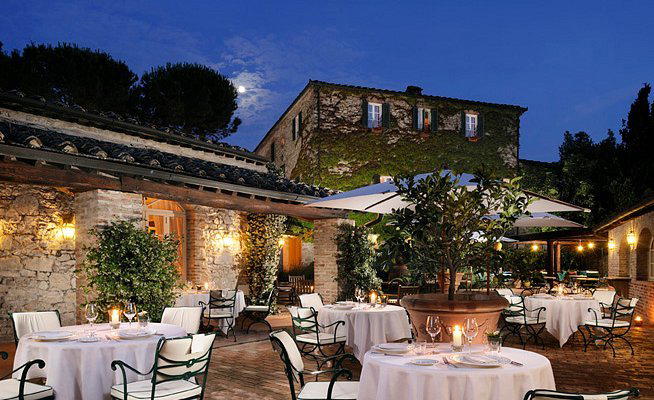
Bars in Sienna
Browse all →
Hotels in Sienna
Browse all →
At a Glance
- Romantic
- Elegant
- Rustic
- Cozy
- Sophisticated
- Date Night
- Special Occasion
- Wine Cellar
- Open Kitchen
- Garden
- Historic Building
- Extensive Wine List
- Local Sourcing
- Garden
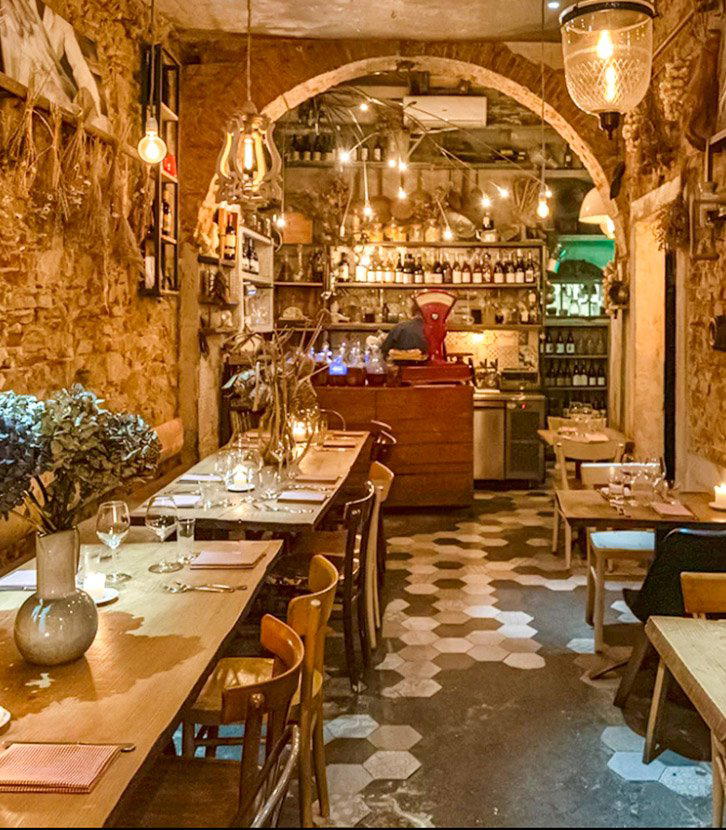
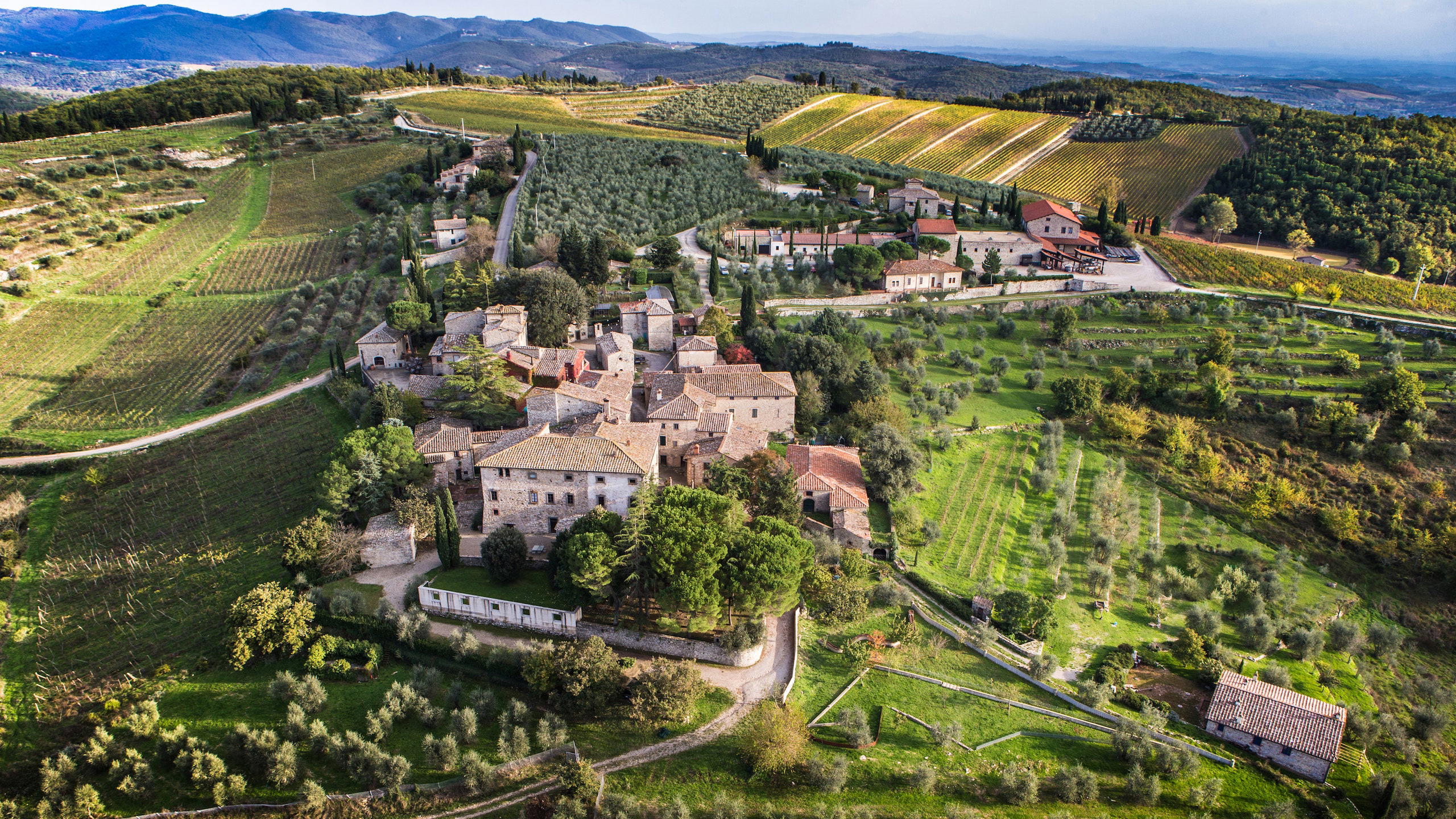
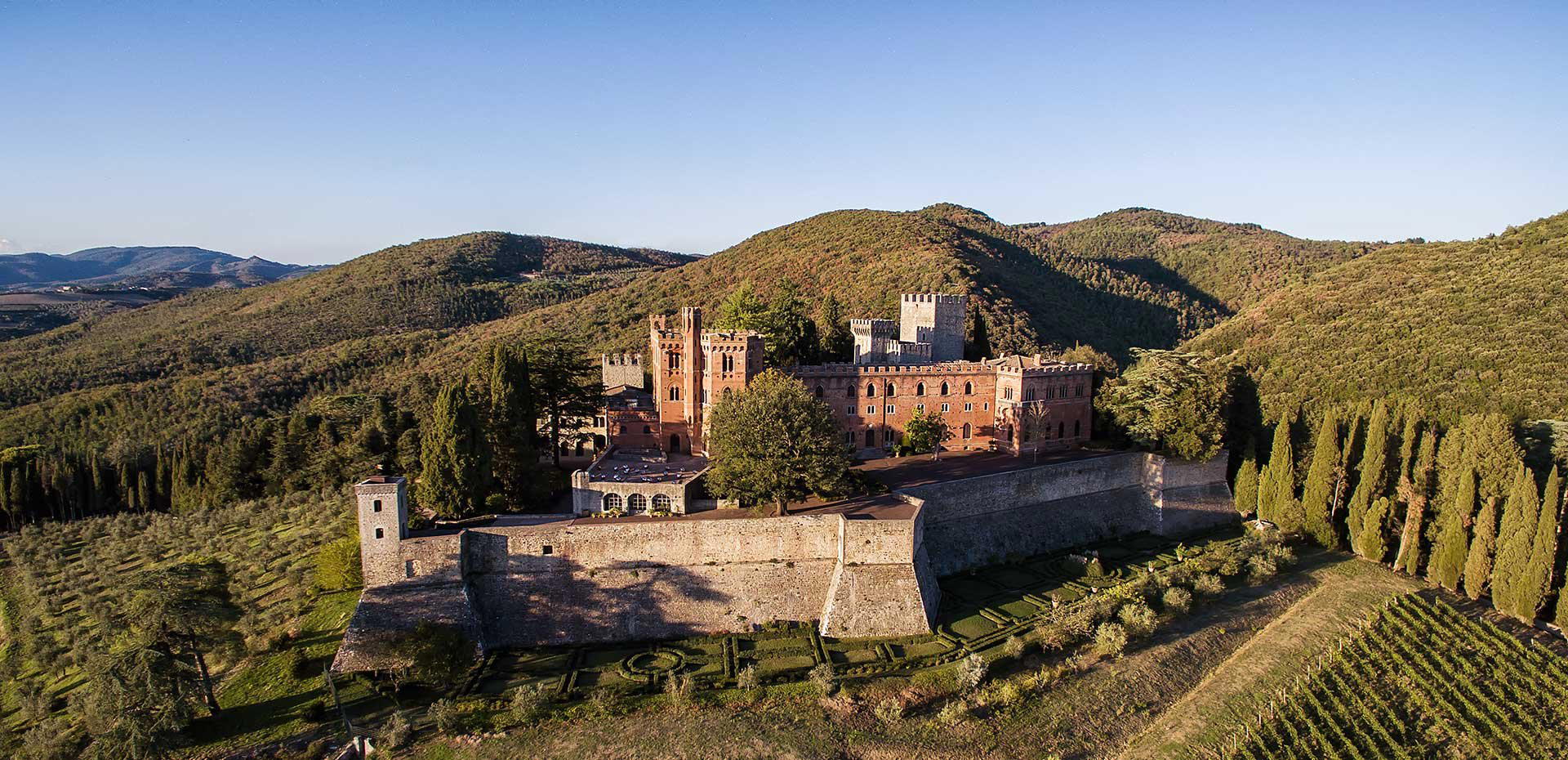
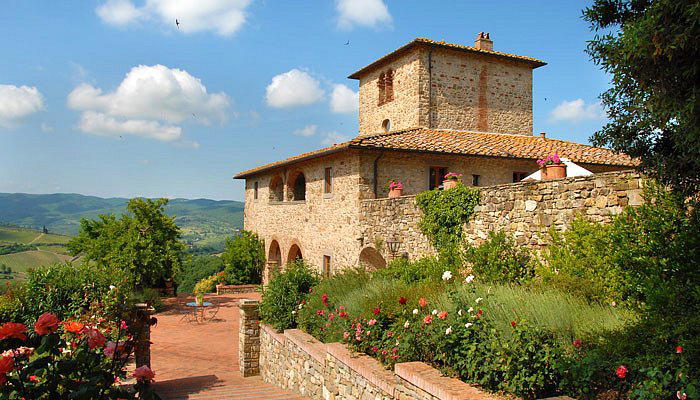
Warm rustic decor with vaulted hall, dramatic stone cavern, and illuminated wine cellar creating an elegant and romantic atmosphere.