
On Heßstraße in Munich's Maxvorstadt, Calvello's occupies a stretch of the city where neighbourhood restaurants earn loyalty through consistency rather than spectacle. The address places it within walking distance of the Pinakotheken quarter, a part of Munich where Italian-inflected cooking has long found a receptive audience among the area's residents and cultural visitors.
Pearl is the En Primeur Club membership app — saves, bookings, and concierge access live there. Same editors, same standards.
- Address
- Heßstraße 57, 80798 München, Germany
- Phone
- +4917632669971
- Website
- calvellos.com
- Directions
- Get directions
 Saves & bookings on Pearl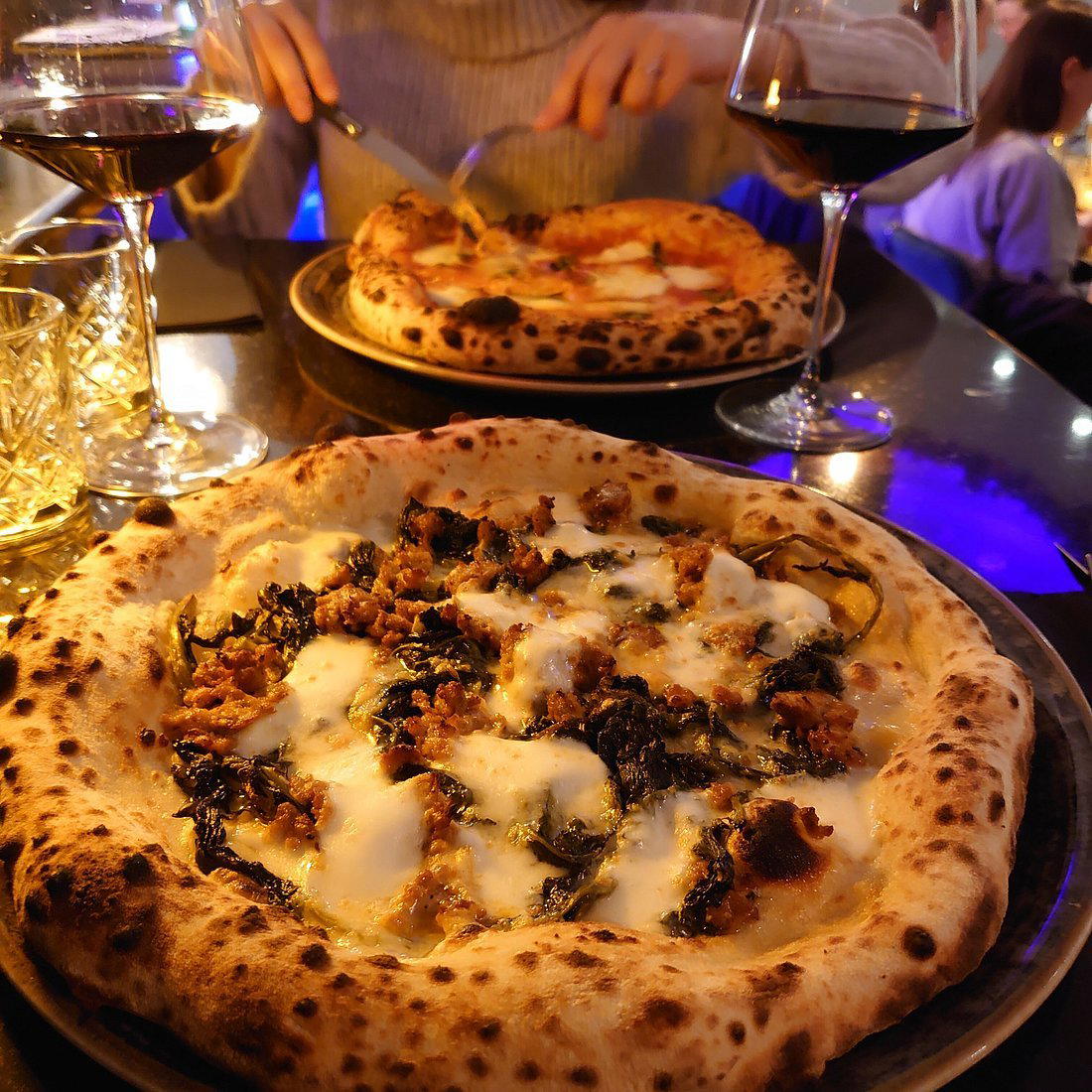
Where Maxvorstadt Eats on Its Own Terms
Munich's Maxvorstadt operates on a different register from the city's grand dining circuit. While addresses like Tantris and Atelier anchor the city's formal fine-dining identity, and crossover addresses like Tohru in der Schreiberei draw diners toward the Schreiberei's historic rooms, the neighbourhood around Heßstraße runs quieter. This is a district defined by its proximity to the Pinakotheken, the university, and a residential density that rewards restaurants with depth rather than destination ambition. Calvello's, at Heßstraße 57, sits in that current.
Italian cooking in Munich has a long and sometimes underappreciated presence. The city's postwar guest-worker networks brought Sicilian, Calabrian, and Neapolitan traditions into Bavarian neighbourhoods decades before Italian cuisine became a premium category in German fine dining. What survives in places like Maxvorstadt is something different from the refined Italian-Mediterranean positioning seen at addresses like Acquarello, where the price tier and tasting format draw direct comparisons to the city's French-influenced high end. Neighbourhood Italian, when it works, earns its place through repetition and reliability, through a kitchen and a front-of-house that function as a coordinated unit across many covers, many evenings.
The Case for Team Coherence
One of the less-discussed qualities of a well-run neighbourhood restaurant is the degree to which kitchen and floor operate as a single organism rather than two departments tolerating each other. In Munich's more celebrated rooms, JAN or Alois - Dallmayr Fine Dining, for instance, the sommelier program, the chef's creative direction, and the front-of-house choreography are each individually storied and separately documented. The coordination at that level is a product of institutional investment and public scrutiny.
At a restaurant like Calvello's, the equivalent dynamic is less visible but no less important. Italian cooking depends on timing in a specific way: pasta cannot wait, sauces shift within minutes, and the rhythm between kitchen output and tableside service determines whether a dish arrives in its intended condition. A floor team that reads a kitchen's pace, and a kitchen that trusts the floor to hold a table at the right moment, produces a different result from one where those two functions are disconnected. This is the coordination that diners feel as ease, even when they cannot name it.
Germany's broader fine dining circuit rewards this kind of integration with formal recognition. Across the country, houses like Schwarzwaldstube in Baiersbronn, Aqua in Wolfsburg, and Vendôme in Bergisch Gladbach have built reputations in part on the seamlessness between their creative programs and their service cultures. That standard sets the ceiling. Restaurants operating below that tier, deliberately or by circumstance, are measured against a different but no less real expectation: that the room and the kitchen are working toward the same outcome on any given night.
Italian Cooking in the German Context
Italian cuisine occupies a particular position in German restaurant culture. It is, on one reading, particularly familiar of the foreign traditions, present in every city, every price bracket, every format from pizza counters to white-tablecloth rooms. On another reading, it remains surprisingly difficult to execute well at the neighbourhood level, precisely because familiarity raises the bar for what diners will accept. A pasta that is slightly overcooked, a sauce that is slightly over-reduced, a room-temperature issue with a dish that should arrive hot, these failures register more acutely when the cuisine is one the diner already knows.
Munich's Italian addresses that have sustained themselves over time, as opposed to opening with momentum and fading, tend to share a quality of attention to the basics that is harder to maintain than it looks. The comparison with German cities that have developed distinct Italian dining identities is instructive. Berlin, for instance, has produced formats like CODA Dessert Dining that push at the outer limits of what a tasting-format restaurant can do with European culinary traditions. Munich's equivalent experiments tend to stay closer to classicism, which suits the city's appetite for craft over concept.
Further afield, the standard for Italian-adjacent fine dining in Germany is set by houses operating in smaller cities with outsized culinary ambitions, ES:SENZ in Grassau, Schanz in Piesport, Waldhotel Sonnora in Dreis, where the culinary program is the primary reason for the visit. Calvello's operates in a different mode: the address is one ingredient in a neighbourhood, not the destination that defines one.
Heßstraße and Its Surroundings
Heßstraße connects the Maxvorstadt to the Schwabing edge, running through a corridor that mixes residential buildings, small businesses, and the kind of restaurants that survive on repeat custom rather than tourist traffic. The Pinakotheken are a short walk south. The street itself has the character of a working neighbourhood rather than a curated dining district, which shapes the kind of restaurant that can sustain itself there. Venues on this stretch earn their regulars through consistency across weeks and months, not through a single memorable occasion.
This context matters for how to approach the restaurant. It is not positioned against Munich's headline addresses. Internationally, the comparison points for this kind of neighbourhood-anchored Italian cooking are equally instructive: the neighbourhood Italian that earns sustained loyalty in a city like New York, represented at its most technically ambitious by a kitchen like Le Bernardin, or the collaborative dinner-party format explored by Lazy Bear in San Francisco, both demonstrate how coordination between kitchen and floor creates a distinct dining register. The restaurant operates at a different scale, but the underlying principle, that a room functions as well as the people running it in concert, applies across tiers.
For north-German comparison, Restaurant Haerlin in Hamburg and Bagatelle in Trier illustrate how cities with different dining cultures develop distinct service and kitchen cultures. Victor's Fine Dining by Christian Bau in Perl sits at the far end of the German fine-dining spectrum, where every element of kitchen and floor is individually celebrated. The restaurant sits at a different point on that spectrum, closer to the neighbourhood end, where the standard is quieter but no less real.
Recognition Snapshot
Comparable venues nearby, for context on price, style, and recognition.
| Venue | Cuisine | Price | Notes |
|---|---|---|---|
| Calvello'sThis venue — the venue you are viewing | Neapolitan Pizza Trattoria | $$ | Not listed |
| Emporio Italiano | Authentic Italian Trattoria | $$ | Neuhausen |
| Pizzesco | Italian Pizza with Gluten-Free Options | $$ | Au |
| Trattoria Seitz | Classic Italian Trattoria | $$ | Lehel |
| Pizzarei | Italian Pizza and Pinsa | $$ | Isarvorstadt |
| Pizzeria Grano | Authentic Italian Pizza | $ | Isarvorstadt |
Recognition history
Dated appearances from independent guides and award organizations, with the underlying list record or original source where available.
50 Top Pizza Europe #41
50 Top Pizza
At a Glance
- Cozy
- Classic
- Casual Hangout
- Family
- Date Night
- Open Kitchen
Current opening hours
- Monday
- Closed
- Tuesday
- Closed
- Wednesday
- 5–10:15 PM
- Thursday
- 5–10:15 PM
- Friday
- 5–10:30 PM
- Saturday
- 5–10:30 PM
- Sunday
- 5–10:15 PM
Hours can change for holidays and private events. Last verified .
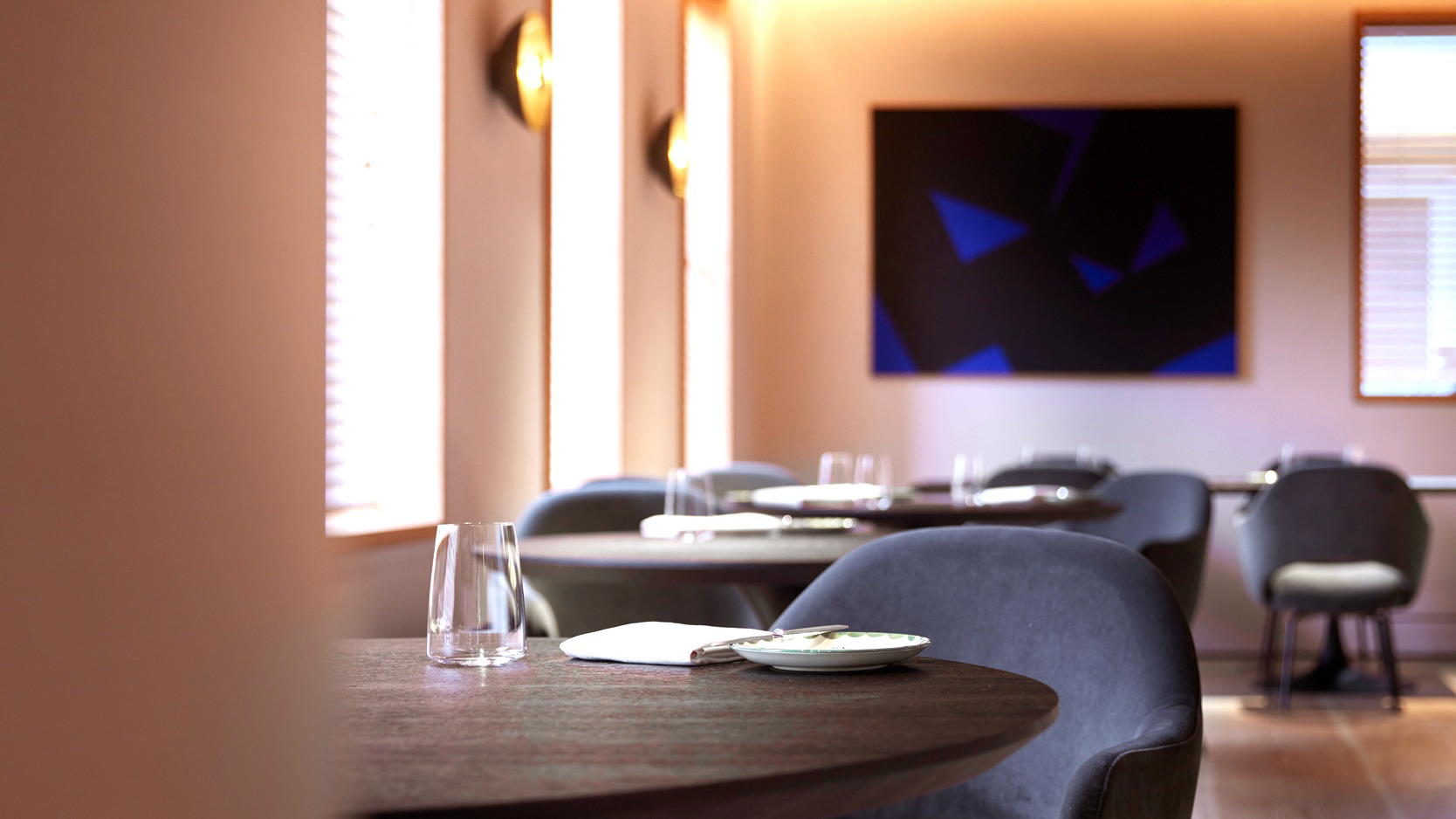
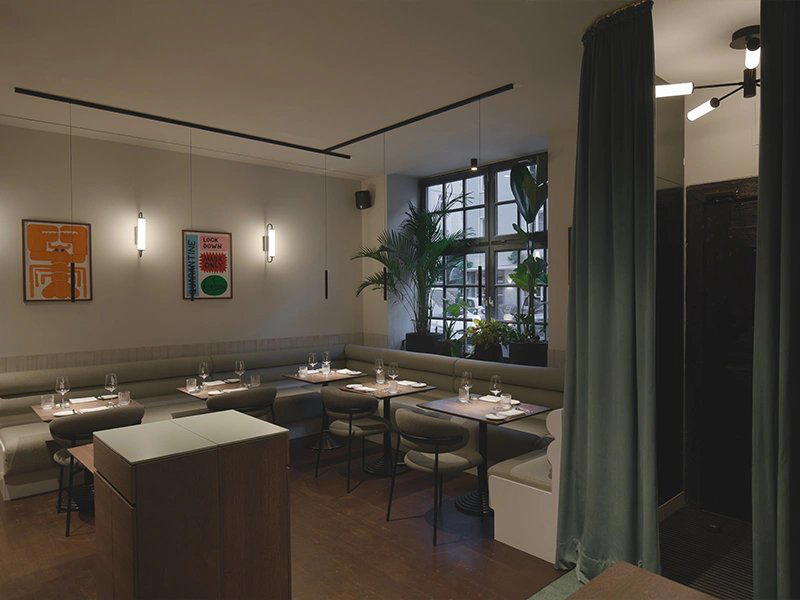
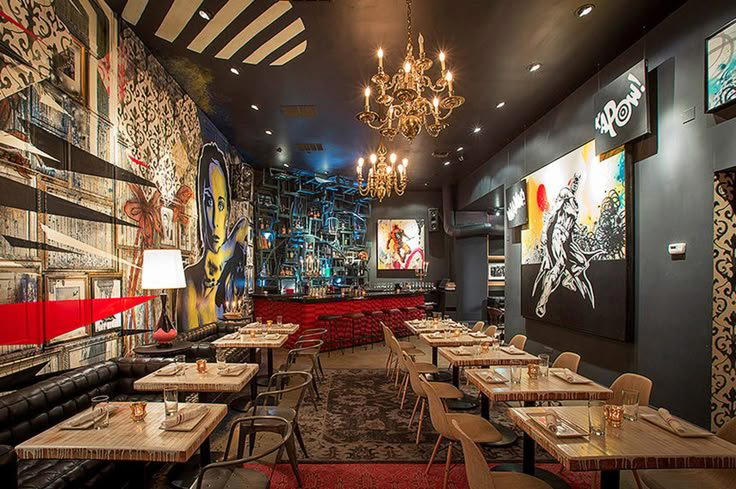
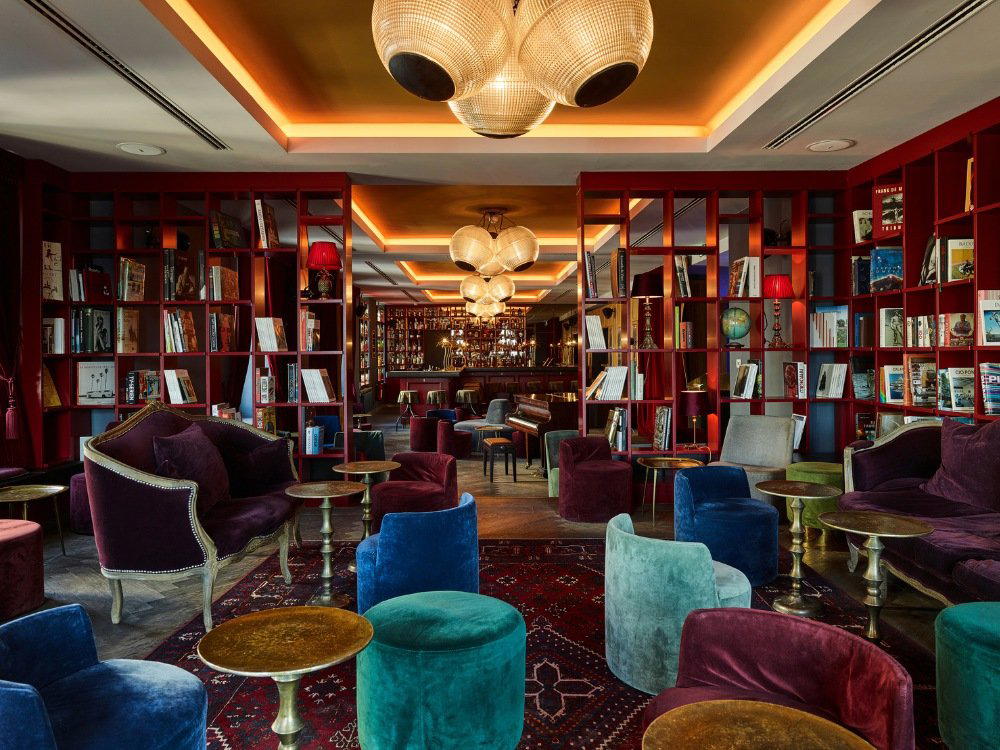
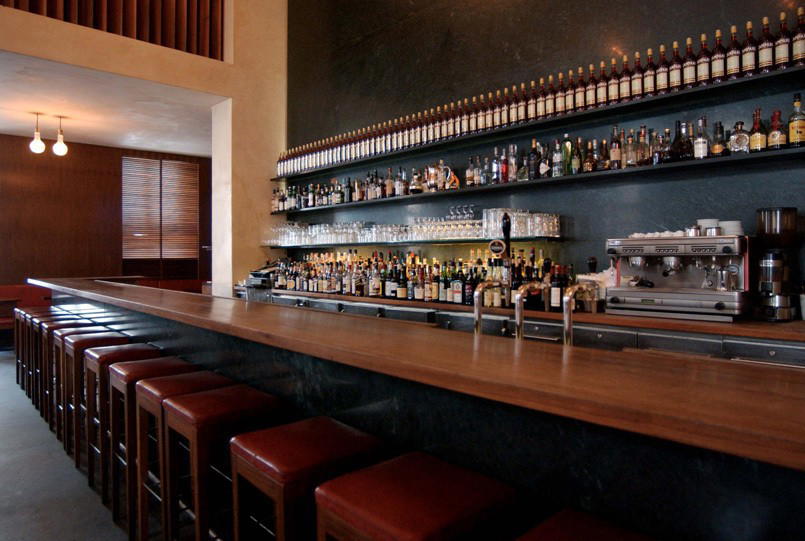
Cozy dining experience with a warm Italian vibe and glimpses into the kitchen.