Our verdict
Pizzeria Grano sits on Sebastiansplatz in Munich's Gärtnerplatzviertel, a neighbourhood square that functions as a proving ground for casual dining with serious intent. The address places it within walking distance of the city's most concentrated stretch of independent restaurants, where pizza format and Italian-leaning kitchens have steadily carved out a distinct tier between fast-casual and full fine dining.

Pearl is the En Primeur Club membership app, where members save venues, book tables and use the concierge.

The menu
What to order
- Pizza Grano
- Pizza Bianca with pumpkin
- Lardo pizza
A Square That Sets the Standard
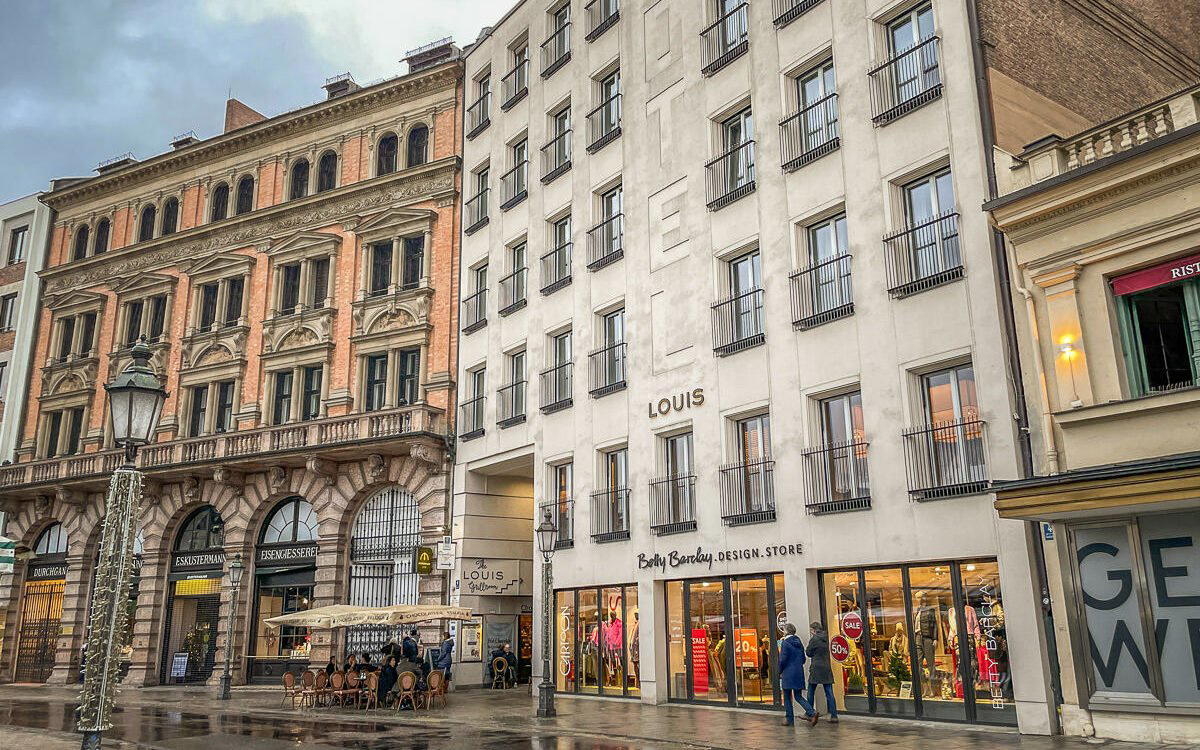
Sebastiansplatz operates differently from most central Munich squares. Where Marienplatz draws tourists and Viktualienmarkt draws morning shoppers, Sebastiansplatz draws residents, locals who return on weekday evenings for the specific combination of outdoor seating, neighbourhood density, and the kind of kitchen that takes its product seriously without requiring a reservation three months in advance. The address at Sebastianspl. 3 puts Pizzeria Grano directly on that square, which means the physical context does a significant portion of the work before a single dish arrives.
Munich's casual Italian tier has become more contested over the past decade. The city's leading end is well-documented: Tantris and Atelier anchor the formal end, while Tohru in der Schreiberei and Alois - Dallmayr Fine Dining represent the creative-kitchen bracket. But below that tier, where neighbourhood restaurants do their daily work, the standard has risen sharply. Neapolitan-style pizza in particular has followed the same trajectory across German cities that craft beer and specialty coffee did earlier: a product category once treated as commodity has been renegotiated by a wave of producers who treat sourcing, fermentation, and heat as technical disciplines.
The Space and How It Works
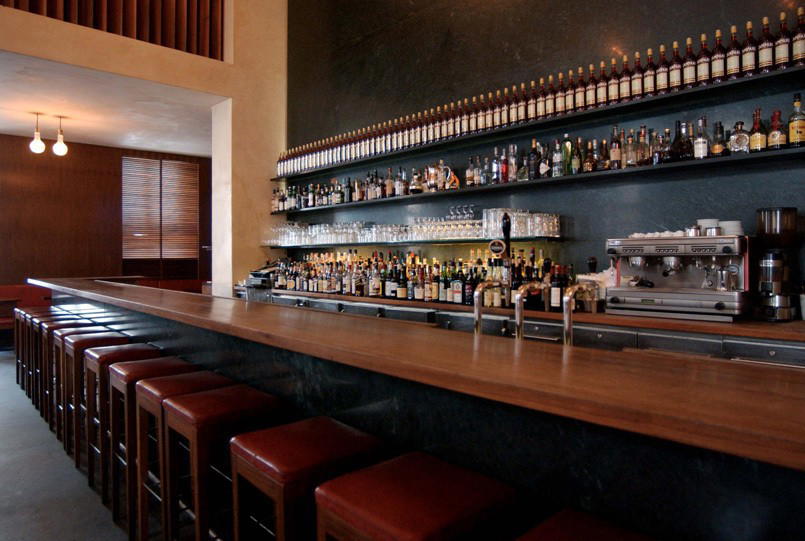
The design grammar of serious pizza restaurants has its own logic. The leading versions position the oven as the room's organising principle, visible from most seats, setting the thermal and visual tone. Counter seating near the oven lets the kitchen operate as theatre without theatrical pretence; the work is simply visible. At Sebastiansplatz, the surrounding square means the boundary between inside and outside shifts seasonally, with terrace seating extending the effective footprint when the weather holds.
This kind of flexible indoor-outdoor arrangement suits Munich's dining rhythm, where the warmer months bring a distinct shift in how residents use restaurant space. The Gärtnerplatzviertel has a higher concentration of that behaviour than most Munich districts: it runs younger, denser, and more neighbourhood-oriented than Schwabing or Maxvorstadt, and the restaurants that do well here tend to have a physicality that works in both configurations, a well-lit interior that doesn't feel like a backup option when the terrace fills.
For readers who want to understand where Munich's formal dining sits, our full Munich restaurants guide maps the broader scene. Pizzeria Grano occupies a different register from that tier, but its location on Sebastiansplatz places it in one of the city's most active casual-dining corridors, where foot traffic is generated by residents rather than hotel concierges.
Neapolitan Pizza in a German Context
The technical requirements of Neapolitan-style pizza are well-established and deliberately restrictive. Dough fermented for a minimum of 24 hours, typically longer. A wood-fired oven running above 430°C. A 60-to-90-second bake that chars the cornicione without cooking out the moisture in the centre. San Marzano tomatoes and buffalo mozzarella for the Margherita baseline. These are not arbitrary preferences; they are the product of a specific Campanian baking tradition that has been codified, contested, and exported across Europe with varying degrees of fidelity.
German cities have proved receptive territory. Munich, Hamburg, and Berlin have all developed credible Neapolitan pizza scenes, with operators who trained in Naples or sourced equipment and flour directly from Italian suppliers. The standard marker is the dough: a properly fermented Neapolitan base has a specific extensibility and a char pattern that is difficult to fake with compressed timelines or inferior flour. Where Munich's Italian-leaning fine dining, venues like Acquarello, which operates in the Italian-Mediterranean bracket at the €€€€ tier, focuses on the full scope of Italian cooking tradition, the Neapolitan pizza category makes a narrower, more verifiable claim. Either the dough is right or it isn't.
Germany's wider high-end dining circuit, Aqua in Wolfsburg, Schwarzwaldstube in Baiersbronn, Vendôme in Bergisch Gladbach, Victor's Fine Dining by Christian Bau in Perl, operates in an entirely different register. But the rising floor in the casual tier matters for what it signals about German dining culture: there is now a broad audience with calibrated expectations, willing to apply the same scrutiny to a pizza that they would to a tasting menu course.
Where Pizzeria Grano Sits in the City
The Gärtnerplatzviertel sits south of the Isar, between Glockenbachviertel and the Isarvorstadt. It is one of Munich's most walkable districts for evening dining, with restaurants, bars, and the Gärtnerplatz theatre creating a self-sustaining circuit that keeps foot traffic consistent through the week. Sebastiansplatz is the northern edge of that circuit, connected to the Viktualienmarkt by a short walk and to the broader district by the density of the surrounding streets.
For Munich visitors whose itinerary skews toward the formal end, JAN for creative cooking, the tasting-menu circuit for special-occasion dining, a meal in the Gärtnerplatzviertel provides useful counterpoint. The neighbourhood operates at a different register: shorter lead times, lower price points, and a more residential atmosphere that reflects how Munich residents actually eat rather than how the city performs for visitors.
Comparable casual formats in other German cities worth cross-referencing: CODA Dessert Dining in Berlin and Bagatelle in Trier operate in niche formats at different price tiers, while Restaurant Haerlin in Hamburg, Schanz in Piesport, ES:SENZ in Grassau, and Waldhotel Sonnora in Dreis illustrate the depth of Germany's formal dining circuit. Internationally, the technical rigour applied to pizza dough in serious Neapolitan-trained kitchens shares a discipline with the product focus at venues like Le Bernardin in New York City and Atomix in New York City: the format differs entirely, but the commitment to a specific product standard is the same impulse.
Know Before You Go
Address: Sebastianspl. 3, 80331 München, Germany
Neighbourhood: Gärtnerplatzviertel / Isarvorstadt, central Munich
Phone: Not listed
Website: Not listed
Booking: Walk-in; reservation policy not confirmed, arrive early on weekends
Price range: Not confirmed; casual pizza format typically positions below the €€€€ fine-dining tier
Awards: None listed
Getting there: Sebastiansplatz is a short walk from Marienplatz (S/U-Bahn) and served by tram routes running along Fraunhoferstrasse
Frequently asked questions
What do regulars order at Pizzeria Grano?
How hard is it to get a table at Pizzeria Grano?
What's the standout thing about Pizzeria Grano?
How does Pizzeria Grano fit into Munich's Italian dining scene?
Recognition Snapshot
Comparable venues nearby, for context on price, style, and recognition.
| Venue | Cuisine | Price | Notes |
|---|---|---|---|
| Pizzeria GranoThis venue (the venue you are viewing) | Authentic Italian Pizza | $10–20 | Not listed |
| Trattoria Da Fausto | Authentic Italian Trattoria | $20–30 | Freimann |
| Kleiner Ochsnbrater | Traditional Bavarian Organic Street Food | $10–20 | Altstadt |
| Caspar Plautz | Creative Bavarian Potato Dishes | $10–20 | Altstadt |
| Bánh Mì Minh | Vietnamese Street Food | $10–20 | Neuhausen |
| Trattoria Pizzeria La Valle | Traditional Italian Trattoria & Wood-Fired Pizza | $20–30 | Altstadt |
Continue exploring
More in Munich
Restaurants in Munich
All restaurants in Munich →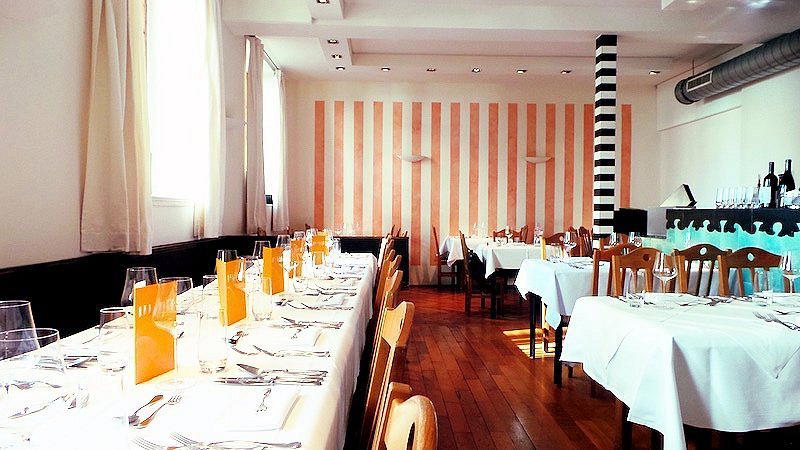
Bars in Munich
All bars in Munich →
Details
- Cozy
- Rustic
- Intimate
- Casual Hangout
- Date Night
- Family
- Standalone
- Terrace
- A La Carte
- Beer
- Wine
- Espresso
- Vegetarian Friendly
- Vegan Options
Current opening hours
- Monday
- 11 AM–10 PM
- Tuesday
- 11:30 AM–10 PM
- Wednesday
- 11:30 AM–10 PM
- Thursday
- 11:30 AM–10 PM
- Friday
- 11:30 AM–10 PM
- Saturday
- 11:30 AM–10 PM
- Sunday
- Closed
Hours can change for holidays and private events. Hours as of .
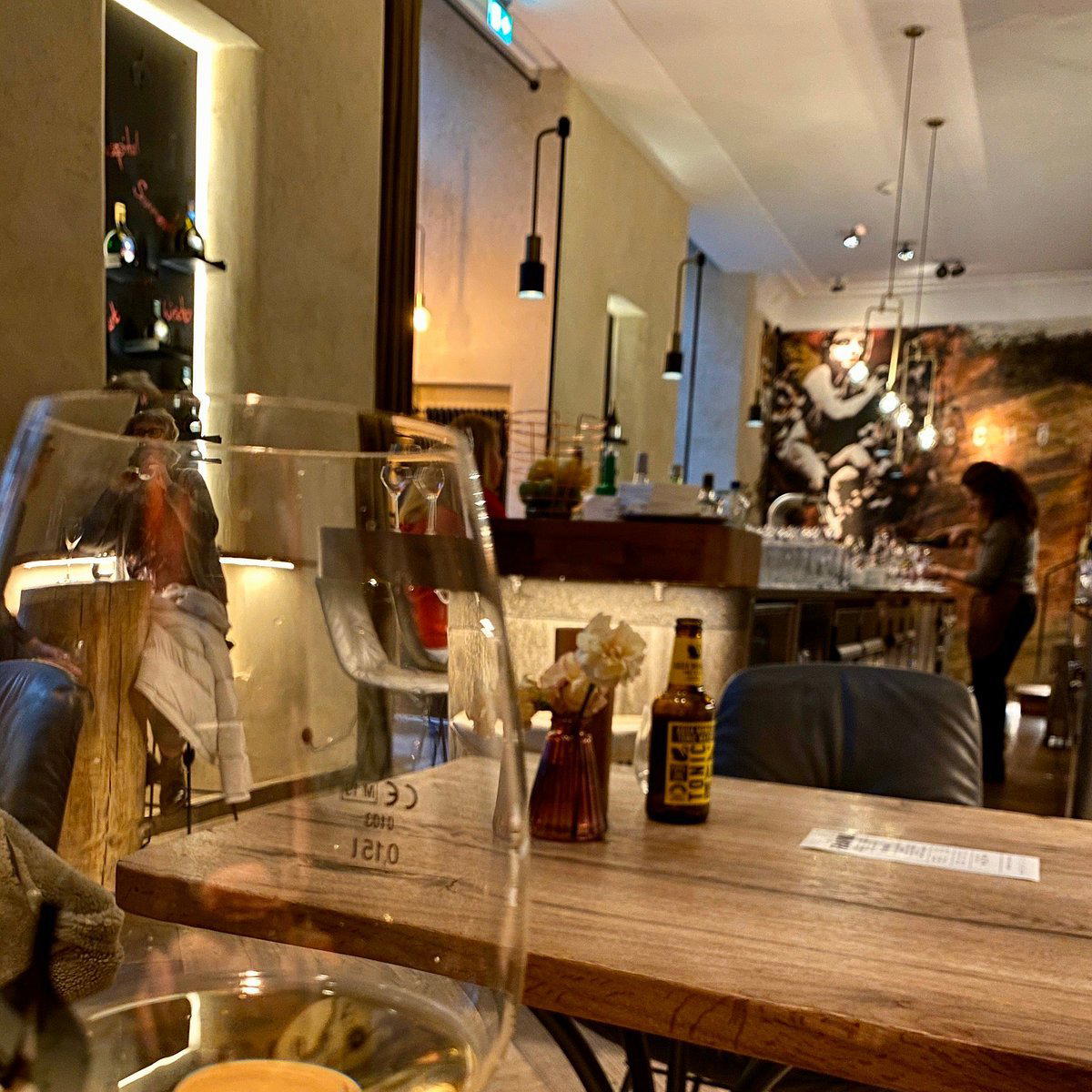
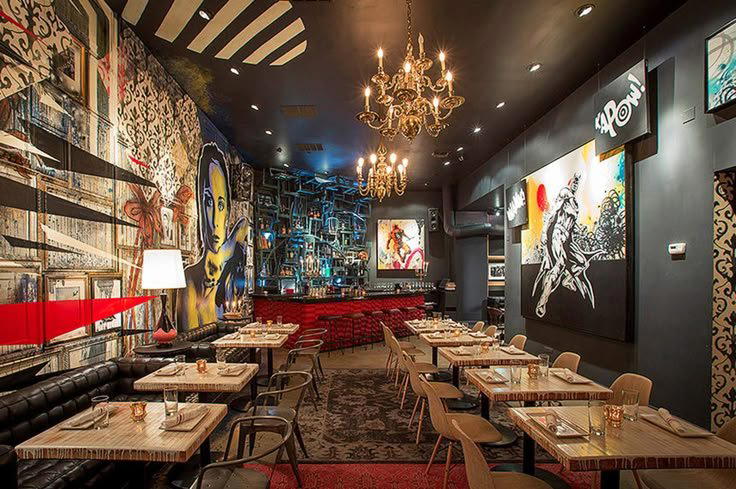
Warm and cozy with rustic Italian decor featuring potted sea creatures, vintage photographs, and Italian memorabilia on the walls; intimate and nostalgic atmosphere reminiscent of a small village trattoria.