Trattoria Seitz occupies a compact address on Seitzstraße in Munich's Lehel district, where Italian trattoria tradition meets the sourcing discipline that defines the city's sharper end of casual dining. The format sits between neighbourhood habit and considered destination, making it a practical anchor for visitors mapping Munich's mid-register Italian scene against the city's broader European dining options.
Pearl is the En Primeur Club membership app — saves, bookings, and concierge access live there. Same editors, same standards.
- Address
- Seitzstraße 12, 80538 München, Germany
- Phone
- +498923232649
- Website
- trattoria-seitz.eu
- Directions
- Get directions
 Saves & bookings on Pearl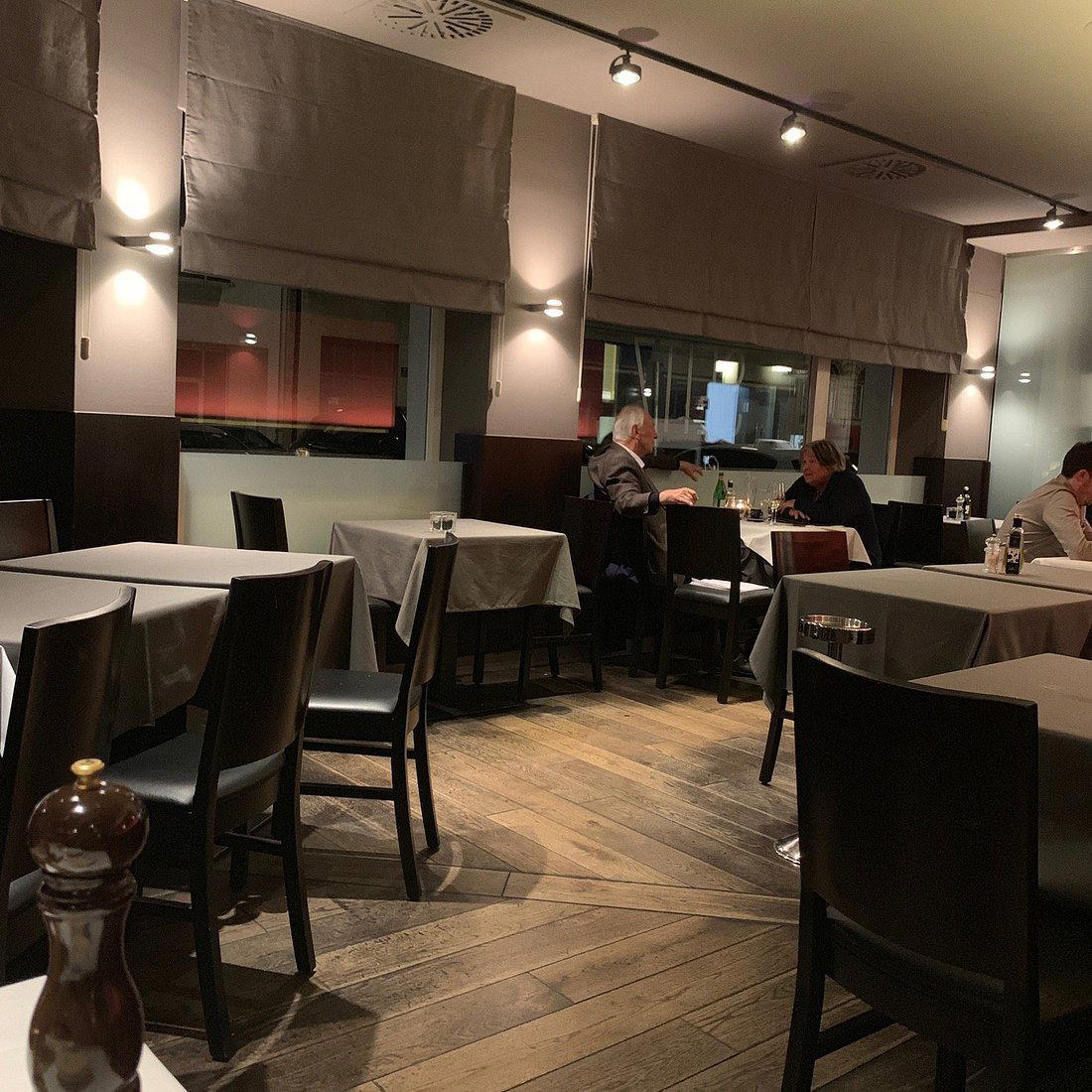
Italian Form, Bavarian Address
Munich's relationship with Italian cooking runs deeper than most northern European cities care to admit. The proximity to the Alps, and beyond them to Trentino-Alto Adige and the Veneto, has shaped Bavarian cooking in ways that are easy to overlook when the city's food conversation defaults to schnitzel and weisswurst. The trattoria format, in particular, has taken hold in Munich with unusual sincerity. At its most considered, it is not an import dressed in red-and-white tablecloths but a format that borrows Italian structural logic, a short, rotating menu, disciplined sourcing, and a room designed for conversation rather than theatre, and applies it with the precision the city brings to almost everything it does well.
Trattoria Seitz, on Seitzstraße in the Lehel district, occupies that tradition. Lehel sits east of the Altstadt, bounded by the Isar and a stretch of embassy buildings, and it carries a residential density that keeps its restaurant scene grounded. This is not the part of Munich that chases Michelin attention the way the Maxvorstadt or the Ludwigsvorstadt do. The dining here answers to a neighbourhood rather than a guidebook.
Where the Cooking Sits in the City's Italian Tier
Munich's Italian dining scene splits fairly cleanly into three tiers. At the upper end, places like Acquarello, running Italian-Mediterranean menus at €€€€ price points, position themselves against the city's full fine dining bracket, which includes Michelin-holding addresses such as Tantris, Alois - Dallmayr Fine Dining, and Atelier. Below that sits a middle tier of osteria and trattoria formats that take the food seriously without the ceremony. Below that are the tourist-facing operations that line the pedestrian zones.
The trattoria model at its most functional is a deliberate act of restraint. The menu is shorter than a ristorante, the room smaller, the wine list less encyclopaedic. What the format trades in ambition it compensates for in consistency and access. Munich has developed a version of this that leans on Bavarian sourcing logic, short supply chains, seasonal rhythm, a respect for the primary ingredient that the Slow Food movement formalised but Bavarian cooking had been practicing informally for generations. When the trattoria form connects with that sourcing culture, the intersection produces cooking that is neither purely Italian nor recognisably Bavarian, but something with its own coherence.
The Cross-Current of Local Produce and Italian Method
The editorial angle worth pressing on here is the intersection of technique and material. Italian trattoria cooking at its structural core is about subordinating technique to ingredient: the pasta exists to carry the ragù, the ragù exists to carry the meat, and the meat's provenance determines the ceiling of what the dish can achieve. That logic translates with unusual ease into Bavaria, where the Alpine and pre-Alpine sourcing culture shares the same hierarchy. Bavarian beef, Alpine dairy, river fish from the Isar tributaries, late-summer mushrooms from the Bavarian Forest, these are materials that respond well to Italian handling.
Across Germany's broader fine dining scene, the productive tension between local identity and imported technique has generated some of its most interesting kitchens. Tohru in der Schreiberei in Munich applies Japanese method to German ingredients at Michelin level. JAN operates on creative frameworks that draw from multiple European traditions. Further afield, CODA Dessert Dining in Berlin has built a format around structural inversion, and ES:SENZ in Grassau, in the Bavarian foothills, shows how Alpine materials can be treated with formal European technique without losing their character. At the trattoria level, the approach is less theatrical but no less considered: the method serves the ingredient rather than the reverse.
Germany's Broader Fine Dining Context
It is worth placing Munich's mid-register Italian scene against the wider German dining frame. Germany's Michelin-starred addresses are distributed unusually across the country, concentrated not in any single city but scattered through spa towns, converted estates, and regional capitals. Aqua in Wolfsburg, Schwarzwaldstube in Baiersbronn, and Vendôme in Bergisch Gladbach hold three stars each and define the technical ceiling of German fine dining. Victor's Fine Dining by Christian Bau in Perl, Waldhotel Sonnora in Dreis, Restaurant Haerlin in Hamburg, Schanz in Piesport, and Bagatelle in Trier fill out the two-star tier. The relevance for a Munich trattoria is not competitive, these are different formats operating at different registers, but contextual: the discipline of German fine dining has a gravitational effect on the restaurants below it. Sourcing standards, seasonal awareness, and kitchen organisation that percolate down from the starred tier raise the baseline across the country's casual dining.
For international reference, the structured precision of Le Bernardin in New York City or the fermentation-led intelligence of Atomix represent what happens when a single technique is taken to its logical limit. The trattoria format makes no such claim to extremity, but it benefits from operating in a city where that kind of thinking is in the water.
Planning Your Visit
Trattoria Seitz is located at Seitzstraße 12, 80538 München, in the Lehel district, within walking distance of the Isar and the Maximilianstraße cultural corridor. Lehel is well-served by the U4 and U5 lines with the Lehel stop nearby, and is accessible on foot from the Altstadt in under fifteen minutes. Reservations are recommended. Budget: Expect about $25 per person. Dress: Smart casual.
Comparable Spots, Quickly
Comparable venues nearby, for context on price, style, and recognition.
| Venue | Cuisine | Price | Notes |
|---|---|---|---|
| Trattoria SeitzThis venue — the venue you are viewing | Classic Italian Trattoria | $$ | Not listed |
| Pretty Pizza | Vegan Neapolitan Pizza | $$ | Schwabing |
| Pizzesco | Italian Pizza with Gluten-Free Options | $$ | Au |
| Dal Cavaliere | Authentic Italian Pizza and Pasta | $$ | Haidhausen |
| L'Osteria München Künstlerhaus | Italian Pizza and Pasta | $$ | Isarvorstadt |
| Trattoria Lia | Authentic Italian Trattoria | $$ | Pipping |
At a Glance
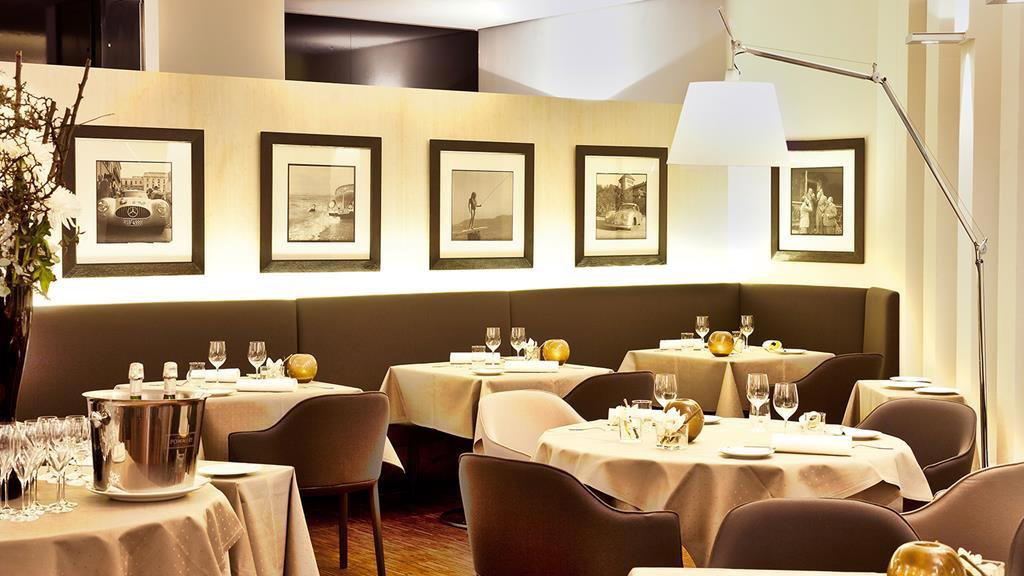
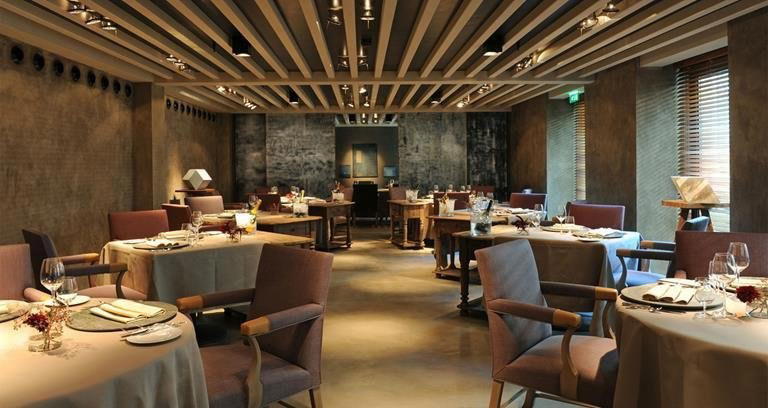
- Cozy
- Classic
- Rustic
- Date Night
- Casual Hangout
- Extensive Wine List
Current opening hours
- Monday
- 11:30 AM–11 PM
- Tuesday
- 11:30 AM–11 PM
- Wednesday
- 11:30 AM–11 PM
- Thursday
- 11:30 AM–11 PM
- Friday
- 11:30 AM–11 PM
- Saturday
- 6–11 PM
- Sunday
- 6–11 PM
Hours can change for holidays and private events. Last verified .
Warm and welcoming with friendly service.