
Michelin Plate
Our verdict
In Camprodon's historic centre, Cal Marquès sits on the ground floor of Hostal La Placeta and anchors its menu firmly in the Ripollès region. The kitchen holds a Michelin Plate for 2024 and 2025, with a traditional Catalan menu alongside the Simbiosi tasting format, which traces high-altitude Pyrenean cooking through lamb raised on a local family farm.

Pearl is the En Primeur Club membership app — saves, bookings, and concierge access live there. Same editors, same standards.
- Address
- Plaça del Carme, 9, 17867 Camprodon, Girona, Spain
- Phone
- +34 972 74 02 34
- Hours
- Mon ClosedTue–Fri 1–3:30 p.m.Sat 1–3:30 p.m., 8–9:15 p.m.Sun Closed
- Website
- restaurantcalmarques.cat
- Directions
- Get directions
- Booking
- Book on the venue's website
Where the Pyrenees Come to the Table
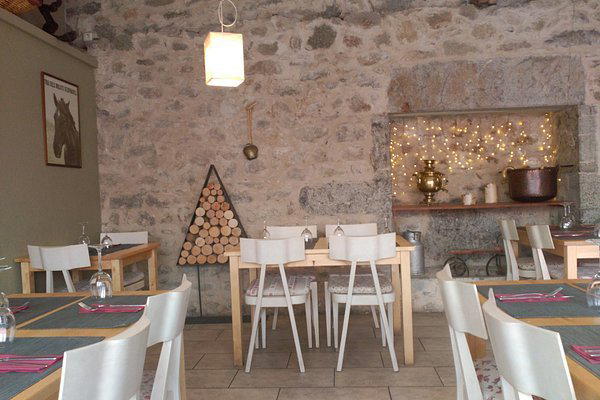
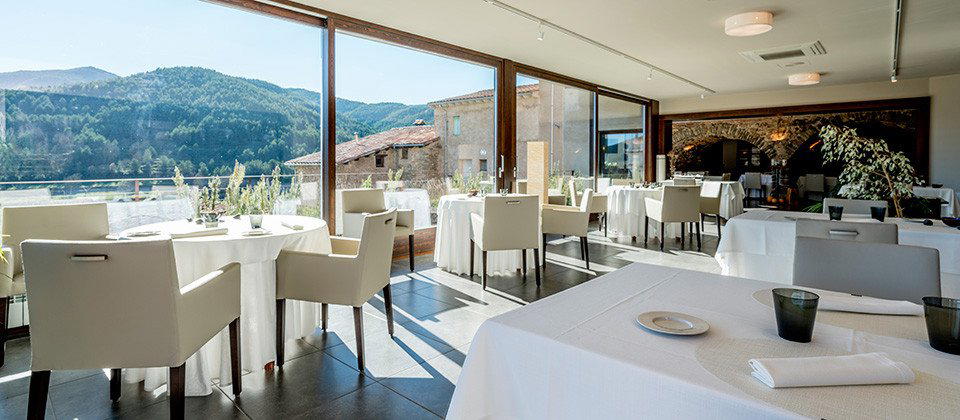
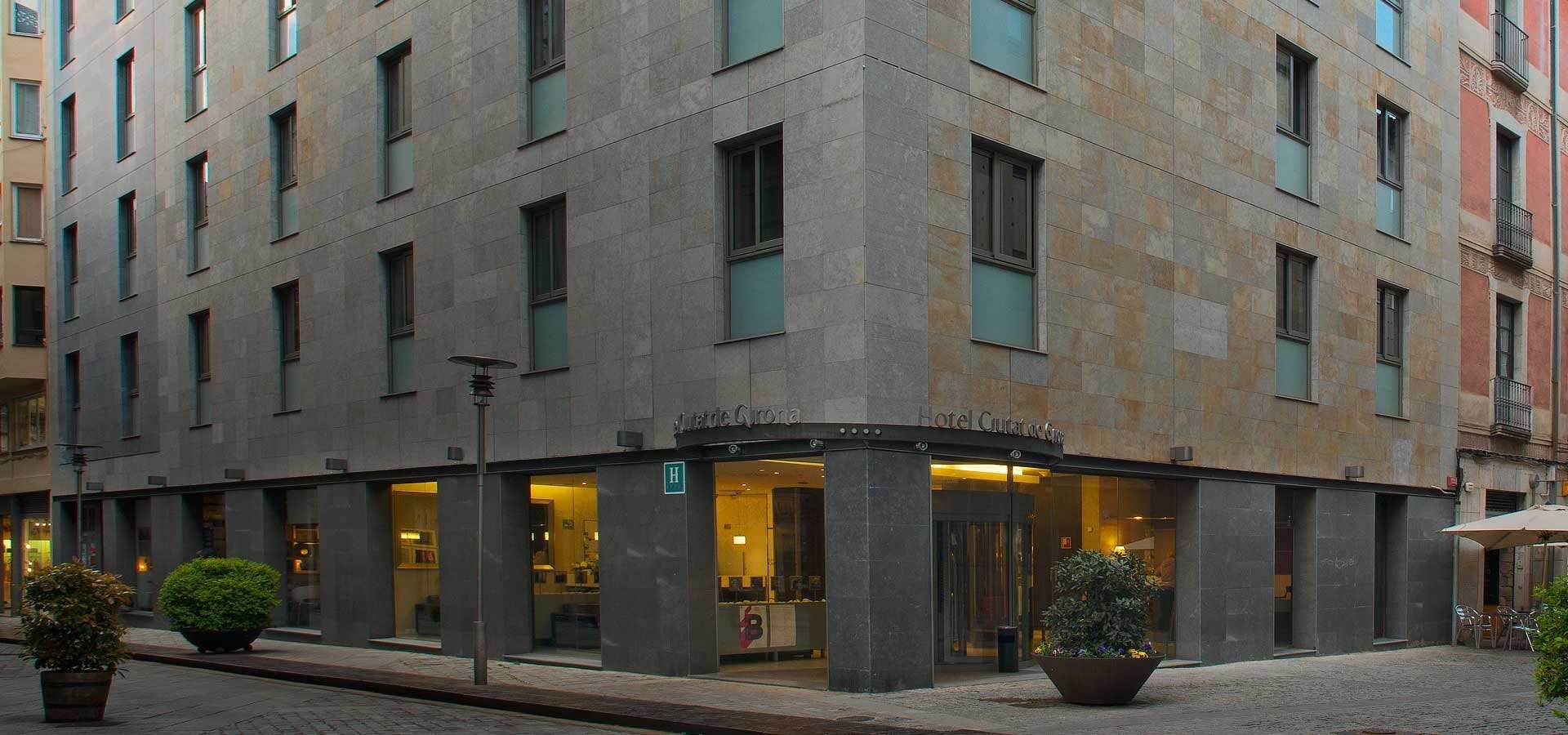
Plaça del Carme is a quiet square in Camprodon's medieval core, the kind of place where afternoon light cuts between stone buildings and the only real noise is conversation spilling from restaurant doorways. Cal Marquès occupies the ground floor of Hostal La Placeta here, and its setting says something before any food arrives: this is a kitchen rooted in a specific geography, not a restaurant that happens to be in the mountains.
Camprodon sits at roughly 950 metres in the Ripollès comarca, a valley town in the Pyrenees that the region's hikers, families, and weekend visitors from Barcelona know well but that rarely appears on the international dining circuit. That relative obscurity is precisely what gives the cooking at a place like Cal Marquès its character. High-altitude Catalan cuisine operates under different conditions than the coastal or urban versions: shorter growing seasons, pastured livestock, and a culinary tradition that prizes preservation and slow preparation. The kitchen here works inside those constraints rather than against them.
The Menu as Regional Map
Catalan cuisine has never been a small-plates tradition in the way that Basque pintxos or Andalusian tapas culture defines those regions. Its grammar is closer to a series of distinct courses built on produce hierarchies, where the quality of a single ingredient, lamb, mushroom, or dried legume, carries the weight that technique might elsewhere. Cal Marquès follows that structure. The traditional Catalan menu reads as a sequence of regional producers and seasonal produce from the surrounding area, with the Ripollès lamb as its centrepiece.
The lamb is significant in a way that goes beyond menu positioning. Ripollès lamb comes from a local family farm, meaning the supply chain is short enough to be verifiable and the product consistent with what local markets would recognise. In a region where pastured livestock has been integral to mountain farming for centuries, serving that lamb is less a marketing decision than an accurate representation of the local food economy. Spain's haute cuisine conversation at the three-star level, places like El Celler de Can Roca in Girona, Arzak in San Sebastián, or Azurmendi in Larrabetzu, is built partly on that same principle of hyper-local sourcing rendered in technically sophisticated form. At Cal Marquès, the expression is more direct and the price point considerably lower, but the logic is the same.
Simbiosi: The Tasting Format
Beyond the traditional menu, the kitchen offers a tasting format called Simbiosi, framed around high-altitude cuisine. In contemporary Spanish dining, the tasting menu has become the primary vehicle for chefs to articulate a point of view: kitchens from Mugaritz in Errenteria to Aponiente in El Puerto de Santa María use extended sequences to build a coherent argument about place, process, or ingredient. Simbiosi is working on a smaller and more grounded register, but the ambition, to express a specific territory through a structured sequence, belongs to the same tradition.
The name itself is instructive. Symbiosis implies a relationship between two organisms that sustains both: in this context, presumably the relationship between the kitchen and the landscape it draws from. Whether that framing is fully realised in practice is a matter for the table, but it suggests the kitchen is thinking about its sourcing in relational rather than merely logistical terms.
The Michelin Plate recognition for both 2024 and 2025 positions Cal Marquès within the guide's quality tier below the star categories but above unrecognised local restaurants. The Plate signals that Michelin's inspectors found cooking of consistent quality and good ingredients; it does not imply the technical complexity or conceptual ambition of starred kitchens like DiverXO in Madrid or Cocina Hermanos Torres in Barcelona, nor should it be expected to.
Camprodon as Context
To understand the positioning of Cal Marquès, it helps to understand Camprodon itself. The town is the commercial and cultural centre of the Ripollès valley, with a Romanesque bridge that appears in every regional tourism image and a well-preserved medieval street plan. It draws a particular visitor: families on Pyrenean weekends, hikers in transit between valley towns, and Catalans for whom this part of the interior is familiar rather than exotic. The food culture here is not destination-dining in the international sense; it is regional cooking for people who know the region.
That context shapes what Cal Marquès is and what it is not. It is not competing with the Quique Dacosta or Martin Berasategui tier of Spanish dining, nor with the Barcelona Catalan tradition represented by 7 Portes. It sits at the €€ price range, making it accessible for multi-course meals without the financial commitment of a tasting-menu evening at a starred restaurant. For visitors to Camprodon seeking cooking that reflects the valley rather than importing a style from elsewhere, the offer is coherent and the credentials are documented.
That kind of rating, sustained across a significant volume, indicates reliability rather than occasional brilliance.
Visiting Cal Marquès
Cal Marquès is at Plaça del Carme, 9 in the centre of Camprodon, on the ground floor of Hostal La Placeta, which means accommodation and dining share the same address for those staying in the hostal. The €€ price positioning places it in the mid-range for Spanish regional dining, accessible for both the traditional à la carte menu and the Simbiosi tasting format. For those planning a Pyrenean itinerary, it is worth treating the visit as part of a wider exploration of the Ripollès region rather than a standalone destination. Our full Camprodon restaurants guide covers the broader dining picture in the valley, while our Camprodon hotels guide, bars guide, wineries guide, and experiences guide round out the planning. For comparison with Catalan cooking as it translates to a different latitude, B44 in San Francisco offers an interesting counterpoint, and for the Atrio in Cáceres parallel of serious regional cooking in a historic town setting, that comparison is worth making before you go.
Frequently asked questions
Is Cal Marquès good for families?
The €€ price range keeps it accessible for multi-generational groups, and Camprodon is a town well practised in receiving family visitors year-round. The Ripollès lamb dishes are straightforward enough for younger diners, while the Simbiosi tasting format gives adults a more composed option at the same table.
What's the overall feel of Cal Marquès?
Cal Marquès is a grounded, place-specific restaurant rather than a destination-dining exercise. Situated on the ground floor of Hostal La Placeta on Camprodon's medieval Plaça del Carme, it holds two consecutive Michelin Plates (2024–2025) while keeping its price point at €€, which signals kitchen ambition without the formality that usually accompanies it.
Is Cal Marquès Michelin-listed?
Cal Marquès has received recognition including: Cal Marquès is located in the historic centre of Camprodon, one of the prettiest towns in the Ripollès region. Here, on the ground floor of Hostal La Placeta, you will find a traditional Catalan-inspired menu with its roots firmly within th….
What should I order at Cal Marquès?
The Ripollès lamb is the clearest signature: sourced from a local family farm, it appears across both the traditional Catalan menu and the Simbiosi tasting format. If your schedule allows, the Simbiosi menu is the more considered way to read the kitchen's high-altitude approach across multiple courses.
Side-by-Side Snapshot
| Venue | Cuisine | Price | Awards |
|---|---|---|---|
| Cal MarquèsThis venue — the venue you are viewing | Creative Catalan | $50–100 | Michelin Plate |
| Aponiente | Progressive - Seafood, Creative | Not listed | Michelin 3 Star |
| Arzak | Modern Basque, Creative | Not listed | Michelin 3 Star |
| DiverXO | Progressive - Asian, Creative | Not listed | Michelin 3 Star |
| El Celler de Can Roca | Progressive Spanish, Creative | Not listed | Michelin 3 Star |
| Quique Dacosta | Creative | Not listed | Michelin 3 Star |
Recognition history
Dated appearances from independent guides and award organizations, with the underlying list record or original source where available.
Michelin Plate
Michelin
Full recognition history (3 entries)
Michelin Plate
Michelin
Michelin Plate
Michelin
Continue exploring
More in Camprodon
Restaurants in Camprodon
Browse all →
Bars in Camprodon
Browse all →
Hotels in Camprodon
Browse all →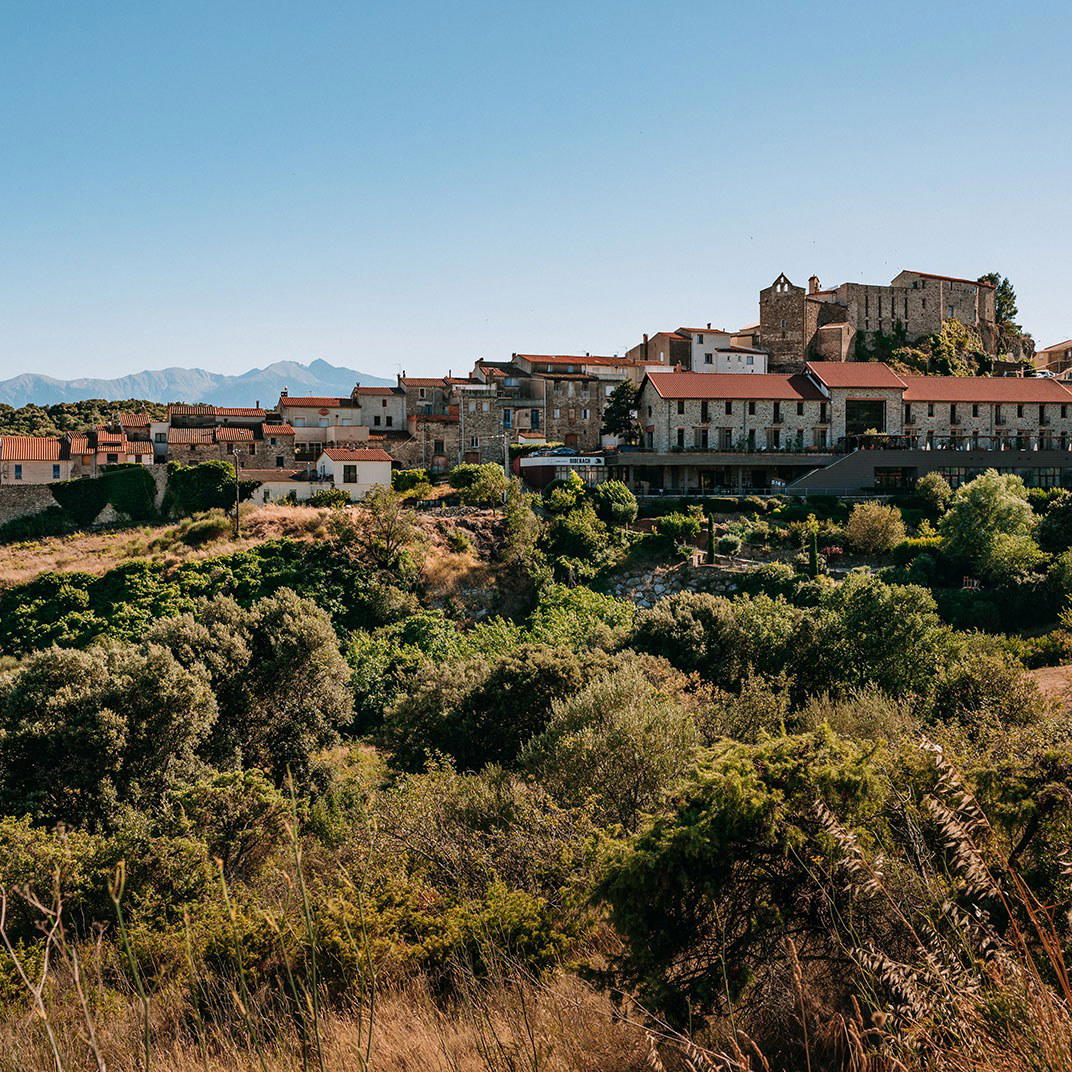

Cal Marquès
The wine
- Wine program
- Curated wine list
- Extensive wine list
Details
- Cozy
- Elegant
- Rustic
- Intimate
- Date Night
- Special Occasion
- Historic Building
- Extensive Wine List
- Local Sourcing
- A La Carte
- Tasting Menu
- Gluten Free Options
Current opening hours
- Monday
- Closed
- Tuesday
- 1–3:30 p.m.
- Wednesday
- 1–3:30 p.m.
- Thursday
- 1–3:30 p.m.
- Friday
- 1–3:30 p.m.
- Saturday
- 1–3:30 p.m., 8–9:15 p.m.
- Sunday
- Closed
Hours can change for holidays and private events. Last verified .
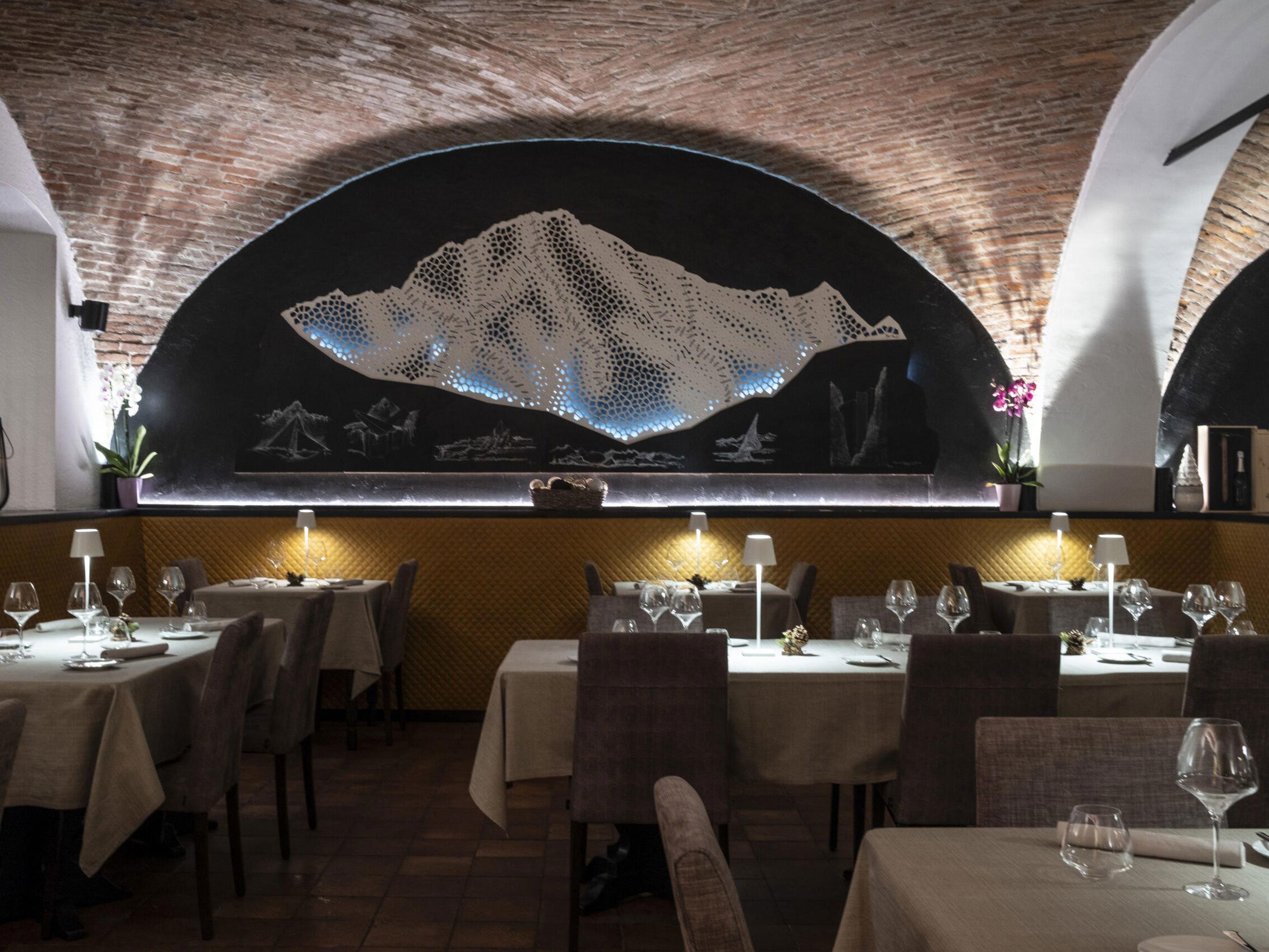
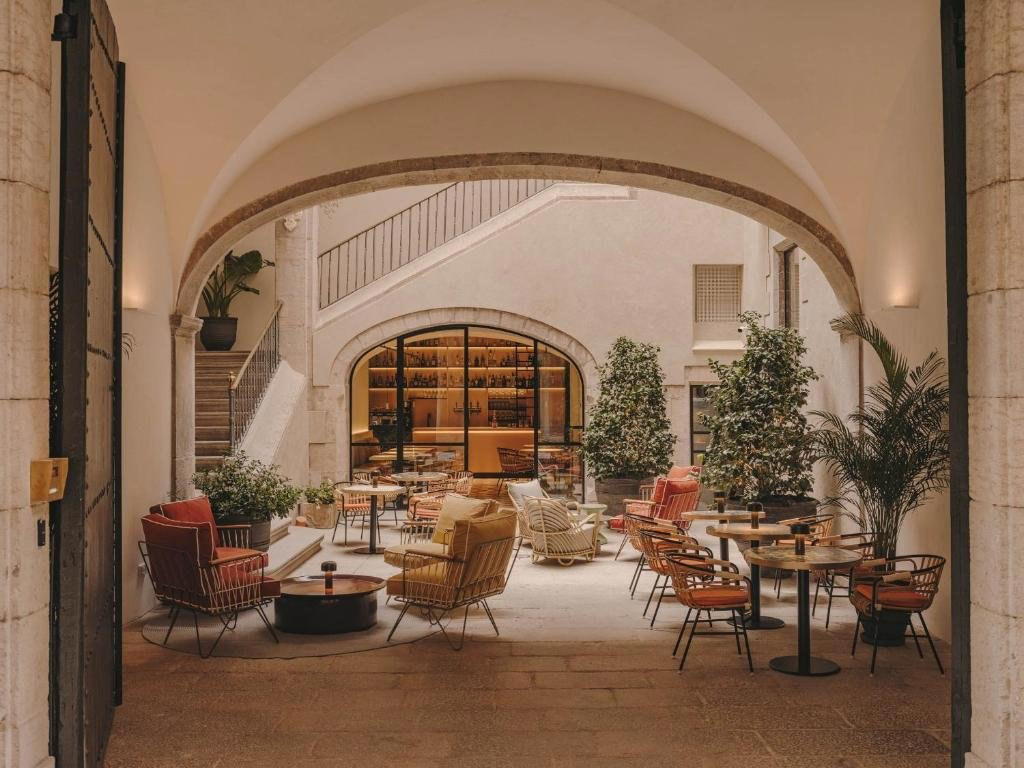
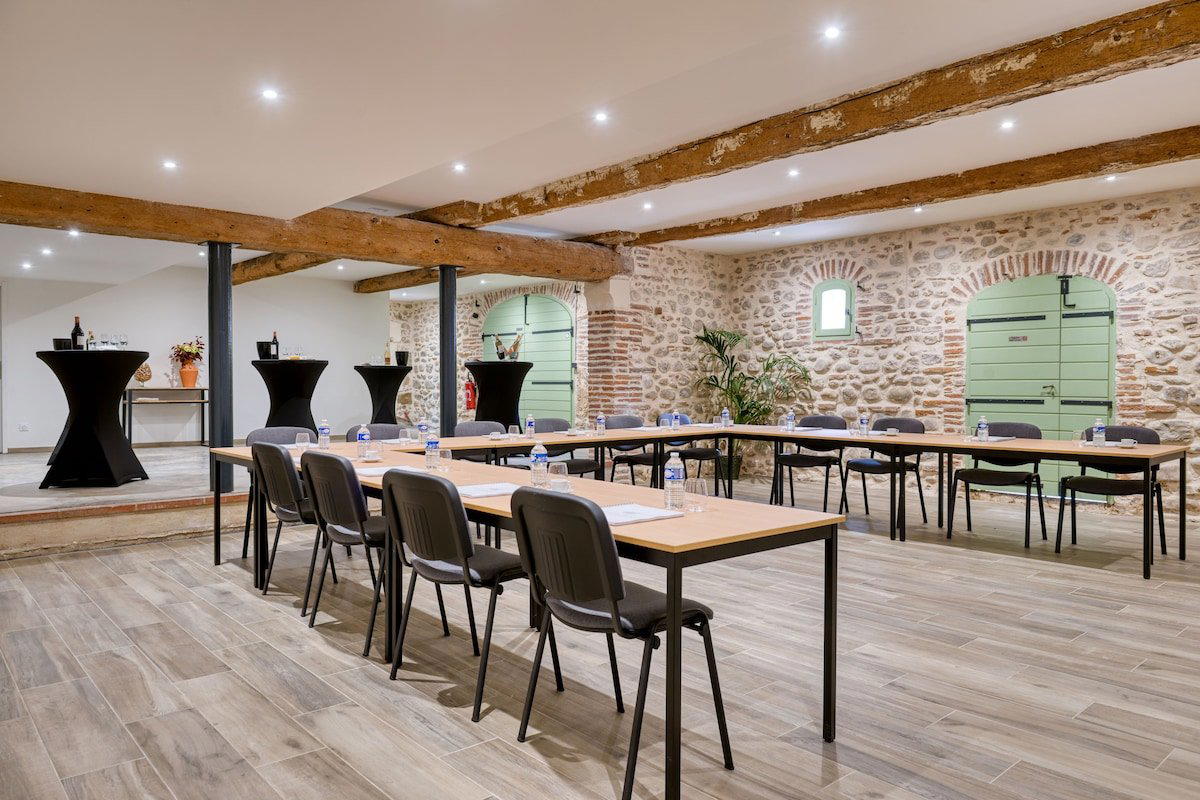
Cozy and spacious with stone walls, nice ambient music, and a welcoming atmosphere.