
Michelin Selected
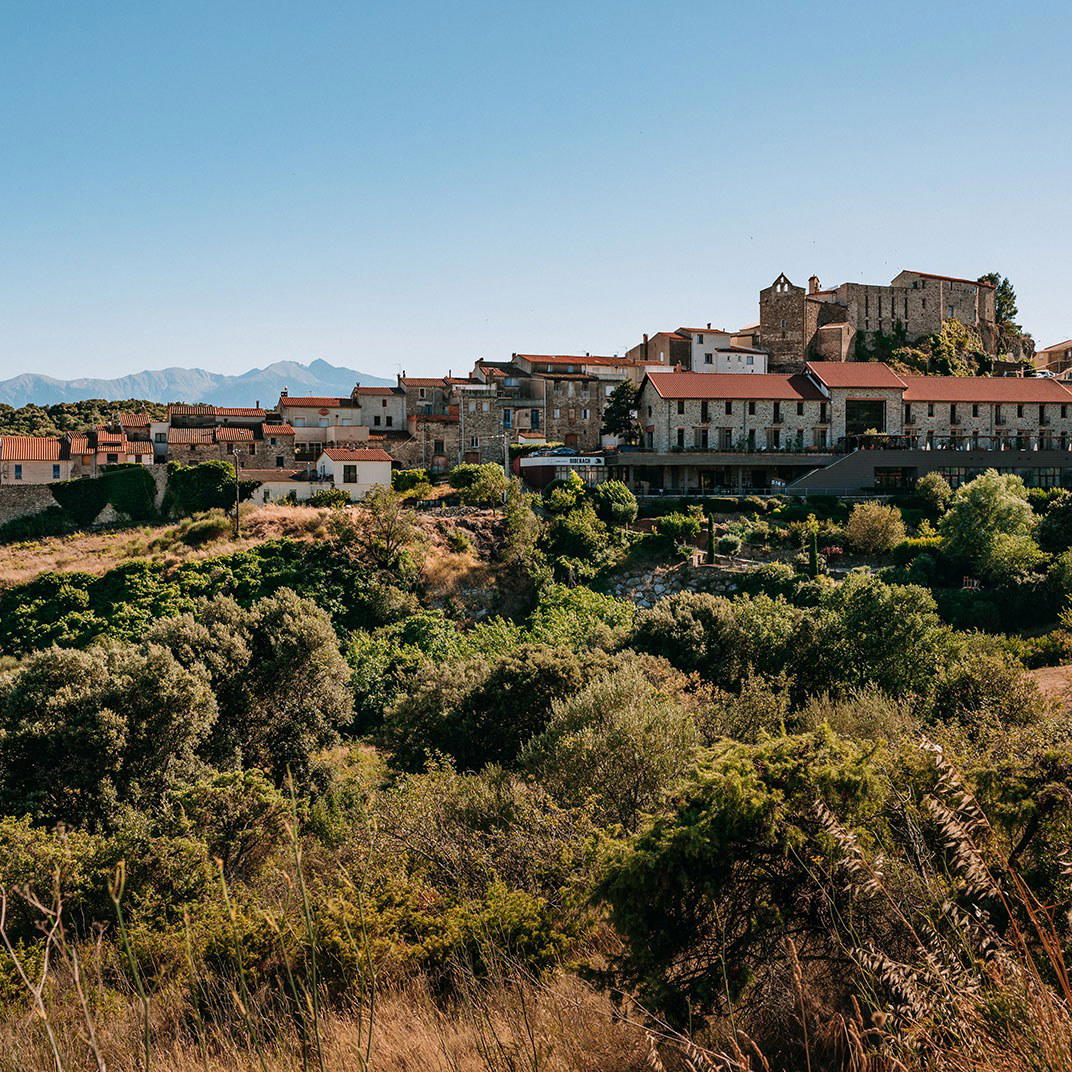
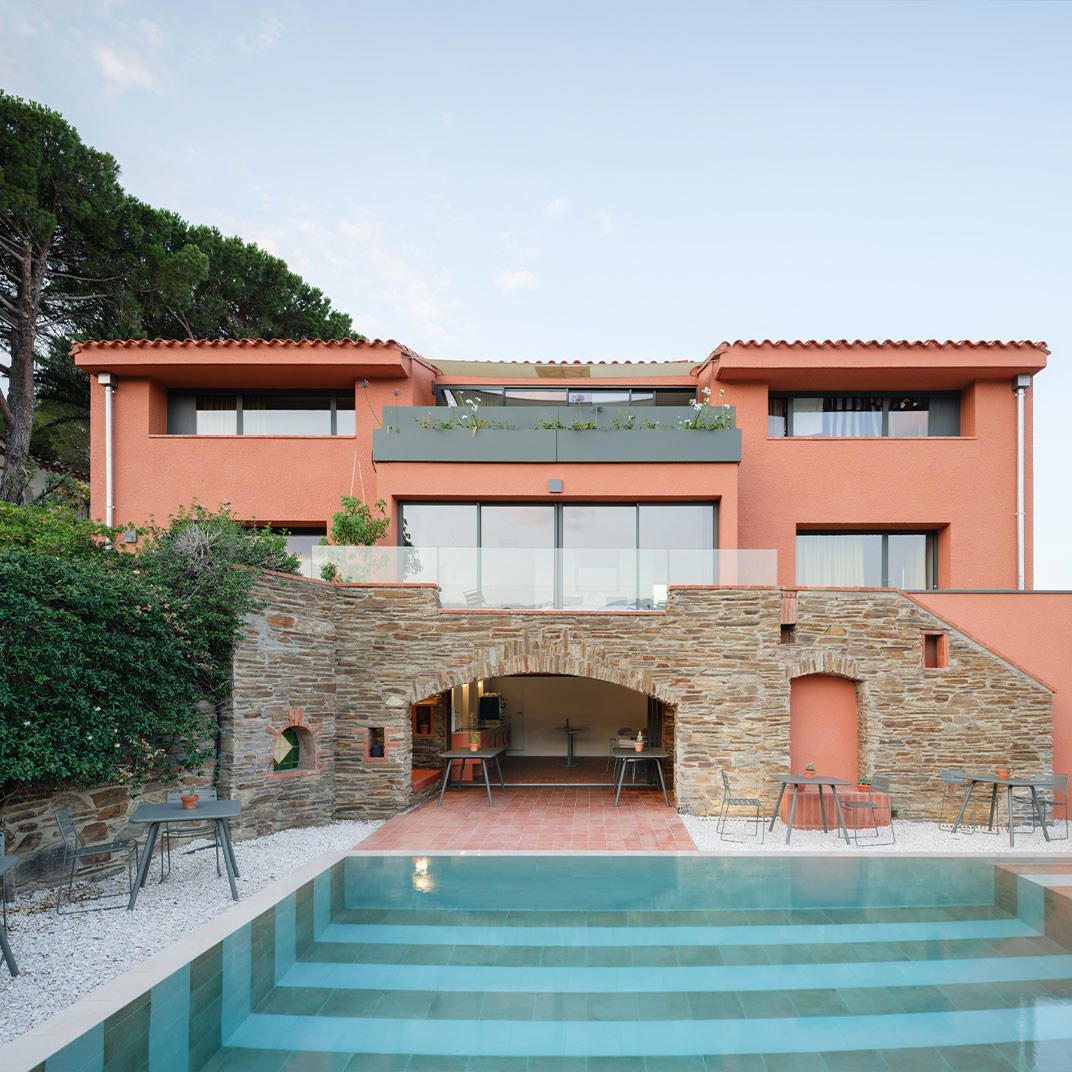
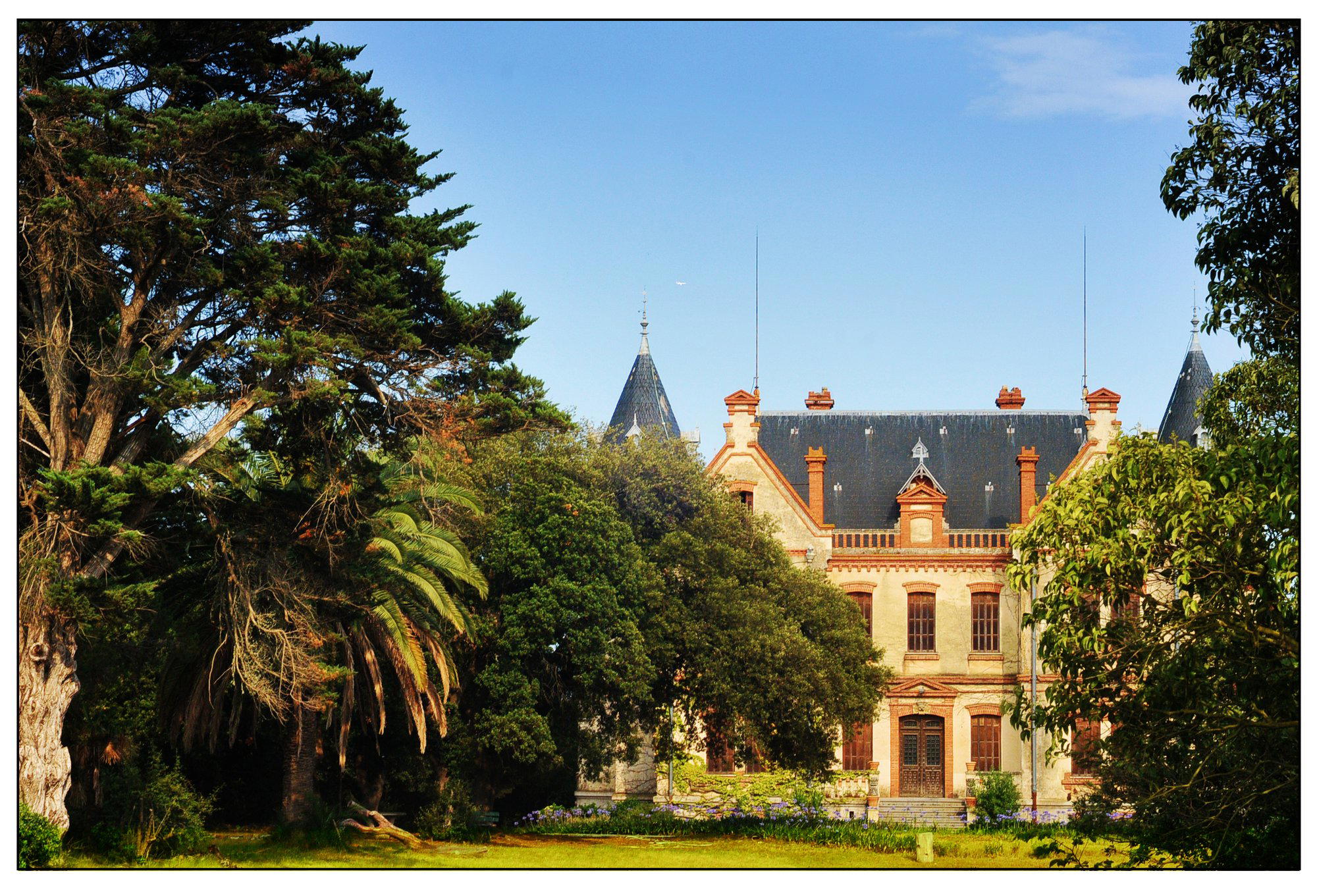
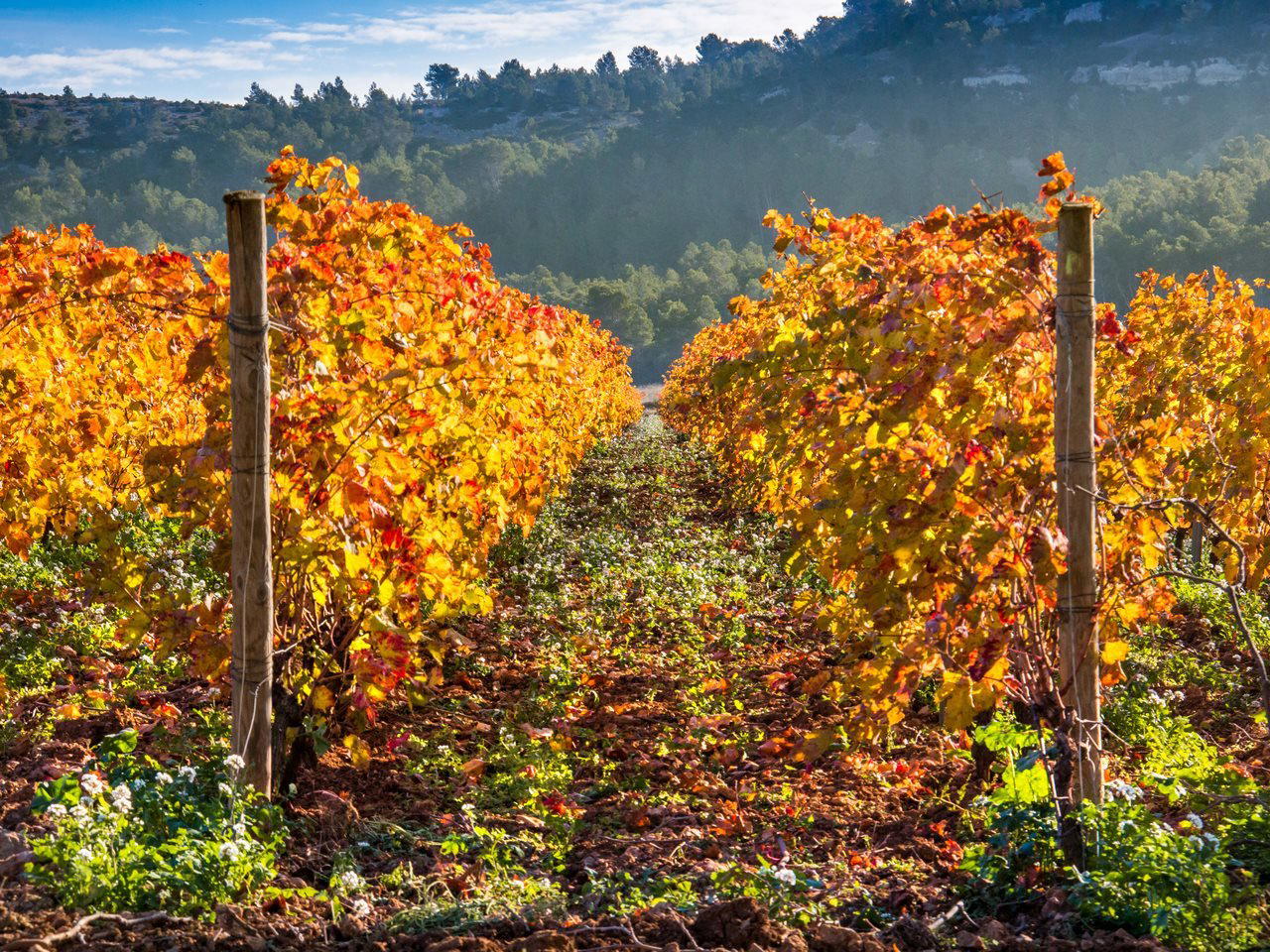
A Michelin Selected property in the Fenouillèdes foothills, Domaine Riberach occupies a restored wine estate on the edge of the medieval village of Bélesta. The conversion balances exposed stone and contemporary architecture against a backdrop of Roussillon vineyards. It sits in the smaller tier of destination wine-country retreats that pair serious winemaking with considered hospitality.

Pearl is the En Primeur Club membership app — saves, bookings, and concierge access live there. Same editors, same standards.
- Address
- 2 Route de Caladroy, 66720 Bélesta, France
- Phone
- +33 4 68 50 30 10
- Website
- riberach.com
- Directions
- Get directions
Stone, Vine, and the Architecture of Roussillon's Wine Country
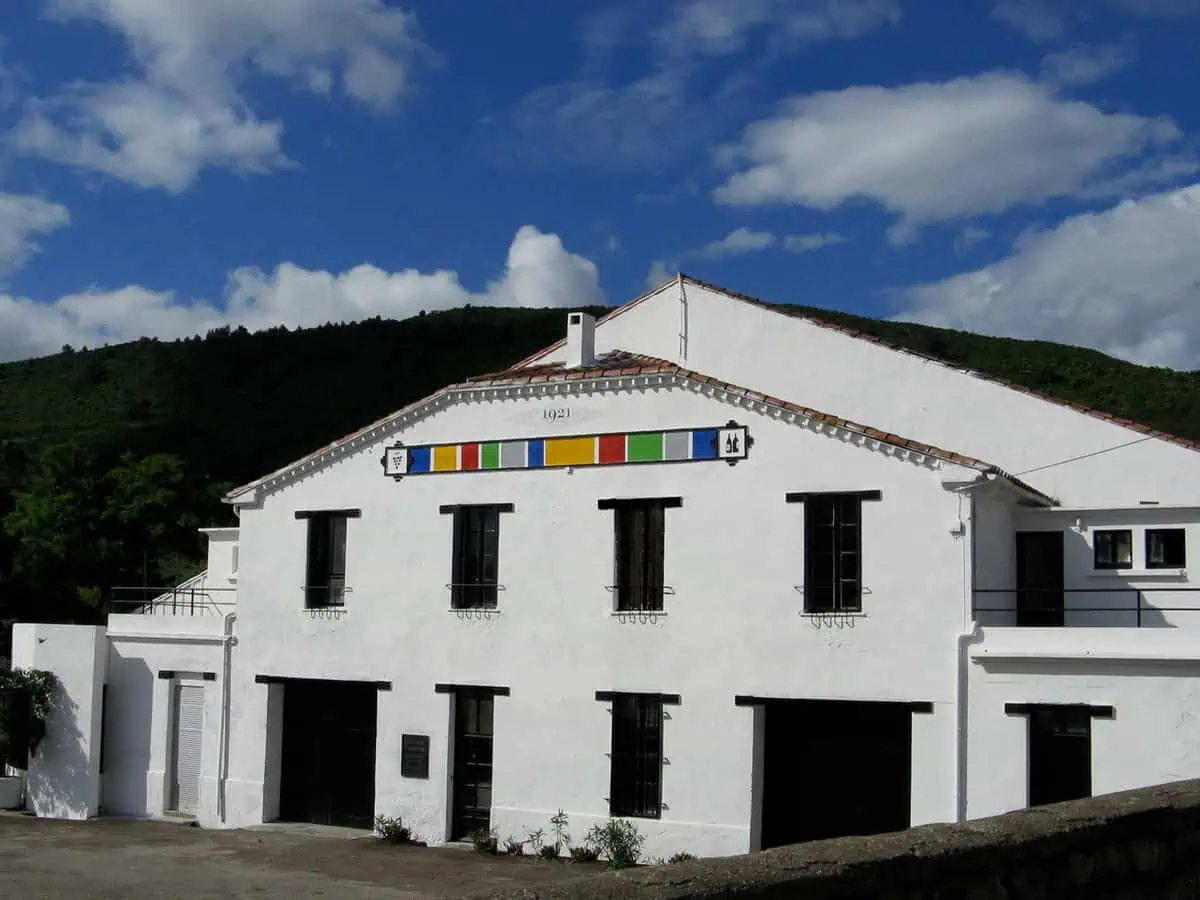
The road into Bélesta from the Agly valley rises through scrubland and dry-stone terraces before the village announces itself as a compact medieval settlement against the Fenouillèdes hills. This is not Provence's manicured corridor, nor the well-worn Languedoc circuit that funnels visitors between Montpellier and Carcassonne. Roussillon occupies a geographically distinct position, pressed against the Pyrenees and the Spanish border, with a wine culture that has historically operated at a remove from the appellation prestige of the Rhône or Bordeaux. Domaine Riberach sits in this context, a converted wine estate at the address of 2 route de Caladroy on the edge of Bélesta, and its architectural logic reflects where it is rather than what it might want to signal.
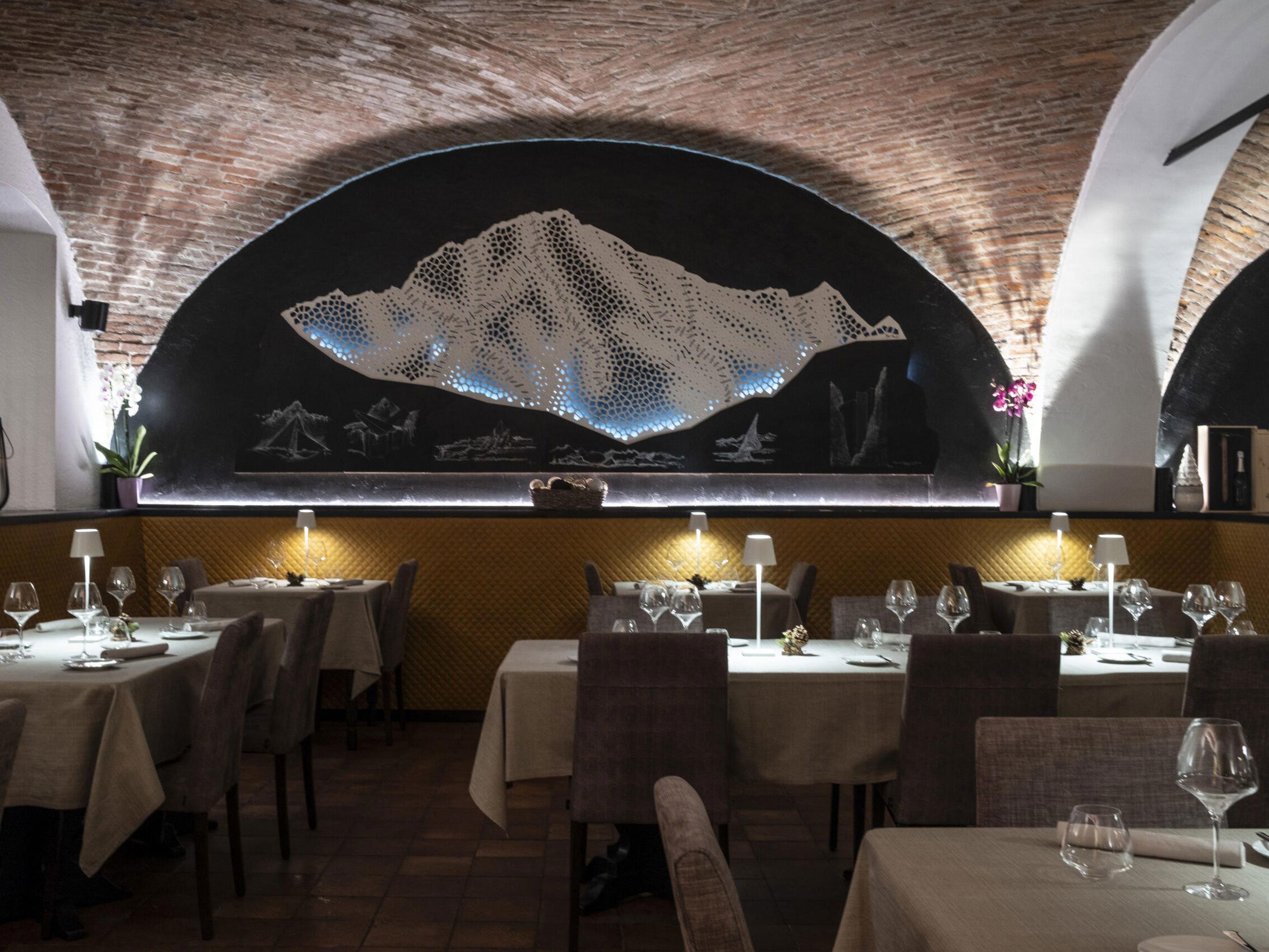
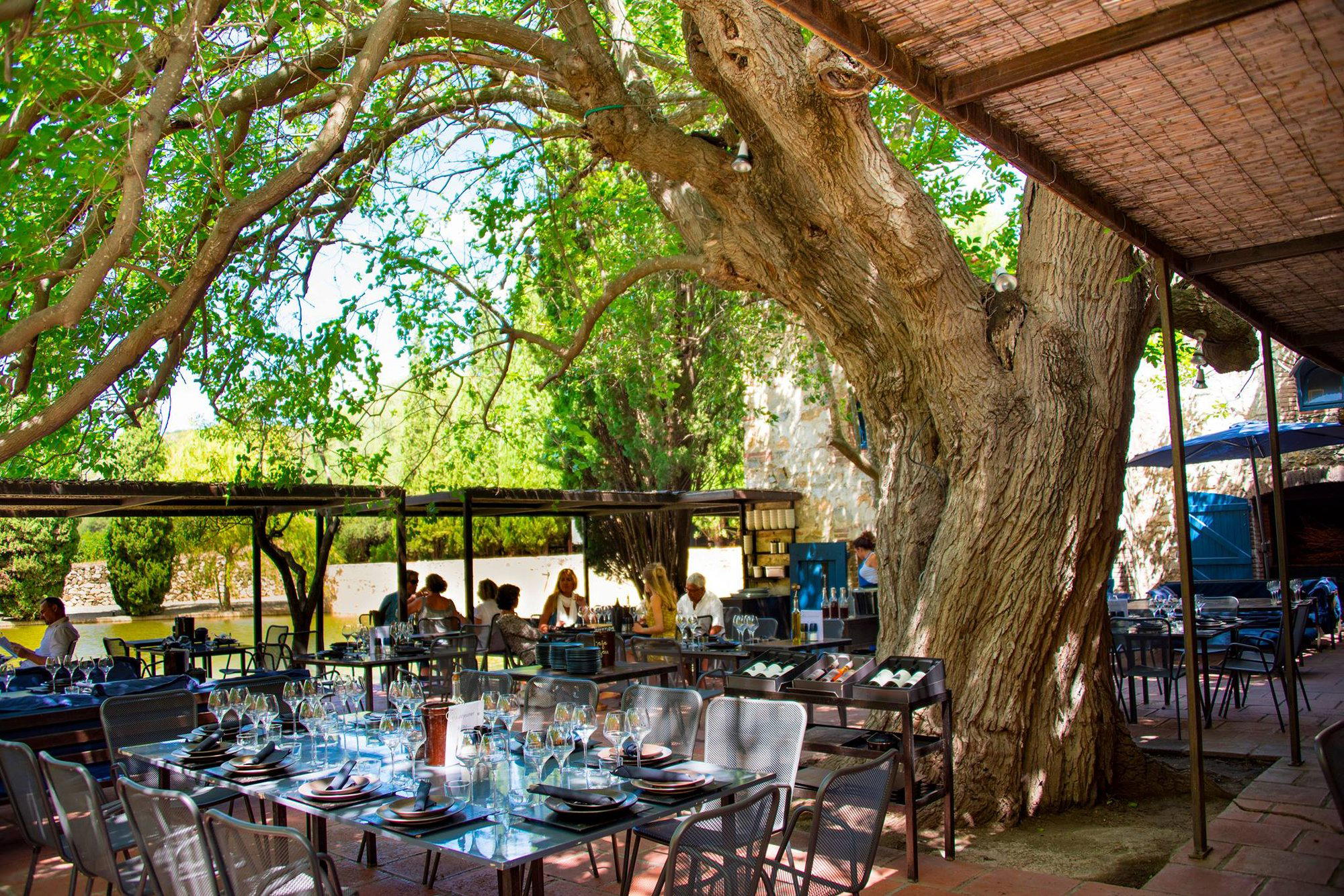
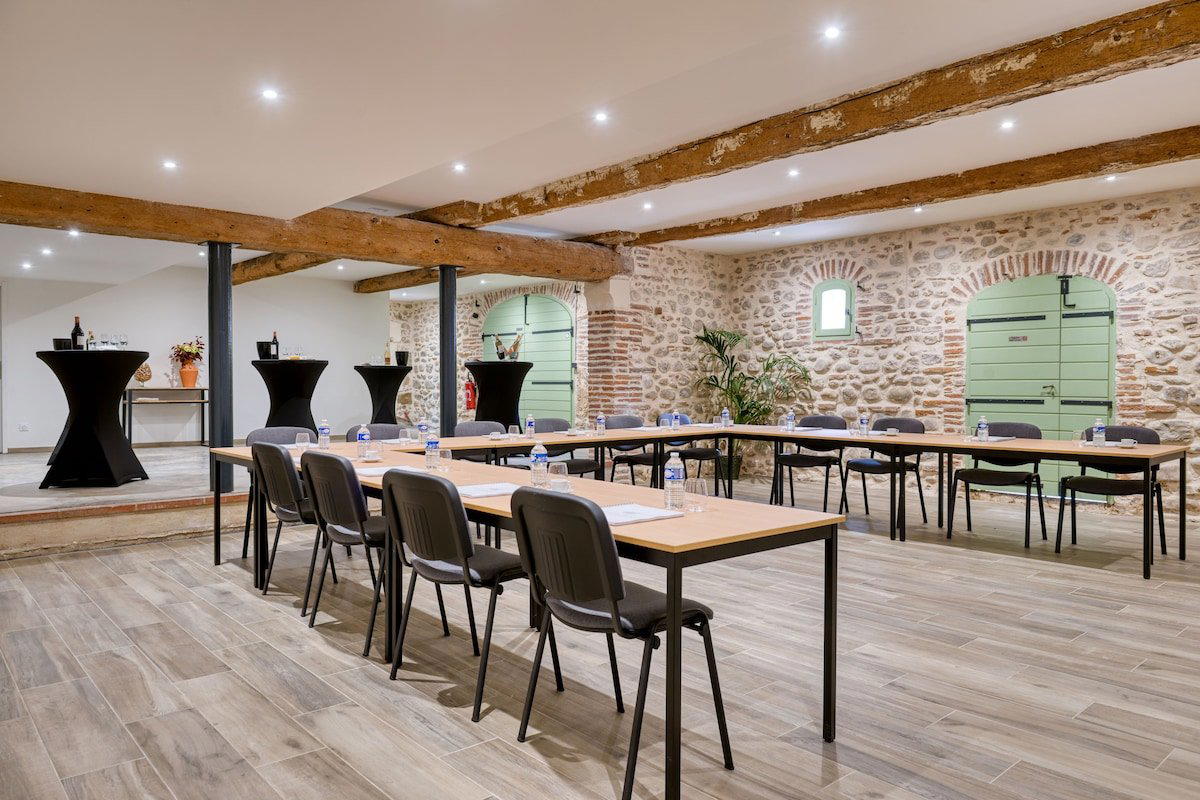
The conversion of agricultural estates into luxury lodging has become a recognisable format across southern France, from the vines of Saint-Émilion to the olive groves of Les Alpilles. What distinguishes the more considered examples in this category is not the investment in materials alone, but the degree to which the original structure is allowed to read through the finished product. At Riberach, the defining quality is that tension between the existing stone fabric of a working wine domaine and the clean-lined contemporary insertions that give the property its current function. Exposed rubble masonry, the kind that records centuries of agricultural repair rather than any single design moment, sits alongside the sort of stripped-back interior vocabulary that European hospitality design has increasingly adopted over the past decade.
A Michelin Selection and What It Signals
Domaine Riberach carries a Michelin Selected distinction in the 2025 edition of the Michelin Hotels guide, placing it in the category of properties the guide considers worth a specific recommendation rather than incidental mention. The Michelin Hotels selection operates on different criteria from the restaurant star system, but the recognition functions as a meaningful peer reference: it places Riberach in a French wine-country cohort that includes Les Sources de Caudalie in Bordeaux and Villa La Coste in Le Puy-Sainte-Réparade, properties where accommodation, landscape, and wine production are integrated rather than separately offered.
The Michelin Selected tier, as applied to wine-country estates, tends to reward the coherence of the proposition over individual flash points. A property like Royal Champagne Hotel and Spa in Champillon earns its recognition partly through its position above the Marne valley, with the Champagne appellation as both view and context. Riberach functions on similar logic: the Roussillon landscape and the estate's own production are not backdrop elements but the substantive reason to be there.
The Physical Space as Editorial Argument
Wine estate conversions in southern France have split into two broad approaches over the past fifteen years. The first grafts contemporary luxury infrastructure, spas, pools, curated food programs, onto historic farm buildings with enough intervention that the agricultural origin reads as atmosphere rather than function. The second approach, less common, attempts to keep the winemaking operation legible as the property's primary identity, with the hospitality elements arranged around it. Riberach occupies the second category. The cellar and production spaces that define the original domaine are not hidden behind the hotel function; they remain part of how the property presents itself, which shapes both the architectural experience and the type of guest the property draws.
For comparison, properties like La Bastide de Gordes or Baumanière Les Baux-de-Provence represent the more established Provençal model, where the estate identity is largely absorbed into the hospitality product. Riberach, operating in a region without that accumulated luxury tourism infrastructure, has less of that gravitational pull toward the decorative, which gives the property a different texture. The stone buildings, the functional wine infrastructure, and the surrounding garrigues impose a material honesty that more developed destinations sometimes lose.
Placing Bélesta in the Broader Southern France Map
Visitors arriving at Riberach typically do so as part of a wider Roussillon or Catalan foothills itinerary rather than a direct long-haul trip. The estate lies roughly forty minutes from Perpignan, which has TGV connections to Paris. For travellers building a longer southern arc, Riberach functions as a natural counterpoint to the coast-heavy itineraries of the Côte Vermeille or the Languedoc wine town circuit. It sits in a different register from the polished resort model of Hotel du Cap-Eden-Roc or the Riviera luxury of The Maybourne Riviera, and that distance from the coastal luxury circuit is partly what gives it its positioning logic.
Regionally, Riberach belongs to a small group of Roussillon properties that have invested in hospitality as a serious secondary activity to wine production, a category that has expanded notably since the early 2010s as the appellation's international profile has grown. This is not a volume market; the individual estates operating at this level are few, and the combined effect is a wine-tourism circuit that rewards prior research. Travellers who have visited Hôtel Chais Monnet in Cognac or Château de la Gaude in Aix-en-Provence will recognise the format, if not the specific terroir logic.
For context on the broader French luxury hotel range, the EP Club catalogue covers properties from Le Negresco in Nice to Hôtel du Palais in Biarritz, Casadelmar in Porto-Vecchio, and La Ferme Saint-Siméon in Honfleur, which collectively illustrate how varied France's premium accommodation tier has become beyond the Paris palace category. Riberach is positioned furthest from the palace end of that range, and closest to the domain-estate model that places wine, landscape, and architectural integrity above service theatre. Other comparative references in the mountain and spa tier include Le K2 Palace in Courchevel, Four Seasons Megève, and Domaine Les Crayères in Reims, each anchored to a specific landscape identity in the way Riberach is to the Fenouillèdes. See also Château du Grand-Lucé and La Réserve Ramatuelle for further examples of the estate-conversion format across different French regions.
Planning a Stay
Domaine Riberach is located at 2 route de Caladroy, Bélesta, in the Pyrénées-Orientales département. The nearest major rail hub is Perpignan, served by TGV from Paris Gare de Lyon; a hire car is the practical requirement for reaching Bélesta itself and for moving across the surrounding wine country. The estate sits within reach of the Roussillon appellations, including Maury, Rivesaltes, and Côtes du Roussillon Villages, making it a useful base for anyone whose itinerary includes winery visits alongside accommodation. The Michelin Selected status for 2025 indicates a current, reviewed listing. Advance booking is advisable, particularly for the warmer months when the Fenouillèdes and Catalan foothills draw visitors from across the region.
Comparable Spots, Quickly
Comparable venues nearby, for context on price, style, and recognition.
| Venue | Cuisine | Price | Awards | Notes |
|---|---|---|---|---|
| Domaine RiberachThis venue — the venue you are viewing | Contemporary luxury ecolodge blending industrial heritage architecture with modern design, emphasizing environmental responsibility and wine tourism. | Not listed | Michelin Selected | Not listed |
| Le Jeu de Paume Chamonix | Alpine chalet with Parisian heritage, blending traditional Savoyard architecture with contemporary luxury and eco-conscious design principles. | $100–200 | Michelin Selected | Lavancher |
| Hotel La Trêve | Chic apartment-style boutique hotel blending Parisian residential charm with full-service 4-star amenities. | $500–750 | Not listed | 7th arrondissement |
| Sofitel Ajaccio | Modern luxury beach resort in harmony with nature | $300–500 | Michelin Selected | Porticcio |
| Hôtel Restaurant En Marge | Renovated 19th-century farmhouse with modern luxury touches in a verdant rural setting. | Not listed | Relais Chateaux Award | Aureville |
| Rock Noir | Contemporary Alpine chalet | Not listed | Michelin Selected | La Salle-les-Alpes |
Recognition history
Dated appearances from independent guides and award organizations, with the underlying list record or original source where available.
Michelin Selected
Michelin
Continue exploring
More in Bélesta
Hotels in Bélesta
Browse all →
Bars in Bélesta
Browse all →
Restaurants in Bélesta
Browse all →
Details
- Romantic
- Scenic
- Quiet
- Elegant
- Sophisticated
- Romantic Getaway
- Wellness Retreat
- Destination Wedding
- Historic Building
- Design Destination
- Panoramic View
- Garden
- Terrace
- Destination Spa
- Wi Fi
- Pool
- Spa
- Restaurant
- Sauna
- Bicycle Rental
- Vineyard
- Garden
- Mountain
- Wheelchair Accessible
- Accessible Restroom
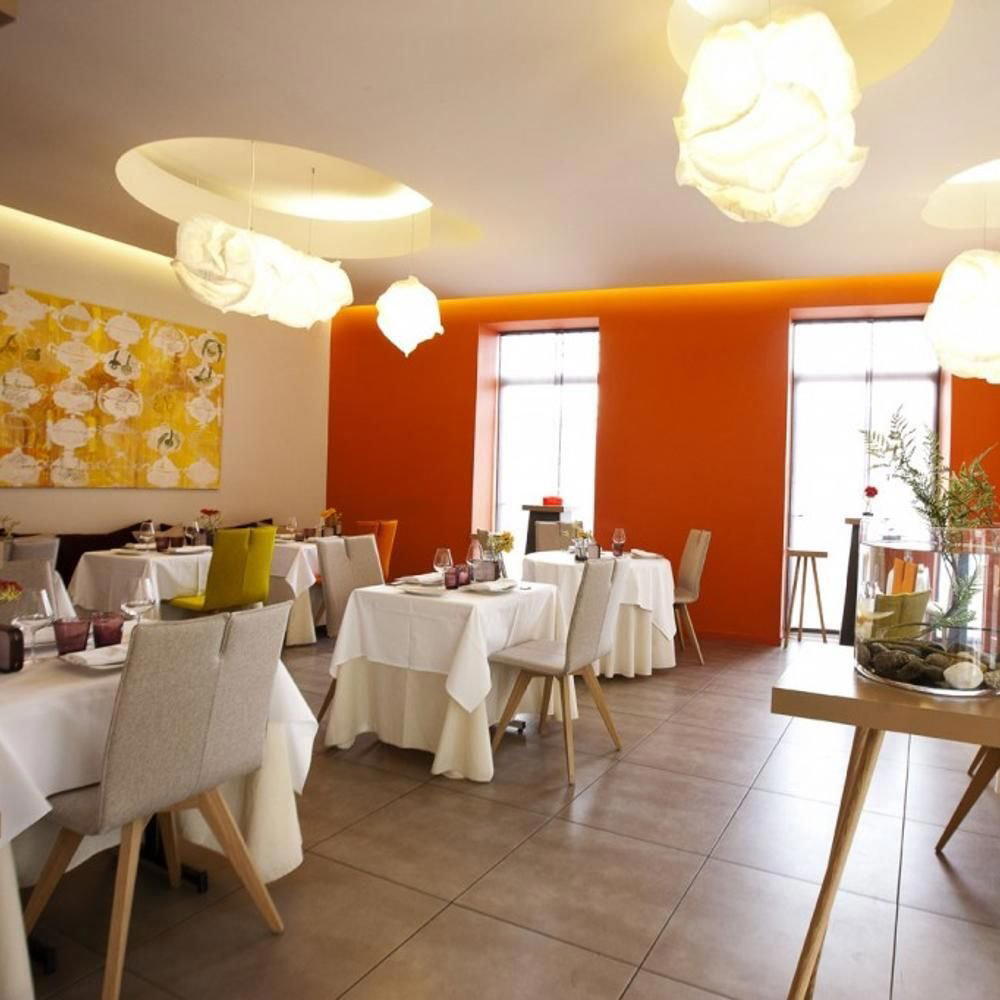
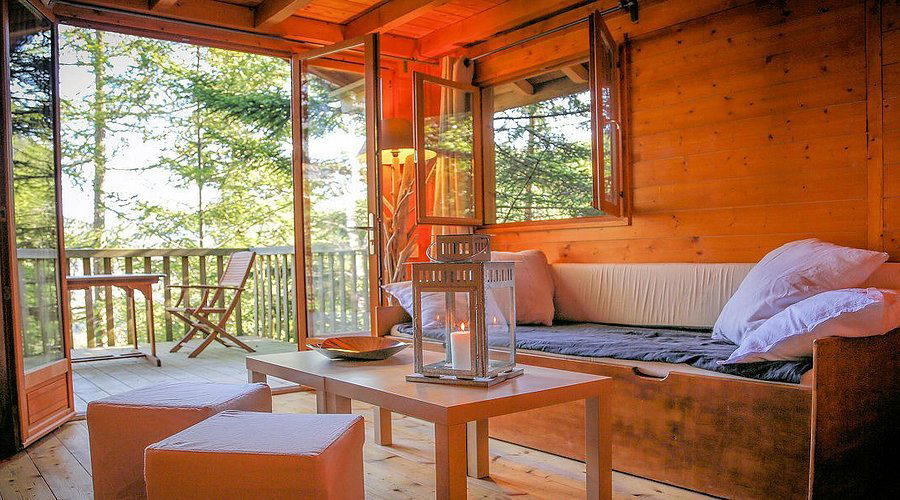
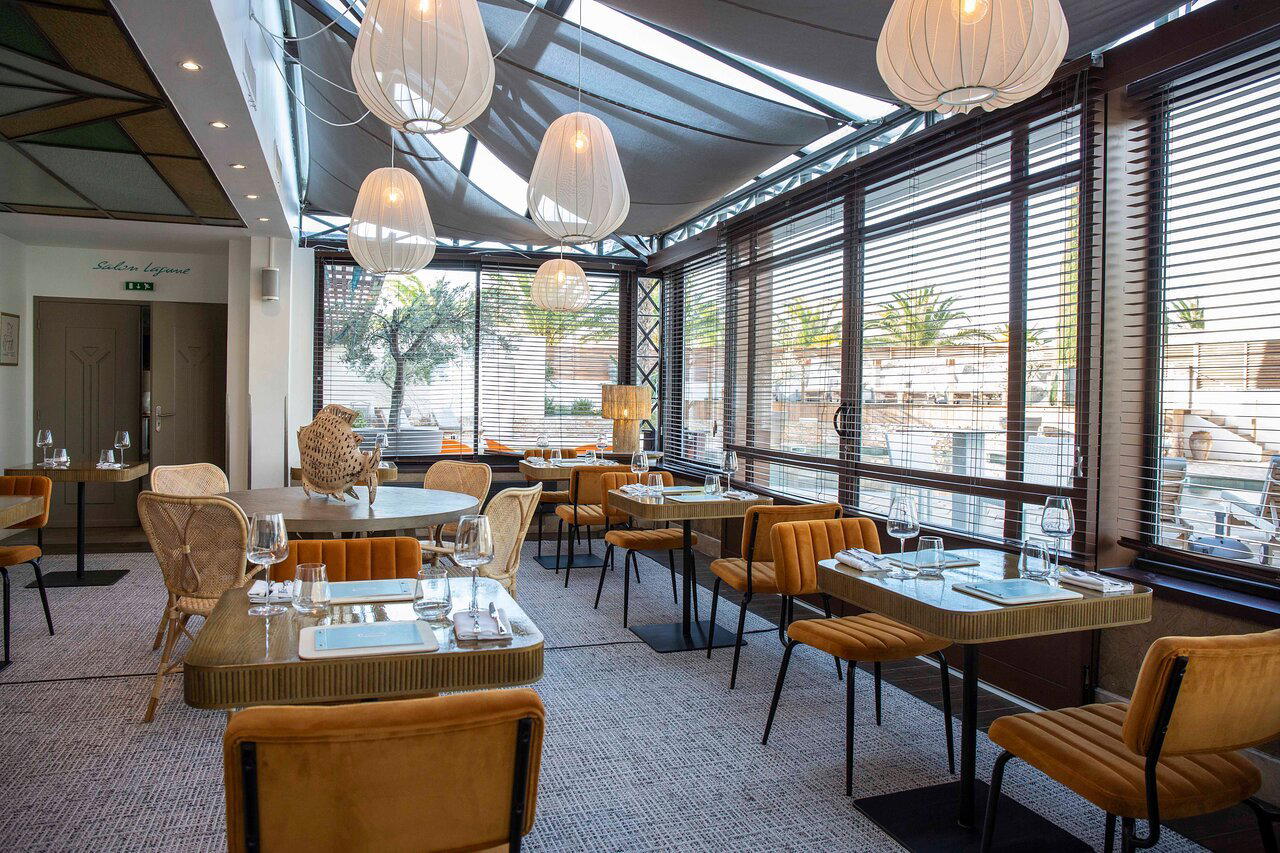
Contemporary industrial-meets-natural aesthetic with slate floors, colorful walls, exotic furnishings, and panoramic terraces overlooking garrigue and vineyards; intimate and refined with character-driven design inspired by traveler aesthetics.