Positioned on Carrer del Nord in Girona's historic centre, Hotel Ciutat de Girona occupies a city that has become one of Catalonia's most discussed travel destinations, partly on the strength of its Michelin-starred restaurant scene and its medieval stone quarter. The hotel places guests within walking distance of the Onyar riverfront, the cathedral, and the Call, Girona's preserved Jewish quarter.
Pearl is the En Primeur Club membership app — saves, bookings, and concierge access live there. Same editors, same standards.
- Address
- Carrer del Nord, 2, 17001 Girona, Spain
- Phone
- +34 972 48 30 38
- Website
- hotelciutatdegirona.com
- Directions
- Get directions
 Saves & bookings on Pearl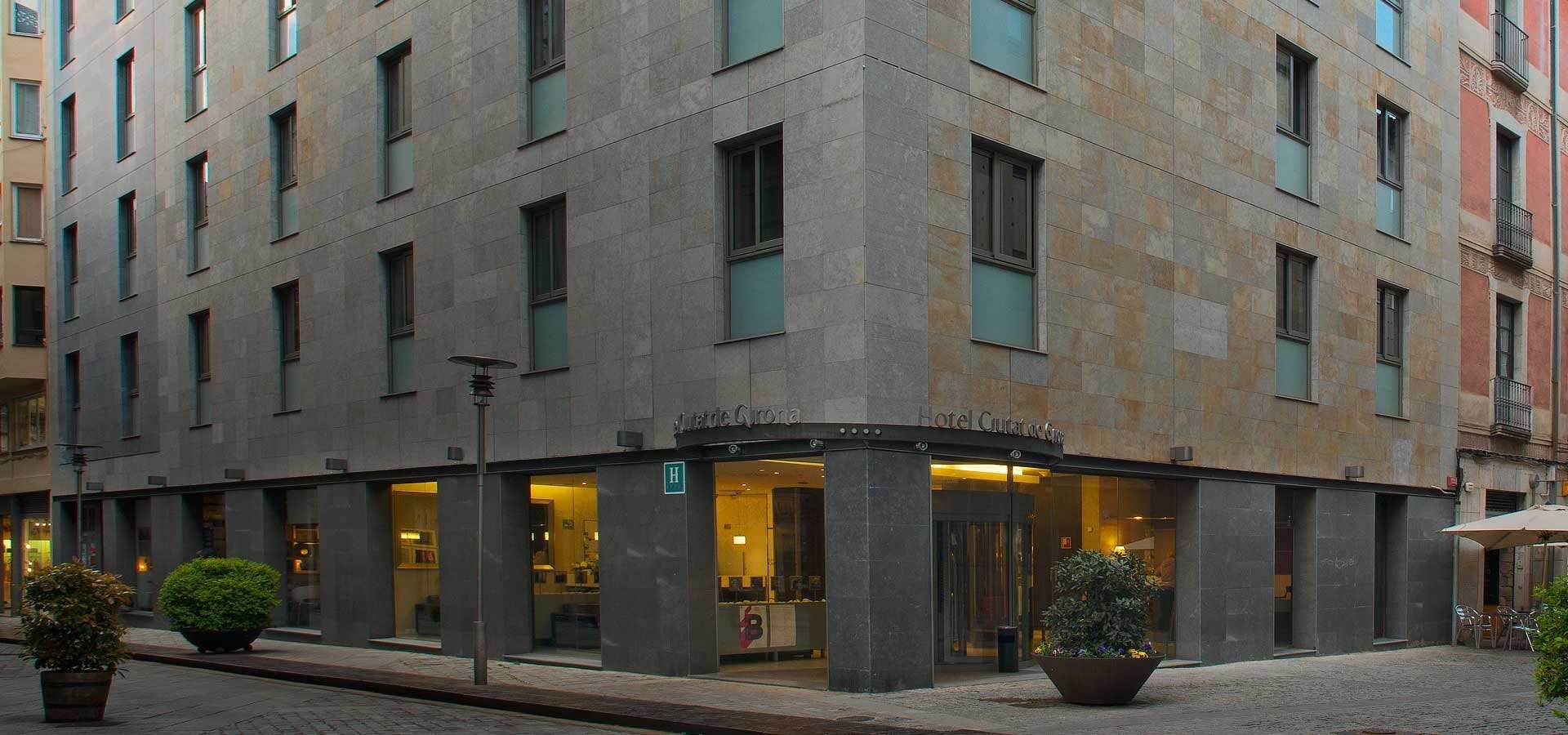
A City That Earns Its Own Visit
Girona has spent the last decade graduating from a day-trip detour off the Barcelona-to-France rail corridor into a destination that holds travellers for two or three nights on its own merit. That shift has been driven by several forces at once: the concentration of Michelin-starred restaurants in and around the city (El Celler de Can Roca held three stars for years and put the city on the international gastronomy map), a medieval centre that survived the twentieth century with unusual architectural coherence, and a growing hotel tier that has moved beyond the functional transit property. Hotel Ciutat de Girona, addressed at Carrer del Nord, 2, sits inside that upgraded category, occupying a position in the historic centre that few hotels in the city can match for proximity to the major stone landmarks.
For context on where Girona's hotel market has settled, consider the range: rural design properties outside the city walls, such as Hotel Mas Lazuli, offer countryside quietude at the cost of a drive into the centre; resort-scale operations like Camiral anchor around golf and spa infrastructure; while properties such as Hotel Esperit Roca and Hotel Palau Fugit sit closer to the high-design boutique bracket within the urban fabric. Hotel Ciutat de Girona occupies the urban-centre tier, where the primary asset is location density: the cathedral, the Arab Baths, the Onyar houses, and the Call are all reachable on foot without crossing a major road.
The Architecture of the Historic Centre
Carrer del Nord runs through the northern edge of Girona's Barri Vell, the old town that climbs the hillside above the Onyar river. The architectural character of this zone is defined by layered construction history: Roman foundations, medieval fortification walls, Baroque religious buildings, and nineteenth-century civic additions stack against each other in a way that makes almost any building in the quarter carry multiple centuries of material evidence. Hotels that occupy historic-centre addresses in Girona are working within a fabric that is protected and visually coherent in a way that distinguishes it from, say, the adaptive-reuse projects more common in coastal Catalonia.
The physical address on Carrer del Nord places the hotel at a point where the old town transitions between the commercial activity of the lower city and the quieter, more residential streets that climb toward the city walls. That positioning matters for the guest experience: the immediate street-level environment is less trafficked than the lanes immediately around the cathedral or the Rambla, while still being walkable to both. Within Spain's broader hotel market, properties that combine a genuine historic-centre address with modern room standards occupy a distinct tier. Compare this to urban properties elsewhere in the country: Mandarin Oriental Ritz, Madrid represents the grand-palace end of city-centre positioning, while Atrio Restaurante Hotel in Cáceres shows how a smaller Spanish historic city can anchor a hotel around both architecture and a destination restaurant. Girona's scale sits closer to Cáceres than to Madrid: intimate, walkable, and reliant on the quality of the urban fabric rather than monumental scale.
Girona's Position in Catalonia's Travel Circuit
The city is approximately 100 kilometres north of Barcelona and accessible by high-speed rail in under 40 minutes from Barcelona Sants station, which makes it a plausible overnight or two-night extension for travellers already in the Catalan capital. The Costa Brava coast is roughly 30 kilometres east, and the Pyrenean foothills begin to the north and west, which means Girona also functions as a logical base for travellers interested in the broader region rather than the city alone. Properties like Mas de Torrent Hotel & Spa in Torrent serve the rural-Empordà segment of that market, while Terra Dominicata in Escaladei anchors a wine-country audience further south in Tarragona province.
For travellers arriving by air, Girona-Costa Brava Airport handles a significant volume of low-cost carrier traffic, primarily Ryanair routes, and sits approximately 11 kilometres south of the city centre. Barcelona El Prat is the higher-frequency alternative for those with connecting flights. The train option from Barcelona remains the most direct for travellers already in the city, with multiple departures per hour on the high-speed service.
Across Catalonia and the wider Iberian peninsula, the hotel market has fragmented sharply between international chain properties and independent or small-group operators. The independent sector has generally performed better in historic-centre locations, where the building's own character substitutes for brand recognition. This pattern holds from Hotel Can Cera in Palma to A Quinta da Auga Hotel & Spa in Santiago de Compostela, where the physical fabric of the building is the primary differentiator.
Planning a Stay: What the City Asks of Its Visitors
Girona's old town is compact enough that a two-night stay covers most of the major sites without rushing. The cathedral, reached via a famous baroque staircase, the Arab Baths (which are actually a twelfth-century Romanesque structure despite the name), the Museu d'Història de Girona, and the Jewish quarter's network of narrow lanes all sit within a ten-to-fifteen minute walk of Carrer del Nord. The Onyar river walk, with its painted house facades reflected in the water, is the image most associated with the city internationally and is five minutes from the hotel on foot.
Restaurant booking in Girona requires more lead time than the city's size might suggest. The restaurants drawing international attention operate with limited covers and advance reservation windows that can extend weeks or months ahead, particularly in spring and early autumn. Travellers treating Girona as a gastronomy-led destination should confirm restaurant reservations before booking accommodation. Our full Girona restaurants guide maps the current dining options by category and price tier.
For travellers building a longer Spanish itinerary, Girona pairs logically with Barcelona, the Costa Brava, or an extension north into the French Pyrenees. Those combining Spanish historic cities might also consider Abadía Retuerta LeDomaine in Teruel for a wine-country contrast, or move toward the Basque Country, where Akelarre in San Sebastián anchors a similarly restaurant-driven destination. Island alternatives for the same travel window include La Residencia, A Belmond Hotel, Mallorca and Cap Rocat in Cala Blava, though both shift the experience significantly toward coastal resort formats rather than urban heritage.
Comparison Snapshot
| Venue | Cuisine |
|---|---|
| Hotel Ciutat de GironaThis venue — the venue you are viewing | This venue |
| Hotel Mas Lazuli | Michelin 1 Key |
Continue exploring
More in Girona
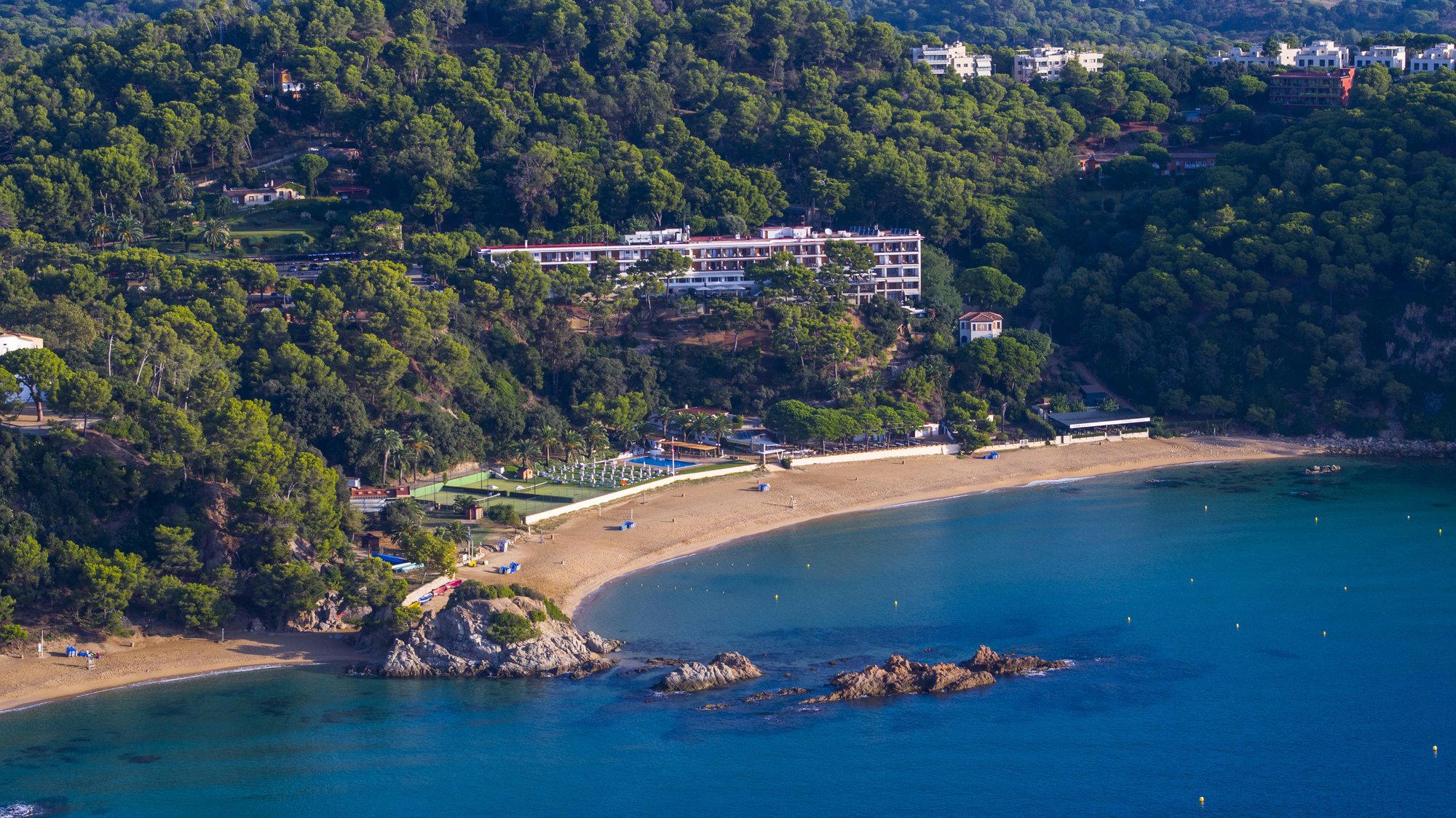
Hotels in Girona
Browse all →
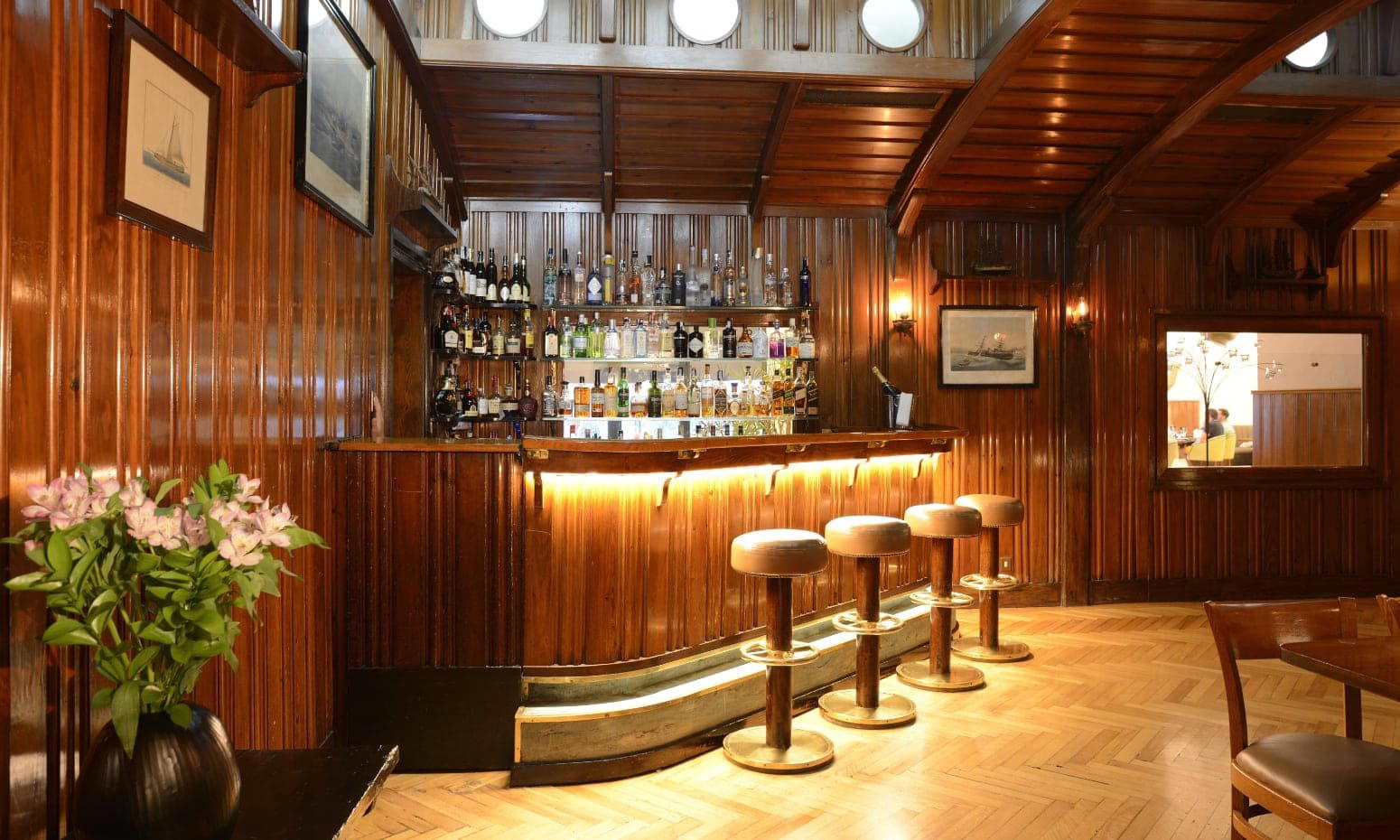
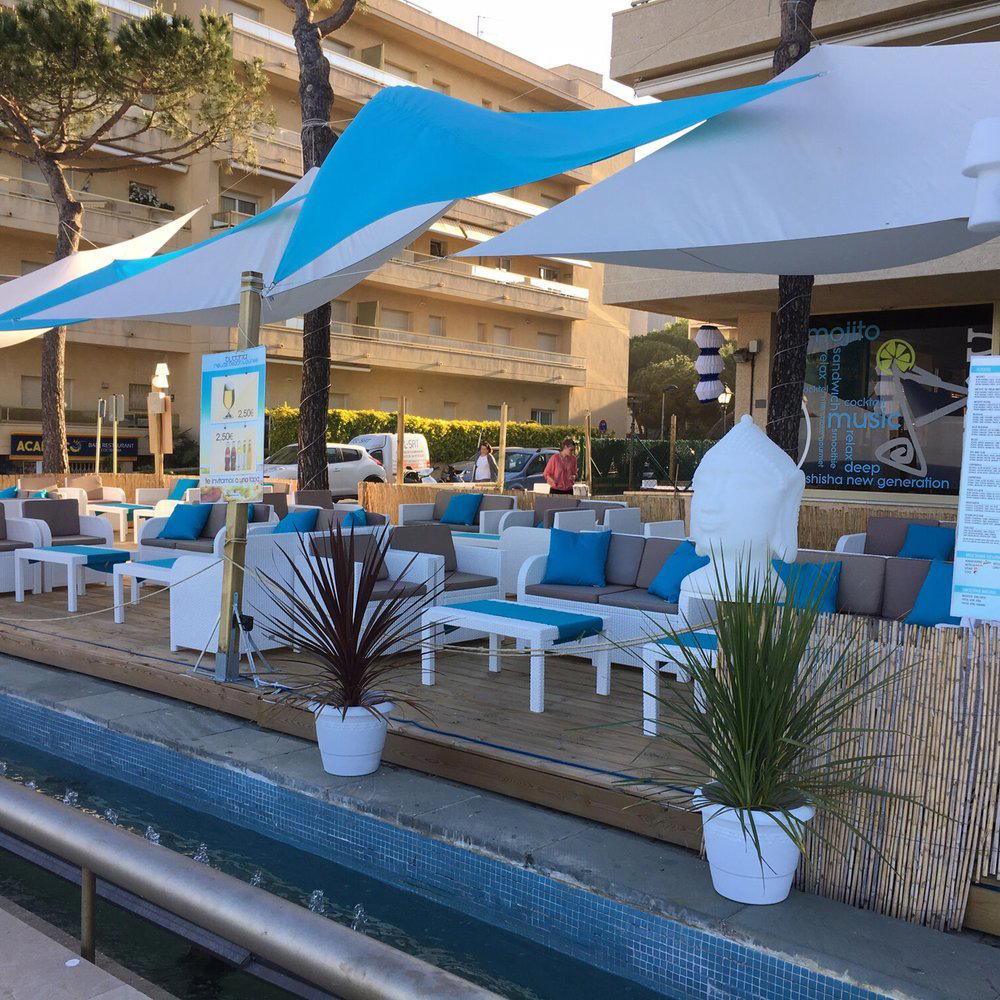
Bars in Girona
Browse all →
Restaurants in Girona
Browse all →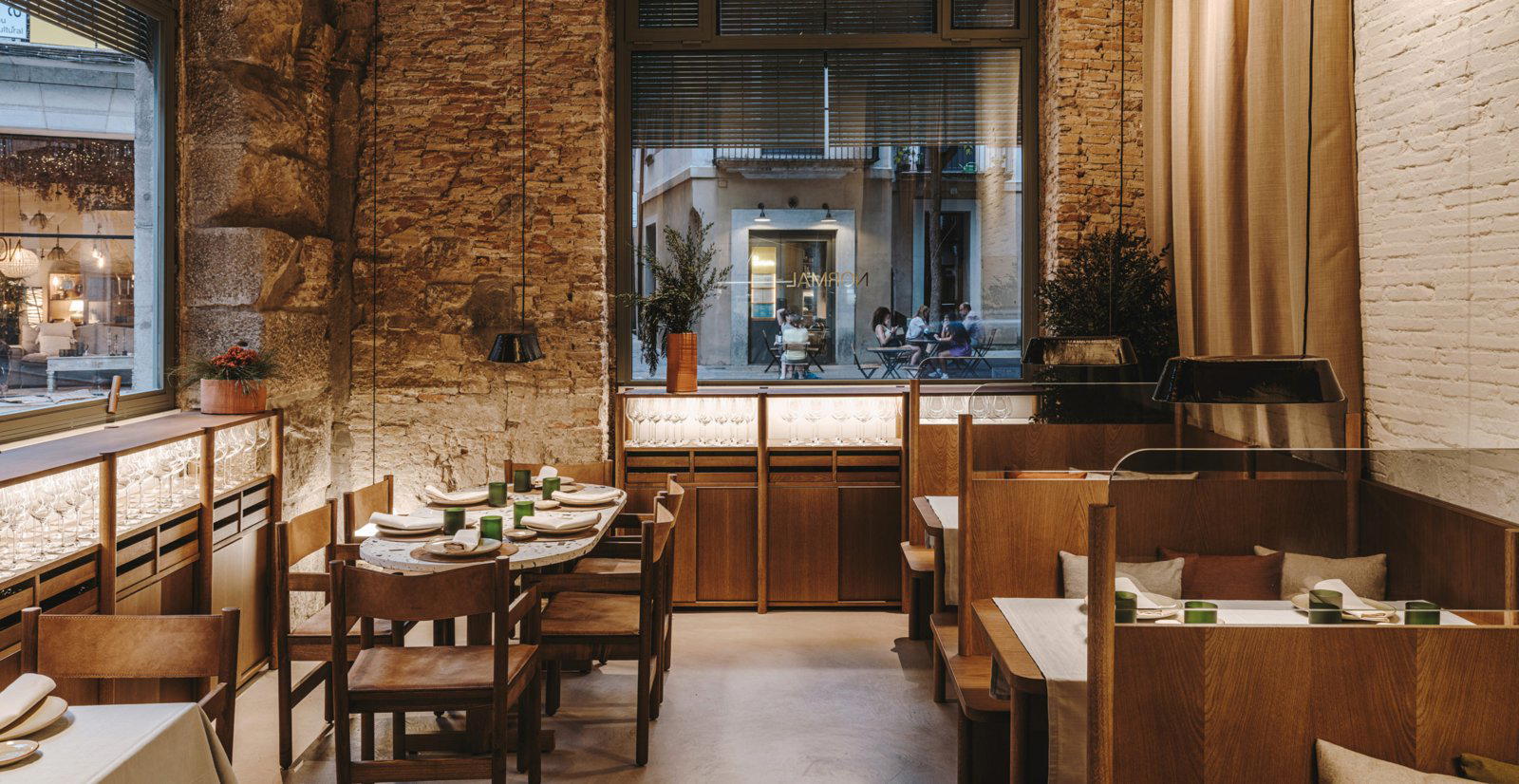

At a Glance
- Modern
- Elegant
- Weekend Escape
- Business Trip
- Terrace
- Historic Building
- Wi Fi
- Pool
- Spa
- Fitness Center
- Room Service
- Concierge
- Business Center
- Wi Fi
- Pool
- Spa
- Fitness Center
- Room Service
- Concierge
- Business Center
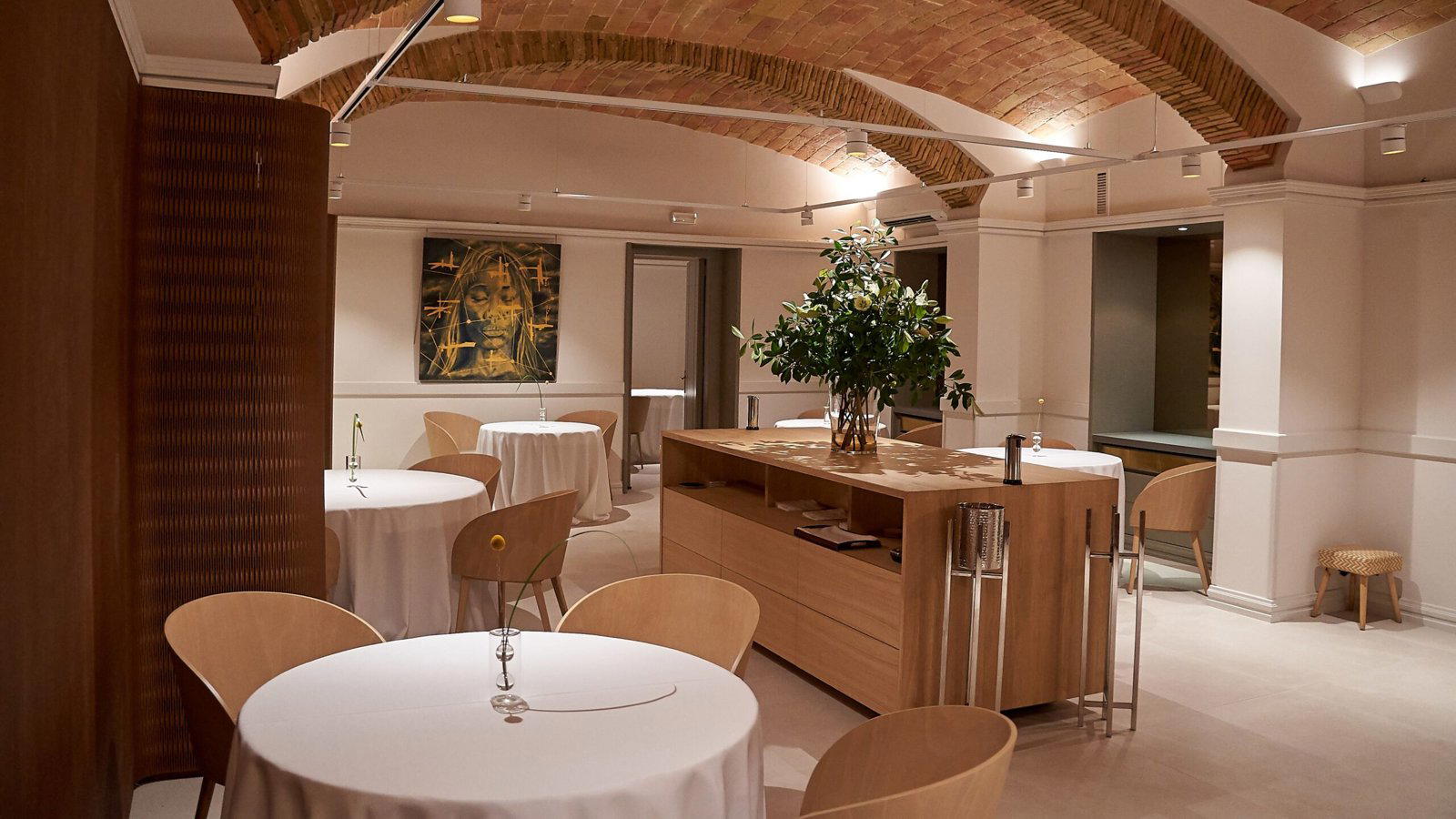
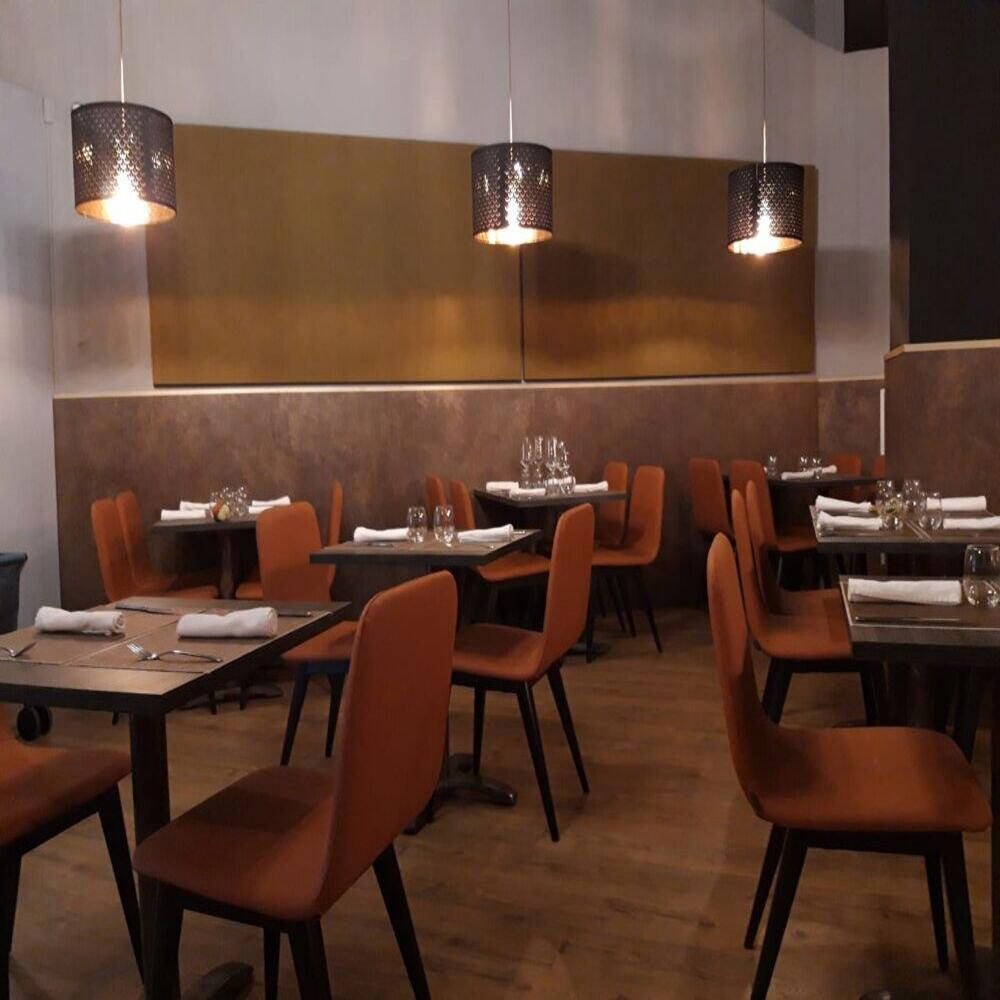
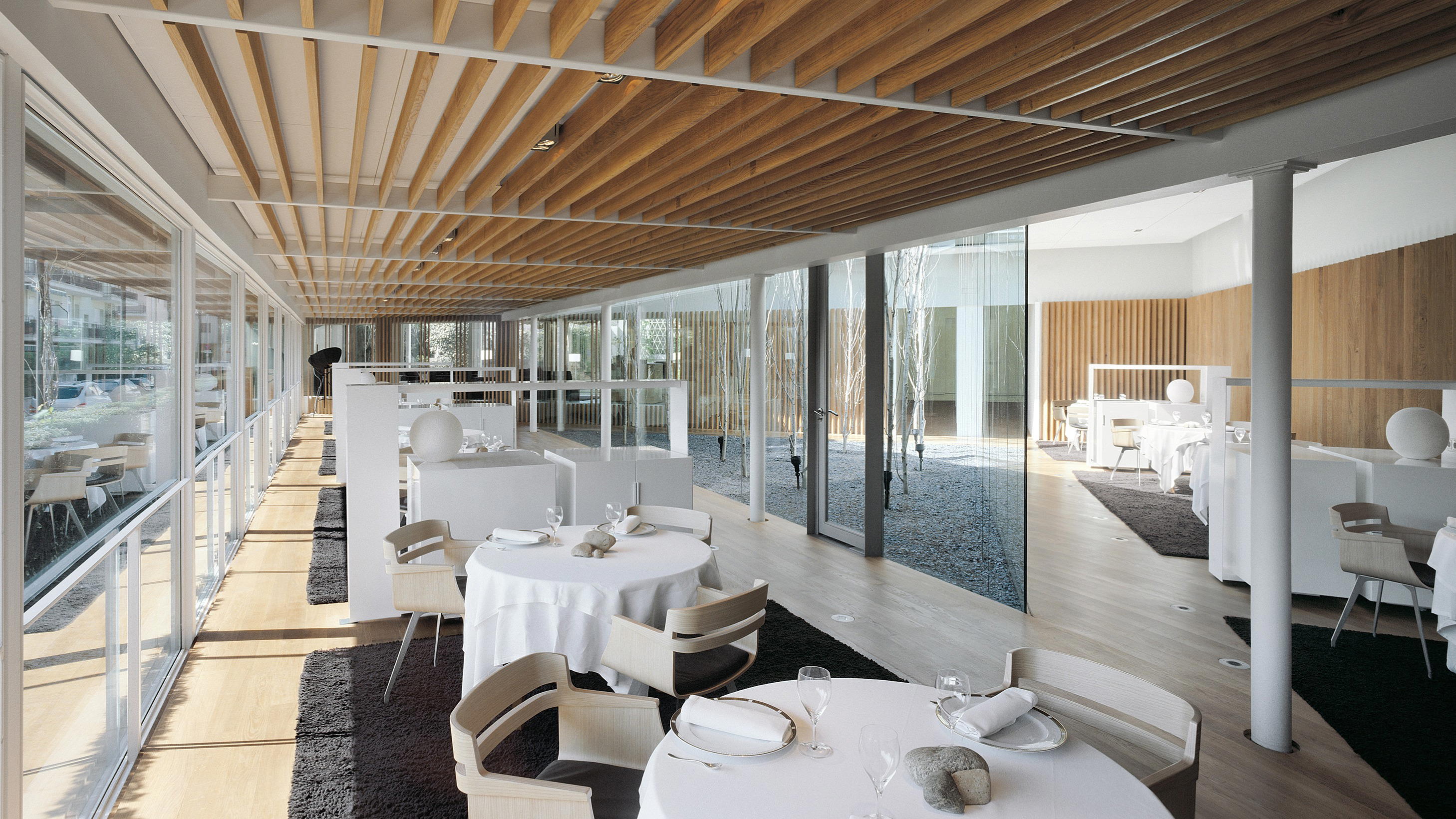
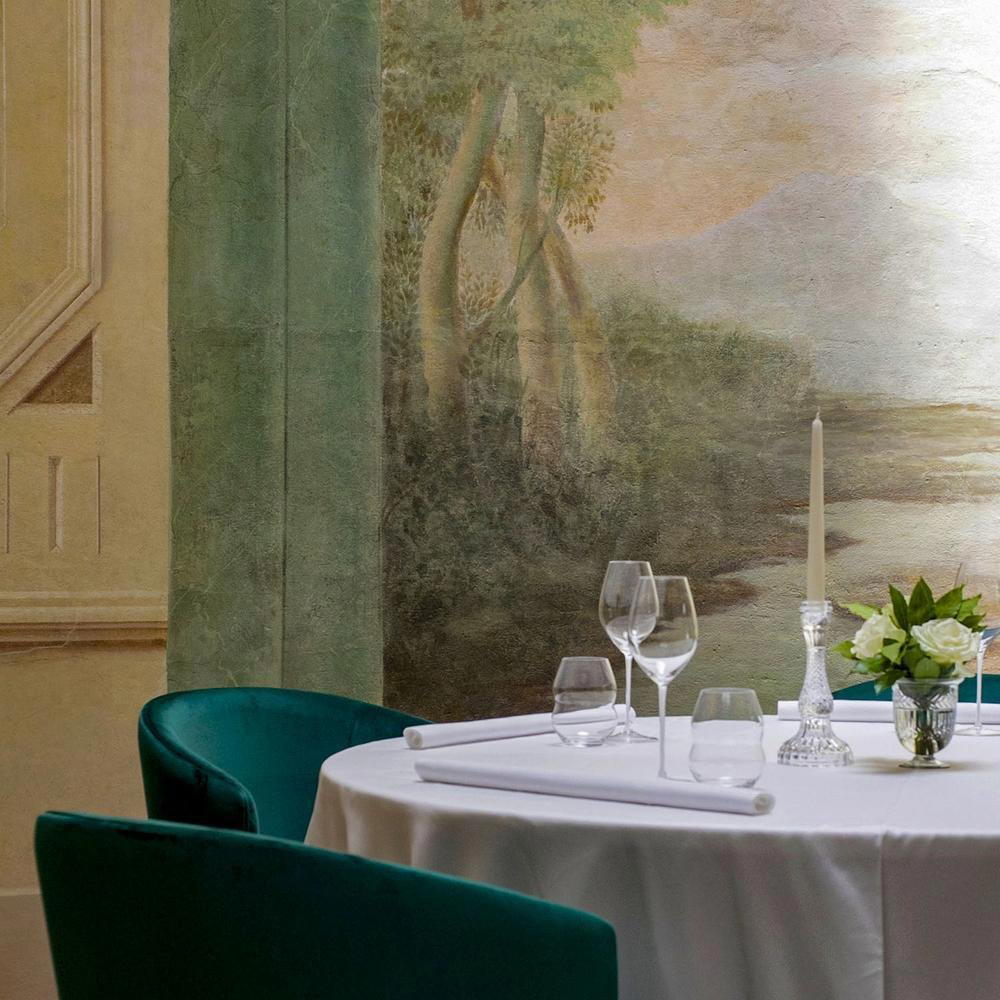
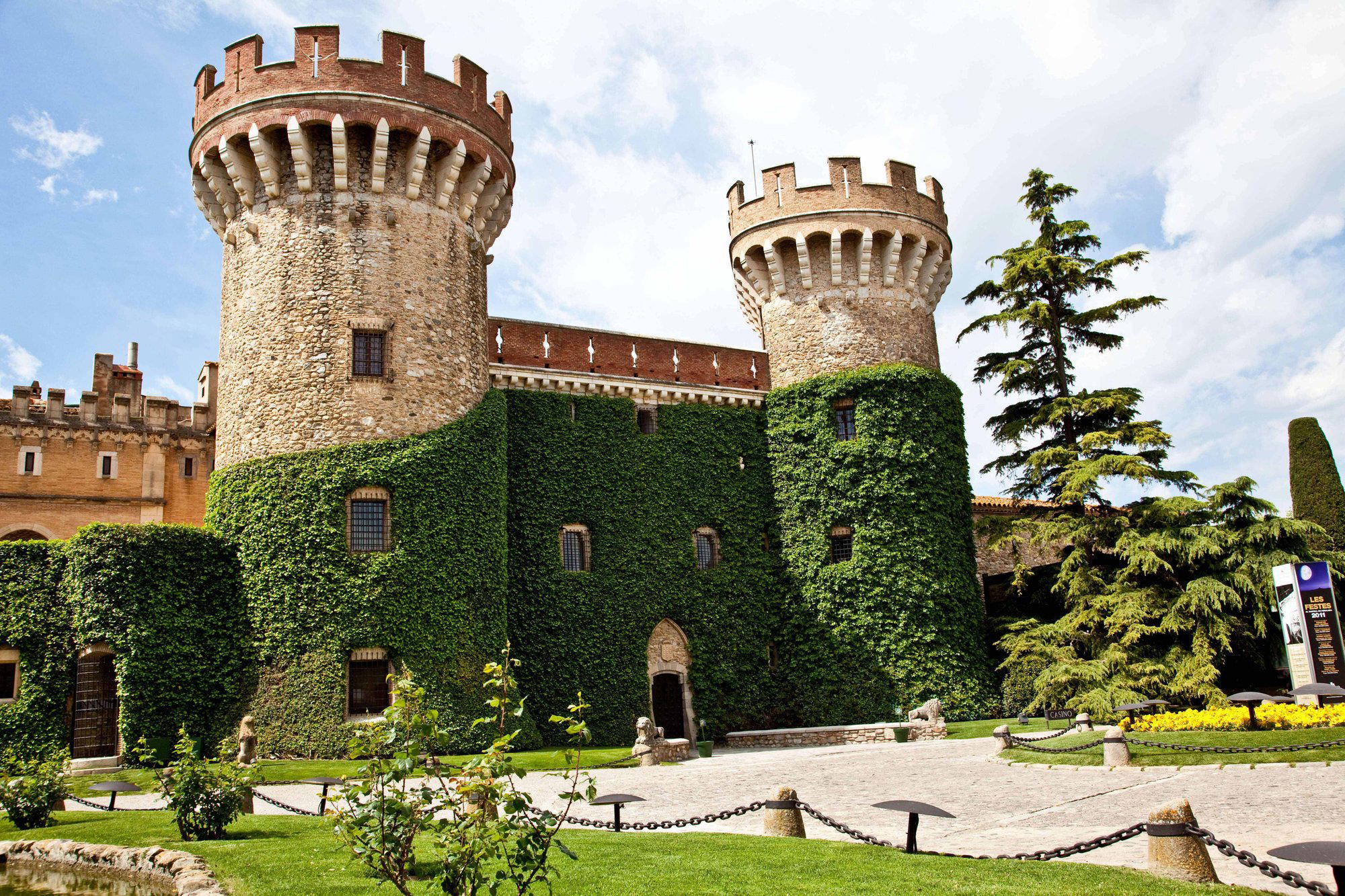
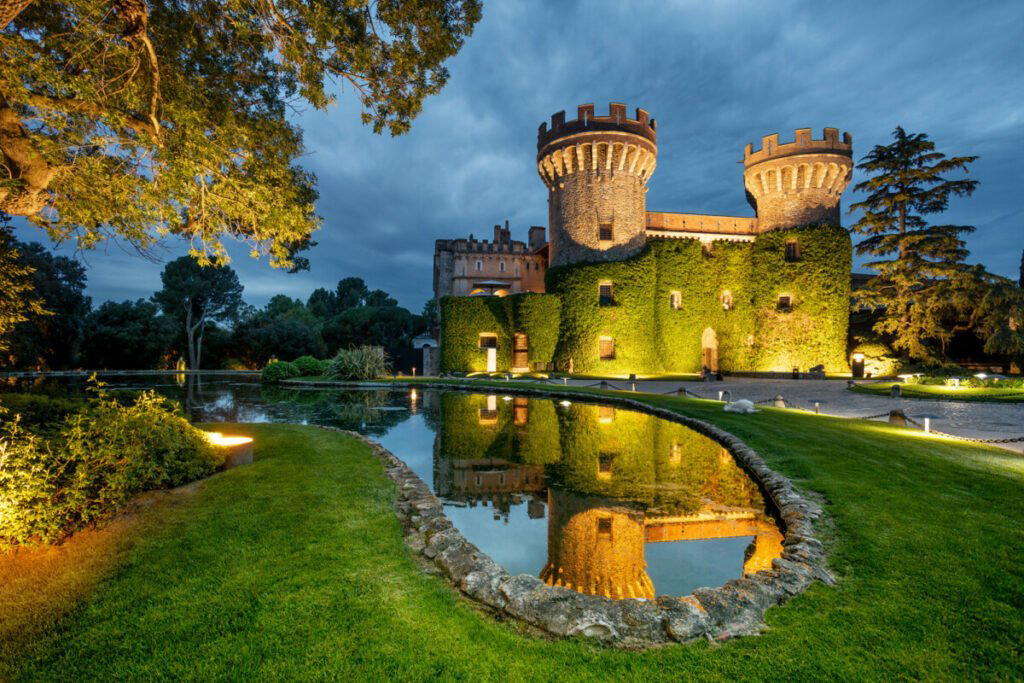
Contemporary atmosphere with distinctive lighting, soundproof rooms, and a quiet terrace for relaxation amid the city's cultural charm.
Know Before You Go
- Getting there
- Carrer del Nord, 2, 17001 Girona, Spain