Ca l'Enric




1 Michelin Star · Macarfi 9.4 Food Rating · Guía Repsol 2 Soles
Our verdict
Set in a converted 19th-century hostal in the forested Vall de Bianya, Ca l'Enric holds a Michelin star and ranked 30th among Europe's top restaurants by Opinionated About Dining in 2024. The Juncà siblings run the kitchen and floor around two tasting menus that trace seasonal Catalan ingredients through modern technique. Lunch service runs Wednesday through Sunday, making it a serious destination for anyone travelling the Garrotxa comarca.

Pearl is the En Primeur Club membership app — saves, bookings, and concierge access live there. Same editors, same standards.
- Address
- Carr. de Camprodon, N-260, Km. 91, 17813, Girona, Spain
- Phone
- +34 972 29 00 15
- Hours
- Mon–Tue ClosedWed–Fri 1:15–3:15 PMSat 1:15–3:15 PM, 8:45–10:30 PMSun 1:15–3:15 PM
- Website
- restaurantcalenric.cat
- Directions
- Get directions
- Booking
- Book on CoverManager
The menu
What to order
- Sous-bois
- Taco de poulet et concombres de mer
- Suquet
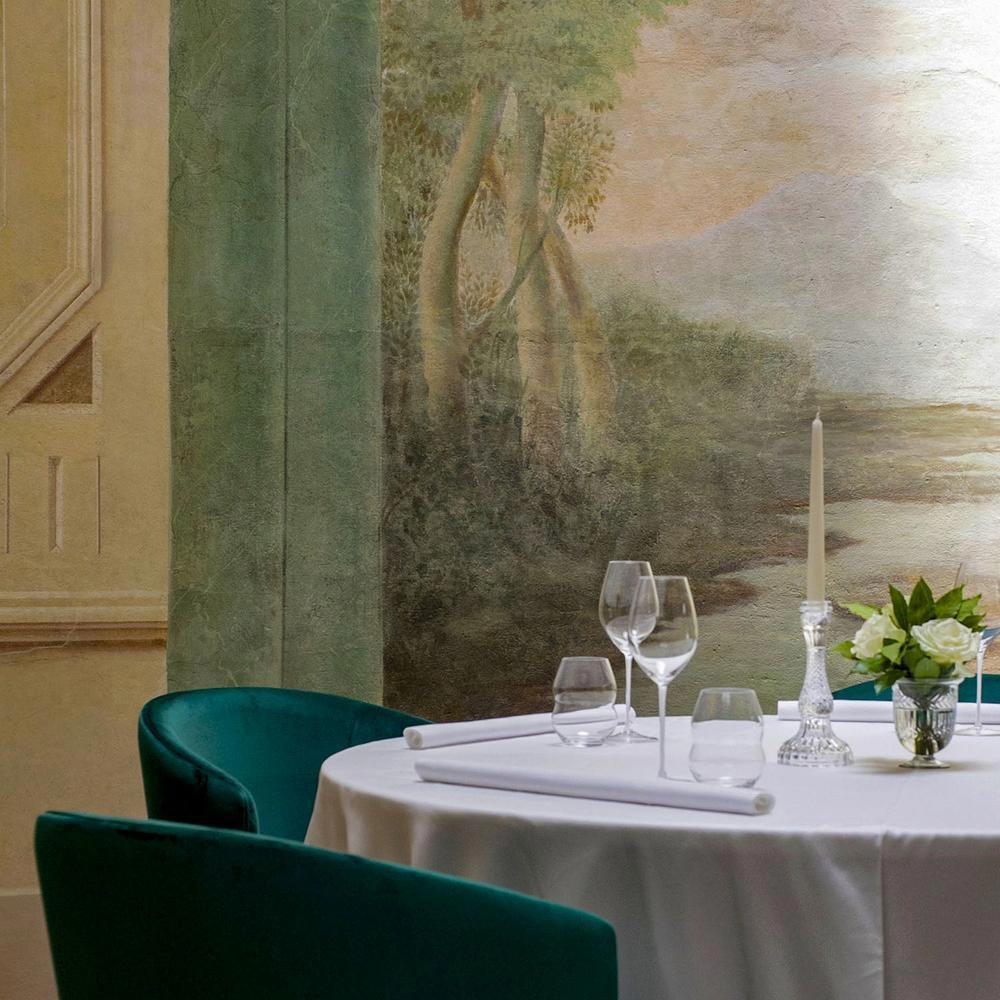
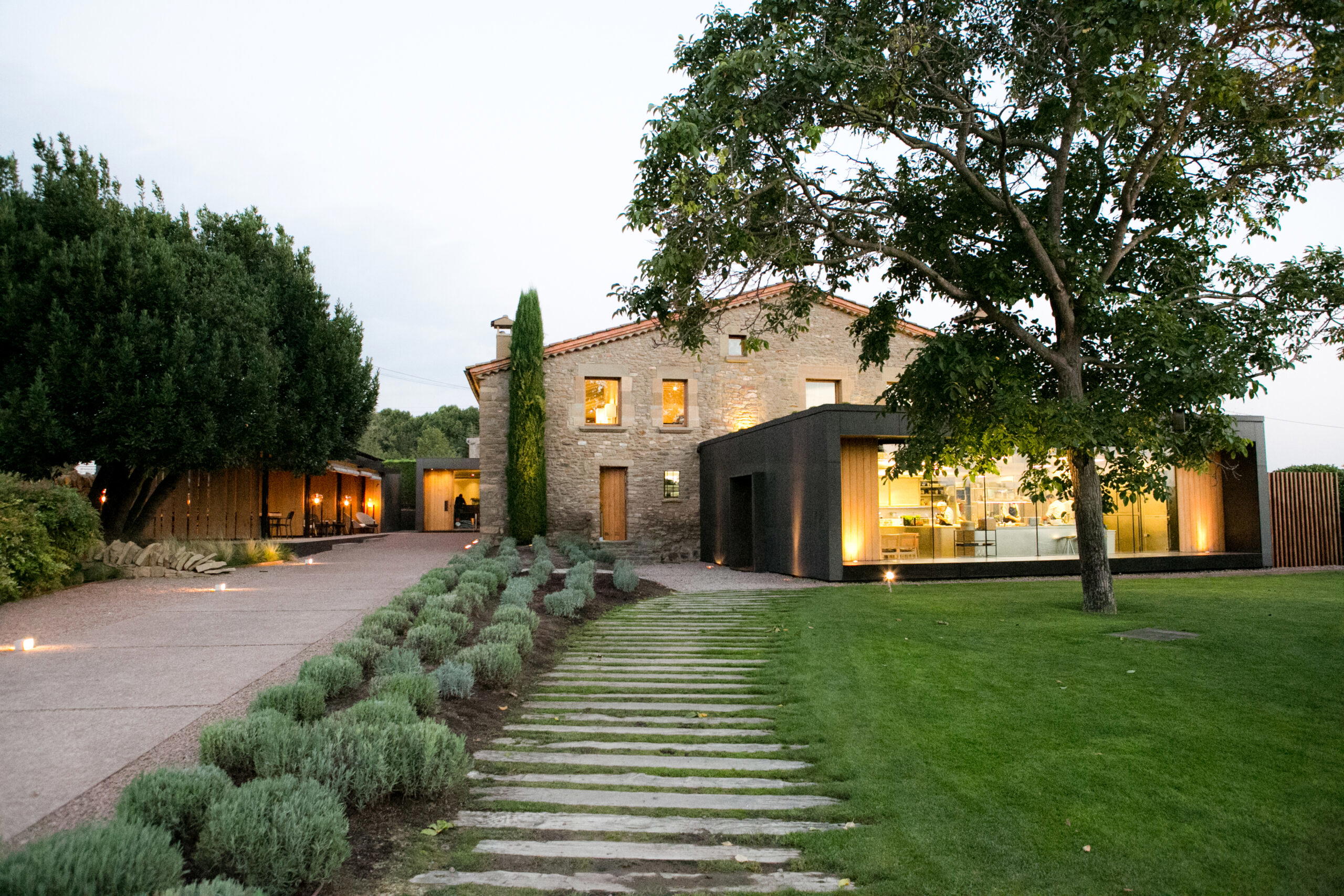
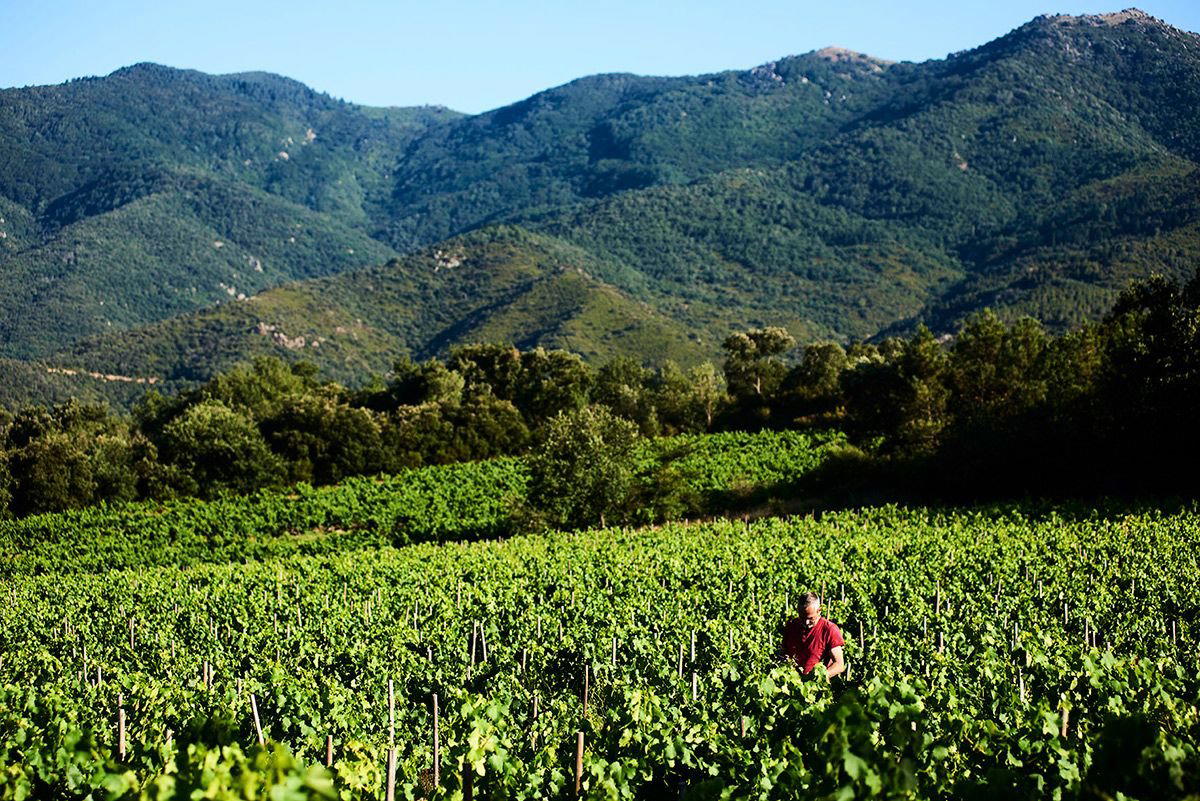
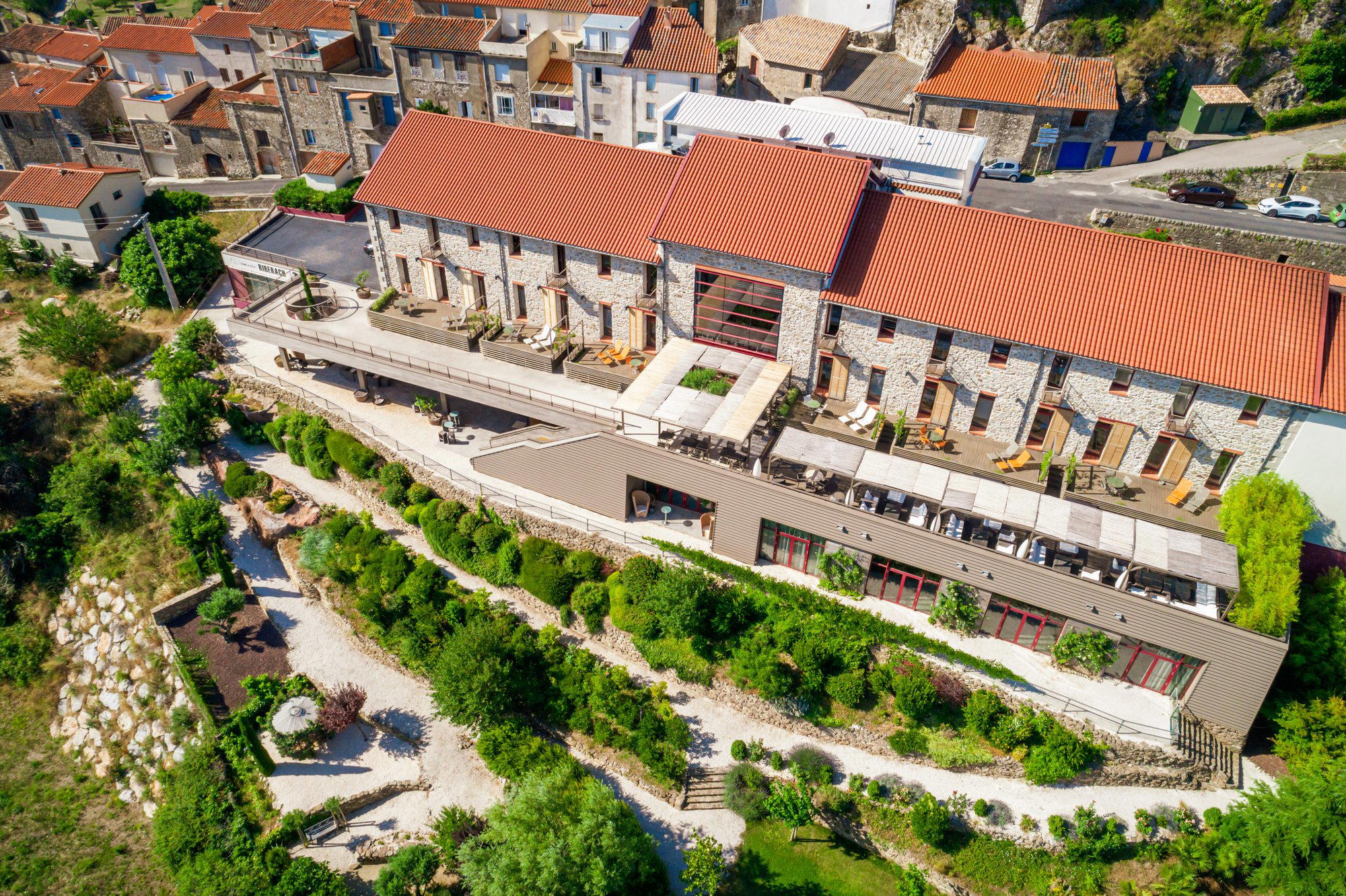
The N-260 between Ripoll and Camprodon runs through a stretch of Girona province where the landscape shifts from open farmland into dense mixed forest. At kilometre 91, a stone building sits at the road's edge in La Vall de Bianya, its materials — rough stone, aged timber, leather — pulling it into the hillside rather than announcing itself against it. This is not the visual language of a destination restaurant trying to impress on arrival. It is the visual language of a place that has been here a long time and knows it.
The building's history gives that confidence a factual basis. A hostal occupied this site in the late 19th century, and the conversion to a gastronomic restaurant has kept the structural bones while inserting contemporary design elements that sharpen rather than obscure the original character. The contrast is deliberate: modern lines against stone walls, clean service against a room that carries visible age. That tension between tradition and technique turns out to be exactly the editorial frame for what arrives on the plate.
The Catalan Rural Table and How Ca l'Enric Reads Within It
Creative Catalan cooking at the serious end of the register tends to cluster around urban anchors: El Celler de Can Roca in Girona and Cocina Hermanos Torres in Barcelona are the obvious reference points for the region's most decorated tables. Ca l'Enric operates in a different register: it is a rural restaurant in a valley of roughly 2,000 inhabitants, running lunch service only, five days a week, with a menu philosophy anchored to what the surrounding woodland and farms can provide in any given season. That positioning is not a compromise. It is a competitive choice, and the awards trajectory suggests it is working.
The same OAD ranking listed it 29th among Europe's leading new restaurants in 2023, indicating consistent critical momentum rather than a single-year spike. For comparison, the restaurants most commonly cited alongside it at the top of Spain's creative dining scene, Arzak in San Sebastián, Azurmendi in Larrabetzu, Mugaritz in Errenteria, DiverXO in Madrid, Aponiente in El Puerto de Santa María, and Quique Dacosta in Dénia, all operate at three-star level and at significantly higher price points in larger urban or coastal settings. Ca l'Enric's star-level recognition while operating as a rural lunch-only address in a mountain valley is the more interesting story.
The Menus: Tradition Moving Through Seasons
Spain's wider small-plates tradition, the culture of ordering around a table rather than down a fixed column, finds a specific expression here in the structure of Ca l'Enric's tasting formats. Two set menus anchor the offering: Memories in Evolution and Discovering the Valley. The titles signal the editorial priorities, one looks inward toward the restaurant's accumulated memory of Catalan cooking, the other looks outward toward the specific geography of the Bianya valley. Both sit alongside an à la carte option, which keeps the social, self-directed aspect of Catalan dining available for guests who prefer to construct their own table around shared dishes rather than following a fixed progression.
Michelin's own notes reference morel mushrooms with tripe and eel salsa, and grilled peas with nettle pil-pil and hake cheeks as examples of the kitchen's approach. Both preparations point to a consistent logic: wild or foraged primary ingredients treated through techniques that reference the Catalan peasant larder (tripe, salt cod preparations, pil-pil as borrowed from Basque tradition but applied to local fish) while arriving in forms that are unmistakably contemporary. The morel and eel pairing in particular sits at an interesting intersection of land and river, a combination that makes geographic sense in a river valley environment but would be unremarkable if it were not for the technical confidence required to execute tripe and eel salsa as a coherent sauce rather than a conceptual gesture.
Seasonal availability governs the menu's shape more than any fixed rotation. The Garrotxa comarca's forested interior produces a succession of ingredients across the calendar that gives the kitchen a genuine local larder to draw from: spring fungi, river fish, mountain herbs, garden vegetables at various stages of maturity. The Discovering the Valley menu takes that source material most literally.
The Juncà Operation and How It Functions as a Room
The family structure at Ca l'Enric places Jordi and Isabel Juncà in the kitchen and Joan Juncà managing the floor and wine program. A family-run operation at this level carries implications for the dining experience that are worth stating directly. The service dynamic at a family table of this kind tends toward hospitality that is more considered than scripted, there is institutional knowledge of the building, the region, and the wine selection that a front-of-house team assembled from hospitality professionals does not replicate in the same way.
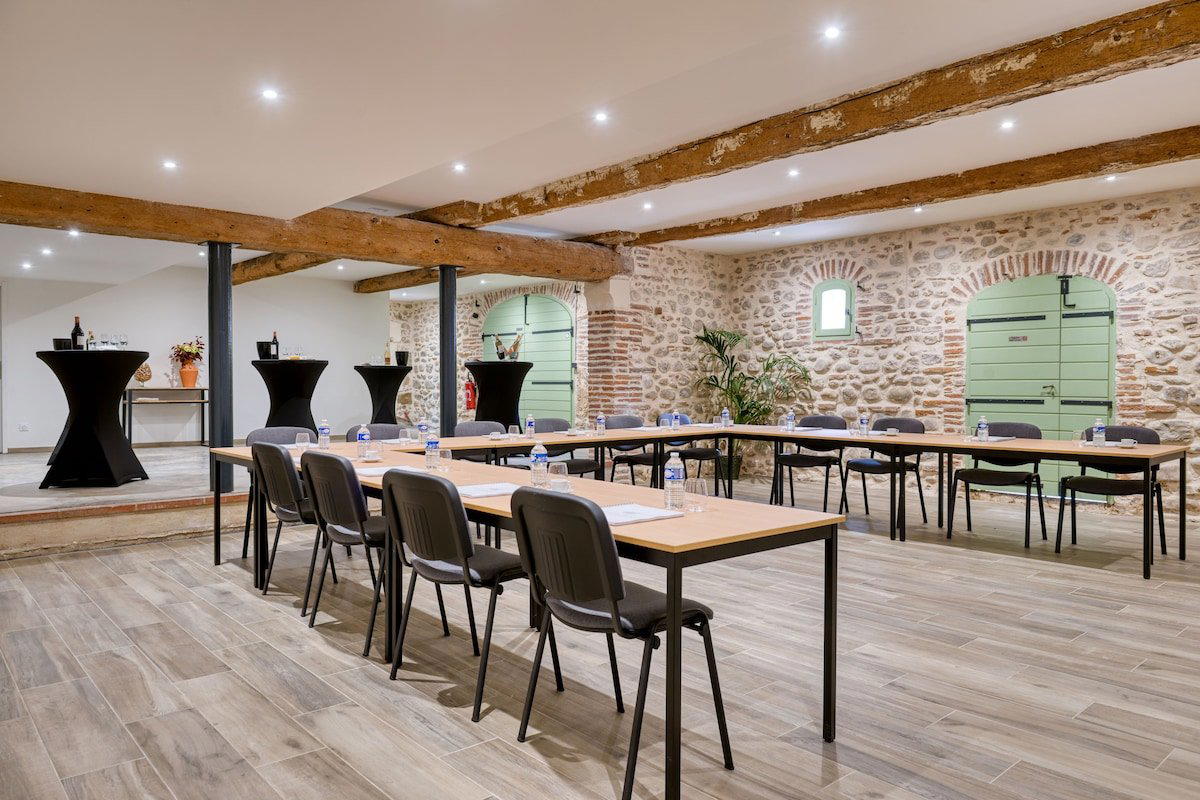
The wine cellar, which occupies a converted rainwater tank beneath the building, is an architectural detail that also functions as a signal about the seriousness of the list. A dedicated cellar space of that character, managed by a sommelier with this level of local and regional knowledge, suggests a Catalan and wider Spanish selection with genuine depth. The room itself, stone walls, original volume, the sense of something subterranean, adds a dimension to any pre- or post-meal wine moment that a standard cellar display does not.
A rural lunch-only address accumulates those numbers only through consistent repeat visits and travellers who made a specific journey to be there. Both categories of diner tend to leave more considered reviews than walk-in urban trade.
The Case for Making the Drive
Spain's creative dining scene has concentrated its highest-decorated restaurants in the Basque Country, Madrid, and the Catalan coast. The Garrotxa interior, volcanic landscape, medieval villages, farming communes, does not appear on the standard itinerary of a Spain dining trip. That is precisely the argument for building a route around Ca l'Enric rather than treating it as an add-on.
The restaurant's positioning at km 91 on the N-260 places it on a road that connects the Garrotxa with the Ripollès and the Pyrenean approaches to Camprodon. A circuit that combines Ca l'Enric with the volcanic landscape around Olot, the Fageda d'en Jordà beech forest, and the wider Garrotxa natural park forms a coherent itinerary rather than a detour. For those extending further, the road continues toward Camprodon and the Pyrenean valleys, placing the restaurant at a logical midpoint rather than a dead end. Bo. TiC in Corçà, another Michelin-recognised address working with Catalan creative cooking, operates within the broader Girona comarca and offers a useful point of comparison for how different rural Catalan restaurants interpret the same regional tradition.
For those planning a broader Spanish tour, Martin Berasategui in Lasarte-Oria, Ricard Camarena in València, and Atrio in Cáceres represent other regional expressions of serious Spanish cooking, each at a different price tier and geographic remove from the Catalan interior.
Planning the Visit
Ca l'Enric serves lunch only, from 1 PM to 3:30 PM, Wednesday through Sunday, with Monday and Tuesday closed. That window is narrow by any standard, and the combination of a Michelin star, strong OAD rankings, and a limited number of tables in a rural location means advance booking is necessary rather than optional. The address is Carr. de Camprodon, N-260, Km. 91, 17813, Girona; the restaurant is accessible by car along the N-260 and does not sit within walking distance of any urban centre. The price tier is €€€€, placing it in the same bracket as Spain's three-star addresses by cost category, though the format and setting are distinct from those urban flagships.
For anyone building a wider stay in the area, our full La Vall de Bianya restaurants guide, hotels guide, bars guide, wineries guide, and experiences guide cover the wider valley and Garrotxa context in full.
Frequently asked questions
What do people recommend at Ca l'Enric?
Michelin reviewers have specifically highlighted the morel mushrooms with tripe and eel salsa and the grilled peas with nettle pil-pil and hake cheeks as representative of the kitchen's approach. Both dishes sit within the broader Catalan creative tradition that chefs like Jordi and Isabel Juncà have developed: seasonal and foraged primary ingredients executed with technical precision. The Memories in Evolution and Discovering the Valley tasting menus are the formats through which most of that cooking reaches the table, and the OAD Top 30 Europe ranking in 2024 suggests the menu as a whole reads convincingly to serious critics rather than on individual dishes alone.
What is the vibe at Ca l'Enric?
The room combines stone, wood, and leather, the original materials of a 19th-century hostal, with contemporary design elements, which produces a setting that feels grounded rather than formal. The family-run service adds a quality of considered, personal hospitality that differs from the choreographed floor of a large-brigade urban restaurant. At €€€€ pricing with a Michelin star and strong critical recognition, the dining occasion sits at the serious end of the register. That said, the rural lunch-only format and family operation soften the ceremony relative to the starred urban restaurants at equivalent price points. If you are coming from a city like Barcelona or Girona, the drive and the setting shift the experience toward something closer to a deliberate rural pilgrimage than an evening-out.
Can I bring kids to Ca l'Enric?
The price tier (€€€€) and tasting menu format are worth weighing honestly against the dining preferences of younger children. As a general observation, rural Catalan restaurants of this type, family-run, lunch-only, with a kitchen philosophy tied to seasonal and foraged ingredients, tend to be more accommodating in atmosphere than urban fine dining rooms of comparable price. The Juncà family operation itself suggests a domestic warmth in the room. That said, the set menu format and the relatively short service window of 1 PM to 3:30 PM require advance planning regardless of the group composition. Contacting the restaurant directly before booking is the reliable approach for any party with specific needs.
Comparable Spots, Quickly
| Venue | Cuisine | Awards |
|---|---|---|
| Ca l'EnricThis venue — the venue you are viewing | Modern Catalan Fine Dining | 1 Michelin Star · Macarfi 9.4 Food Rating |
| Aponiente | Progressive - Seafood, Creative | Michelin 3 Star |
| Arzak | Modern Basque, Creative | Michelin 3 Star |
| DiverXO | Progressive - Asian, Creative | Michelin 3 Star |
| El Celler de Can Roca | Progressive Spanish, Creative | Michelin 3 Star |
| Quique Dacosta | Creative | Michelin 3 Star |
Recognition history
Dated appearances from independent guides and award organizations, with the underlying list record or original source where available.
Michelin 1 Star
Michelin
Guía Repsol 2 Soles
Guía Repsol
Macarfi 9.4 Food Rating
Macarfi
Opinionated About Dining Top Restaurants in Europe Ranked #37
Opinionated About Dining
Full recognition history (8 entries)
Michelin 1 Star
Michelin
Michelin 1 Star
Michelin
Opinionated About Dining Top Restaurants in Europe Ranked #30
Opinionated About Dining
Opinionated About Dining Top New Restaurants in Europe Ranked #29
Opinionated About Dining
Continue exploring
More in La Vall de Bianya
Restaurants in La Vall de Bianya
Browse all →
Bars in La Vall de Bianya
Browse all →
Hotels in La Vall de Bianya
Browse all →

Details
- Rustic
- Elegant
- Cozy
- Intimate
- Scenic
- Special Occasion
- Date Night
- Wine Cellar
- Terrace
- Open Kitchen
- Private Dining
- Extensive Wine List
- Sommelier Led
- Local Sourcing
- Mountain
- Garden
- Tasting Menu
- A La Carte
- Vegetarian Friendly
- Vegan Options
- Gluten Free Options
Current opening hours
- Monday
- Closed
- Tuesday
- Closed
- Wednesday
- 1:15–3:15 PM
- Thursday
- 1:15–3:15 PM
- Friday
- 1:15–3:15 PM
- Saturday
- 1:15–3:15 PM, 8:45–10:30 PM
- Sunday
- 1:15–3:15 PM
Hours can change for holidays and private events. Last verified .
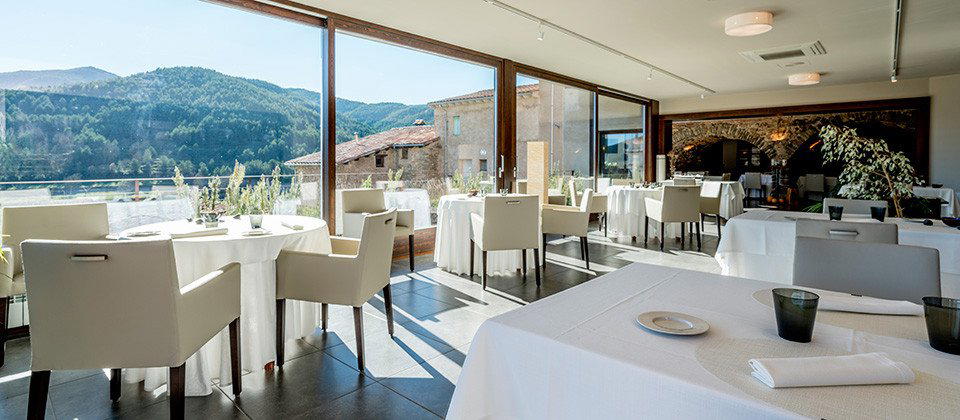
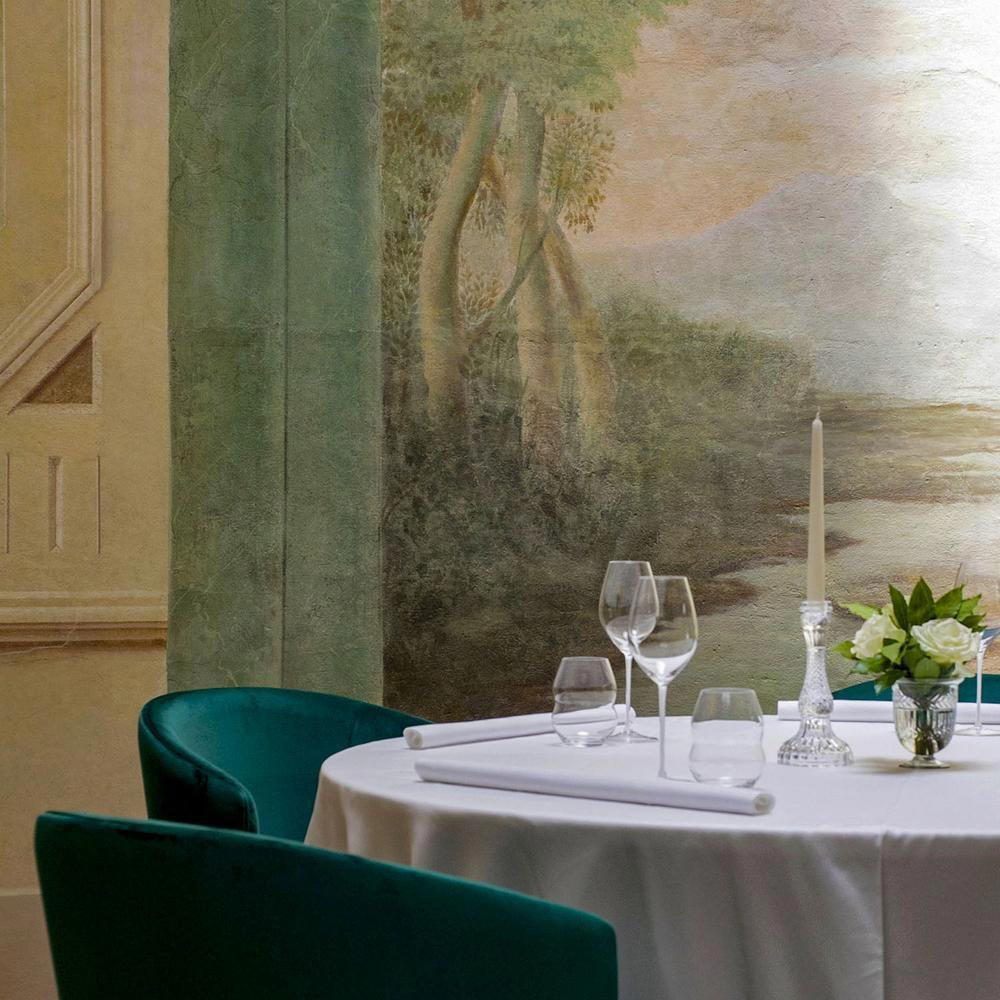
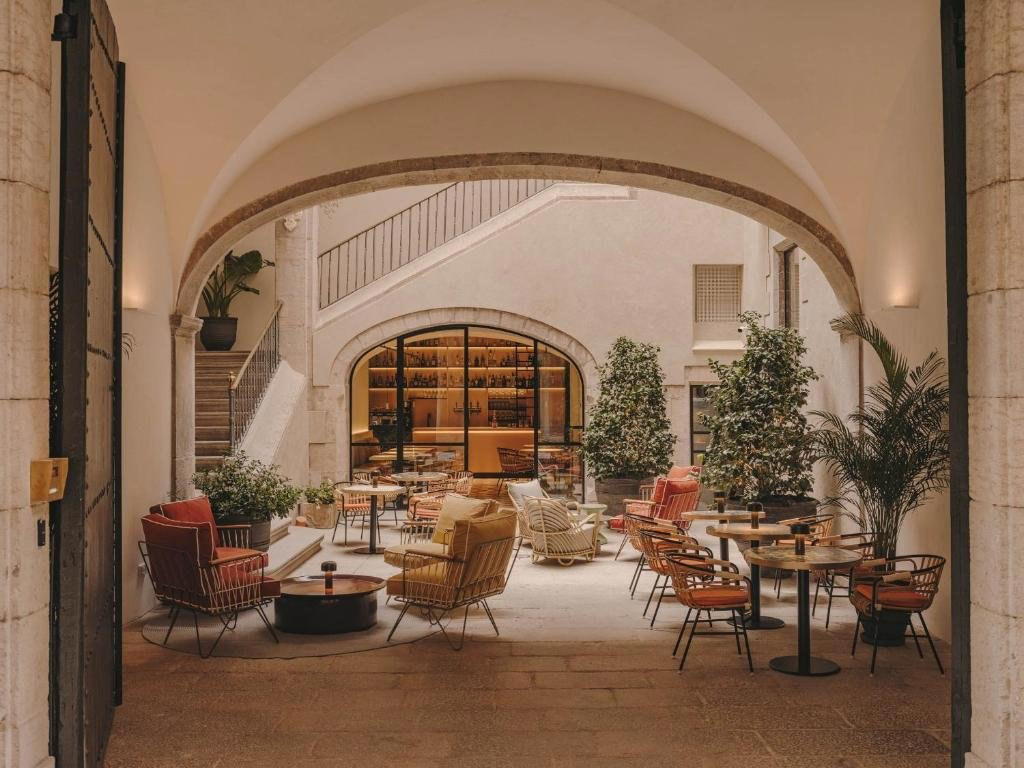
Contemporary design blending modern elements with natural materials like stone and wood, creating a calm, vast, and elegant atmosphere.